W&Mレポート(3):ミュージシャン向けWeb3ツールの現状


原作者: 水と音楽
副題
この記事はSeeDAOからのものです。
推奨読書:
W&Mレポート(1):音楽NFTにPFPの瞬間はありますか?
W&M レポート (2): 音楽 NFT の所有権の定義
最初のレベルのタイトル
tl;dr (長すぎて読めないバージョン)
tl;dr (長すぎて読めないバージョン)
音楽/Web3 ツールはますます多様化し、ますますエキサイティングになっています。新しいプラットフォームが毎週ローンチされ、アーティストが NFT、ソーシャル トークン、DAO インフラストラクチャを通じて創造性とファン エンゲージメントを中心とした新しい経済モデルを構築するのを支援します。ただし、このエコシステムがあらゆるキャリア段階のアーティストにとって健全で持続可能な方向に機能するためには、音楽と Web3 の資金の流れの不均衡、および基本的なメタデータとコミュニティ構築モデルのギャップに対処する必要があります。
Water & Music コミュニティは、過去 2 か月間で「音楽と Web3 分野の現状」に関する一連の調査レポートを完成させました。このレポートは 5 部構成であり、この記事は第 2 部です。研究のこの部分に手がかりを提供した寄稿者を論文の最後にリストします。 (役割別)
このレポートの最初の部分では「生成音楽NFTの新興市場」を調査し、後半では「「音楽NFT」の法的および契約上の問題」(特にストリーミング収益またはロイヤルティの分配を約束するもの)を調査します。当社の Web サイトにアクセスすると、これまでに完了したすべてのレポートとコミュニティ メンバーおよび寄稿者の完全なリストを確認できます。
2021 年のほとんどの間、NFT のトンネリングにより、主流の音楽業界の Web3 に対する見方が大きく変わりました。わずか数時間で、2人のミュージシャン3LAUとグライムスのアルバム売上はそれぞれ7〜8桁に達し、春先には各界の有名人が音楽NFTの仲間入りをしようと群がり、音楽NFTレベル1の市場合計3月を記録しました。売上高は2,700万ドルに達し、月間売上高としては過去最高を記録した。この熱狂は一部の詐欺師やファンからの怒りを引き起こし、音楽の一種としてのNFTには経済的独占性と環境上の懸念があると主張しています。
その後、音楽NFTは弱気市場に入り、これにより音楽業界の多くの人々は、短期的な市場獲得と迅速な資金吸収に焦点を当てるだけでなく、NFTを音楽に組み込むためのより包括的で思慮深い戦略を確立する必要があることに気づきました。アーティストの長期的なマーケティング戦略とビジネス モデル。 2021年8月、私たちのチームの2人のメンバー、Cherie HuとBrooke JacksonがNFT Nowのゲスト記事を書き、この移行を「コレクションからコミュニティへ」と呼びました。当時、NFT の新たなユースケースには、ポータブル ファン ID、オンチェーン チケット販売ソリューション、暗号ネイティブ アルバムの発売などが含まれていました。
4 か月後、より多くのアーティストが Web3 テクノロジーの実験を開始するにつれて、Web3 の長期的な使用例が明らかになり始めています。アーティストたちはNFTの遠い未来に注目し、インタラクティブなファンスポンサーシップ、クラウドファンディング、ソーシャルトークンやDAOを通じたコミュニティ主導のクリエイティブ協力などの新しいモデルを模索し始めました。次に、この実験精神は、アーティストが直面するさまざまな問題を解決するための新しい音楽/Web3 スタートアップの肥沃な土壌を生み出しています。
このことから、私たちは今日の音楽と Web3 の現状を再評価する時期に来ていると考えます。私たちは音楽/Web3 ツールの市場パノラマを立ち上げ、NFT、ソーシャル トークンの発行、または DAO の構築など、音楽とクリエイター中心のコンテキストにある 80 以上の異なるスタートアップをカバーしました。これらのツールのほとんどは今年リリースされており、アーティスト向けの Web3 ネイティブ ソリューション開発の勢いが 2022 年まで続くことを証明しています。
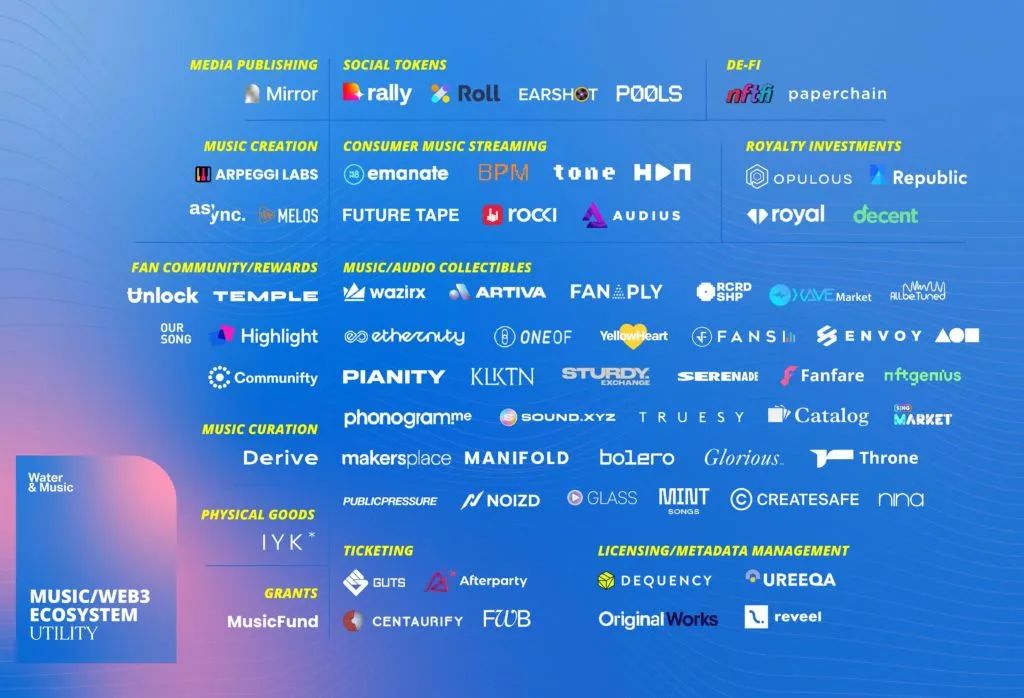
この市場パノラマは網羅的ではない可能性があることに注意してください。私たちの主な目的は、音楽/Web3 業界全体のパノラマの初期メンタル モデルを提示することです。パノラマまたは全体的な暗号データ ダッシュボードに欠落しているスタートアップを見つけた場合は、このフォーム (airtable.com/shr3lxL147b5AKb67) に記入して追加できます。
マーケット パノラマに加えて、メンバー専用の音楽/暗号化データ ダッシュボードのツール セクションを完全に刷新しました。私たちは2020年の夏から音楽NFTの売上を追跡してきましたが、それ以上細分化することはできませんでした。ここで、これを 2 つの新しいタブに分割します。
音楽 / Web3 ツール
これは、アーティストや音楽レーベルが、NFT、ファン/コミュニティ間の連携、音楽ライセンス、配信などを含む Web3 戦略全体を形作るために積極的に使用しているスタートアップとツールの厳選されたリストです。データベースは、コアユーティリティ、チャネルネットワーク、発売日、資金調達額などの次元に従って分類して表示できます。
Mirrorでの音楽クラウドファンディングとNFTセール
この基礎となるデータ (このレポートの公開後も毎週更新され続けます) は有料会員のみが利用できますが、私たちはいくつかの重要な傾向を抽出し、今日の音楽/Web3 ビルダーのニーズを明確にしたいと考えました。このリソースが、Web3 インフラストラクチャの将来が持続可能でアーティストやファンにとって有益であることを保証するとともに、Web2 業界で再び表面化する可能性のある問題への警告として機能することを願っています。
最初のレベルのタイトル
研究方法と免責事項
この市場パノラマを構築するために、2 か月以内に、音楽/Web3 ツールに関するコミュニティから多くの提案を集めました。収集されるデータには、製品タイプ (通常の NFT、音楽 NFT、ソーシャル トークン)、コア ユーティリティ (音楽/オーディオ収集品、ファン/コミュニティ報酬、ロイヤルティ投資、イベント チケット発行)、ネットワーク タイプ (イーサリアム、フロー、ポリゴン)、および公的資金情報 (主に Crunchbase から取得しました)。この間、データベースの範囲と、より深いストーリーを得るためにデータをマイニングする方法を決定するために、Discord サーバー上で毎週ブレインストーミングとフィードバック セッションを数回開催しました。
免責事項は以下の通りです
データベースと市場のパノラマは、一回限りのNFTコレクションではなく、アーティストがクリエイティブな作品をオンチェーンで構築または販売するのに役立つサービスに焦点を当てます。たとえば、Arpeggi Labs は、あらゆるアーティストが使用できる音楽作成および制作用のオンチェーン DAW (作曲ソフトウェア) です。オンチェーン生成音楽プロジェクト EulerBeats はアーティストに自助ツールを提供していないため、このリストから除外されています (ただし、このプロジェクトはこのレポートの最初の部分「音楽 NFT は PFP モーメントを導くか」で紹介されています)
ほとんどの場合、OpenSeaのような汎用NFTプラットフォームは、音楽NFTカテゴリー全体で大きな収益を生み出す可能性があるにもかかわらず、特にクリエイターやアーティストを対象としていないため、除外する傾向があります。このようなデータベースや市場のパノラマは、業界固有のツールを構築する企業について詳しく知りたい音楽視聴者にとって、より敏感で効果的です。
最初のレベルのタイトル
01. データから何がわかるのでしょうか?
今日の音楽/Web3 市場は主に 3 つの方法に分けられ、それぞれに独自の特徴があり、アーティスト、開発者、起業家であっても、それぞれの方法で将来のチャンスを見つけることができます。
1)お金の方法。
2) ユーティリティモード。
3) ネットワークモード。
詳細は以下の通り
1) お金:
前例のない額のVC資金がアーティスト向けのNFTやソーシャルトークンに流入しており、アーティスト自身に直接支払われるWeb3の資金を上回っている。
2) ユーティリティ:
音楽NFTの弱気市場の後、音楽/Web3の創設者は、長期的なファンのリターン、ロイヤルティ投資、優れた音楽の消費と発見などのいくつかの重要なユーティリティに焦点を当て、アーティストとファンの交流を促進するためにWeb3インフラストラクチャの新しいアプリケーションを実験しています。 。
現在、音楽/Web3 ツールも非常に二極化しており、開発者は複雑な分散型インフラストラクチャを採用するか、ホスト型ウォレットを通じてファンがブロックチェーン ネットワークに直接参加できるようにするかを決定する必要があります。
副題
お金を追って
音楽/Web3 ツールには何億ドルものお金がかかりますが、アーティストにはどれくらいが支払われるのでしょうか?
私たちのデータベースにある大規模なNFTマーケットプレイスとプラットフォーム(Foundation、Sturdy Exchange、MakersPlace、Manifold Studio)を除いて、音楽/Web3スタートアップは2021年にベンチャーキャピタル資金で3億ドル以上を調達しました。
私たちの予想どおり、最も多くの資金を集めた音楽/Web3 企業の 2 つのカテゴリーは次のとおりでした。
音楽NFTプラットフォーム
Doja CatとiHeartRadioのコラボレーションであるOneOfの出資額は6,300万ドル、DJ/プロデューサーで暗号通貨のベテランである3LAUが共同設立したRoyalの出資額は5,500万ドルである。 )
ソーシャルトークンツール
Megadeth と Portugal. The Man などのトークンをローンチした Rally には 5,700 万ドル。 p00ls に 1,800 万ドル。プロデューサー Blond:ish のソーシャル トークンを立ち上げたばかりです。
これらの数字を今年の音楽NFT収益と比較してみましょう。ダッシュボードでの継続的な追跡によると、今年の主要な売上高は8,300万ドル強です。これは高い数字のように思えるかもしれませんが、3 つの注意点があります。
さまざまな理由により、8,300 万ドルのすべてがアーティストに直接支払われるわけではありません (例: アーティストが 1 人以上のクリエイティブ コラボレーターと収益を共有する、プラットフォームが売上の 5% ~ 20% を受け取る、慈善活動に使用される、または収入の一部は最終的にはチェーン手数料やその他のコストで消費されます)。したがって、8,300万ドルはコレクターと一般の人々が音楽NFTで前もって見ている価値を正確に表しているかもしれませんが、アーティストが実際に得る金額ははるかに少ない可能性があります。
これらの売上の75%以上は、前例のないNFT誇大宣伝の渦のわずか3か月(2021年2月、3月、4月)に集中しました。
これらの統計は残念な現実を示しています。音楽と Web3 に関して言えば、音楽/Web3 テクノロジーに流入する資金の量は、アーティストに流入する資金の少なくとも 3 倍です。 Web2 音楽業界ほど不均衡ではありません。たとえば、Spotify は、自社の価値が 500 億ドル近くあったのと同じ年に、ストリーミング ロイヤルティとして約 50 億ドルを分配しました。しかし、アーティストやクリエイターが将来の音楽/Web3 開発の中心であり続けることを保証するという、より思慮深く批判的な議論の文脈では、これは依然として注意すべき重要な資本の流れの非対称です。
副題
実用性を追求する
Web3 エクスペリエンスは単なるコレクションではありません
元の市場マップをもう一度見てみましょう。
エコシステム内の多くの企業は、適切なファンの教育と保護を犠牲にして、欺瞞的なマーケティング戦略に頼っています。私たち Water & Music は、この現象が多くの音楽プラットフォームに存在すると考えていました。そのような背景を念頭に置くと、「音楽/オーディオ収集品」がリストに掲載された企業のほぼ 50% を占め、当然のことながら、市場マップ上で最も人気があり、混雑しているユーティリティの 1 つを占めています。
音楽とテクノロジーの歴史のより広範な道筋を見ると、Web3 の第一世代の多くが市場インフラストラクチャを中心に構築されたことは理にかなっています。同様に、Napster はデジタル ファイル共有の早期導入を促進し、iTunes は MP3 の販売を促進し、Spotify はストリーミングを主流にしました。 Web3 では、NFT の交換 (鋳造、購入、販売、配布を含む) に焦点が当てられています。
Napster、iTunes、Spotify (当時はファン消費の新しいモデルを代表していた) とは異なり、NFT とソーシャル トークンは、アーティストとファンの間でより多くの交流を図る新たな機会を代表しました。デジタル音楽を消費するファンの構造は歴史的には一方向のトランザクション (曲のダウンロード、曲の購入、曲のストリーミング) でしたが、Web3 の基礎となるテクノロジーにより、ファンとコミュニティの関与を中心としたツールの可能性が開かれています。
この目的を達成するために、音楽/Web3 分野には 2022 年の見通しを定義する 3 つの新たなユーティリティ カテゴリが存在すると考えています。
ファン/コミュニティの報酬とソーシャル トークン (マップ上の企業の 12%)
アーティストとファンの関係の最も基本的なレベルでは、ERC20 または ERC721 トークンを使用すると、ファンのスポンサーシップ記録を双方向で簡単に検証できます。これまでそれぞれのプラットフォームに留まっていたいいね、いいね、懸念とは異なり、これは相対的なものです。 Web2 の世界 大きなパラダイムシフト。
この場合、NFTを一度限りの収集品として使用することに加えて、多くのアーティストや音楽グループは、長期的で相互運用可能なモデルのロックを解除するためのゲートウェイとしてNFTを使用し、インターネットと対面体験を組み合わせ始めています。このようなツールの主な例としては、Unlock (トークンを検証する WordPress、Discord など)、Temple (トークンを介して WordPress、Shopify、Webflow などを管理する)、FWB Gatekeeper (トークンを検証するアクティビティ)、Afterparty (トークンを検証するアクティビティ) などがあります。トークンの検証)とCommunifty(DAOへのアクセスを管理するためにNFTを検証するため)。
NFTに加えて、Rally、Mirror、P00LSなどの連携プラットフォームを含む多くのプラットフォームがトークンの使用を一般的に受け入れ始めています。トークンは、アーティストの独占的なコミュニティへのより深いアクセスや、場合によってはアーティストのキャリアや創作プロセスにおける特定の決定に対する管理権限など、ファンに多くのメリットを与えることができます。もちろん、追加の利点(または負担)もあります。それは、アーティストの暗号通貨の期待される外部経済的利益へのアクセスです。その重要な影響は、アーティストとファンの関係を再構築する際に明らかになります(詳細は後ほど)。
ロイヤルティ投資およびライセンス/メタデータ管理 (12%)
私たちのリストにあるプラットフォームのいくつかは、Web3 インフラストラクチャのこの領域に焦点を当てており、音楽メタデータ、ライセンス取引、ロイヤルティ投資契約をより合理的な方法で管理しています。 RoyalやDecentなどのプラットフォームはアーティストと協力してNFTに部分投資を行っています。 Royaly ExchangeやRepublic Musicなどの一部のWeb2プラットフォーム(レコードレーベルではなく株式クラウドファンディングプラットフォーム)も、投資商品のカタログにNFTを含めています。従来の投資プロトコルのアドオンとして、これらのプロトコルはオフチェーンのままであり、高度に規制されています。
ファンがお気に入りのアーティストの音楽の「シェア」を所有できるという概念は、理論的には魅力的に聞こえますが、現時点では 2 つの大きな問題があります。
1)ロイヤルティ投資のほとんどのNFTアプリケーションプロトコルには、音楽著作権に関する基本的な知識が不足しており、最終消費者に信頼を伝えることができません。この教育の欠如をオンチェーンに持ち込むと、現在進行中のファンと投資家の保護問題が悪化します。
2) これらのツールは従来のストリーミング経済に依存しており、現在の音楽経済を実際に破壊することはできません。 Dan Fowler が以前 Water & music に書いたように、これらのプロジェクトは、次のことを前提とするのではなく、「システム内で価値を生み出す」ために、「最終的には依然として昔ながらの著作権料の流れに依存している」、つまりストリーミング著作権料に依存しています。音楽業界の価値創出の割合は、今日の支配的な金融構造から完全に外れるでしょう。
Discord ボットを含む、Web3 フレンドリーな音楽ストリーミング エクスペリエンス (10%)
ここ数か月間、私たちは Web3 に魅力的な新しい文化が出現するのを見てきました。音楽業界の不透明なビジネス慣行とは対照的に、今日の多くの音楽および文化 DAO はカスタム ツールを構築し、モジュラー サービスを他の DAO コミュニティに無料で提供しています。この協力的なフレームワークは、オンライン決済コミュニティ全体に浸透している「ネットワークに来て、ツールにお金を払う」というパラダイムを拡張します。
Friends With Benefits は、2021 年 7 月に、コミュニティがオフライン イベント用に構築したカスタムのトークン検証済み発券アプリである FWB Gatekeeper を使用して、文化的な Web3 サークルでこの考え方の先駆者となりました。このアプリは後に、The Heart Project などの他のいくつかの DAO で使用されました。 SquiggleDAO で独自の交流会を開催します。
翌月、一部の音楽 DAO はカスタム Discord ボットを開始しました。これは主に、音楽 NFT の上に新しい消費層とキュレーション層を作成し、より Web3 ネイティブな方法で音楽消費をアーティストに直接支払います。このタイプの典型的な例は次のとおりです。
Topshelf Records 独自の無料 Discord 音楽ボットである Tone は、SoundCloud と Bandcamp から曲を取得し、Celo のアーティストに料金を支払います。
BPM ボットは、カタログ上の音楽 NFT からデータを収集する Songcamp によって構築された Discord ボットです。
2022年には、音楽の「消費」とNFTを中心としたユーザー参加の両方が、特により広範で主流のファンベースに加わるという文脈で成長し続けるだろう、発見と人間によるキュレーションの重要性。
副題
ネットワークをフォローする
Web3 をより目立つようにする
また、市場マップ用のネットワーク情報 (各商品をホストしているブロックチェーンに基づく) も収集しました。イーサリアムは、当社のデータベース内で最も人気のあるネットワークであり、当社のリストにあるツールの 50% 以上をホストしています。他には次のようなものがあります。
Flow – Dapper Labs によって作成されたプルーフ オブ ステーク ブロックチェーンであり、リストの 8% を占めており、例には KLKTN、RCRDSHP、Sturdy Exchange が含まれます。
Polygon - Ethereum 用のレイヤー 2 スケーリング ソリューション。リストの 8% を占め、例には Serenade、Decent、YellowHeart (Ethereum もサポート) が含まれます。
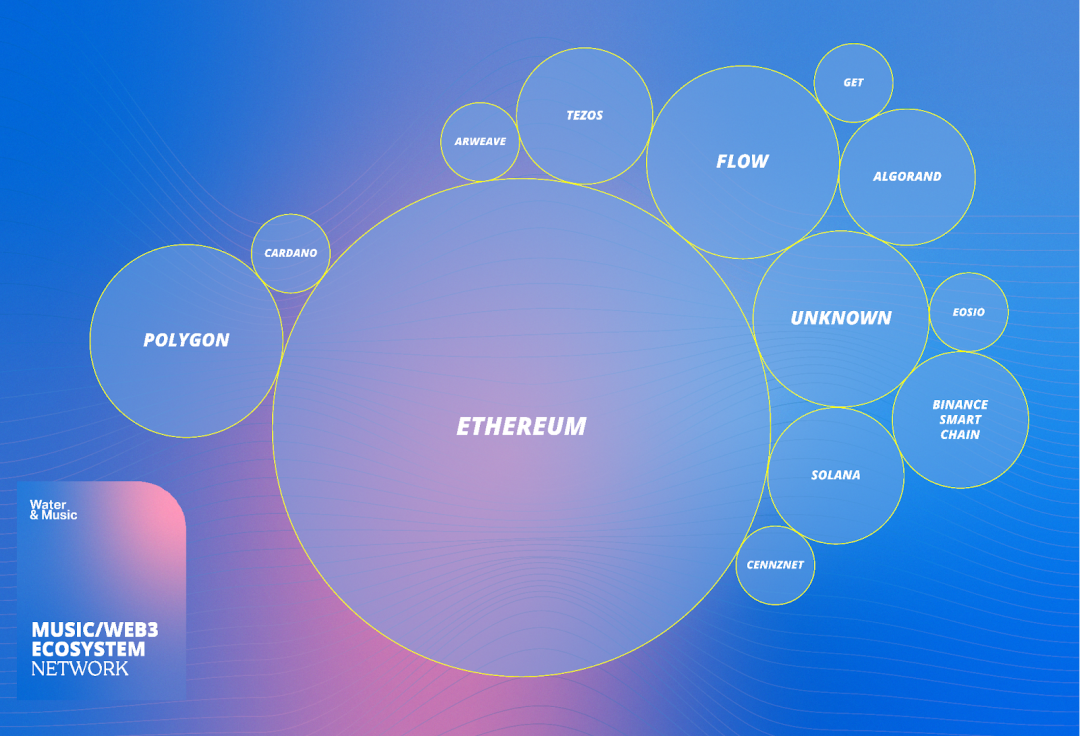
Tezos - スイス政府が監督するプルーフ オブ ステーク ブロックチェーン。リストの 5% 未満で、例には OneOf や Truesy が含まれます。
音楽/Web3 ツールをネットワーク レベルで理解することが重要なのはなぜですか?すべては、分散化について話すときに私たちが何を意味するのかを理解することに帰着します。分散化とは、「Web3」インフラストラクチャの最も純粋な核心的な強みである概念ですが、すべてのネットワークがこれを均等に採用しているわけではありません。
分散化の核心は、資産が安全であり、明示的にプログラムされたものにのみコミットされ、永続的であることを人々に納得させることです。ネットワークの分散化はさまざまな方法で測定できます。 1 つの方法は、特定のブロックチェーン上でノードが動作する確率を調べ、独立した関連性のないホスト、または基礎となるプロトコルの「ノード オペレーター」の数を数えることです。もう 1 つの尺度は、プロトコルによって提供されるトークンの配布と、長期にわたって供給ポリシーがどの程度適切に管理されるかです。理想的には、「Web3」の最も純粋な表現では、ネットワーク自体とネットワークへのユーザー アクセスの両方が完全に分散化される必要があります。
すべてのネットワークは分散型の規模で存在します。上記の指標によれば、ユーザー数で最もアクティブなイーサリアムは、最も包括的な「分散型」ネットワークです。その結果、アプリケーション層で活発なコミュニティが構築され、音楽カテゴリを含む Web3 の動き全体に影響を与えています。 NFT、ソーシャルパス、DAO の基本概念は、最初にイーサリアム ネットワーク上で構築および開発されました。
マーケティングと排水の観点から、アプリケーション層でのブロックチェーンの複雑さを公開するかどうかが、Web3 における最大の論争となっています。インターネットの誕生以来、インターネットはユーザー エクスペリエンスの向上とプロセスの根本的な簡素化を中心に最適化されてきましたが、対照的に、暗号通貨はまだ初期段階にあり、ユーザー エクスペリエンスはぎこちなく、まったく新しいプロセスが必要です。エンドユーザーにとって、暗号通貨はドルではないこの「デジタル通貨」の概念を導入します。この概念はウォレットではなく、ブロックチェーン上で実際に個人のポータル ツールとして機能します。
人気のNFTアートマーケットプレイス財団の創設者兼CEOであるケイヴォン・テヘラニアン氏は、「暗号通貨が見られたい理由」という記事でこのゲートウェイのコンセプトについて言及しました。テヘラン人にとって、ぎこちないユーザーエクスペリエンスは、財団の開発初期において非常に大きな問題であったため、「暗号通貨を抽象化する方法を見つけることが、私たちの設計プロセスの主要な焦点となった。」と彼は書いている。 」
テヘラニアンの記事のタイトルが示すように、暗号通貨とその扱いにくさは、最終的には注目されることを望んでいます。この結果、これらの新しいツール (Web3、ユーザーが所有するインターネット) によって提供される価値が減少すると主張することができます。対照的に、昨年、いくつかの NFT マーケットプレイスが、イーサリアムと互換性のない新しいネットワーク上に出現しましたが、代わりにネットワーク料金が低く、ユーザーのエクスペリエンスが向上し、あるいはその両方が「イーサリアムよりも優れている」と称賛されています。
一方、データベース内の音楽/Web3 ツールの 3 分の 1 は、ファンやコレクターに、特定のネットワークと直接やり取りせずにウォレットを保持するオプションを提供しています。この考え方は、Web3 フォレスト全体をツリーのために放棄するようなものであると言えます。ユーザーがインターネットを真に所有するために、ブロックチェーン テクノロジーの要点は、ユーザーにネットワーク自体との対話を強制することです。
最初のレベルのタイトル
上記のデータ主導の傾向に加えて、アーティストと視聴者のアクセシビリティを高めるために Web3 ツールを改善できる 3 つの主要な領域を特定しました。
副題
1:クリエイターを中心とした音楽NFTのより良いメタデータモデルの構築
メタデータは、特に音楽において、NFT の最も重要なコンポーネントの 1 つであり、表面的には見ることができません。
NFT メタデータには、特定の資産の属性を IPFS や Arweave などのオンチェーン、または中央データ サーバーなどのオフチェーンで保存することが含まれます。最も一般的な NFT メタデータのキーワードは次のとおりです。
画像
画像データ
外部アドレス
説明する
名前
属性(主に PFP の色や衣服の特徴など)
背景色
アニメーション アドレス (何らかの理由で、このキーは現在音楽が保存されている場所です)
ユーチューブアドレス
NFTトランザクションの簡潔なデータを取得するために、上記のメタデータ規格はOpenSeaによって大きく影響を受け、変更されます。しかし、現在のWeb3環境の皮肉なことに、たとえ他のNFTプラットフォームが特定の資産(ミントソングなど)で優れていたとしても、OpenSeaでの露出を最大化するために、OpenSeaは世界最大のNFT取引市場であるということです。また、OpenSea のメタデータ標準にも対応する必要がありました。スタートアップ企業は、自社のサービスを自社が構築したシステムに同質化するというプレッシャーにさらされていますが、これは Web3 のいわゆる相互運用性の精神に反しています。
音楽 NFT アプリには、より適切で対象を絞った標準が必要であり、早ければ早いほど良いのです。ブロックチェーン テクノロジーの特徴は不変であるため、多くのスマート コントラクトはメタデータが「凍結」され、変更できないように構築されています。これは、現在のシステムへの変更が遅れるほど、より良い基準を満たすことが難しくなるということを意味します。これにより、分散型アプリケーション (または dApp) にデータを読み取る標準的な方法がない場合に問題が発生します。
dAppsがファン向けにクリエイティブなフィルタリング方法を構築できるように、NFTメタデータにキーワードとしてジャンルを含める傾向があるとします。しかし、これが完全に採用されるまでは、オンチェーンのジャンル情報のない汎用メタデータが凍結されることになります。これは、一元化されたサービスを導入せずに、NFT をこの新しい標準に統合する方法がないことを意味します(たとえば、中央データベースで内部的に NFT を自己分類するか、入力したい場合は独自の NFT を送信する必要があります)このジャンルキーを持たないすべての NFT のサードパーティ集中データベース)の場合、NFT は完全に除外することしかできません。
一般に、ブロックチェーンの使用が増えるにつれて、トランザクションコストを節約するためにオーディオビジュアル作品をオフチェーンに置く移行が行われてきました。メタデータの明確な境界は、永続ストレージ システムと半永続ストレージ システムが混在する場合に特に重要になります。
業界におけるコラボレーションの精神において、アーティストの既存の創造的および商業的関係に基づいて、音楽NFTのメタデータ標準を改善することが緊急に必要です。たとえば、NFT チェーンでの支払いの現在のパラダイムでは、NFT の背後にあるオンチェーン当事者がアーティストであると常に想定されます。実際には、多くの場合、アーティストのマネージャーまたは他のチームメンバーが音楽NFTの構築と鋳造を担当します。ただし、第三者が著作権使用料の 100% をオリジナルのアーティストに送金する簡単で標準化された方法はありません。
(音楽のより協力的なメタデータ標準に興味がある場合は、ウォーター & ミュージックのメンバーでシーズン 1 の寄稿者であるギャレット ヒューズに連絡し、ここで彼のオープンソースのワーキング ペーパーを確認してください)。
副題
2: ファン育成モードの改善
ビジュアルアートと同様に、コレクターが音楽NFTに群がり、アーティストが音楽をリリースするためのプラットフォームが出現し続けており、結果的に多くのアーティストが集まります。イーサリアム上のすべての主要な音楽NFTプラットフォーム(ミントソング、カタログ、ゾラ)全体で、ユニークなコレクターはわずか約500人しかおらず、彼らの保有物のほとんどは確立されたアーティストに焦点を当てています。皮肉なことに、私たちのデータベースから推定すると、これはNFT販売から収入を得ることに成功したアーティストの数とほぼ同じです。
したがって、音楽/Web3エコシステムの成長には、新しいアーティストの参入に焦点を当てるだけでなく、NFTの特定の分野内またはより手頃な価格で他のチャネルからアクティブな正規ユーザーの数を増やす必要があると考えています。 。アーティスト向けツールの構築は、音楽/Web3 開発者にとって、特にアーティストの創作プロセスにおいてはほとんど未開発の機会であり、ファンが参加して貢献できるようにすることで、Web2 ネイティブの視聴者を Web3 に移行するのに役立ちます。これについては、今週後半のファンエンゲージメントとエクスペリエンスレポートの章で詳しく説明します。
副題
3: コミュニケーションインセンティブの向上
この記事にあるように、アーティストによる使用(音楽関連のミラークラウドファンディングの200ETHなど)や投資家の関心(RallyやP00LSなどのプラットフォームからの9,000万ドル近くの資金調達など)を問わず、ソーシャルトークンは音楽界で勢いを増している。 ). / Web3 分野で最も勢いのある。
この傾向の明らかな問題の 1 つは、これらのトークンがアーティストとファンの関係にもたらす外部の金銭的なインセンティブを無視して、迅速に行動しなければならないというプレッシャーであり、これがアーティストのキャリアのやり方を (良くも悪くも) 大きく変える可能性があるということです。
もちろん、クラウドファンディングやトークンセールなどの仕組みは、ファンにアーティストの成長により深く直接関わっているという感覚を与えます(そして、アーティストは最も忠実なファンに直接アクセスできるようになります)。しかし、アーティストとファンにとってこの新しい構造は、必ずしも根深いレガシー問題や、アーティストの表現を失う潜在的なリスクから免れるわけではありません。実際、意図的か否かに関わらず、本質的な報酬を外部の報酬に置き換えることは、特にファンの観点から、これらの問題を悪化させるだけである可能性があります。
Deadmau5 の最新トークンである Head5 の立ち上げに関して、Water & Music のメンバーでソフトウェア開発者の Lee Martin 氏は最近 Twitter でこれらの問題に関するファンとしての経験を概説しました。マーティン氏の観点から、彼は、多くのトークン保有者が「すぐに完売しなかったために鋳造が失敗したかどうかを考え」、「失敗の定義は、自分のNFTの認識された価値に関連している」と感じていることを発見しました。優先順位 芸術またはアーティスト自体の本質的な価値。
アーティスト向けのソーシャル トークンが継続的に増加しているため、アーティストが以下の問題に直接取り組むためのソーシャル トークンのインセンティブ設計に関する、より明確な言語とコミュニケーションが緊急に必要とされています。
トークンの所有権とは実際には何を意味するのでしょうか?従来のアーティストとブランドの関係では、これは知的財産の管理と搾取を意味する可能性があります。 Web3 では、これ、または潜在的に希少で収集可能なデジタル資産の所有権がそれになる可能性があります。アーティストは、自分たちが何を提供しているのか、ファンが何を買っているのかを明確にする必要があります。 (音楽NFTのデジタル所有権の定義の複雑さについては、共同レポートの「契約」の章で詳しく掘り下げています)。
ファンが購入する動機は何ですか?トークン所有者はファンとして行動しているのでしょうか、それとも投機家として行動していますか?音楽使用料の約束は、貢献者のインセンティブにどのような影響を与えるのでしょうか?アーティストは、クリエイティブな成果に関して、クラウドファンディング出資者の意思決定力をどのように定義していますか?
トークンの長期的な価値の源泉は何ですか?個々のアーティストの収益力、個性、有名人の魅力を超えて、トークン所有者のコミュニティを結び付ける、何らかの共通の使命や一連の核となる価値観はあるのでしょうか?もしそうなら、テクノロジーは単なる共有融資を超えて、これらの価値観を中心としたコミュニティの調整をどのように促進するのでしょうか?マーティンのツイッターからの一文を借りると、「すみません、ファンを『ホルダー』に変えるのではなく、どうやって『ホルダー』をファンや自分のアートに変えるのですか?」