在熊市做 음악: 한 비트코인 밴드의 생존 실험


- 핵심 요점: 암호화폐 약세장과 AI 생성 음악의 충격 속에서 비트코인 밴드 Orange Pill Jam은 금융 주권이라는 주제를 융합하고 알고리즘에 영합할 필요 없는 독특한 음악을 고집하며, 저비용 복제 시대에 템플릿화될 수 없는 인간의 창의성과 커뮤니티 문화 구축이 유일하게 가치가 하락하지 않는 자산임을 증명한다.
- 핵심 요소:
- 밴드의 비즈니스 모델은 업계 흐름을 거스른다: 카피레프트(Copyleft) 라이선스와 무료 분할 트랙을 채택하고 비트코인 및 모든 통화의 후원을 받으며, 약세장에서 알고리즘 또는 스트리밍 플랫폼이 아닌 커뮤니티에 의존하여 생존한다.
- 음악 창작 과정은 극한의 물리적 감각을 추구한다: 프로듀서 Michi는 드러머의 사고방식으로 여러 번 재녹음을 요구하며(오차는 오직 그의 신경계에만 존재함), '가사는 의미를 부여하고 리듬은 느낌을 결정한다'는 긴장감을 형성하고 AI의 획일화된 음악 생성을 거부한다.
- 가사는 비트코인의 핵심 이념을 직격한다: 노래 《Cypherpunks' Manifesto》는 프라이버시권('무료 상품 = 사용자가 곧 상품')과 약탈적 법체계('마피아가 정치가가 되었다')를 탐구하며 추상적인 주권론을 구체적인 장면으로 전환한다.
- 문화와 현장의 부조화: 비트코인 회의 장소(하얀 벽과 형광등)는 공연에 적합하지 않지만, 루가노의 Plan B Forum에서 밴드의 즉흥 공연이 프로젝트 착수를 촉발했으며, 대면 커뮤니티 전파의 가치를 입증했다.
- 시장 성과는 상식에 반한다: YouTube 구독자는 500명에 불과하고 Spotify에서 소개되지 않았지만, 라이브 음악은 순간적으로 공간의 분위기를 바꿀 수 있으며 팀은 이를 스트리밍 데이터를 초월하는 핵심 지표로 간주한다.
Nobody needs a bitcoin band, but here they are.
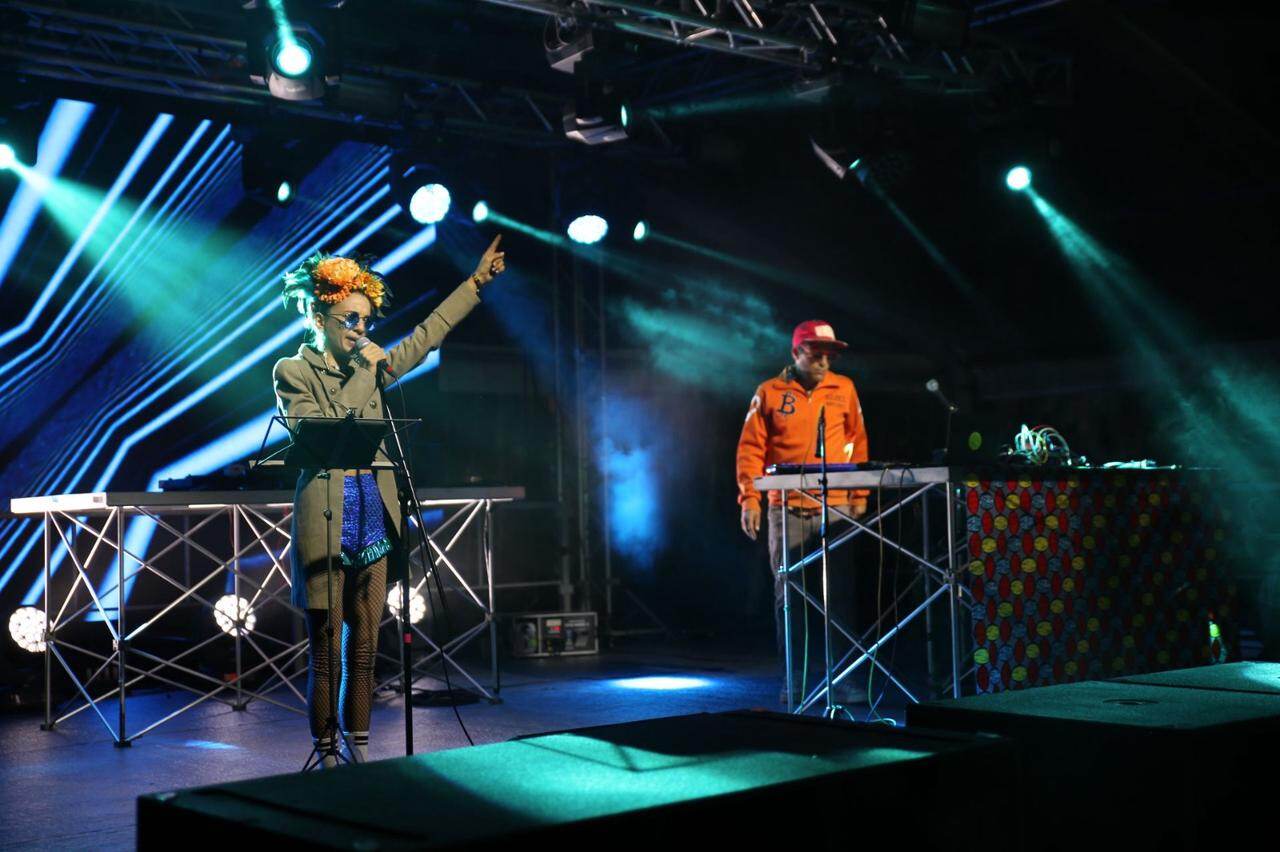
Image: Orange Pill Jam performing live in Lugano, Switzerland.
Michi has a habit that drives his collaborators crazy.
When he decides there’s a problem with a recording—not a half-beat off, not a quarter-beat off, but some unit of time that exists only in his nervous system—he insists on redoing it. Over and over. His bandmate, lead singer Mermaid, says she couldn’t hear the difference for the first six months. Then, gradually, she started to.
It’s worth noting that it’s currently a crypto bear market. Yet Orange Pill Jam is still recording an album.
On the surface, Orange Pill Jam seems like an unusual combination. Their music explores financial sovereignty, the right to privacy, and the slow corruption of certain modern systems. Their sound draws from everything—gypsy reggae, Afro-Latin, hip-hop, with occasional detours into reggae. They accept bitcoin.
By traditional music industry metrics, they are not a success. Their YouTube channel, active for two or three years, has just broken five hundred subscribers. Spotify is not particularly enthusiastic about them.
Yet, they are genuinely beloved in specific circles where that actually matters. And they are doing something quite difficult: creating music that non-bitcoin users can enjoy without needing to understand bitcoin, and that bitcoin users can enjoy without feeling pandered to.
1. How Bitcoin Culture Grew Its Own Music
The story begins, like many bitcoin stories, at an industry conference.
It was at the Plan B Forum in Lugano in 2022. Mermaid wrote a song called "Dollar Apocalypse" as a gift of gratitude for everyone who consistently creates serious bitcoin content; especially Max Keiser—the broadcaster and advocate. His podcast, *The Orange Pill Podcast*, is an essential listen in certain corners of the internet.
She wasn’t sure she’d actually get to meet him. Then she did.
A few hours later, someone in the crowd at the Satoshi Gallery said, "She wrote a song for you. Let her sing it." Keiser turned to the room and announced there would be an impromptu concert. Behind Mermaid hung artist Valentina Piccozzi’s resin orange pill art. No microphone, no sound check, no warning.
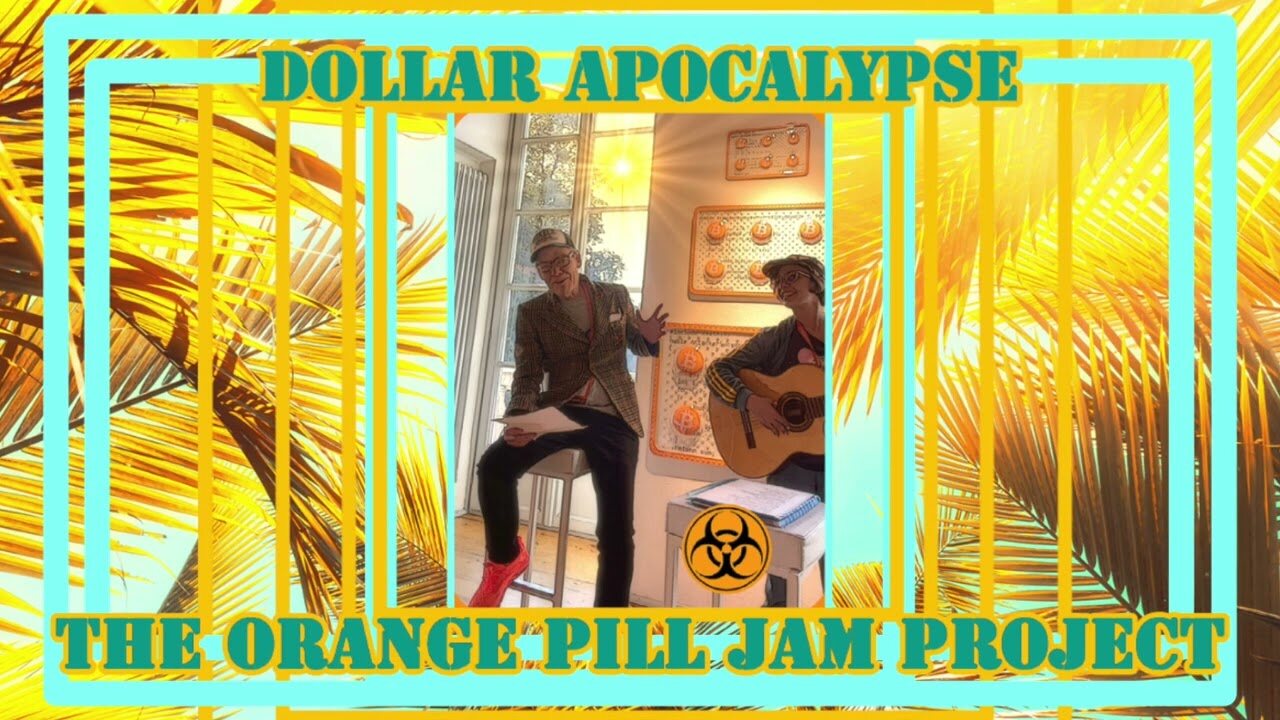
She sang the song. Afterwards, Keiser spoke about the importance of bitcoin art, and she still remembers it vividly. What she got from it wasn’t a direction, but a question: Where is the music? Visual art has its followers—painters, illustrators, a whole world of bitcoin aesthetics. Music hadn't shown up yet.
Mermaid says that experience made her feel "grounded." But I suspect what truly grounded her was standing in that gallery, unarranged and unrehearsed, singing simply because the song needed to come out. It turned out to be a reliable indicator of character. It came up again later.
She called Michi with a simple idea: turn those guitar and vocal sketches into real work—professional production, the right tempo, something people could dance to. He agreed. Three songs became seven, seven became thirteen, thirteen became twenty-one, and more, as they put it, are in the works.
Here’s how a song gets made.
Mermaid is the lead singer and primary lyricist. She writes the lyrics first, then builds a melody around them—not a finished piece, but a silhouette that knows what it wants to say without knowing exactly how to develop. She hands this silhouette to the band’s producer and multi-instrumentalist, Michi, who shapes everything that follows.
The rest—scheduling, logistics, the paperwork of turning ideas into reality—is handled by the band’s co-founder, Martino. He’s quieter than the others, a bit camera-shy, and he doesn’t play an instrument. He doesn’t need to. Someone has to keep the machine running, and he seems genuinely happy to take on that role.
What Michi brings isn’t arrangement in the traditional sense, but rhythm as an argument. Trained as a drummer, he approaches every instrument with a drummer’s sensibility—not asking what the music expresses, but how it moves your body. Mermaid gives the music meaning, and Michi decides when you feel it.
This division of labor sounds clear-cut, but it isn’t. He often makes her re-record the same line, chasing a precision she can’t hear. Over time, she learned to trust him. Eventually, the band’s lyrics and rhythm stopped complementing each other and started colliding—and that’s where the tension, and the life, in the music comes from.
2. Privacy, Sovereignty, and the Trap of "Free" – All Written into the Songs
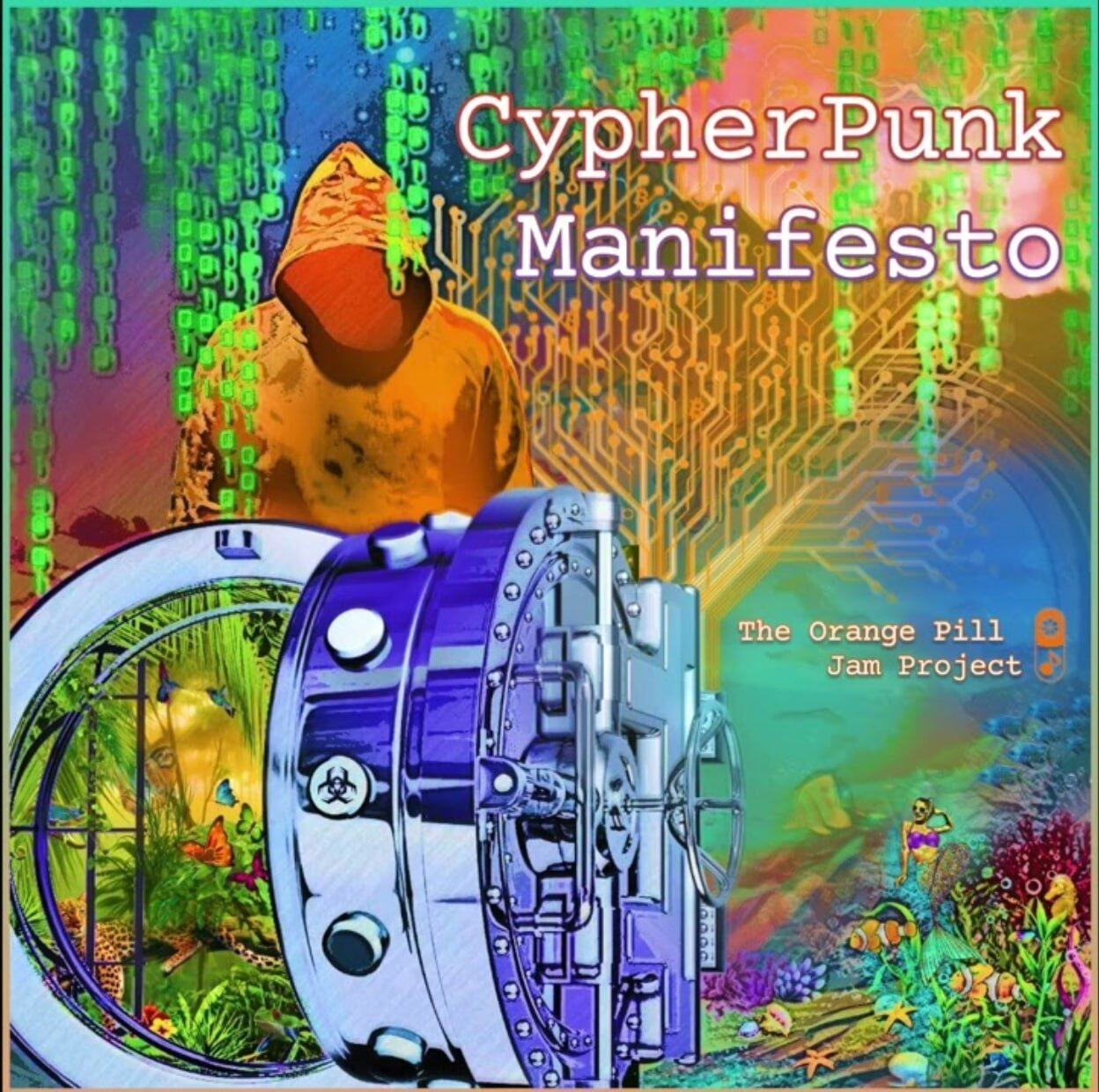
If you want to understand what this band is about, their song "Cypherpunks' Manifesto" is a great place to start—despite the somewhat esoteric title, it’s not a difficult listen. It’s upbeat and danceable, heavily influenced by Rosalía, and opens in Spanish.
The first line means: If you want to send me a secret message.
Mermaid explains that this isn’t just a song about encryption protocols. It’s about a feeling—the desire for a door you can close. She offers a concrete example: your child is born in a hospital, you want to send a photo to a few friends, but you don’t want that image to end up somewhere beyond your control or ability to find. That should be your choice. Currently, depending on the app you use, it might not be.
The song moves from there through a set of images, almost violently precise, within a danceable pop structure. There’s a line about airplane mode—that switching your phone to airplane mode doesn’t actually make you invisible; if someone really wants to find you, they’ll find a way to connect. There’s a line about free products: when something is free, you are the product. This, she says, stems from observing how Google works—massive free infrastructure, massive data collection, and the feedback loop where your behavior funds advertising. "They steal your time, your data, and your money," she says, "and then take your money back through ads, without you even realizing you’re giving it to them."
Then the song hits its sharpest line, borrowed from Frederic Bastiat via Stacy Herbert’s podcast: When plunder becomes a way of life for a group, they create a legal system that authorizes plunder, and a moral code that glorifies it.
Mermaid doesn’t present this like an economist. She delivers it with the passion of someone who has thought about it for a long time and is still angry. "The mafia became politicians," she says. "No one sees it, because it all happens slowly, always behind the scenes." This is far from detachment. She has no interest in a panoramic view of nowhere.
The song ends close to personal sovereignty—virtual and physical, living with integrity—which feels less like a conclusion and more like a direction. A way of trying to maintain some consistency across the screen. She wrote it before going to El Salvador. She came back and didn’t change a word.
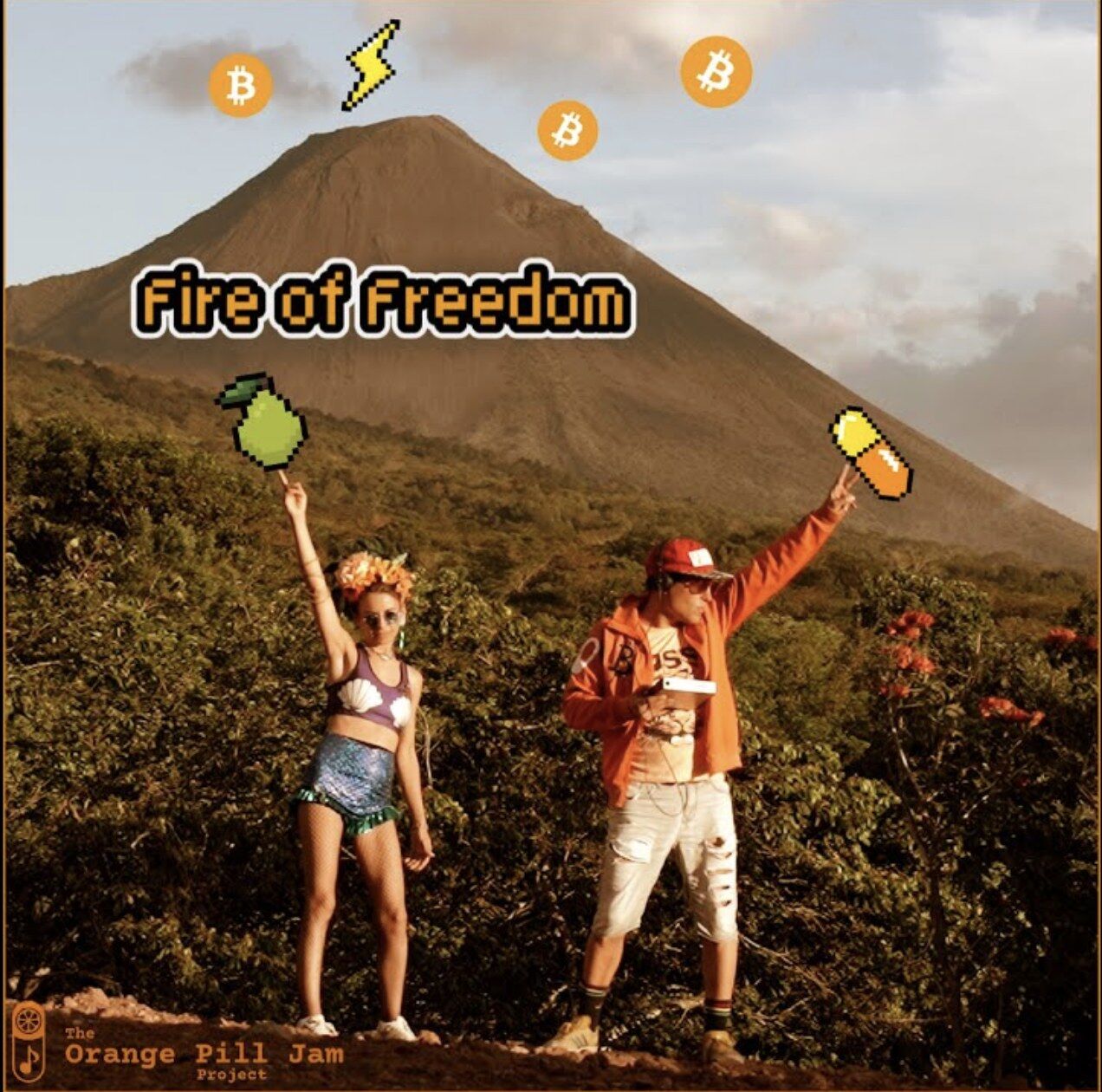
That song is about closing the door. "Free Fire" is about what happens after you walk through the flames.
This song was written for a conference in El Salvador—the country that had made bitcoin legal tender. Mermaid read the accompanying declaration repeatedly before writing a single word. The line she’s proudest of is: We are adopting bitcoin, and bitcoin is adopting us. She describes it as a feeling of being embraced—like in a world accelerating towards something no one can quite name, this thing she found wasn’t letting go either.
She wrote it before going to El Salvador. She came back and didn’t change a word. In the music industry, that doesn’t happen often.
When the performance came, it felt more like a confirmation than a debut. The song had already said it all. The country had just proven it true.
3. When AI Starts Generating Music, What Do They See?
Michi isn’t particularly surprised that AI is reshaping, even shrinking, the job market. He notices the change, like a skilled painter aware of a new tool: certain small-scale music jobs are quietly disappearing. Video soundtracks, minor tasks—these can now be done with a prompt in ten seconds.
He has a story to tell about this story, involving 19th-century painters and the invention of photography. You’ve almost certainly heard it in some form. In short: photography didn’t kill painting. It forced painting into territory photography couldn’t reach, which is why we have Impressionism, Surrealism, and many forms of art that wouldn’t exist if painters had kept trying to copy reality as accurately as possible.
Michi believes the musical version of this story is still being written. AI can generate any existing music genre with sufficient quality for most needs in the time it takes to brew a cup of coffee. What it cannot do is create a genre that doesn't yet exist, or find a rhythm that lives in the space between intention and instinct.
They use AI for other things—business planning, feedback, administrative infrastructure. But not for the music itself.
"Machines should wash the dishes," says Mermaid. "Fold the laundry. Clean the house. I want to sing and dance while the machines do the cleaning. Not the other way around."
The machines have not yet commented.
4. Making Music in a Bear Market: A Survival Experiment Against the Algorithm
The real challenges of this music project aren’t philosophical. They are very ordinary.
Revenue is one of them. They are a Copyleft project—the music can be shared, remixed, repurposed by anyone without permission. They also accept bitcoin, dollars, or any form of sponsorship. Their Geyser Fund page offers free downloads of individual tracks for anyone who wants to remix or create derivative works.
"Any amount, all appreciation," their bio reads. In a bear market, such openness requires considerable composure and fortitude.
Being heard is harder than it sounds. Fourteen thousand songs are uploaded to Spotify every day, most of them now generated or assisted by tools that didn’t exist three years ago. A band singing about monetary sovereignty isn’t an obvious algorithmic favorite here.
Venues don’t help either. Bitcoin conferences usually happen in meeting rooms: white walls, fluorescent ceiling lights, attendees with lanyards looking at slides all day. "You want to send energy out," Mermaid says, "but the whole space absorbs it." Music needs a room that already knows how to move. They don’t always find one.
Just before this interview, the host Carine was setting up equipment and playing one of their songs. She forgot to turn it off. When Mermaid and Michi joined the online meeting, she looked up and said: Your music changed the entire atmosphere of the room. Warm. Free. Alive.
That’s a metric that won’t show up on any streaming dashboard.
Ultimately, it is also the only argument that matters—and the one that connects all others. In a bear market, the case for bitcoin rests on those who believed in it before the price. In the age of AI, the case for human creativity rests on those who create things that cannot be generated by description alone. Orange Pill Jam sits at the intersection of both these ideas—an uncomfortable and necessary position to occupy.
What they are building doesn’t scale. It cannot be templated, optimized, or replicated by anyone else with similar inputs. It is the product of Mermaid’s unique way of pursuing an idea and Michi’s unique way of embedding an idea into the body—a collaboration that took seven years to find its form and is still finding it, one imperfect take at a time. In a world where the marginal cost of content approaches zero, this irreducible specificity is the only thing that cannot be devalued to zero.
The algorithms are getting faster. The Orange Pill Jam Project is on its seventeenth take.