






当股票遇见Crypto,Gate如何打造一站式全球股票投资平台?


- 核心观点:加密货币交易所Gate正通过推出OpenAI Pre-IPO股票代币认购,构建覆盖Pre-IPO、IPO及二级市场的股票产品矩阵,旨在打通Crypto与传统金融市场,满足用户跨资产配置需求。
- 关键要素:
- Gate开启OpenAI股票代币(OPENAI)认购,隐含市值8950亿美元,单枚代币722美元,截至发稿认购金额超2.26亿美元。
- OPENAI为镜像票据,映射上市前后价值;用户可通过盘前交易或上市后兑换股票代币/USDT退出。
- Gate股票产品矩阵包括直通股票(覆盖美股、港股、韩股超12500只标的)、代币化股票(gStocks,支持1:1实股储备及7×24小时交易)、CFD及永续合约。
- 直通股票支持碎股交易、最低0.01股起投,手续费低至0.023%,且允许股票跨券商转入转出;代币化股票可作保证金、参与理财及量化交易。
- CFD提供最高500倍杠杆、行业首创杠杆可调节及跟单功能;永续合约延续Crypto用户熟悉的交易框架,覆盖223个交易对。

On June 27, OpenAI officially launched its next-generation flagship model, GPT-5.6, seemingly poised to reclaim the throne from Anthropic.
Although this leading AI company is not yet publicly listed, Crypto users already have an opportunity to get in early — On July 15, Gate opened the token subscription for the second phase of its Pre-IPO project, OpenAI (OPENAI).
According to official information, the implied market capitalization for this OpenAI subscription is $895 billion, with a target total subscription amount of $20 million. The total token supply is 27,700 OPENAI, corresponding to a token price of $722 each. Users can subscribe using both USDT and GUSD, with a minimum subscription of $100 per order and a maximum allocation of 277 OPENAI per person. The allocation mechanism is based on the "hourly average locked amount," where users who participate earlier and lock their funds for longer receive a higher allocation weight. As of press time, the subscription amount has already exceeded $226 million.
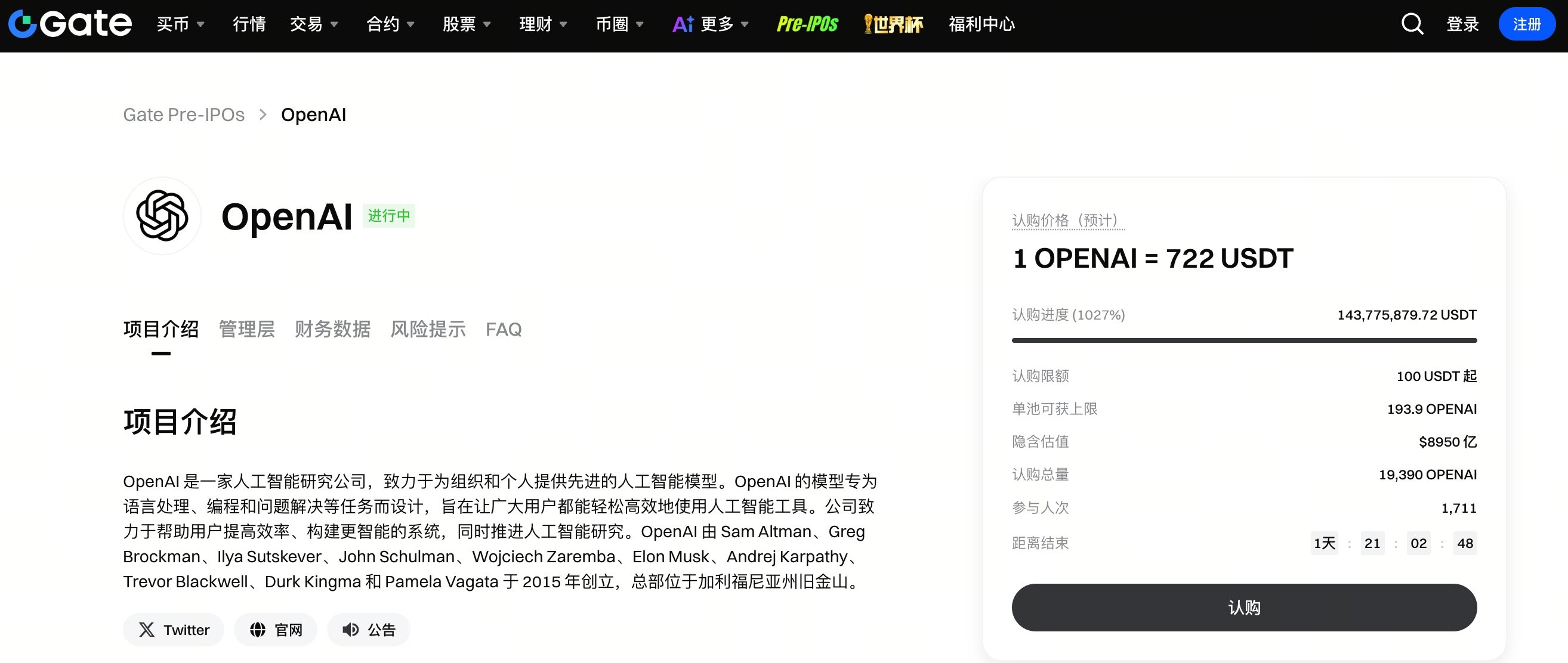
According to Gate's official description, unlike traditional stocks, the OPENAI tokens obtained through this subscription are mirror notes for OpenAI before its IPO, designed to reflect market value both before and after OpenAI's listing.
After the subscription concludes, OPENAI tokens will be unlocked and distributed in three phases. Furthermore, OPENAI holders will have two exit methods — Before the listing and lock-up period, Gate will provide 7x24 pre-market trading, with the Pre-IPO section opening on July 20. After the lock-up period (6 months post-listing), Gate will offer a dedicated exit page where holders can convert their tokens into stock tokens or exchange them for USDT based on the real-time market price of the stock after the actual listing.
From SpaceX to OpenAI: How Gate is Building an IPO Subscription Service
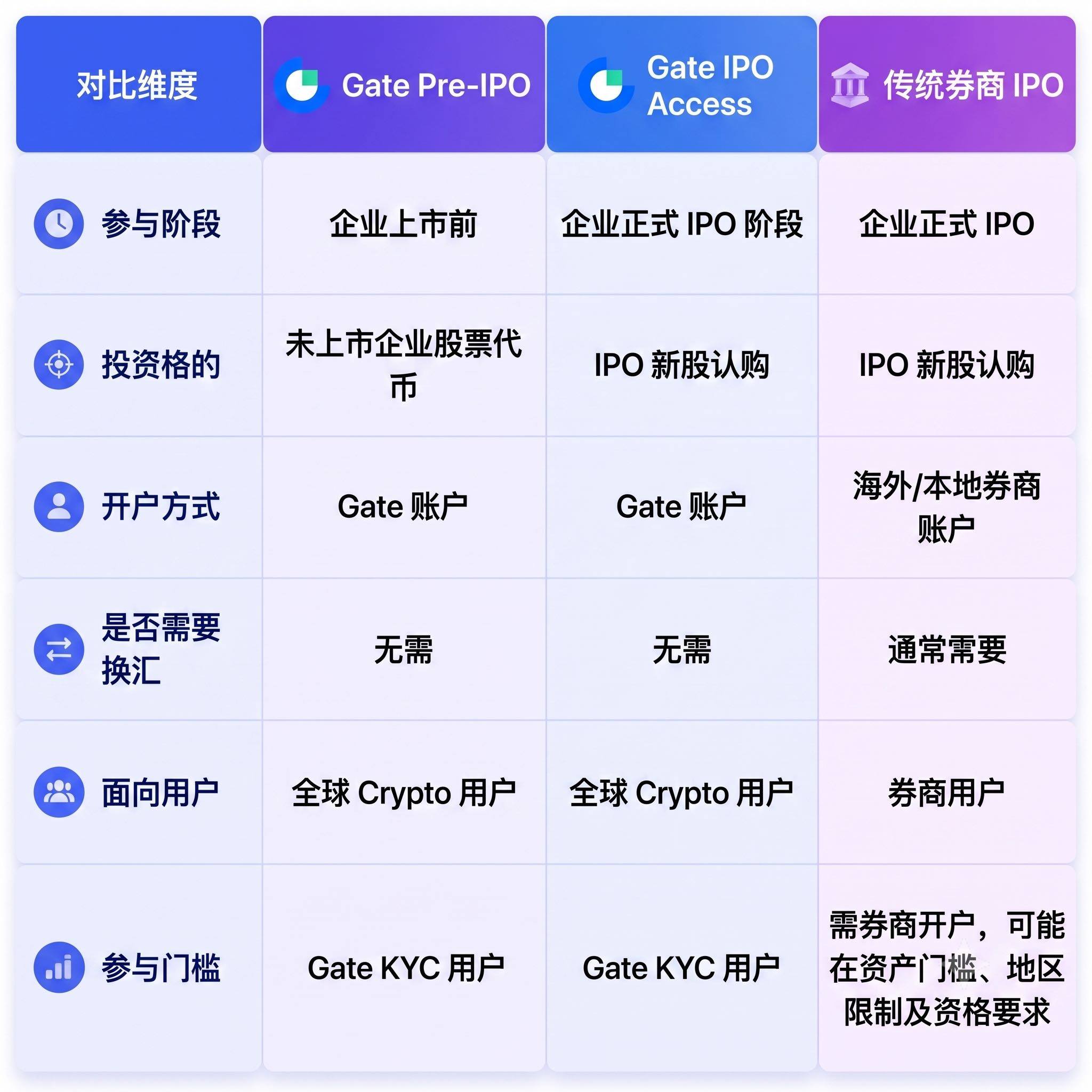
OpenAI is not Gate's first foray into the IPO scene. Prior to this, Gate has built a comprehensive product suite around SpaceX covering Pre-IPO, IPO Access, and secondary market stock trading, establishing an investment pathway spanning different stages before and after a company's listing. For users, this means they can participate early before an IPO, subscribe for new shares during the formal IPO, and continue trading via their Gate stock account after listing.
Specifically, Pre-IPO is geared towards pre-listing investments, allowing users to participate in unlisted companies through stock tokens. IPO Access, on the other hand, focuses on the formal IPO stage, offering users IPO allocation opportunities, akin to the "subscription for new shares" model in traditional capital markets.
Taking SpaceX as an example, in April this year, Gate launched its first Pre-IPO project, raising nearly $395 million. In June, it launched the IPO Access service with a subscription threshold as low as 100 USDT. Successful subscribers received allocations of real new shares, with individual accounts receiving a maximum of 154 shares. During the SpaceX IPO subscription period, market demand far exceeded expectations, and Gate successfully completed the allocation for the first phase of its IPO Access project, ensuring user participation rights and further validating its IPO product design capabilities.
Stocks: The New Battlefield for CEXs
Over the past year, global capital markets have continued to diverge. The cryptocurrency market has remained bearish, while U.S. stocks have strengthened amid the AI wave. Markets like Hong Kong and South Korea have also presented numerous structural opportunities. Consequently, a growing number of investors previously focused solely on Crypto are beginning to explore cross-market stock asset allocation.
However, for Crypto users accustomed to on-chain transactions and CEX interfaces, traditional brokerages still present challenges such as cumbersome account opening processes, the need for multiple accounts across different markets, high currency conversion costs, and limited trading hours. This makes unified management of digital and stock assets difficult. Against this backdrop, several major CEXs have successively launched stock-related trading services, aiming to further bridge the gap between Crypto and traditional financial markets.
While their entry strategies differ, their goals are highly aligned — On one hand, by introducing traditional financial assets like stocks, they meet users' cross-market, cross-asset investment needs. On the other hand, by leveraging native Crypto account systems, capital transfer efficiency, and 24/7 trading experiences, they supplement and innovate upon traditional brokerage models, making global asset investment more convenient.
Comparing the solutions offered by various CEXs, Gate's proposal stands out due to its asset coverage spanning U.S., Hong Kong, and South Korean stocks, its comprehensive product matrix catering to different needs, and the capital efficiency enabled by a single account unlocking full-scenario functionality.
Deconstructing Gate's Product Matrix: How Does It Meet Different Trading Needs?
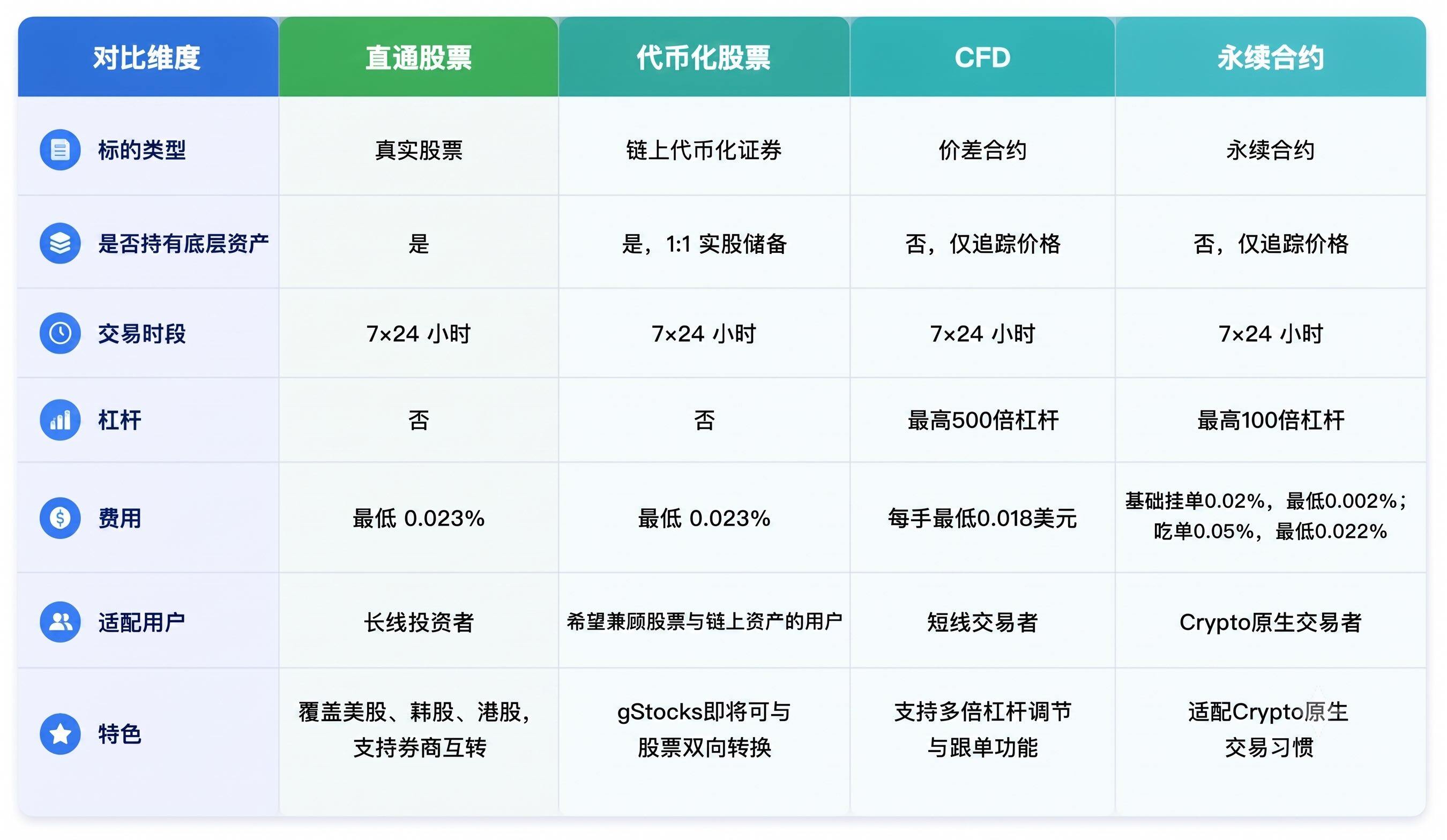
Targeting different investment scenarios, Gate has gradually built a comprehensive product matrix covering CFDs, direct stocks, stock perpetual contracts, and tokenized stocks.
1. Real Stocks: A Single Account to Access Global Core Markets
For investors seeking long-term allocation to global core companies, prioritizing asset security, and wishing to enjoy real stock rights, direct stocks are undoubtedly the optimal choice.
Currently, Gate's direct stock service covers three core securities markets: the U.S., Hong Kong, and South Korea. It supports over 12,500 stock assets, with the stock account asset scale surpassing $200 million. This includes over 10,000 U.S. stocks and ETFs, over 1,500 highly liquid Hong Kong stocks, and the top 1,000 listed companies by market cap on the Korea Exchange, including Samsung Electronics, SK Hynix, and others.
Compared to traditional cross-border investment processes, Gate's direct stock service simplifies the trading workflow. After completing KYC, users simply transfer USDT to their stock account to trade U.S., Hong Kong, and South Korean stocks directly via a unified account, without needing to open separate overseas brokerage accounts or manually perform cross-border currency exchanges. For trading, Gate offers fractional shares starting from as low as 0.01 shares, 7×24 hour trading, and allows stock trading to be integrated into the platform's existing VIP fee structure, with trading fees potentially as low as 0.023%.
Beyond the trading experience, Gate also preserves real stock entitlements like dividends where possible. Gate is also the first platform in the industry to support cross-brokerage stock transfers, allowing users to request transfers of stocks held at external brokerages into Gate, or to transfer stocks from their Gate account to other brokerages.
2. Tokenized Stocks: Unlocking 7x24 Trading for Stocks
If direct stocks solve the need for "real ownership," tokenized stocks further expand the use cases of stock assets — By expressing traditional stock assets on the blockchain, tokenized stocks retain the underlying asset value peg while endowing stocks with liquidity and composability characteristics closer to Crypto assets.
Currently, Gate has listed various tokenized stock products including xStocks, Ondo, and gStocks. Among these, gStocks employs a 1:1 fully reserved real share mechanism, where each token corresponds to a real stock asset, ensuring value stability while offering on-chain liquidity.
Compared to traditional stocks, gStocks supports minimum investments starting from 1 USDT, fractional share purchases, and 7×24 hour trading, better aligning with Crypto users' trading habits. More importantly, built on a single account system, gStocks can not only be bought and sold but can also be used as margin for leveraged lending, compatible with products like Earn, and supports tools like grid trading, trading bots, and API interfaces. This caters to the automated trading, liquidity management, and quantitative strategy needs of both individual and institutional users.
In the future, Gate also plans to launch features such as bidirectional conversion between stocks and gStocks, and automatic dividend settlement.
3. CFDs: Providing More Strategic Options for Short-term Trading
Unlike long-term holders, some investors focus more on short-term market fluctuations, seeking to amplify opportunity capture in both rising and falling markets. Professional traders and institutional users may also have hedging needs to manage portfolio risk more flexibly. For such requirements, CFDs (Contracts for Difference) might be a more suitable product, allowing users to participate in price fluctuation trading without actually holding the underlying stock assets.
Currently, Gate has listed 653 stock CFD trading pairs covering multiple popular underlying stocks, supporting up to 500x leverage, with per-contract fees as low as $0.018. Unlike traditional stock trading which requires holding the underlying asset, CFDs allow users to trade based on their judgment of asset price movements, supporting both long and short positions. This provides a more flexible tool for strategies such as trend trading, event-driven trading, and risk hedging.
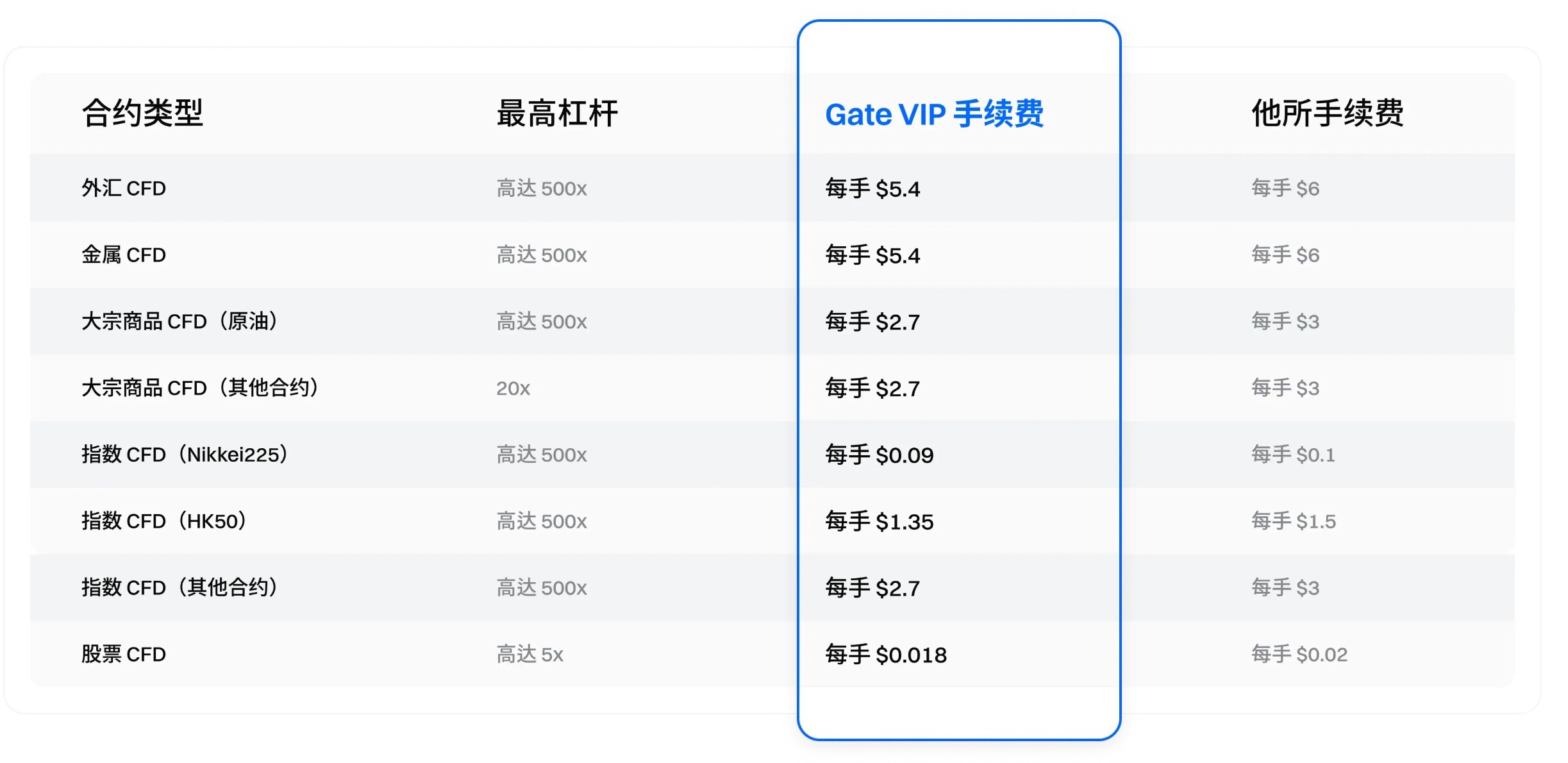
In terms of product experience, Gate's CFDs have been further optimized for traders. Notably, Gate pioneered an industry-first adjustable multi-leverage feature, allowing users to autonomously adjust their leverage multiple based on their risk tolerance and trading strategy, rather than being constrained by fixed leverage modes. Currently, several CFD assets on Gate, including Gold, Silver, and Crude Oil, support this feature, enabling users to manage their risk exposure more precisely.
Additionally, Gate has launched an industry-first copy trading feature for CFDs, allowing users to reference professional trading strategies and lowering the learning curve for strategy development.
4. Perpetual Contracts: Extending the Familiar Trading Experience for Crypto Users
Finally, for users long active in the cryptocurrency market, perpetual contracts are the most familiar and convenient product form.
Currently, Gate offers 223 stock perpetual contract trading pairs, combining stock assets with the perpetual contract mechanism. This allows users to participate in global stock markets within a familiar trading framework, flexibly employing strategies like leverage and risk hedging.
Looking across Gate's stock product matrix, it's evident that its strategy is not merely about porting stock products onto a Crypto platform, but building a comprehensive solution tailored to different investment scenarios — Long-term investors can use direct stocks to allocate to high-quality global assets, short-term traders can capture market volatility via CFDs and perpetual contracts, and tokenized stocks further unlock the on-chain liquidity and capital efficiency of stock assets. These four product types complement each other, collectively covering the complete investment chain from asset allocation and trading strategies to capital management, all within a single account system.
Financial Markets: Moving Towards a New Normal
Looking back at the history of the cryptocurrency market, the product boundaries of CEXs have been continuously expanding.
In the early days, crypto trading platforms primarily offered spot and derivatives trading around digital assets like BTC and ETH. Subsequently, services like wealth management, lending, on-chain assets, and RWA emerged, gradually transforming platforms from simple digital asset exchanges into comprehensive financial service platforms. Now, traditional financial assets like stocks, funds, and bonds are entering the investment purview of Crypto users, with global asset allocation becoming a key direction for the next phase of industry development.
As infrastructure like RWA and tokenized securities matures, the boundaries between traditional financial assets and on-chain assets are becoming increasingly blurred. In the future, investors may no longer need to manage separate brokerage accounts, exchange accounts, and on-chain wallets. Instead, they could trade, hold, and manage stocks, Crypto, and many more real-world assets under a single account system.
This is not a distant vision, but an expected new normal for financial markets. And Gate is already a pioneer on this path.


