






จาก "The Big Short" สู่ซานฟรานซิสโก: ความสนุกสนานและความมึนงงในฟองสบู่ AI


- ประเด็นหลัก: ซานฟรานซิสโกกำลังกลายเป็นศูนย์กลางที่เทคโนโลยี AI และฟองสบู่ทางการเงินมาบรรจบกัน ทำให้เกิดบรรยากาศ "พฤติกรรมฟองสบู่ครั้งใหญ่" อันเป็นเอกลักษณ์ ซึ่งผสมผสานระหว่างนวัตกรรมทางเทคโนโลยี การเก็งกำไร วาทกรรมเกี่ยวกับวันสิ้นโลก และความวิตกกังวลเรื่องความมั่งคั่ง เตือนให้ผู้เข้าร่วมสนุกไปกับงานปาร์ตี้ แต่ต้องมีสติ
- องค์ประกอบสำคัญ:
- ความหนาแน่นของเทคโนโลยีในซานฟรานซิสโกและ "เครือข่ายข่าวลือ" ทำให้เกิดความไม่สมดุลของข้อมูลอย่างมีนัยสำคัญ ผู้คนมีอาการตื่นเต้นทางร่างกาย เช่น "ตัวสั่น" เนื่องจากความวิตกกังวลและแรงกดดันในการแข่งขัน ซึ่งสะท้อนถึงจิตวิทยาการตลาดใน "ช่วงคลั่งไคล้" โดยทั่วไป
- AI คือ "เกมสถานะทางสังคม" เพียงอย่างเดียวในท้องถิ่น อุตสาหกรรมเทคโนโลยีครอบงำการปฏิสัมพันธ์ทางสังคมและการเปรียบเทียบคุณค่าทั้งหมด ผู้คนใช้ตัวบ่งชี้ความไร้สาระ เช่น จำนวนเงินทุนที่ระดมได้ และมูลค่าหุ้น เพื่อเปรียบเทียบศักดิ์ศรี ทำให้เกิดสภาพแวดล้อมที่ซ้ำซากจำเจและความกดดันที่รวมศูนย์
- เมืองนี้เต็มไปด้วยอารมณ์ "ทฤษฎีวันสิ้นโลก" ความกังวลของนักวิจัยเกี่ยวกับความเสี่ยงของ AGI และความต้องการการคุ้มครองทางสังคม ก่อให้เกิด "การเคลื่อนไหวแบบคู่ขนาน" ซึ่งแตกต่างอย่างสิ้นเชิงกับทัศนคติในแง่ดีของทีมที่ทำงานด้านการนำไปใช้จริง (GTM)
- ตลาดหลงใหลอย่างมากในผู้ก่อตั้งที่เป็น "อัจฉริยะด้านการแข่งขันคณิตศาสตร์" โดยมองว่าเป็นตัวบ่งชี้สำคัญในการคาดการณ์ผลตอบแทนที่สูงเกินปกติ ก่อให้เกิดระบบนิเวศของสินทรัพย์และการเล่าเรื่องที่คล้ายกับการที่แมวมองค้นหาดารานักเตะ
- นักลงทุนผู้มีประสบการณ์คนหนึ่งแนะนำว่า การจะคว้าโอกาสได้นั้นต้องผ่านฟองสบู่สามครั้งในชีวิต ในขณะนี้เสียงเพลงดังสนั่น ควร "เต้นรำ แต่อย่าเมา" และหลีกเลี่ยงการถูก "พฤติกรรมฟองสบู่ครั้งใหญ่" บิดเบือนการตัดสิน
Original Title: What's That Smell in San Francisco?
Original Author: Spencer Yen
Original Translation: Peggy, BlockBeats
Editor's Note: San Francisco is once again becoming the intersection of technological revolution and financial bubbles. AI companies, research labs, venture capital, outdoor advertising, and grapevine networks jointly shape a highly charged urban atmosphere: some are driven forward by valuations and equity packages, some are immersed in apocalyptic imaginings of AGI, while others see math competition prodigies as the gateway to the next generation of excess returns.
The author takes the cue from "I smell money" in *The Big Short*, documenting his observations since moving from New York to San Francisco: the city's technological density, wealth creation, and information asymmetry are real, and so are the anxiety, comparisons, and Big Bubble Behavior. When AI becomes the only status game in San Francisco, innovation, speculation, faith, and fear begin to blend, creating the most tangible on-the-ground sample of this current AI boom.
The interesting part of this article is not about rushing to judge when the bubble will burst, but in presenting how the bubble happens: how people talk, compare, invest, and worry, and how they seek their place in the narrative that "the future is coming." The music is still playing, the party isn't over yet, but the author reminds himself, and everyone immersed in it: you can dance, but don't get drunk.
The following is the original text:
One of my favorite movie scenes is the Jenga scene from *The Big Short*: Ryan Gosling's character pitches a trade to short the US housing market to Steve Carell's hedge fund team.
In that conference room, he exudes a confidently punchable douchebag aura, flanked by three props: his sidekick Chris, his quant Jiang, and a Jenga tower printed with mortgage bond ratings. The opening line is also brilliant: Do you smell that? What is that smell? What smell? Perfume? No. Opportunity? No. It's money. I smell money.
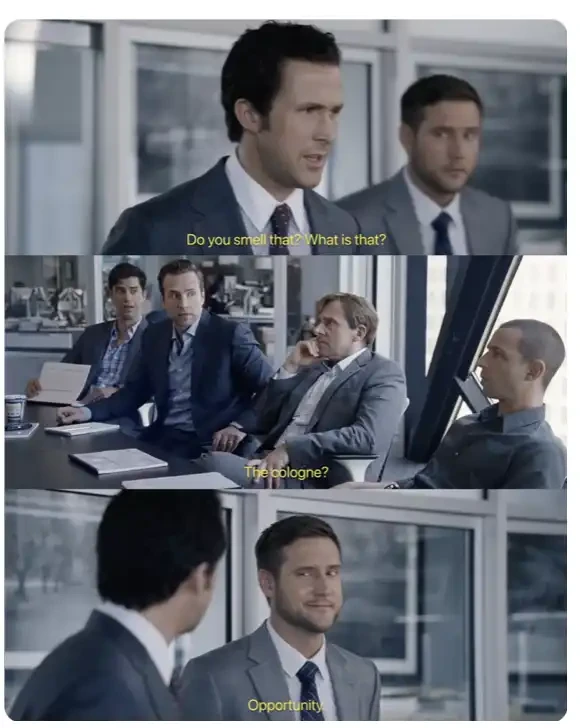
https://www.youtube.com/watch?v=YgF98vyn2fY
A few months ago, I moved from New York to San Francisco to join a friend's startup. Before moving, everyone told me, "You have to go to San Francisco," saying that's where everything happens. So lately, I've been grappling with one question: Is San Francisco really that important? Was I really missing out by staying in New York?
So far, my answer is: if you want to be at the center of this massive technological revolution and bubble, then yes, this is the place to be. The density here is real, the grapevine networks are real, and because of that, the information asymmetry is also real.
During my time in San Francisco, I've gathered some observations and thoughts. Here's what I've been "smelling" in San Francisco:
1. People are shaking
2. There is only one status game here
3. A city that always cries "wolf"
4. Obsession with math prodigies
What strikes me is the stark contrast in human experience within the same city – walking down certain streets, you unfortunately feel like you're in hell; turn a corner, and you see the bay, distant cypress trees, and beautiful views. The most tech-forward, futuristic moments here are probably watching various autonomous vehicles roam the city streets. I can't help but smile every time I see those new, friendly, light blue Waymo cars. Or, you might feel like you're being watched by Ava, the AI BDR (AI Business Development Representative). I hate that ad. But I have to admit, their "rage bait" successfully got me to still mention it. Every morning, the first thing I see when I step out of my apartment door is this monstrosity:
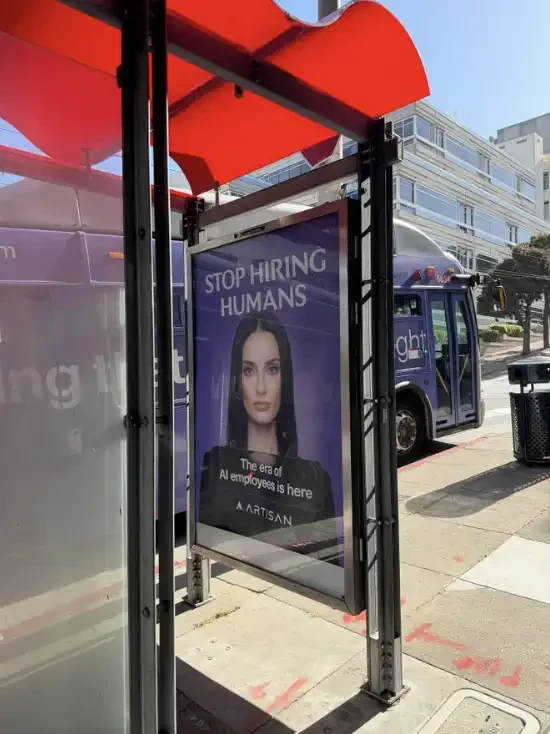
Why do people graffiti friend.com, but not this garbage ad? Also, if you live nearby, we can go get ice cream together!
People in San Francisco Are Shaking
A few weeks ago, I hung out with my friend Jared (@imjaredz). He lives in New York, but recently joined Cognition. We had lunch and coffee at the Cognition office. The vibe was good, the coffee was great, and the rooftop was awesome. I asked him what he thought of the vibe in San Francisco.
"Have you noticed that people in San Francisco are shaking?" I laughed, thinking: What? Shaking? Then I realized I had downed 300mg of caffeine with my cold brew that morning and was a bit shaky too. "Yeah, literally shaking. I'm not against maxing out your ADD tendencies, but next time you have a coffee chat, pay attention – see if they're shaking."
Bubbles and booms bring a restless energy, as if there's no other chance to "make it" if not now. I'm not immune either – after Jared pointed it out, I noticed I might be shaking sometimes too. The meme of "grinding endlessly to escape permanent bottom tier" is played out, but every meme gains traction because it captures the zeitgeist. If nightlife is a city's heartbeat and the thermometer defining its culture, what does it say when a 24-hour coffee shop from a "dog startup" becomes the de facto nocturnal grinding hub?
Shaking is part of the technological revolution and financial bubble process. I used AI for this part of the writing, and I apologize in advance if you want to kill me for it. But I was googling Carlota Perez to find some quotes, and I really liked Gemini's summary of the "Frenzy Phase":
Frenzy Phase: The climax of the installation period, where market psychology discards fundamentals. Financial participants shift from seeking dividends to capital gains, causing the "paper economy" to decouple from the "real economy."
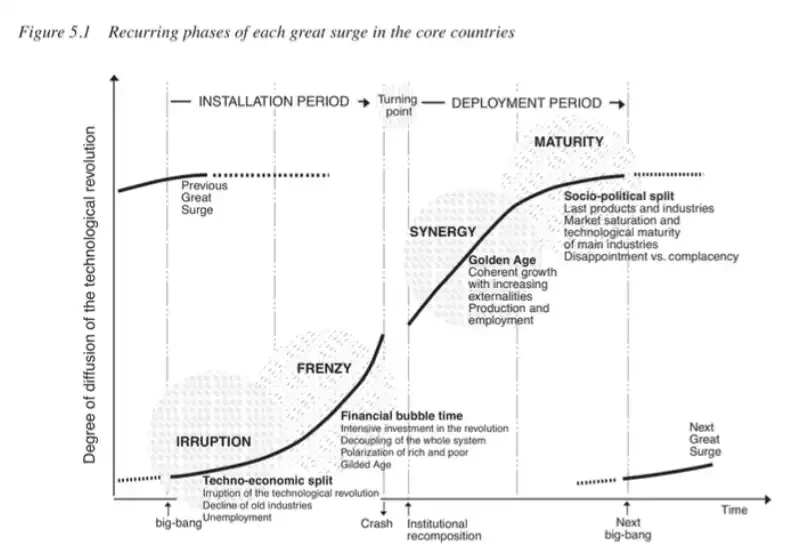
Source: https://stratechery.com/2021/the-death-and-birth-of-technological-revolutions/
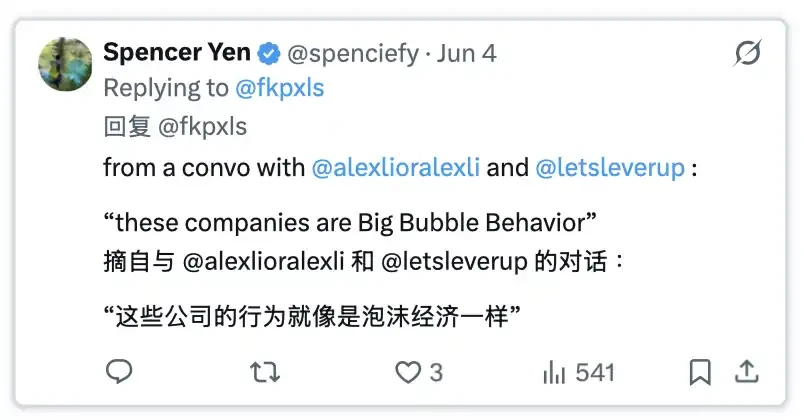
A friend of mine coined a term called "Big Bubble Behavior." It's a beautiful phrase, and I've been using it for the past two weeks to tag everything that fits the frenzy phase. Market euphoria can sometimes lead to irrational behavior. Shaking is Big Bubble Behavior. I've seen trays of lobster tails twice in my life: once at a crypto party in a Venetian Island mansion in Miami in 2021, and again at ClawCon in 2026.
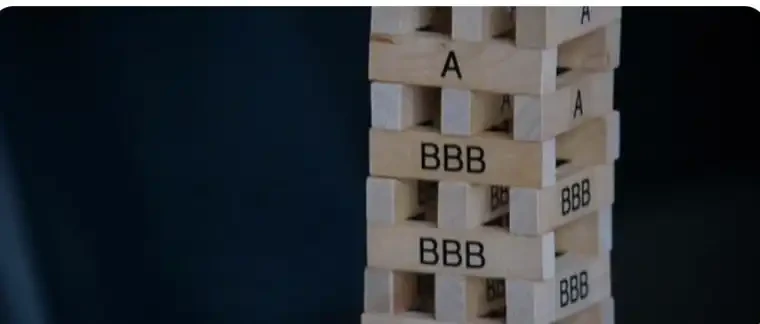
Big Bubble Behavior
There's Only One Status Game Here in San Francisco
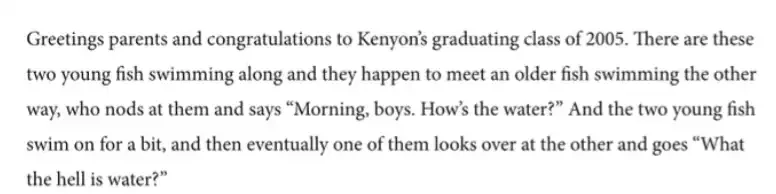
David Foster Wallace, *This is Water*: https://fs.blog/david-foster-wallace-this-is-water/
In San Francisco, this water is AI. Outdoor ads are everywhere – billboards, buses, bus stops, bike shares, it even feels like it has taken over the blue sky.
My problem with San Francisco is: the dominant status game is just one – tech. You go to dinner, or hang out in the park, and you hear the same words. You also see various "alpha farming" behaviors because those grapevine networks do exist. And I can't even be mad, because I'm that kind of person too. Don't hate the player, hate the game.
The problem is, when a city has only one dominant status game, it's way too easy to compare yourself to others.
We increasingly measure and compare each other using vanity metrics, like how much money was raised, or what letter round your company is on. I really hope someone raises a Series Z, because that would directly prove how absurd the private markets have become. You hear gossip about which hot startup is being chased by financial players to invest, and what hot valuation levels they're at. Then you can't help but start doing that disgusting, Blind-style reverse math: figuring out how much someone's equity package is worth right now.
I told a friend that if you see that reverse math for calculating compensation and optimizing offers on Blind, you'd cringe so hard your toes curl. Blind is that anonymous big tech social network, best known for memes like: "I'm in a life crisis, my wife might leave me, but do you think I should take Meta's L6 or Google's L9? TC: $969k." So why are we doing the same thing here? Go touch some grass. Or, this is just my cope.
In New York, there are at least 7 status games happening simultaneously. Finance, big law, music, fashion, celebrity circles, old-money family offices, news, sports, entertainment. Because the scope is so wide, some games feel so distant they're almost unattainable, which paradoxically makes them interesting to talk about and learn from. It diffuses the attention of all ambitious people.
I enjoy asking my law school friends which top law firms are the most prestigious, and understanding the subtle differences between each; I enjoy learning about the fashion and luxury world, and what it takes to survive in that industry; I also enjoy understanding the cushy lives of quant elites and their garden leave arrangements.
San Francisco is creating unprecedented wealth, which brings a strange energy. A friend doing research mentioned that people around him are already looking into buying land and diversifying assets into scarce resources. There's a feeling here: you either own lab equity, or you don't. There's a joke that people in San Francisco don't know how to spend money; this strange energy comes from a lot of new wealth being created, but people don't know what to do with it. First time being rich? Let the experienced rich kids teach you how to enjoy life.
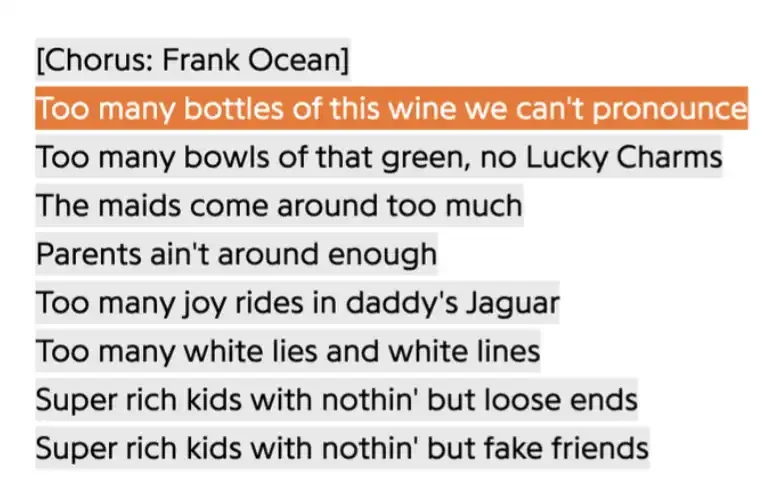
*Super Rich Kids* – Frank Ocean: https://www.youtube.com/watch?v=0XCQNpjWmRE
A City That Always Cries "Wolf"
My first impression of San Francisco was a kind of apocalyptic sentiment. Maybe researchers in the labs truly see some kind of "second coming," and if so, their calls for slowing down and emphasizing safety are justified. But I can't truly know. The only thing I know is how the apocalyptic sentiment makes me feel personally – not great!
I've had quite a few nihilistic conversations with a vibe roughly like: "If Mythos can wipe all this out or break everything in one go, then what are we even doing here building software?" and "Will AI destroy our lives?" and "AI will create massive inequality and bring a lot of pain to society."
My one-liner take here is: Humans will always find other things to do, work will migrate to higher levels of abstraction, and new things will become valuable.
We are very bad at predicting what future society will look like. I think the anti-capitalists I read in college were angry in the wrong direction – imagine their reaction if they saw that humans could derive pleasure from AI-generated garbage fruit videos, or "Tung Tung Tung Sahur" from Italian brain rot.
"The problem isn't that AI makes content stupid, [sniff], it's that we enjoy this stupidity, treat it as a kind of sacred trash, a digital fetish object, [sniff], isn't it?"
From my friend Samir. His bio: Not a researcher, but he has a "fish guy."
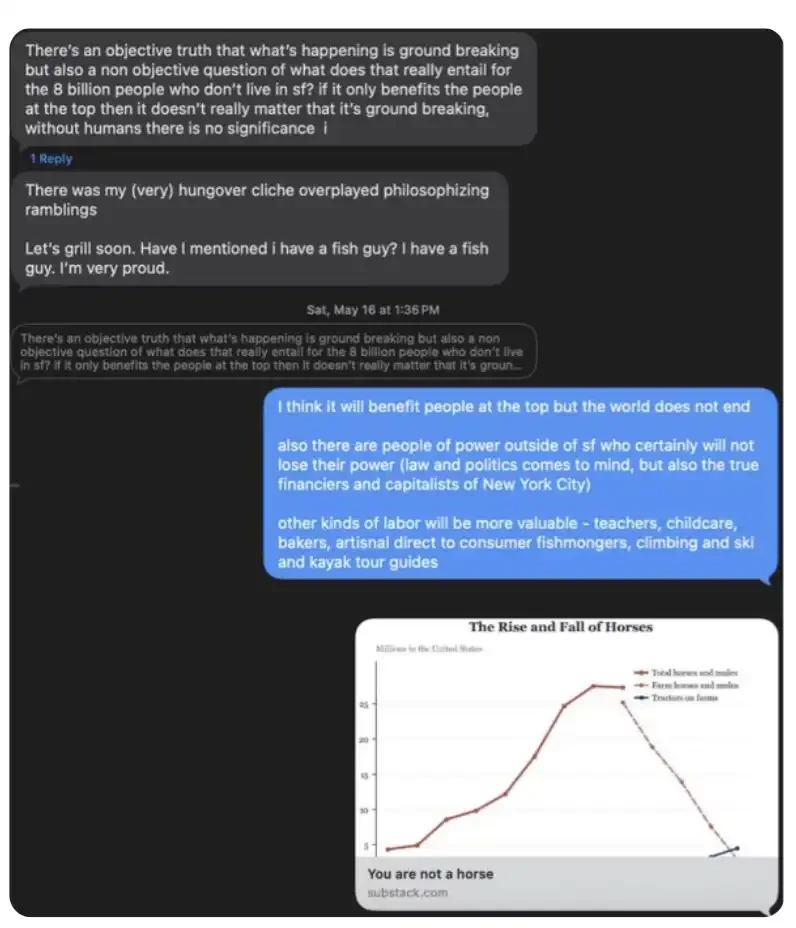
Does anyone else have their own "[Name] guy"? Please tell me.
A friend working in a lab pointed out that the GTM (Go-To-Market/Sales/Growth) team and the research team within the same company have entirely different lived experiences right now. That apocalyptic sentiment gets balanced by something else: "Come hang out with the GTM team, have a beer, touch some grass." There's definitely something worth pondering about the pessimism of the model creators versus the optimism of the people closest to technology deployment. Time to go Forward Deployed!
Reality has a surprising amount of detail: https://johnsalvatier.org/blog/2017/reality-has-a-surprising-amount-of-detail
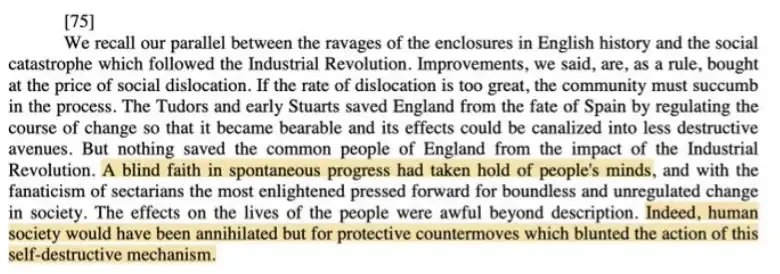
Six years ago, when I was in college, I wrote about this topic of how AI might reshape social structures, titled it *Polanyi and the Second Great Transformation* (No need for Pangram AI detection; Medium before 2023 was like an organic pasture for human writing).
Let me explain the reference: Karl Polanyi was an Austro-Hungarian economic sociologist, best known for his book *The Great Transformation*. Written in 1944, it was a critique of the rise of modern market capitalism in 19th century Britain. So, the "First Great Transformation" refers to the shift to capitalism, and my 21-year-old self thought I was clever by calling AI the "Second" great transformation... you get it.
Polanyi's most famous concept is "The Double Movement," describing a historical push-and-pull phenomenon: on one hand, the free market constantly expands; on the other hand, society produces a counterforce, attempting to protect itself through regulation. The first movement involves capitalist elites trying to expand the free market and commodify society; applied today, it means commodifying intelligence. The second counter-movement is people reacting to market-driven destruction and trying to protect society; applied today, it's anti-AI, anti-data center rhetoric.
Here was my naive college student writing from age 21:
Polanyi explained that the development of machinery for production led to the "fictitious commodification" of labor (people) and land (nature). Although the Fourth Industrial Revolution has occurred within a market system, the arrival of the mechanical mind brings a different threat: taking over jobs. As computers can perform more 'human' cognitive tasks with higher efficiency, many ordinary people may lose their jobs.
Polanyi wrote: "Nothing could save the common people of England from the impact of the Industrial Revolution. A blind faith in spontaneous progress had taken hold of people's minds..."
https://medium.com/@spenceryen/polanyi-and-the-second-great-transformation-6d6364b5d3c6
So now, thinking about it, maybe the people constantly crying "wolf" are right. A blind faith in spontaneous progress might not end well. Polanyi's critique of market capitalism was this: for most of human history, economic activity was subordinate to social, cultural, and religious institutions. But later, market capitalism reversed this relationship, making society subordinate to the economy.
How can we ensure that society doesn't become subordinate to a nation-state of geniuses in data centers? As Ben Thompson accurately pointed out in his article about Anthropic's Mythos, the joke of *The Boy Who Cried Wolf* is that eventually, the wolf does come.
But what does the capitalist inside me think? Well, then invest in social, cultural, and religious institutions! If you have any good trade ideas, feel free to DM me your pitch deck.
Obsession with Math Prodigies
Another one of my favorite bits from the Jenga scene in *The Big Short* is Ryan Gosling pointing to the Chinese guy next to him and saying, "That's my quant." This vibe has a strange similarity to the current batch of hot founders being chased by investors – they are often the prodigy kids who crushed math competitions from a young age.
Again, Ryan Gosling, responding to Steve Carell's skepticism:
"You're saying that if defaults just hit 8%, these bonds will collapse, and they're already at 4%? If they go to 8%, it's armageddon?" "Yeah, that's right." "Why isn't anyone talking about this? Are you absolutely sure about this mathematical model?" "Look at him. That's my quant." "Your what?" "My quan-ti-ta-tive, my math expert. Look at him. Don't you notice something different about him? Look at his face." "That's kind of racist." "Look at his eyes. I'll give you a hint, his name is Yang! He won the national math competition in China, he doesn't even speak English! So yes, I am very sure about


