






veDAO Research Institute: Attack Wallet takes you to understand the new technologies and developments of crypto wallets


Today, veDAO Research Institute will share around a concept familiar to all crypto investors - crypto wallet. The encrypted wallet is the main access point of the Web3 economy. With the development of the Web3 economy and the wide adoption of Web3 applications, it has been paid more and more attention. It also needs to match the progress of Web3, meet the diverse needs of users and more New technologies and new creations are both challenges and opportunities brought by the market. This article will take everyone to sort out the development of crypto wallets, focus on development trends and innovation directions, and share wallet projects with innovative highlights.
Basic concepts of crypto wallets
The function of the traditional electronic wallet is to store assets and mobile payment. On the basis of storing assets and mobile payment, the encrypted wallet adds the function of identity identification, which is also the entrance and authentication for users to pass in various DApps in Web3. There are many forms of encrypted wallets on the market today, and each form has a different level of security and convenience, which can be mainly classified according to the following two forms:
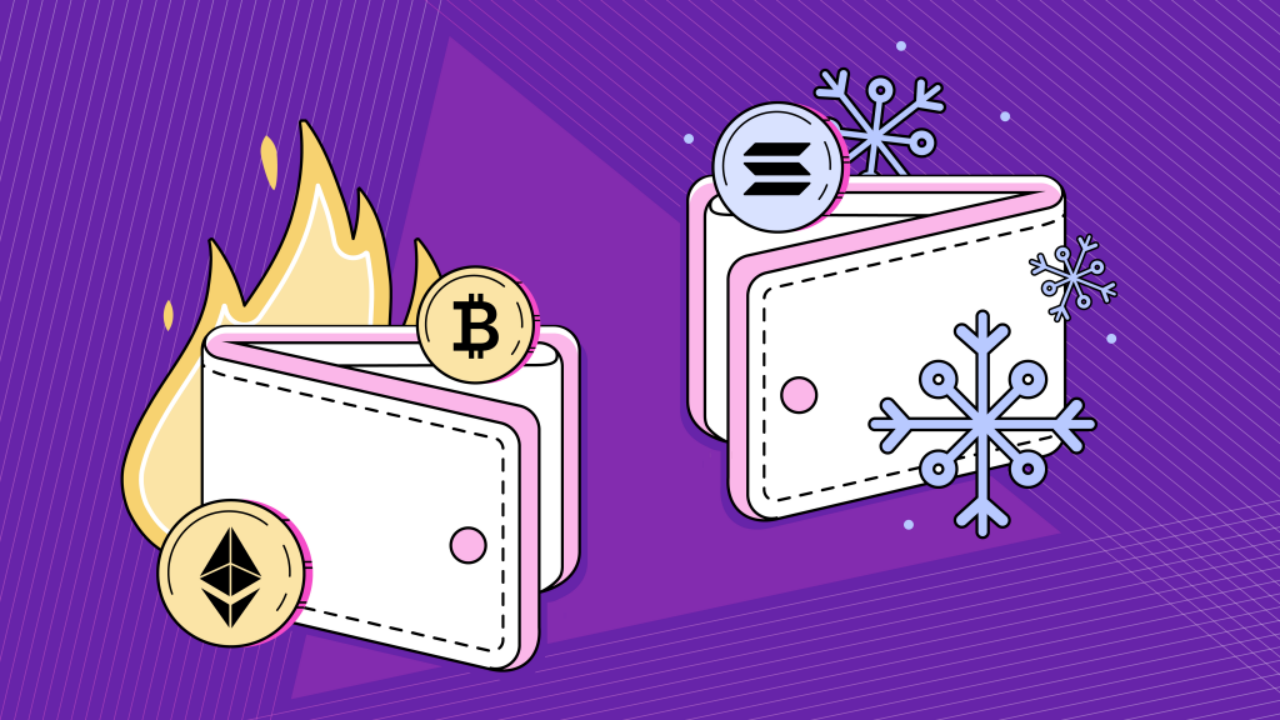
According to whether they can connect to the Internet, they are divided into cold wallets and hot wallets:
Cold wallet (offline wallet): Keys are stored in hardware devices, including paper wallets kept with mnemonic phrases, offline mobile phones, hardware wallets, etc., and will only be connected when you want to use cryptocurrency.
Hot wallet (online wallet): The key is stored in the application or software, and the private key needs to be connected to the Internet when signing the transaction, including our commonly used wallet App, web page plug-in wallet, etc.
According to whether you have the private key yourself, it can be divided into custodial wallets and non-custodial wallets:
Managed wallet (centralized wallet): A trusted third party holds private keys and securely stores digital assets on the blockchain, which also means that users do not have full control over your funds. This type of wallet is mainly provided by entities such as cryptocurrency exchanges or professional custody services, such as trading platforms such as Binance and Huobi.
Non-custodial wallet (decentralized wallet): A wallet that gives users complete control over their keys and funds. Non-custodial wallets can be based on browsers, software or hardware, such as our common MetaMask, TokenPocket, imToken, etc. Non-custodial wallets can be further divided into three categories:
External Account (EOA) Wallet: EOA wallets are the most common digital wallets for storing and managing cryptocurrency. EOA wallets are usually provided by centralized exchanges or wallet providers and require users to hold their own private keys. EOA wallets include Metamask, Backpack, Phantom, Rabby, and Rainbow.
Smart Contract Wallet: A smart contract wallet is a decentralized wallet that uses smart contracts to manage assets. Smart contract wallets are more secure and flexible than EOA wallets and support advanced features such as social recovery and multi-signature. Smart contract wallets include Argent, Safe, Sequence, etc.
Multi-Party Computation (MPC) Wallets: MPC wallets use a technology called threshold encryption for enhanced security. The private key required to authorize a transaction is split into multiple parts and distributed to multiple parties, ensuring that no one party can independently access the key. This approach greatly reduces the risk of a single point of failure or attack, making it more difficult for hackers to steal funds. MPC wallets include Fireblocks, ZenGo, Coinbase MPC, and Particle Network, among others.
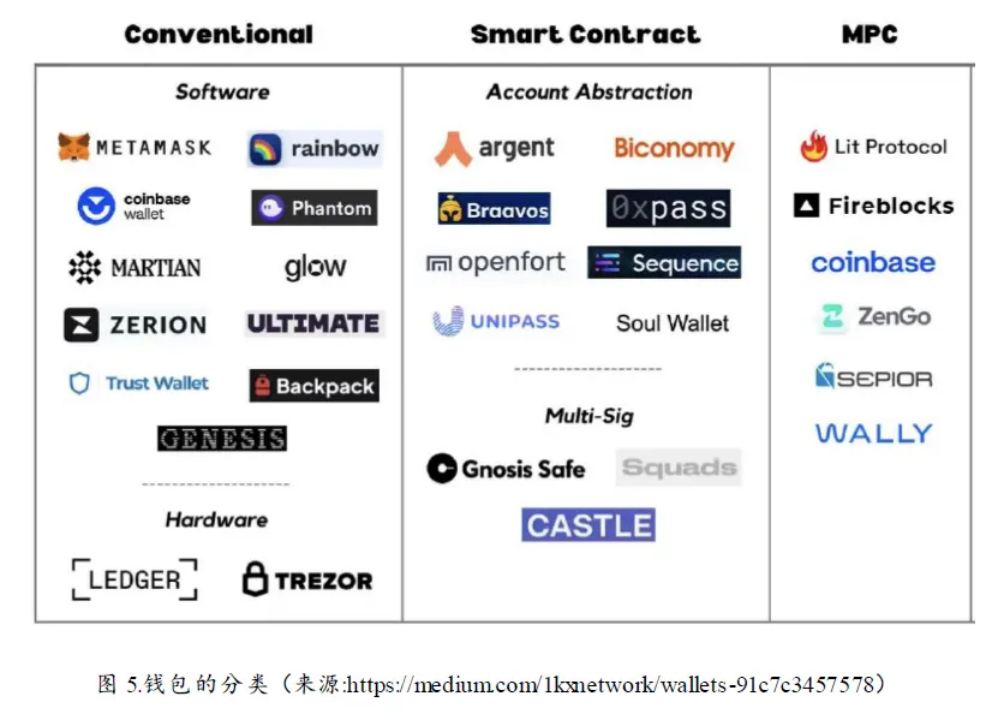
Source: huobi Research Institute
Market Current Situation Problems and Pain Points
The current market development status of crypto wallets has the following characteristics:
Link:https://www.blockchain.com/
1. The number of users continues to grow, and the market share rises simultaneously. According to statistics from Blockchain.com, the average ownership rate of encrypted tokens in 2022 is 3.9%, and more than 300 million people around the world are using encrypted assets. Among them, the number of users with encrypted wallets will reach 68.42 million in 2021, and by July 2022, the number of encrypted wallet users has reached 81 million, and the number is growing exponentially. The development of the Web3 economy and the rise of digital assets have driven traditional funds into the Web3 world. The market demand for secure storage of digital assets and on-chain activities has increased. The digital wallet industry has ushered in an opportunity for development, and a large number of developers and funds have poured in. .
2. As a Web3 infrastructure, encrypted wallets are favored by investment institutions. Encrypted wallets are one of the main tracks for institutions to choose to invest in the encrypted field. Statistics show that the amount of investment in the wallet field has continued to grow in the past five years. In the first half of 2022, the total amount of financing in the wallet field far exceeds that of other fields, reaching as high as 400 million US dollars.
3. From B2C to B 2 B 2C business, the encrypted wallets in the current market are mainly for To B and To C. Compared with the To B field, the To C field is the source of profit for most encrypted wallets. As transaction volume increases as the market becomes more mature, wallet providers will begin to build economic moats and barriers to entry while profiting from the traffic they generate. This greater bargaining power will make wallet products a more attractive B2B partner for other DApp and DEX protocols, transforming them into B2B2C business models.
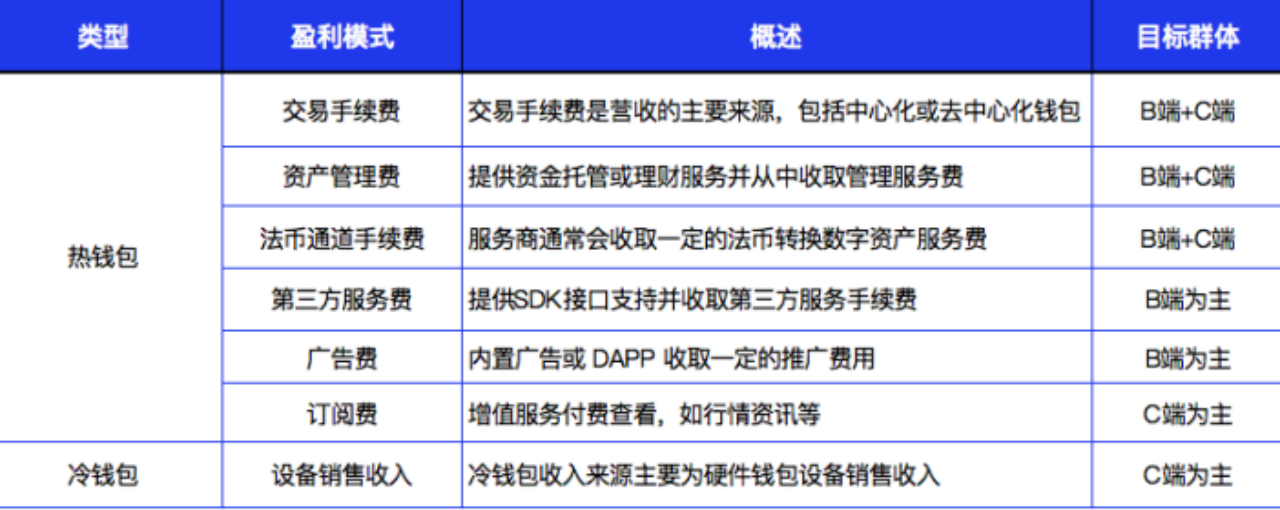
Source: 7 OclockMedia
While crypto wallets have made significant progress in recent years, there are still several challenges that need to be cracked to make them more user-friendly and accessible. Key challenges currently facing decentralized crypto wallets include:
Security: The security of decentralized wallets is relatively high. The biggest challenge currently lies in the custody of users’ own private keys and preventing hacker attacks. Lack of user security knowledge and awareness and bad operating habits will create excellent opportunities for hackers. For wallet developers, the underlying security of the wallet is also full of challenges. In addition to open source wallet code, development must also do a good job in code security audits for each major update, storage and management of wallet private keys, etc.
Privacy and supervision: Privacy and supervision are unavoidable topics in the Web3 field. This is also a problem encountered by wallets, including user data privacy and wallet business compliance.
Ease of use: Every step of the wallet interaction requires the user to operate in person, which requires the user to have a certain amount of basic blockchain knowledge reserve, whether it is a novice or an old player, manage mnemonic words or mnemonic words are stolen, etc. The problems are there and cause them great distress. Although there are certain artificial security risks in the centralized wallet, its operation is relatively simple and the user interface is friendly. If the decentralized wallet wants to gain more users, it must solve the problem of ease of use.
To address these challenges, wallet manufacturers are exploring new methods and technologies to create user-friendly and secure digital wallets that are more likely to be adopted by the mainstream. Innovation drives wallet development
Multi-party computation MPC
MPC wallets replace traditional private keys with secret information that your device shares with one or more other devices. MPC wallets eliminate single points of failure by using a threshold signature scheme (TSS). In this paradigm, we create and distribute private key shards so that no single person or machine has full control over the private key—a process known as distributed key generation (DKG). We can then jointly generate the public key by merging the key shards without exposing the key shards of each party, thus achieving the so-called shared secret information.
Based on this feature, there are more derivative functions, for example, it can restore accounts more easily. So the MPC wallet is similar to a traditional EOA account with an invisible private key. In addition, it can also support the threshold setting function, that is, each transaction requires at least a threshold percentage of participating users to jointly generate a signature transaction. take effect.
Abstract Account AA
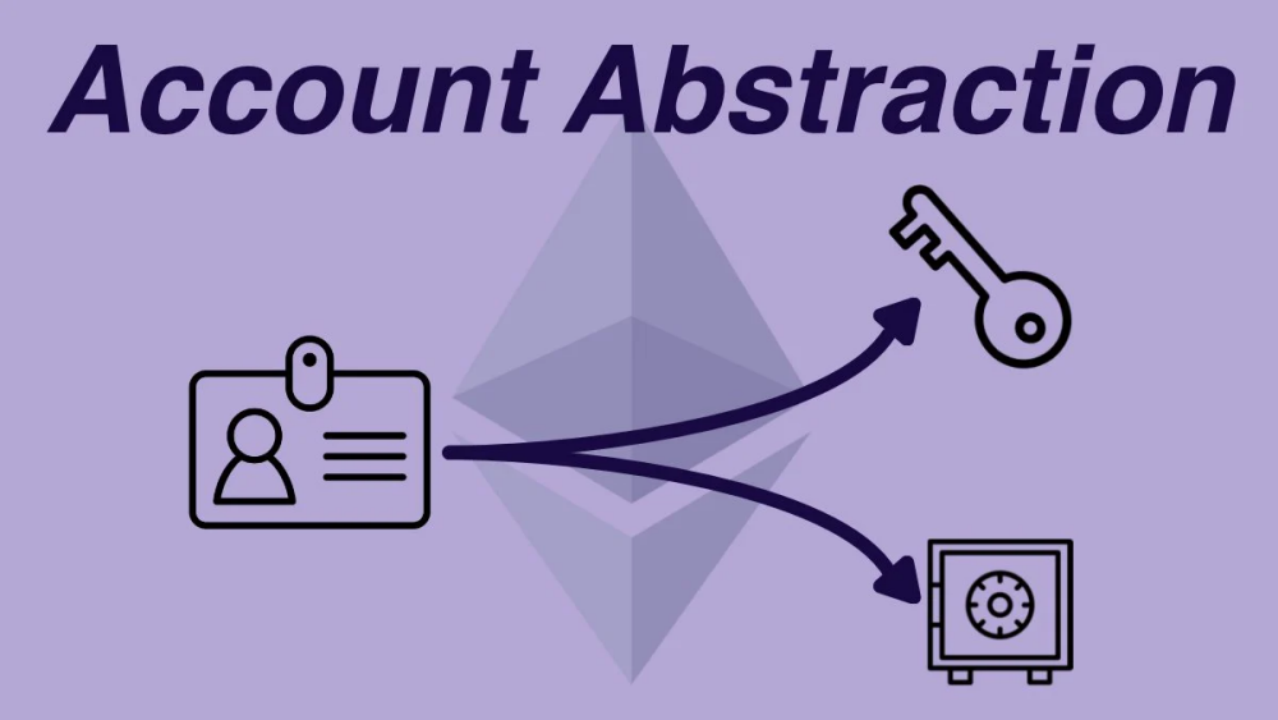
Abstract account is a kind of contract account, which combines the advantages of the current contract account and external account (EOA) into one. Compared with MPC, it has the advantages of flexible contract design, easy to customize logic, and always-on. The AA wallet will first conduct transaction verification in the contract at the entry point, and then enter the transaction execution stage after passing the transaction verification.
The emergence of abstract accounts has brought significant progress to the development of Web3 wallets, and the introduction of on-chain programmability through smart contracts has added flexibility to Web3 wallets. It supports custom rules, so in addition to the current ECDSA signature algorithm, you can also choose other signature algorithms, such as BLS, EdDSA, etc., to better meet the needs of specific application scenarios. Through AA, you can even have a signature authorization that is separate from the account, which means that permissions and identities are isolated and have recoverable characteristics. This not only changes the embarrassing situation of losing the private key equals losing the identity, but also further facilitates DID design. .
Highlight project sharing
1.Argent
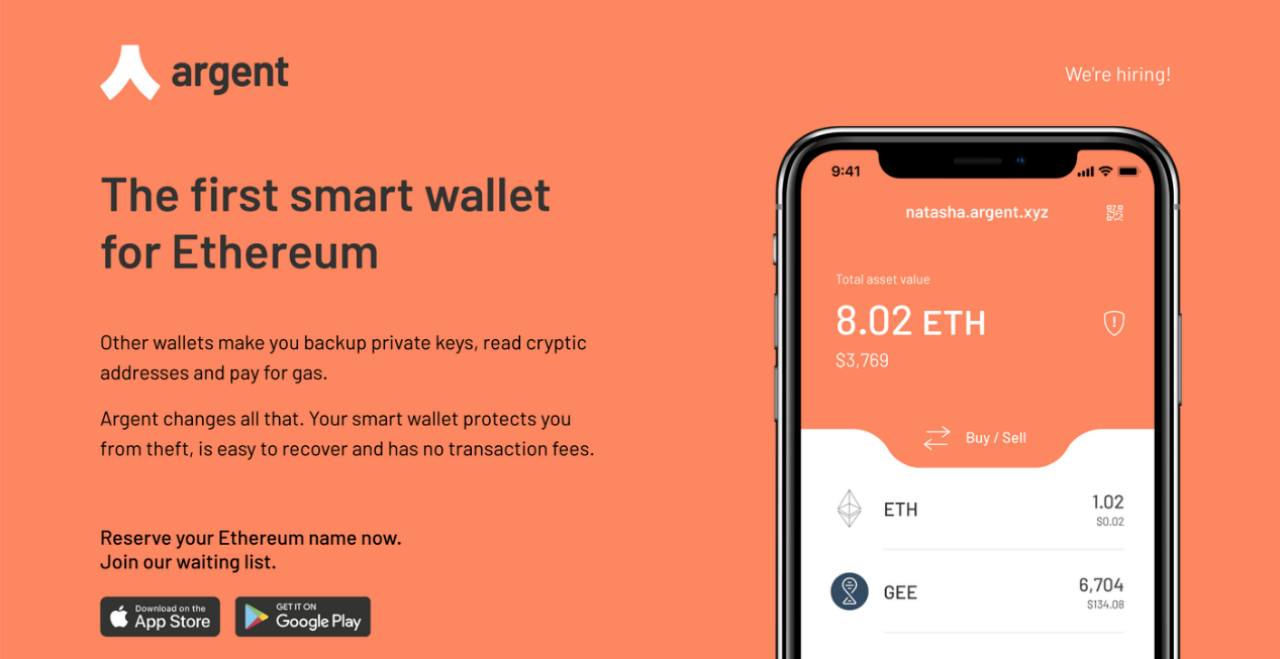
Argent is a Layer 2 wallet active on the ETH chain. Its advantage is that it can easily transfer Layer 2 assets to Layer 1, with low cost and high speed. Its main features include:
Social Recovery: Argents social recovery feature allows users to recover their wallets by connecting with trusted contacts. This makes it easier for users to restore their wallets without having to remember complex seed phrases or private keys.
No need to use ETH as a gas fee: Argent uses MetaTransaction technology to enable users to send transactions without owning ETH. Specifically, Argent pays the gas fee for the user through the middle layer service of Gas Station Network (GSN), and deducts the corresponding fee from the user account.
Attack detection: Argent wallet adopts self-developed"Guardians"Smart contracts automatically detect and prevent phishing attacks, malware attacks, replay attacks, and more. For example, when a user receives an email or text message that appears to be from an Argent wallet, the Guardians contract will detect whether the message comes from an official Argent channel. If it detects that the information is not from an official source, the Guardians contract will automatically prevent the user from performing any transactions related to that information.
In terms of financing, Argent has completed 3 rounds of financing totaling US$56 million. In 2018, it completed a US$4 million seed round of financing, with Index Ventures and others participating; in 2020, it completed a US$12 million Series A financing, led by Paradigm; in April 2022, it completed a US$40 million Series B financing, led by Fabric Ventures and Metaplanet.
Argent starts from the most important security of encrypted wallets, cancels the concepts of private keys and mnemonic words, and uses functions such as social recovery to ensure users ownership of wallets and lower the threshold for use. However, compared with other wallets, Argent wallet users cannot freely switch to most commonly used EVM networks, which will limit its usage scenarios to a certain extent and make it difficult to build user stickiness. At this stage, the user base of Argent Wallet is relatively small. The main reasons include the stability of the ZK network and the lack of support for storage and transactions of multiple cryptocurrencies.
Related URLs:https://app.vedao.com/projects/f6b1e727985306e0a486e5ce72b 9 f 5 c 35608550508 ea 2165 2c 47 b 014 bba 391 fb
2.Unipass

UniPass is an encryption wallet that eliminates the need for users to remember mnemonic phrases. Its email-based social recovery solution will allow users to easily regain access when lost or compromised. It aims to provide a familiar experience for Web2 users, and more Good silky access to the Web3 world. Its characteristics are as follows:
Compatible with ERC-4337: Users can activate ERC-4337 compatible mode by adding 4337 module transaction in MainModule. After activation, transactions that users can initiate will be submitted to Bundler and passed the standard ERC-4337 verification method. Users can also sign UniPass tx and submit it to Relayer for on-chain processing.
Email recovery: Users can set multiple Internet mailboxes as the guardians of the account, and only need to submit the email to the smart contract on the chain to help the user retrieve the private key of the wallet from the account. When a user has more than 2 guardian mailboxes (including the primary mailbox), the user can use these two mailboxes to submit an account recovery email to restore the account immediately. When a user has only one guardian mailbox, there is usually a 48-hour lockout period before the account can be restored.
Gas-free experience: UniPass provides a default relay node that accepts gas payments in the form of native tokens and mainstream stablecoins.
Related URLs: https://app.vedao.com/projects/c2ab33d4aefdf9e6e26c0562cadc0893d9bd08b4813e472081c555f6cf6ff472
3.ZenGo
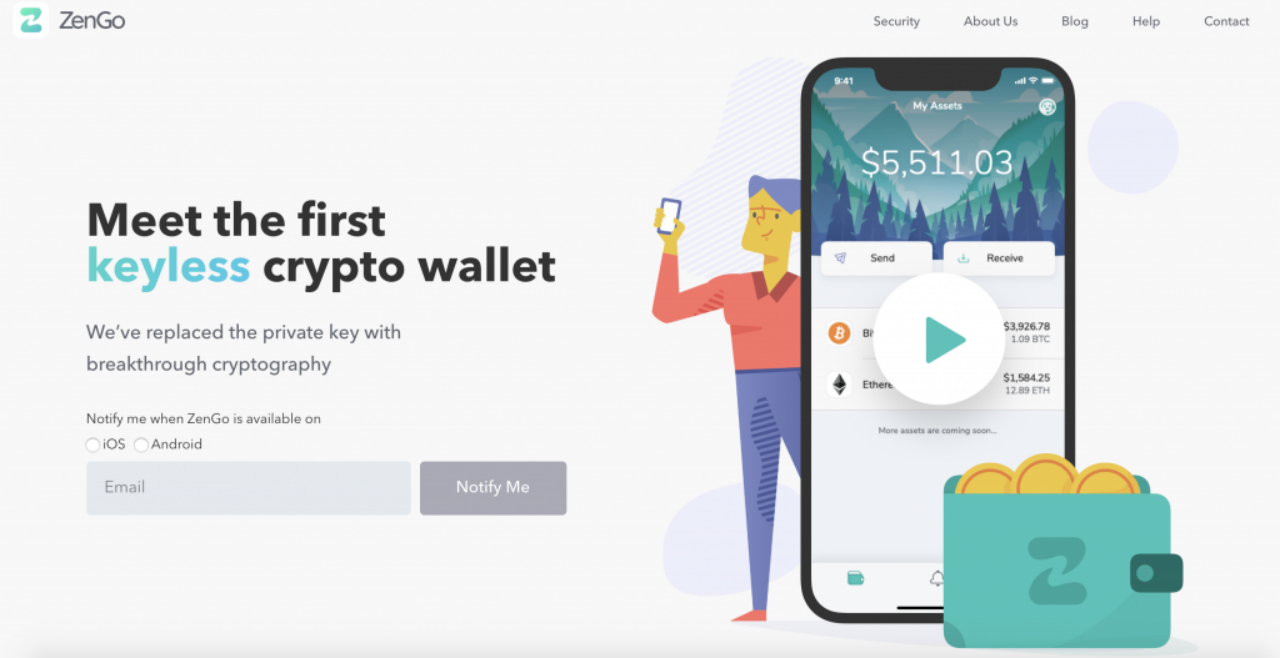
As the first private keyless encrypted currency app wallet, ZenGo has advanced technologies in terms of security and biometrics. The biggest difference from other virtual currency wallets is that ZenGo eliminates technical barriers and requires no keys to log in—just an email address and a fingerprint lock are needed to set up the wallet.
ZenGo operates as a non-custodial wallet without private keys through a variety of security tools, including biometric encryption, three-factor authentication, multi-party computation encryption, and more. This private keyless security system ensures that there is no single point of failure, and even if one of the multi-party computation encrypted shares fails, the user’s crypto assets are safe.
Judging from the financing situation, in February 2023, ZenGo completed a US$10 million Series A expansion financing through the issuance of convertible bonds, and plans to conduct Series B financing later this year. After the extended Series A round, ZenGo is valued at $100 million, the same as it was two years ago after the Series A was closed. ZenGo closed a $20 million Series A round in April 2021, with investors including Insight Partners, Austin Rief Ventures and Samsung Next.
However, the lack of private keys is a big source of contention for some traders, and not all ZenGO features are available globally, with features such as third-party payment providers being region-specific.
Related sites:https://app.vedao.com/projects/c17fefd234405be1094f947e0cd8cf1909ce2e72b 69 aabf 0841 cffec 15971 b 20
4.OKX Web3 Wallet
OKX Web3 Wallets technological innovation and progress in 23 years is obvious to all. In April, the MPC private keyless wallet was launched, and the AA smart contract wallet was launched this month. Jason Lau, chief innovation officer of OKX, said that OKX’s goal is to provide users with the most convenient, secure and powerful Web3 platform, and OKX MPC private keyless wallet and AA smart contract wallet will play an important role in achieving this goal. .
OKX MPC wallet has great advantages in terms of security, the specific advantages are as follows,
Resistant to hacker attacks: OKX MPC wallet breaks up the private key into three pieces, only one of which is stored in the phone. Therefore, even if a hacker steals the private key, the complete private key cannot be stolen at one time, thereby protecting the security of user funds.
Decentralized asset storage: Since OKX only holds one fragment of the user, and the exchange itself does not have the authority to use the users assets without authorization, it is a truly non-custodial wallet.
Good private key security: Although OKX exchange holds some private key fragments, even if OKX encounters an unexpected situation, users can still assemble the complete private key through fragment 2 in the mobile phone and fragment 3 in iCloud, and retrieve it Assets in the wallet, the whole process does not require the consent or assistance of the exchange.
Convenient transfer: When using the wallet on a daily basis, users can easily transfer funds using Shard 1 on the exchange and Shard 2 on the mobile phone.
Easily retrieve the mnemonic phrase: With the OKX MPC wallet, even if the phone is lost or damaged, you can still use the fragments 1 kept by OKX and the fragments 3 backed up in iCloud or Google Drive to retrieve the mnemonic phrase and restore your Wallets and assets.
The OKX AA smart contract wallet based on account abstraction technology simplifies the complexity of blockchain transactions. For example, one of the biggest pain points faced by users is the need to conduct complex transaction processes and understand terms such as Gas Fees and Gwei AA smart contract wallet solves this pain point by reducing the steps required for token exchange or transaction to just one click. Specifically, it has the following advantages:
Gas Fees Convenience: Users do not need to use the native tokens of the public chain to pay, but also use the stable currency USDC/USDT to pay, and when using the Discover browser to interact with the DApp on the web, the AA wallet can also realize third-party payment of Gas Fees.
Simplified steps: The AA smart contract wallet combines multiple stages of the exchange and pledge process of DEX, DeFi, etc. on the chain into one step, and users can complete the token exchange and pledge to earn interest with one click.
More friendly and intuitive wallet experience: Through the AA smart contract wallet, users can interact with multiple contracts in one transaction, which greatly enhances the multi-level needs of advanced users and also increases the convenience of novice users sex.
In the future, more new features such as social recovery will be supported, so that even in the case of losing the private key, it can help users recover their accounts through trusted people in social networks. OKX Web3 Wallet is not only the first wallet to support account abstraction technology of Ethereum, Polygon, Arbitrum, Optimism, BNB Chain, Avalanche and OKTChain, but also the first wallet to support MPC technology on 37 public chains. The private key is divided into three parts, eliminating the traditional need to record the private key and mnemonic phrase in writing, greatly improving security and eliminating single points of failure.
Related sites: https://www.okx.com/cn/web3
5.Hyperpay
Hyperpay is the worlds first multi-ecological digital asset wallet that integrates managed wealth management wallets, decentralized self-managed wallets, HyperMate hardware wallets, and co-managed wallets. It provides users with one-stop services such as asset custody, wealth management value-added, and consumer payments. So far, HyperPay wallet custody wallet public chain supports 57 public chains, self-management wallet public chain supports 34 public chains, HyperMate hardware wallet supports 17 public chains, HyperPay wallet users exceed one million, asset management scale exceeds 1 billion US dollars, and transfers exceed 310 million times .
HyperPay mainly guarantees the security of users assets from four dimensions, mainly including: the security of the wallet itself, the security of users during use, the security of servers, and the security of technology developers. HyperBC, the HyperPay wallet hosting service provider, has obtained a Lithuanian encrypted asset custody license, and the funds hosted by the HyperPay wallet on the HyperBC platform will be regulated by financial institutions.
Related Links: https://app.vedao.com/projects/ 0827 e 11 fbebe 1 be 45 ac 403 e 1 cdf 5 de 0 b 9 dabfb 73 c 7 b 4 bc 2c 79947 d 4 ffefe 3 a 20
Follow us
veDAO is a decentralized investment and financing platform led by DAO. It will be committed to discovering the most valuable information in the industry, and is keen to explore the underlying logic and cutting-edge tracks in the field of digital encryption, allowing every role in the organization to fulfill their responsibilities and get paid off.
Website: http://www.vedao.com/
🔴Investment is risky, the project is for reference only, please bear the risk by yourself🔴





