






SignalPlus: How to use options for portfolio tail risk management?



Various financial markets have very obvious fat tail risks. Fans who want to know more can read Tashi's "Fat Tail Effect". In fact, the soul question that the option seller needs to solve for long-term stable returns is: What should I do if I encounter tail risks? What will happen to the investment portfolio drawdown? Is there a risk of liquidation?
1. How to define tail risk
Tail risk refers to the risk of extreme returns appearing in the investment portfolio. The return in the financial market is widely believed to have a fat-tailed distribution, and the fatter the tail, the greater the probability of extreme returns. (pic source: CITIC Futures & Wind)
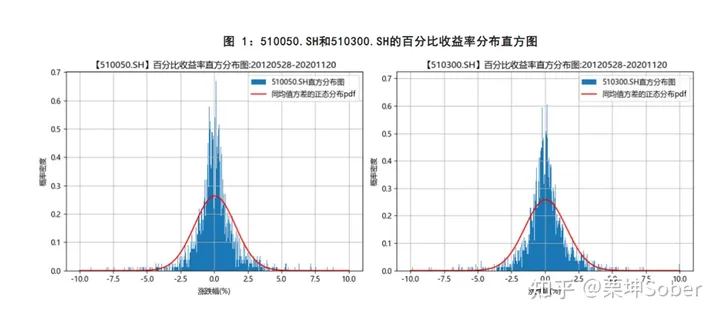
The risk framework of modern portfolio theory is based on the assumption that the logarithmic returns follow a normal distribution. However, in reality, the distribution of asset returns deviates from a normal distribution, and the historical frequency of extreme returns is much higher than that predicted by a normal distribution. Especially in recent years, there have been frequent risk events in the securities market, and the frequency of large price declines of assets is significantly higher than expected by a normal distribution. (See "Fat Tail Effect" for details) It can be seen that compared with a normal distribution, mainstream indices such as US stocks and A-shares all have greater tail risks. (Using the Shanghai Composite Index as an example, pic source: CITIC Securities)
2. How to prevent tail risk?
① Asset allocation concept
My overall asset allocation concept comes from several books written by Mr. David Swensen. Interested readers can look them up.

Configure multiple assets with low correlation or reduce the weight of risk assets to prevent the impact of sudden risks of single assets on the entire portfolio. Readers who have read my previous articles should be very clear about this idea.
Currently, I mainly focus on the following markets: A-share, Hong Kong stock, Web 3.0, and US stock ETFs. Investment targets include broad and narrow-based ETFs, block trades or private placements, convertible bond arbitrage, quantitative mutual fund and private fund linked to indices, and trading options by myself.
In general, asset allocation should be rebalanced every six months, requiring less effort. Each type of asset should be deeply researched or studied for at least one year (not mastering more than one investment strategy per year, ensuring depth).
② Low-volatility targets
From the perspective of selecting targets, volatility indicators are the key consideration. Previously, as an institutional investor, some strategies such as CPPI and TIPP might be used. However, as an individual investor, I personally don't find them very useful when managing assets. It only requires setting up fixed combination strategies (CM) based on the years, which is actually a modified version of the Merrill Lynch Clock. Because the underlying logic of the Merrill Lynch Clock has long-term validity, but the financial markets have undergone accelerated changes in the past 20 years. In addition, every investor has different understanding and preferences for targets and investment styles, so I will choose based on my own knowledge and preferences. More details can be discussed later.
③ Tail protection through options
Common option strategies used to hedge tail risks in the stock market include: Buy put strategy, collar strategy, put spread strategy, and risk reversal strategy.
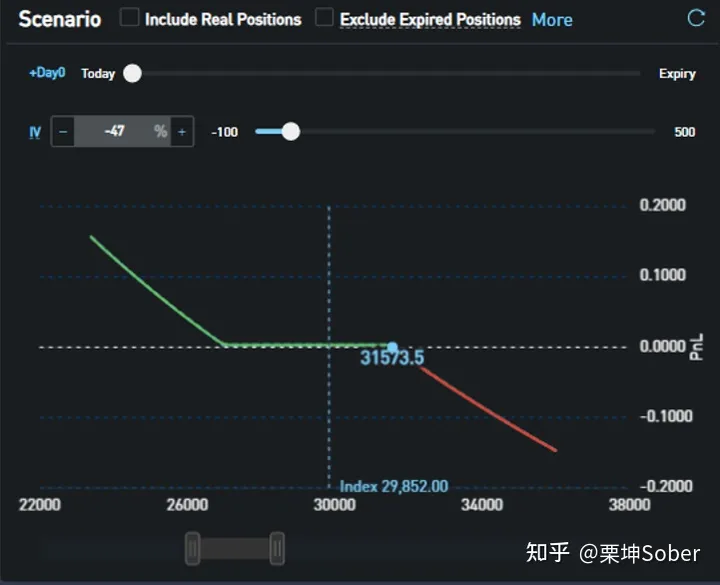
Collar strategy:
Compared to the simple buy put option strategy, the collar strategy involves holding the underlying assets while simultaneously buying out-of-the-money puts and selling out-of-the-money calls. The collar strategy is characterized by close combination profit and loss to the underlying asset's performance during small fluctuations, and it truncates the profit and loss during large fluctuations.
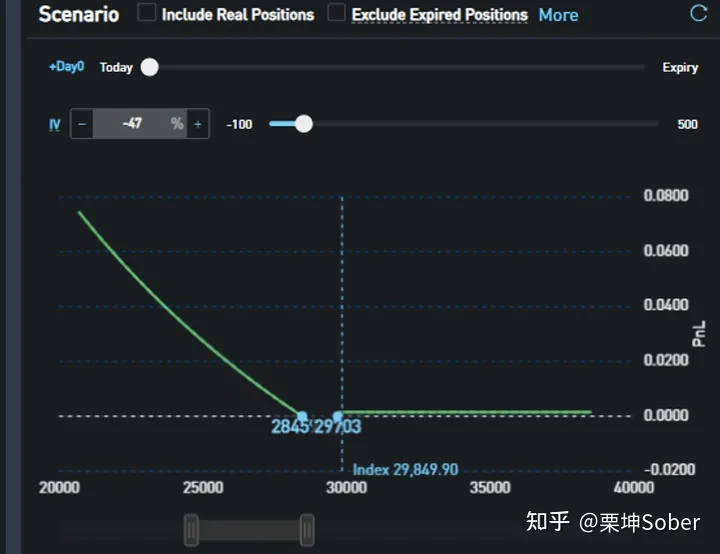
Option Put Reverse Proportional Spread Strategy:
Refers to buying a certain number of option contracts while selling different quantities of option contracts with the same underlying and expiration date but different strike prices. In the put proportional spread strategy, both the bought and sold contracts are put options. For example, buying put options with a ratio of 3 to 2 with lower exercise prices while selling put options with higher exercise prices.
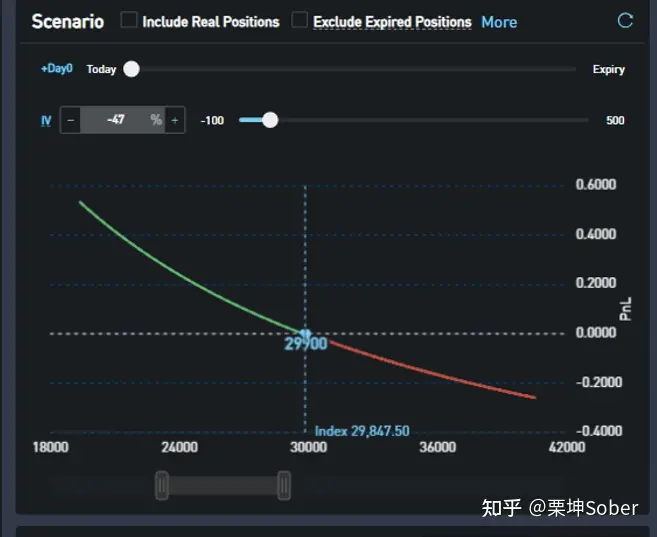
Option Risk Reversal Strategy:
Similar to the collar strategy, it involves buying put contracts while selling call contracts. The difference is that the risk reversal strategy requires the exercise prices of the bought and sold put and call contracts to be the same. The option risk reversal strategy is a classic strategy used to arbitrage with the spot market. By using synthetic underlying assets composed of call and put options, the strategy provides opportunities for arbitrage when the put-call parity relationship is not satisfied. Since this strategy can create synthetic underlying assets, its profit and loss structure is identical to stock index futures and can be used to hedge against downside risk in the underlying.
Although traditional stock strategies and asset allocation can reduce portfolio risk, it is difficult to finely manage tail risk, and allocating low-risk assets can lower the overall portfolio return.
【Conclusion】
Asset allocation can reduce the impact of sudden risk on the entire portfolio, and corresponding stock strategies can also lower the risk level of the portfolio. Option hedging can effectively and accurately prevent tail risk.
Although implementing option hedging strategies requires ongoing costs, it can significantly improve portfolio performance in the long run for markets with high volatility, as it can finely control the tail risk of the portfolio.
In the future, we will study more dynamic tail risk management methods for option strategies. This article is more focused on pre-risk control.

You can search for SignalPlus in the Plugin Store of ChatGPT 4.0 to get real-time encryption information. If you want to receive our updates instantly, please follow our Twitter account @SignalPlus_Web3, or join our WeChat group (add assistant WeChat: chillywzq), Telegram group, and Discord community to communicate and interact with more friends.
SignalPlus Official Website: https://www.signalplus.com





