Dubai with 200,000 Chinese: Another Web3 capital in Asia



The story of the Chinese in the encryption industry is full of twists and turns. The Chinese have helped the vigorous development of the encryption industry, but the current Chinese forces are somewhat adrift.
Around 2013, the encryption industry started in mainland China and Japan, and then Hong Kong began to exert its strength. Following the bankruptcy of Japan's Mt Gox in 2014, USD trading began to take off via Bitfinex in Hong Kong. In 2016, Bitfinex became the largest non-renminbi exchange. Backed by the Greater China region, Bitfinex has a close relationship with Tether, which also started in Hong Kong, and has provided a series of support. The ecosystem in Hong Kong has indeed allowed these big brands to do it, making FTX (later moved to the Bahamas), BitMEX... Mainland China was also the starting point of the encryption industry, and Vitalik, the founder of Ethereum, has also traveled to China many times Try financing.
With the Bitcoin ban in mainland China, giant companies in the mainland have changed their business and opened up new paths elsewhere through buybacks, backdoors, etc. The bitcoin ban in the mainland has also greatly affected the encryption circle in Hong Kong. Coupled with the once-criticized epidemic policy in Hong Kong during the epidemic, a large number of new forces have since gone to Singapore.
Singapore is now the Web3 center of East Asia, but whether it will continue to be in the future, the answer is unknown.
In October 2022, Web3 in Asia held a grand event Asia Token 2049. After attending the conference at the beginning of the month, many insiders came to Dubai non-stop to participate in the world's largest technology event Gitex in the middle of the month. See what cutting-edge projects are in the Blockchain Summit and Metaverse pavilions. With Singapore tightening its policies on Web3 and Dubai relaxing its invitation-only policy, MENA's booming Web3 industry also seems to be attracting perpetual FOMO insiders looking for a better environment to swim in.
In today's wave of Web3 development, Dubai must be a force that cannot be underestimated. The political and economic development of the most famous emirate in the United Arab Emirates has benefited from the national policies of several extremely far-sighted leaders, and now it has invested a lot of money and relaxed policies, taking advantage of its location in the Persian Gulf port and its proximity to Hormuz The convenient geographical location of the Strait has built its own financial center and transportation hub. Although the country is small, its soft power is amazing, and it can have its own important voice in the frontier field. Currently, Dubai is one of the fastest growing destinations for the Web3 industry. As a resident of Dubai, the author privately believes that the United Arab Emirates is the light of the Middle East and North Africa. Today, I will use the platform of Rhythm to chat with you about the development of Web3 in Dubai.
The legend of the trading port - the policy of fighting big with small and daring to be the first in the world
image description
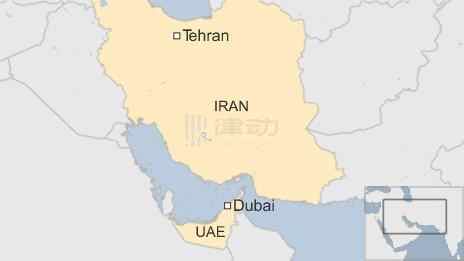
Dubai, which is adjacent to Iran, benefited from Persia's foreign trade port in the early years
In 1958, Rashid bin Saeed Al Maktoum took over as Sheikh. Under his leadership, Dubai developed from a pearl fishing port to a brilliant international metropolis and business center. The sheikh's strategic instincts are a blessing for Dubai. In 1958, no oil had been discovered in Dubai, but the sheikh had begun to focus on economic diversification, using Dubai's surplus from trade to vigorously reinvest in infrastructure, build natural water pipelines, expand power, build hotels, build airports, etc. . The sheikh’s infrastructure development has not always been well-funded or recognized by others. When building the first bridge connecting the Dubai waterway, the sheikh was so cash-strapped that he borrowed a sum of money from his brother-in-law, the person in power in Qatar, and used the tolls after passing the bridge. repayment.
In 1966, oil was discovered underwater in Dubai. Since then, I have embarked on a life of "a piece of cloth on my head, and I am the richest in the world". But Dubai is lucky. Oil, which is Pandora's magic box for most countries in the Middle East, has not destroyed Dubai's independence and development too much. Sheikh Rashid bin Saeed Al Maktoum once said a famous saying, "My grandfather rode a camel, my father rode a camel, I drove a Mercedes, my son drove a Land Rover, his son could drive a Land Rover, but his son could ride a camel." The depletion of oil, a heavy resource. So the Maktoum family has been working hard to diversify the economy with oil money.
image description
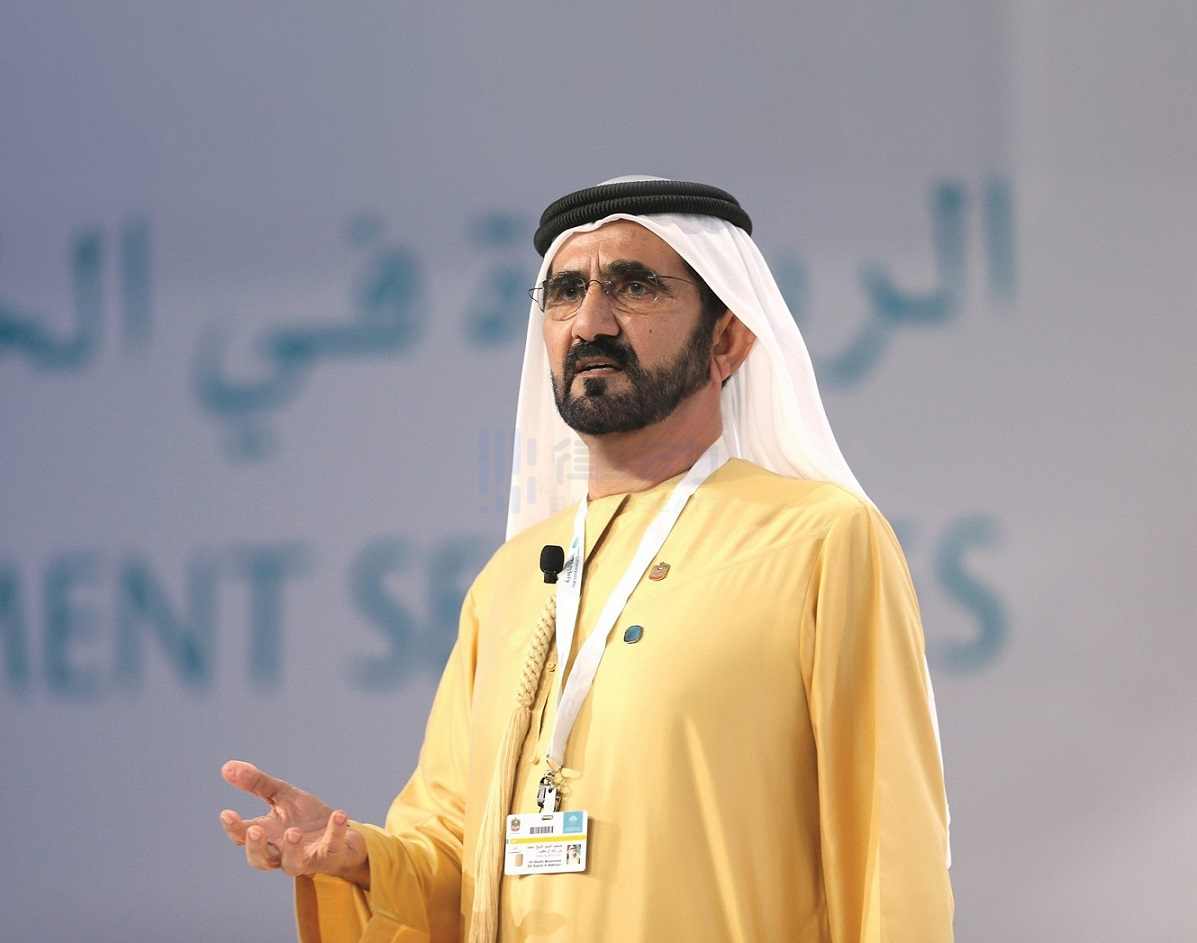
The current sheikh, Mohammed bin Rashid Al Maktoum (the ex-wife, the Princess of Jordan, divorced at a high price in the UK)
After entering the 1990s, the UAE emerged from the Gulf War as a low-key winner, continuing to attract foreign businesses to Dubai. The UAE has a good relationship with the West, stays away from the shackles of ideology as far as possible, and continues to attack the economy by taking advantage of the wave of Western liberalism. Dubai is considered the Hong Kong of the Middle East, and its relationship with Iran is considered to be very similar to that between Hong Kong and the mainland. Unlike Iran, the UAE is also quite "talking about doctrine and thinking about business", and its flexibility in actual policy operations is far greater than that of Iran.
In 2029, Dubai will run out of its last barrel of oil. Led by some extremely politically forward-thinking (albeit heavily patriarchal) people in power, Dubai is now making a big push into Web3 and the Metaverse, handing over an important stick to the city's economic diversification to this booming new industry .
In August 2022, the Sheikh of Dubai personally announced the Metaverse Strategy, aiming to further expand Dubai's influence in the Metaverse. Before the plan, 1,000 blockchain and metaverse companies have chosen to take root in Dubai. After the plan, Dubai is expected to add 30,000 virtual jobs by 2030, adding $4 billion in added value to the Dubai economy.
image description
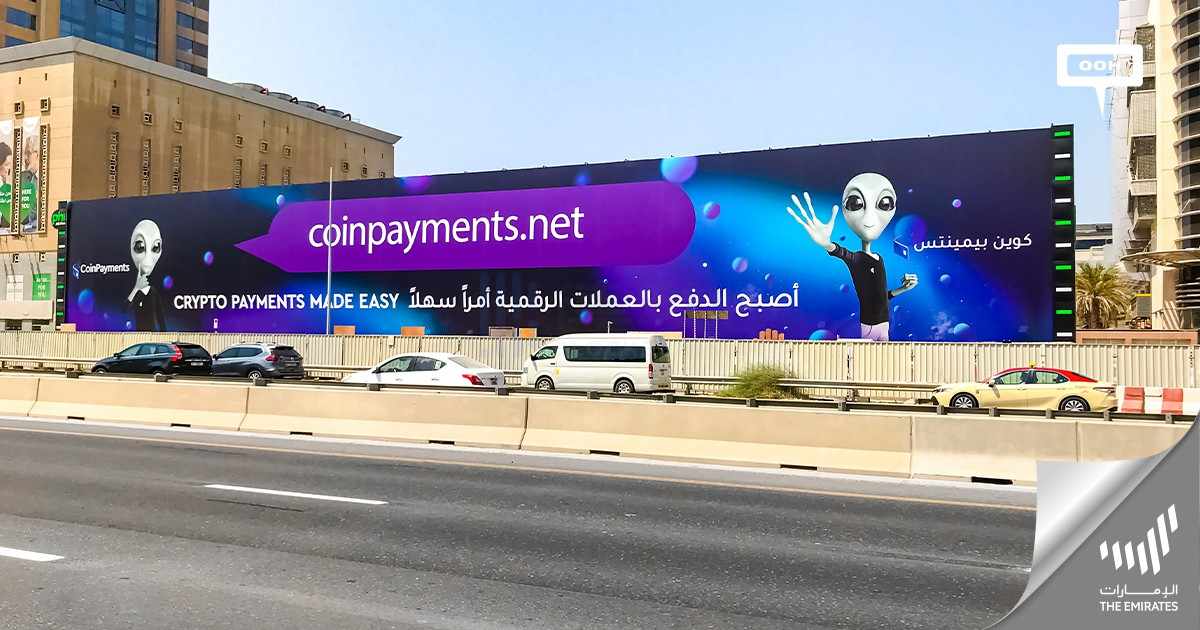
Advertisements for Web3 can be seen everywhere in Dubai
Metaverse and Blockchain Regulatory/Government Agencies in Dubai
The regulators in Dubai need to know the most is the Virtual Assets Regulatory Authority VARA (Virtual Assets and Regulatory Authority), which was established in March 2022 and issued a license. VARA adopts a set of lightweight compliance model Test-Adapt-Scale, and gives licenses to virtual currency companies with looser supervision. Driven by VARA, Binance, FTX, crypto.com, Bybit, etc. have all obtained licenses in Dubai and opened head offices or branches in Dubai. Since India announced a 30% tax on virtual assets, Indian exchanges such as WazirX have also moved to Dubai. BitOasis, an important exchange in the Middle East, has also obtained a VARA license to develop in Dubai. Back in May, VARA became the first regulator to hold land in the metaverse, buying a piece of land through Sandbox at that time. It can be seen that VARA dares to be the first to vigorously try the actions and opportunities of the Metaverse and promote "borderless" trade.
It is worth noting that the senior management in Dubai can basically speak fluent English with interesting words and sentences on the basis of Arabic. The author was fortunate to be invited to participate in many technical and economic activities in Dubai, and listened to many speeches by senior officials. For example, during Gitex, the author participated in some activities involving Iranian government officials and UAE officials. At the event, senior Iranian officials/technical company bosses spoke English in a rough way, while UAE officials had a standard pronunciation, Iranian bosses were drowsy when they spoke, and UAE officials were able to substitute participants into that bright "future" "world. Similarly, when I was working in an international financial institution, I also found that some high-ranking officials in the mainland could not speak English. Since Binance and many Chinese Web3 entrepreneurial projects are also in Dubai, He Yi, one of the trustees of Binance, has been criticized for not being good at English. The author also came into contact with some Chinese VCs and projects in Dubai, many of whom actually do not speak English or have a strong English accent. In contrast, the linguistic dominance and degree of innovation of Dubai's government forces is one of the city's great strengths.
The Dubai International Financial Center (DIFC) is a force to be reckoned with in Dubai and an important neighbourhood. DIFC has an incubator and ecosystem FinTech Hive dedicated to FinTech incubation, focusing on incubation and supporting innovation in payment methods, and seizing the wind of the rapidly booming FinTech market in the Middle East. In addition to incubating FinTech companies that traditionally focus on transaction methods, FinTech Hive also occasionally looks at cryptocurrency solutions that can actually solve transaction problems. In January 2020, the current sheikh injected 1 billion dirhams to open the Dubai Future District Fund, which belongs to the DIFC Innovation Center and is used to invest in VC groups and entrepreneurial institutions that invest in Dubai's financial future.
Dubai Multi Commodities Center (DMCC) is traditionally mainly a free trade zone. The branch DMCC Crypto Center mainly supports the landing and launching of blockchain companies in the Dubai Free Trade Zone. There are many favorable policies for developing companies in the free trade zone. Currently, DMCC has registered 460 local blockchain companies, more than 50% of blockchain companies registered in Dubai. Benefiting from the support of the Dubai government, Crypto Valley, a well-known blockchain ecosystem in Switzerland, opened Crypto Oasis in the Middle East to mine local tokens in the Middle East, build an ecosystem, and connect the two major encryption centers of Switzerland and Dubai.
image description
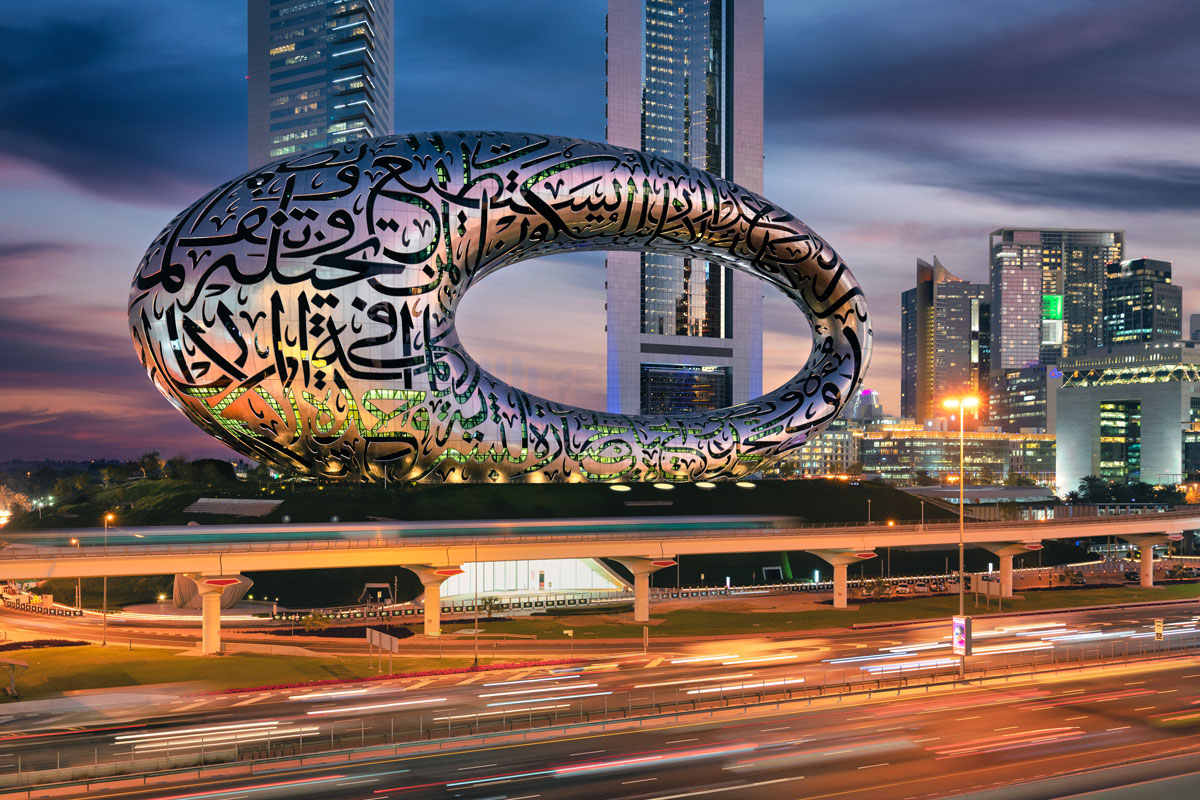
The Dubai Museum of the Future, today also a landmark in the city
Established in 1965, the Dubai Chamber of Commerce and Industry (Dubai Chamber) is also vigorously promoting the development of local commerce and trade, aiming to become the best chamber of commerce in the world by 2024. The Dubai Commerce and Trade Bureau is indeed implementing, hoping to achieve such a vision. The Dubai Chamber of Digital Economy, a subsidiary of the Chamber of Commerce and Trade, recently announced the selection of 30 blockchain companies in Dubai to join the new metaverse education program. Under the Bureau of Commerce and Trade, the Dubai Business Women Council has also been set up to support female entrepreneurs.
In addition to these government-backed organizations, there are many large and small well-funded Web3 ecosystem organizations in Dubai and Abu Dhabi.
In addition to the government's support in cryptocurrencies, the Dubai government is also known for its openness in the development of business technology. The government adopts the "sandbox testing" sandbox testing model, and tests promising projects in a sandbox environment isolated by the regulators, so the approval and support projects are highly efficient and have a large degree of freedom.
Dubai's Web3 "geopolitics"
image description
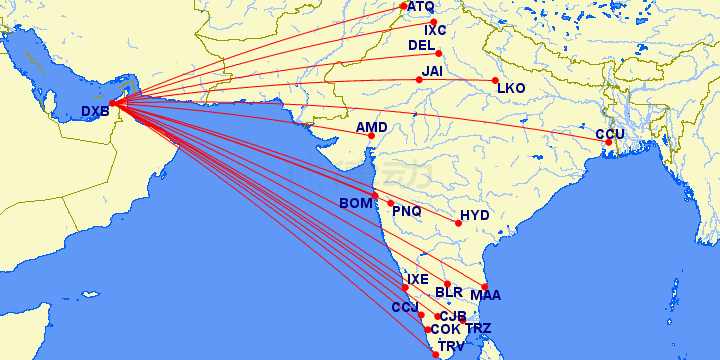
There are many and cheap airlines flying from Dubai to India, and the voyage is also medium-range
Contrary to India, Dubai, which is just over 2 hours away by plane from Mumbai, not only has a loose visa policy and convenient transportation, but also does not impose taxes on the Web3 industry, and the government has instead provided real money to support the infrastructure construction of Web3 , Introduce a visa policy that is conducive to the landing of talents, etc. According to Sandeep Nailwal, an Indian co-founder of Polygon, there is a serious Web3 brain drain in India. Early investors in Polygon were Sequoia Capital India. Sandeep Nailwal said that he did not want to leave India either, hoping to help build a better Web3 platform in India, but under the current chaotic regulatory environment, he had to leave and chose to move to Dubai in 2020.
In the article of CoinYuppie’s conversation with the founders of Astar, the founders said that the favorable policies in Portugal and Dubai are attracting a large number of talents. Due to Japan’s high taxation, more Japanese Web3 entrepreneurs also choose to go to Switzerland, Singapore, Dubai and other places . Previously, Japan’s Financial Services Agency announced a 30% corporate tax on a company’s crypto assets, including unrealized income, meaning that once a token enters the open market, it is taxed even if the token does not generate income of.
On September 30, the chief financial technology officer of the Monetary Authority of Singapore stated that it would severely crack down on cryptocurrency speculation in response to the project promotion of Asia Token 2049. As Singapore tightens regulation on cryptocurrencies, will Chinese cryptocurrency practitioners and companies choose to move Coming to Dubai? The author currently knows that many companies and friends in the circle are actively planning to branch out in Dubai in addition to setting up offices in Singapore. It seems that the siphon force of Dubai’s loose policy will first settle in Singapore and attract players to Dubai again.
The author participated in an event in the industry in Dubai, quoting an executive in the GameFi industry. He said that Singapore is very good in finance, but not in projects. Few VCs can afford projects in Singapore. You still have to come to Dubai to do the project. The author works in Dubai, and goes to various events every week, and I did find some Chinese entrepreneurial projects, starting from the Middle East to Asia, and then consolidating US and European users. In Dubai, the Chinese are also a very large group, about 200,000 people. They can still have a good life in Dubai without knowing English and still be able to do projects here. Due to the popularity of UnionPay and the rapid development of FinTech in the Middle East, UnionPay cards can be used everywhere in Dubai, and cryptocurrencies can also be used in many places.
In addition, starting from Dubai, it is also very easy for cryptocurrency practitioners to go to other cryptocurrency centers Singapore, Switzerland, Portugal, Hong Kong, and North America for meetings with the help of the world's largest airline, Emirates.
image description
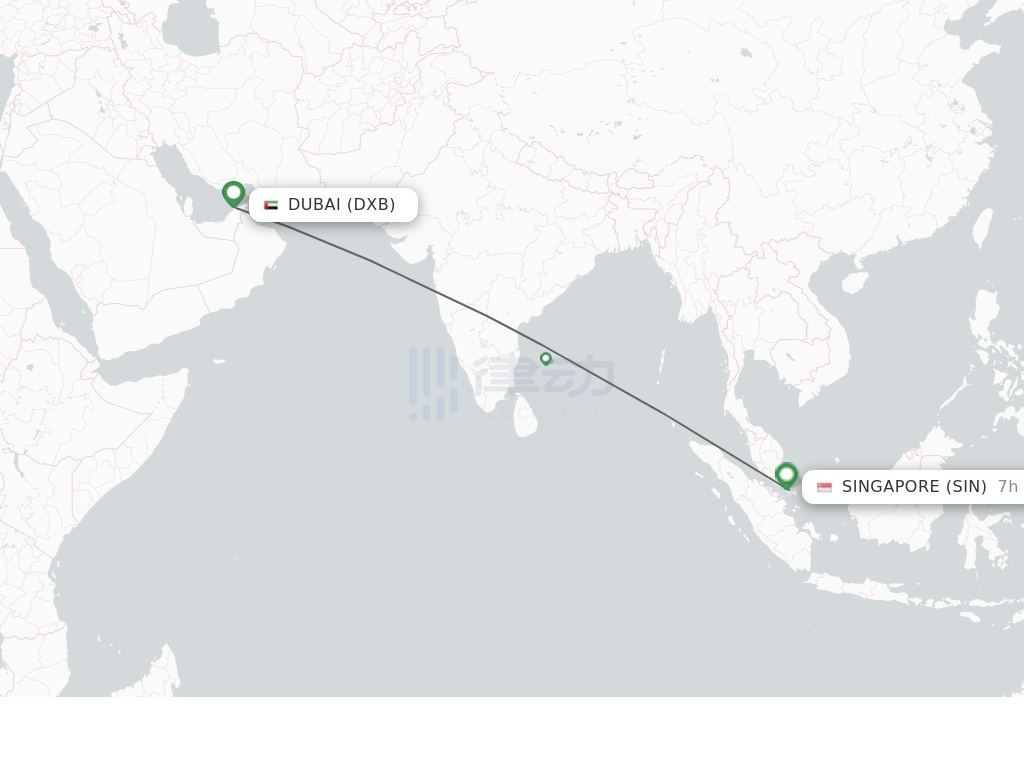
There are also many direct flights between Dubai and Singapore, and the voyage is also medium-range
Reference
https://mediaoffice.ae/en/news/2022/August/02-08/Dubai-consolidates-its-status
https://gulfbusiness.com/dubai-based-metaverse-solution-provider-bedu-launches-operations/
https://www.business2community.com/cryptocurrency/best-dubai-cryptocurrency-projects
https://www.ftchinese.com/story/001093603?full=y
https://blockcast.it/2022/10/27/for-some-reason-hong-kong-wants-crypto-back/