






OUSD "Danh Sách 100 Người" Thực Chất Là "Thư Bày Tỏ Ý Định"? Tiếp Thị Mượn Danh Gây Ra Khủng Hoảng Niềm Tin


- Quan điểm chính: Stablecoin Open USD (OUSD) do Open Standard ra mắt đã gây chấn động thị trường khi tuyên bố có hơn 140 đối tác lớn, khiến cổ phiếu của Circle giảm 17,55%. Tuy nhiên, sau đó nhiều đối tác đã phủ nhận, bị chỉ trích là sử dụng chiến thuật tiếp thị "mượn uy tín", dẫn đến sự nghi ngờ rộng rãi về độ tin cậy của dự án.
- Các yếu tố chính:
- OUSD tuyên bố đúc và chuộc miễn phí, chia sẻ lợi nhuận và quản trị chung, nhằm giải quyết các điểm yếu trong phân phối stablecoin, và tuyên bố có hơn 140 đối tác, bao gồm Western Union, Ripple, MetaMask, Aave, v.v.
- Các công ty như Samsung Electronics, Dunamu, Shinhan Financial làm rõ rằng họ chưa thương lượng chính thức hoặc đồng ý tham gia liên minh OUSD, chỉ mới thảo luận sơ bộ hoặc hoàn toàn không biết, danh sách này mang tính gây hiểu lầm.
- CEO Circle Jeremy Allaire đặt câu hỏi về mô hình OUSD: đúc miễn phí là không bền vững, chia sẻ toàn bộ lợi nhuận sẽ "bỏ đói" cơ sở hạ tầng, quản trị nhiều công ty có lịch sử hoạt động kém, nhấn mạnh stablecoin là một ngành kinh doanh dài hạn "người thắng ăn tất cả".
- Stripe và Coinbase ủng hộ OUSD một cách rõ ràng: Stripe đặt nó làm stablecoin mặc định, Coinbase có kế hoạch tích hợp lên chuỗi Base, dự kiến ra mắt vào năm 2026; Visa, Aave bày tỏ sự ủng hộ nhưng không có hợp tác cụ thể.
- Các nhà phân tích chỉ ra rằng chiến lược tiếp thị này là hành vi "mượn uy tín", tăng độ tin cậy nhanh chóng bằng cách dựa vào sự bảo trợ của các thực thể nổi tiếng nhưng thiếu sự ủy quyền chính thức, gây tổn hại đến niềm tin ban đầu của OUSD.
Original author: Eric, Foresight News
On the evening of June 30, Beijing time, the emergence of a new stablecoin once again stirred the stablecoin landscape.
A company named Open Standard announced the launch of the stablecoin Open USD, featuring free minting and redemption, reserve asset yield sharing, and co-governance with partners. These open designs directly address pain points in stablecoin distribution, appearing highly attractive.
What surprised the market most was that Open Standard had already "secured" over 140 partners before the stablecoin's launch.
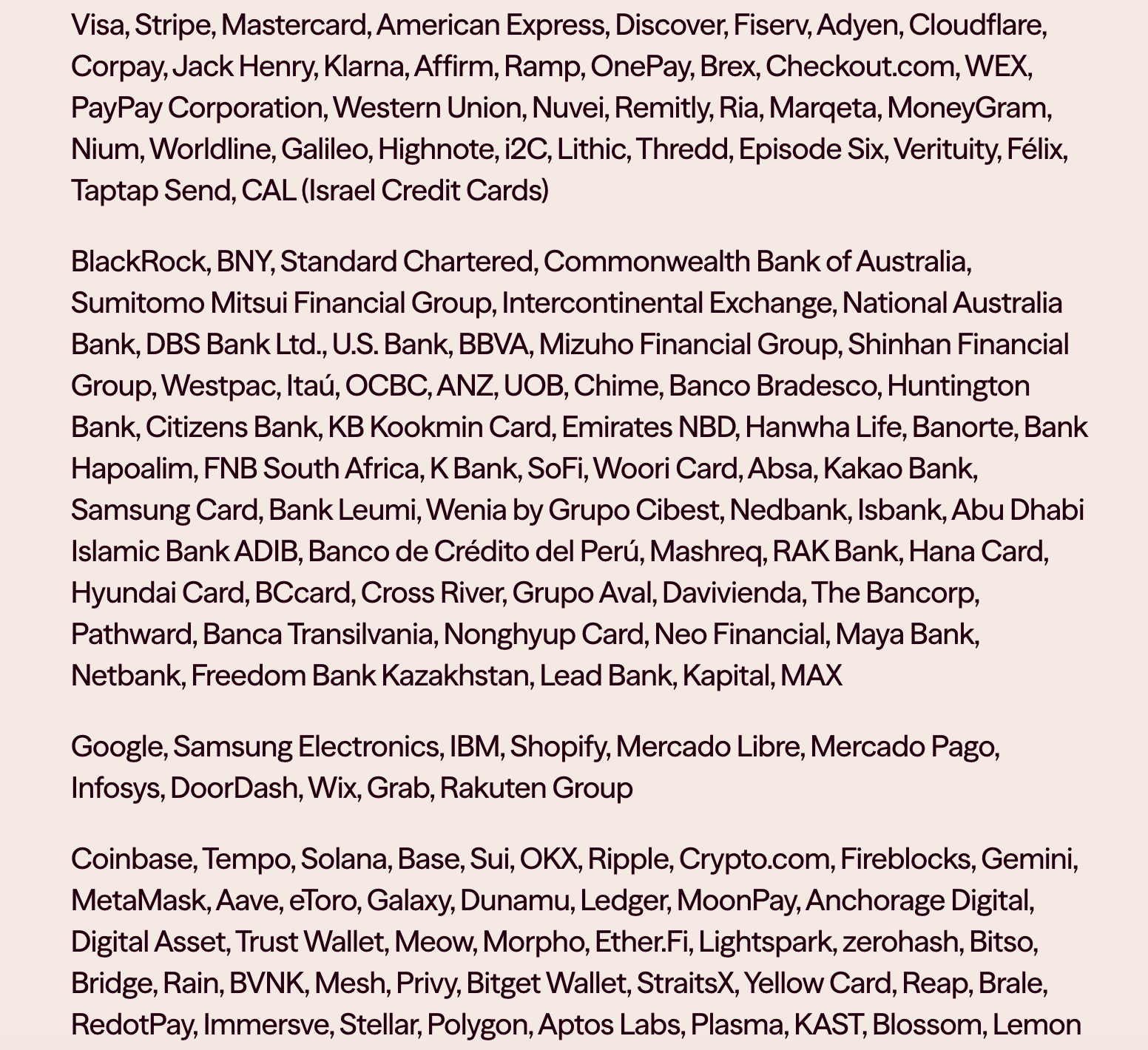
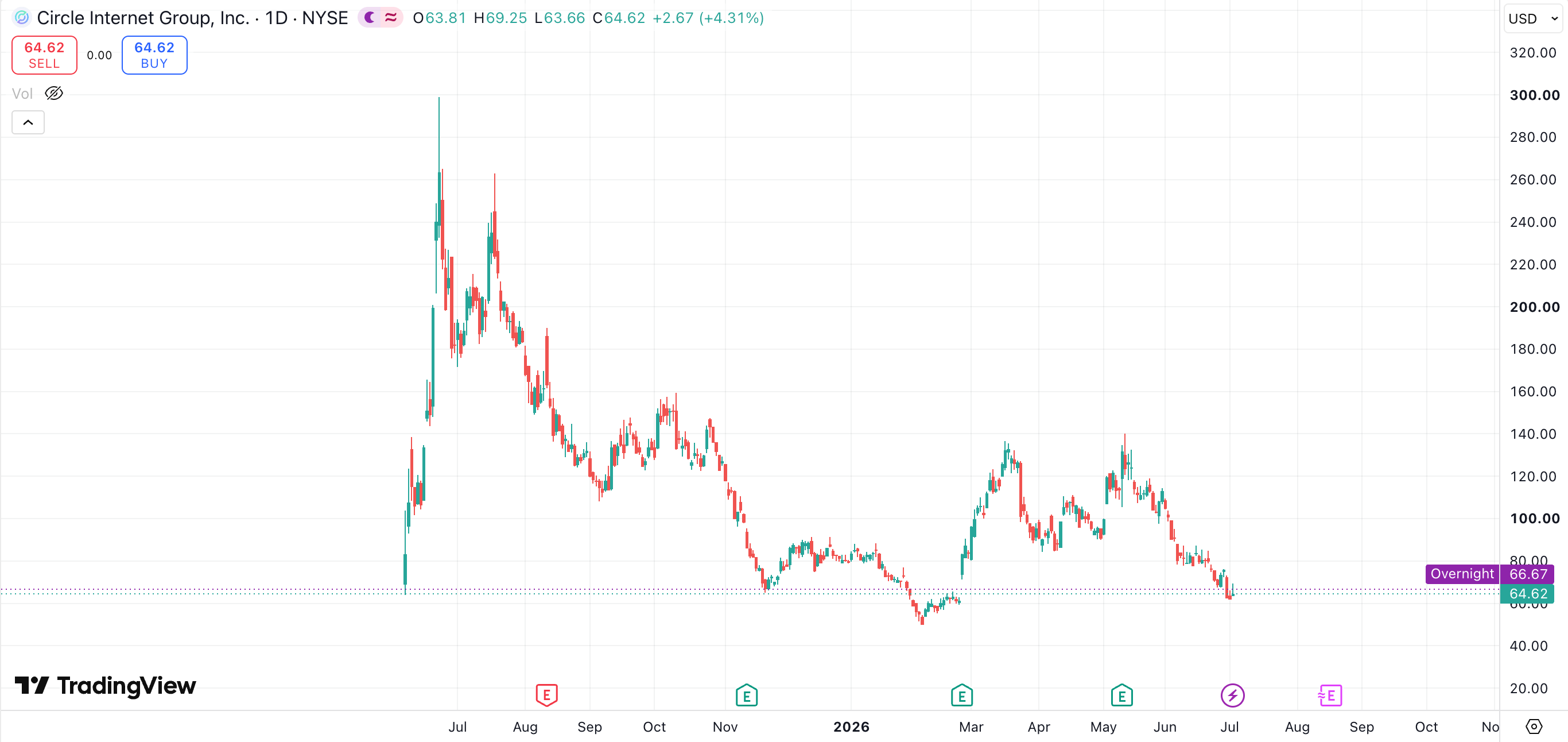
This list includes several companies that have already issued stablecoins, such as Western Union, Ripple, MetaMask, and Aave. Gathering signatures from so many giants in both Web3 and traditional finance before the stablecoin's issuance left the market amazed and filled with expectations for Open USD's future development. The clearest reflection of this anticipation was the 17.55% plunge in the stock price of Circle, the stablecoin market leader, which now sits less than 20% away from its all-time low.
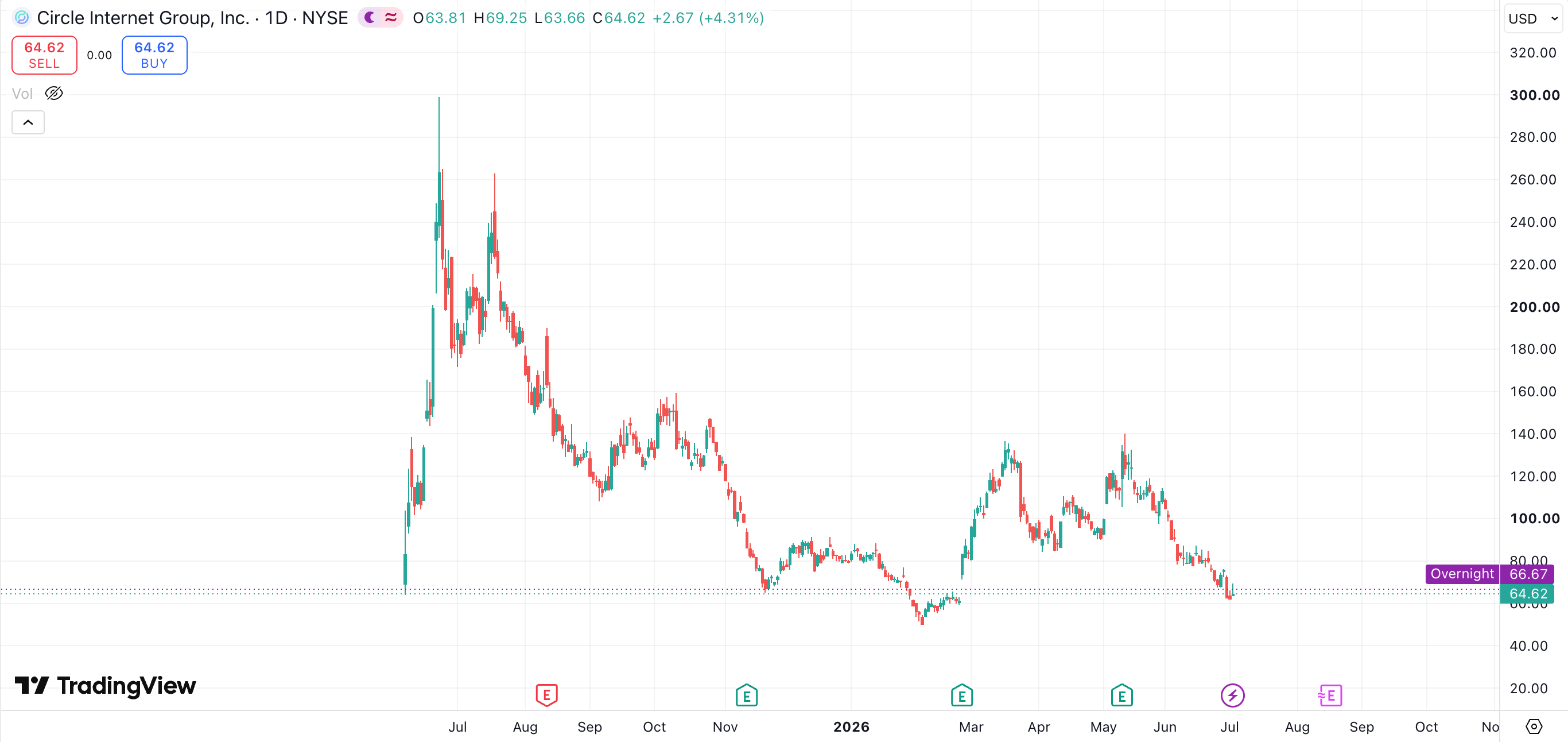
However, this explosive announcement was quickly debunked.
On July 3, according to a report from *The Chosun Ilbo*, companies including Samsung Electronics, Dunamu (the parent company of Upbit), Shinhan Financial Group, and K Bank stated they had never discussed matters related to Open USD (OUSD). A Samsung Electronics representative said, "There were no formal negotiations, and we don't know what role (in the alliance) we are supposed to play." Similarly, Shinhan Financial Group, Dunamu, and K Bank indicated that Open Standard had inquired about their willingness to participate in OUSD, and they merely responded by saying "they would have a simple discussion," yet their names were listed as alliance members.
Tony Chung, Director of BD at the Korean Web3 media Blockmedia, also stated that a representative from one of the Korean companies said they learned of their inclusion in the list through Korean media reports and were very confused, as they had only casually replied: "If it's feasible, we'll consider it."
Gabor Gurbacs, Founder and CEO of OpenAssets, retweeted Tony Chung's post and noted that Korean companies weren't the only ones misled. By contacting some of OpenAssets' clients on the list, Gabor Gurbacs received responses stating: "They said they never signed or agreed to any agreement. Either the media has seriously distorted the facts, or the participant list is misleading."
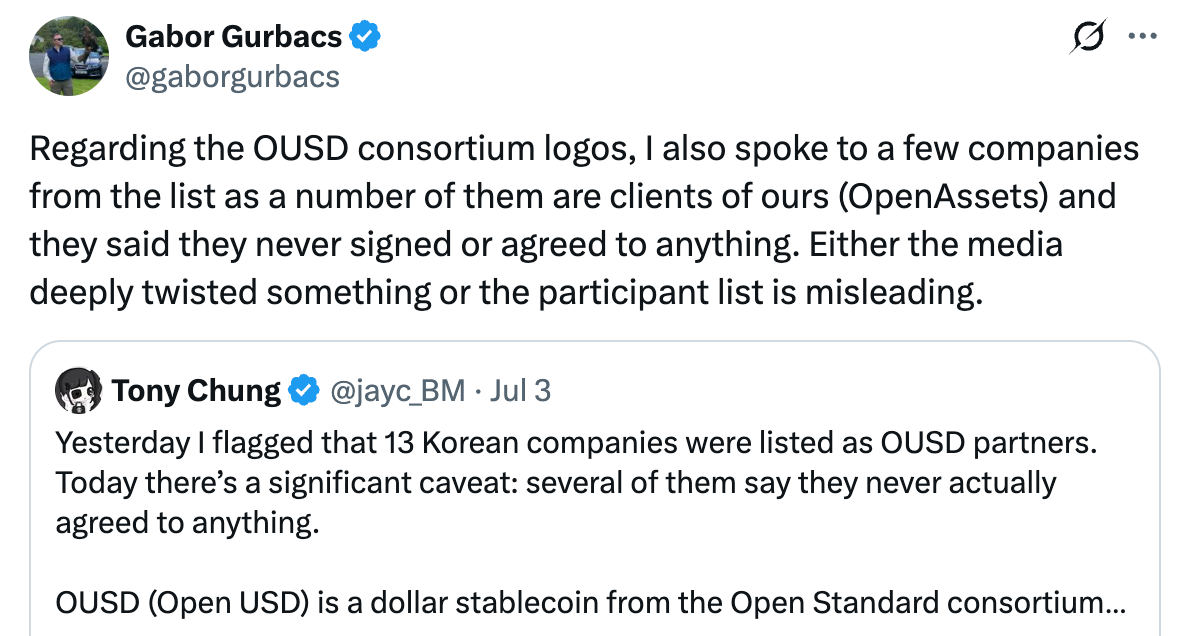
In this light, Open Standard's "hundred-plus member list" may have included some companies that were merely contacted. In the original announcement, Open Standard stated: "Businesses across industries have signed up to use Open USD." Perhaps in Open Standard's view, a lack of explicit refusal equates to "agreeing" to use Open USD, but agreeing to use it doesn't necessarily mean "definitely using it."
This is a classic marketing tactic of trading controversy for attention, and it did prove effective to some extent, though it feels like a bit of a crude disregard for business ethics.
Faced with such aggressive tactics and an "unruly" opponent, Circle co-founder and CEO Jeremy Allaire published a lengthy post on X questioning the "three major features" of Open USD:
Free minting and redemption: Attractive in the short term, but potentially unsustainable at scale, leading to a lack of funds for maintaining banking relationships, regulatory licenses, and technical infrastructure. Circle already offers preferential terms to large partners through contracts, rather than making it universally free.
Sharing almost all yield with partners: Might "starve" the infrastructure, leading to systemic underinvestment and limiting platform scale. Circle itself already shares most of its revenue with distribution partners.
Alliance/Multi-company governance: Circle previously co-founded the Centre Consortium with Coinbase, later integrating back to issuing solely under Circle. He believes the historical track record for multi-company product scaling is "very poor" (slow coordination, difficult decision-making).
While Jeremy expressed a welcome for OUSD joining the "stablecoin family," the underlying message in his post was clear: Stablecoins are a business where time and accumulation lead to a winner-takes-most scenario; it's not something that can be entered by simply tweaking a few mechanisms.
Beyond the negative controversies, some companies on the list explicitly stated their support for Open USD's development. Stripe said it would make OUSD the default stablecoin for businesses using stablecoins on Stripe. Coinbase also stated it would integrate OUSD onto Base and other chains, with plans to launch later in 2026, to expand use cases for on-chain transactions, payments, and DeFi.
Payment network giants like Visa and Mastercard, financial institutions like BlackRock and BNY Mellon, and crypto-native projects like Aave, Solana, and Ripple also expressed support, but specific partnership terms have not yet been clarified.
According to the announcement, the founding CEO of Open Standard is also the CEO of Bridge. Bridge is a fiat on/off-ramp solution provider that previously collaborated with multiple competitors in the battle over Hyperliquid's native stablecoin USDH issuance rights but was later acquired by Stripe. Stripe itself sparked controversy by developing its own stablecoin chain, Tempo. Stripe also quickly confirmed the partnership following the Open Standard announcement, indicating a close relationship between the two entities.
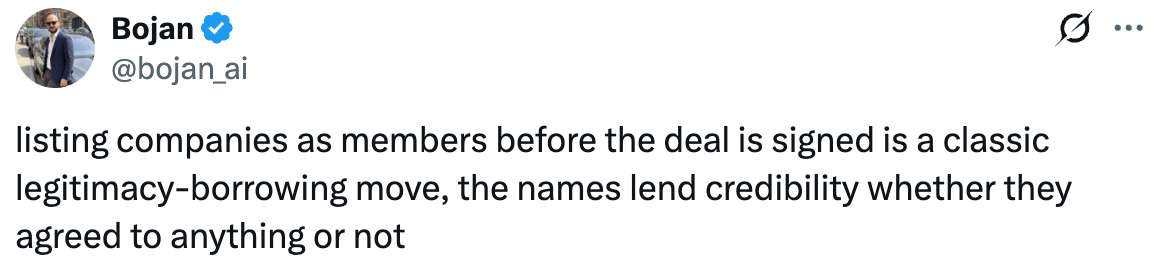
A user named Bojan on X stated that Open Standard's promotion is a typical act of "legitimacy-borrowing"—using the reputation or endorsement of other well-known and reliable entities to quickly boost its own legitimacy and credibility, without actually having received deep recognition or formal authorization from them. For the stablecoin track, which relies heavily on trust, OUSD seems to have left a negative first impression even before its launch. Written by: Eric, Foresight News
On the evening of June 30, Beijing time, the emergence of a new stablecoin once again stirred the stablecoin landscape.
A company named Open Standard announced the launch of the stablecoin Open USD, featuring free minting and redemption, reserve asset yield sharing, and co-governance with partners. These open designs directly address pain points in stablecoin distribution, appearing highly attractive.
What surprised the market most was that Open Standard had already "secured" over 140 partners before the stablecoin's launch.
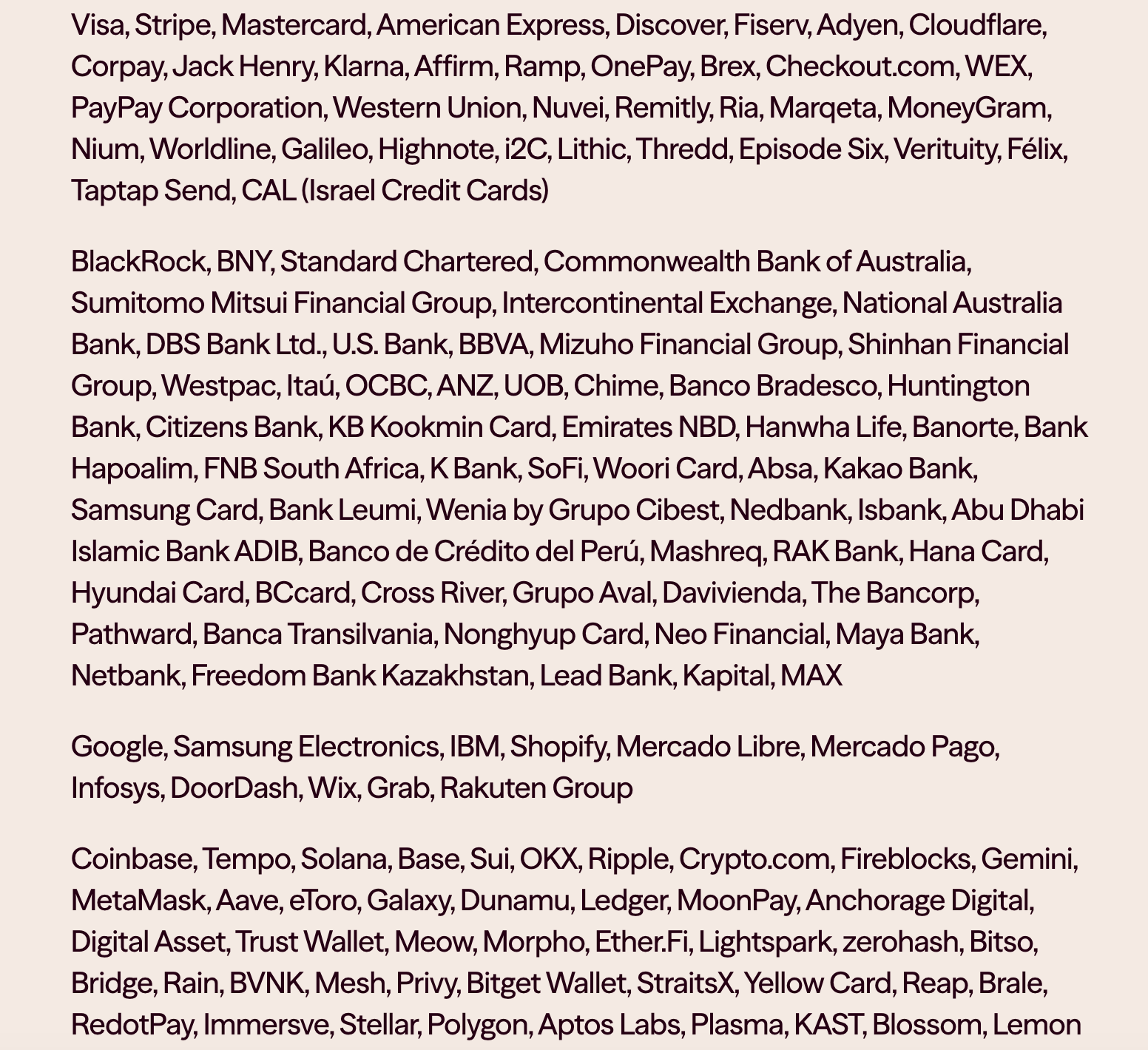
This list includes several companies that have already issued stablecoins, such as Western Union, Ripple, MetaMask, and Aave. Gathering signatures from so many giants in both Web3 and traditional finance before the stablecoin's issuance left the market amazed and filled with expectations for Open USD's future development. The clearest reflection of this anticipation was the 17.55% plunge in the stock price of Circle, the stablecoin market leader, which now sits less than 20% away from its all-time low.
However, this explosive announcement was quickly debunked.
On July 3, according to a report from *The Chosun Ilbo*, companies including Samsung Electronics, Dunamu (the parent company of Upbit), Shinhan Financial Group, and K Bank stated they had never discussed matters related to Open USD (OUSD). A Samsung Electronics representative said, "There were no formal negotiations, and we don't know what role (in the alliance) we are supposed to play." Similarly, Shinhan Financial Group, Dunamu, and K Bank indicated that Open Standard had inquired about their willingness to participate in OUSD, and they merely responded by saying "they would have a simple discussion," yet their names were listed as alliance members.
Tony Chung, Director of BD at the Korean Web3 media Blockmedia, also stated that a representative from one of the Korean companies said they learned of their inclusion in the list through Korean media reports and were very confused, as they had only casually replied: "If it's feasible, we'll consider it."
Gabor Gurbacs, Founder and CEO of OpenAssets, retweeted Tony Chung's post and noted that Korean companies weren't the only ones misled. By contacting some of OpenAssets' clients on the list, Gabor Gurbacs received responses stating: "They said they never signed or agreed to any agreement. Either the media has seriously distorted the facts, or the participant list is misleading."
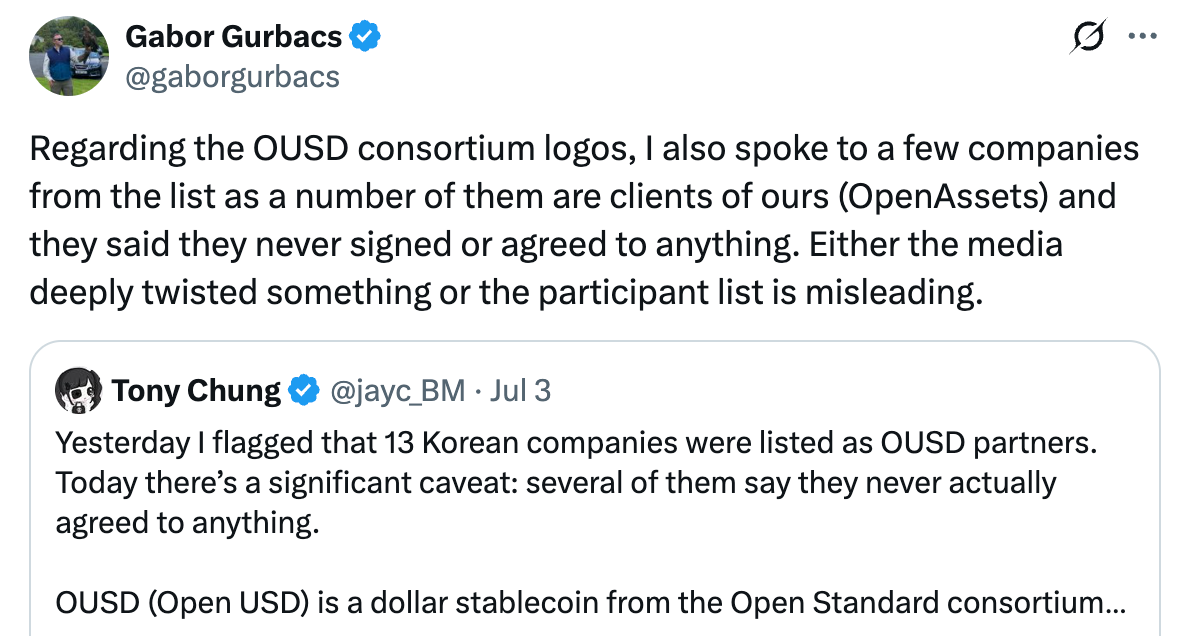
In this light, Open Standard's "hundred-plus member list" may have included some companies that were merely contacted. In the original announcement, Open Standard stated: "Businesses across industries have signed up to use Open USD." Perhaps in Open Standard's view, a lack of explicit refusal equates to "agreeing" to use Open USD, but agreeing to use it doesn't necessarily mean "definitely using it."
This is a classic marketing tactic of trading controversy for attention, and it did prove effective to some extent, though it feels like a bit of a crude disregard for business ethics.
Faced with such aggressive tactics and an "unruly" opponent, Circle co-founder and CEO Jeremy Allaire published a lengthy post on X questioning the "three major features" of Open USD:
Free minting and redemption: Attractive in the short term, but potentially unsustainable at scale, leading to a lack of funds for maintaining banking relationships, regulatory licenses, and technical infrastructure. Circle already offers preferential terms to large partners through contracts, rather than making it universally free.
Sharing almost all yield with partners: Might "starve" the infrastructure, leading to systemic underinvestment and limiting platform scale. Circle itself already shares most of its revenue with distribution partners.
Alliance/Multi-company governance: Circle previously co-founded the Centre Consortium with Coinbase, later integrating back to issuing solely under Circle. He believes the historical track record for multi-company product scaling is "very poor" (slow coordination, difficult decision-making).
While Jeremy expressed a welcome for OUSD joining the "stablecoin family," the underlying message in his post was clear: Stablecoins are a business where time and accumulation lead to a winner-takes-most scenario; it's not something that can be entered by simply tweaking a few mechanisms.
Beyond the negative controversies, some companies on the list explicitly stated their support for Open USD's development. Stripe said it would make OUSD the default stablecoin for businesses using stablecoins on Stripe. Coinbase also stated it would integrate OUSD onto Base and other chains, with plans to launch later in 2026, to expand use cases for on-chain transactions, payments, and DeFi.
Payment network giants like Visa and Mastercard, financial institutions like BlackRock and BNY Mellon, and crypto-native projects like Aave, Solana, and Ripple also expressed support, but specific partnership terms have not yet been clarified.
According to the announcement, the founding CEO of Open Standard is also the CEO of Bridge. Bridge is a fiat on/off-ramp solution provider that previously collaborated with multiple competitors in the battle over Hyperliquid's native stablecoin USDH issuance rights but was later acquired by Stripe. Stripe itself sparked controversy by developing its own stablecoin chain, Tempo. Stripe also quickly confirmed the partnership following the Open Standard announcement, indicating a close relationship between the two entities.
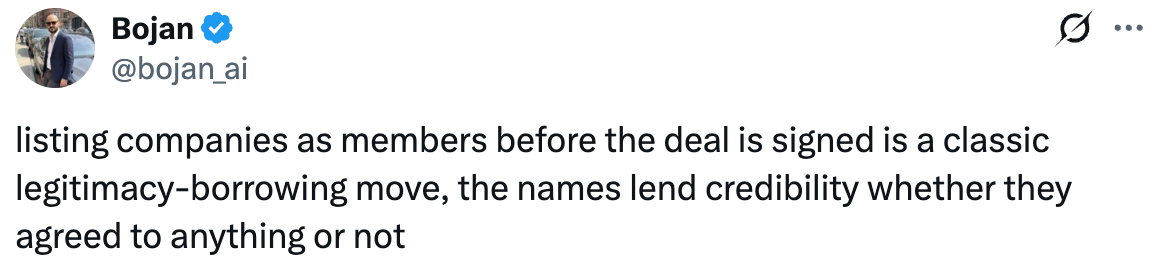
A user named Bojan on X stated that Open Standard's promotion is a typical act of "legitimacy-borrowing"—using the reputation or endorsement of other well-known and reliable entities to quickly boost its own legitimacy and credibility, without actually having received deep recognition or formal authorization from them. For the stablecoin track, which relies heavily on trust, OUSD seems to have left a negative first impression even before its launch.


