






高额赞助消失、Kalshi蹭广告,这届世界杯加密赞助都去哪了?


- 核心观点:2026年世界杯期间,加密企业赞助策略从高端官方赞助转向性价比更高的球星、俱乐部及区域合作,投放逻辑更注重实际曝光与投资回报。
- 关键要素:
- 本届国际足联官方赞助体系中,仅Kraken一家加密企业入局,为第三级供应商,而2022年有Crypto.com(二级)和Algorand等大额赞助。
- 二级官方赞助金额约6500万至9500万美元,而OKX通过赞助曼城及球星哈兰德,三年花费超7000万美元获得更精准流量。
- 币安直接签约C罗,从2022年持续至今,虽因NFT诉讼留下隐患,但品牌曝光未中断;Bitget则签约梅西,借2022年夺冠提升品牌。
- 阿根廷足协手握超6个加密赞助(如LBank、Nexo、BTCC等),成为加密企业通过国家队触达球迷的核心平台。
- 预测市场Kalshi未直接赞助国际足联,而是出资约2000万美元与官方预测伙伴ADI Predictstreet共享广告位,远低于1.5亿美元的官方报价。
- 加密企业减少赞助主因:市场行情转冷(从2021年牛市到2026年信心减弱),且企业如Bybit指出F1赞助ROI下降、执行成本攀升。
Original by Odaily (@OdailyChina)
Author: Golem (@web3_golem)
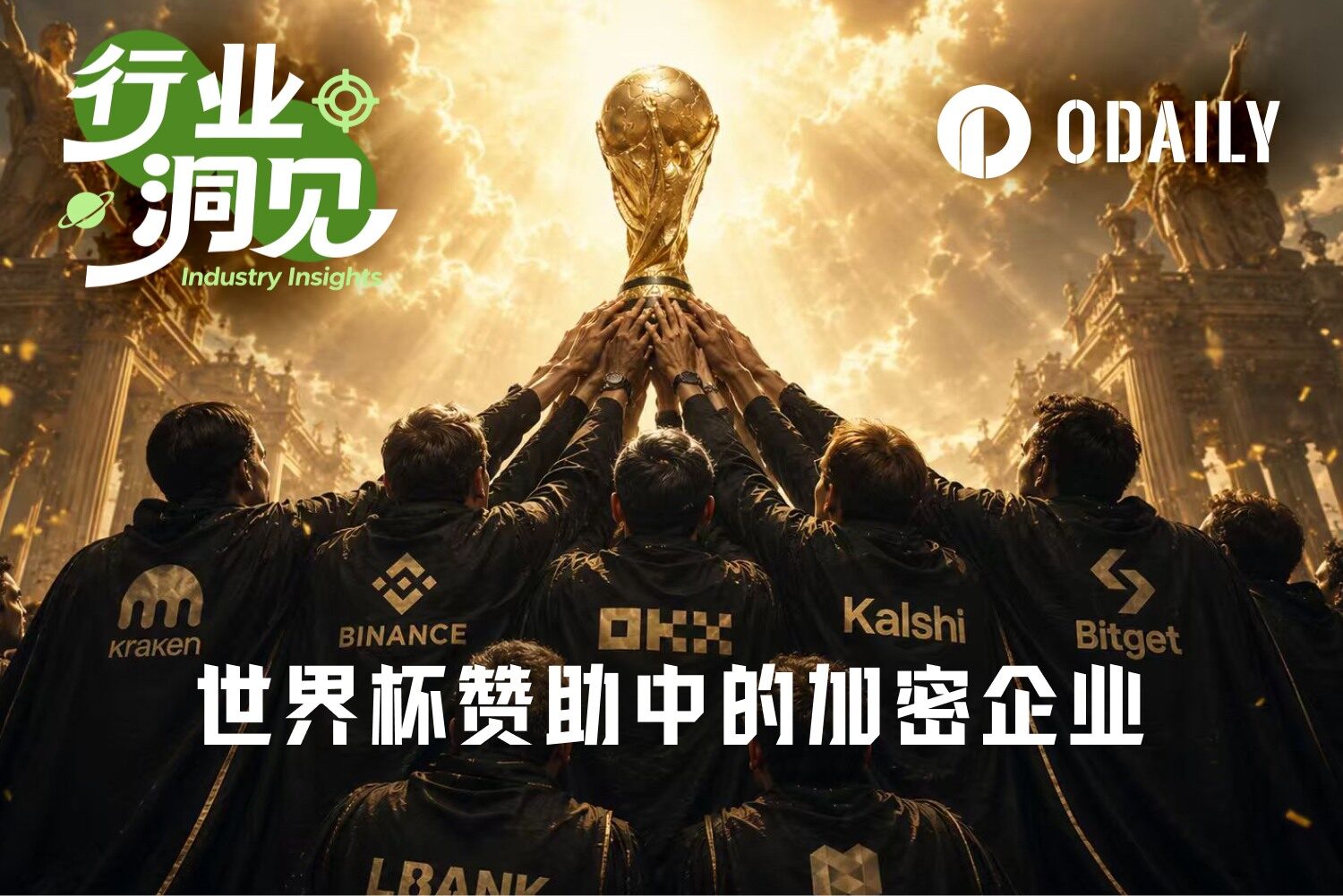
This week, as the 2026 FIFA World Cup enters the knockout stages, attention has skyrocketed. According to Forbes, approximately three-quarters of the global population, or over 6 billion people, are watching or participating in this tournament.
Having the world's attention focused on a single screen simultaneously represents a massive and scarce advertising resource for businesses, especially those operating internationally. FIFA is estimated to generate record revenue from this World Cup, with marketing and sponsorship contracts alone projected to bring in approximately $2.5 to $3 billion, compared to $1.8 billion in sponsorship revenue from the 2022 World Cup.
Such immense exposure is equally crucial for crypto companies, yet within FIFA's official sponsorship structure this year, crypto firms seem to have collectively gone incognito.
FIFA's sponsorships are divided into three tiers: the first tier consists of multi-year partners (Lenovo, Coca-Cola, Visa, etc.); the second tier comprises global sponsors exclusive to the 2026 World Cup (Hisense, McDonald's, Yili, etc.); and the third tier includes regional and event supplier sponsors (such as Airbnb, American Airlines, etc.). In the crypto space, only Kraken has entered FIFA's official sponsorship system this year as the official crypto exchange sponsor for North America and Europe, falling under the third-tier event supplier category. Its benefits include not only pitch-side advertising but also the ability to host fan engagement activities in 16 World Cup host cities.
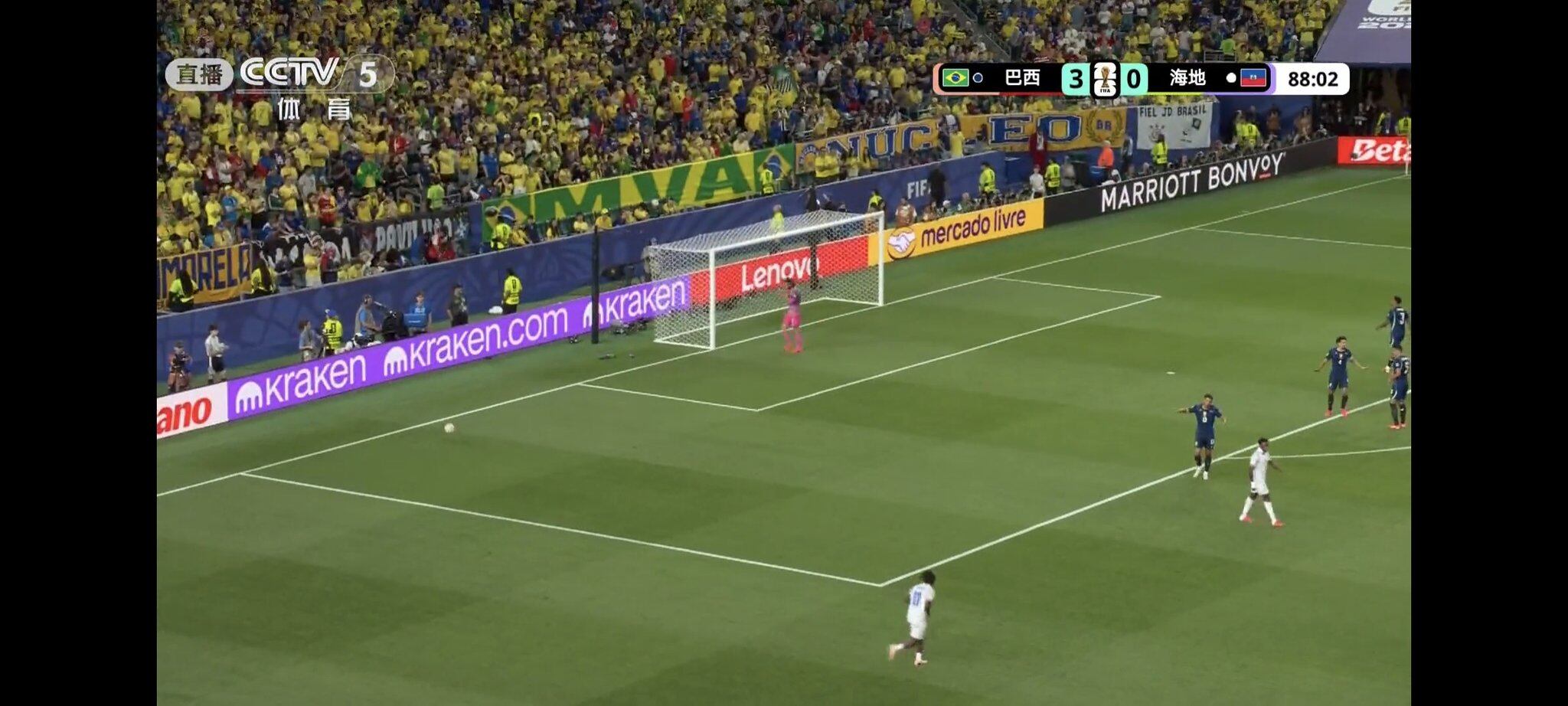
Kraken appears on the perimeter advertising boards surrounding the World Cup pitch
Previously, in the 2022 FIFA World Cup sponsorship system, Crypto.com signed on as a second-tier sponsor, becoming the tournament's sole cryptocurrency trading platform sponsor. Meanwhile, the public chain Algorand also sponsored as the official blockchain platform. Other crypto companies were even willing to spend heavily on sponsoring clubs and star players.
Comparing the two, it seems crypto sponsors are not buying into this year's World Cup. However, they haven't disappeared; rather, they've become smarter this cycle. Instead of purchasing overly broad and expensive official FIFA exposure, they've shifted focus down to "traffic nodes" like national teams and star players, which come with massive built-in fan bases and high odds.
Crypto Companies Become Main Sponsors of Teams and Stars
FIFA's high sponsorship fees have become less justifiable for crypto companies. It's estimated that second-tier sponsorship agreements typically range from $65 million to $95 million, with first-tier partnerships costing significantly more. At this price point, one could secure top-tier sponsorship rights for clubs and star players, potentially reaching World Cup fans just as effectively, if not more so, than official sponsorship.
OKX Becomes Key Manchester City Sponsor
The most representative example is OKX. In football sponsorship, OKX has poured its substantial investment into Premier League giant Manchester City, also securing top football stars like Erling Haaland.
OKX's partnership with Manchester City began in March 2022 and has now become one of the club's core sponsors, occupying the sleeve advertising spot on the jerseys of both the men's and women's first teams (Odaily note: reportedly paying Manchester City over $70 million over a three-year period). Previously, OKX held the front chest advertising spot on the training kits of Manchester City's men's and women's first teams.
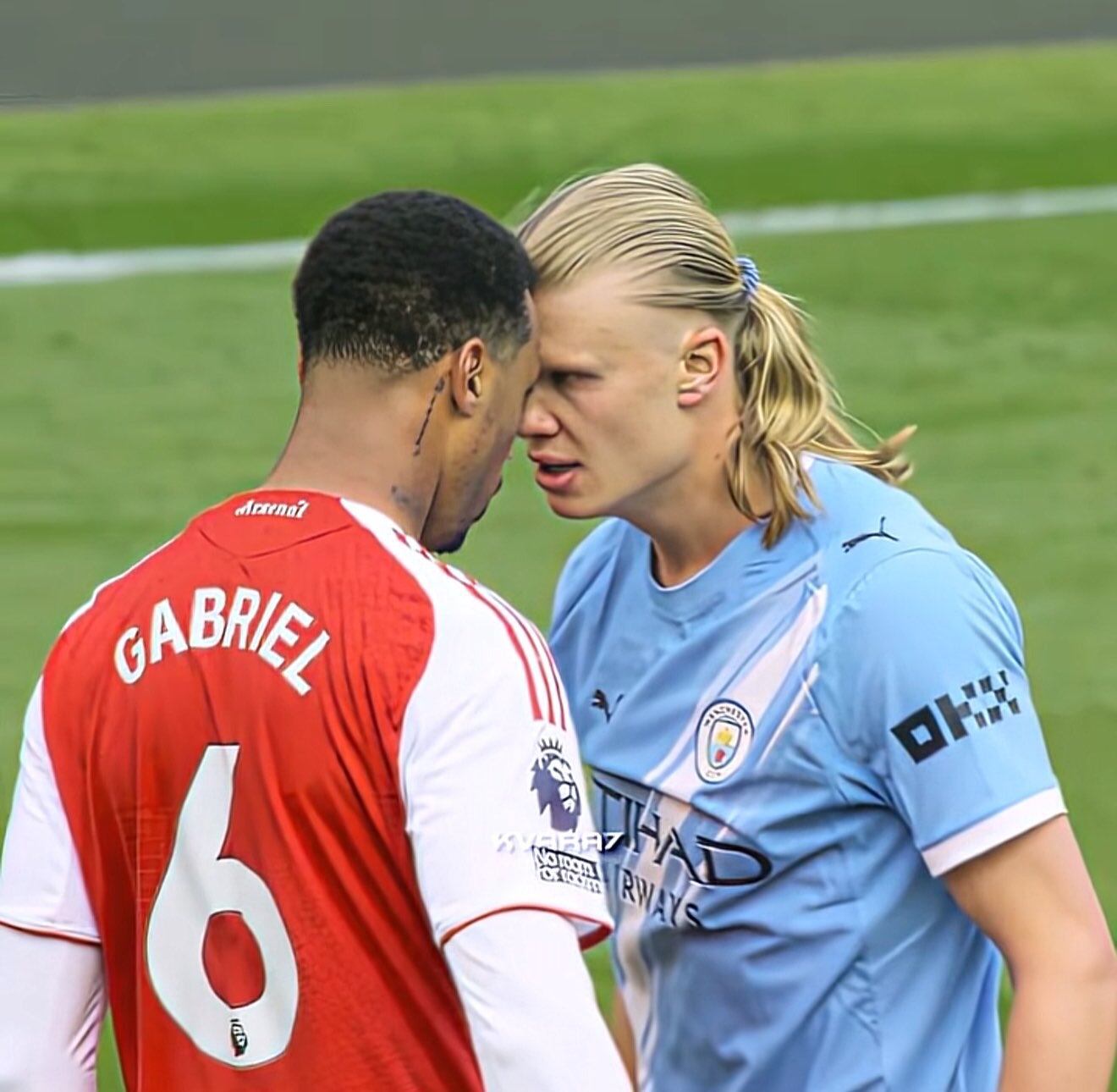
Haaland wears a jersey featuring the OKX logo during the World Cup
Beyond club-level brand exposure, OKX clearly understands the viral effect of "star player personal IP" on social media. Erling Haaland is a star player for Manchester City with immense appeal both on and off the pitch. As a Manchester City player, Haaland frequently appears in various OKX official marketing materials, featuring in global advertising campaigns for OKX's Web3 wallet, trading products, and more.
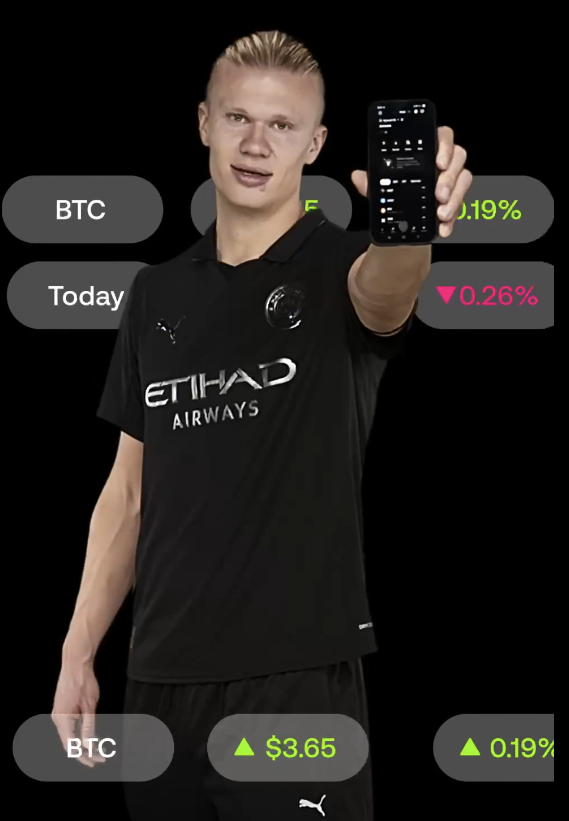
Haaland appears in an OKX promotional video
Binance Ties Up with Superstar Ronaldo
Unlike OKX, which gains star player influence indirectly through club sponsorship, Binance chose to directly partner with a football superstar. Binance's collaboration with Cristiano Ronaldo began in mid-2022 as a long-term exclusive agreement. Binance secured Ronaldo's image rights and brand endorsement, encompassing social media campaigns and even an NFT collaboration series.
In November 2022, Binance launched the CR7 NFT series, featuring seven dynamic images of Ronaldo at varying levels of rarity. However, this activity left Ronaldo with legal exposure. In late 2023, US investors filed a class-action lawsuit seeking $1 billion in damages from Ronaldo, alleging he misled investors by promoting Binance's NFTs. The lawsuit currently remains unresolved.
Despite this, the partnership between Ronaldo and Binance has continued without interruption. Ronaldo remains prominently featured in Binance's global advertisements, video promotions, and other forms of exposure.
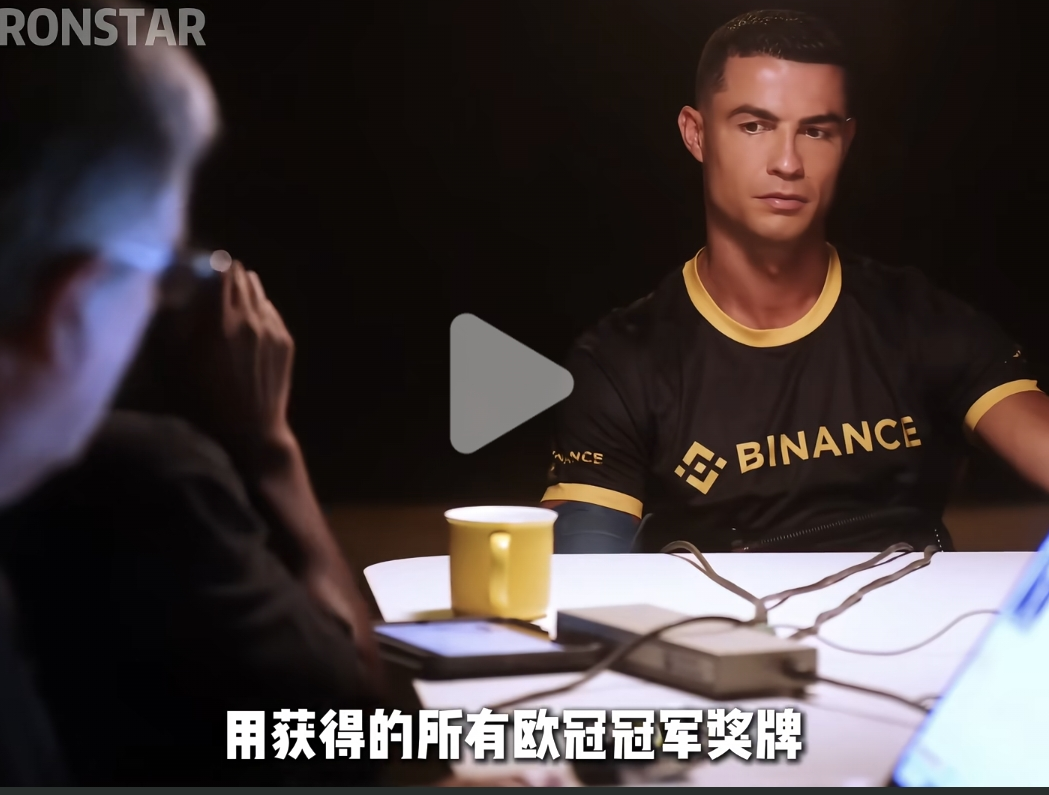
Ronaldo interviewed wearing a Binance T-shirt before this year's World Cup
However, this partnership began during the previous World Cup cycle, and Binance has made relatively few new moves in football sponsorship recently. At the national team level, Binance signed a five-year contract with the Argentine Football Association (AFA) in 2022, but unilaterally terminated it on July 17, 2023, citing product delivery disputes that led to a breakdown in the relationship. The contract was reportedly valued at approximately $8 million per year. This experience may also explain why Binance has refrained from expanding its football sponsorships in recent years.
Argentine Football Association Holds Over 6 Crypto Sponsorships
However, the broken partnership with Binance hasn't dampened the AFA's enthusiasm for accepting crypto company sponsorships. In fact, it now holds the most crypto company sponsorships of any football association, fully leveraging the interest of various second-tier exchanges and crypto platforms eager to attract new users and deposits:
- LBank: In September 2025, LBank signed a multi-year cooperation agreement with the AFA, becoming a regional sponsor of the Argentine national football team. Upon officially announcing the partnership, LBank also launched a $100 million prize pool to support event promotion.
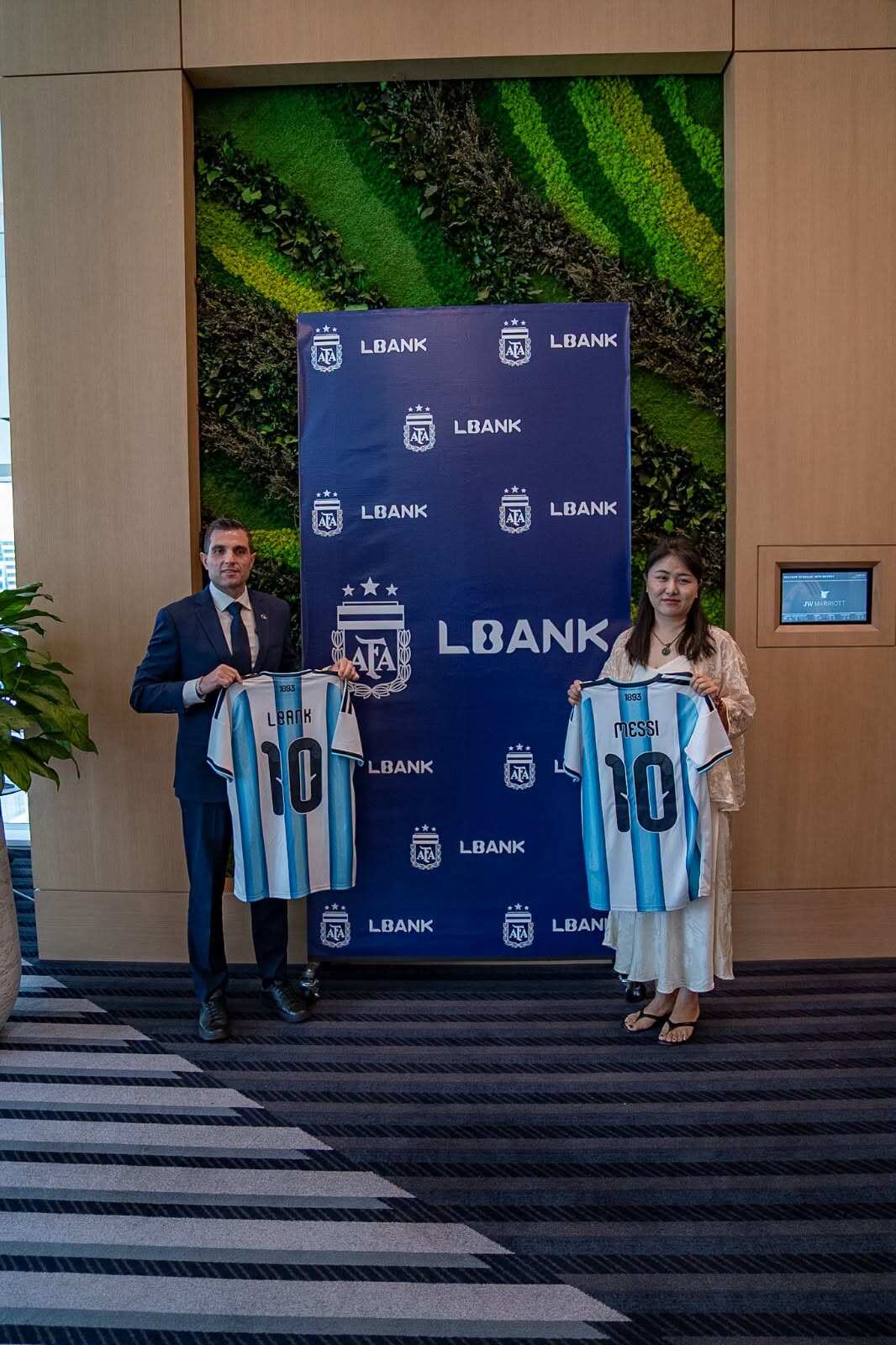
LBank and AFA joint activity
- Crypto lending institution Nexo signed a multi-year cooperation agreement with the AFA on April 14, 2026, becoming its official digital asset partner for South America/Latin America.
- BTCC signed a multi-year cooperation agreement with the AFA on April 2, 2026, becoming its official regional partner.
- XBO.com signed a one-year cooperation agreement with the AFA in 2025, becoming its official global sponsor for 2025, primarily focusing on the 2025 tournaments and the preparation period for the 2026 World Cup.
- Crypto derivatives exchange Deepcoin signed a multi-year cooperation agreement with the AFA in March 2026, becoming its official regional sponsor, specifically covering Asian/regional markets like Vietnam and Taiwan.
- ATFX signed a multi-year cooperation agreement with the AFA in January 2026, becoming its official regional sponsor.
Bitget Deeply Binds with Messi
Similar to Binance's strategy, although Bitget didn't sponsor the AFA, it directly partnered with football superstar Lionel Messi. In 2022, Bitget announced a partnership with Messi, appointing him as a global brand ambassador. Leveraging Messi's iconic number 10 jersey and Bitget's then-flagship product, Copy Trading, it launched global brand campaigns. As Messi ultimately led Argentina to victory in the 2022 World Cup, this partnership became a classic case study in Bitget's brand development history.
Currently, the partnership hasn't ended, and Messi continues to appear in Bitget's global advertisements and brand videos. However, a downside of this personal endorsement is that Bitget's logo cannot accompany Messi onto the pitch and appear on camera during games.
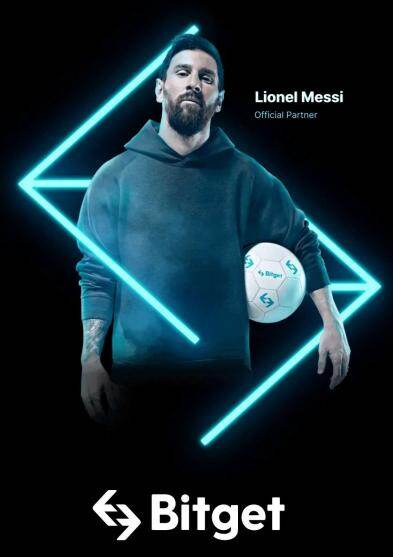
Bitget Global Brand Ambassador Lionel Messi
Kalshi Piggybacks on Advertising
Keen-eyed World Cup viewers will have noticed the name of prediction market Kalshi appearing on the perimeter advertising boards. The quadrennial World Cup presents a rare development opportunity for all prediction market projects, with every team undertaking extensive promotion and a series of activities around the event. However, Kalshi is the only prediction market project to secure screen time during the World Cup.
Yet Kalshi is not part of FIFA's official sponsorship system. Reports indicate that Kalshi even rejected a sponsorship offer of approximately $150 million from FIFA. So, how did it manage to appear?
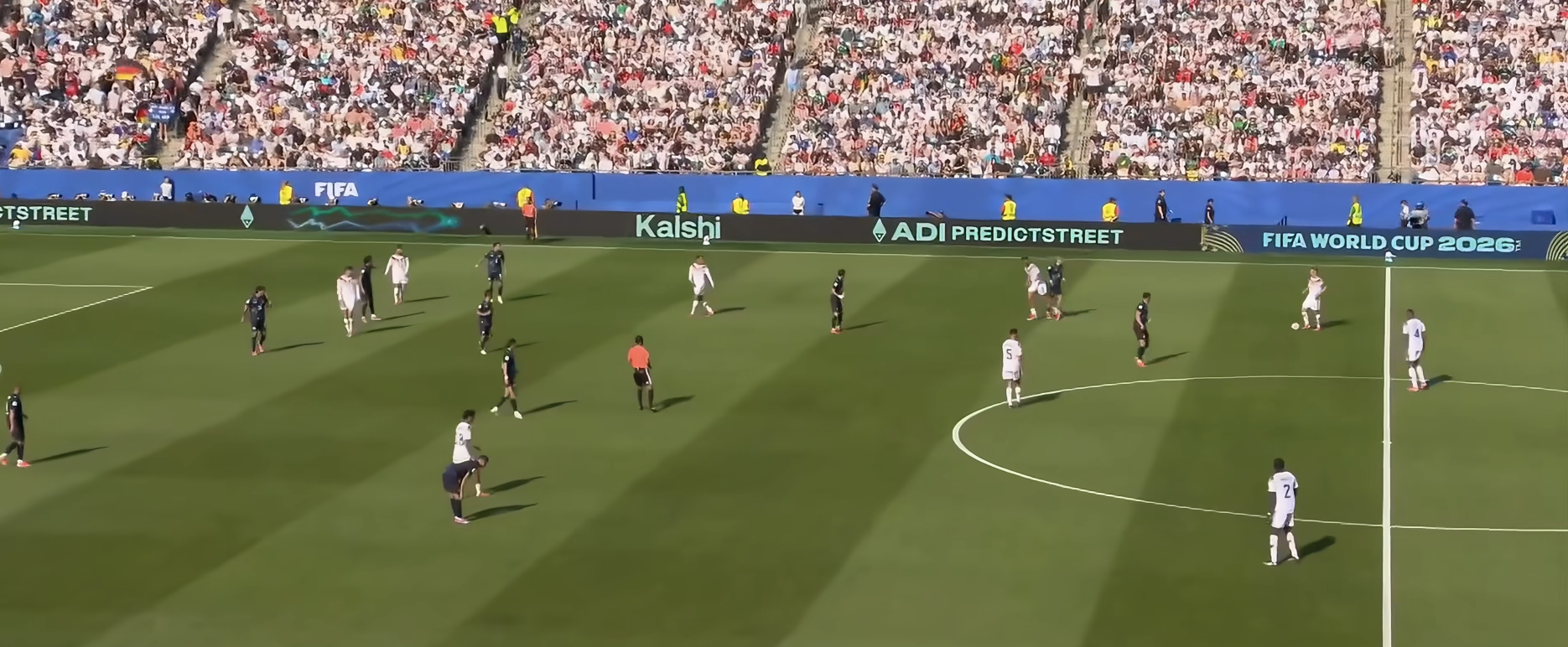
Kalshi appears on World Cup perimeter advertising boards
This traces back to ADI PredictStreet. On April 2, 2026, ADI PredictStreet became FIFA's sole official World Cup prediction market partner. Consequently, on June 26, the "opportunistic" Kalshi announced a strategic brand and product partnership with ADI PredictStreet. The brand collaboration primarily involves Kalshi sharing advertising slots with ADI PredictStreet during the knockout stages for co-branded promotions in stadiums, on television, and online platforms.
Thus, as shown in the image above, Kalshi appears alongside ADI PredictStreet on the advertising boards surrounding the pitch. Reportedly, to have the Kalshi logo appear side-by-side with ADI PredictStreet's during matches, Kalshi paid ADI PredictStreet approximately $20 million. Compared to FIFA's $150 million sponsorship asking price, Kalshi achieved more cost-effective exposure by taking this indirect route.
Why This Shift?
Crypto companies' World Cup sponsorships haven't vanished entirely. They've simply realized that, for the unique crypto industry, blindly seeking "ineffective exposure" through official tournament channels is less beneficial than engaging with top-tier, high-traffic football IPs. The resulting brand value from such collaborations is often comparable to World Cup sponsorship, but at a lower cost.
However, in terms of timing and new signings, this World Cup has seen significantly fewer new agreements compared to the previous one. Many crypto companies' football sponsorships began in 2022 and haven't been renewed or expanded in recent years.
On one hand, this is closely linked to the industry environment. Around 2022, the crypto market was still in a bull run. Bitcoin hit an all-time high in November 2021, and the vision of "mass adoption" hadn't been abandoned. Consequently, crypto capital flooded into sports sponsorships. But by 2026, both market sentiment and industry confidence seem illusory.
On the other hand, top-tier, profitable crypto companies have also become disillusioned with sponsoring such major international events. In April this year, Bybit CEO Ben explained for the first time why the company didn't renew its Red Bull F1 sponsorship contract. He stated that the commercial value of F1 sponsorship has been declining year by year, while the costs of activating all sponsorship rights keep rising. The cost of merely maintaining the execution team could far exceed the sponsorship fee itself. He also pointed out that the annual guest list had become static, heavily influenced by "personal connections," creating an expectation among some that they were "entitled to an invitation." Failing to invite them could even damage business relationships.
The dilemma Bybit faced with its F1 sponsorship may also be the one crypto companies are facing with World Cup sponsorship. For crypto firms increasingly focused on ROI in the current market climate, spending hundreds of millions of dollars on an "official partnership status" seems less attractive than allocating the budget to a championship-winning team, a superstar player, or even "stealthily" securing a spot on a perimeter advertising board.
The World Cup remains the world's premier platform for traffic, and crypto companies haven't left it. However, their advertising logic has shifted from a sheer display of "financial power" towards decentralized, low-key, and effective collaborations.


