






DeFi sector rebounds the hardest—which high-revenue projects are worth entering at this time?


- Key Insights: In the DeFi sector, the revenue performance of DEXs, lending protocols, and staking protocols serves as the core metric for gauging genuine demand. This article, based on revenue data from the past 30 days and monthly figures, reviews leading projects such as Uniswap, Solana ecosystem DEXs, and PancakeSwap, and highlights how each project processes and distributes protocol revenue through mechanisms like buybacks, burns, or allocations.
- Key Elements:
- Uniswap generated $7.18 million in revenue over the past 30 days, making it the most profitable DEX; protocol fees have now expanded across multiple chains, with a portion of revenue used to burn UNI.
- Within the Solana ecosystem, Jupiter ($4.69 million), Meteora ($1.67 million), and Raydium ($1.13 million) lead in revenue; Jupiter allocates 50% of its revenue to repurchasing JUP, with cumulative buybacks exceeding 260 million tokens.
- PancakeSwap generated $5.16 million in revenue over the past 30 days, with CAKE's total supply seeing net deflation for 35 consecutive months; Aerodrome, meanwhile, distributes 100% of protocol revenue to veAERO holders without relying on buybacks.
- Lending protocol World Liberty Financial earned $10.47 million in revenue over the past 30 days, yet net revenue for WLFI holders is zero; Aave earned $4.12 million but has suspended its buyback program following a security incident.
- Staking protocols ether.fi and Lido generated $3.03 million and $2.31 million in revenue over the past 30 days, respectively; ether.fi uses 100% of withdrawal revenue to repurchase ETHFI and distribute it to stakers, while Lido has activated its automated buyback mechanism, NEST.
Original by Odaily Planet Daily (@OdailyChina)
Author: Asher (@Asher_ 0210)

Over the past few days, the rapid rise in BTC and ETH has reignited the altcoin market, with DeFi emerging as one of the most active sectors in this rebound. Many well-known projects have posted significant gains in a short period.
However, compared to blindly chasing momentum, DeFi actually has a more direct fundamental indicator—revenue.
DeFi protocols such as lending, spot trading, and liquid staking fundamentally rely on continuous usage by real users and capital to generate revenue. Market conditions may fluctuate and narratives may rotate, but the ability to generate profits over the long term at least signals that a protocol still has genuine demand.
So, within the current DeFi sector, which high-revenue projects are more worth finding the right opportunity to "get on board"?
(Project revenue data in this article is sourced from Tokenomist and DefiLlama, using a unified revenue metric—i.e., the protocol's actual revenue after deducting distributions to supply-side participants such as LPs.)
DEX
Uniswap (UNI)
Over the past 30 days, Uniswap has become the most profitable DEX project, with $7.18 million in revenue.
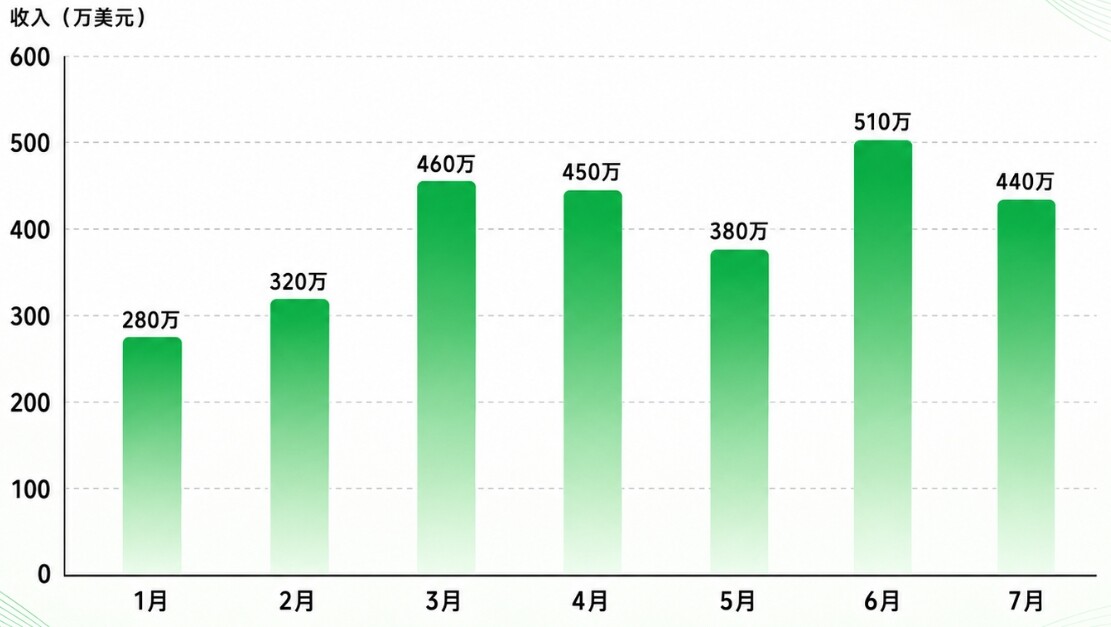
Looking at monthly data, Uniswap's revenue from January to July this year was $2.8 million, $3.2 million, $4.6 million, $4.5 million, $3.8 million, $5.1 million, and $4.4 million respectively, bringing the cumulative total for the first seven months to approximately $28.4 million.
Uniswap's revenue comes from the Protocol Fee charged during transactions. Currently, the protocol fee has been enabled across all Uniswap v2 pools and some v3 pools, and has gradually expanded from Ethereum to multiple chains including Arbitrum, Base, OP Mainnet, BNB Chain, and Polygon. Since the UNIfication proposal was implemented at the end of 2025, Uniswap has officially activated the Protocol Fee, using the revenue for UNI buybacks and burns (For more details, read: After Uniswap's Fee Switch Goes Live: Is This DeFi Revolution's "Report Card" Good Enough?). The protocol fee flows into the TokenJar, and external participants who wish to withdraw the accumulated assets must burn the corresponding amount of UNI.
Solana Ecosystem: Jupiter (JUP), Meteora (MET), Raydium (RAY)
Compared to other public chains, Solana's on-chain trading ecosystem is more fragmented. Beyond traditional AMMs, different models such as aggregators and DLMM have all generated significant revenue. Among them, Jupiter, Meteora, and Raydium are the top three DEX projects on Solana by protocol revenue over the past 30 days.
First, Jupiter's revenue over the past 30 days was $4.69 million.
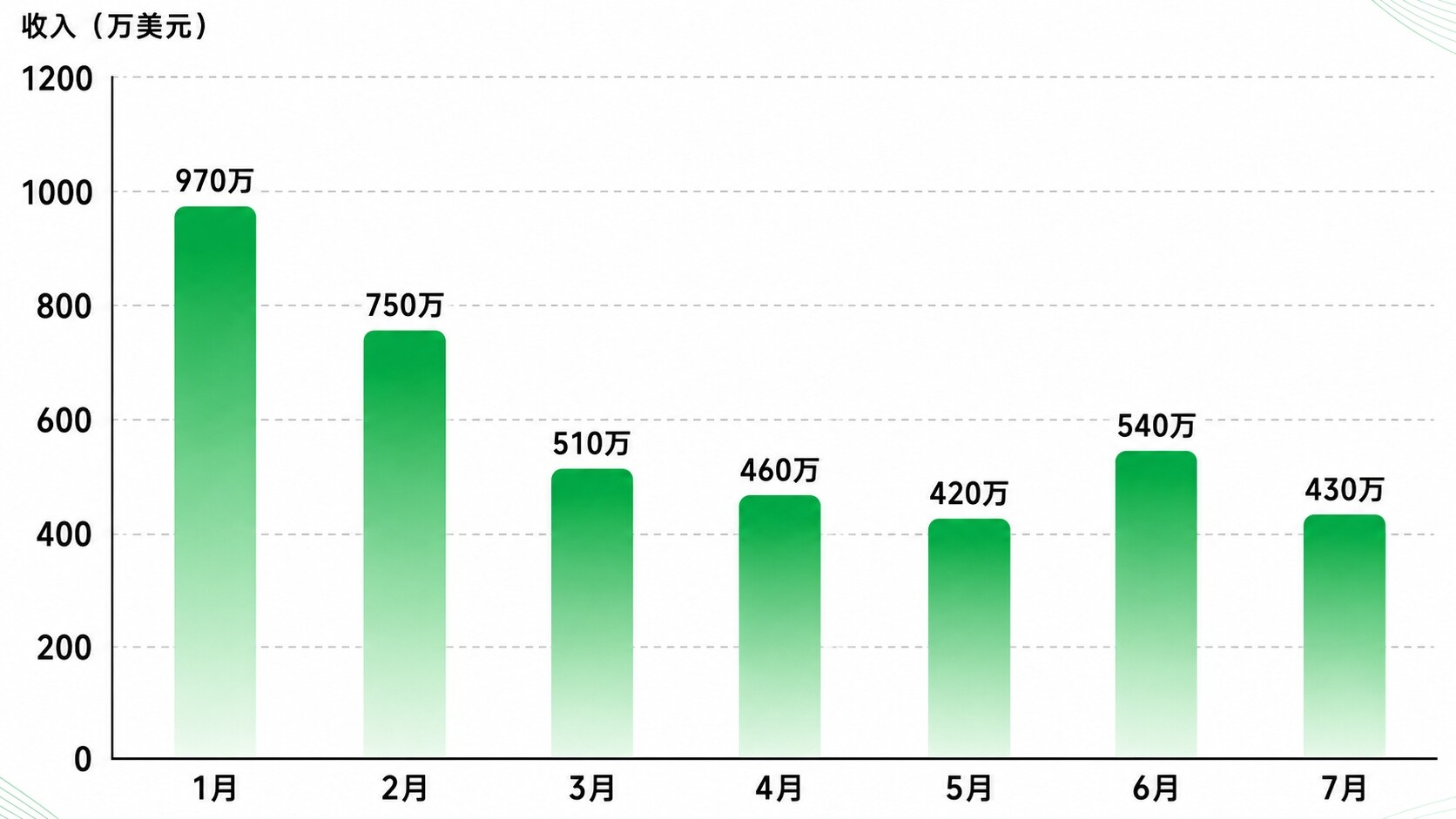
Looking at monthly data, Jupiter's revenue from January to July this year was $9.7 million, $7.5 million, $5.1 million, $4.6 million, $4.2 million, $5.4 million, and $4.3 million respectively, bringing the cumulative total for the first seven months to approximately $40.8 million.
Jupiter allocates 50% of its on-chain revenue to buy back JUP, with funds continuously purchased from the open market through the Litterbox Trust. Since the buyback program began in February 2025, the cumulative buyback volume has exceeded 260 million JUP. Of that, approximately 134 million JUP (about 4% of the circulating supply) had been burned as of the end of 2025, with the burn proposal passing with 86% community support.
Second, Meteora's revenue over the past 30 days was $1.67 million.
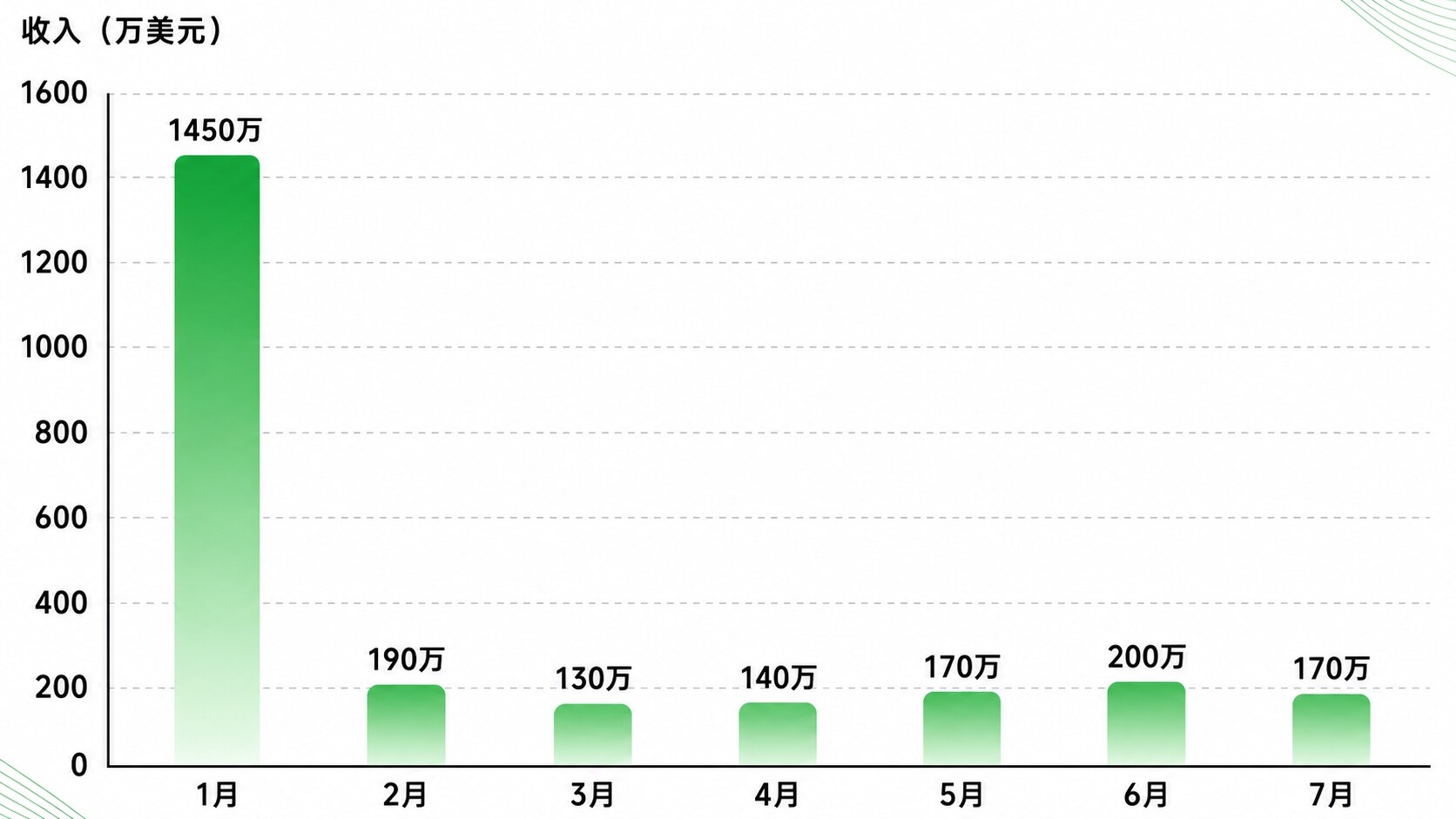
Looking at monthly data, Meteora's revenue from January to July this year was $14.5 million (driven by the concentrated surge in new token launches and Meme trading on Solana), $1.9 million, $1.3 million, $1.4 million, $1.7 million, $2 million, and $1.7 million respectively, bringing the cumulative total for the first seven months to approximately $24.5 million.
In Q1 2026, Meteora spent 1 million USDC to buy back approximately 7 million MET, at an average price of $0.1427. As of June 30, 2026, the cumulative buyback stands at approximately 336 million MET, valued at around $45.75 million.
Third, Raydium's revenue over the past 30 days was $1.13 million.
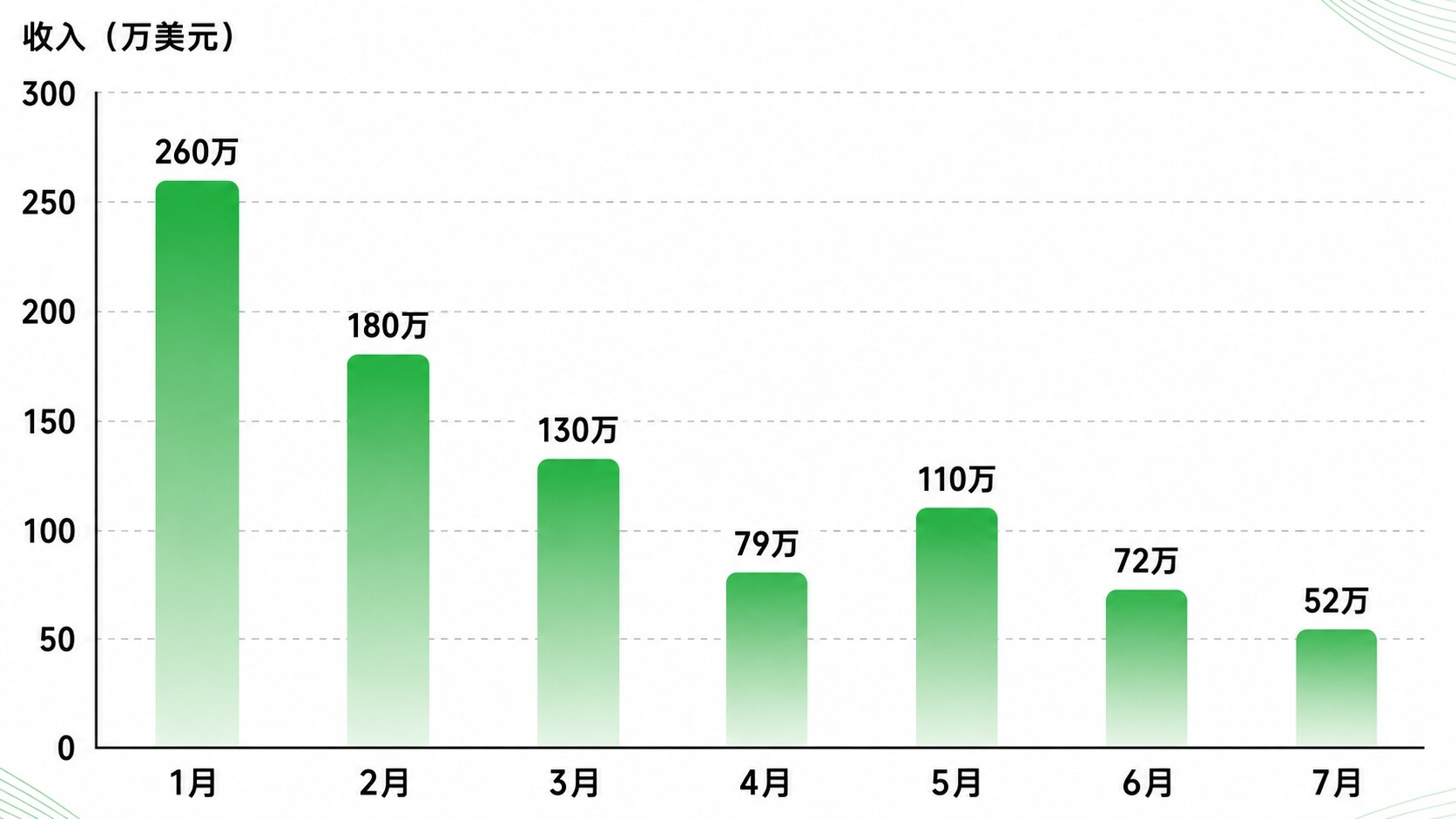
Looking at monthly data, Raydium's revenue from January to July this year was $2.6 million, $1.8 million, $1.3 million, $790,000, $1.1 million, $720,000, and $520,000 respectively, bringing the cumulative total for the first seven months to approximately $8.83 million.
Raydium allocates 12% of trading fees to buy back RAY. To date, the cumulative funds used for RAY buybacks have reached approximately $200 million; in Q1 and Q2 2026 alone, approximately $3.31 million and $1.72 million were respectively allocated to buybacks.
BNB Chain Ecosystem: PancakeSwap (CAKE)
PancakeSwap's revenue over the past 30 days was $5.16 million. Looking at quarterly data, PancakeSwap's revenue in Q1 and Q2 this year was $14.03 million and $10.63 million respectively, bringing the H1 cumulative total to approximately $24.66 million.
PancakeSwap's advantage lies in its long-standing position as the core trading gateway on BNB Chain, while also expanding to multiple chains including Base, Solana, and Ethereum. Additionally, a portion of PancakeSwap's trading fees is used to buy back and burn CAKE. In July 2026, PancakeSwap burned approximately 1.94 million CAKE. After deducting the 674,000 CAKE newly issued during the same period, CAKE's net supply decreased by approximately 1.27 million, marking 35 consecutive months of net deflation in total supply.
Base Ecosystem: Aerodrome (AERO)
Aerodrome's revenue over the past 30 days was $4.11 million. Looking at quarterly data, Aerodrome's revenue in Q1 and Q2 this year was $18.31 million and $16.1 million respectively, bringing the H1 cumulative total to approximately $34.41 million.
Compared to the DEXs mentioned above, Aerodrome does not rely on buybacks and burns of AERO to distribute protocol revenue. Instead, it directly distributes revenue to veAERO holders. Users who lock AERO to obtain veAERO and participate in voting can earn trading fees and external incentives generated by the corresponding liquidity pools. According to the official mechanism, the Exchange Revenue generated by the protocol is 100% distributed to veAERO holders.
Lending
World Liberty Financial (WLFI)
World Liberty Financial's revenue over the past 30 days was $10.47 million. Looking at quarterly data, World Liberty Financial's revenue in Q1 and Q2 this year was $32.82 million and $34.45 million respectively, bringing the H1 cumulative total to approximately $67.27 million.
Data shows that WLFI holders' net revenue currently remains at $0. Although a proposal to use 100% of the fees generated by the protocol's own liquidity (POL) for the buyback and burn of WLFI passed with 99.84% support, this buyback only covers POL fees and does not encompass the entirety of the protocol revenue mentioned above.
Aave (AAVE)
Aave's revenue over the past 30 days was $4.12 million. Looking at quarterly data, Aave's revenue in Q1 and Q2 this year was $25.37 million and $20.17 million respectively, bringing the H1 cumulative total to approximately $45.54 million.
Aave initiated its buyback program in April 2025. As of March 2026, it had cumulatively repurchased over 205,000 AAVE, representing approximately 1.28% of the total supply. Following the rsETH cross-chain bridge attack in April 2026, Aave DAO suspended buybacks effective April 19.
ETH Staking
ether.fi (ETHFI)
ether.fi's revenue over the past 30 days was $3.03 million. Looking at monthly data, ether.fi's revenue from January to July this year was $4.4 million, $3.1 million, $3.5 million, $3.6 million, $3.6 million, $2.8 million, and $3 million respectively, bringing the cumulative total for the first seven months to approximately $24 million.
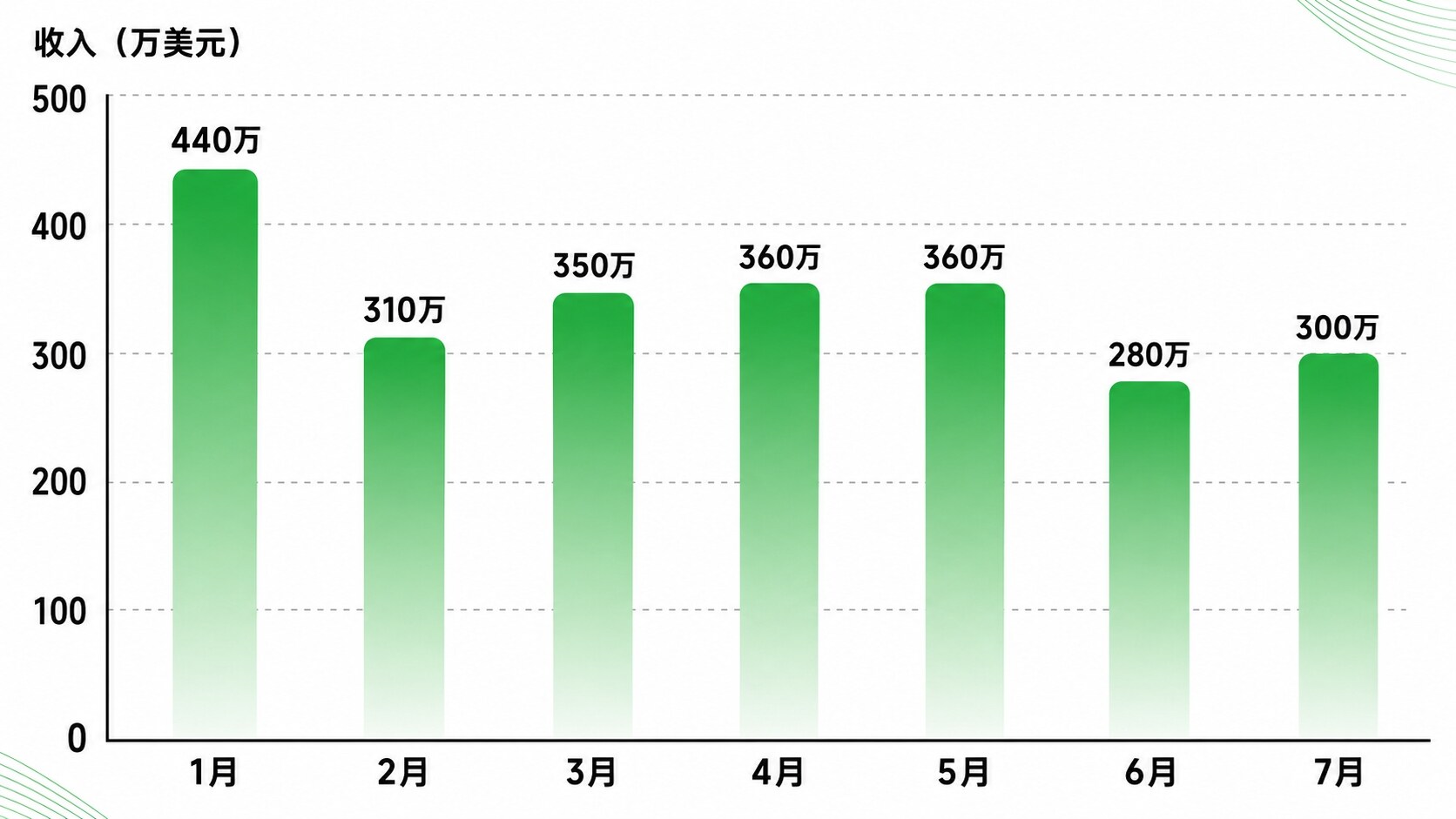
Currently, 100% of the revenue generated from eETH withdrawals is used to buy back ETHFI. Additionally, businesses such as Stake, Liquid, and Cash also allocate a portion of protocol revenue to buybacks on a monthly basis. The repurchased ETHFI is not burned but rather distributed to sETHFI holders, returning protocol revenue back to ETHFI stakers.
Lido (LDO)
Lido's revenue over the past 30 days was $2.31 million. Looking at monthly data, Lido's revenue from January to July this year was $4 million, $2.5 million, $2.8 million, $2.9 million, $2.7 million, $2.1 million, and $2.2 million respectively, bringing the cumulative total for the first seven months to approximately $19.2 million.
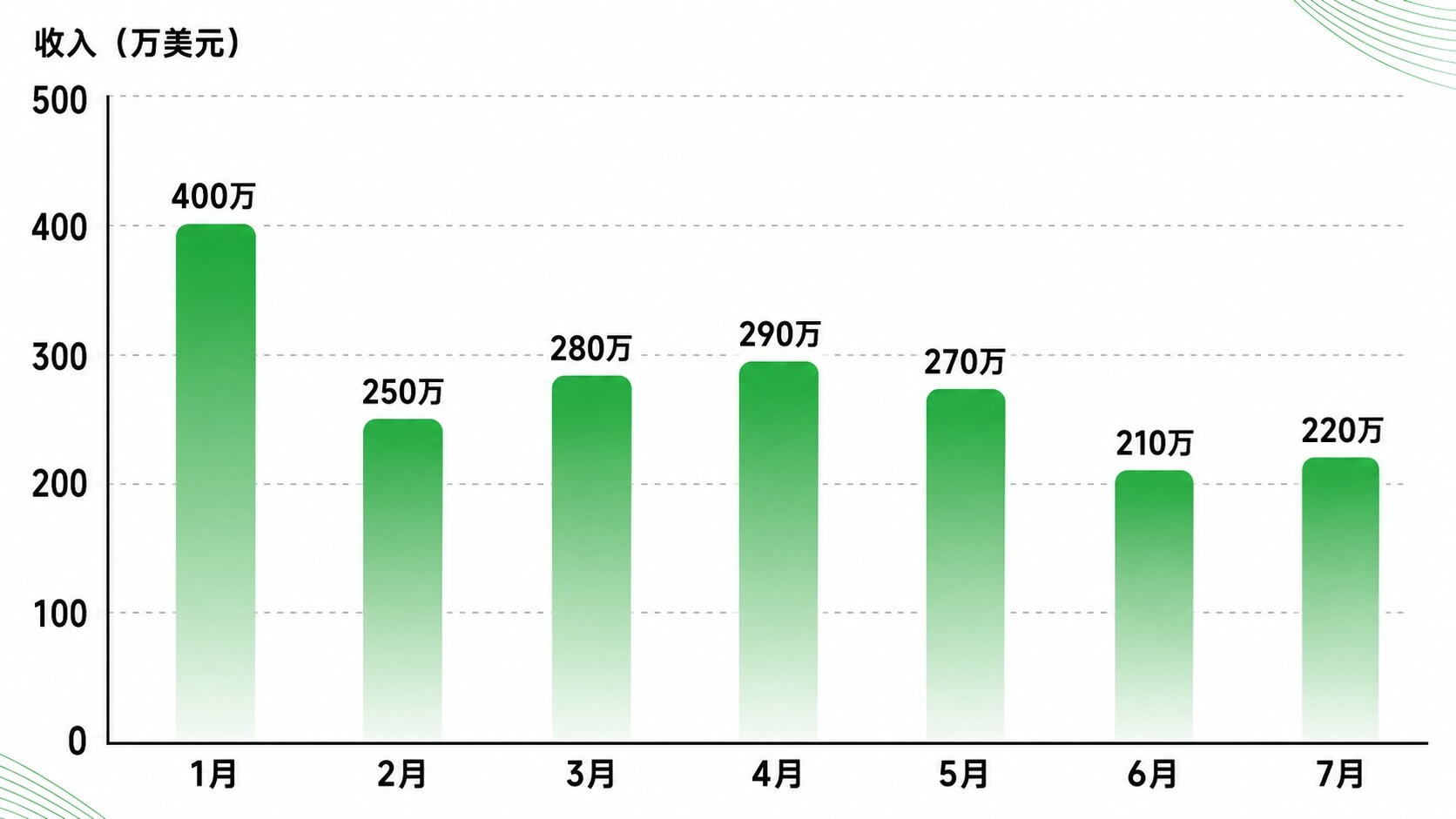
On August 14, Lido's automated buyback mechanism, NEST, was officially activated. When the protocol's annualized revenue exceeds $40 million, 50% of the excess amount is used to automatically buy back LDO via CoW Swap, with a daily buyback cap of $50,000 and a rolling 365-day cumulative cap of $10 million.


