






Wall Street Journal: Armstrong, the new face of cryptocurrencies


Original author: Vicky Ge Huang, Wall Street Journal reporter
Original compilation: Luffy, Foresight News
Brian Armstrong has become the new face of cryptocurrency.
Coinbase Global, a cryptocurrency exchange co-founded by Brian Armstrong in 2012, is one of the last major crypto-asset companies to survive a series of high-profile closures and government crackdowns.
Armstrong’s former rivals, FTX founder Sam Bankman-Fried and Binance founder Changpeng Zhao, who once had greater influence and wealth, are either in jail or facing jail time.
Despite a slowdown in the crypto industry and a period of downturn, Armstrong continues to expand Coinbase. As CEO, he pushed the company into overseas markets, launched new products and forged business ties with Wall Street asset managers to reduce its reliance on cryptocurrency trading revenue.
Notably, Coinbase is the custodian of eight spot Bitcoin exchange-traded funds that began trading last week. Coinbase Custody holds the Bitcoins and charges fees based on the total value of the fund’s assets.
Armstrong has also become increasingly anxious in the face of U.S. regulators’ efforts to rein in the cryptocurrency industry. Armstrong spent much of the last year lobbying for encryption legislation in Washington, D.C. He has hired former lawmakers as advisers and donated more than $1 million of his personal wealth to a pro-cryptocurrency political action committee.
The first test will come on Wednesday, when Coinbase will ask a federal court judge to dismiss the high-stakes lawsuit the U.S. Securities and Exchange Commission (SEC) filed against the company last year. The SEC sued Coinbase in June last year, accusing it of allegedly issuing and listing unregistered securities.
The U.S. Securities and Exchange Commission under Gary Gensler considers most crypto tokens to be securities. Photo credit: ANDREW HARRER/Bloomberg News
Industry observers say a rejection is unlikely. The U.S. Securities and Exchange Commission has long held that most crypto tokens are securities. Selling securities to the public without registering with the SEC subjects the issuer to liability for violating investor protection laws. The SEC said that at least 13 of the crypto-assets listed on Coinbase are securities and they should be registered with the regulator before being issued.
Coinbase is calling on U.S. regulators to draft clear rules to govern the cryptocurrency industry. It believes that the SEC, under the leadership of Gary Gensler, is taking an enforcement approach.
This strategy doesn’t always work: Gensler’s approval of a Bitcoin spot ETF last week was largely the result of a legal setback in a separate lawsuit, with the SEC the clear loser.
Paul Grewal, chief legal officer of Coinbase, said in an interview that assuming the judge allows the SECs lawsuit to continue, the lawsuit may last until 2025 or beyond before a final verdict.
“It’s unlikely that the case will be dismissed,” said Lisa Bragança, a lawyer who once served as head of the SEC’s enforcement division. “Coinbase said the tokens listed on its platform were not securities, and they would have a hard time proving that.”
If Coinbase ultimately loses the case, regulators may force a separation of its exchange, brokerage and clearing operations. The company also faces the risk of having to delist the tokens in question and halt its staking program. Mizuho Securities analyst Dan Dolev said about a third of Coinbases revenue is at risk.
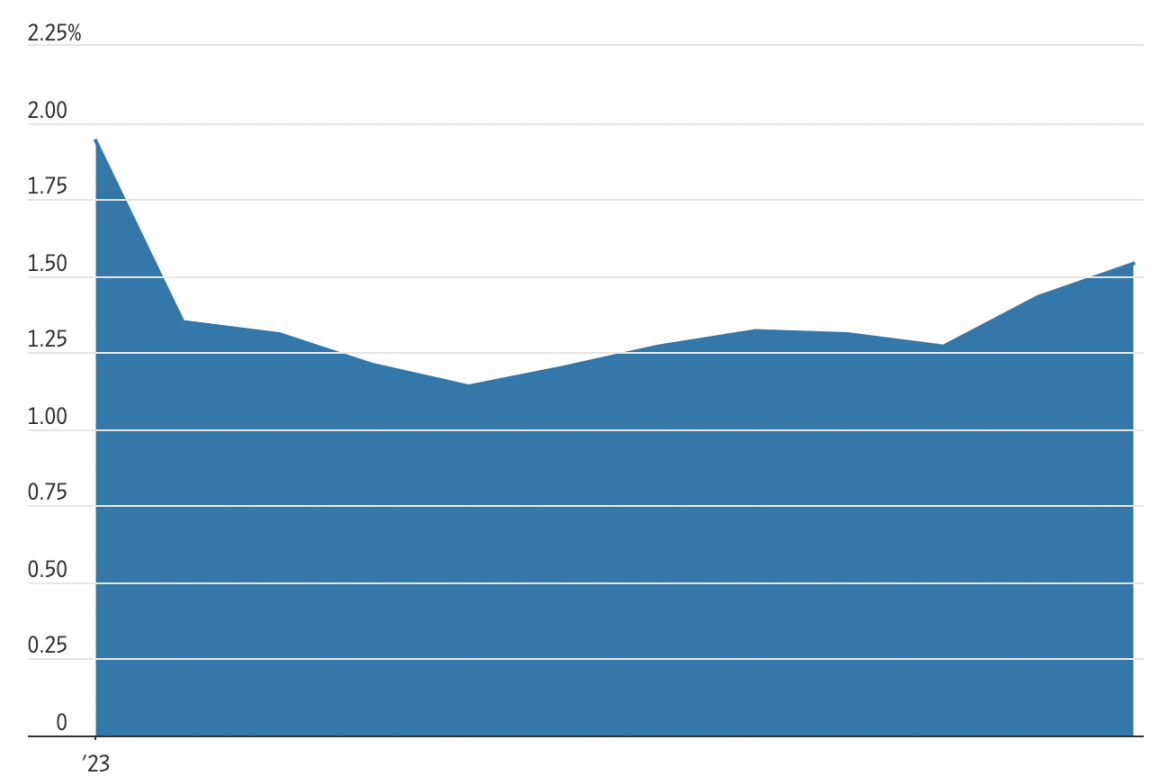
Coinbase monthly spot and derivatives market share, excluding data from Coinbase International. Data source: CCData
Coinbase has struggled to turn a profit after industry scandals sent cryptocurrency prices tumbling. Coinbase posted its seventh consecutive quarter of losses and overall market share declined, according to November data from crypto data provider CCData. Coinbase is working hard to find new ways to make money and expand its business outside the United States, where more than 80% of the companys 2022 revenue will come from the United States.
Analysts have expressed doubts about the profitability potential of Coinbases custody business, which is known for its low profit margins and generated about $50 million in revenue in the first three quarters of 2023. A fee war has broken out among asset managers that issue spot Bitcoin ETFs, which could eat into Coinbase Custody revenue in the long run. The emergence of these funds could also have a negative impact on Coinbase if they become too popular among investors who choose to buy Bitcoin through ETFs rather than using exchange platforms.
The launch of these funds has sent Bitcoin prices rising again, currently hovering around $43,000, up from $17,000 in January last year. Coinbases share price has also surged fourfold in the past year, reaching $170, with a total market value of more than $40 billion. But its still far from its 2021 peak of over $350.
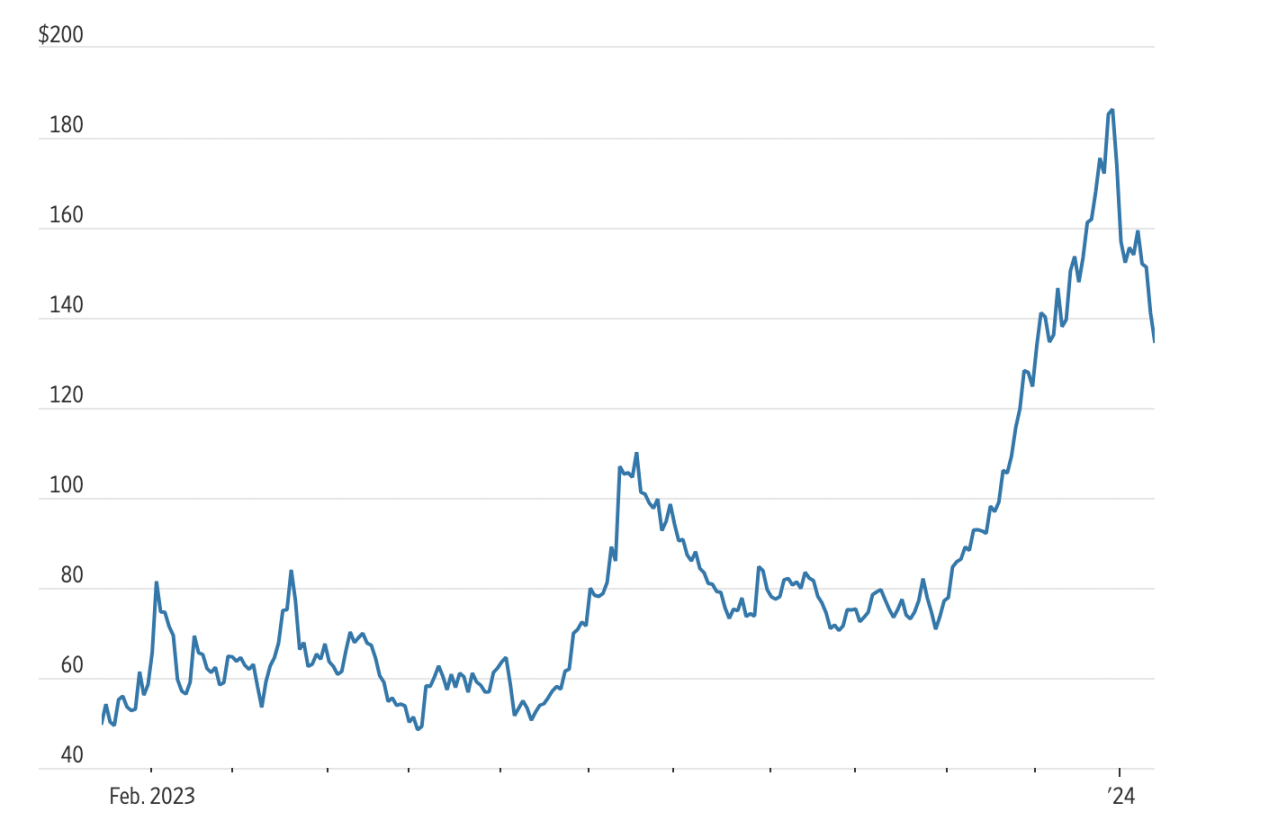
Coinbase stock price performance over the past year. Source: FactSet
Against this backdrop, Armstrong has ramped up his cryptocurrency influence activities.
Last September, Coinbase invited more than 50 cryptocurrency executives and entrepreneurs to Washington to launch what it called a grassroots movement for crypto legislation. Armstrong walked with attendees to Capitol Hill for scheduled meetings with congressional representatives. They reminded lawmakers that if the United States does not establish clear rules for the crypto industry soon, the United States may fall behind in innovation and cause jobs to be lost to other countries.
Coinbase spent $2.2 million on lobbying in the United States last year, according to OpenSecrets, a nonpartisan organization that tracks political donations.
Those joining Coinbase as advisors include former Sen. Pat Toomey (R-Pa.), who was one of the cryptocurrency industrys most outspoken supporters while serving on the Senate Banking Committee. Other Washington insiders, including former Reps. Tim Ryan (D-Ohio) and Sean Patrick Maloney (D-N.Y.), former Democratic strategist Chris Lehane and Democratic pollster John Anzalone have also joined Coinbase’s global advisory board.
Fairshake, the Armstrong-backed cryptocurrency super PAC, has spent more than $1.2 million on television ads supporting House candidates and has raised $78 million to support crypto-friendly candidates.
To many in the industry, Armstrong, 40, is filling the void left by SBF. SBF served as the crypto industry’s primary ambassador to U.S. lawmakers and regulators prior to FTX’s collapse. Former SBF and FTX executives donated more than $70 million to campaigns between 2020 and 2022.
“When Sam fell, there was a vacuum,” said Adam Jackson, CEO of Braintrust, a decentralized professional network and a portfolio company of Coinbase’s venture capital arm. Brian stepped in and tried to restore credibility to the cryptocurrency industry.
SBF was convicted in November of stealing billions from FTX clients, and the company filed for bankruptcy a year ago. Weeks later, Changpeng Zhao, who built Binance into the world’s largest cryptocurrency exchange, resigned as CEO and admitted violating U.S. anti-money laundering requirements. He faces up to 18 months in prison. Binance is fighting a battle with the U.S. Securities and Exchange Commission (SEC).
Unlike Changpeng Zhao and Binance, the SECs lawsuit against Coinbase does not name Armstrong as a defendant, nor does it accuse the company of mishandling customer funds.
FTX founder SBF served as the cryptocurrency industry’s chief ambassador to U.S. lawmakers before FTX’s collapse and conviction. Source: BEBETO MATTHEWS/Associated Press
Armstrong was a reserved, private man who wasnt always interested in hanging out with Washington insiders. His reluctance to position himself as an industry leader frustrated employees during FTXs meteoric rise and SBFs frequent appearances in Washington in 2021, according to former employees.
Armstrong said in a 2022 documentary posted on the Coinbase website and YouTube that he doesnt like being a public figure because the risks are too high.
You could say the wrong thing and then ... an angry mob would come after you, he said in a documentary by Emmy-winning filmmaker Greg Koss.
Coinbase Chief Financial Officer Alesia Haas, a close friend of Armstrong, said the company is continuing business as usual while it continues to fight the SEC.
We are preparing the company for any scenario, she said. We are investing in the future.





