






Bitcoin’s crossroads under the wave of ETFs: decentralization and institutionalization


Original author: Susie Violet Ward
Original compilation: Luffy, Foresight News
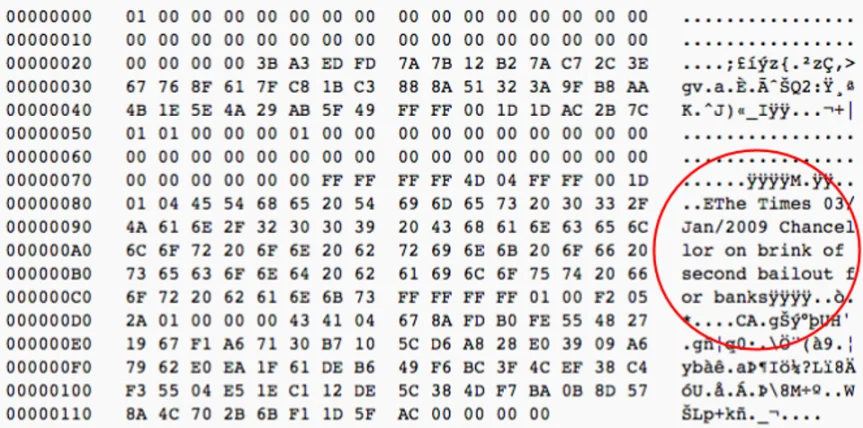
Bitcoin was born out of a revolutionary vision: a decentralized peer-to-peer financial system that empowers individuals by eliminating intermediaries. This vision of being embedded in Bitcoin’s genesis block is now at a crossroads as institutional investors seek the security that comes with regulation.
Bitcoin’s appeal to institutions is clear. It offers high returns and is considered a digital safe haven similar to gold. However, these institutions rarely hold actual Bitcoin, instead opting for safe and compliant custody services. This reliance on third-party custodians has given rise to the concept of “paper Bitcoins,” which represent ownership but not actual ownership of the digital currency itself. This could lead to more actual claims on Bitcoin, creating a situation similar to fractional reserve banking, which is contrary to the vision of Bitcoin.
The concept of “paper Bitcoin” echoes the risks associated with traditional banking, where only a small portion of the actual assets back the issued claims. This fractional reserve system could trigger a liquidity crisis if many investors simultaneously demand redemptions of underlying Bitcoin assets.
During an appearance on What Is Money during The Ned conference, Robert Breedlove made a poignant observation. The conference venue is located in the heart of Londons financial district, adjacent to the Bank of England, famous for its historic bank vaults, making it an ideal place to discuss financial sovereignty.
In this context, which echoes themes of monetary security and history, Breedlove said, “Bitcoin has fundamentally changed the world because of its immutability; but people must hold their own private keys to Bitcoin to truly own it— not your keys, not your coins.”
Breedlove’s emphasis on holding your own Bitcoin keys to ensure true ownership speaks volumes about Bitcoin’s fundamental principles. This view of the intrinsic value of self-custody and Bitcoin’s immutability prompts another critical view of its future.
As the debate over the future direction of Bitcoin heats up, experts like Freddie New, Head of Policy at Bitcoin Policy UK, offer valuable insights. To me, it comes down to how much control you have over your assets, New said. Weve all seen the dangers of fractional-reserve banking; but if people choose to hold assets in fractional-reserve banking, or buy ETFs that may not allow them to own the underlying asset, they have the freedom to do so. However, in Bitcoin, for the first time we have a hard digital asset that can be transferred at the speed of light and we as individuals can fully own it, This is not the same as gold in a gold ETF fund. If you have the opportunity and the ability to fully own your asset without any counterparty risk, why would you choose otherwise?
BitMEX co-founder Arthur Hayes reflected on the potential consequences of institutional involvement in a conversation with Blockworks. He warned that “if the BlackRock ETF gets too big, it could actually kill Bitcoin because it’s just a bunch of Bitcoin that can’t be moved.” Hayes’ comments raised concerns about institutional adoption of Bitcoin.
Compare institutions investing in Bitcoin to users transitioning from decentralized file-sharing platforms like BitTorrent to centralized streaming services like Spotify and Netflix. BitTorrent allows peer-to-peer file transfer where ownership and distribution are decentralized and controlled by the user (think Bitcoin).
Spotify and Netflix, on the other hand, offer streamlined, user-friendly access to content within a controlled, centralized framework that prioritizes legal compliance and ease of use over decentralized file ownership and sharing freedom. Just as users on these streaming platforms do not own the content they access, handing over the management of Bitcoin to an escrow service represents a surrender of the sovereignty and personal control that Bitcoin was designed to provide.
Because Bitcoin assets are held in institutional custody, they are vulnerable to legal and regulatory actions such as possible freezes or seizures, thereby challenging one of Bitcoin’s core strengths: personal wealth ownership. The infamous Mt. Gox incident, in which a security breach resulted in the loss of 850,000 Bitcoins, served as a warning about the risks of centralized custody.
The concentration of Bitcoin holdings in the hands of institutions could lead to market manipulation issues. The traditional financial field is full of such scenes, and the London Interbank Offered Rate (LIBOR) scandal is a clear example. Banks manipulated key benchmark interest rates, casting doubt on the integrity of financial institutions.
While the presence of institutional players brings stability and liquidity to Bitcoin and further expands Bitcoin acceptance, dealing with the centralization of custody is critical. Emerging solutions such as multi-signature wallets and decentralized finance protocols offer alternatives that respect Bitcoin’s decentralized principles while still attracting institutional investors.
Bitcoin’s journey is not binary, it can coexist between institutional and personal custody. The challenge is to maintain a delicate balance that preserves its fundamental values. Increasing the transparency of institutional custody and advocating for investor education on the merits of self-custody can prevent risks and keep Bitcoin’s promise of financial freedom and self-sovereignty intact.
While the debate continues, industry veterans have weighed in on the trend. Greg Foss, who has 32 years of experience in high-yield credit trading and analysis and is now a Bitcoin strategist, offered a nuanced view, “I believe institutional adoption of Bitcoin is inevitable and mostly beneficial. .While increased centralization is a concern, in my opinion the increase in new buyer groups offsets this concern.”
His perspective reveals the potential benefits of such wider adoption, despite the risks of centralization.
Institutional investors may feel comfortable buying into a spot Bitcoin ETF, but that peace of mind comes with its own costs and may stray from Bitcoin’s original decentralized ethos.
As institutions continue to embrace Bitcoin in the form of spot Bitcoin ETFs, we are faced with a choice. Will Bitcoin stick to its original vision as a neutral, global peer-to-peer digital currency, or will it transform into a new asset form, one that may be at odds with the principles on which it was created? The outcome of this choice will define the trajectory of finance and determine whether Bitcoin remains a symbol of empowerment or becomes another asset class tied to the traditional financial paradigm.
Not only will this provide a direction for Bitcoin’s future, it will also serve as a litmus test for the broader ecosystem’s commitment to the principles of decentralization and financial autonomy.
The most important thing to know is that true ownership of Bitcoin depends on self-custody. Whether held on an exchange or in an institution, if its not in your personal wallet, then it doesnt fully belong to you.





