


Gryphsis Academy: Recursive inscription will become the cornerstone of BTC Lego sets and complex logical products.


Original author: @JellyZhouishere, @GryphsisAcademy
TL;DR
As the most recent significant update to Ordinals, Recursive Inscriptions opens up a wide range of possibilities for the composability of the Ordinals protocol.
Recursive Inscriptions is a standard for inscriptions that allows for the creation of PFP collection inscriptions by uploading corresponding element features, allowing for combination and concatenation without the need for uploading or downloading actual images. Recursive Inscriptions have features such as enhanced interoperability, cost reduction, and breaking the 4 MB size limit.
The creative directions based on Recursive Inscriptions include: inscription decomposition and combination, Bitcoin music, Bitcoin chain game, generative art, decentralized websites, etc. This article provides a detailed introduction to some typical cases that combine Recursive Inscriptions, showcasing the powerful potential of Recursive Inscriptions.
Recursive Inscriptions also face some challenges: whether the related renderers for off-chain rendering can parse quickly when the recursion level increases, and whether the related renderers for off-chain rendering can parse quickly when the number of referenced inscriptions increases. In theory, the games or NFTs generated by Recursive Inscriptions can be infinitely complex and detailed. However, due to limitations of the BTC network itself, indirect technical solutions are needed for implementation.
Recursive Inscriptions allow inscriptions to interact with each other, enabling new use cases. The generation of art, on-chain displays, and efficient storage have become a reality. We can expect recursive inscriptions to be deeply adopted in the fields of art generation, blockchain gaming, metaverse, etc. We believe that future killer applications are brewing.
I. Introduction
The birth of the Ordinals Protocol provided Bitcoin with the functionality of numbering and inscriptions, thereby expanding the product range of the Bitcoin ecosystem and bringing tremendous potential for applications to the Bitcoin ecosystem.
In the past few months, we have seen the Ordinals track gradually grow from obscurity to an ecosystem. During this period, the Ordinals Protocol has also undergone significant upgrades and has generated a series of derivative protocols:
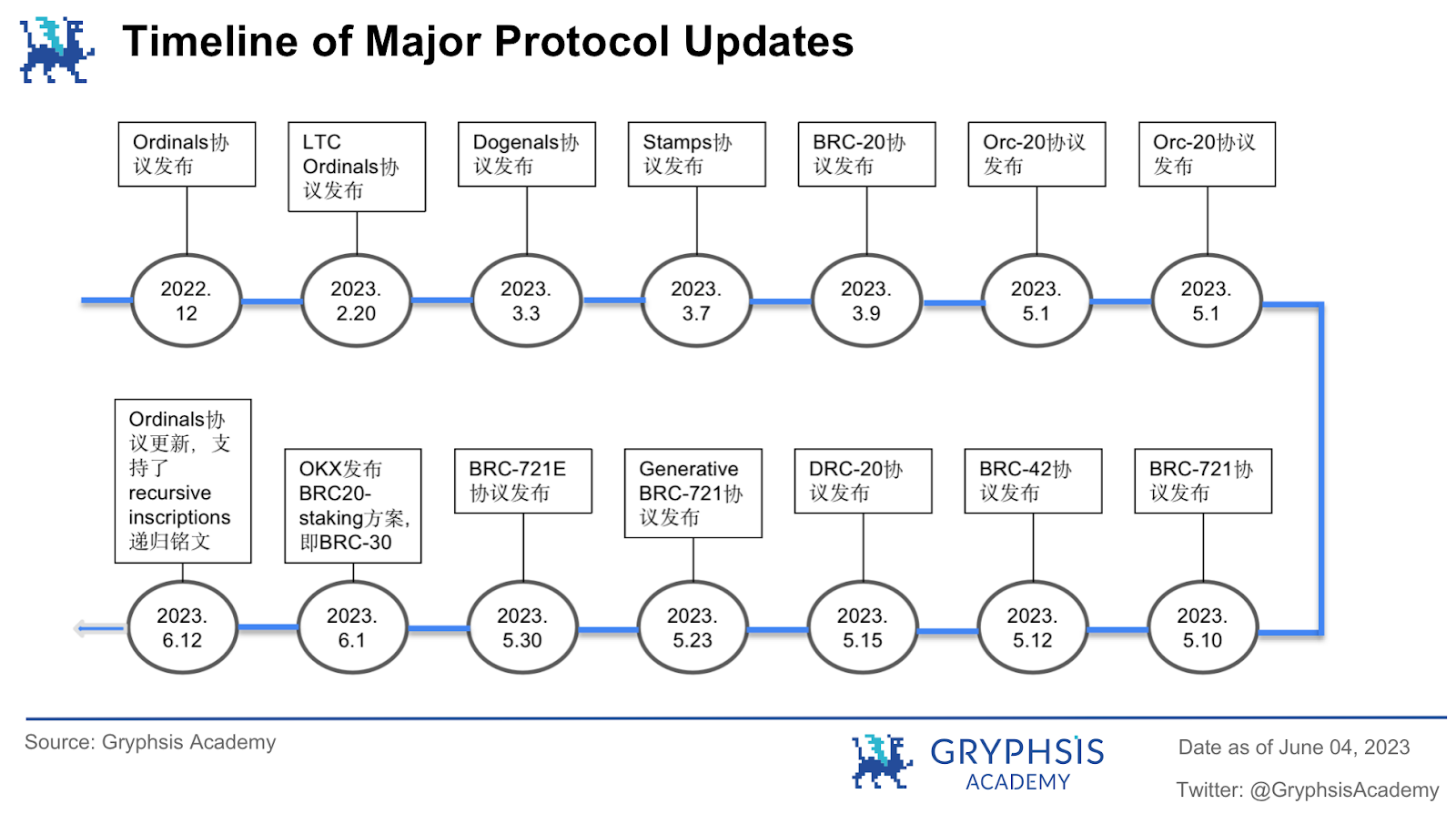
In our June Ordinals series, we also updated a detailed introduction to Ordinals and various derivative agreements for BRC 20 (link: https://medium.com/@gryphsisacademy/diving-into-ordinals-how-to-bet-on-bitcoin-ecosystem-as-halving-approaches-3486db8cbf12)
Among them, it is necessary to mention the recent major update of Ordinals - the emergence of recursive inscriptions.
On June 12th, recursive inscriptions were announced on Github by Raph, the newly-appointed chief maintainer of the Bitcoin protocol Ordinals. It further integrates recursive inscription No. 2167 proposed by Casey Rodarmor, the creator of Ordinals, into the Ordinals code, opening up vast possibilities for the composability development of the Ordinals protocol.
This article will explore the principles of recursive inscriptions and their impact on Ordinals, and provide further prospects for possible innovative applications of recursive inscriptions based on existing cases.
II. Basic Principles and Technology of the Ordinals Protocol
Since the end of December 2022, Casey Rodarmor has released the Ordinals protocol, introducing NFTs into the Bitcoin network through Ordinals and Inscriptions (ordinal numbers and inscriptions). This protocol allows any content, such as text, images, videos, or even applications, to be added to sequentially numbered sats (the smallest unit in Bitcoin) to create unique digital artifacts, and
It can be transmitted through the Bitcoin network. Below we summarize the important technical principles involved in the Ordinals protocol:(1) UTXO
Bitcoin adopts a payment model called "Unspent Transaction Output" ( UTXO ), where all balances are stored in a list of UTXOs. Each UTXO contains a certain amount of Bitcoin, owner information, and indicates whether it is spendable.
In Bitcoin transactions, there are inputs and outputs. Inputs are references to existing UTXOs, and outputs specify new addresses and amounts. After a transaction is initiated, the inputs lock the associated UTXOs to prevent double spending until the transaction is confirmed. Once confirmed, the input UTXOs are removed and new UTXOs are generated as outputs.
The total input amount of a transaction usually exceeds the total output, and the difference is called the network fee, which rewards the miner who validates the transaction. The network fee is proportional to the complexity of the transaction, and transactions with multiple inputs and outputs usually require higher network fees.
(2) Satoshi's Numbering and Tracking
There are a total of 21 million* 10 ^ 8 satoshis on the Bitcoin network. How does the Ordinals protocol uniquely number each satoshi and track the account it belongs to?
According to the Ordinals protocol, the numbering of satoshis is determined by the order in which they are mined. The metadata of Ordinals is not stored in a specific location, but embedded in the witness data of transactions. This data is "engraved" on specific parts of Bitcoin transactions, and it is attached to specific satoshis.
This process is achieved through Segregated Witness (SegWit) and Pay-to-Taproot (P2TR), which can engrave any form of content (such as text, images, or videos) on specified satoshis.
(3) SegWit and Taproot Upgrades
SegWit is an important protocol upgrade for Bitcoin, which separates some transaction signature data (witness data) from the transactions themselves, reducing the data size stored in Bitcoin blocks. This initiative increases the block capacity, allowing it to accommodate more transactions, improves the network's transaction processing capability, and reduces fees.
The SegWit protocol upgrade introduces a new witness field in the transaction outputs to protect privacy and enhance performance. Although the design intention of witness data is not for data storage, it actually provides us with an opportunity to store metadata such as plaintext.
The Taproot protocol upgrade introduced in 2021 allows different transaction conditions to be stored on the blockchain more privately. Through the Taproot script path, we can store the plaintext content in spending scripts, which have almost no restrictions on content. Moreover, due to Taproot's discount mechanism, storing plaintext content becomes more economical and can save a significant amount of resources.
The Ordinals protocol cleverly utilizes the relaxed content size limit introduced by SegWit for writing on the Bitcoin network, storing the plaintext content in witness data, with a maximum capacity of storing 4 MB of metadata. Taproot makes it easier to store arbitrary witness data in Bitcoin transactions, enabling the developer Casey Rodarmor of Ordinals to reuse old opcodes (OP_FALSE, OP_IF, OP_PUSH) to describe the encapsulated data as plaintext and store any data.
(4) The Process of creating plaintext
Commit: The first step is to create an output in the transaction that points to the Taproot script containing the inscription content. This output uses the Taproot storage format. At this point, the inscription data is associated with the UTXO of the transaction output but not yet revealed.
Reveal: In this stage, a transaction is initiated by using the UTXO corresponding to the inscription as input. At this point, the corresponding inscription content is disclosed to the entire network.
Through the above two steps, the inscription content is bound to the UTXO it represents. Then, according to the described ordinals, the inscription is enforced on the first ordinal of the input UTXO. The inscription content is included in the displayed transaction inputs. This specially inscribed ordinal can be transferred, purchased, sold, lost, and recovered.
III. Principles and Implementation of Recursive Inscription on Bitcoin
After understanding the basics of ordinals, let's take a look at recursive inscription:
The Ordinals protocol introduced the ability to fully inscribe files on the Bitcoin blockchain. Before recursive inscription, ordinals were like isolated and limited islands. Although you can inscribe text, images, and code, they cannot interact with each other.
However, with the introduction of recursive inscription, this is about to change. Now, inscriptions can use the special syntax "/-/content/:inscription_id" to request the content of other inscriptions. This allows users to create inscriptions on the Bitcoin blockchain with less capacity and lower fees.
Recursive inscription is a standard for inscription resolution. Its syntax is essentially similar to using code to find images. The creation of PFP collection inscriptions can combine and assemble existing elements on the chain based on the patterns, colors, actions, and other characteristics of uploaded images, without the need to upload or download actual images.
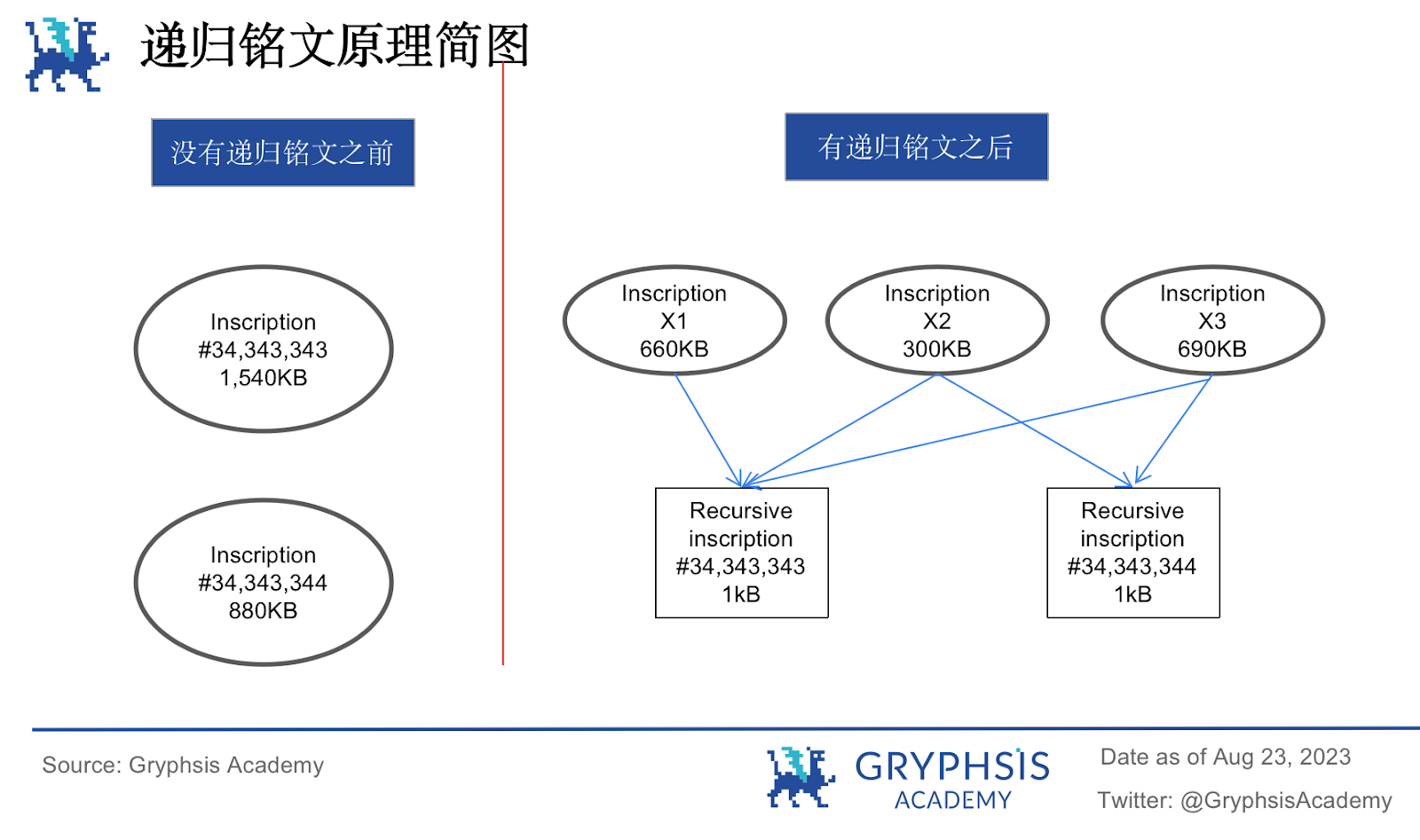
Recursion inscriptions have the following characteristics:
Through the unique self-referential property of recursion inscriptions, we have the opportunity to break the constraints of previous engraving methods and escape the awkwardness of each inscription being isolated and irrelevant, thus opening up the possibility of creating freely combined inscriptions.
Recursion inscriptions, in the form of textual codes, maintain a small size, not only reducing costs, but also allowing the size of the inscriptions to exceed the 4 MB limit of Bitcoin blocks.
This progress enhances interoperability, programmability, and scalability, injecting more possibilities and creative imagination into the Bitcoin chain.
From a protocol perspective, the future prospects are very broad, with rich narratives waiting for developers and users to construct and utilize.
However, there are still some challenges at present, such as whether the inscriptions can be listed and indexed on platforms, which will determine the speed of their development and the degree of wide recognition.
IV. Innovative Application Methods of Bitcoin Recursion Inscriptions
The emergence of recursion inscriptions unlocks many powerful innovative applications. Recursion inscriptions have high flexibility in callability, concatenation, and low cost advantages, bringing infinite new possibilities to inscriptions. The following article will introduce the potential innovation and application directions of recursion inscriptions through some specific cases.
Through recursion, inscriptions can easily reference the code of other inscriptions. The content of one inscription can now be used by many other inscriptions. This new composability opens up a field of possibilities that we have hardly explored, such as engraving complex images, videos, 3D games, and other forms of content on the chain. Recursion inscriptions make it possible to create an internal internet. More possibilities include secondary creation of inscriptions, decentralized GitHub, NFT combination fragmentation, and more. With recursion inscriptions, we can achieve the following creative ideas:
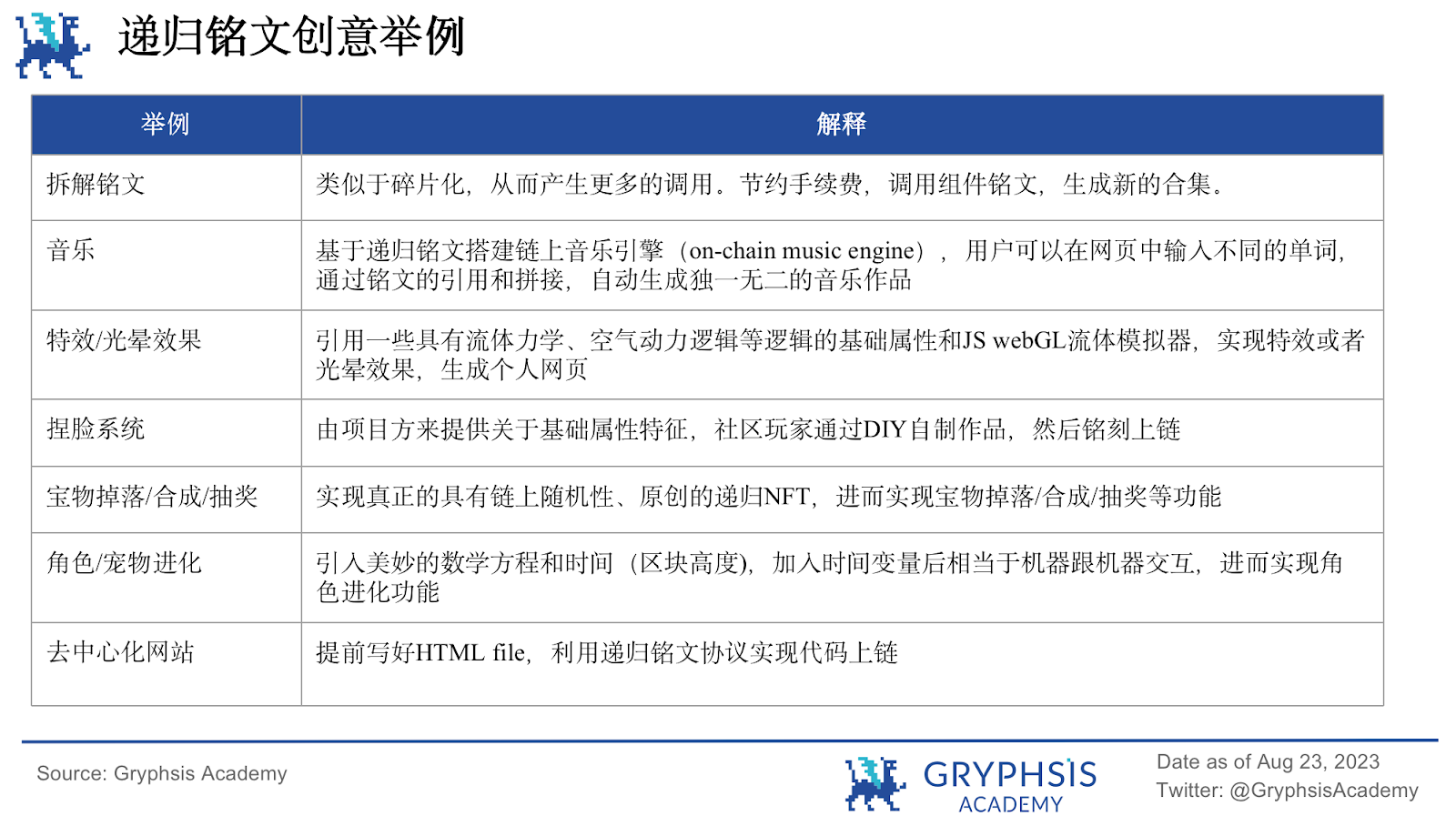
Below we will introduce some typical cases that demonstrate the powerful potential of recursive inscriptions:
(1) Chain-generated art: 1 Mask
By further combining and combining various primary schemes mentioned earlier, various collection combinations, and the second creation of inscriptions can be achieved. For example, the combination of a1 and a2 within a collection, and the combination of collection a and collection b. Based on this, BTC is expected to give birth to truly community-driven native interactive generative art.
Let's start with the first case: 1 Mask.
This is a full-chain generative art project on the BTC chain with masks as the theme. The 1 Mask project cleverly integrates Ordinals' recursive technology, which is composed of three elements: template, algorithm, and inscription generation.
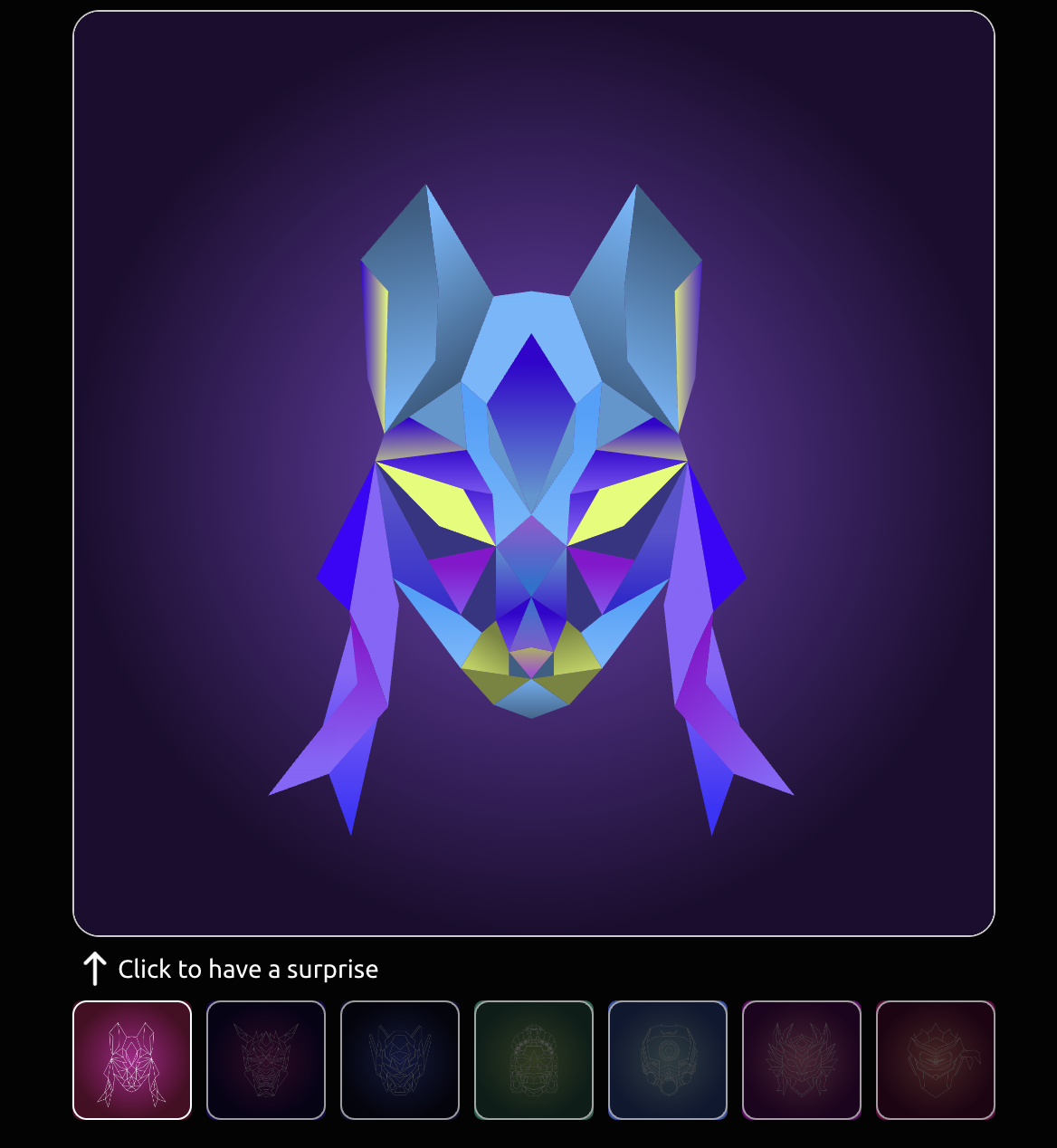
Source: https://1 mask.io/
The template contains seven inscriptions, each corresponding to seven unique types of templates, which follow the image/svg+xml format.
The basic principle of the algorithm section is to use the user's wallet address as a seed and use a random function to create multiple different color combinations for coloring the mask model.
The inscription generation mechanism relies on recursive techniques to reference algorithmic inscriptions. Each mask inscription embeds the HTML code required to build the final colorful mask image. The implementation uses a random seed to execute the code embedded in the algorithmic inscription, while filling this random seed with chain-specific data (such as the wallet address) specific to the user, making it random but user-related. Therefore, when the same wallet address uses the same template, the generated result is always consistent.
Whenever a new mask inscription is created, it incorporates user-specific chain details and references algorithmic inscriptions. With the power of recursive inscription techniques, once the newly created mask inscription enters the market or is indexed by wallets, it activates the reference code contained in the algorithmic inscription autonomously. These codes run with user-specific chain data as input, ultimately displaying a unique and personalized mask image.
In the Bitcoin network environment, the data contained in the inscription is immutable, ensuring its integrity. This characteristic determines that the real-time image presented based on this immutable inscription data also has immutability. As long as the random seed and algorithm involved in the mask inscription are correct, users can verify the authenticity and accuracy of the creation process at any time.
Behind this project, 1 Mask has further introduced a standard called BRC 721 Auto, proposing that fully on-chain generated art is composed of at least two types of inscriptions: code inscriptions and personalized parameter inscriptions.
In the code inscription, we need to encode an algorithm that can automatically generate HTML DOM based on the content of the parameters. This DOM can be a canvas, SVG, or other content that can be recognized by the browser and rendered as graphics.
Of course, code inscriptions can also reference the content of other inscriptions to complete their algorithms.
Decentralized storage generates graphics code automatically
Decentralized personalized graphics generation based on user-provided parameters
Decentralized verification of generated results
Based on the above criteria, it is not difficult to see that on-chain art based on recursive inscriptions has the following characteristics:
Uniqueness and randomness: Artworks must be generated through algorithms and smart contracts, possessing non-fungibility and uniqueness. They can be randomly revealed on the chain and also need to have artistic and aesthetic value.
Interactivity: Users can interact with and control the artworks.
Decentralization: Art is stored completely on the chain in a fully decentralized manner, without any centralized entity or individual in control.
Code reuse, based on Ordinals
Compared to other on-chain generated art projects like Ethereum, BTC recursive inscriptions-based generated art is completely on-chain generated art, independent and decentralized, without relying on any off-chain resources.
(2) Geek Project: Orbinals
Due to the flexibility of recursive inscriptions, it provides a stage for geeks to showcase their talents, further exploring the various possibilities and boundaries of the Ordinals technology.
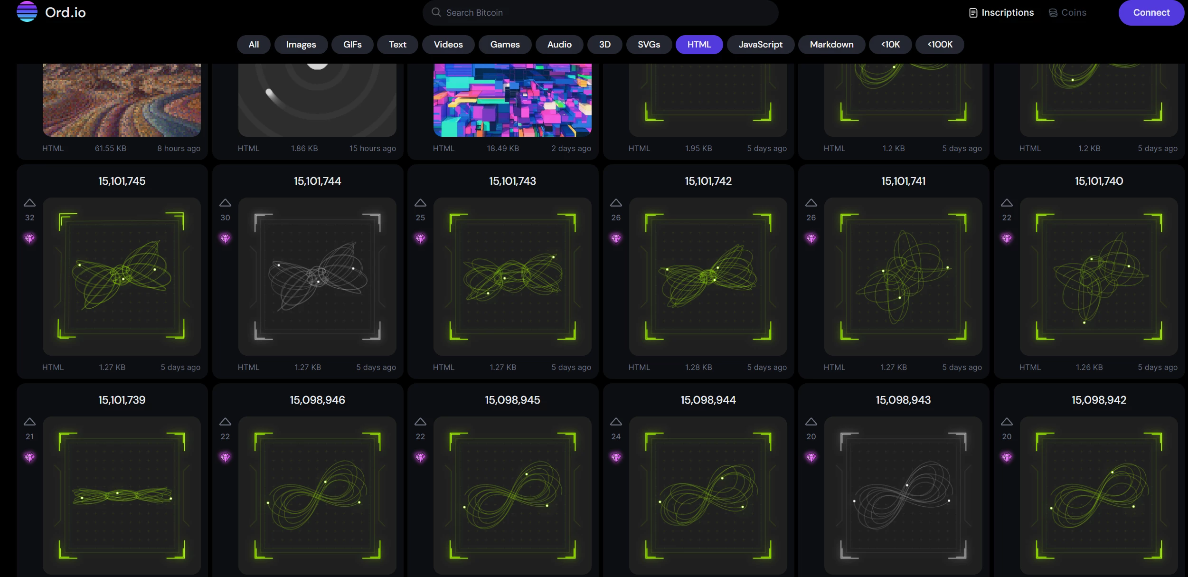
"Orbinals" is a typical representative of such projects. It is a geek project without Twitter or official website. All the content of the project is based on Uncommon sat. According to the latest price on f 2 pool, as of August 20th, the unit price of Uncommon sat has reached over 366 US dollars.
Source: https://www.ord.io/?satributes=uncommon&contentType=html&sortBy=newest
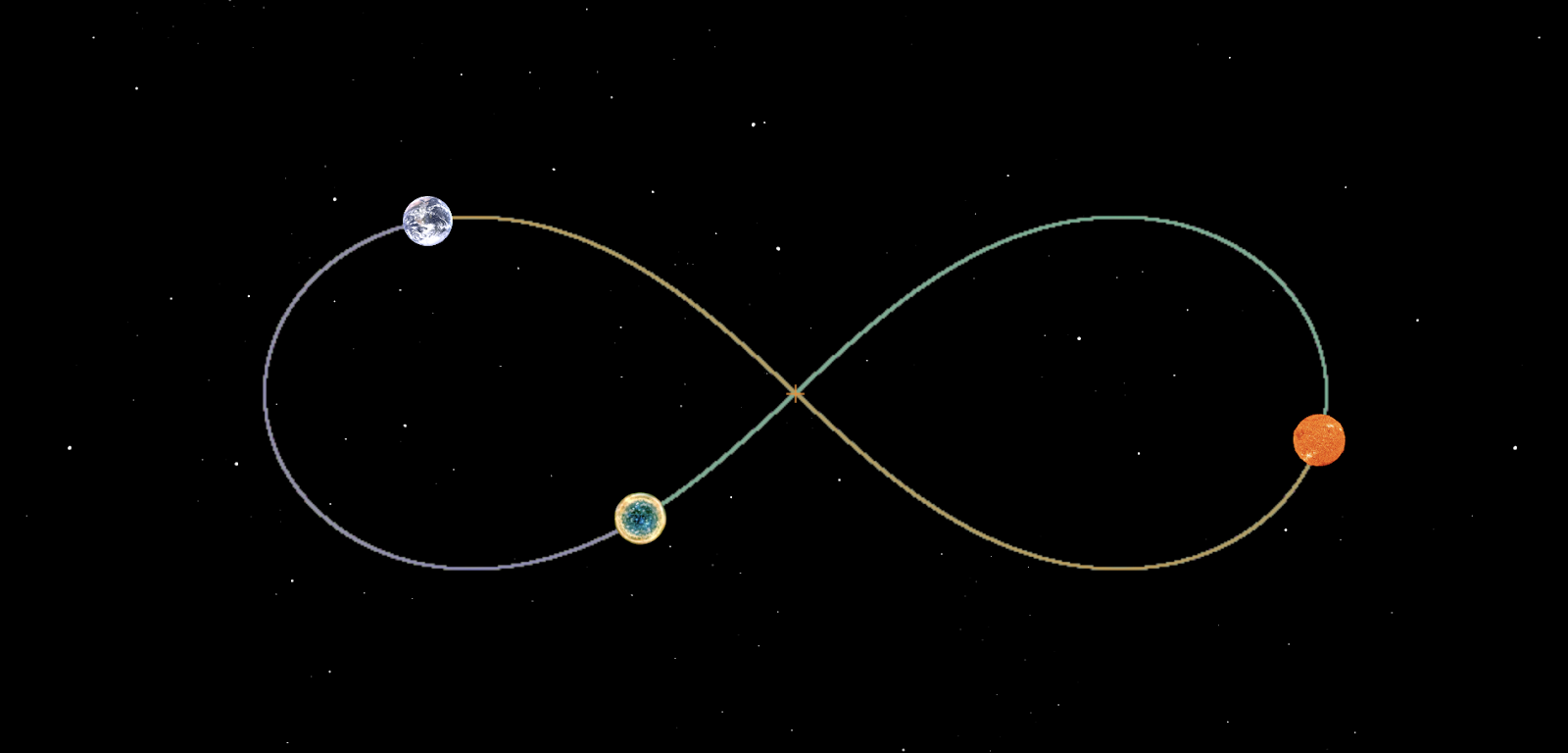
If you directly open the collection URL of Orbinals, you will find that some of the contents referenced after opening each image in its celestial motion series are the same, with some different parameters. After digging into the referenced content in its recursive inscription, we can discover that the true secret about the project is hidden in this reference link (https://ordin-delta.vercel.app/content/b5091b76f78d73677ad6b81e4785b0dfebc62b1079a0bf78b8366859a1ffacbci0)). The full name of Orbinals is "Orbinals: Three Body Orbit Artifacts on Ordinals," which is programmed using HTML and JavaScript to simulate the motion of three objects based on the two-body simulation code.
Source: https://evgenii.com/blog/three-body-problem-simulator/
Supported by mathematical and physical equations, the beauty of celestial motion is presented in a concise way on the Bitcoin blockchain.
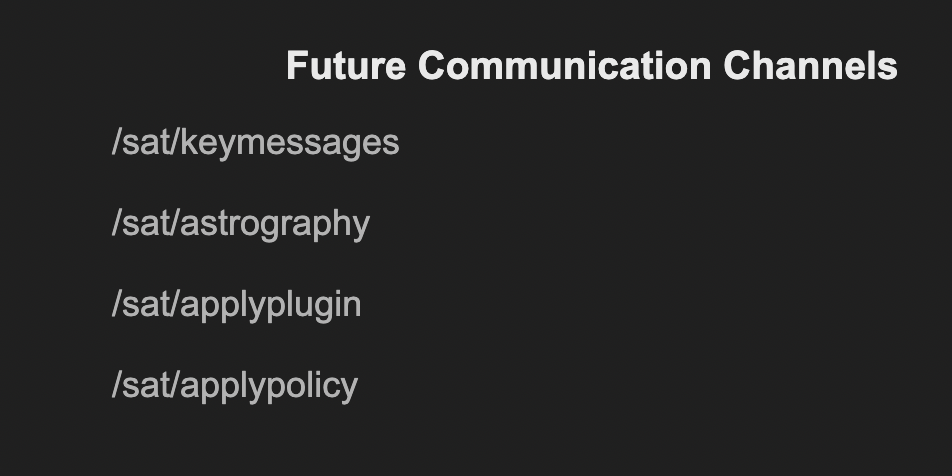
And because no social media platforms like Twitter, Discord, official websites, etc. are established, the project will likely use a very geeky way, where future information will be presented on the sats controlled by the team themselves.
Source: https://ordin-d...
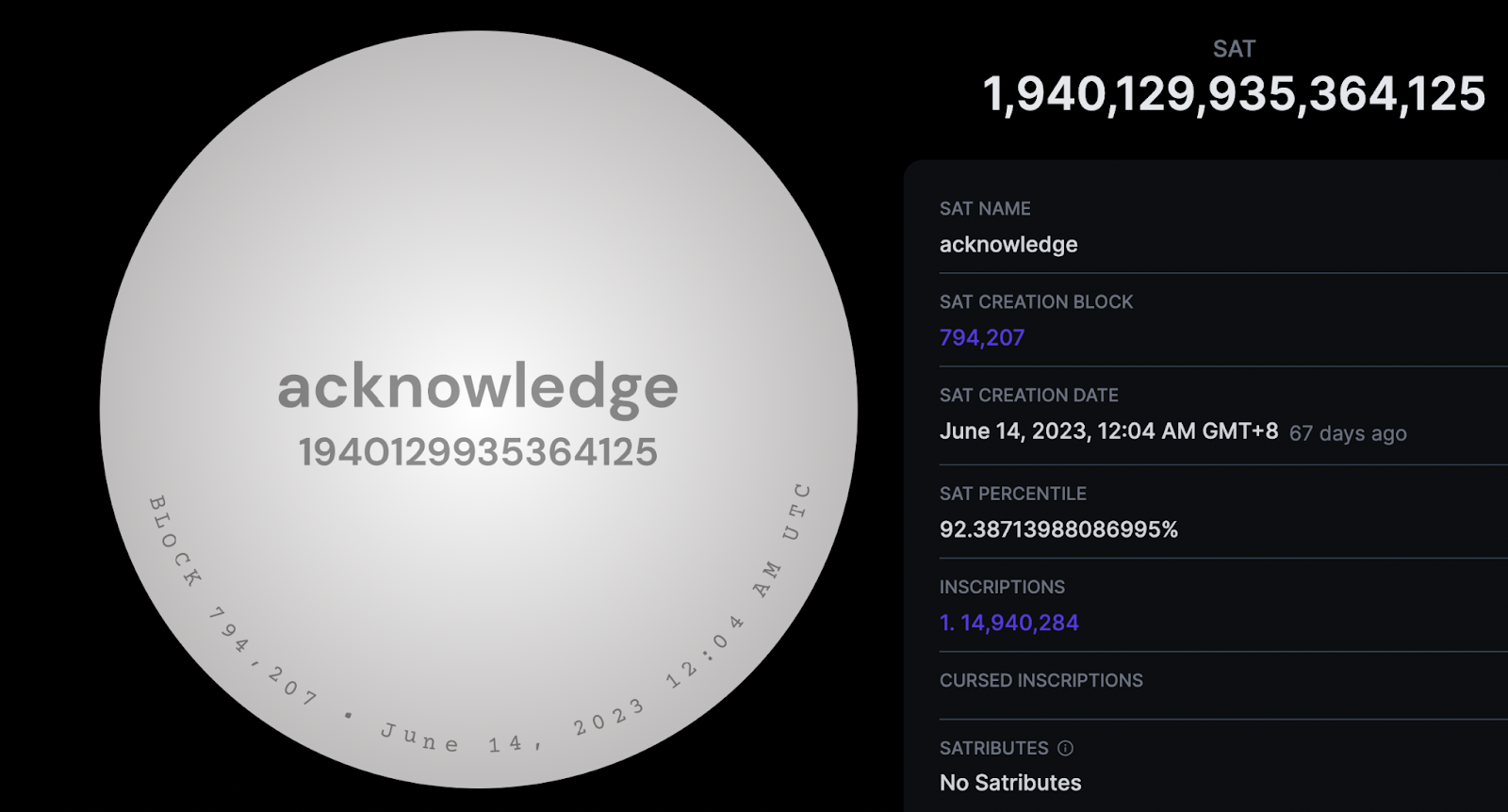
In addition to the four channels disclosed by the project, there is also a hidden Easter egg: in the inscription content referenced by the project ( https://ordin-delta.vercel.app/content/4f59fc257a7c78d4074dcd7a4a55360d56986f474700adc7dc37ac231901fc40i0), there is a hidden string in the code: future Communication channels on /sats/ acknowledge, and acknowledge happens to be a sats belonging to the team.
Source: https://www.ord.io/sat/1940129935364125
(3) BRC 69 Project: Orditroops
BRC 69 is a new standard created by Luminex for building recursive set collections (https://github.com/luminexord/brc69). This standard utilizes recursive inscriptions to optimize the cost of inscriptions on Bitcoin using the ordinal protocol, facilitating the introduction of recursive collections on Bitcoin. Furthermore, BRC 69 provides high flexibility and opens doors for more enhanced functionalities and features, paving the way for more interesting on-chain functionalities such as pre-display features.
With BRC 69, the inscription cost of Ordinals collections can be reduced by over 90%. This reduction is achieved through a 4-step process:
Record Features
Deploy Collection
Compile Collection
Create Asset
As long as the creator of the collection publishes the official inscription list of their collection according to the current requirements, all these processes can be done without the need for an external indexer. In addition, the images will be automatically rendered on all frontend interfaces that have implemented recursive inscriptions, without any additional steps required.
Orditroops is a recursive NFT based on BRC 69, which implements the content of the BRC 69 protocol and adds the feature of composability. It also reduces the image's storage space while still maintaining high resolution. The flexible combination of soldiers, weapons, and outfits adds a lot of uniqueness and fun to this NFT collection.
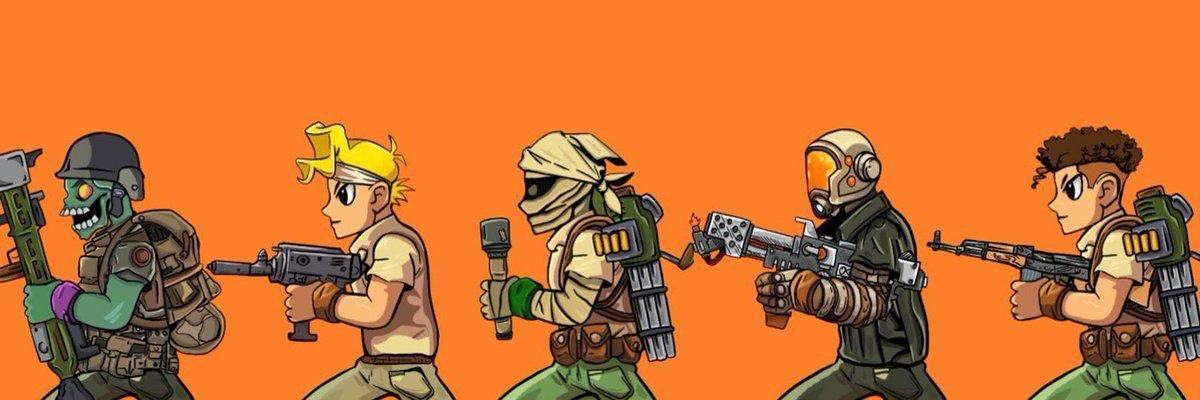
Source: https://twitter.com/OrdiTroops
(4) 3D NFT Project: OCM (On-Chain Monkeys)
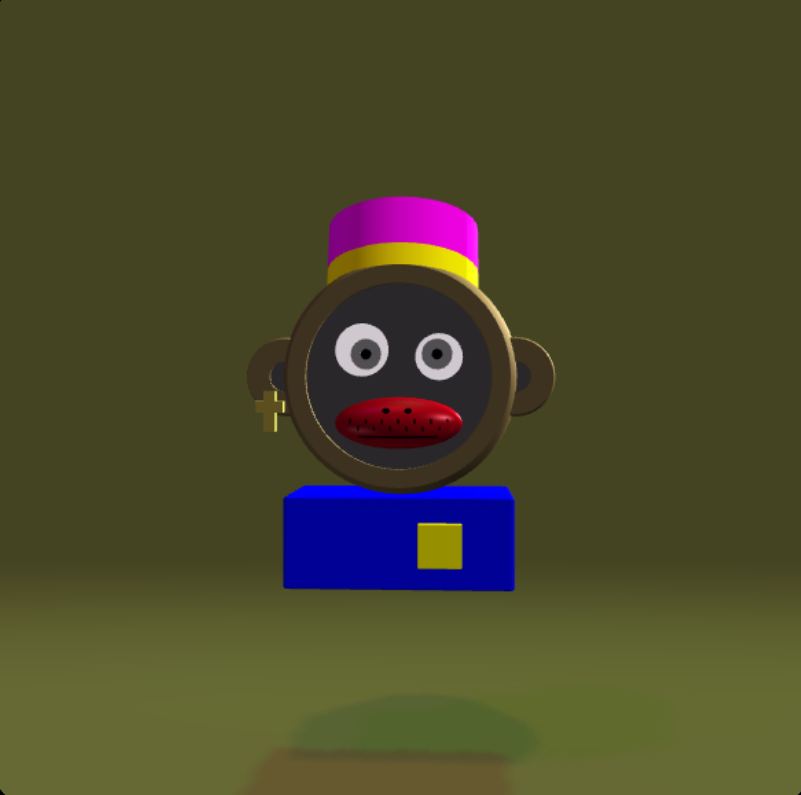
Source: https://www.ord.io/3563 188 a 3d b 53850 bba 4874729 3d ef 7 bd 6 b 7395 e 4241 b 29 ec 7 d 49892945 cf 927 i 0
OCM is the first 3D NFT project that follows the recursive script standard. OnChainMonkey was initially created as an NFT project on Ethereum in September 2021, and earlier this year, the OnChainMonkey series appeared as the first 10k series engraved on Bitcoin.
As a high-resolution 3D animated script, OCM quickly stands out with its details and quality. It's worth noting that before it, most scripts were still small text files or low-resolution images. Even on 4K or 8K monitors, OCM can provide good clarity, which is achieved through files that are no larger than 1 KB, something that previous projects struggled with.
OCM is able to achieve this by pioneering the use of powerful recursive scripts. The first 300 OCM scripts are engraved on consecutive 300 satoshis on Bitcoin, starting from block 78 of 2009, sorted in ascending order by their satoshi value on the blockchain. The creators of OCM used compressed code and referenced the P5.JS and Three.JS libraries for future creators to use. Users can view and access the libraries in their browsers, automatically decompressing them when rendering Dimensions Interactive Art on the Ordinals protocol.
Through recursive scripts, OCM efficiently utilizes block space (each less than 1 KB) and achieves randomized on-chain revelations, combining features such as high-definition quality, 3D, animation, and interactive art.
(5) Chain-based Music Engine: Descent into Darkness Music Engine
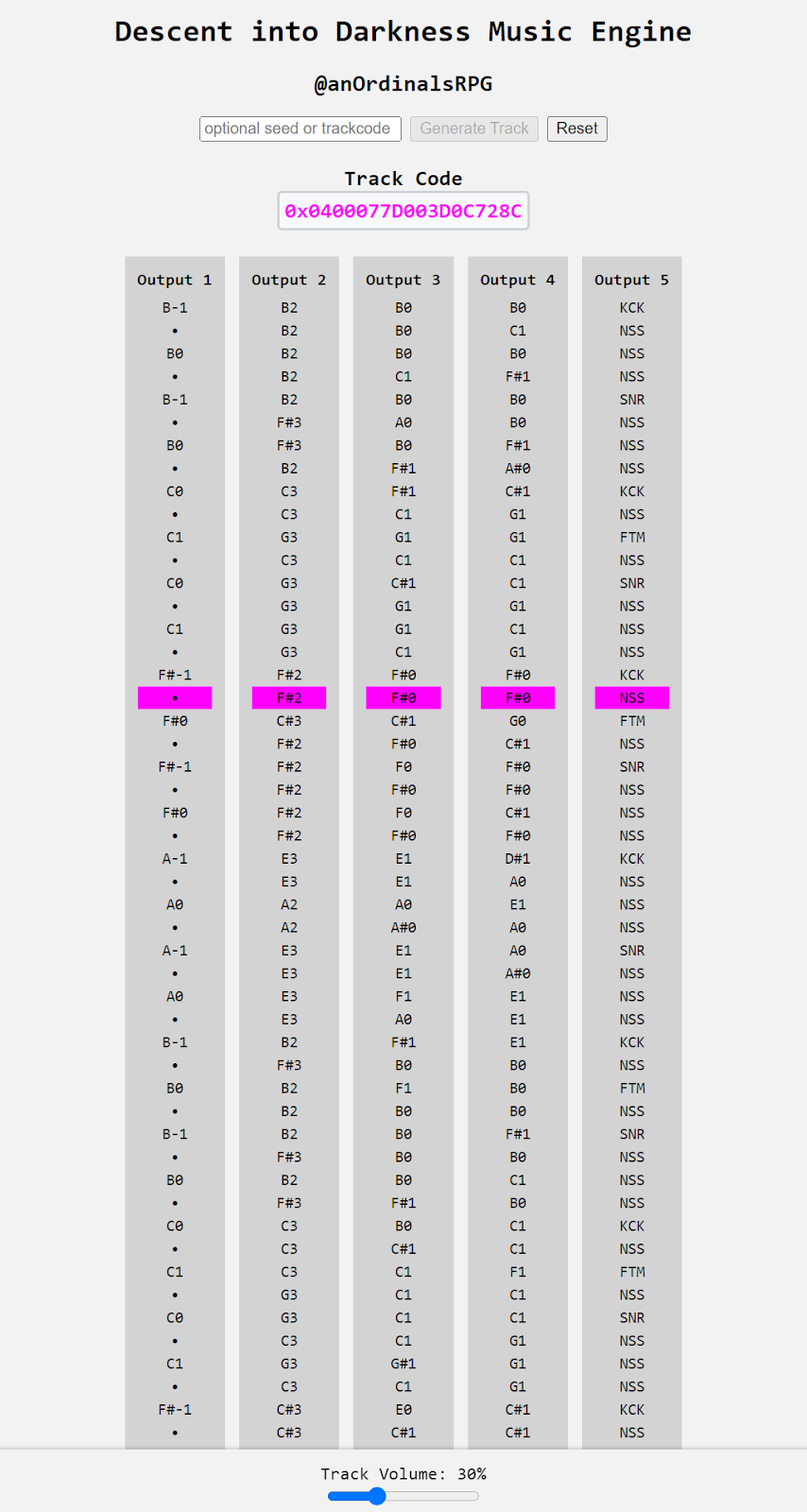
Source: https://ordinals.com/content/ 6 fd 06768414 dfc 2b d 68 b 55869 eea 6844864 fbf 71 ee 72 ec 26568520 e 313 c 2bda2 i 0
Enter any word or phrase to generate unique music on the chain. This music engine is a companion product of the MUD RPG game "Descent Into Darkness" and generates music by entering keywords. Founder Ratoshi emphasizes the important role that ChatGPT played in the development of this project in terms of using music, and using recursive inscriptions helps to significantly save costs. The special combination of blockchain technology and artificial intelligence pays tribute to the classic music of retro electronic games.
(6) Single-player chain game
A game requires various component materials such as images, front-end, and business logic. If the total size of the materials is less than 4M, it can be engraved on a Sat without using recursive inscriptions.
There are two situations where recursive inscription technology is suitable:
1. The material itself is large (larger than 4M), for example, if a background image is 5M, it cannot be directly engraved on a Sat, but it can be split and placed in different Sats for reference and display;
2. If better business logic needs to be implemented, such as 100 Sats inscribed with a series of games using the same JavaScript (JS) file, in this case, recursive inscriptions are also suitable because there is no need to re-inscribe the JS file for each Sat.
The game's HTML (front-end) and JS (business logic) are engraved on the "Satoshi" of BTC, referencing each other, and a single-player H5 mini-game can be generated.
Here isThese are 3 examples of single-player H 5 mini-games:
a. Snake Game Source:
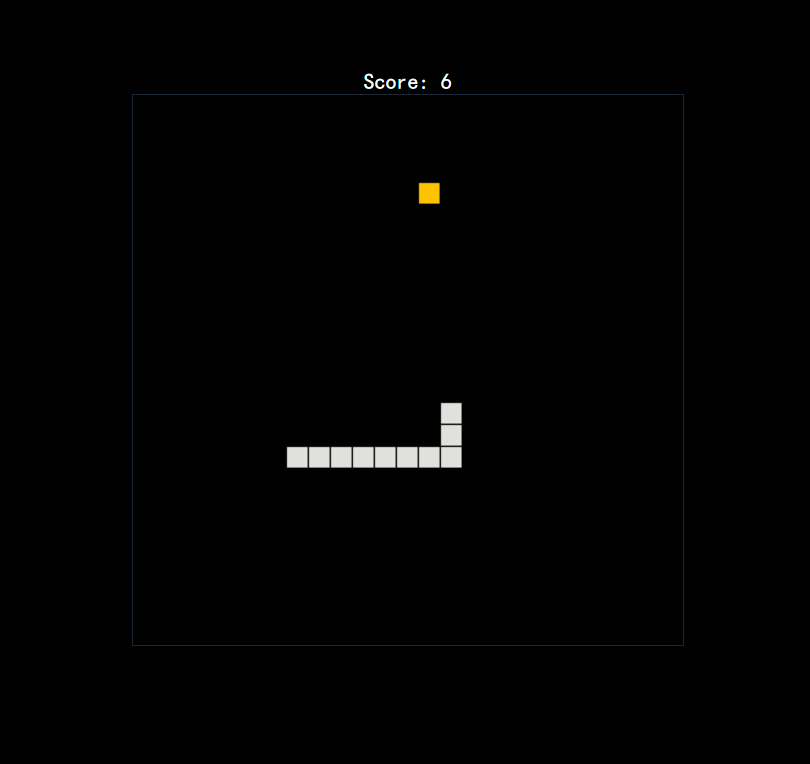
ord.io/4 31507
Bitcoin Snake Game, this game is a typical H5 single-player game, and it is a well-known game: Snake. The frontend and execution logic of this game are all written on this Sat, and the recursive inscription technique is not used. This series has a total of 100 NFTs. In fact, a better approach would be to inscribe the JS file (business logic) on one Sat and use 100 different inscribed HTML Sats to refer to (or call) the Sat where the JS file is inscribed to generate the inscription. This will be more concise.
b. Link Game
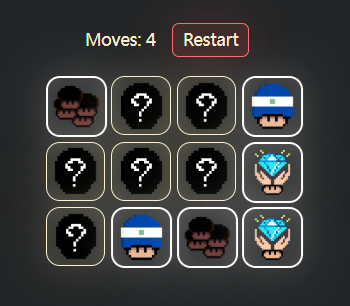
Source: ord.io/18201467
As shown in the figure, this game is a 3*4 digit grid (this is the simple mode, and the complex mode is a 6*6 digit grid). Two grids can be clicked at a time. When the images of the two grids are the same, they are fixed and displayed; if they are different, they are directly displayed as question marks. The game is completed within a certain number of clicks to be considered a victory. Limiting the number of clicks tests the player's short-term memory. This game is similar to the familiar Link Game. The JS and HTML of this game are all inscribed on this Sat, but it references the "background image" (background image shown in the figure below), so it is a simple application of recursive inscription.
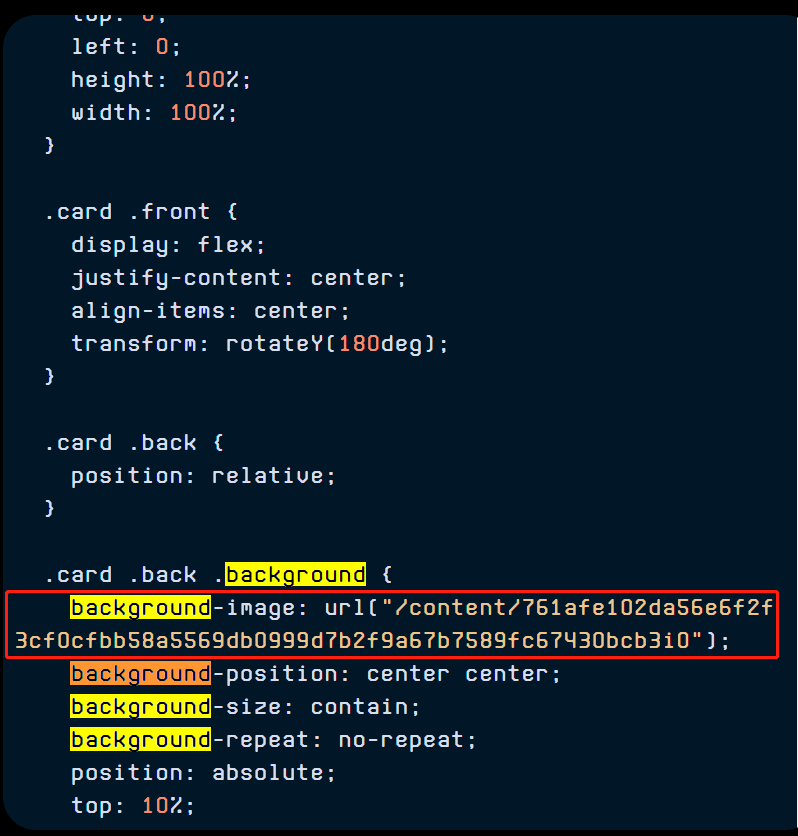
Source: ord.io/18201467
c. MUD game
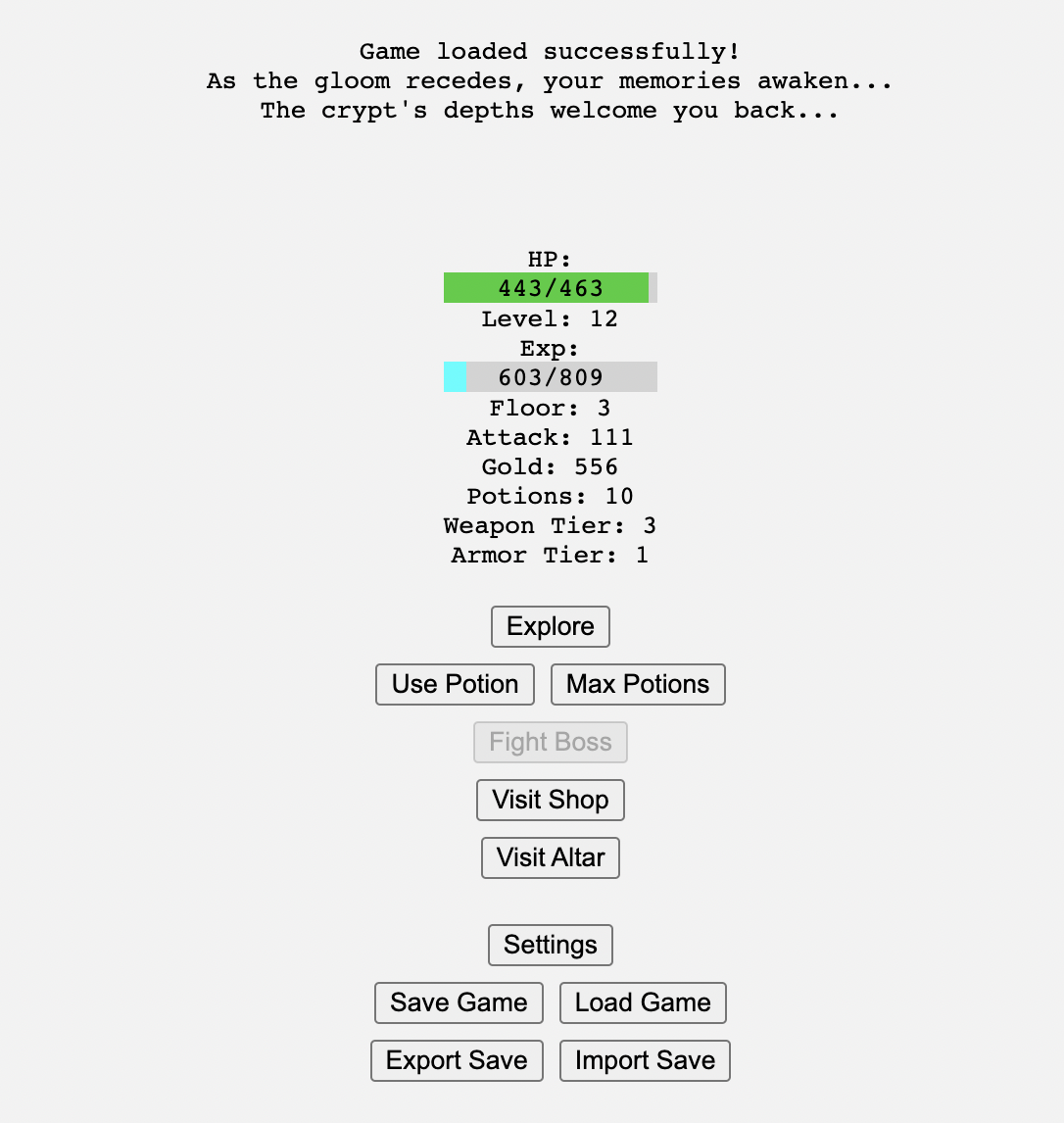
Source: https://ordinals.com/content/ 1915 ae 7 d 46502199 a 7 d 03256 efd 7 f 6 e 2 f 6 aabb 8 ed 7176 b 34 f 70 b 7 b 8 fd 778 b 36 ci 0
Descent into Darkness is a text-based role-playing game that combines classic MUD game elements with ordinals technology, providing players with a unique gaming experience.
In Descent into Darkness, players will play as an adventurer seeking a way out in the darkness. The game features monsters, quests, and boss battles. Players need to fight monsters to complete quests, unlock new quests, and obtain gold to upgrade equipment and buy items.
The above 3 single-player H 5 mini-games are very simple applications. As games, they are not complete. There is no on-chain process for game start, progress, or end. The game progress cannot be saved, and after the game ends, Sat's inscription remains unchanged. Only the game logic is defined, and the game state is not saved. This is just a preliminary attempt at BTC chain games.
(7) Multiplayer blockchain game: BTC PixelWar
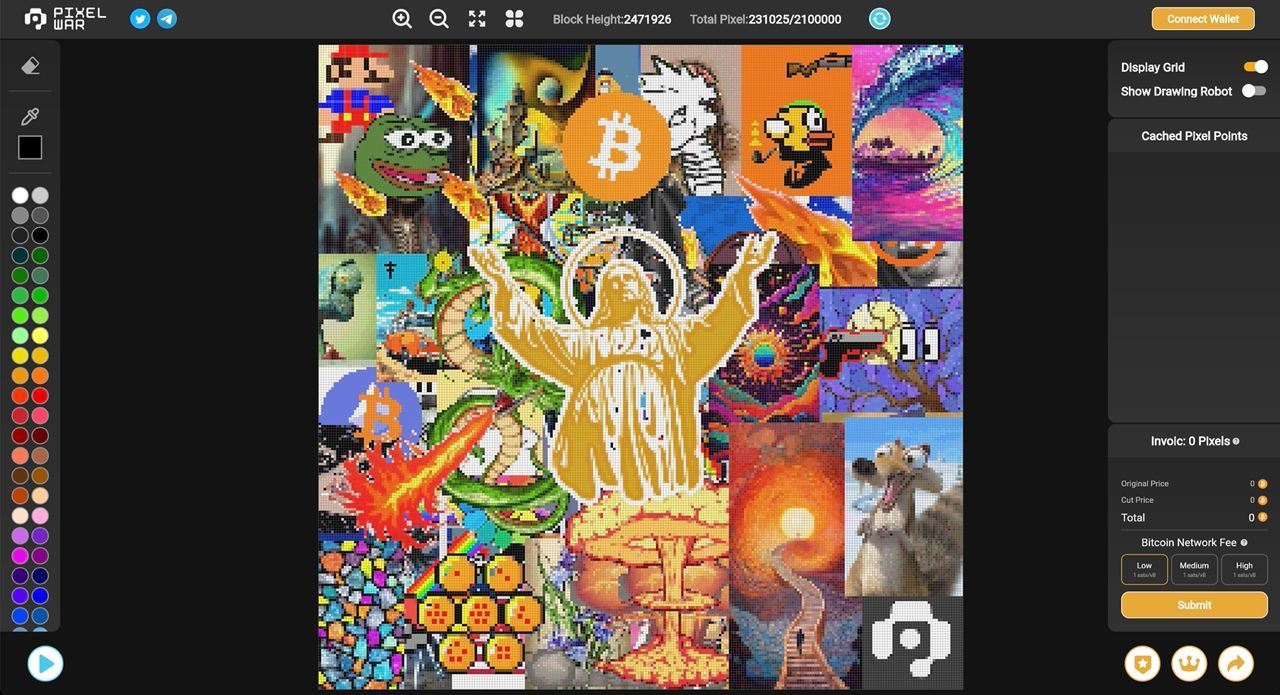
Source: https://twitter.com/btcpixelwar
BTC PixelWar is a BTC on-chain multiplayer game, claiming to be the first on-chain multiplayer game on the BTC chain. Participants can create on a canvas of 256 * 256 pixel grids. They can directly click on the pixels or upload images to generate pixels on the canvas. Each submit generates an inscription of the latest state of the entire canvas, referencing the inscription of the previous state. This project may have the most recursion in the current market and is a significant application in the field of recursive inscriptions.
This project proposes a new standard, "BRC 72 1Co found", which allows all Bitcoin users to collaborate on the same canvas using recursive inscriptions and record the process. Each moment is represented by an inscription describing the appearance of the collectively created canvas at that moment. This inscription is called a "moment inscription" and includes newly added or updated pixels at that time, as well as references to the previous "moment inscription" and "code inscription" for handling image changes between two moments. Considering the potentially large number of participants in collaborative drawing, rendering the latest state of the canvas requires deep recursion to load the pixels drawn by each person. However, this process may cause longer loading times. To address this issue, the "code inscription" is designed to take a snapshot of the latest canvas state after the rendering of the current "moment inscription". This snapshot is then stored in the "moment inscription"'s DOM tree. Sequential browsers can simplify the rendering process and reduce the recursion levels by caching the DOM trees of each rendering moment inscription.
Overall, BTC PixelWar is an innovative and iconic BTC multiplayer on-chain game. It enables collaborative creation and optimizes the rendering process. The introduced "BRC 72 1Co found" standard opens up new possibilities for multiplayer game applications on the Bitcoin chain and demonstrates the potential of recursive inscriptions in the gaming and social domains.
V. Bitcoin Recursive Inscriptions
The challenges and future development of text
Recursive inscriptions have opened up the era of Inscription 2.0 on the chain, making the gameplay of BTC NFT more and more diverse. It has become increasingly possible for BTC NFT to take a different path from NFT on other chains such as Ethereum. The future imagination/narrative space is vast.
Recursive inscriptions establish connections between previously independent inscriptions, making them refer to each other, thus forming a structure of diverse types of databases. In previous articles, we discussed various derivative protocols based on Ordinals. In fact, when recursive inscriptions are combined with the aforementioned derivative protocols, they will be able to read other inscriptions and react based on their own smart instructions to update their states. By indexing, they can directly manipulate the state of the protocol, forming a coherent set of actions similar to smart contract effects.
At the same time, the vast recursive inscription database provides inscriptions with more operational space and imaginative space. This includes metadata from various fields such as basic data, knowledge base, code repository, and function library, and they can directly refer to each other to achieve complex logic in product applications. Therefore, we can expect the generation of recursive inscriptions to be deeply adopted in fields such as generative art, chain games, and metaverse, and believe that killer applications for the future are brewing.
At the same time, recursive inscriptions also face some challenges:
1. If the recursion level increases, such as increasing to ten thousand levels of recursion, can the relevant parsers for off-chain rendering parse quickly?
2. If the number of referenced inscriptions increases, such as if a Sat references ten thousand inscriptions at the same time, can the relevant parsers for off-chain rendering parse quickly?
If these two points can be achieved, theoretically, the games or NFTs generated by recursive inscriptions can be infinitely complex and sophisticated. These two problems are difficult to solve fundamentally due to the limitations of the BTC network itself, but they can be implemented through indirect technical solutions.
Conclusion
The recursive upgrade in the Ordinals protocol allows inscriptions to interact with each other, thereby achieving new and exciting use cases. With this functionality, generative art, on-chain displays, and efficient storage have now become a reality. We can see that developers in the BTC ecosystem are continuing to create and develop in various directions such as chain games, generative art, etc. Works based on recursive inscriptions emerge one after another, and various components of constructing a large-scale project are slowly coming together. In the future, we can further anticipate the emergence of projects with complex product logic, such as on-chain games, metaverse, interactive generative art, and more.
Reference:
https://github.com/1nftopia/brc721co found
https://github.com/1nftopia/brc721auto/tree/main
Statement: This report was written by students of @GryphsisAcademy under the guidance of @JellyZhouishere and @979_eth and @Erjiueth. The author is solely responsible for all content and this content may not necessarily reflect the views of Gryphsis Academy or the organization commissioned to write the report. Editorial content and decisions are not influenced by readers. Please be aware that the author may own cryptocurrencies mentioned in this report. This document is for informational purposes only and should not be relied upon as a basis for investment decisions. It is strongly recommended that you conduct your own research and consult with an independent financial, tax, or legal advisor before making any investment decisions. Please remember that past performance of any assets is not indicative of future returns.





