






Experience Wallet Security Tool Shield3: The "360" of the Web3 World


The Web3 industry has always been a hotbed for hacker attacks, with various attack methods emerging one after another, making it difficult for users to defend themselves. Apart from malicious actions by project parties or vulnerabilities in smart contracts, most attacks target individual wallets. These attacks include deceiving users through phishing links to authorize false transactions, leaking private keys or other sensitive information, resulting in personal asset losses. Therefore, protecting Web3 wallets is of utmost importance.
The protection of Web3 wallets requires not only enhanced individual risk awareness but also professional security tools to assist. Odaily recently discovered a security tool for Web3 wallets called Shield 3, which safeguards user wallet security in a manner similar to 360 Security Guard. After testing this tool, we found that Shield 3 not only provides real-time alerts for potential risks during on-chain operations but also displays different categories of risk events on its panel page. Although there is room for improvement in Shield 3 at the product level (such as adding a filter layer to make it more seamless), it still serves as a positive warning and protection mechanism for users who frequently interact (or "pluck hair" in Chinese slang) in the Web3 environment.
Basic Functions and Usage Process of Shield 3
Shield 3 is now available in a testing version, supporting the Ethereum mainnet, Polygon, and their respective testnets.
Users can choose from three levels of service: free, paid, or customized, which correspond to different levels of security protection service permissions. The following experience is based on the free service.
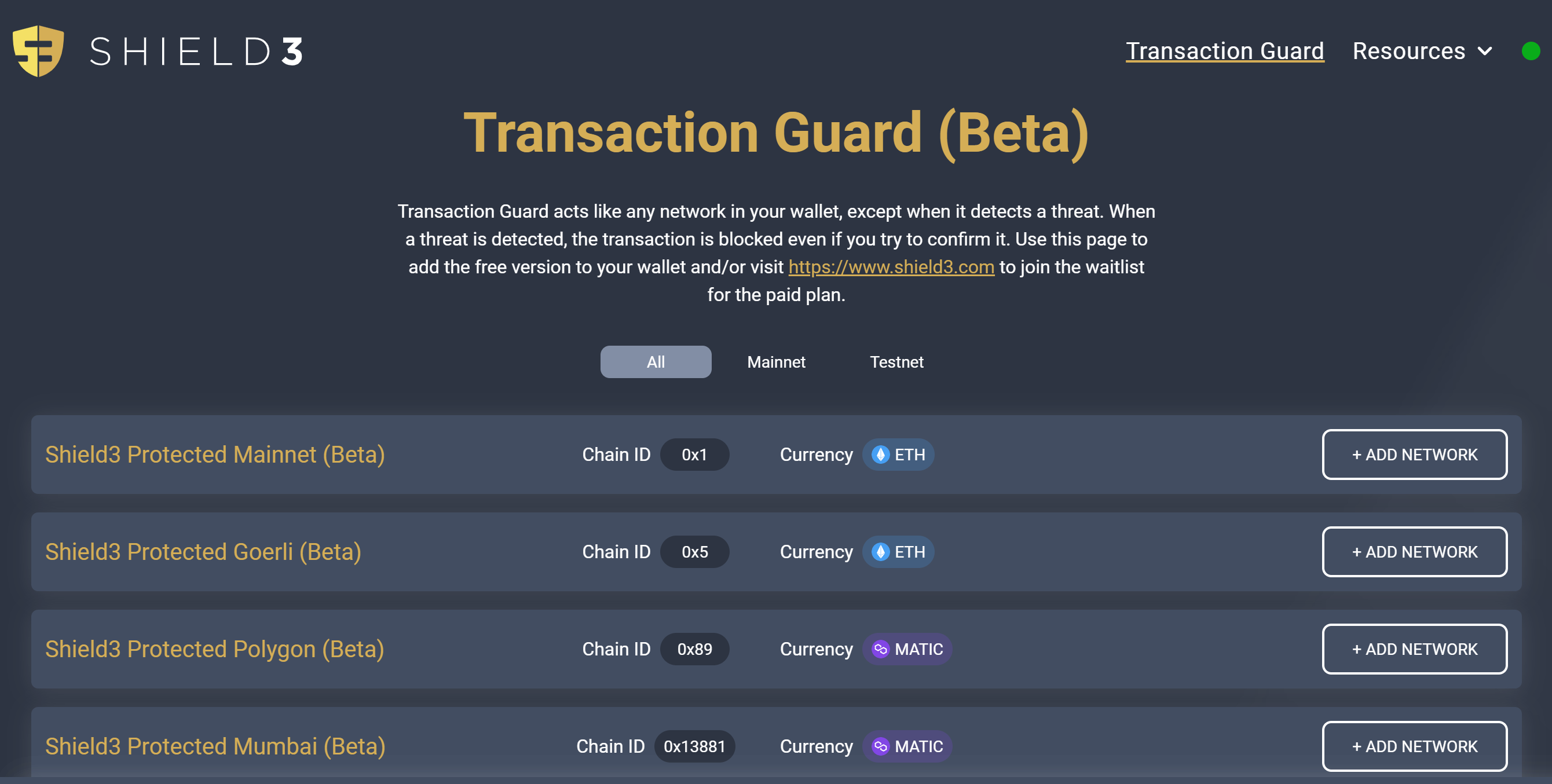
In summary, Shield 3 scans and monitors the connected DAPPs to the wallet for potential risks (such as scams and vulnerabilities) and provides an overall security rating for on-chain interactions. When potential threats are detected, users will receive alerts, explanations, and recommended actions.
First, users need to provide their email to receive the API key, then they need to connect their wallet and add the network connection to Shield 3. The process is shown in the following image:
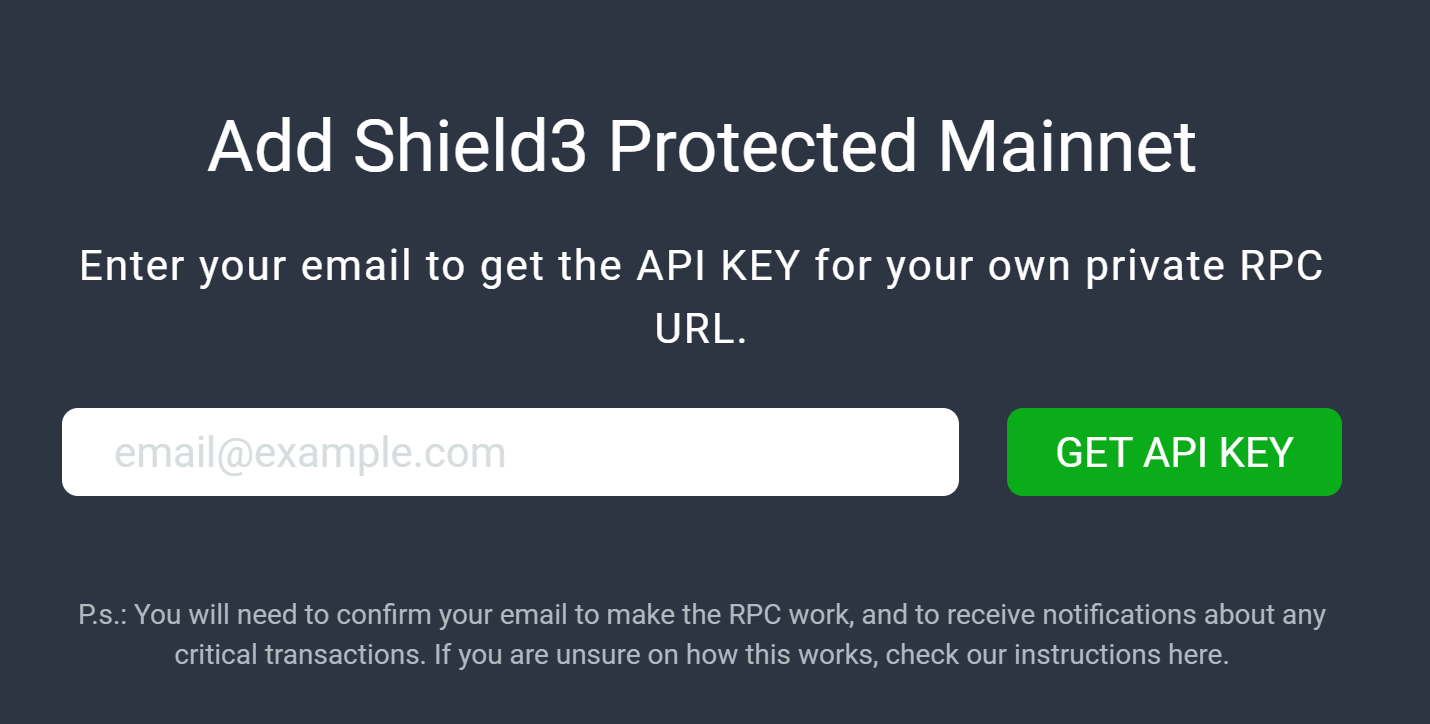
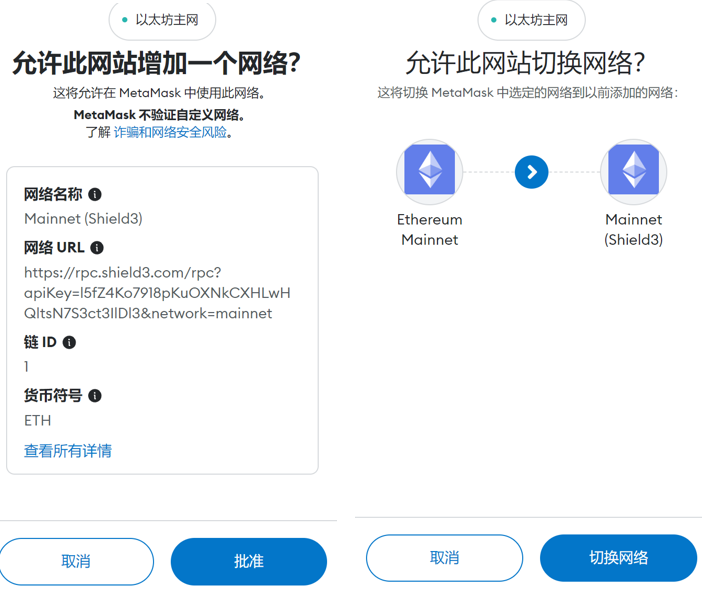
Now, let's further explain the account linking process of Shield 3: As a light node, it monitors the security of transactions and interactions in the wallet through RPC (remote procedure call). It acts as an additional filtering layer between the monitored network and the wallet, ensuring transaction security.
However, the operation of adding an additional network may not provide a good experience for first-time users (there is also a certain level of risk associated with adding the filtering layer, such as whether it might be susceptible to hacker attacks, and whether the project team is transparent and trustworthy in operating this filtering layer).
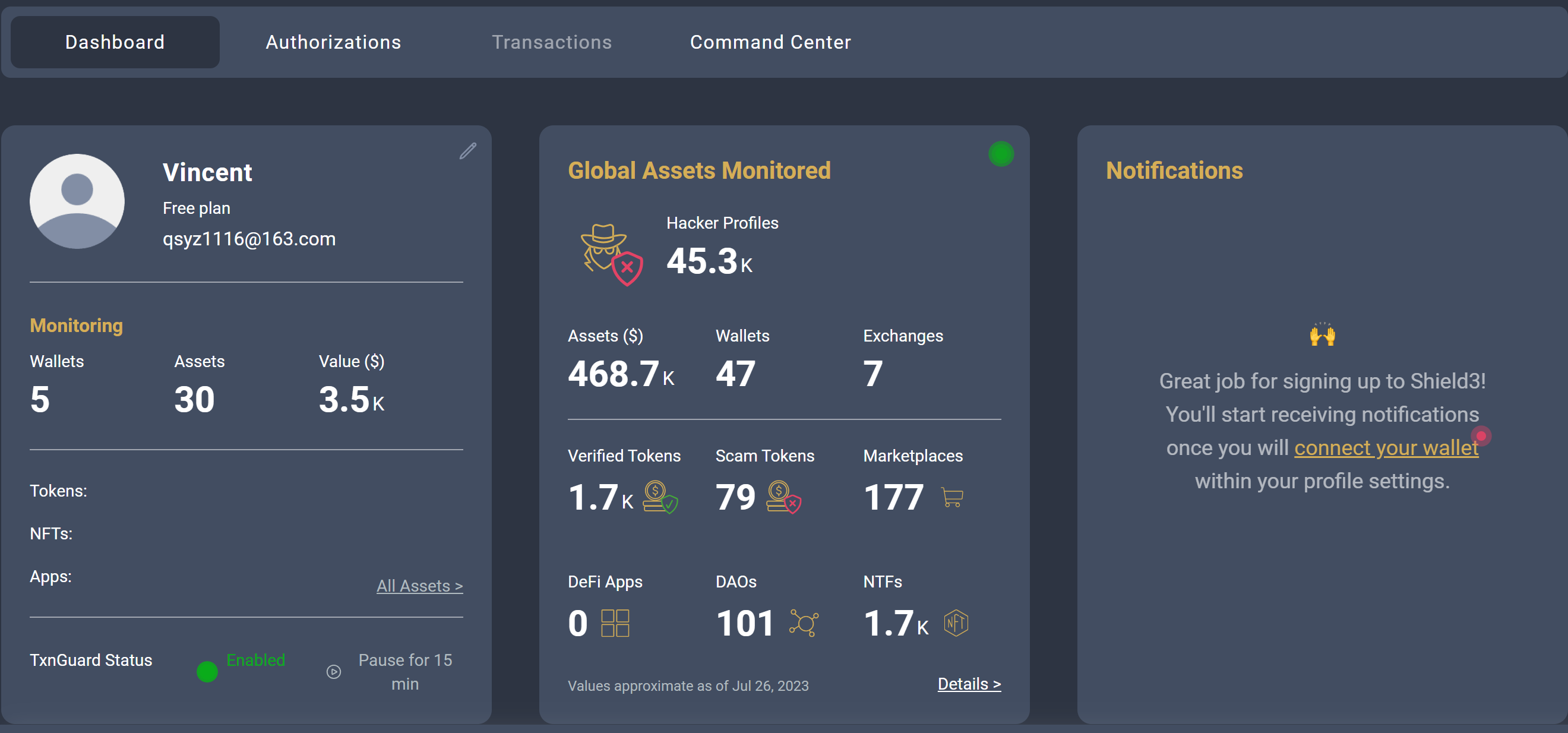
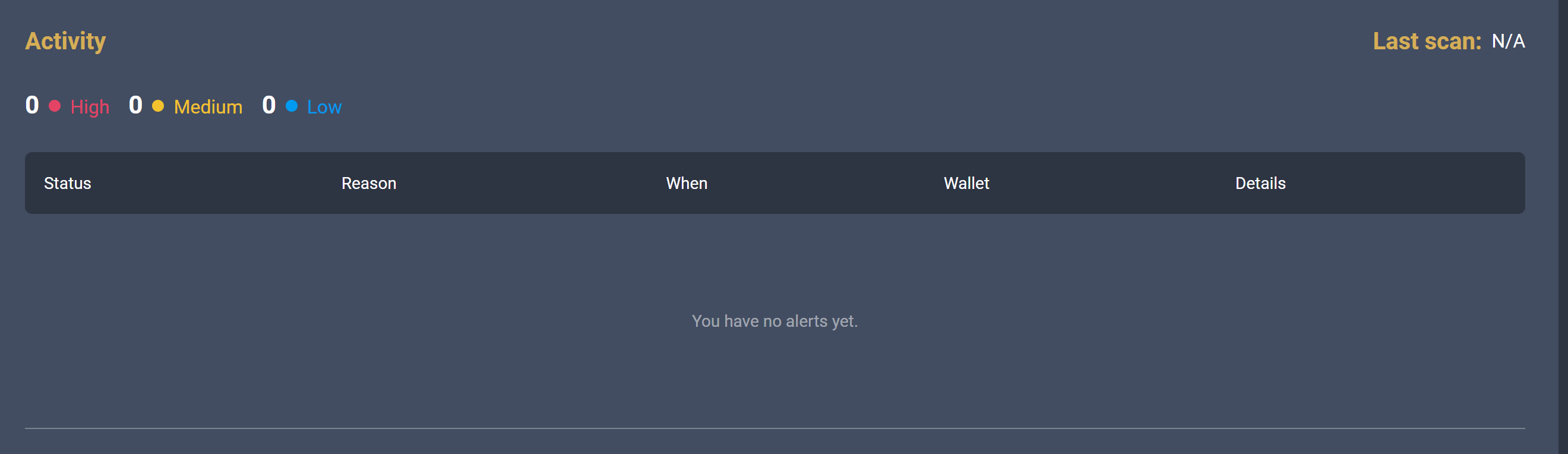
The above image is the dashboard after linking the account, through which you can see the current funding of the Shield 3 service and the monitored hacker addresses or attack methods. At the same time, the system will record on-chain activities of the wallet.
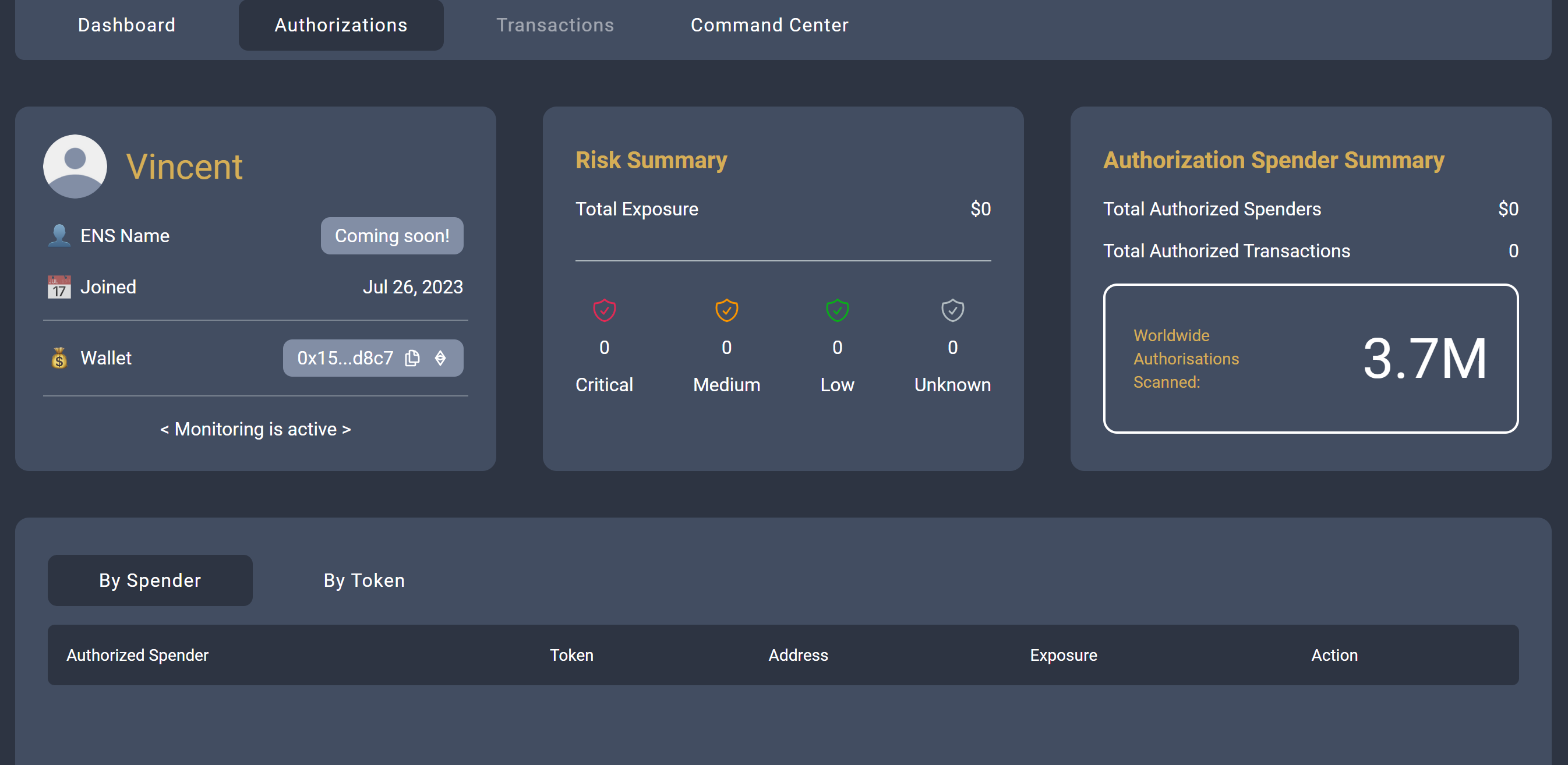
The above image shows the usage of the Shield 3 wallet after authorization. From the image, you can summarize the risks, rate the statistical authorization transaction counts and amounts, and trace the previous transaction counterparts.
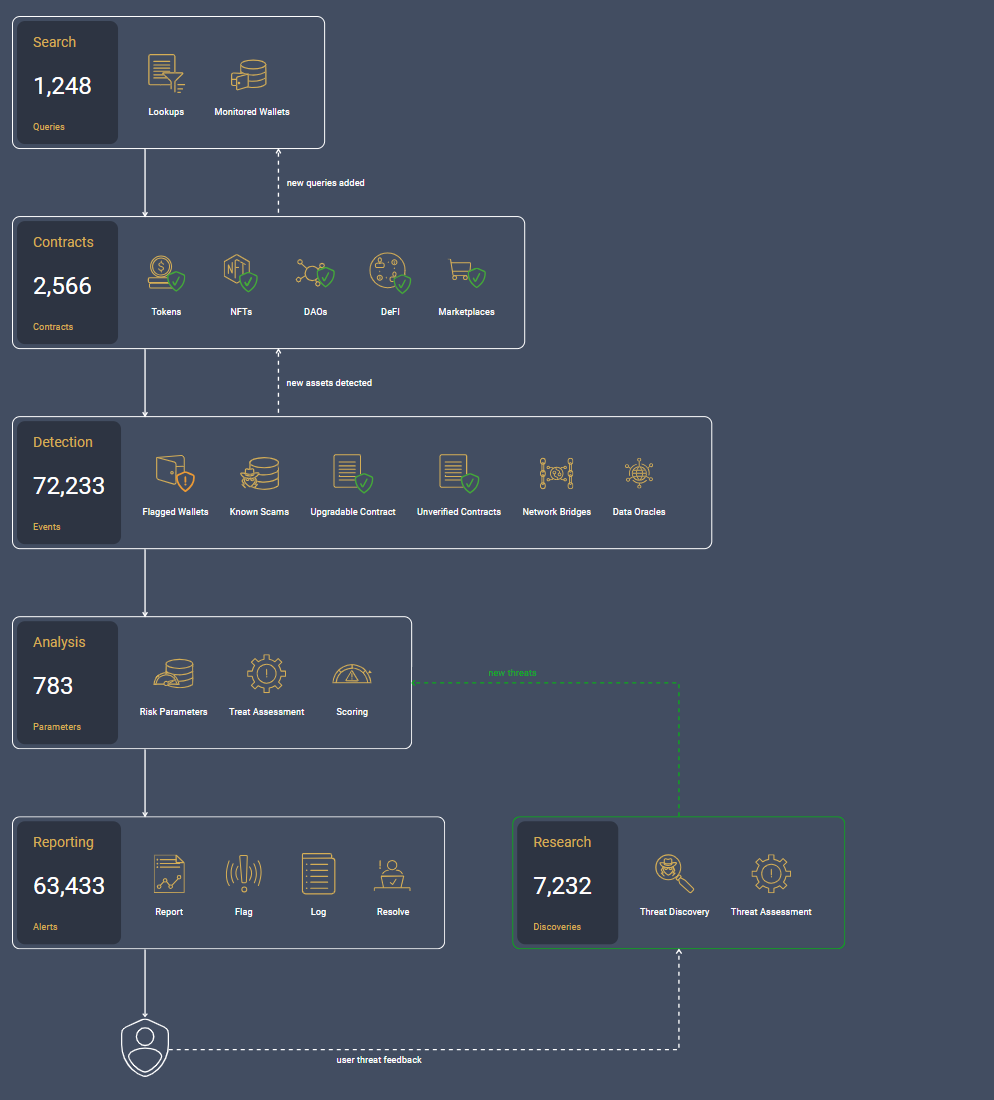
Based on the above image, you can understand the usage process of Shield 3. Shield 3 provides security protection services for wallets from multiple perspectives (search, contract, monitoring, analysis, reporting, research).
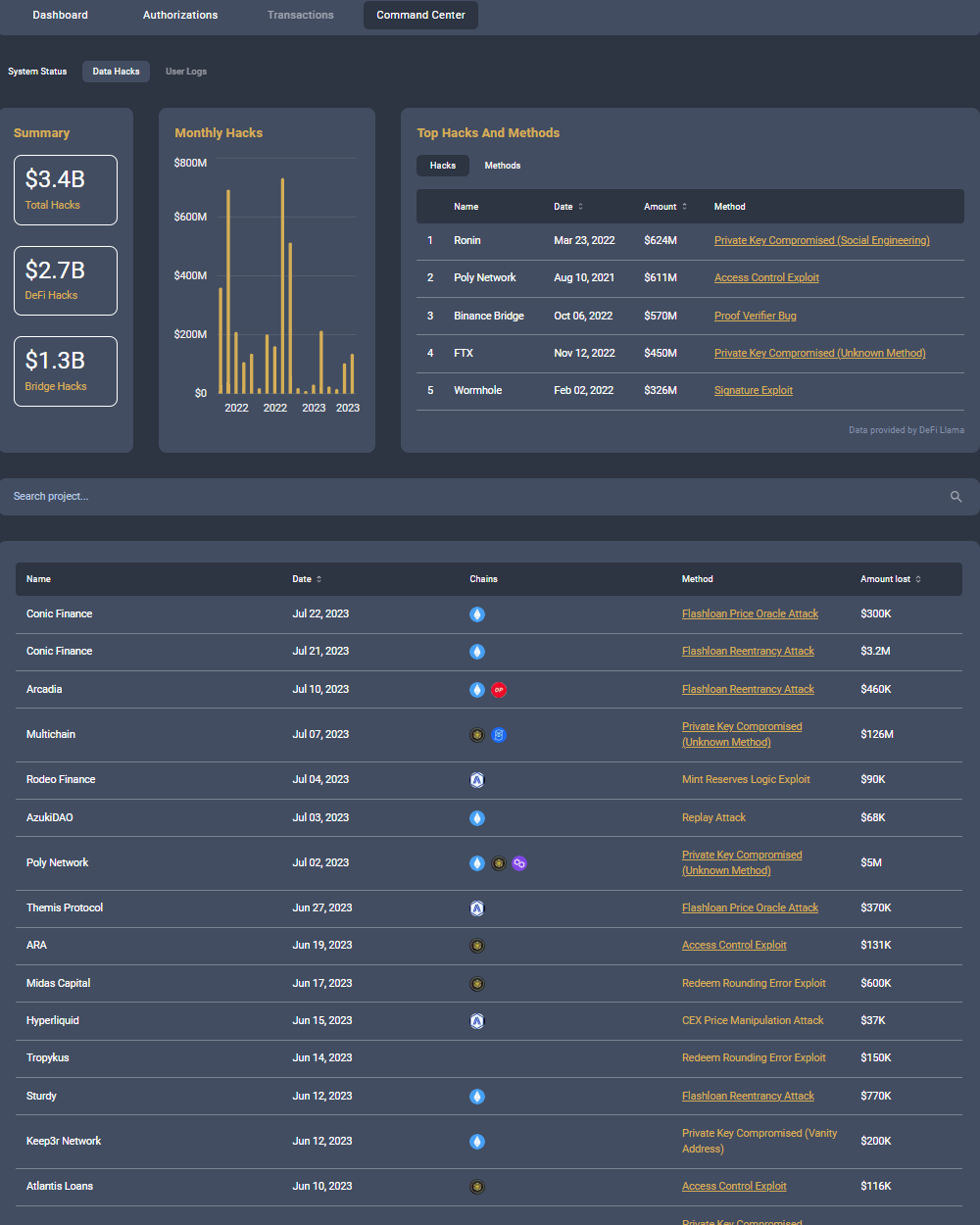
On the Command Center page, Shield 3 also monitors and displays the recent activities of on-chain hackers, demonstrating its strong real-time monitoring capabilities.
From our experience, we found that the user experience of Shield 3 is quite cumbersome. We need to open the Shield 3 website and link our account before each on-chain operation in order to use Shield 3's security services. This is because Shield 3 adopts an RPC method that requires frequent updates of remote invocation permissions to ensure the stability and security of wallet addresses. However, aside from the user experience, this product at least serves as a risk warning for us when exploring new protocols or performing high-frequency operations.





