


LD Macro Weekly Report (2023/06/26): Growing concerns of recession, currency in, stocks out.



Summary
Last week, officials from the United States and global central banks reiterated the need for further monetary tightening to control inflation, while the US stock market experienced its worst week since March. However, cryptocurrencies benefited from the entry of traditional financial giants and the support of a turbulent Russian political situation over the weekend, marking the strongest rebound in three months.
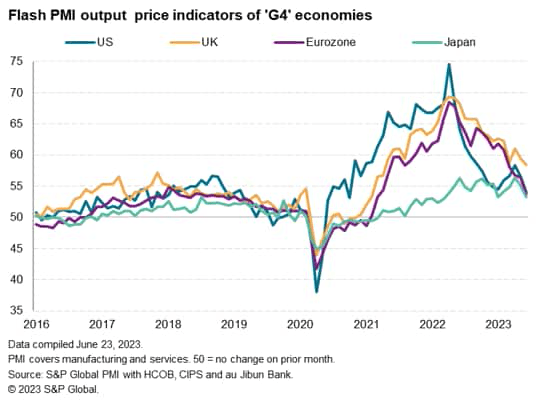
In congressional testimony, Powell warned that the market should expect more interest rate hikes in the coming months and said there is still a "long way to go" to bring inflation back to the Federal Reserve's target range, which has made the market uneasy. These comments conflict with last week's data, which showed that several major inflation indexes have been declining since July last year. In addition, Purchasing Managers' Index (PMI) data showed a significant decline in price pressures in manufacturing surveys, and price pressures in service reports fell to their lowest level in nearly three years.
Review of Traditional Capital Markets
Global stock markets experienced their worst week since the Silicon Valley bank collapse in March, indicating that the three-month market rally may be over. Investors were spooked by a new round of aggressive tightening by global central banks, such as the Bank of England raising its interest rate by 0.5% more than expected, marking the 13th consecutive rate hike, while the central banks of Switzerland, Norway, and Turkey also raised interest rates. There are signs that central bank actions have finally cooled the economy, with business activity in Europe sharply slowing in June and business activity in the United States also slowing, albeit to a lesser extent than other parts of the world.
Part of this week's pullback is also due to technical reasons, as the S&P 500 index encountered resistance levels. Last week, the index climbed above 4400 points for the first time since April last year. Since January, the S&P 500 has mostly fluctuated between 3800 and 4200 points, and the speed of the rise from 4200 to 4400 points was very fast.
The three major markets all broke their consecutive weekly uptrends: the S&P 500 index fell 1.4%, ending a five-week rally, the Nasdaq also dropped 1.4%, ending an eight-week upward trend, and the Dow Jones fell 1.7%, ending a three-week rally.
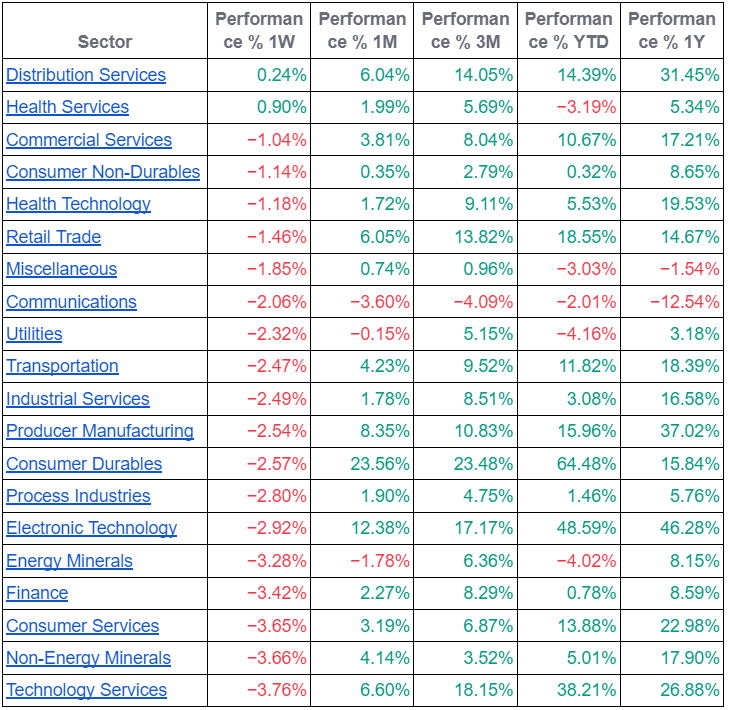
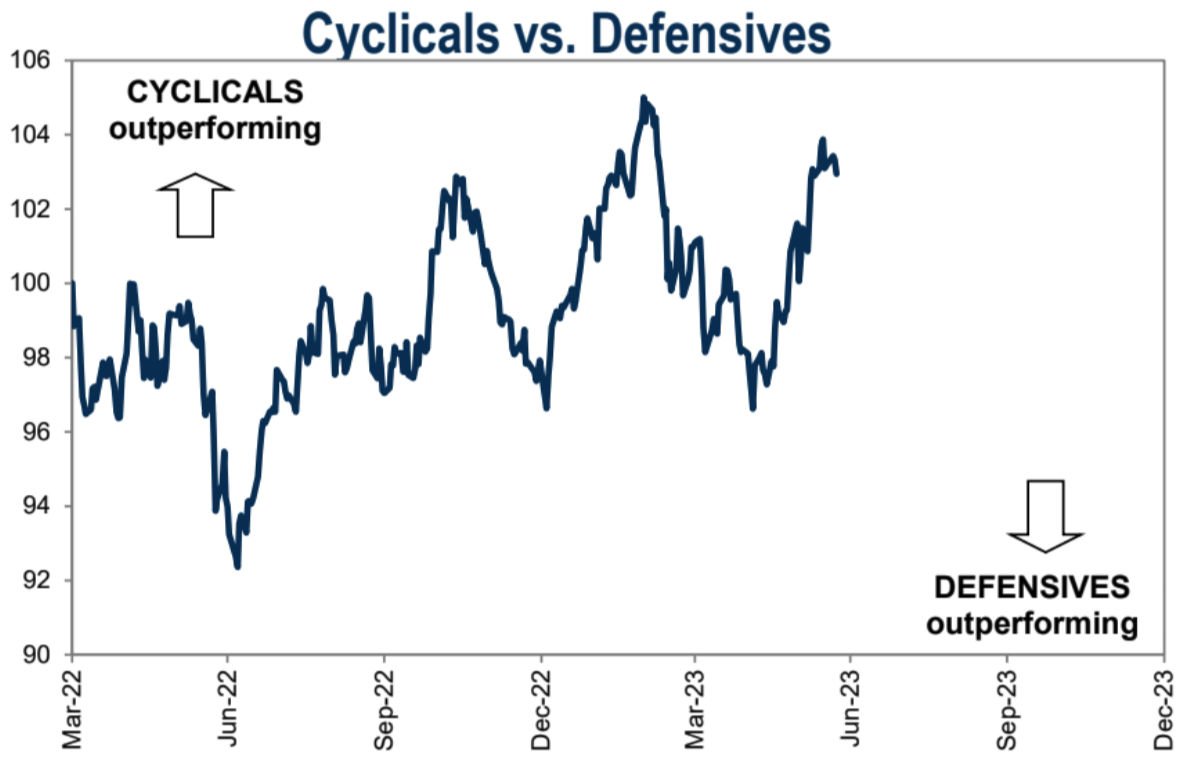
In terms of industries, distributors and healthcare barely rose, while technology and raw materials saw the largest decline. Defensive stocks outperformed cyclical stocks.
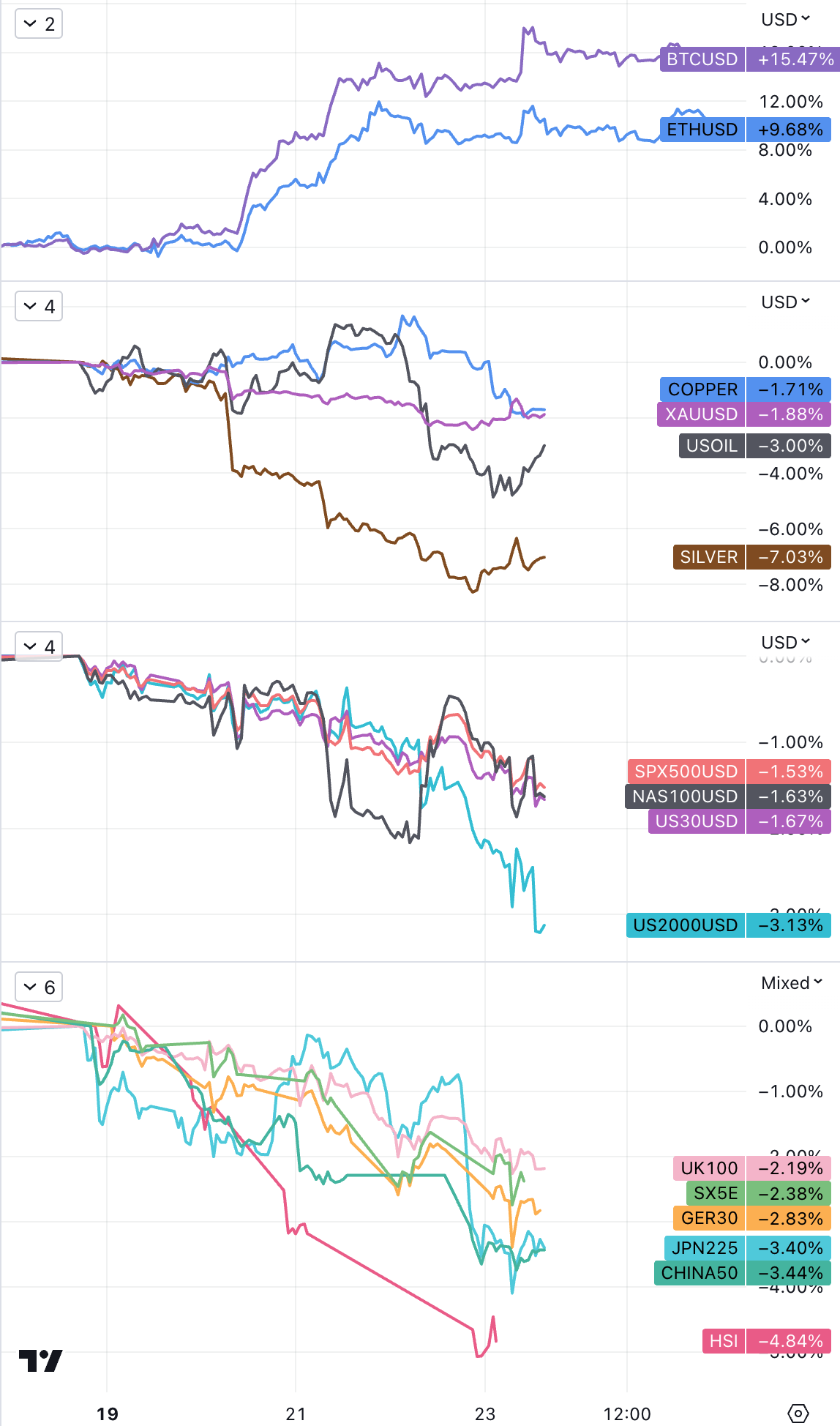
Oil, gold, and copper all fell, mainly due to recession concerns and higher expected interest rates.
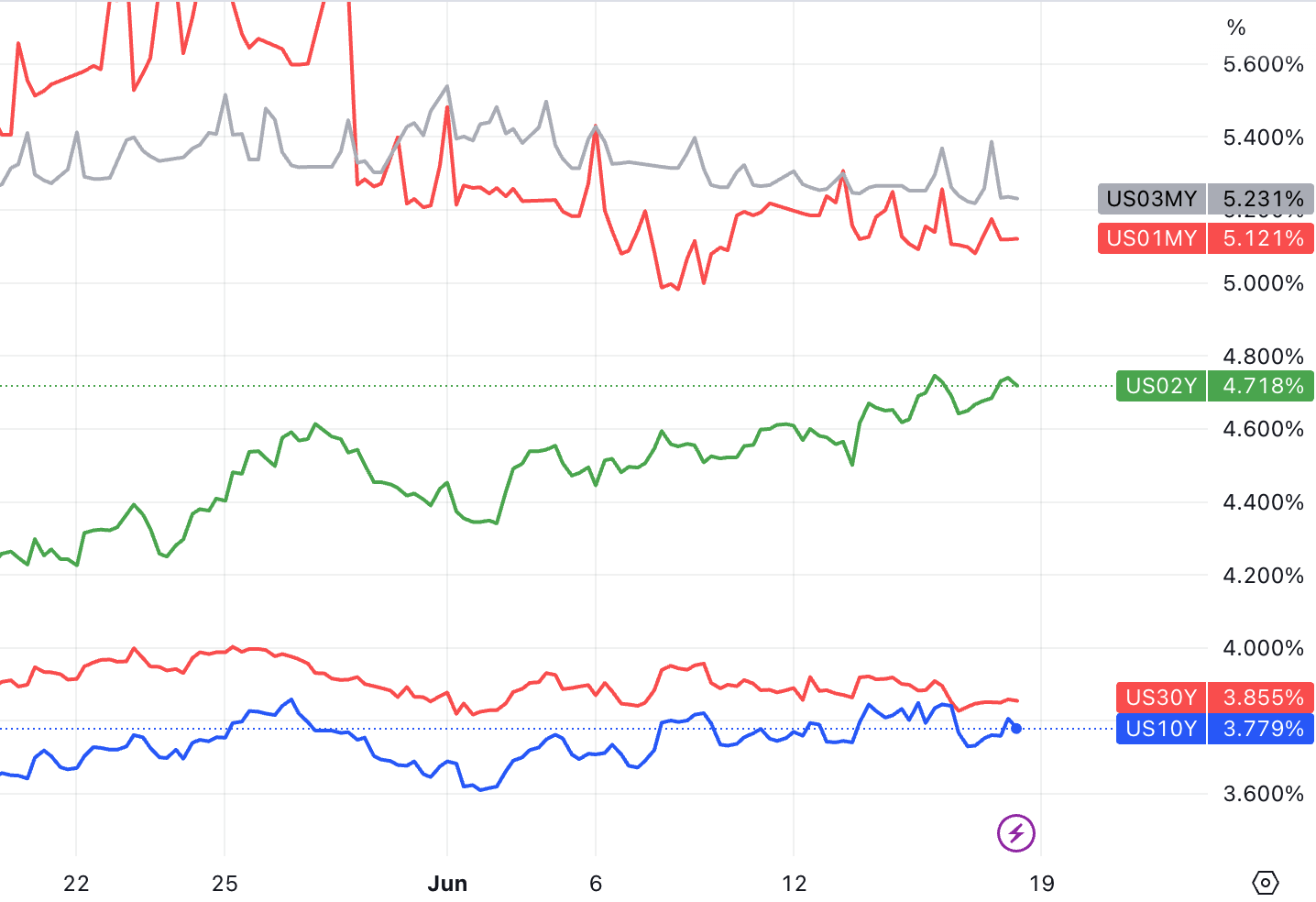
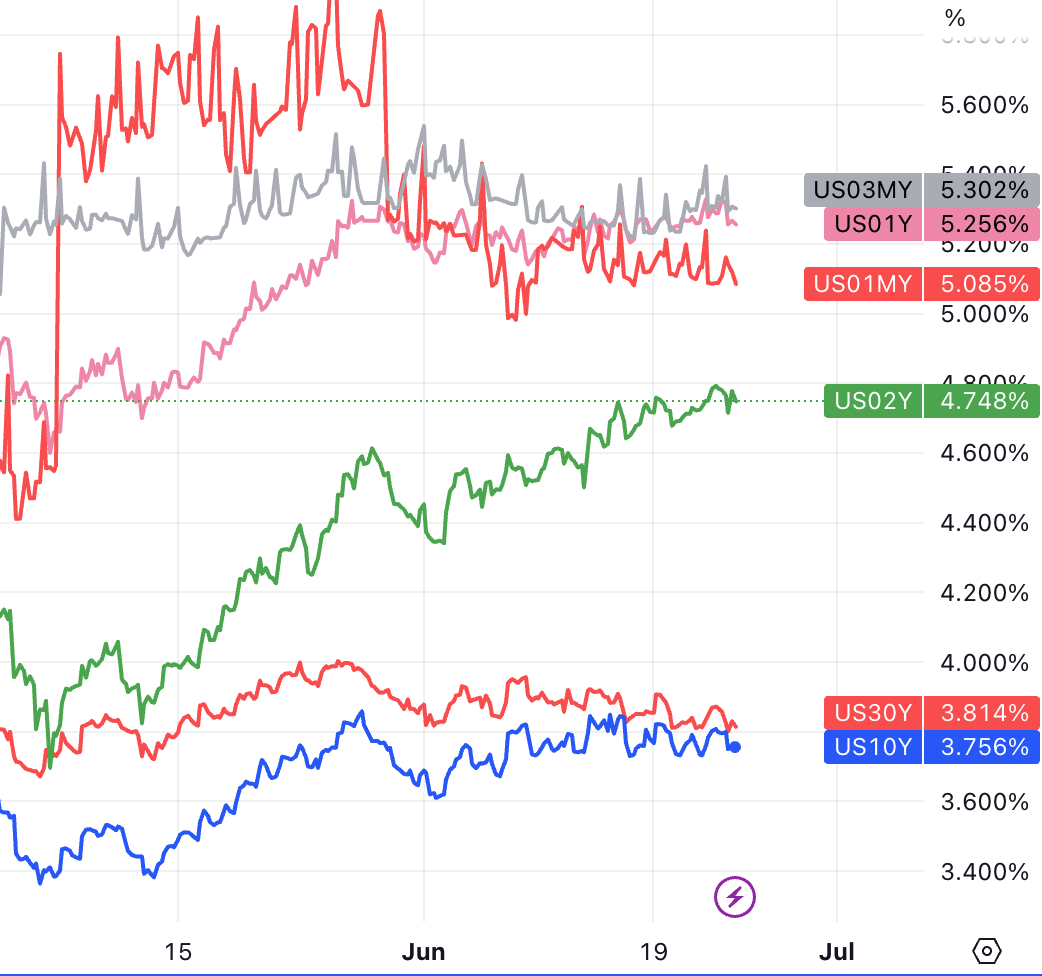
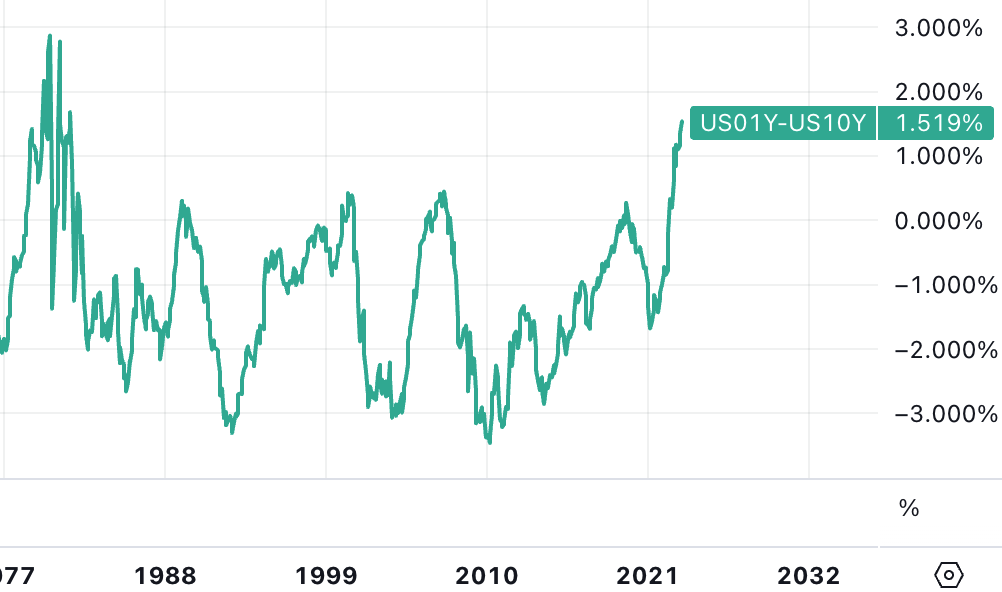
In the bond market, the yields on 3-month, 1-year, and 2-year Treasury bonds rose slightly, while the yields on 10-year and 30-year Treasury bonds remained relatively flat. The 1-10 year yield spread briefly rose to 160 basis points, the highest level of inversion since 1981.
Cryptocurrency Market Review
However, the cryptocurrency market experienced a completely different situation, benefiting from the re-entry of many traditional institutions into the crypto market. Cryptocurrencies saw their largest weekly rebound since the March banking crisis, with BTC briefly rebounding above $31,000 and Ethereum rebounding above $1,920, rising 15% and 9% respectively over the week.
At the time of the cryptocurrency's rise, several traditional finance giants, including BlackRock, Invesco, and WisdomTree, have all submitted applications for spot Bitcoin ETFs. At the same time, the EDX cryptocurrency exchange, supported by major traditional finance participants, was launched on Tuesday. The exchange is backed by Fidelity Digital Assets, Charles Schwab, and Citadel Securities, and will offer four tokens in the United States, including BTC, ETH, BCH, and LTC. In other developments, Deutsche Bank, a banking industry giant, announced on Tuesday that it has applied for a digital asset custody license in Germany.
The traditional finance participants don't seem to be deterred by the SEC's regulation of cryptocurrency exchanges. However, these news are more of a emotional stimulus for the industry and may not necessarily result in substantial capital inflows.
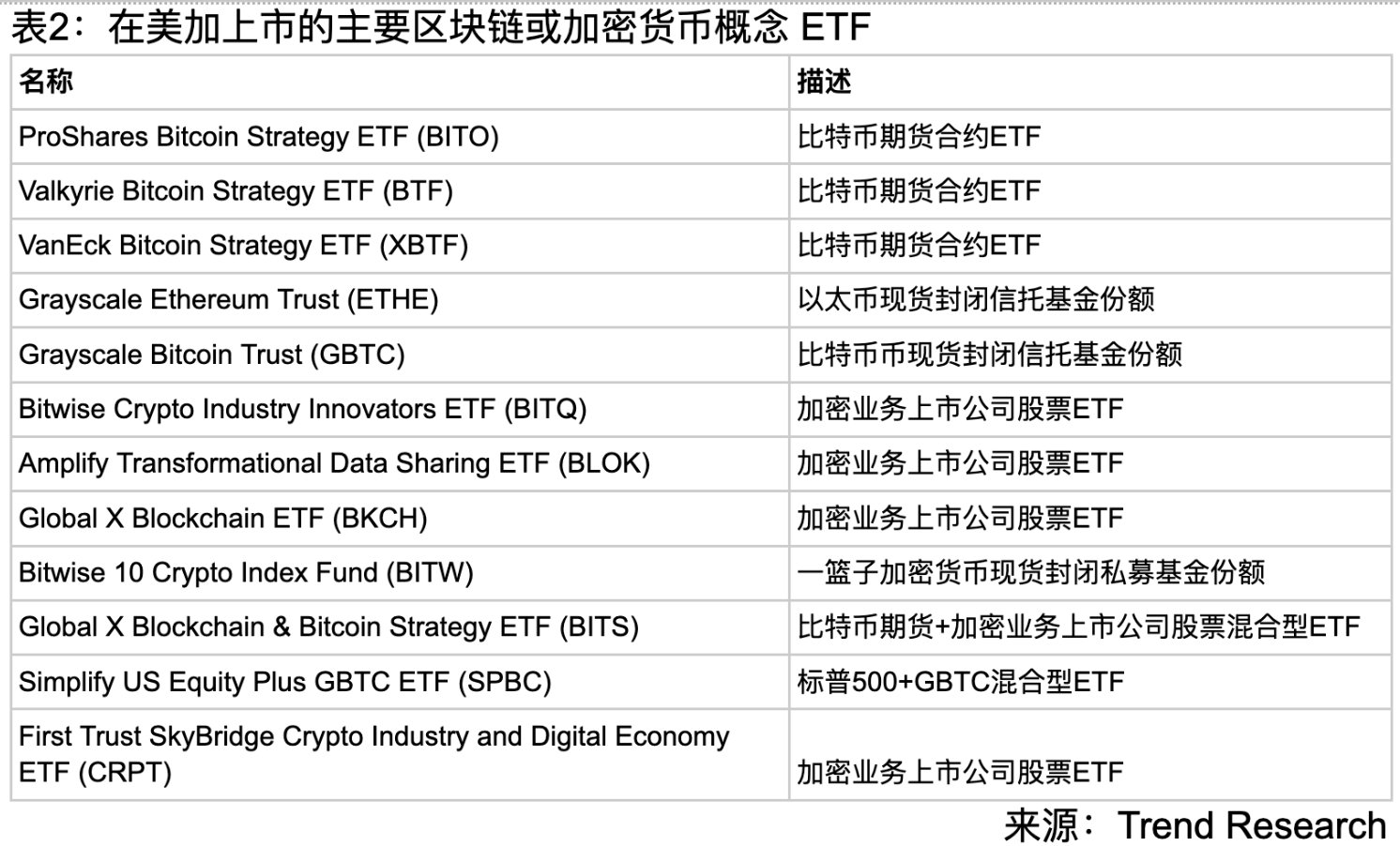
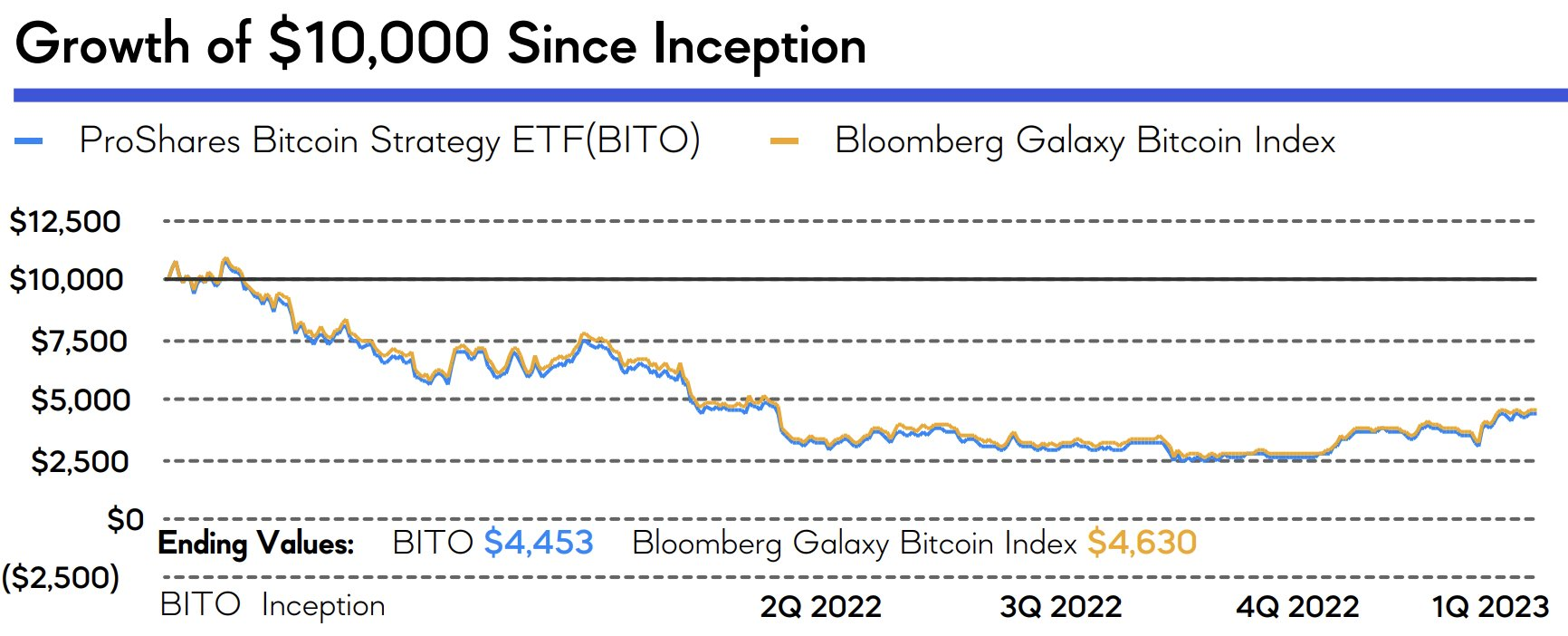
The main crypto ETFs include the following, with the largest being BITO, which tracks the price of BTC using CME futures. It has a very good tracking effect and low fees (0.95% per year, much lower than GBTC's 2%), but its net assets are only about $900 million, while the size of other products is only in the range of several hundred million to several billion dollars, which can be ignored. This shows that there are compliant tools in the U.S. stock market to participate in the ups and downs of digital currencies. Even if a spot ETF is introduced from a trading perspective, there will be no significant difference in the experience. It may not attract a large amount of capital inflow when it is launched, especially considering the high custody costs of spot ETFs, with expected fees of at least 1.5% or more, and the holding experience may be worse than that of futures ETFs.
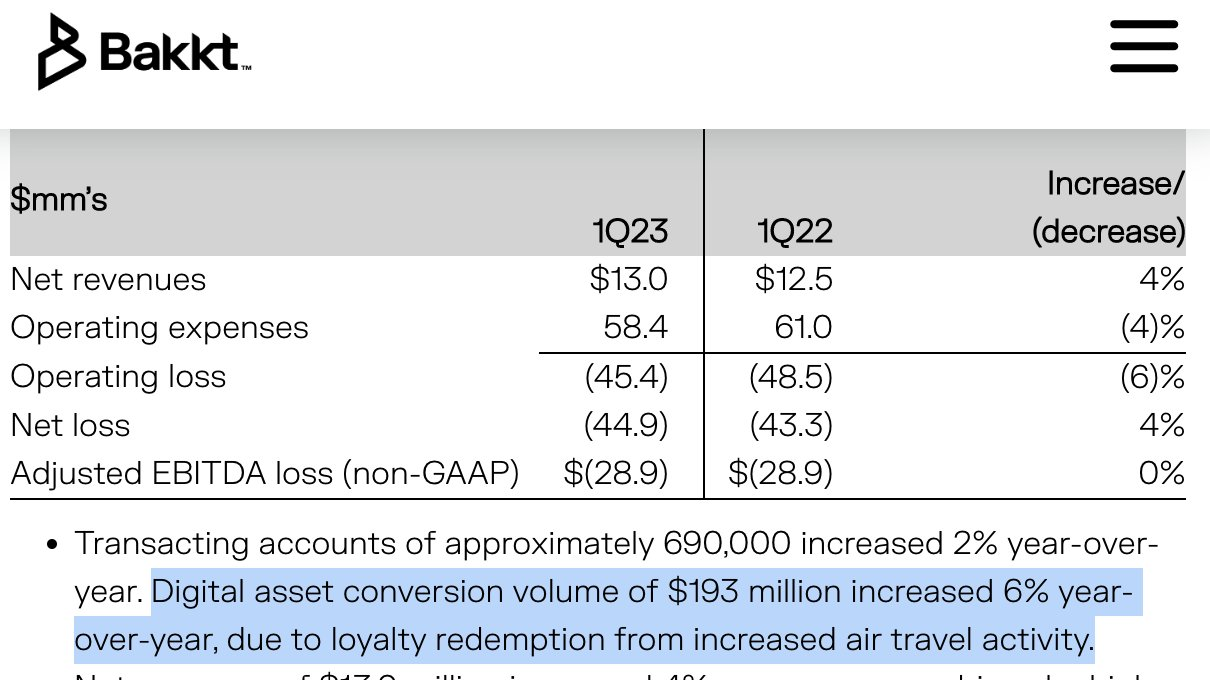
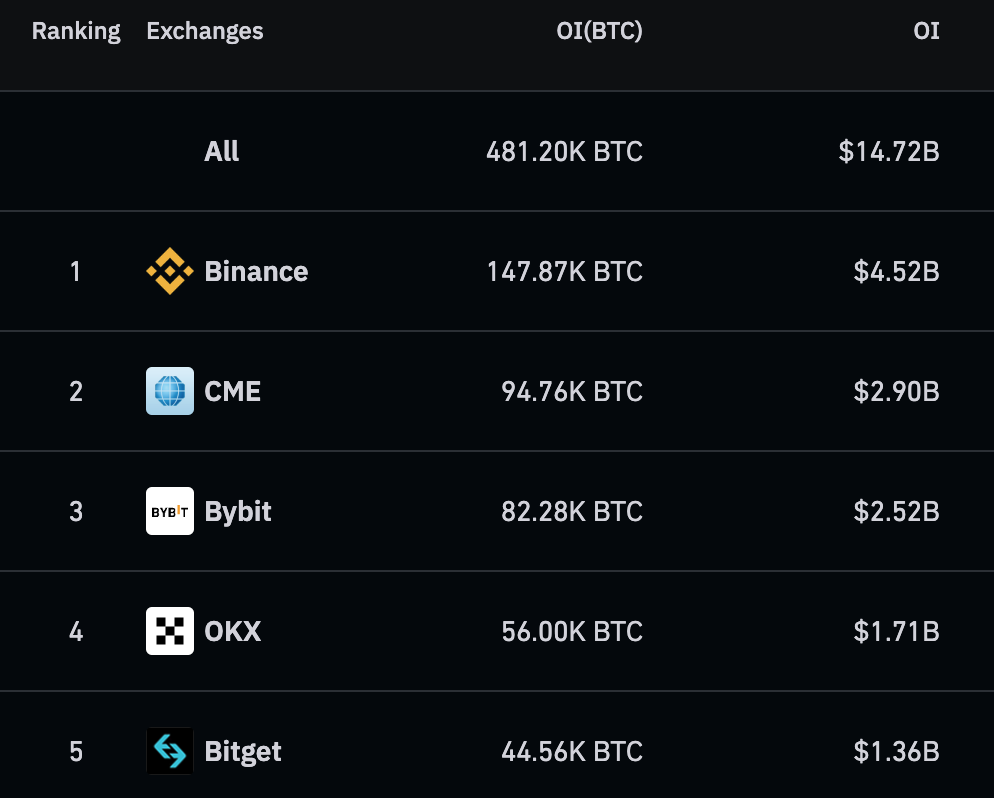
In addition, there have been precedents for large institutions supporting cryptocurrency exchanges. For example, the Crypto exchange BAKKT, established by Intercontinental Exchange (ICE), the largest revenue-generating exchange globally, had a trading volume of only 190 million USD in the first quarter of this year. In comparison, the spot trading volume of the top 10 cryptocurrency exchanges recorded by CoinGecko was 2.8 trillion USD. BAKKT accounted for only 0.007% of that. Another example is the CME futures market, where the open interest of BTC contracts is only about half of Binance's. It remains questionable whether platforms that abandon retail trading to comply with regulations can bring about a "revolution".
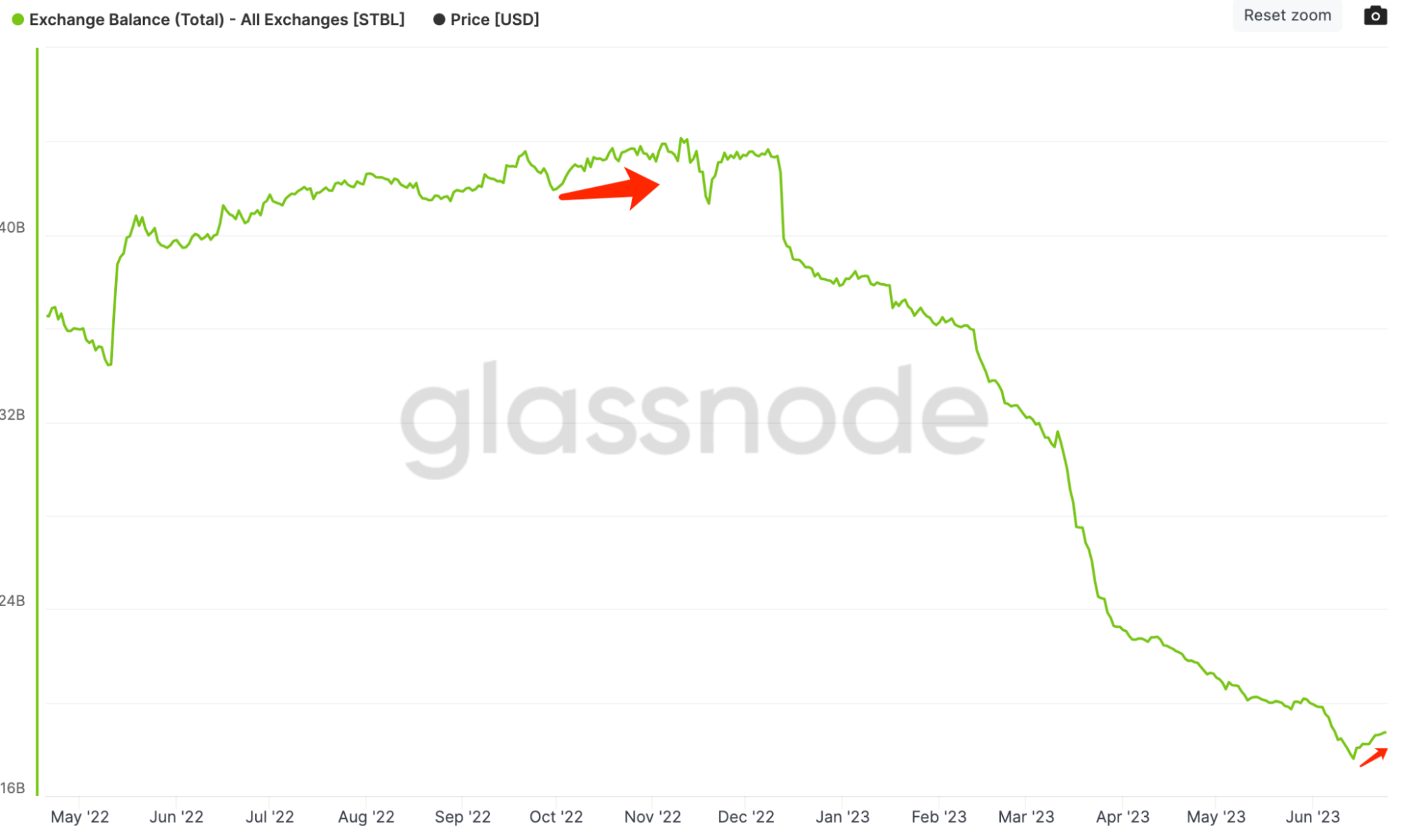
Stablecoins on centralized exchanges have seen inflows for two consecutive weeks, with balances increasing from 17.5 billion USD (the lowest level since April 2021) to 18.7 billion USD. However, compared to the overall balance of over 40 billion USD at the end of last year, the current level is still relatively low.
Our Comment
From a broader perspective, this round of cryptocurrency rebound began with the Federal Reserve's first pause in interest rate hikes on June 14. Although they announced higher interest rate end-point forecasts, the market did not pay much attention to this prediction. The discussions focused more on the end of the entire interest rate hike cycle in the second half of 2023 and viewed it as a step closer to starting a rate cut. However, we believe that a rate cut is unlikely to occur this year unless there are any shocks that push the economy into a more severe recession.
Due to the emergence of a new speculation focus in the stock market - AI, while crypto has faced the most serious regulatory accusations in US history, which has led to the collapse of the correlation between the stock market and crypto. We suspect that the withdrawal of professional players may also have caused the recent decline in crypto's sensitivity to macroeconomics. For example, last week faced with the aggressive global stock market tremors caused by central banks, crypto completely ignored it, including higher interest rate expectations announced on the 14th, which should have been a major negative for zero-yield assets. Gold priced this (price dropped from $195 x to 192 x).
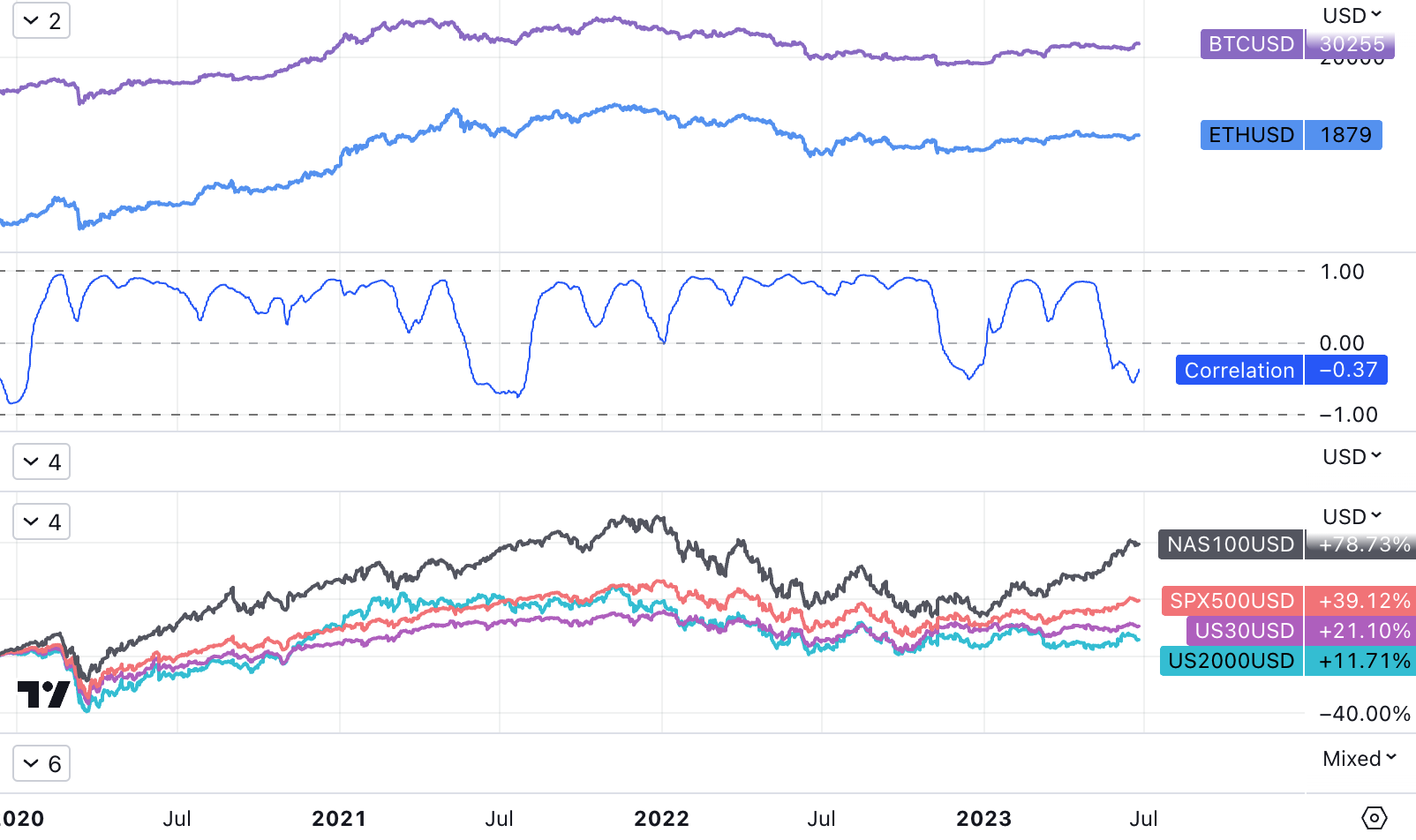
Based on the reaction of the news, the recent pricing of the crypto market is very emotional, with little logic to rely on, except for long-term holders, short-term participation is not recommended. (Emotional reactions include a new round of institutional entry and the unrelated legal victory achieved by Coinbase in the US Supreme Court)
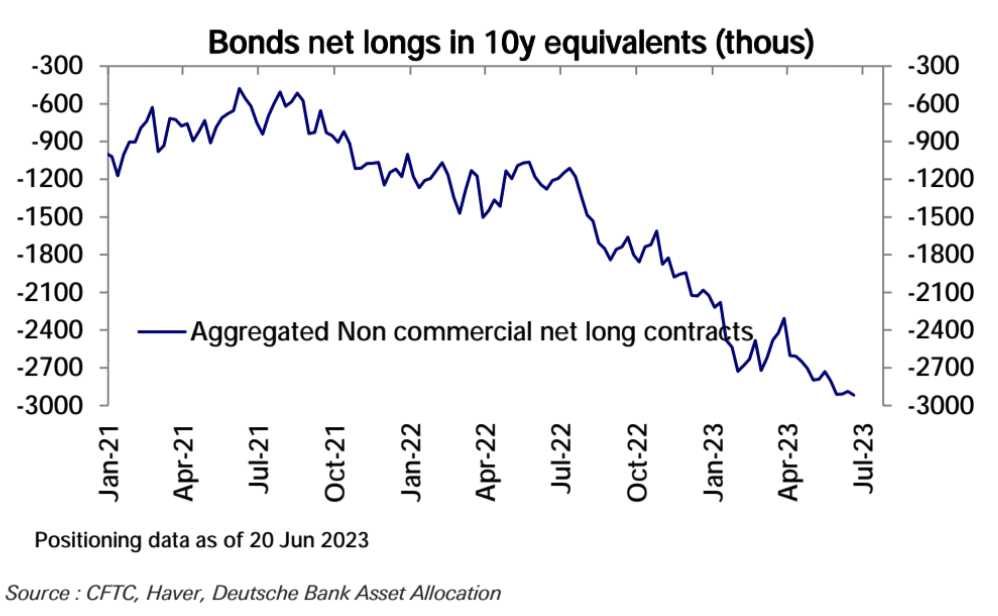
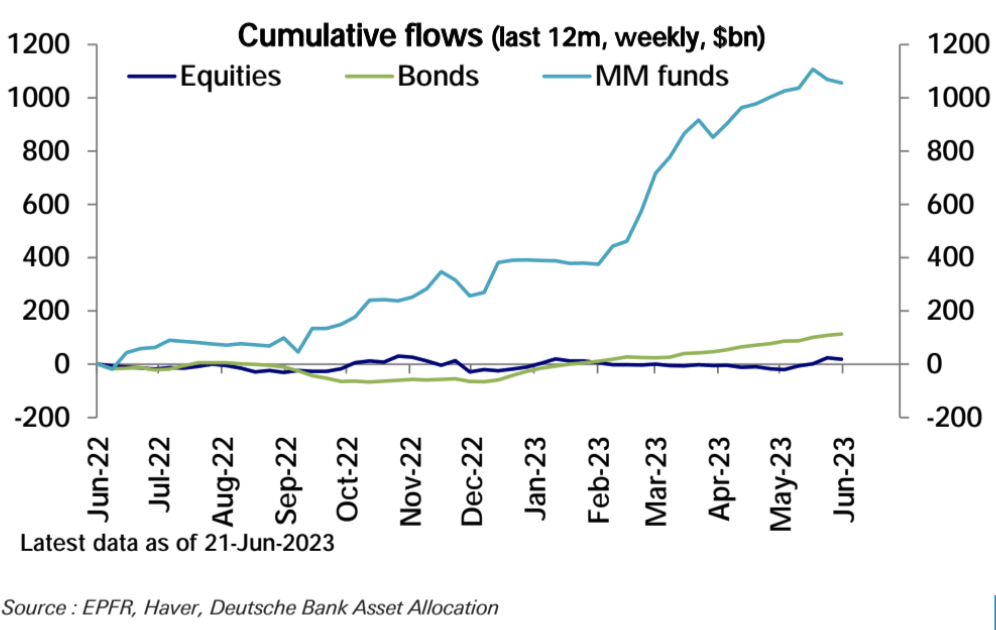
In the medium term, fixed income products remain attractive, although money market funds have seen outflows in the past two weeks, inflows into bond funds have offset this gap, and there is still a high bet on further interest rate hikes, such as record-breaking bond short futures. Considering that the Federal Reserve and the European Central Bank are expected to raise rates by 25 basis points in July, and the Bank of England will follow suit in August, such bets are reasonable. Therefore, whether it is the stock market or crypto, the short-term significant upward fundamentals are not solid.
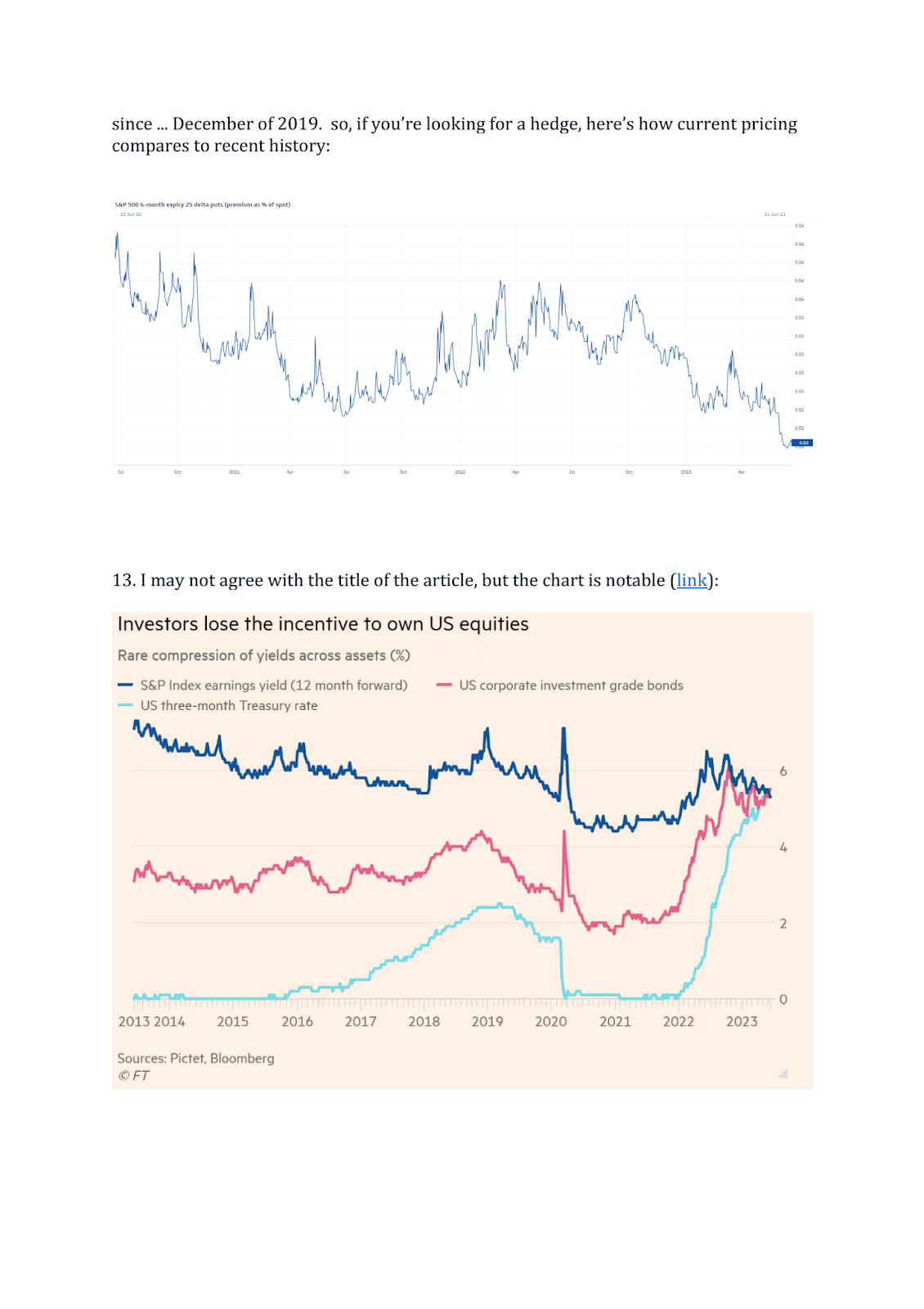
But in the long term, leading indicators of inflation continue to decline, including the payment price index and the used car price index in manufacturing and service PMI. The gradual decline in inflation and the change in the Federal Reserve's policy indicate that the foundation for a new bull market has formed. In terms of stocks, by the year 2024, lower interest rates and better profit trends are the scenarios that professional institutions generally expect. At that time, coupled with the halving of BTC, it will be a phase of higher certainty in crypto investments.
Economic Data
US manufacturing output declines, suppliers significantly reduce prices
Most of last week's economic data seemed to deepen concerns about the tightening monetary policy pushing the United States towards a recession. The US manufacturing PMI on Friday fell to its lowest level since December last year, well below market expectations. The report also showed that suppliers are cutting prices at the fastest pace since May 2020, possibly in response to weak demand.
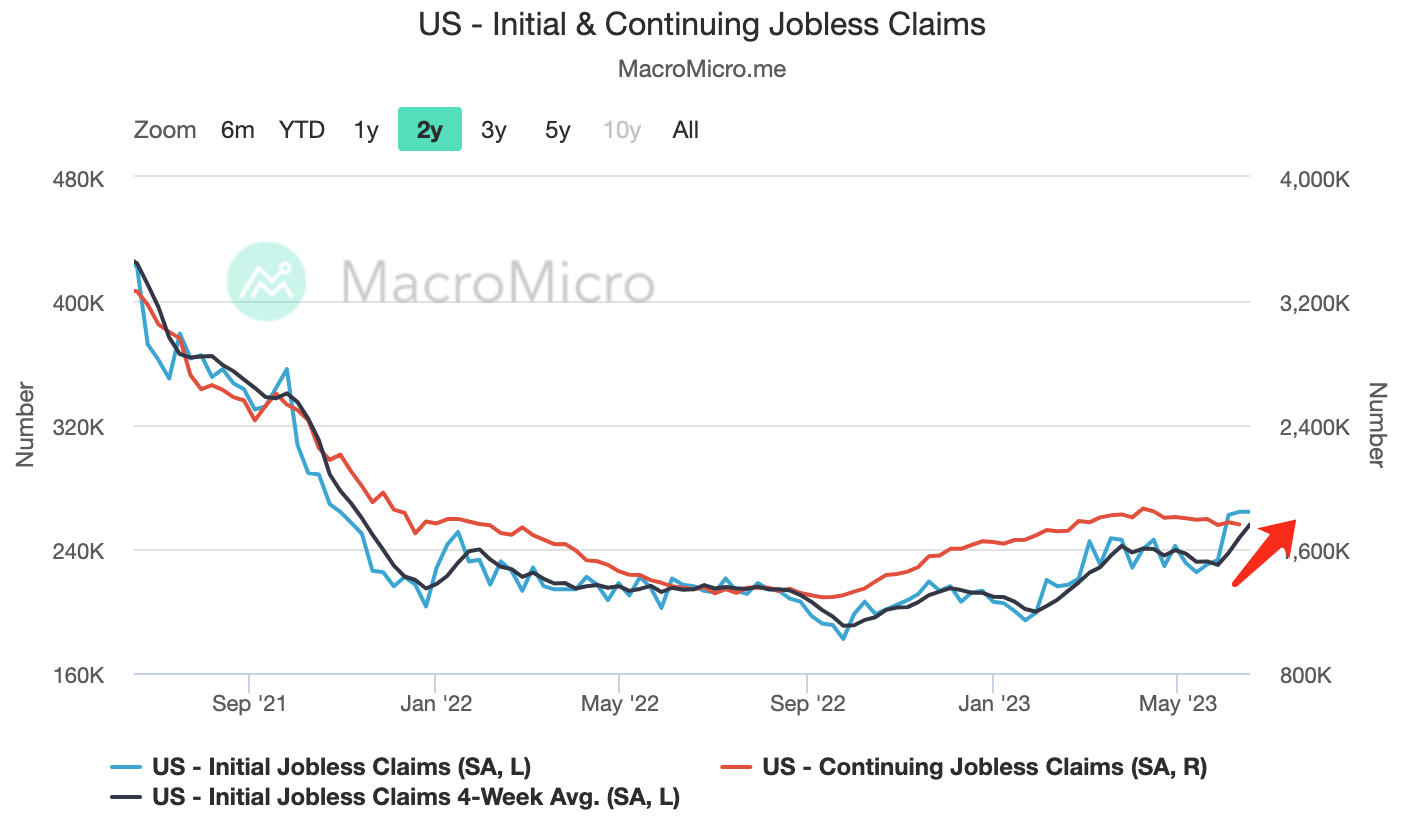
Despite Fed Chairman Powell's insistence to Congress that the labor market remains tight, weekly jobless claims reached 264,000 people, close to the revised figure from last week, the highest level since October 2021. However, the real estate sector showed some surprisingly strong performance, with new housing starts at the highest level in over a year, well above forecast. Existing home sales were also slightly higher than expected.
BoE accelerates rate hikes as inflation fails to ease
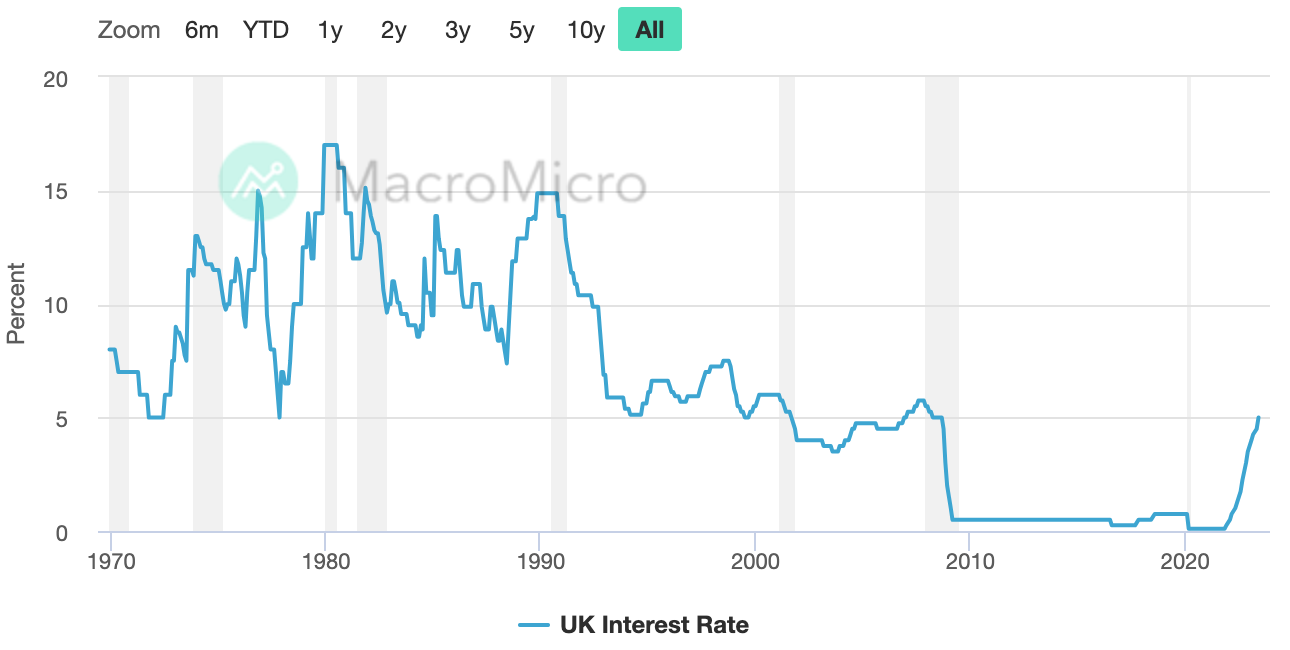
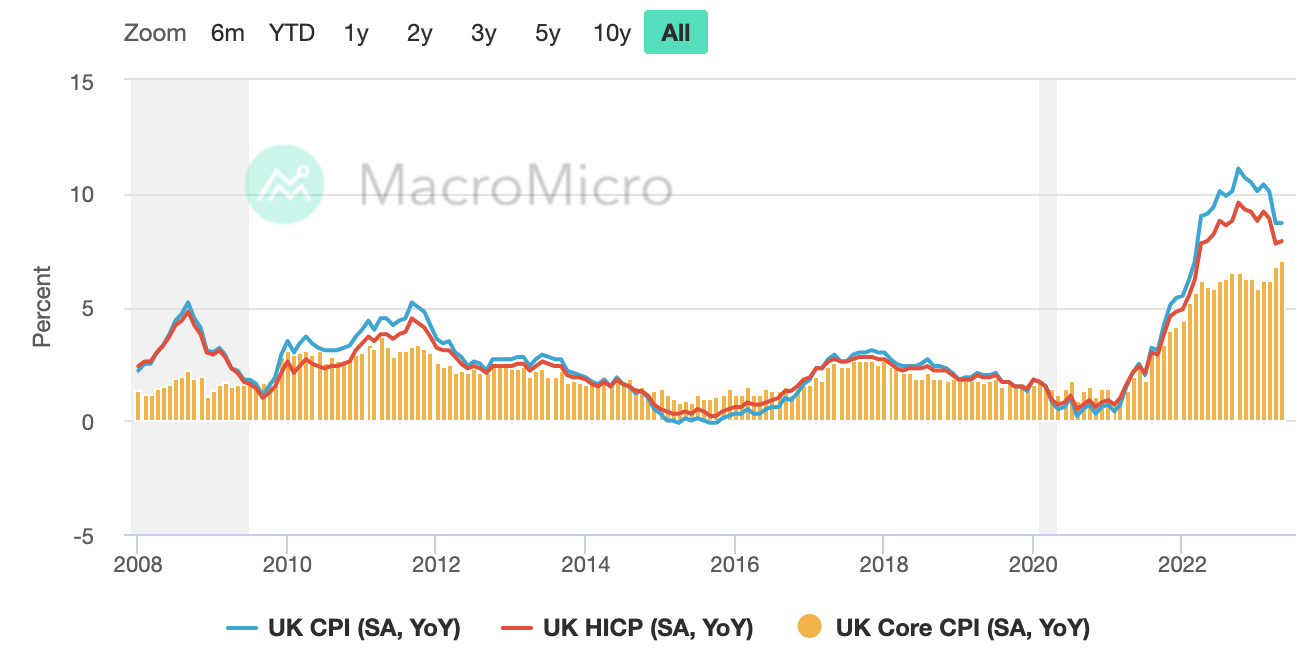
The Bank of England unexpectedly raised its key rate by half a percentage point to 5.0%, the highest level since 2008. Following unexpectedly strong inflation data, the Monetary Policy Committee (MPC) voted 7-2 to accelerate policy tightening. The MPC stated, "There is significant upside news in recent data suggesting greater persistence in inflationary pressures."
The CPI growth in May remained at a high level of 8.7%. The core inflation rate, excluding the more volatile food and energy prices (yellow bars in the chart below), accelerated from 6.8% in April to the highest level in 31 years, reaching 7.1%.
Switzerland and Norway Central Banks Raise Borrowing Costs to Fight Inflation
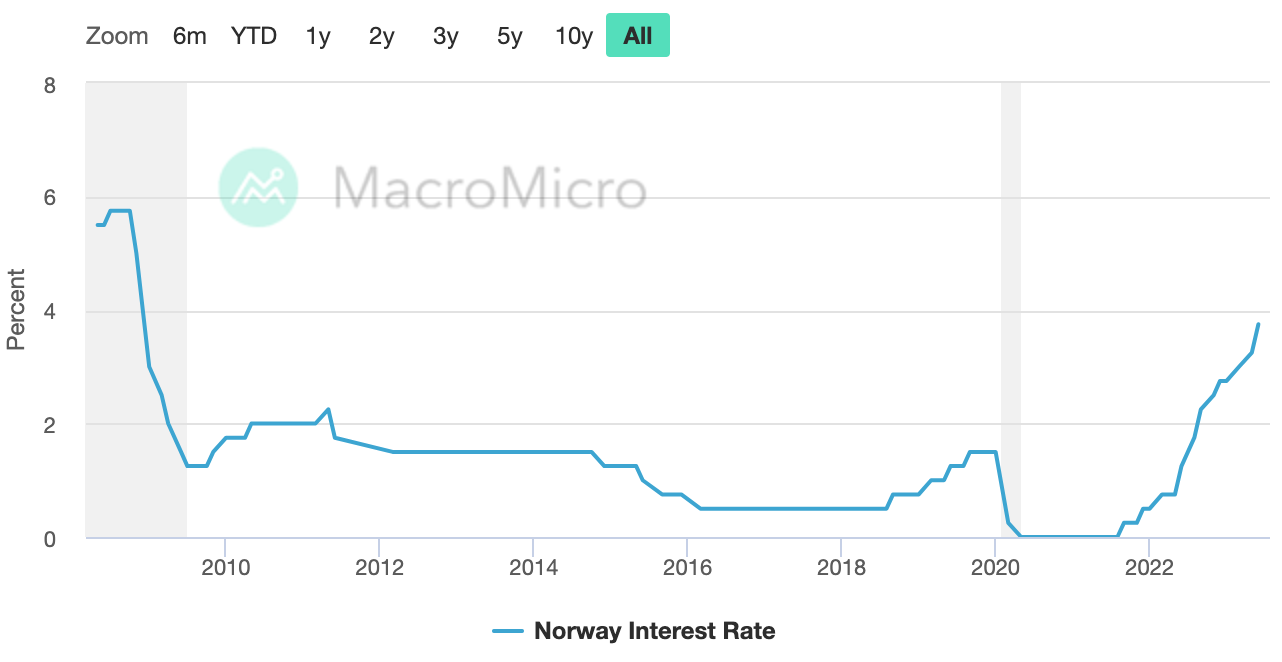
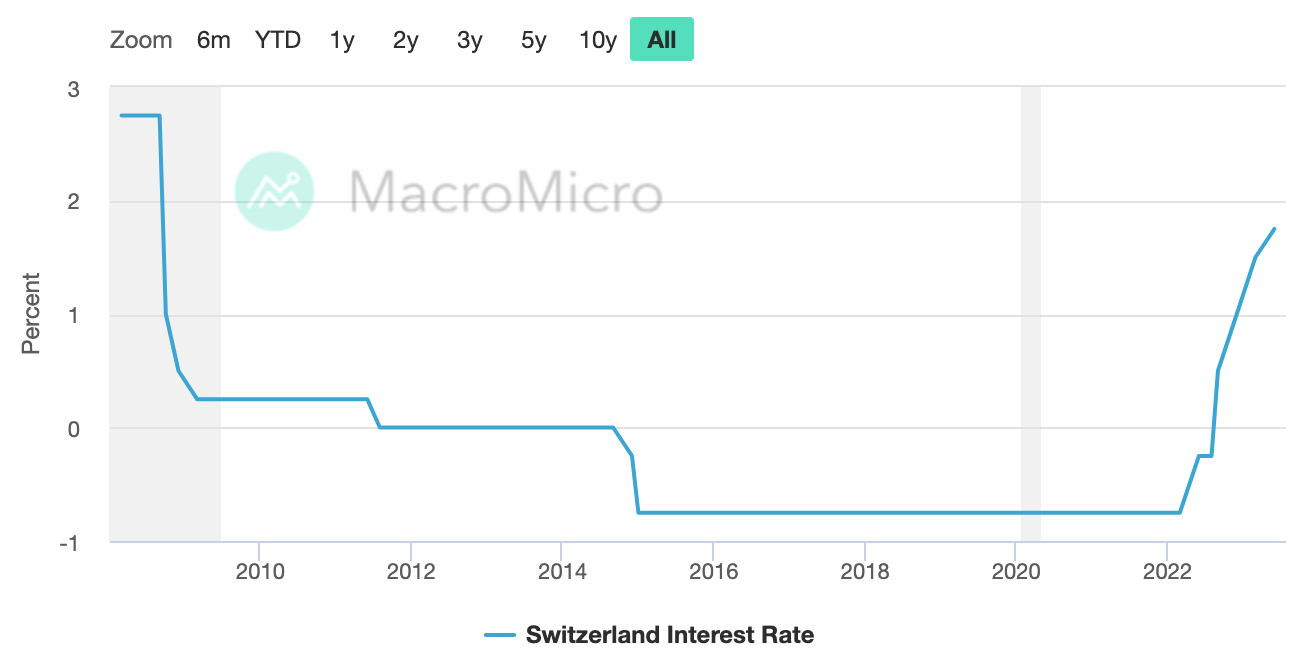
The Norwegian central bank has raised its key interest rate by 0.5 percentage points to 3.75% - the highest level since 2008, and said it is "most likely" to raise rates again in August to curb "significantly higher than target" inflation. The Swiss National Bank has increased its benchmark interest rate by a quarter percentage point to 1.75%, marking the fifth consecutive hike, and has not ruled out the possibility of further rate increases.
Eurozone PMI Almost Flat; German Producer Prices Slow, Ifo Predicts Deeper Economic Contraction
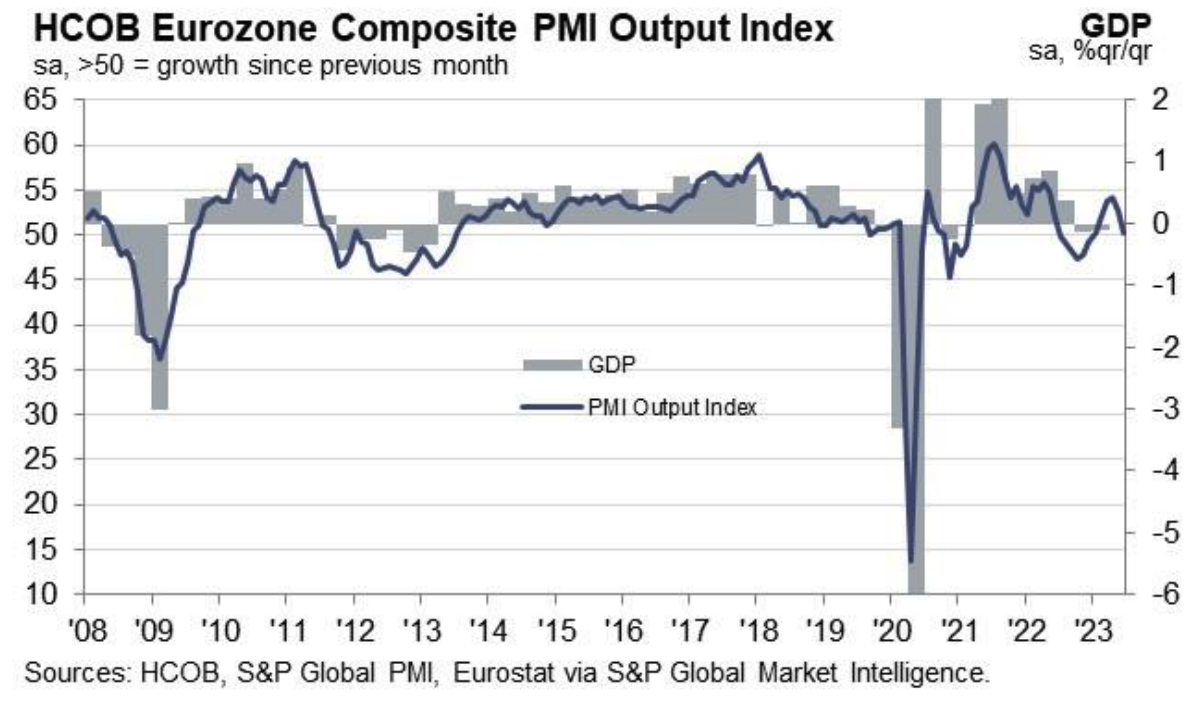
S&P PMI data shows that although eurozone business output grew for the sixth consecutive month in June, it was almost stagnant, indicating weakness in the economy after the recovery at the beginning of the year. The Eurozone Composite Purchasing Managers' Output Index fell from 52.8 in May to a five-month low of 50.3.
In May, German producer prices rose at their slowest pace since July 2021, which could be a sign of slowing inflation. Producer prices increased by 1.0% annually, lower than the 4.1% in April. Meanwhile, the Ifo Institute predicts that the German economy will contract by 0.4% in 2023, worse than the 0.1% forecast in March.
Investor Positions and Fund Flows
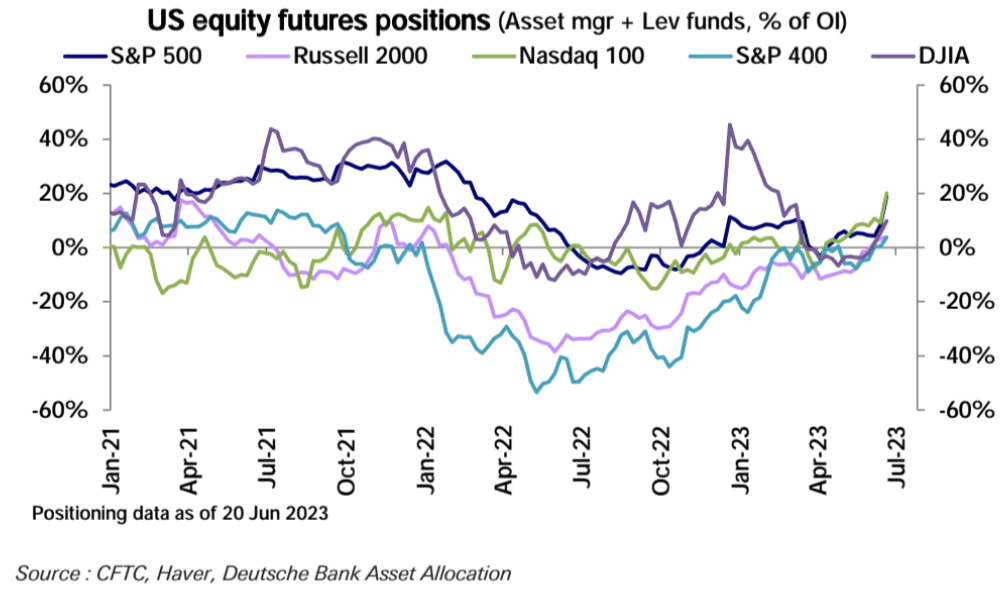
This week, CFTC futures data showed a significant increase in net long positions in US stocks. Overall net short positions in bonds increased and reached a new all-time high.
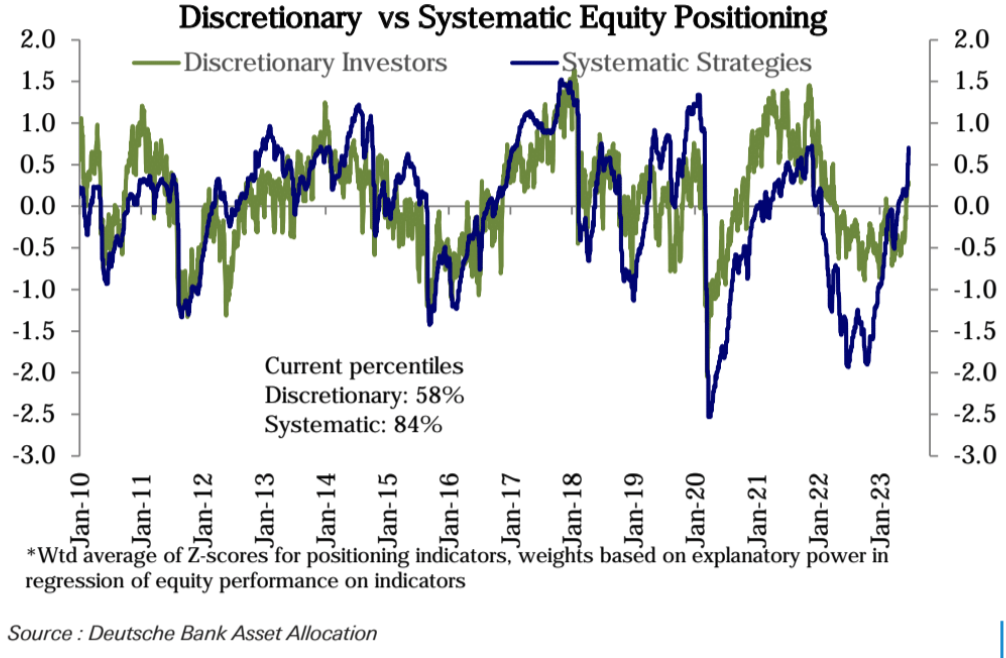
From the perspective of investor categories, both systematic investors (institutions) and subjective investors have significantly increased their positions. In particular, the position of systematic investors has reached the historical 84th percentile, which is a relatively high level. The position of subjective investors is at the 58th percentile, which is neutral to bullish.
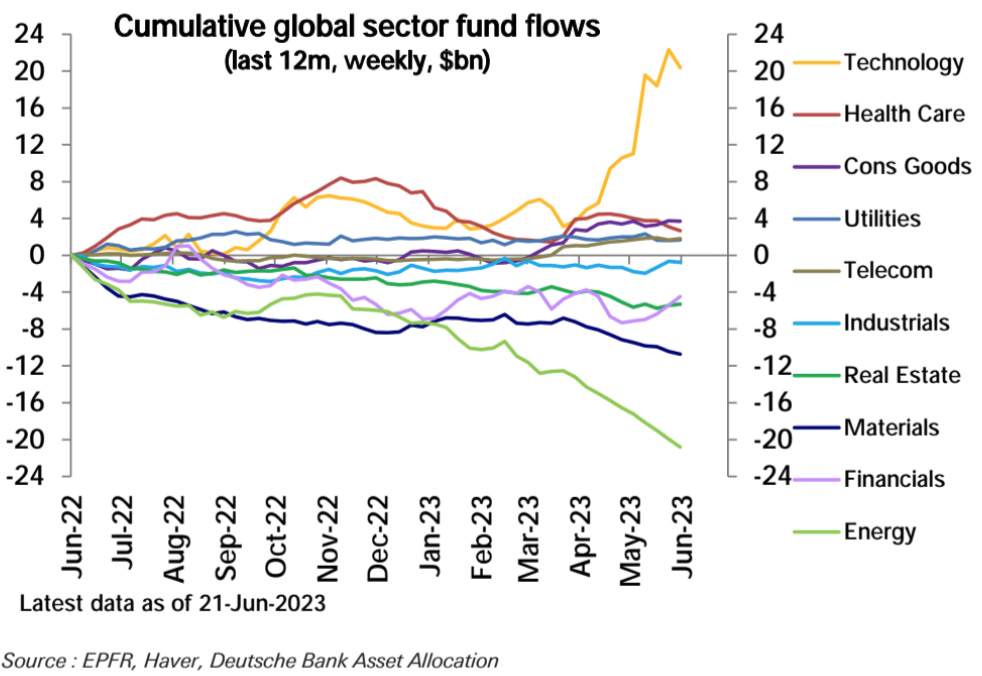
EPFR International fund flow data shows mixed sentiment. Money market funds saw a net outflow of 13.9 billion US dollars, bond funds recorded a net inflow of 5.4 billion US dollars, gold funds recorded a net outflow of 1 billion US dollars, and stock funds lost 5 billion US dollars. In particular, the amount of selling in technology stocks hit a ten-week high, with a total outflow of 2 billion US dollars, while financial stocks saw the opposite, recording the largest inflow of funds in ten weeks, reaching 1 billion US dollars.
Sentiment Indicators
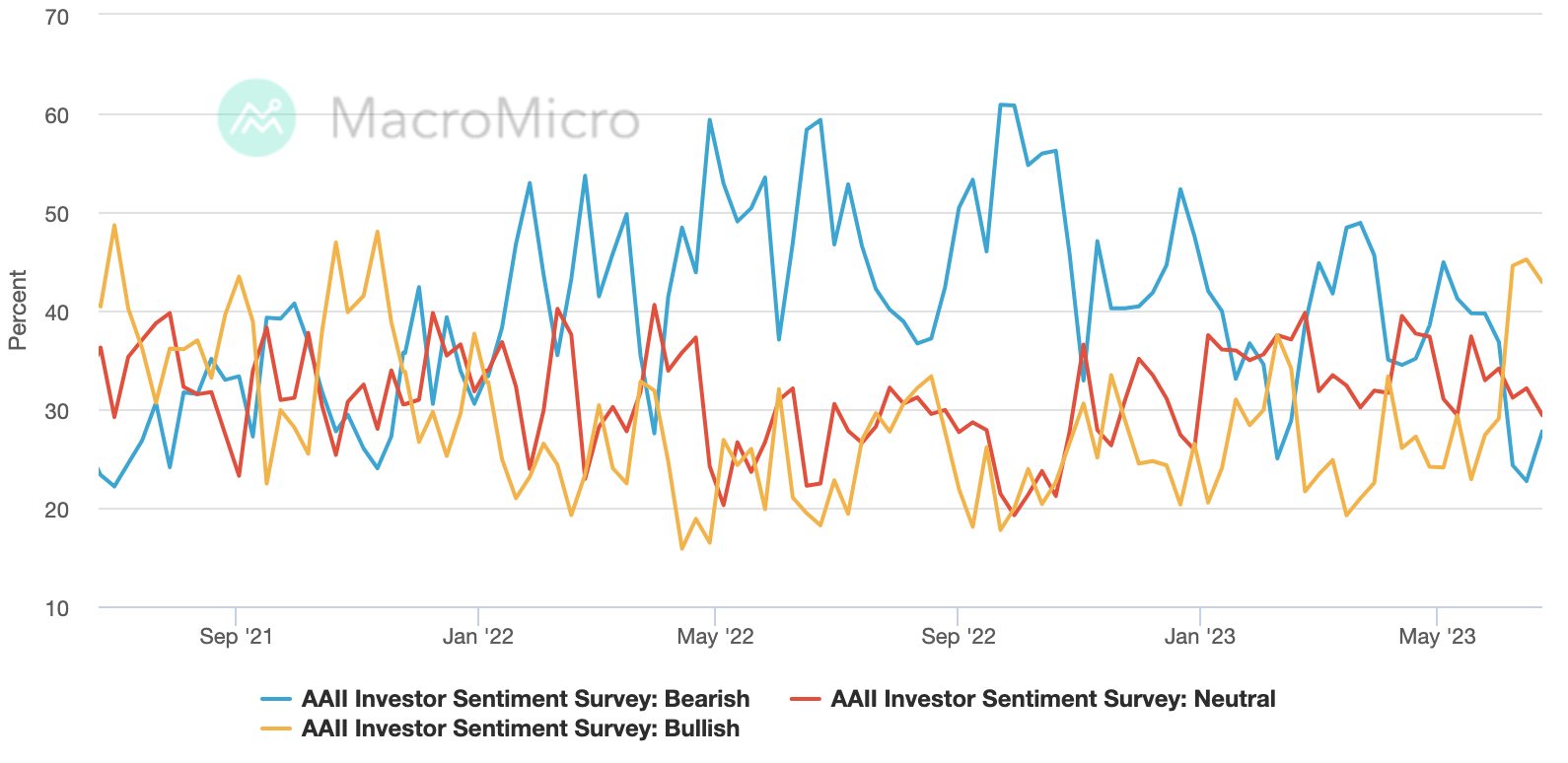
The AAII Investor Sentiment Survey showed that bullish sentiment slightly declined from the November 2021 high, while bearish sentiment rebounded from the lowest level in two years, reaching 27.7%. The proportion of investors with a neutral attitude dropped to the lowest level this year:
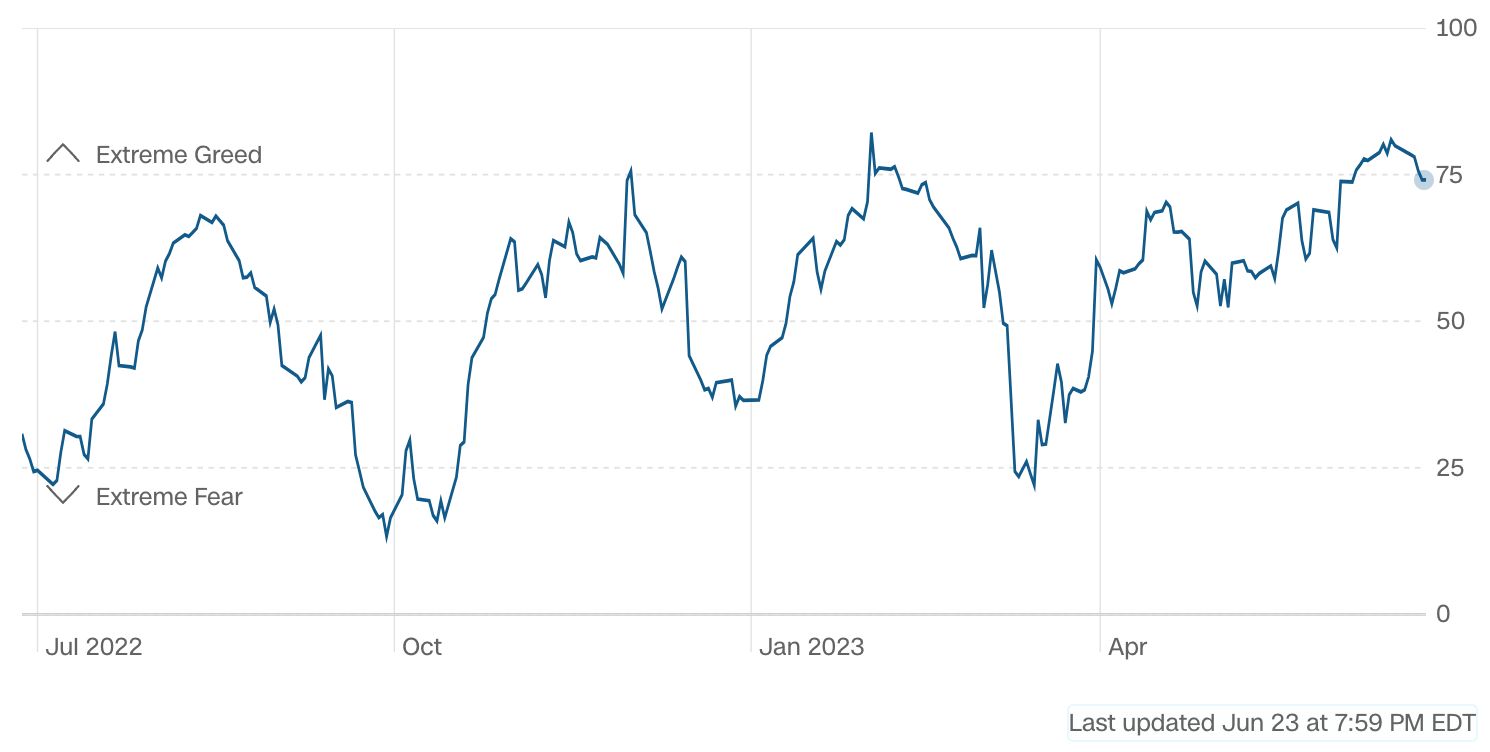
CNN Money Fear Greed Index fell slightly to 74 this week, slightly below the extreme greed threshold of 75:
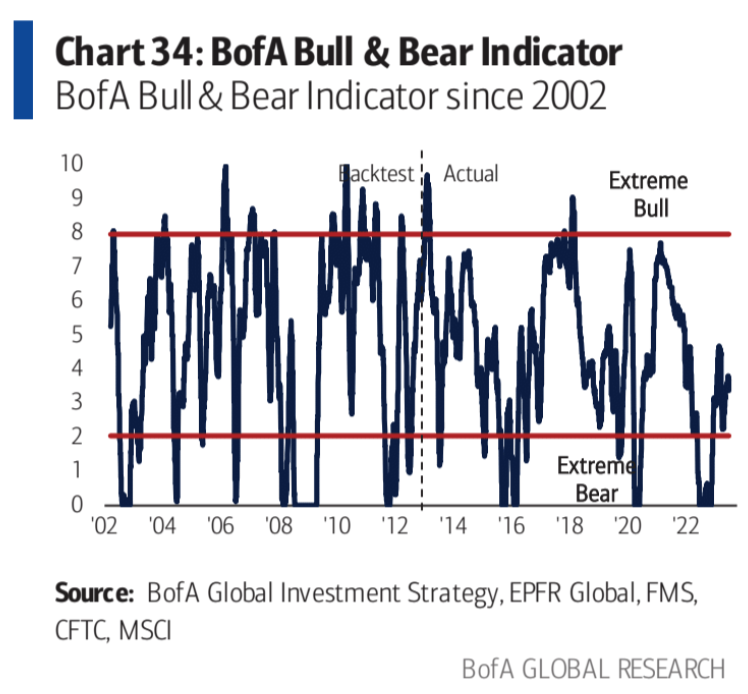
Bank of America's Bull Bear Indicator dropped from 3.6 to 3.4, its lowest level since early May:
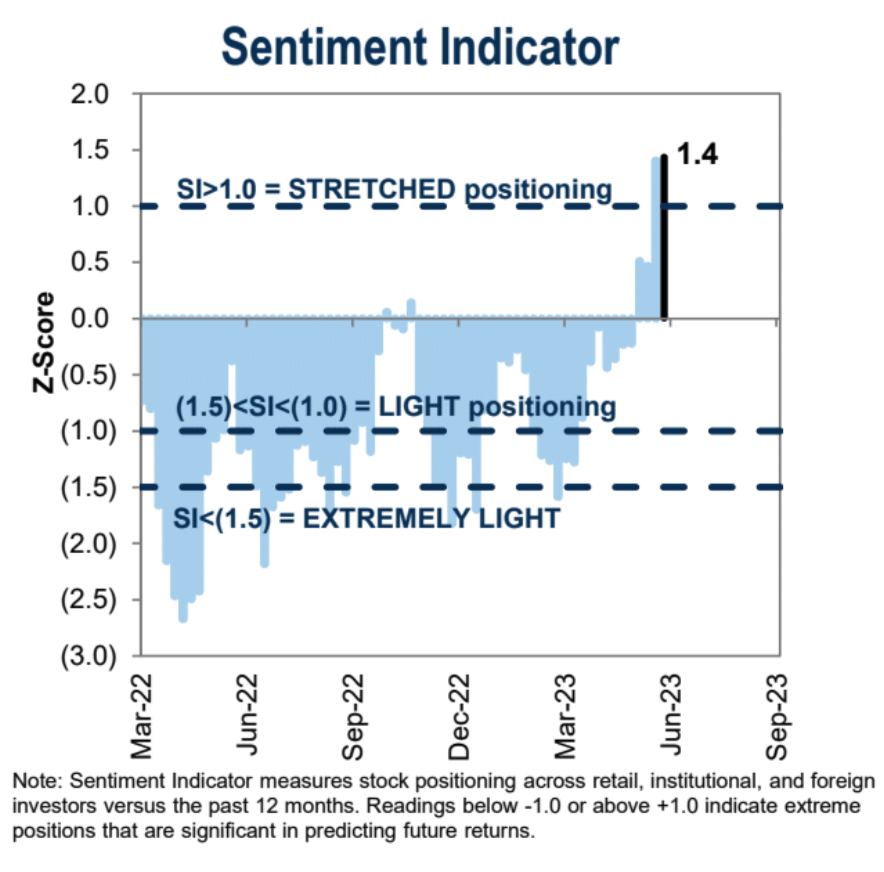
Goldman Sachs' Institutional Sentiment Indicator has seen a slight increase and been maintained at an excessively bullish level for two consecutive weeks:
Next week
With concerns about an economic downturn back in focus, investors may approach the final week of the quarter with a slightly cautious attitude. Apart from continuing to digest hawkish central banks, the release of the annual stress test results by the Federal Reserve will be a major focus for the banking industry. If the results show greater uncertainty, it could put pressure on bank stocks for a longer period of time.
Stress tests
Large U.S. banks are required to undergo annual stress tests as mandated by the Dodd-Frank Act. The results will be announced on June 28. This test simulates various economic scenarios set by the Federal Reserve to examine whether these banks have sufficient capital reserves to withstand an economic downturn. This process has a significant impact on banks' capital reserves, determining how much capital they can return to shareholders and affecting their short-term profitability.
In the past few years, the results of this test have always brought some surprises. For example, certain banks may need to increase their Common Equity Tier 1 (CET 1) capital ratios, reduce dividend payments, or share buybacks.
However, we believe that the probability of surprises occurring this year is lower, as there was a "drill" in March crisis, giving reason to believe that large banks have learned how to better handle this process.
The banking industry may face greater pressure in the future. For example, the Federal Reserve may consider implementing new rules that are related to the "Basel III Final Rule" (also known as "Basel IV"), as well as the failures of Silicon Valley Bank and First Republic Bank, and the confidence crisis triggered by liquidity and maturity mismatch in regional banks. It is almost certain that capital buffer requirements will increase. These changes are likely to have a significant impact on the operational performance of many banks.
Geopolitics
The Russian coup may end in failure, as Yevgeny Prigozhin, the leader of the Wagner mercenary organization, announced that they would stop advancing towards Moscow. The Kremlin stated that Putin guaranteed the safe passage of the Wagner leader to Belarus and revoked the criminal charges against him and the rebels. However, authorities announced that Monday would still be a non-working day after declaring a state of emergency in Moscow. The Russian central bank stated in a statement that trading on the Moscow Exchange would continue as usual on Monday.
The dramatic coup in Russia over the weekend provided support to the cryptocurrency market, and BTC and ETH reached their highest points since May last year during this period. Assets symbolizing the freedom of money flow usually perform well during periods of geopolitical tension. However, as the parties involved in the events quickly reached a compromise, such support may disappear this week.
Data
In terms of data, the focus in the United States will be on the May PCE data to be released on Friday. Currently, the market expects May PCE to decrease from 4.4% to 3.8%, while core PCE will remain at a high level of 4.7%. In April, US core PCE accelerated unexpectedly. If this data does not exceed expectations, the market may believe that the Federal Reserve will only raise interest rates one more time. Consumer confidence data on Friday is also a market focus, with expectations of the data remaining unchanged from the previous value.
In Europe, the price data to be released on Friday will be crucial. The European Central Bank recently warned that this data needs to improve significantly to avoid another interest rate hike next month.
China will release the manufacturing and non-manufacturing PMI for June, with expectations of a slight rebound in manufacturing and a possible slowdown in non-manufacturing. Currently, market participants are waiting for China to introduce new fiscal stimulus measures.
Central Banks
In terms of central banks, the speeches by ECB President Lagarde on Tuesday and Fed Chair Powell on Wednesday will be widely watched. The central bank governors of Japan and the UK will also speak on Wednesday along with Powell. Overall, the governors are likely to continue conveying a hawkish tone.





