






Crypto PAC Sweeps Texas, $10 Million Reshapes Whose Political Fate?


- Core Thesis: In the May 2026 Texas primaries, crypto industry political action committees led by Fairshake invested over $10 million and achieved a perfect 6-0 record, defeating an anti-crypto incumbent. Concurrently, Trump publicly supported the CFTC as the sole regulator of prediction markets. These two events signal that crypto political influence has entered the mainstream and accelerated the formation of a regulatory framework.
- Key Elements:
- PACs like Fairshake poured over $10 million into the Texas primaries, supporting all six winning candidates, including defeating anti-crypto Democratic Congressman Al Green.
- Fairshake's reserve stands at approximately $193 million, making it one of the largest single-industry political funding networks in the U.S., with a clear trend of funds flowing toward the Republican Party.
- Trump publicly backed the CFTC over the SEC for regulating prediction markets, linking crypto policy to national competitiveness and endorsing legislative paths like the Clarity Act.
- The Clarity Act (a market structure bill) has passed the Senate Banking Committee review. If enacted, it would place most digital tokens under CFTC jurisdiction, lowering compliance costs.
- Crypto political funding has shifted from a "defensive" to an "offensive" posture, aiming to embed allies for legislation like the Clarity Act and systematically reduce the "regulatory risk" discount factor.
Overview
On May 27, 2026, the Texas primary runoff election night fundamentally reshaped the political landscape for the U.S. cryptocurrency industry. Fairshake-led crypto industry political action committees (PACs) invested a total of over $10 million in this round of Texas primaries, achieving a perfect record as all six supported candidates emerged victorious.
Meanwhile, less than 24 hours after the primary voting concluded, U.S. President Trump publicly stated on Truth Social that he supports the CFTC having exclusive regulatory authority over prediction markets, directly linking this stance to maintaining America's status as the global "crypto capital."
The combination of these two events sends a clear signal: the political influence of the crypto industry has moved from the periphery to the mainstream, and the direction of the regulatory framework is being shaped more rapidly with the changing seat composition in Congress.
Key Takeaways
- Fairshake-affiliated PACs invested over $10 million in total in the Texas primary, with all six supported candidates winning their races
- Prominent anti-crypto figure, Democratic Representative Al Green, was defeated by crypto-friendly candidate Christian Menefee, ending his 20-year congressional career
- Crypto industry political funds are clearly shifting towards Republicans; Fellowship PAC (linked to Tether and Cantor Fitzgerald) spent $500,000 supporting Republican Senate candidate Ken Paxton
- Fairshake currently holds approximately $193 million in reserves, making it one of the largest single-industry political funding networks in the U.S.
- Trump publicly supports the CFTC's exclusive regulation of prediction markets, framing crypto policy as a national competitiveness issue
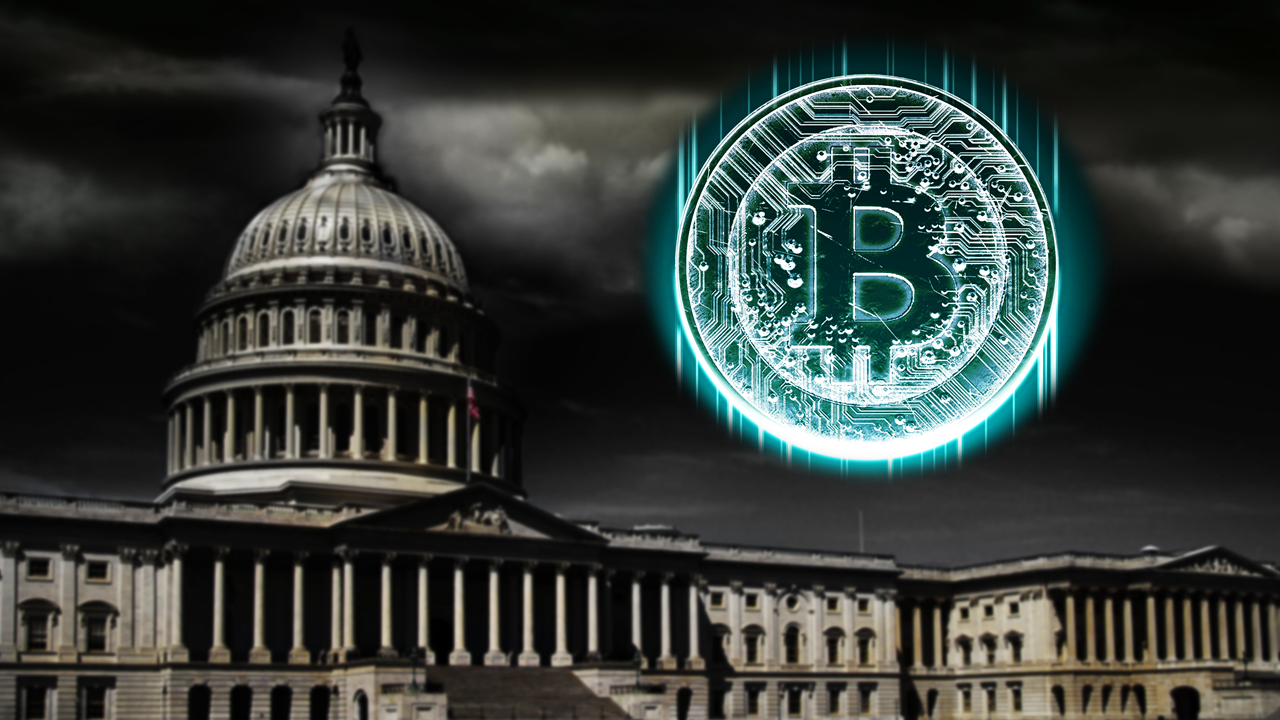
Texas Primary: A Major Victory Night for Crypto PACs
The Most Crucial Battle: The End of Al Green's Era
Among the numerous district races in Texas, the most symbolic took place in Houston. Incumbent Democratic Representative Al Green is one of the most vocal critics of the crypto industry on Capitol Hill, earning an "F" rating from the advocacy group Stand With Crypto.
To secure this victory, Fairshake's Protect Progress poured in approximately $7.8 million—about $5 million to support challenger Christian Menefee and roughly $2.8 million for ads targeting Green. As a result, Green's 20-year congressional career came to an end. Bitcoin policy advocate Dennis Porter commented on social media: "A pro-crypto Democrat just defeated an anti-crypto Democrat who served for 20 years."
Comprehensive Deployment on the Republican Side
On the Republican front, industry funding was equally intensive. According to FEC disclosures, Fairshake's Republican-affiliated PAC, Defend American Jobs, provided financial support to four Republican candidates: Jon Bonck, Tom Sell, Carlos De La Cruz, and Alex Mealer, all of whom won their respective primary elections.
Another noteworthy emerging force is Fellowship PAC. This organization, financially linked to Tether and Cantor Fitzgerald, invested approximately $500,000 to support Texas Attorney General Ken Paxton in his challenge against incumbent Senator John Cornyn. Paxton ultimately won with over 63% of the vote.
The Strategic Logic Behind the "Perfect 6-0 Record"
According to CryptoTimes, crypto PACs achieved a flawless 6-0 record in this Texas election. The prediction market Kalshi gave Menefee roughly a 91% chance of winning before the vote, with Polymarket showing similar figures—indicating that capital flows had already anticipated the outcome, rather than merely reacting to it.
This "precise targeting, high-return on low cost" strategy is a model Fairshake validated in 2024: concentrating resources on a few low-turnout runoff elections. Once a candidate secures the party nomination in a strongly Republican district, winning the November general election is virtually guaranteed.
The Structural Shift in Political Funding: Why the Growing Leaning Towards Republicans?
Fairshake's "Bipartisan Bet" is Loosening
Fairshake is officially positioned as a bipartisan organization, and its 2024 fund allocation did indeed target both parties. However, a new CoinDesk analysis points out that as the 2026 midterm elections approach, the crypto industry's overall political spending is clearly shifting towards Republicans, with dedicated Republican-aligned crypto PACs rapidly emerging.
The underlying logic is not complex: Since the Trump administration, Republicans have generally adopted a more lenient stance on crypto regulation. Furthermore, the advancement of the GENIUS Act (stablecoin regulatory framework) and the passage of the market structure bill (Clarity Act) through the Senate Banking Committee with a 15:9 vote have shown the industry a viable path for progressing legislation under a Republican-controlled Congress.
The Emergence of New PACs and the Complexification of the Funding Ecosystem
A report by The Nation indicates that the crypto industry's political spending ecosystem in 2026 extends far beyond just Fairshake. Fellowship PAC (backed by Tether/Cantor Fitzgerald), the Blockchain Leadership Fund, and a dedicated Republican PAC supported by the Winklevoss brothers together form a more specialized and aggressive political funding network.
According to CNBC, Fairshake's overall fund reserves are approximately $193 million, including two large donations from major contributors like Coinbase, Ripple, and a16z in the second half of 2025. This figure is nearly equivalent to Fairshake's entire fundraising total for the 2024 election cycle, fully demonstrating that the industry's political investment is expanding at an exponential rate.
[In the crypto regulatory issues tracked by MEXC, the flow of political funds has always been an important leading indicator for gauging the direction of regulation.]
Trump's Statement: CFTC to Lead Prediction Markets, Crypto Sovereignty Inviolable
Less than a day after the Texas primary results were announced, Trump posted on Truth Social on May 26, endorsing the CFTC:
"The CFTC's exclusive authority over prediction markets must be maintained. Under my leadership, we are establishing 'gold standard' rules for the states."
According to Bloomberg, this statement comes amidst ongoing lawsuits between the CFTC and several state governments over jurisdiction over prediction markets. Democratic-led states like New York, Illinois, and Wisconsin argue that prediction market contracts are essentially gambling products and should be subject to local laws.
In the same post, Trump tied crypto policy to national competitiveness: "Other countries are trying to replace us (as the crypto capital), but we won't let that happen." This represents one of the clearest presidential-level endorsements of the crypto industry to date.
CFTC vs. SEC: The Deeper Meaning of the Regulatory Turf War
The core logic of the Clarity Act is to place regulatory authority over most digital tokens under the CFTC, rather than the SEC. The CFTC regulatory framework is generally considered more lenient towards the industry, whereas the SEC is known for aggressive enforcement.
By supporting the CFTC's leadership over prediction markets, Trump is essentially providing political backing for this legislative path. If the Clarity Act passes, it would directly impact the compliance costs and development space for the entire digital asset industry.
The White House is currently reviewing a proposal for federal rules governing U.S. prediction markets submitted by the CFTC, which is under examination by the Office of Management and Budget (OMB), suggesting that the implementation of a formal regulatory framework might happen faster than the market expects.
Market Impact: Can Political Victory Translate into a Price Catalyst?
The crypto industry's resounding victory in the Texas primaries suggests that the pro-crypto bloc in Congress could expand further after the November general election. For market participants, the implications of this political signal warrant careful assessment:
In the short term, market sentiment may be boosted. Political tailwinds often strengthen the confidence of both institutional and retail investors to enter the market, particularly for assets directly tied to regulatory exposure, such as tokens of stablecoin issuers, DeFi protocol tokens, and the share prices of publicly listed crypto companies like Coinbase.
In the medium term, the focus will be on the legislative progress of the Clarity Act. The Senate Banking Committee has completed its markup, and the subsequent timeline for a full Senate vote will be a core variable. If the bill passes before the midterm elections, it would mean the removal of the uncertainty discount, and the market will likely price this in ahead of time.
In the long term, the politicization of the crypto industry itself is a double-edged sword. While increased political influence helps secure favorable legislation, it also means a continuously rising correlation between crypto asset prices and political winds—a trend observable over the past few years that will only deepen during the 2026 midterm election cycle.
To seize trading opportunities during this policy-driven window, you can explore over 2000 trading pairs at MEXC to respond instantly to market movements.
Exclusive Analysis by the MEXC Crypto Pulse Research Team
The outcome of the Texas primary is a significant milestone in the politicization of the crypto industry, but its meaning extends far beyond "winning a few more elections."
From a funding structure perspective, the crypto political funding network, centered around Fairshake and supplemented by Fellowship PAC, is completing a strategic transition from "defensive" to "offensive." Funds in 2024 were primarily used to "punish" anti-crypto lawmakers; funds in 2026 are more proactive, aiming to embed pro-crypto allies in key committee seats to pave the way for advancing legislation like the Clarity Act.
We noticed a key detail: the largest investment was in the district targeting Al Green—and Green is not only a crypto critic, but his TX-18 district, after redistricting, was already a peculiar scenario of "two incumbent Democrats facing off." Fairshake's decision to heavily bet on this already volatile race wasn't simply to "unseat" Green, but also to ensure that the winner, Menefee, establishes a "pro-crypto" demonstration effect in the Houston area.
From a broader perspective, the crypto industry's political funding has evolved into a complete ecosystem: pre-election probability calibration via prediction markets (Kalshi, Polymarket), mid-campaign influence through targeted advertising, and post-election conversion of political capital into regulatory dividends via legislative lobbying. In terms of efficiency, this closed loop can already compete with traditional large-scale industry lobbying groups. Ironically, its transparency—all FEC disclosures are publicly accessible—has become a source of its credibility.
For crypto investors, this means: the "regulatory risk" discount that has long suppressed market valuations is being systematically reduced. However, one must note that the influx of political money also introduces "policy expectation volatility." If legislative progress falls short of expectations, or the political winds reverse, market disappointment could be equally severe. During the most intense periods of policy game-playing, persistently tracking macro policy trends is an indispensable task for every crypto market participant.
FAQ
Q1: What is the Fairshake PAC? Where does its funding come from?
Fairshake is currently the largest crypto industry political action committee in the U.S., positioned as a bipartisan organization. Its main contributors include Coinbase, Ripple, and venture capital firm a16z. It operates two affiliated PACs: Protect Progress, which supports Democrats, and Defend American Jobs, which supports Republicans. As of early 2026, Fairshake's total fund reserves were approximately $193 million.
Q2: Why is Al Green's defeat so important for the crypto industry?
Al Green was one of the harshest critics of the crypto industry in Congress, having opposed multiple crypto-related bills during his tenure and receiving the lowest "F" rating from Stand With Crypto. His defeat not only removes a key obstacle but also sends a clear political warning signal to other lawmakers holding similar views.
Q3: What does Trump's support for CFTC regulation of prediction markets mean for the crypto industry?
This statement has a dual meaning. First, it reinforces the CFTC's leading role in digital asset regulation. Second, the CFTC's traditional regulatory approach is more accommodating than the SEC's. Therefore, this stance is widely interpreted by the market as a positive signal for the crypto industry, especially for DeFi and prediction market-related projects.
Q4: What is the Clarity Act? What is its current status?
The Clarity Act is a crypto market structure bill under discussion in the U.S. Congress. Its core content is to clearly place regulatory authority over most digital tokens under the CFTC, rather than the SEC. The bill recently passed deliberation in the Senate Banking Committee and will now proceed to a full Senate vote. Whether it can be passed into law before the 2026 midterm elections is a key focus for the industry.
Q5: How should ordinary investors respond to the politicization trend in the crypto industry?
Politics-driven markets typically exhibit "short event windows and high volatility amplitude." It is recommended that investors focus on legislative milestone events (e.g., committee votes, full chamber voting dates) and asset classes directly related to regulation (stablecoins, DeFi, publicly listed crypto company stocks). You can track the real-time price movements of these related assets on MEXC.
Q6: How can I trade crypto assets affected by policy changes on MEXC?
Visit MEXC to register an account. You can search for your target asset among over 2000 spot trading pairs to start trading. MEXC supports both spot and futures trading, providing real-time market data and news feeds.
Disclaimer
This article is for informational purposes only and does not constitute any investment advice or financial guidance. The cryptocurrency market is highly volatile, and investment involves significant risk, including the potential loss of principal. Past performance is not indicative of future results. The political event analysis contained herein represents the research views of the MEXC Crypto Pulse team and does not constitute an endorsement of any political stance. Investors should conduct their own thorough research and due diligence and seek advice from professional financial advisors before making any investment decisions.


