






世界杯が近づく中、スポーツは「断片化金融」の時代に突入している


- 核心的な見解:ワールドカップに「デビューパッチ」制度が導入されたのは、トレーディングカード業界に希少な「金融原材料」を生み出すことを目的としている。スポーツコレクティブル市場は「断片化金融」の変革を経験しており、試合の瞬間や集団の感情を価格付け可能で取引可能なオルタナティブ資産に変えており、その運営ロジックは暗号資産の世界と非常に類似している。
- 重要な要素:
- FIFAはFanaticsと独占的なコレクティブル提携を結び、今後のワールドカップのトレーディングカード体系はToppsの時代を迎える。ワールドカップのデビューパッチは試合後に切り取られ、カードに埋め込まれ、高価値の希少資産となる。
- 世界のスポーツトレーディングカード市場規模は約115億ドルに達する。NBAカードは、高度に統一され「スター選手を創り出す」ことに長けた商業運営システムにより、資産化の度合いがサッカーカードをはるかに上回る。
- 1990年代の「Junk Wax Era」以降、2003年にUpper Deckがサイン、ユニフォームパッチ、限定ナンバリングを導入し、トレーディングカードを完全にオルタナティブ金融資産へと変貌させた。現在では、鑑定、オークション、マーケットメイクといったエコシステムが確立されている。
- 鑑定会社(例:PSA)は「資産発行レイヤー」へと進化し、その認証はカードの価値に決定的な影響を与える。2024年のPSAの年間収益は3億ドルを超え、業界は高度な金融化と集中化へと向かっている。
- トレーディングカードの価格は「物語の瞬間」(例:ステフィン・カリーのオリンピックでの決定的なシュート)と深く結びついており、本質的には集団的な感情への先行的な価格付けであり、Polymarketなどの予測市場のロジックと一致する。
- スポーツは永続的な「感情生産マシン」を持ち、リアルな試合、逆転劇、因縁の対決などの物語を絶えず提供する。これは、NFTプロジェクトが一般的に直面する「ストーリーの枯渇」という問題を解決している。
Original: Odaily Planet Daily (@OdailyChina)
Author: Planet Xiaohua
The World Cup is about to kick off, and aside from prediction markets gearing up, another industry is quietly heating up.
Recently, FIFA announced a new rule: all players participating in the World Cup for the first time must wear a "debut patch" on their jerseys. This means that even if you are a globally renowned superstar who has never set foot on a World Cup pitch before, such as Erling Haaland or Lamine Yamal, you will need to wear this special insignia. Some national teams returning to the World Cup after many years may even have to wear it as a full squad.
This isn't just about adding a sense of "ceremony" for World Cup rookies. Those in the sports card industry know that this patch will be removed, authenticated, cut, and then embedded into trading cards after the match. Ultimately, it could become a 1/1 rookie autograph card, which gets graded, auctioned, traded, and its price could one day exceed that of a supercar.
Just this May, FIFA announced a long-term exclusive licensing partnership for collectibles with Fanatics. The future ecosystem of World Cup-related trading cards, stickers, and collectibles will officially enter the Fanatics/Topps era.
You might not be into sports cards, but it's worth noting that behind these small pieces of cardboard lies an alternative asset world valued at over ten billion dollars, boasting a massive secondary market and long-term bull and bear cycles.
At the same time, the entire sports world is entering a new era of "fragmented finance."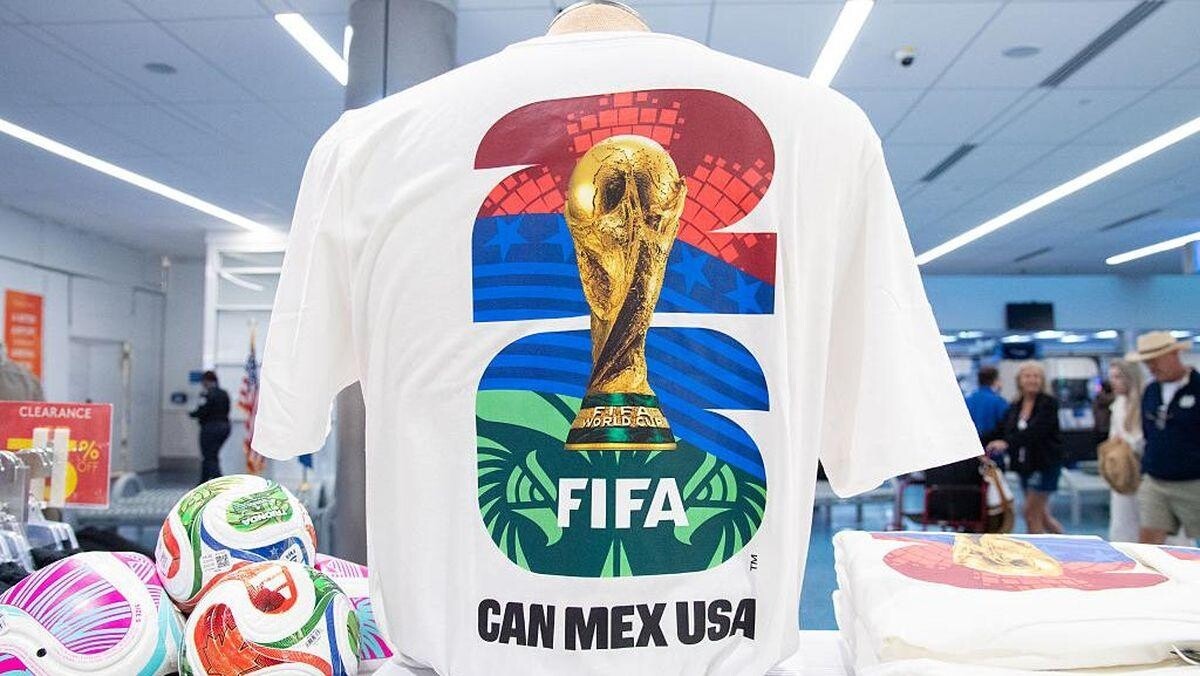
Sports Leagues "Breaking Down History for Cash"
In the past, fans cared about "the historical moment a jersey witnessed." Now, people might care about "how many pieces of history can this jersey be broken into?"
After all, one jersey can belong to dozens of cards, hundreds of buyers, be resold countless times in the future, and even form a price curve that consistently rises or experiences significant fluctuations.
A piece of fabric might go from a player's chest to the card factory, into a blind box, then to a grading company, into an auction house, and finally become an alternative asset in someone's investment portfolio.
Football trading cards aren't new either. Since the 1970 World Cup, Panini had already established a system of World Cup stickers and trading cards. Many fans' childhoods began with a World Cup sticker album.
However, it never managed to establish a mature, high-liquidity "sports financial asset system" like the NBA.
Those unfamiliar with this might find it strange. Football has the largest fan base globally, and its superstar commercial value is immense. Yet, the price, liquidity, and depth of the secondary market for football cards have long lagged behind the NBA.
The reason behind this is that the NBA is inherently more suited for "assetization," while football lacks a highly unified, continuously narrative-creating business operation system like the NBA's.
Basketball is a sport of high individualism: superstars hitting game-winners, standardized statistical systems, unified league narratives, and a US industry highly skilled at creating stars. From draft night, debut, All-Star game, MVP, playoffs, to the championship, every milestone can be packaged as an asset.
In contrast, the football world is too fragmented. National teams, leagues, clubs, the Champions League, sponsors, and broadcasting rights systems are fragmented, making it difficult to form a unified and continuous financial narrative like the NBA.
It's easy to understand that the World Cup patch mentioned at the beginning is FIFA's proactive attempt to create "financial raw materials" for future high-priced trading cards.
The NBA Spent 70 Years Turning Paper into Financial Assets
Many in the crypto space might have learned about sports cards during the NFT boom, but the NBA trading card market has been active for over 70 years.
In 1948, Bowman released the first set of NBA player cards. In 1986, Fleer released the Michael Jordan rookie card that would later change the entire industry. During the 90s, with the Jordan era and the NBA's global expansion, the card market experienced its first mass frenzy. Almost every mall, convenience store, and toy store in America was selling cards.
But soon, the industry faced its first major crash.
In the late 90s, numerous publishers excessively overproduced cards, losing control of print runs, and the market entered a major bear market. This period later became known in the collecting world as the "Junk Wax Era."
What changed the industry was the "scarcity revolution" post-2000.
In 2003, LeBron James entered the NBA. That same year, Upper Deck launched the Exquisite series, which fully introduced concepts like autographs, jersey patches, serial numbering, and 1/1 cards to the high-end card market.
From that point on, trading cards began to transform into an alternative financial asset.
They started to have clear serial numbers, scarcity tiers, long-term price trajectories, grading systems, auction platforms, professional market makers, and a massive secondary market.
During the pandemic, grading companies like PSA and BGS rose to prominence, auction platforms like eBay, Goldin, and PWCC matured, breakers began live-streaming box breaks, and the entire industry gradually formed a complete ecosystem.
The scale of this market is far beyond imagination. According to 2025 data, the global sports trading card market size has reached approximately $11.5 billion. Basketball cards remain the most profitable core category, while autograph cards and patch cards are the fastest-growing high-end assets.
Meanwhile, grading companies have even evolved into genuine "platform businesses."
In 2025, PSA's parent company, Collectors, completed its acquisition of Beckett (BGS's parent company), pushing the entire industry towards greater financialization and centralization.
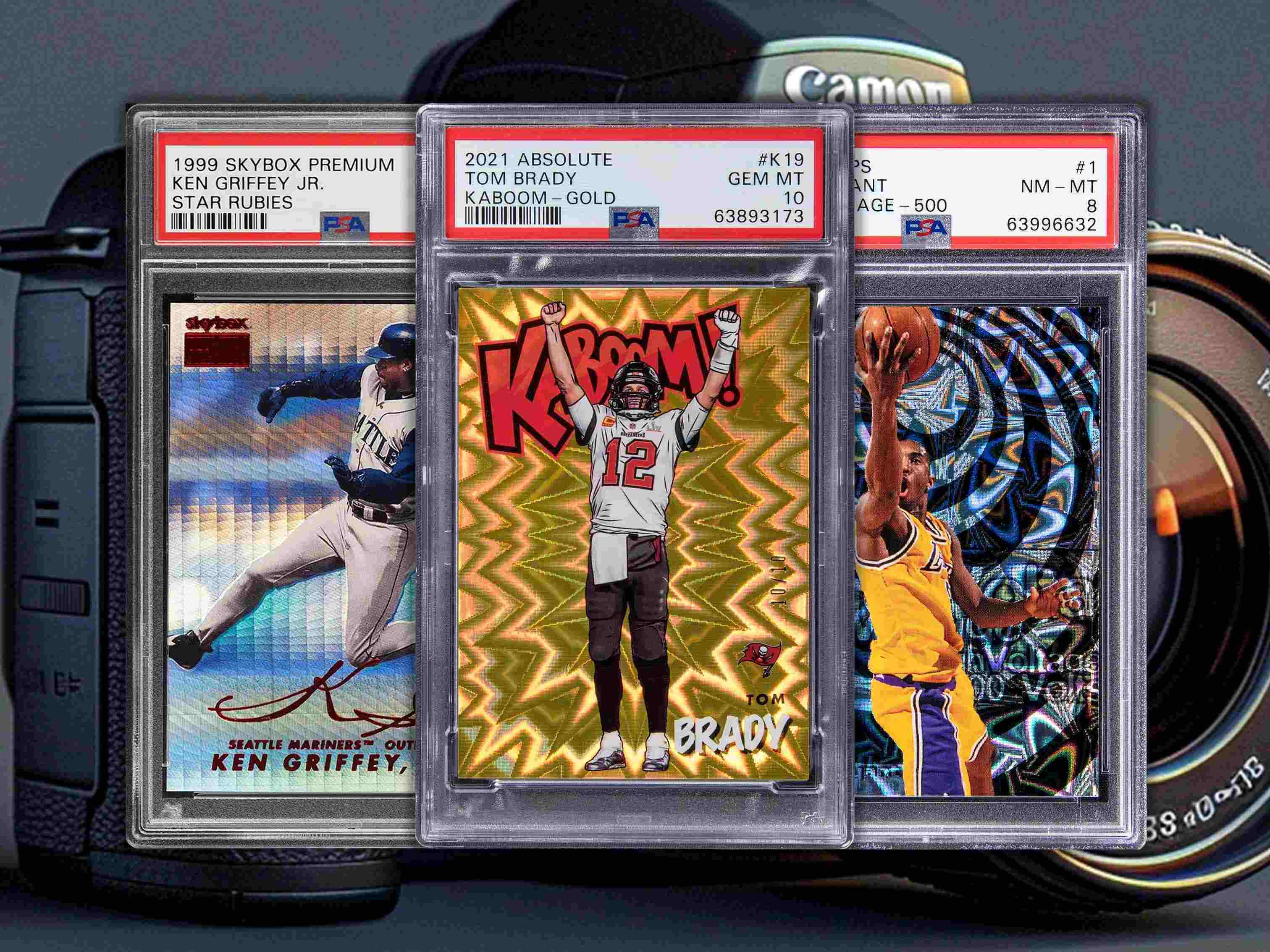
Over the past few years, grading companies have essentially become very close to the "asset issuance layer" in Crypto. In 2024, PSA's annual revenue exceeded $300 million. In today's sports card world, whether a piece of paper can go from $500 to $5000 often depends solely on whether it ends up encased in a PSA plastic slab.
Furthermore, specialized physical "exchanges" for sports cards have emerged globally. CardsHQ in Atlanta, USA, is hailed by many media outlets as "the world's largest sports card store." It's not just a store; it's a large financial entertainment complex integrating live box breaks, auctions, KOLs, community, and trading.
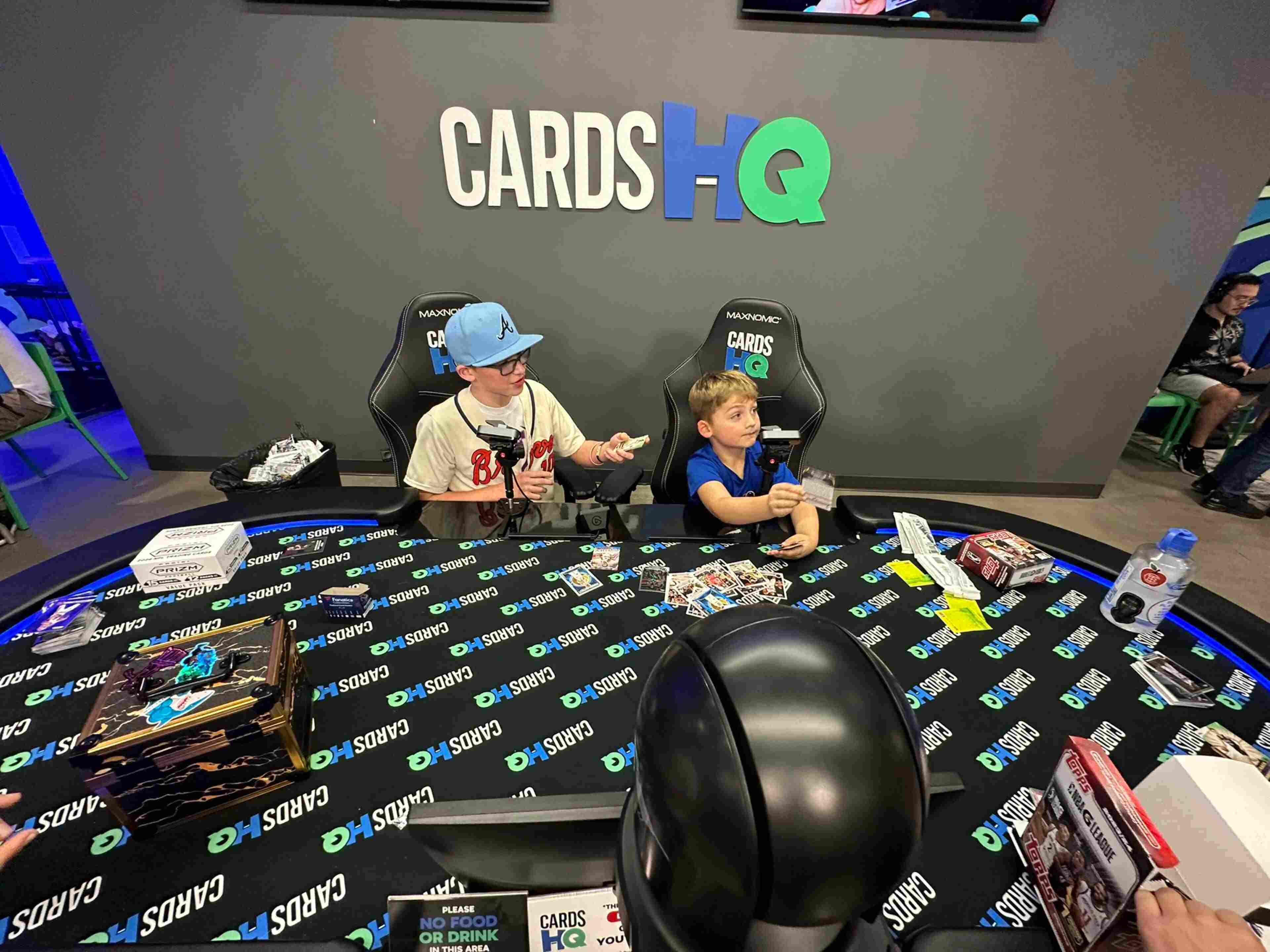
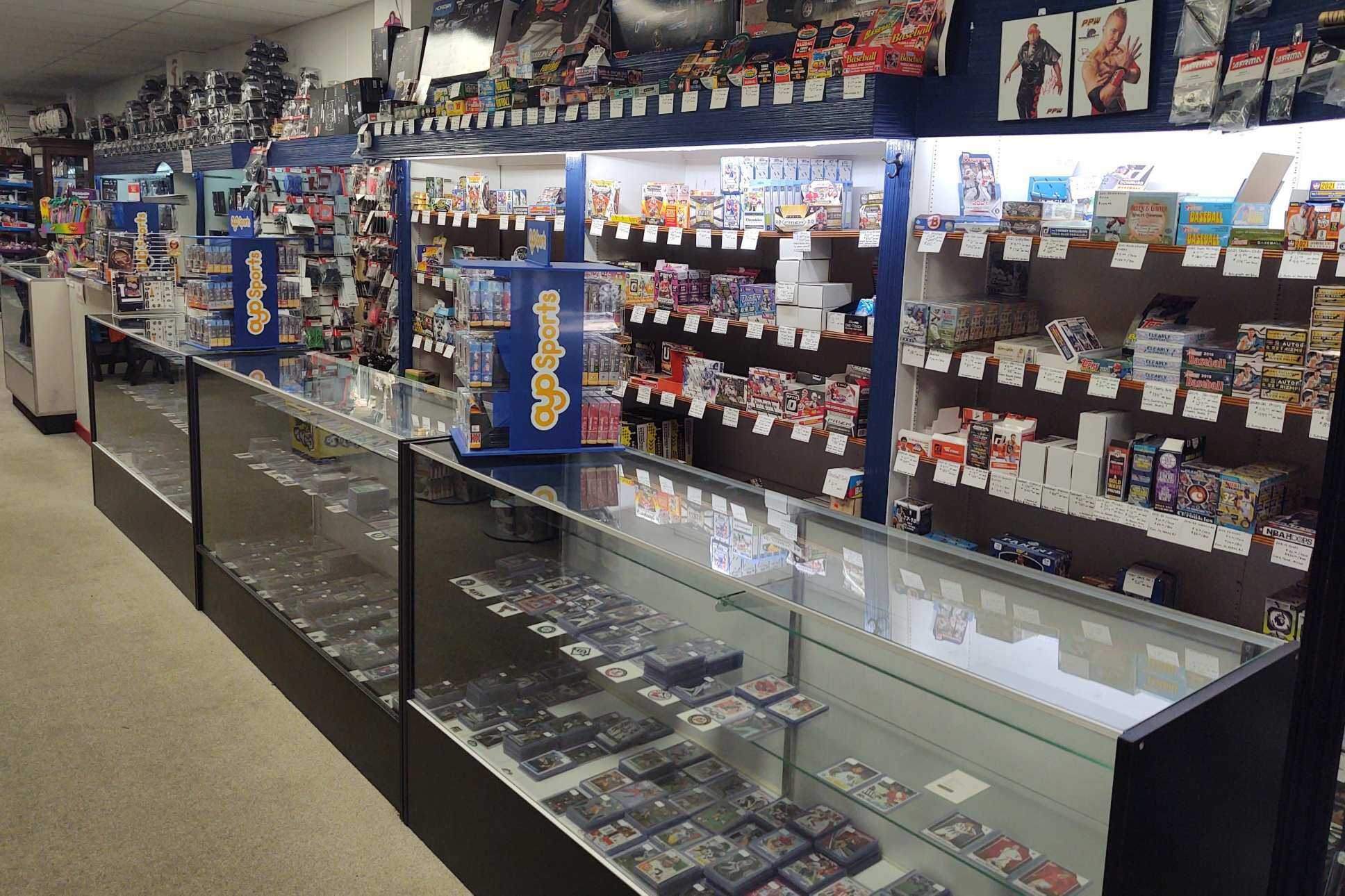
Today's NBA trading card market is actually very close to the Crypto world.
It has stood the test of time, has long-term bull and bear cycles, immense secondary liquidity, long-term "diamond hands", KOLs pumping cards, and emotional trading betting on the future GOAT.
Many sports card break communities are like meme communities: streamers dictate the pace, the community pumps, they bet on rookies, speculate on scarcity narratives, and FOMO into box openings...
Collective Emotion Can Become an Asset
What gives this market sustained liquidity and allows it to be financialized, like other assets, relies on "narrative."
In June last year, a Stephen Curry 2024 Topps Now Paris Olympics 1/1 autograph card sold for $518,500 at Goldin Auctions.
This card is valuable because it's tied to a moment. During the 2024 Paris Olympics men's basketball final, Curry hit consecutive crucial three-pointers and made that iconic "night-night" gesture towards France.
So, a card's price is deeply linked to the "narrative moment" hyped behind it. That shot, that game, that roar, that feeling of "I witnessed history firsthand."
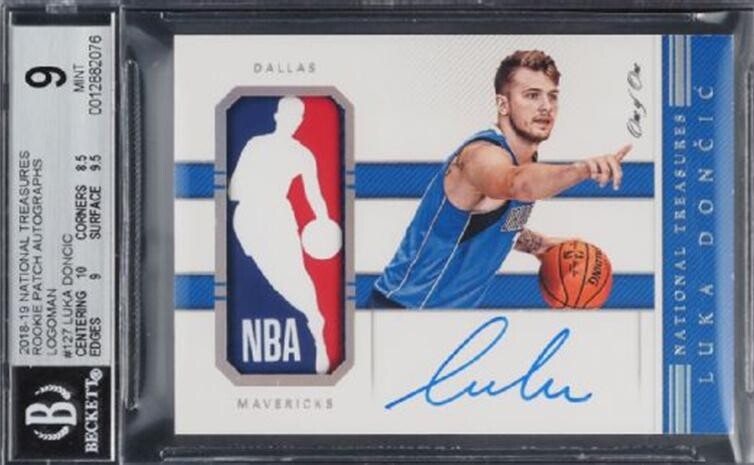
However, this price is not extreme in the top-tier card market. In 2021, Curry's Rookie Logoman Autograph 1/1 card sold for $5.9 million.
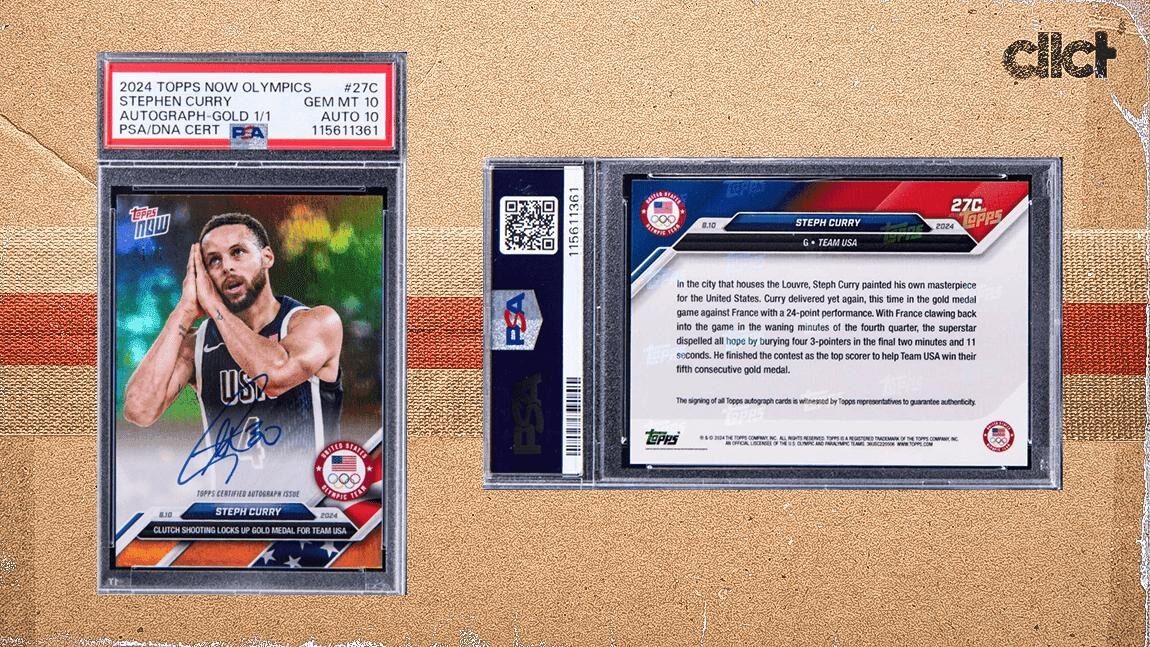
This represents the most profound change in the sports memorabilia market over the past few years: price is no longer strictly tied to absolute time or scarcity but is defined by different "story hype."
This is fundamentally the same logic as the booming prediction markets. On Polymarket, we trade on whether Trump will be elected, whether Bitcoin will hit new highs, or whether a certain movie will win an Oscar.
In the sports card market, they trade on whether Yamal will become the next football king, whether Haaland can win the World Cup, or whether a certain rookie will become the future GOAT.
Prediction markets sell "outcome probabilities," while sports cards sell "historical ownership." Both are essentially pricing collective emotion in advance.
What NFT Couldn't Achieve
Crypto players who have been burned by NFTs might find this "emotion-to-asset" chain familiar.
But NFT projects all face the same unsolvable problem: a lack of ability to continuously produce "new stories."
A profile picture might be very popular for a period after minting. However, once the hype fades, the project team can only struggle to maintain market consensus by constantly generating new roadmaps, new airdrops, new collaborations, and new utilities.
After an endless cycle, they ultimately resort to launching new projects until no one is left to buy.
But sports are different. Sports are the world's perpetual "emotion-generating machine."
It automatically updates its storyline every day, never ending. Someone hits a game-winner, someone gets injured, someone seeks revenge, someone retires, someone becomes a legend overnight, someone rises from the bench to stardom.
Its narrative isn't fabricated by project teams; it's a real-world story that continuously unfolds.
I've always enjoyed watching the UFC. Dana White is one of the best sports promoters of the past decade when it comes to "attention finance."
The UFC doesn't just sell tickets to fights; it sells rivalries, trash talk, revenge arcs, underdog stories, and the fall of dynasties – it sells ever-escalating emotions and dramatic narratives.
People don't pay for "technical statistics," but they will always pay for "narrative."
In fact, this is how the NBA has been operating for years too.
On one hand, older fans constantly complain about the league's "entertainment-ization" – refereeing controversies, superstar teams, drama, league marketing, an increasingly scripted feel. On the other hand, the undeniable fact is that the NBA's reach and commercial value among young people keep growing stronger.
The Financialization of Sports Leagues
The logic of sports consumption, and even the entire entertainment industry consumption, has changed today.
Many young people may not watch entire games, but they will watch trash talk, memes, short video clips, player personas, social media drama, and post-game interviews.
Sports increasingly resemble a large-scale, never-ending reality show IP. Trading cards have become the most direct financial outlet for these emotions.
During the NFT bull run, project teams loudly proclaimed that Web3 would redefine sports collectibles. But looking back now, it is the traditional sports leagues that have truly "financialized" first. Because they possess something Web3 lacks: real people, real games, and real collective emotional consensus.
In today's world of financializing everything, sports are not only a perpetual motion machine generating "future history" but are also becoming a platform for issuing financial assets.


