


Democrats Retake Congress: Will the Crypto Investigation Crackdown Land Soon?


- Key Takeaways: After the midterm elections, U.S. Democrats are accelerating investigations into the crypto industry, with Binance, Tether, and Trump family crypto projects as key targets. As the new Congress prepares to take office, the investigations may escalate from "voluntary cooperation" to compulsory subpoenas, exposing the crypto industry to stricter accountability.
- Key Elements:
- Senator Blumenthal has sent a new round of letters to Binance, Tether, WLFI, and FFF, demanding that investigation records be submitted by January 4, 2027. Once he becomes subcommittee chairman, he may push for subpoenas to compel testimony and evidence.
- Binance's core dispute involves approximately $1.7 billion in Iran-linked transfers; internal investigators are said to have been suspended or fired after discovering suspicious transactions, and Binance denies the allegations.
- Tether is under investigation for USDT's involvement in an Iranian shadow banking network and for paying more than $6 million in consulting fees to Nxum, with the payments occurring while former White House crypto official Bo Hines was in office.
- The WLFI and FFF investigations focus on whether foreign funds (including UAE-related funds) entering Trump family projects create conflicts of interest or policy influence. Testimony from TRUMP token investors about their losses has already been made public.
- The investigation also links Binance's USD1 partnership with WLFI, the SEC's dismissal of its lawsuit against Binance, and the presidential pardon of CZ, questioning whether business dealings influenced government decisions.
Original | Odaily (@OdailyChina)
Author | Asher (@Asher_0210)
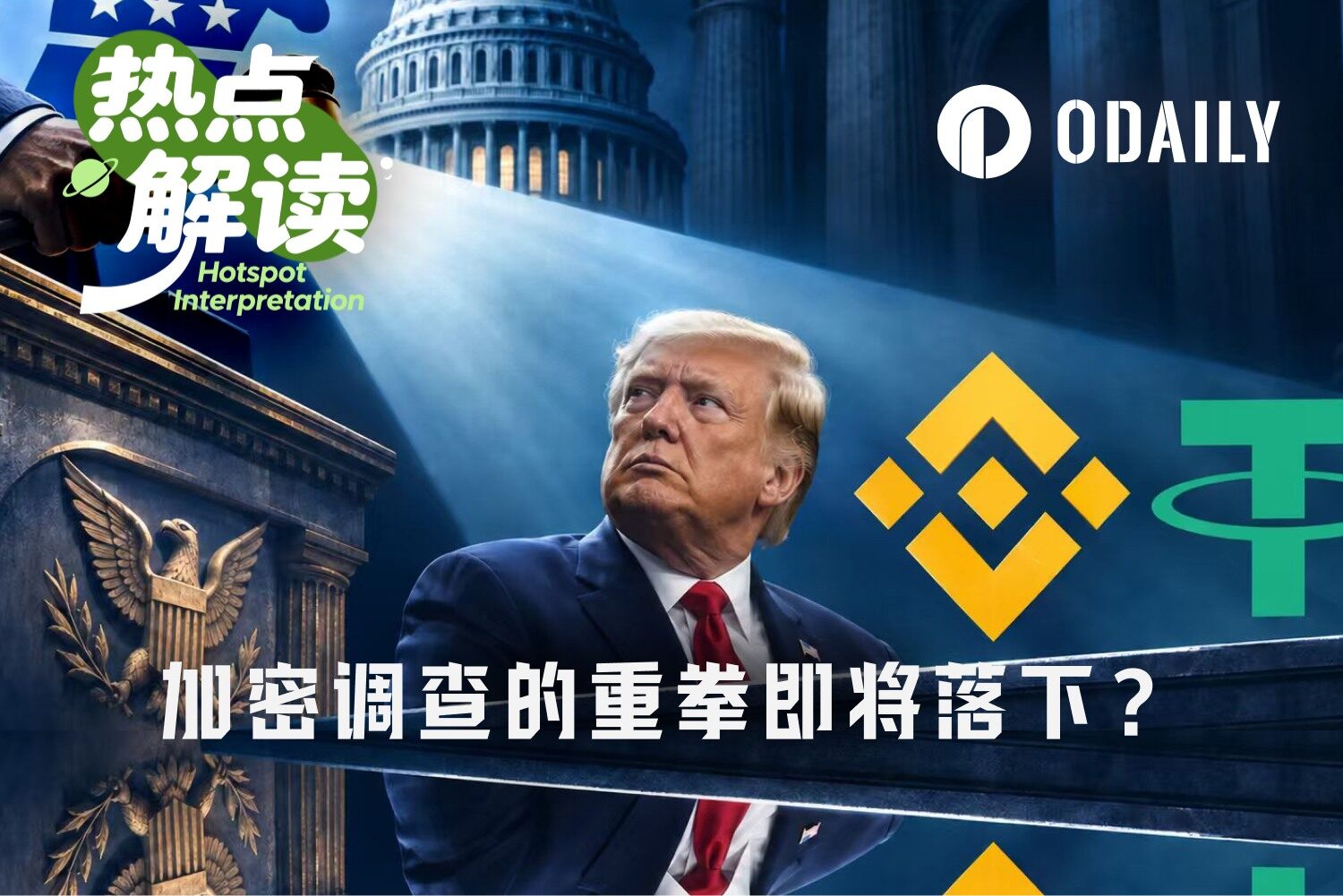
After the U.S. midterm elections concluded, Democrats have accelerated their investigation into the crypto industry, with Binance, Tether, and the Trump family's crypto businesses becoming key targets.
On November 5, U.S. Democratic Senator Richard Blumenthal sent a new round of letters to Binance, Tether, World Liberty Financial (WLFI), and Fight Fight Fight LLC (FFF), the entity behind the TRUMP token, requesting that the four companies voluntarily submit the investigative records and information previously sought by January 4, 2027. If they fail to cooperate, the subcommittee will consider other measures to obtain the materials.
From disputes over Iran-related transfers to hefty consulting fees paid to a firm linked to a former White House crypto official, and to foreign investment in Trump family projects, these investigations have been ongoing for months. Now, with Democrats back in control of Congress, the inquiry letters that were repeatedly sent may see more forceful follow-up actions.
New Congress Set to Take Office, "Voluntary Cooperation" May Be Followed by Subpoenas
The January 4 deadline comes right on the heels of the congressional transition. The new congressional term will begin on January 3, 2027, and Blumenthal is expected to move from ranking minority member to chairman of the Senate Permanent Subcommittee on Investigations; his office has already referred to him in this announcement as the "incoming chairman." Once he takes over the subcommittee, he will be able to push for subpoenas, compel document production, and summon witnesses in accordance with committee procedures.
For companies that have been slow to produce complete materials, continued delay could invite compulsory evidence-gathering. However, January 4 is not a date on which subpoena proceedings would automatically be triggered; whether the committee takes further action will still depend on the companies' submissions.
Binance had previously received multiple rounds of inquiries. In February of this year, Blumenthal asked it to provide relevant transaction and internal investigation records; Binance responded in writing in March, denying the allegations. In April, Blumenthal again demanded documents supporting its explanation. By November 5, in his latest letter, he stated that the company had still not responded adequately or submitted records meeting the requirements, and therefore reattached the material lists from the previous two rounds. Investigators are seeking transaction records, internal reports, and communications to verify Binance's earlier explanations and reconstruct the fund flows and handling process.
WLFI and FFF were asked to begin delivering materials starting November 30, and Binance must also begin submitting by that date at the latest, with a follow-up schedule to be agreed upon with staff in advance. The committee can review the first batch of documents and follow up on missing items before the transition; whether the records are complete and whether they support the companies' prior statements will also serve as an important basis for subsequent investigations.
Binance: $1.7 Billion in Iran-Related Transfers, USD1 Partnership and CZ Pardon Also Under Scrutiny
Approximately $1.7 billion in Iran-linked transfers are the core dispute in the Binance investigation. Previously, multiple media outlets reported that two entities, Hexa Whale and Blessed Trust, were suspected of transferring funds to Iran-linked parties through Binance, with some transactions allegedly involving oil trading by Iran-linked armed groups and Russia's "shadow fleet." In addition, after Binance's internal investigators discovered the suspicious transactions, some of them were subsequently suspended or fired, raising questions about whether the company was suppressing compliance investigations. Blumenthal is seeking account information for the two entities, internal investigation reports, and related communications to reconstruct the fund flows and the platform's handling process.
Binance denies the allegations, stating that the company proactively investigated after receiving law enforcement inquiries, has offboarded the aforementioned entities, and that no employees were fired for raising compliance issues. Regarding fund flows, Binance stated that to its knowledge, no Binance accounts directly transacted with entities located in Iran; the relevant funds passed through multiple independent intermediaries, most of which had no confirmed Iran links. Blumenthal, meanwhile, has demanded that Binance provide transaction details and an account handling timeline to verify these explanations.
The investigation also involves Binance's USD1 partnership with WLFI and the context of CZ receiving a pardon from President Trump. In previous letters, Blumenthal linked Binance's business support for USD1, the U.S. Securities and Exchange Commission's dismissal of its lawsuit against Binance, and Trump's pardon of CZ, questioning whether commercial dealings influenced government decisions. Whether there was a quid pro quo among these matters still requires evidentiary support and cannot be judged solely on the sequence of commercial cooperation and policy handling.
Tether: Over $6 Million in Consulting Fees Tied to Former White House Crypto Official
The investigation facing Tether involves the use of USDT in Iran's shadow banking network and payments to consulting firm Nxum. Blumenthal previously released a report questioning whether USDT was used to help Iran-linked entities circumvent financial restrictions; the investigation into payments to Nxum further probes the relationship of interest between Tether and U.S. policymakers.
According to reports, Tether entered into a partnership with Nxum in May 2025, agreeing to pay $415,000 per month for branding, public relations, and lobbying services, with cumulative payments exceeding $6 million. The payments coincided with the period when Nxum co-founder Bo Hines was still responsible for crypto policy at the White House, while he still held a one-third equity interest in the company at the time. In an October 22 letter, Blumenthal also noted that Hines was alleged to have sought favorable stablecoin legislative arrangements for Tether during this period, and therefore demanded contracts, payment details, and communications to examine whether federal ethics, anti-corruption, or lobbying laws were involved.
Tether responded that outside counsel had previously conducted a thorough internal investigation and found no evidence of wrongdoing. But this response has not yet dispelled Blumenthal's concerns; he still requires the company to submit relevant records to examine the payment arrangements and potential conflicts of interest.
Trump Family Projects: Foreign Investment and Presidential Power May Intersect
Regarding WLFI and FFF, the entity behind the TRUMP token, the investigation focuses on whether foreign funds entering Trump family projects bring conflicts of interest or policy influence. Blumenthal launched the relevant investigation in May 2025, focusing on the projects' acceptance of foreign government investment, transactions with foreign individuals facing U.S. federal prosecution, and whether government ethics requirements were violated. Among these, WLFI's dealings with UAE-related funds are also part of the investigation.
The sale of the TRUMP token and investor losses are also under scrutiny. In July of this year, Blumenthal held a public forum and released testimony from some investors who lost thousands of dollars. However, losses alone do not prove that a project is unlawful; the investigation still needs to examine sales arrangements, disclosures, and funding records to determine whether there was misconduct. The investigation announcement released this time did not include responses from WLFI and FFF to this round of letters.
The two companies' funding sources, investment agreements, and related communications will be key to examining whether private commercial interests intersect with presidential power. What rights and interests foreign investors obtained, and whether they sought to gain access to the government or policy favors, still require documentary support.
From exchange sanctions compliance to stablecoin companies' lobbying expenditures to the presidential family's token businesses, the Democratic investigation has touched on multiple connections between the crypto industry and American politics. Under the new Congress, the crypto industry must not only push for clearer rules but also face stricter accountability.





