US-Japan Joint Intervention: A New "Plaza Accord," the Dawn of a Bretton Woods 2.0, and the End of the Yen Carry Trade Era


- Core Thesis: The rare joint US-Japan intervention in the foreign exchange market to support the yen has prompted a reassessment of the end of the yen carry trade model, pushing global capital flows and asset allocation into a new normal driven by liquidity restructuring.
- Key Elements:
- US Treasury Secretary Bessent confirmed participation in the joint intervention and mentioned expanding the FIMA repo facility; Trump called it a reflection of allied relations and expects financial gains for the US.
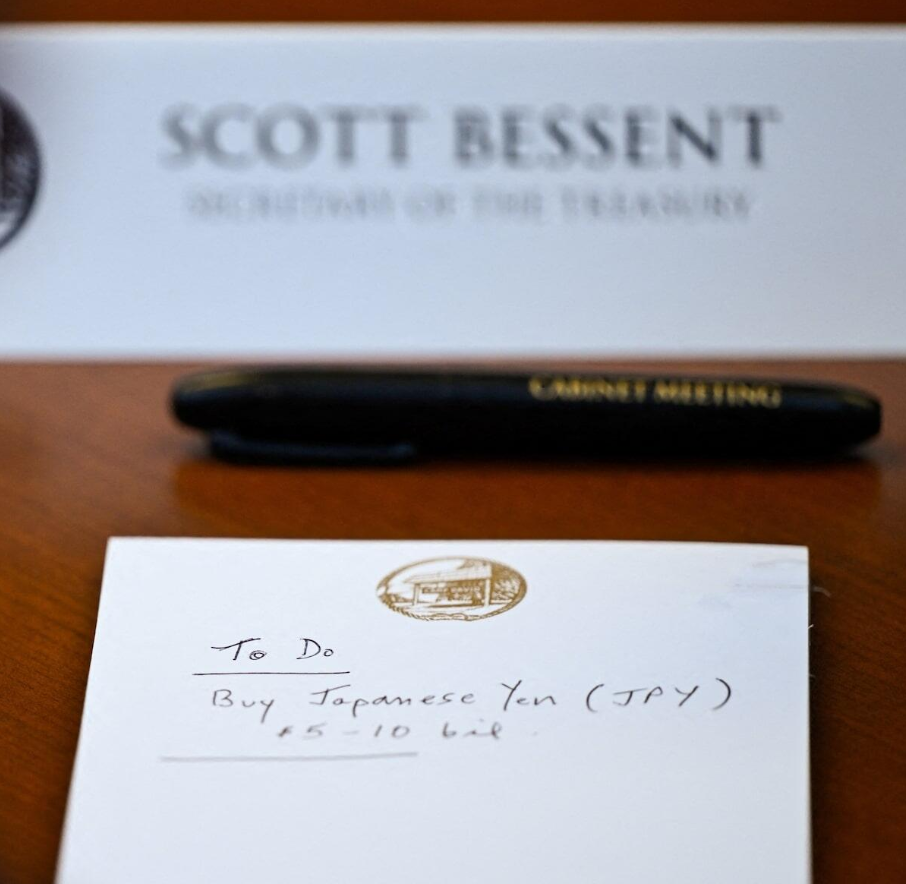
- Intervention details surfaced: Bessent's notebook listed "buy 5-10 billion USD worth of yen" as a to-do item, and Japan's Finance Minister may announce specific coordination measures.
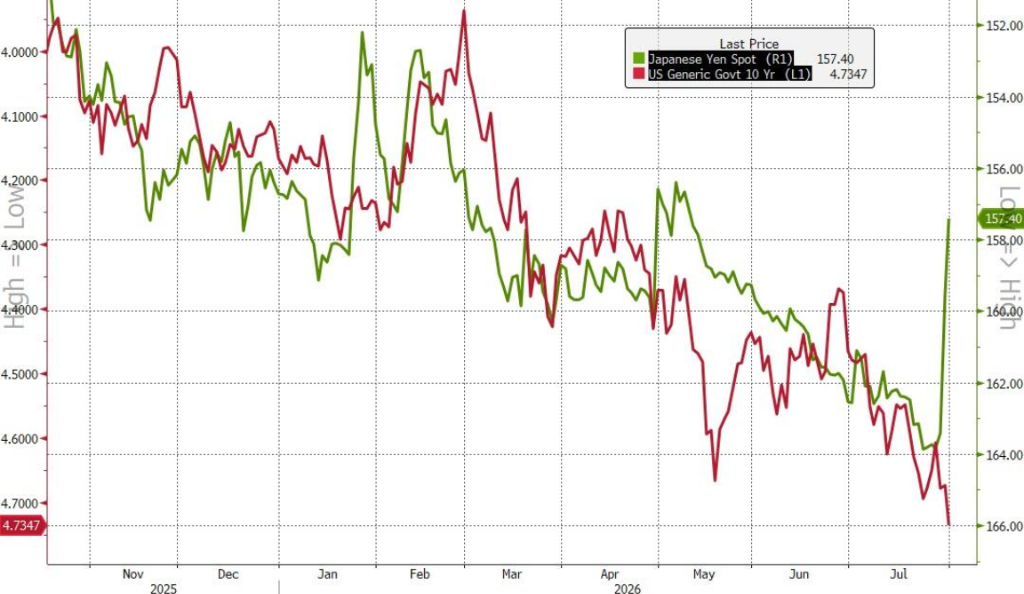
- The yen strengthened to 157.40 per dollar, its strongest level since early May, after previously approaching lows not seen since 1986.
- Analysts note that if Japan sells off its foreign exchange reserves to defend its currency, it may reduce holdings of US Treasuries, putting repricing pressure on long-end Treasury yields.
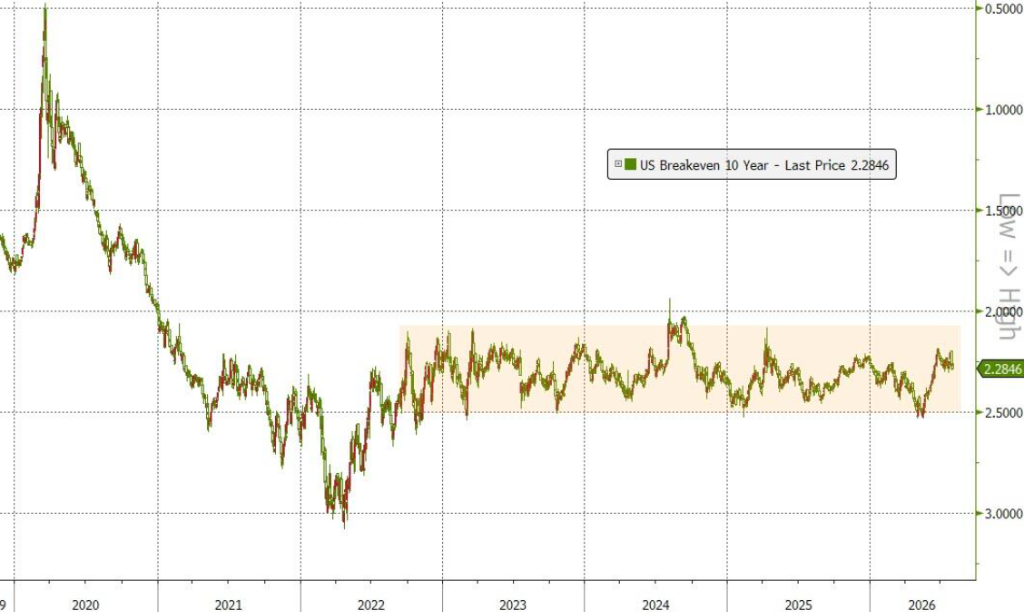
- Markets have attributed the rise in long-end yields to inflation, but breakeven inflation rates and credit market data do not support this view; the real driver may be yen reserve liquidation and tech giants shifting from savers to credit consumers.
- Wellington Altus strategists said the US Treasury has recognized that long-end Treasury movements are driven by capital flows, and the world's largest holder of US Treasuries turning into a seller would trigger structural adjustments.
- This intervention is viewed by some as the beginning of a new "Plaza Accord" or Bretton Woods 2.0, potentially marking the end of the yen carry trade era.
Author: Ye Zhen
Source: Wall Street CN
The rare joint U.S.-Japan effort to support the yen has prompted markets to reassess global capital flow patterns that have long relied on low-interest-rate yen funding. Some strategists suggest that if this policy direction persists, it could mark a turning point for yen carry trades and drive deeper shifts in global capital allocation.
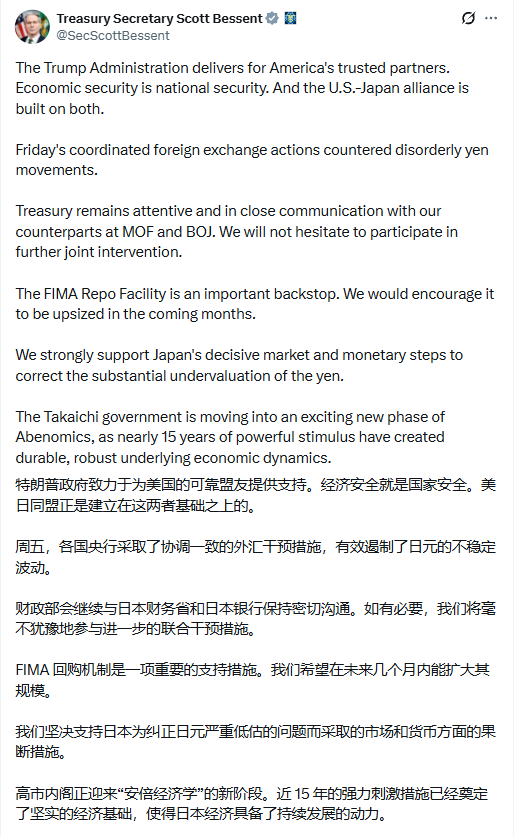
U.S. Treasury Secretary Bessent and President Trump over the weekend successively confirmed active U.S. participation in supporting the yen. Bessent stated unequivocally that the U.S. will not hesitate to participate in further joint intervention to correct what he described as a severe undervaluation of the yen. Meanwhile, Trump emphasized that the intervention reflects the strength of the U.S.-Japan alliance and expressed expectations that Washington would reap substantial financial benefits from the coordinated action.
This rare policy coordination quickly triggered intense reactions in financial markets. With direct official buying, high-level verbal intervention, and window guidance from relevant authorities to trading banks, the yen strengthened sharply to 157.40 against the dollar in late New York trading, its strongest level since early May. Just two days earlier, the yen had been hovering near its lowest point since 1986.
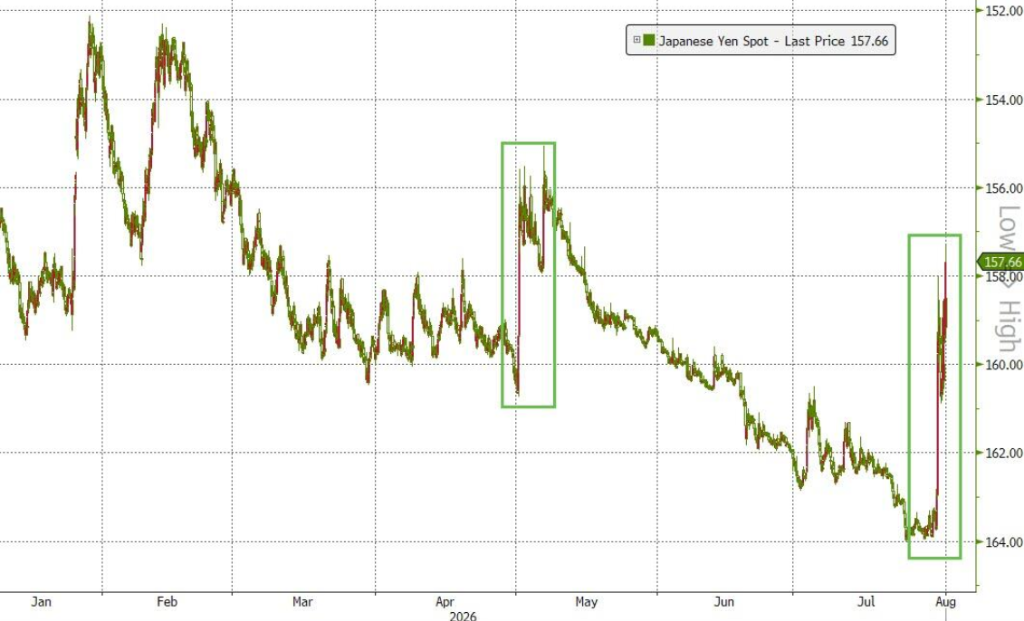
Market analysts point out that this U.S.-Japan joint action has gone beyond conventional currency management. As Japan may sell foreign exchange reserves to defend its currency, the associated repricing at the long end of the U.S. Treasury yield curve is pushing global capital markets into a new normal dominated by liquidity restructuring.
Rare Coordination: High-Profile Endorsement and Intervention Details from U.S. and Japanese Officials
According to Bloomberg, Japan's Ministry of Finance and the U.S. Treasury Department are currently working together to support the yen with a level of cooperation not seen in decades.
U.S. Treasury Secretary Bessent said in a post on social media platform X that the Treasury Department has been closely monitoring the situation and maintaining close communication with Japan's Ministry of Finance and the Bank of Japan. He also emphasized that the FIMA repo facility serves as an important backstop and that the U.S. encourages expanding the scale of this facility in the coming months.
Details of the intervention are gradually emerging. According to Reuters, at a cabinet meeting held at Camp David, a notepad in front of Bessent clearly listed "buy $5 billion to $10 billion yen" as a to-do item. Additionally, Bloomberg cited sources familiar with the matter saying that Japanese Finance Minister Satsuki Katayama could announce specific measures for coordinated U.S.-Japan foreign exchange intervention as early as Monday to curb the yen's excessive depreciation.
On the political front, President Trump told reporters aboard Air Force One that the U.S. stands ready to help Japan, describing it as a sign of friendship between the two countries. When asked what benefits the U.S. could gain, Trump compared it to last year's currency swap agreement with Argentina, noting that the U.S. ultimately earned $25 billion from the Argentine swap and expressing expectations that this intervention would similarly yield financial gains.
Market Repricing: The End of the Carry Trade Era and Pressure on Long-End U.S. Treasuries
The yen's strong rebound is not merely the result of intervention operations; it also touches the underlying logic of the global financial system.
Since the 1980s, Japan has been at the core of global yen carry trades, maintaining a financial order built on cheap leverage and central bank engineering by exporting savings and suppressing yields.
Analysts note that as quantitative easing policies are unwound and yen carry trades approach their end, this old order is collapsing. Future market interest rates will increasingly be determined by capital markets themselves, rather than unilaterally set by central banks.
James Thorne, chief market strategist at Wellington Altus, analyzed that Bessent's recent actions indicate the U.S. Treasury clearly recognizes that movements at the long end of the Treasury yield curve are driven by capital flows. If Tokyo must defend the yen, Japan's Ministry of Finance may need to sell U.S. Treasuries. When the largest overseas holder of U.S. debt becomes a seller, long-end Treasury yields are bound to face repricing.
Credit Tightening and Structural Shift: Not Merely Inflation Panic
In the face of rising long-end Treasury yields, Wall Street has broadly attributed the move to "inflation risk," but market data does not provide strong support for this view. Currently, breakeven inflation rates remain anchored, and credit markets have not priced in a new inflationary regime.
Analysts believe the real driver lies in Japan's foreign exchange reserve liquidation and a global adjustment process not yet fully recognized by markets. In addition, the shifting capital role of major technology companies has further intensified this pressure. Tech giants that once absorbed duration are now issuing bonds at scale to invest in AI infrastructure, data centers, and chips, transforming from providers of savings into consumers of credit.
These long-term forces are tightening global credit conditions. In a global economy that has long relied on carry trades, this deleveraging process requires exceptional skill. Central banks need to lower interest rates to facilitate this global liquidity adjustment, rather than merely treating it as an inflation alarm.
Establishing a New Regime: The Emergence of Bretton Woods 2.0
Analysts believe the current currency market movements represent not just a technical intervention, but carry the implications of a new "Plaza Accord" and the beginning of Bretton Woods 2.0.
The United States is seeking to escape long-term stagnation through supply-side economics, deregulation, and productive investment, accelerating economic growth. Analysts point out that a Fed led by Warsh would be highly compatible with this new world order, as economic growth would no longer be viewed as a policy mistake.
At the same time, Japan may ultimately undergo a restructuring of its economic landscape and geopolitical role.
Whether this joint intervention ultimately proves to be a short-term currency stabilization measure or the beginning of longer-term international policy coordination, it has already forced markets to reassess the decades-old yen carry trade model and the potential new shifts in global capital flows.