






Detailed explanation of Solana’s new feature “Token Extension”: Helping the next killer application?


Original author: @hmalviya 9
Original compilation: Frank, Foresight News
Editors note: In January, the Solana Foundation released the new SPL token standard Token Extension, opening up the imagination of the Solana network to unlock more complex on-chain use cases.
To get straight to the point, I think the Solana ecosystem is ushering in a new explosion, mainly due to the fact that Solana developers are working hard to explore new boundaries, including the Token Extension function that has been launched.
This article will briefly introduce the Token Extension function and the potential use cases it can bring.
What is Token Extension?
In one sentence, Token Extension is a new generation of SPL token standard.
Among other things it allows developers to build custom token functionality such asPrivate transactions, transfer hooks, non-transferable tokens, interest-earning assets, metadataetc.
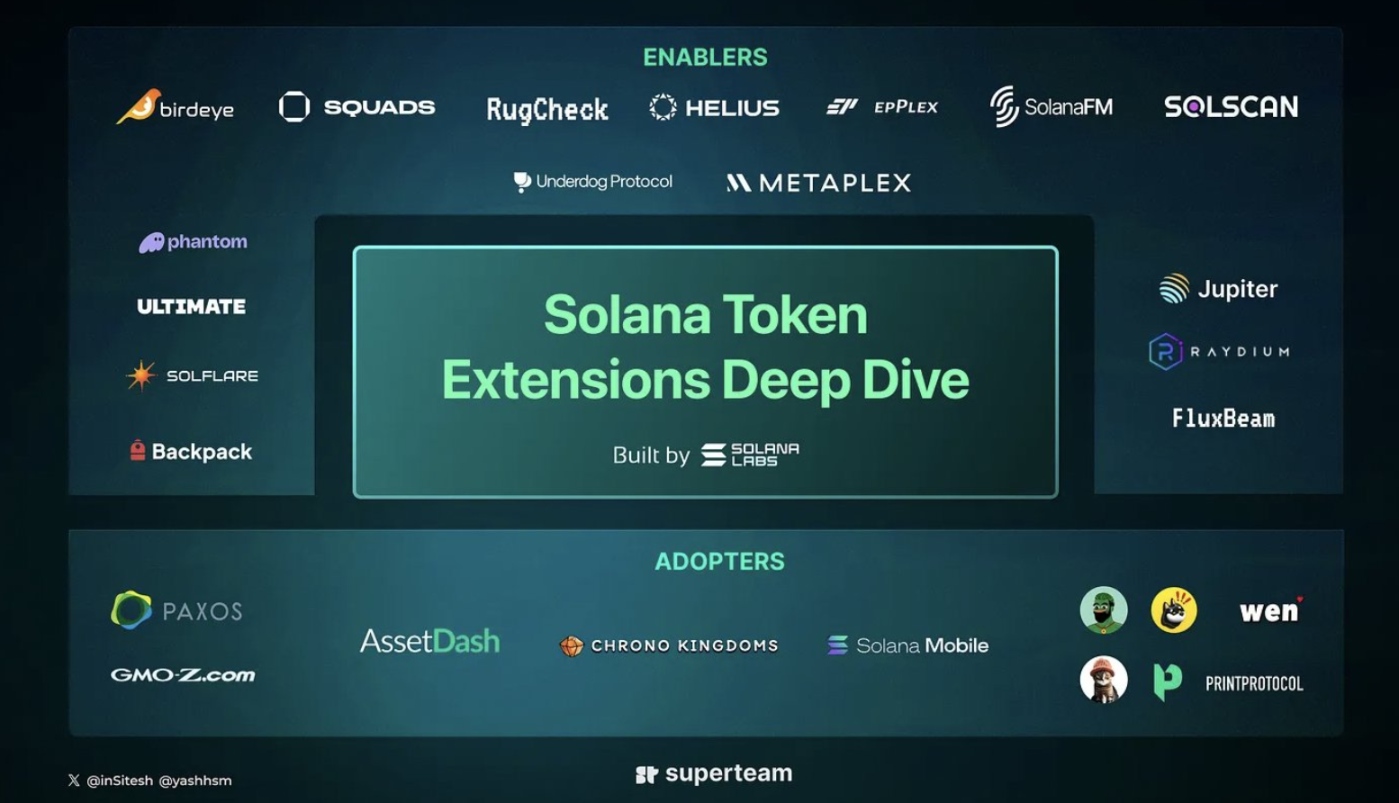
To understand it more simply, think of it asA library of 19 different token standards that enable specific functionality for tokens based on specific use case requirements.
Its like 19 ETH token standards merged into one token standard and we are free to use all 19 standards in our own way.
Of course, one of the biggest advantages is that there are no fixed rules like the ETH token standard. After all, the ERC proposal agenda is too slow. In Token Extension, developers can even try to merge several of these standards to meet their needs. Build the next killer app.
Token Extension use case
Next, let’s talk about 5 “Token Extension” use cases that I’m really optimistic about, and share project directions around the corresponding use cases. You can definitely implement these ideas in the next Solana hackathon.
1. Privacy transactions
“Token Extension” will allow us to build DApps that support privacy or confidential transactions, and the demand for such DApps will undoubtedly be huge in the near future, because some Degens really want to perform on-chain operations in a privacy environment.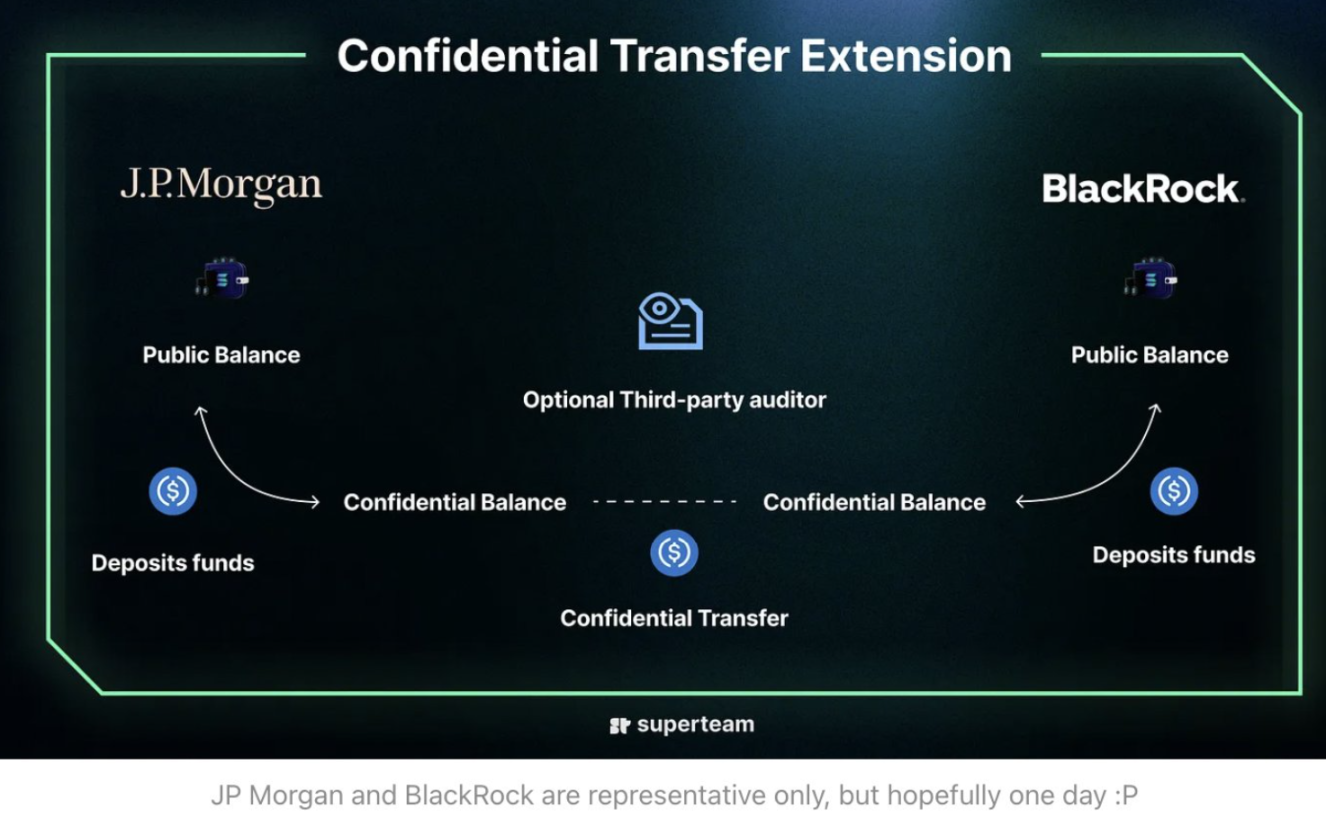
For example, we can create a private DeFi protocol that allows users to exchange one SPL token for another SPL token while keeping the transfer amount and balance private.
At the same time, we can also explore building a multi-chain cross-chain bridge to realize private transactions between Solana and NeonEVM.
2. Transfer Hooks
Transfer Hooks are pretty cool - they allow users to enforce certain rules when transferring tokens.
for exampleYou can enforce profit-sharing ratios for middlemen, third-party KYC, compliance, or provide some kind of token incentive for developers.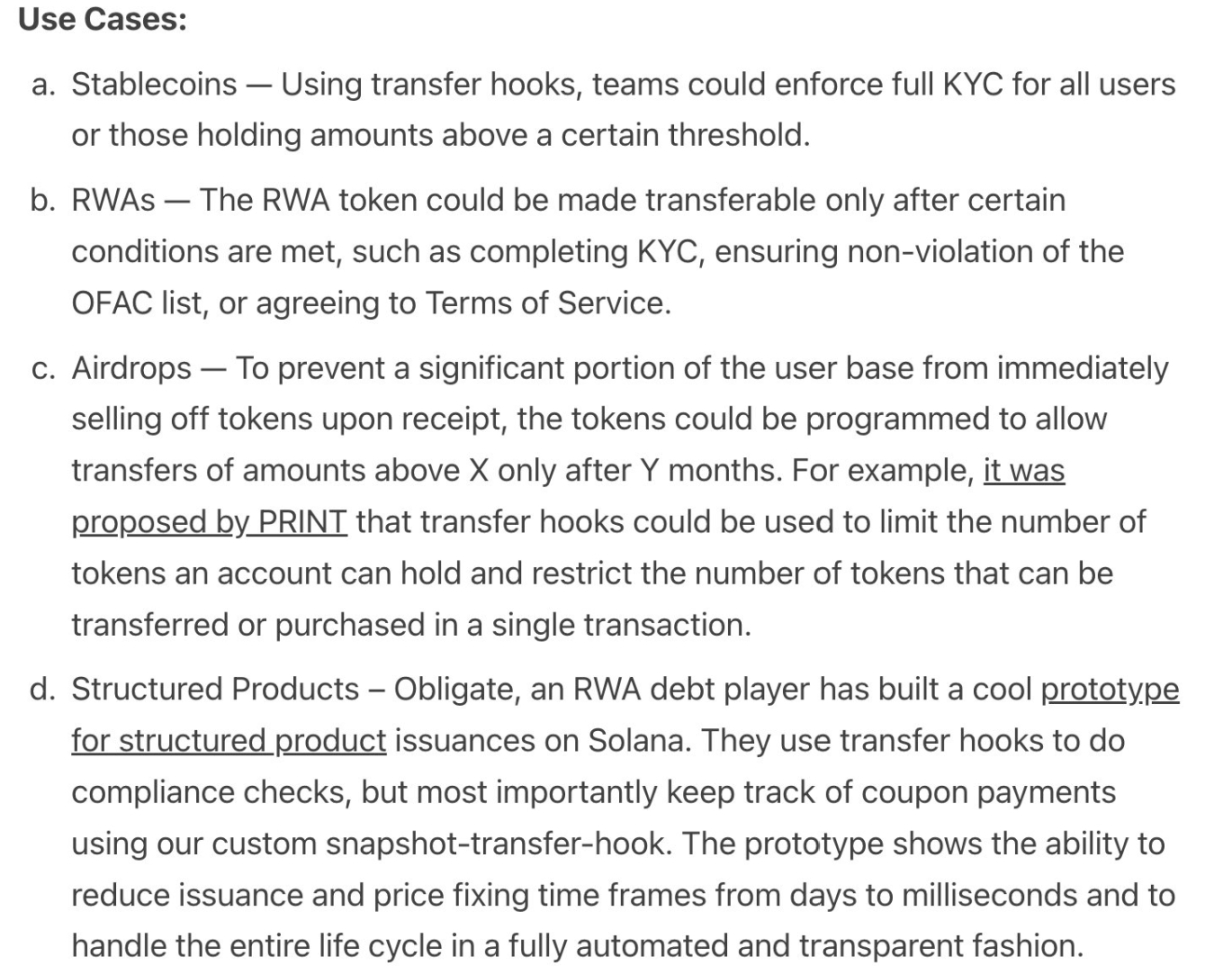
For example, we can use transfer Hooks to build a basic DeFi smart contract, which shouldAllows us to earn SOL when someone uses the contract to transfer tokens—Essentially similar to how artists enforce royalties to ensure developer incentives.
3. Non-transferable tokens
Non-Transferable Tokens refer to those tokens that cannot be transferred, similar to Soul-Bound Tokens (SBT), and they are expected to be widely used in related use cases related to government documents.
For example, government departments can establish a governance portal based on this standard to issue non-transferable NFT national ID cards to citizens, and those who hold these NFTs can obtain benefits provided by the government.
4. Interest-earning assets
Interest-Bearing Assets refer to tokens that can generate interest during the holding period.
Based on Token Extension, we can build tokens, liquid pledged tokens or stable coins that earn interest through staking or using DeFi strategies, and can also include any type of real-world assets (RWA), such as U.S. Treasury bonds, etc.
for example,We can launch a delta-neutral stablecoin similar to Solana version USDe,Each user manages its pegging situation by holding jitoSOL positions and opens short positions at a ratio of 1:1 (further reading 27%! Is USDe, which has an annualized rate higher than UST, a Ponzi scheme?》)。
The corresponding vault can then earn interest through funding rate income and staking income, and use rebalancing strategies to maintain the peg.
5. Metadata
Based on Token Extension, nowCommand Line/JavaScript can be used to store NFT metadata in SPL standard tokens.
This is important because NFTs are becoming truly on-chain, which may spur demand for on-chain gaming.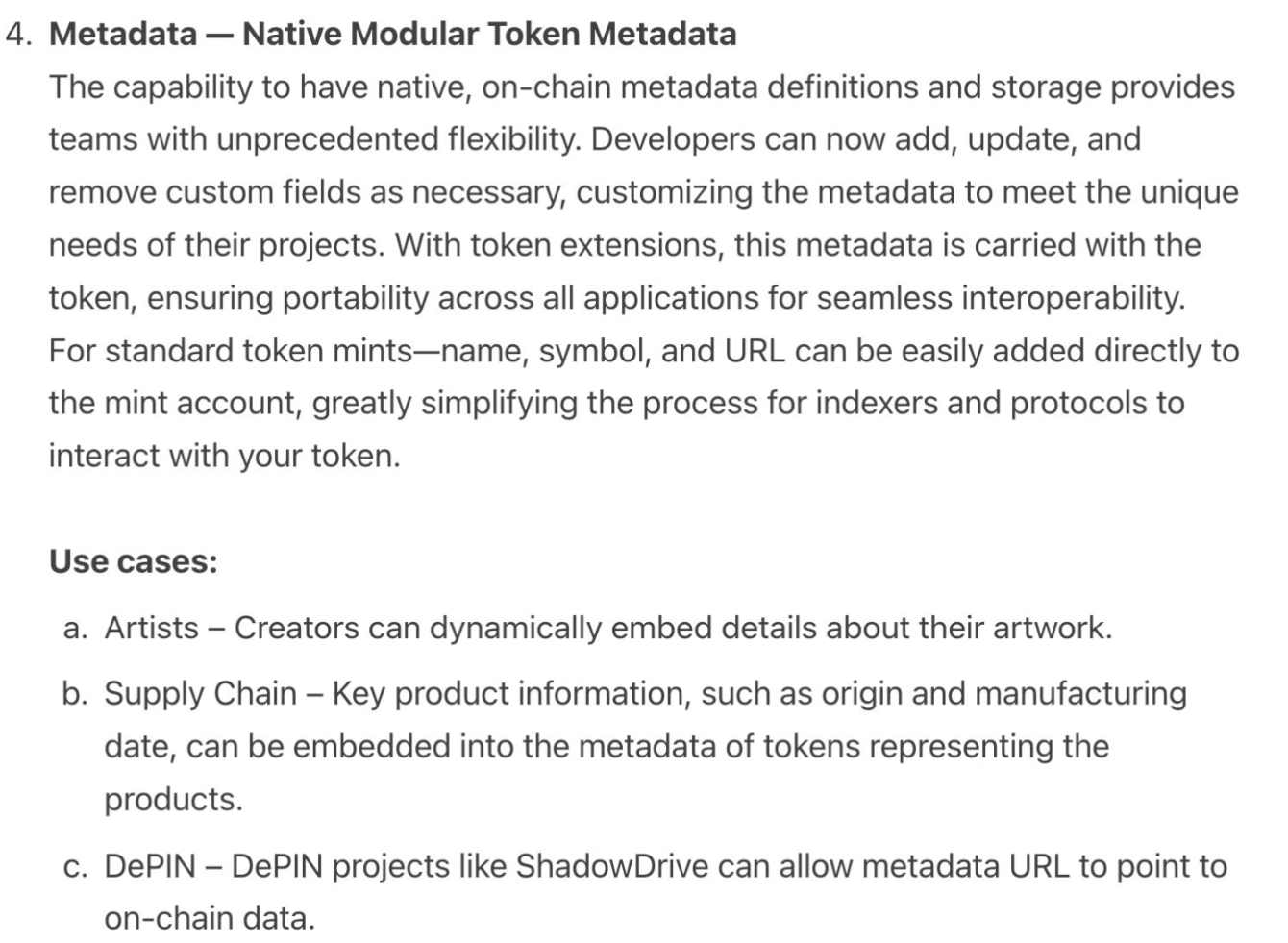
For example, we can build a basic logic game that can only be accessed by players who hold NFT or SBT on the chain. Since the Token Extension allows all these features to be combined, building the game is straightforward.
A comprehensive example
We can combine the above five directions to imagine a comprehensive example:
We can build a DeFi lending application that only allows those wallet addresses with a Nomis score higher than 500 (achieving this through transfer Hooks); and users can deposit jitoSOL on the platform and receive 7.5% annualized returns and points (This is achieved through interest-bearing tokens).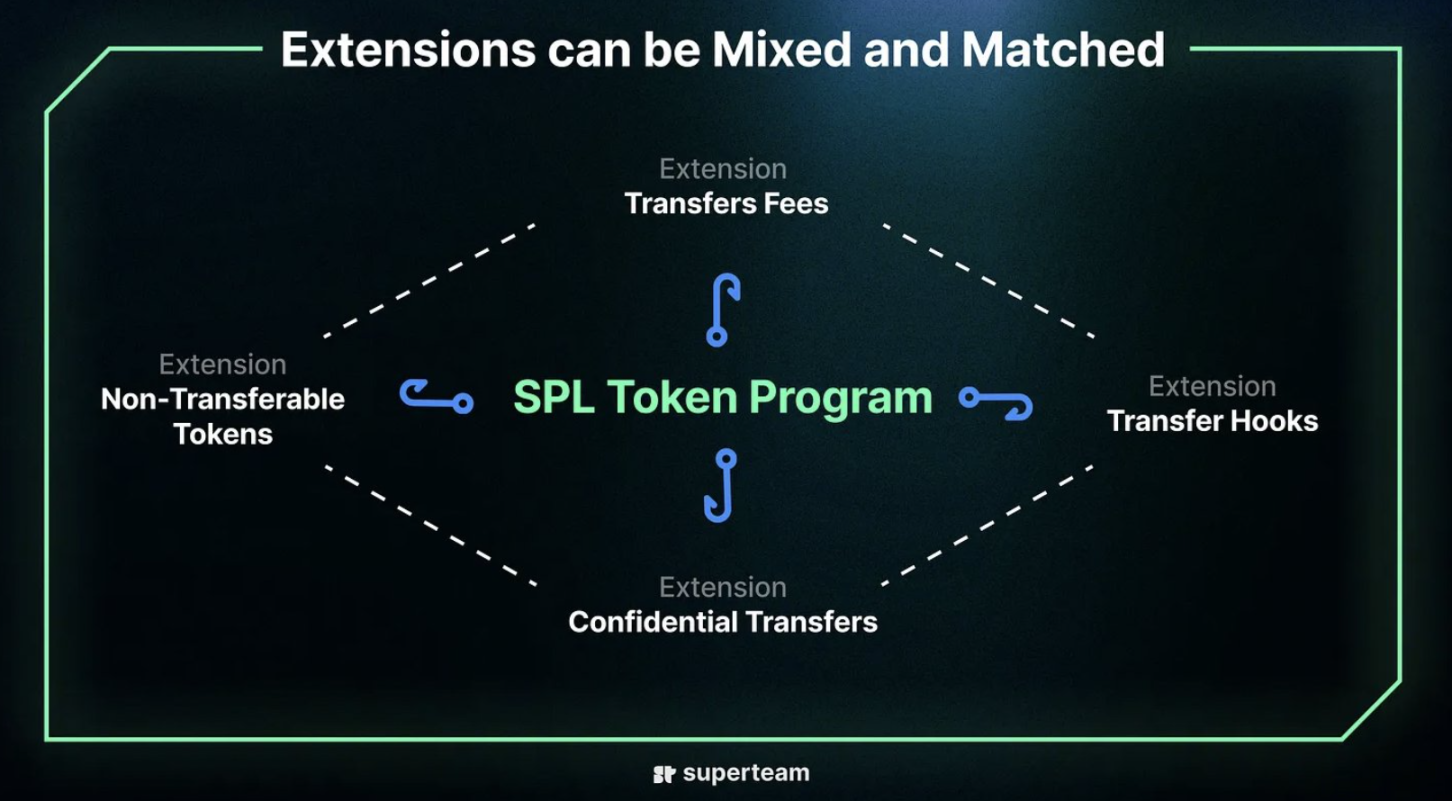
Personally, Im very excited about the future of Token Extension. I believe it will be a game changer and will help developers build the next killer Web3 application.





