新以太坊代币之间的竞争:DN-404和ERC-404


Original author:Marshallalllen
Original compilation: Vernacular Blockchain
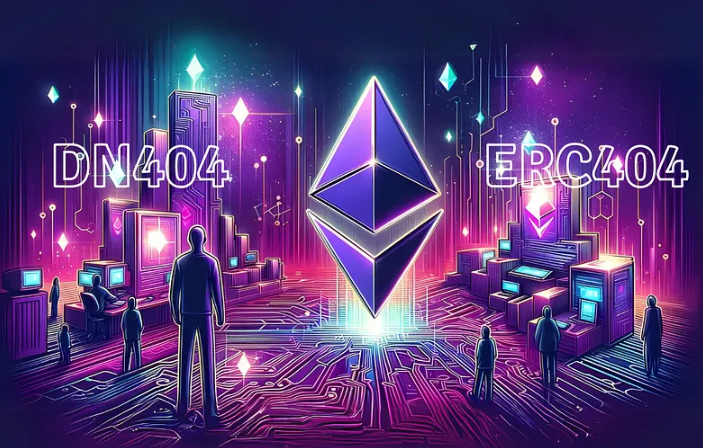
In the dynamic world of cryptocurrency, innovation is constant, and Ethereum is at the forefront, being at the center of groundbreaking developments. Recently, the Ethereum ecosystem has witnessed the emergence of two competing token standards, DN 404 and ERC-404, sparking a fierce competition that promises to reshape the NFT decentralized landscape.
1. The emergence of competing Token standards
The cryptocurrency community is full of excitement because of the debut of DN 404 and ERC-404 Tokens, each of which provides a unique way to solve the decentralization challenges of NFT. These Tokens represent the fusion of ERC-20 and ERC-721 standards, combining the advantages of both to provide local decentralization capabilities. As the dust settles, developers and enthusiasts are eager to explore the potential of these innovative token standards and their impact on the Ethereum ecosystem.
2. Introduction to DN 404 and ERC 404
Let’s dig deeper into the core issue: DN 404 and ERC 404. The introduction of these Tokens aims to revolutionize the way NFTs are purchased, sold and traded. ERC 404 was first proposed by the Pandora team and quickly entered the market, attracting widespread attention in combining ERC 20 Tokens with NFTs to achieve the vision of local decentralization. However, as Ethereum transaction fees continue to climb, there has been a push for the development of an alternative: DN 404.
1) DN 404: Challengers Rise
DN 404, this newcomer is challenging the dominance of ERC 404. Developed by a group of cryptocurrency enthusiasts, DN 404 aims to provide similar benefits to ERC 404, but with greater efficiency and lower transaction costs. By leveraging two separate but related contracts—an ERC-20-based contract and a mirrored ERC-721 contract—DN 404 attempts to address the shortcomings of its predecessor and remain compatible with existing token standards. DN 404’s focus on efficiency and security has quickly gained support from developers and users seeking more sustainable decentralized solutions for NFTs.
2) ERC 404: Pioneering innovation comes at a cost
Although ERC 404 was the first to enter the market, its rapid rise came at a cost. Following its launch, Ethereum transaction fees skyrocketed, raising concerns about the scalability and sustainability of the token standard. Despite ERC 404’s innovative features, including local decentralization and seamless integration with existing protocols, it has been criticized for its impact on network congestion and gas fees. While developers work to improve and optimize ERC 404, the Ethereum community is divided over its long-term viability.
3. In-depth understanding of DN 404 and ERC 404
1) Explore the concepts behind DN 404 and ERC 404 Token
DN 404 and ERC 404 represent an exciting evolution for the Ethereum ecosystem, combining the functionality of the ERC-20 and ERC-721 standards to introduce semi-fungible tokens. These Tokens are designed to bridge the gap between homogeneous and non-fungible assets, providing unique decentralization and enhanced liquidity capabilities in the NFT market. At their core, DN 404 and ERC 404 utilize smart contracts on the Ethereum blockchain to achieve the creation, transfer and management of tokenized assets. By leveraging the power of blockchain technology, these tokens provide users with unprecedented control over their digital assets, revolutionizing our perception of ownership in the digital realm.
2) Explore the integration of ERC-20 and ERC-721 standards to create semi-fungible tokens
The fusion of ERC-20 and ERC-721 standards is the core of DN 404 and ERC 404 Token, ushering in a new era of tokenization on the Ethereum blockchain. Known for their homogeneity and interoperability, ERC-20 tokens serve as the basis for transactional assets on the Ethereum network. On the other hand, ERC-721 Token introduces the concept of non-fungible tokens (NFT), making unique digital assets such as collectibles and artworks possible. By combining these two standards, DN 404 and ERC 404 Tokens provide a hybrid solution that combines the divisibility of ERC-20 Tokens with the uniqueness of ERC-721 Tokens, creating a versatile asset class that can Make fractional ownership transactions easy.
3) How do DN 404 and ERC 404 solve NFT decentralization and liquidity challenges?
The main goal of DN 404 and ERC 404 Token is to solve the inherent challenges related to NFT decentralization and liquidity in the digital asset market. Traditional NFTs are inherently indivisible, making them illiquid assets that are difficult to trade in fractions. DN 404 and ERC 404 Tokens overcome this limitation by introducing native decentralization capabilities, allowing users to easily tokenize and trade portions of NFTs. This provides investors with new opportunities to diversify their portfolios and participate in the booming NFT market without requiring large capital expenditures. In addition, by enhancing liquidity through fractional ownership, DN 404 and ERC 404 Tokens provide a more vibrant and dynamic environment for the digital asset ecosystem, unlocking value for creators, collectors, and investors together.
4. The rise of ERC 404
1) Tracing the origin and rapid rise of ERC 404 Token in the Ethereum community
The birth of ERC 404 Token marks an important milestone in the evolution of the Ethereum Token standard. Led by the Pandora team, ERC 404 became a groundbreaking solution to NFT decentralization and liquidity challenges. Since its introduction, ERC 404 has generated widespread interest among developers and enthusiasts, receiving widespread attention from the Ethereum community. The rapid rise of ERC 404 is due to its innovative tokenization method, which seamlessly integrates ERC-20 and ERC-721 functions to create a semi-homogeneous token standard. This unique combination makes ERC 404 a leader in the NFT market and at the forefront of the pursuit of increasing asset decentralization and liquidity.
2) Analyze the features and functions that push ERC 404 to the forefront
At the core of ERC 404s success lies its powerful features and functionality, designed to address the shortcomings of traditional NFTs. One of the key innovations of ERC 404 is its native decentralization capabilities, allowing users to easily tokenize and trade portions of NFTs. This innovative feature opens up new avenues for asset diversification and investment in the digital asset space, allowing users to maximize the utility of their assets. Additionally, ERC 404 integrates seamlessly with the existing Ethereum protocol, ensuring compatibility with a variety of decentralized applications (DApps) and smart contracts. This interoperability increases the utility and versatility of ERC 404, making it the first choice for developers and users to leverage the benefits of semi-fungible tokens.
3) The impact of ERC 404 on Ethereum transaction fees and network congestion
Despite ERC 404’s widespread adoption and acclaim, its rapid rise has not been without challenges. One notable impact of ERC 404 is on Ethereum transaction fees and network congestion. As ERC 404 tokens gain popularity, the Ethereum network has experienced increasing congestion issues, resulting in rising transaction fees and slower processing times. This surge in demand has put pressure on Ethereum’s infrastructure, raising concerns about scalability and sustainability. Despite these challenges, ERC 404 is pushing the boundaries of innovation in the Ethereum ecosystem, driving the evolution of token standards, and paving the way for a more decentralized and inclusive digital economy.
5. DN 404: The Rise of Challengers
1) DN 404 as an alternative implementation of ERC 404
In the dynamic world of blockchain technology, innovation is constant and competition drives progress. DN 404 As a challenger to the established ERC 404 standard, DN 404 represents an alternative implementation of ERC 404 that aims to address its shortcomings and provide enhanced efficiency and security. With the emergence of DN 404, a new wave of enthusiasm has set off in the Ethereum community, promising to completely change the landscape of tokenization and NFT decentralization. But what is unique about the DN 404, and how does it compare to its predecessors?
2) In-depth discussion of the design and structure of DN 404, emphasizing efficiency and safety
Essentially, DN 404 aims to provide a more efficient and secure solution for tokenization on the Ethereum blockchain. Unlike ERC 404, which attempted to merge the ERC-20 and ERC-721 standards into a single contract, DN 404 takes a different approach. It utilizes two separate but related contracts - a base ERC-20 contract for divisible token shares and a mirrored ERC-721 contract for unique NFTs. This design not only simplifies the token creation process, but also minimizes the risk of potential vulnerabilities and security breaches. By prioritizing efficiency and security, DN 404 aims to provide developers and users with a reliable tokenization and asset management framework.
3) Compare DN 404 and ERC 404 in terms of transaction cost, security and overall performance.
When evaluating DN 404 and ERC 404, there are several key factors involved, including transaction costs, security features, and overall performance. In terms of transaction costs, DN 404 shows a competitive advantage over ERC 404, with developers reporting an average gas cost saving of approximately 20%. The reduction in transaction costs is significant for users, especially in a network like Ethereum where gas fees can fluctuate significantly. In addition, compared to ERC 404’s single contract approach, DN 404’s two contract structure provides enhanced security and reduces potential vulnerabilities and security risks. Overall, while both standards have their merits, DN 404’s focus on efficiency and security makes it a strong competitor to ERC 404 in the Ethereum ecosystem.
6. Developer insights: Building DN 404 Token
1) A step-by-step guide to creating a DN 404 Token from conception to deployment
Creating a DN 404 Token involves a systematic process, starting from conception and ending with deployment on the Ethereum blockchain. Developers must first clarify the purpose and function of the Token and determine the specific requirements and characteristics needed to achieve the goal. Then, they perform smart contract development and write code that defines the behavior and functionality of the token. Once the smart contract is written and tested, developers deploy it to the Ethereum blockchain, making the DN 404 Token accessible to users around the world. Throughout the process, attention to detail and following best practices are critical to ensuring the security and reliability of your DN 404 Token.
2) Insights from DN 404 developers on best practices, potential challenges, and future developments
Behind every successful DN 404 Token project are developers who are adept at navigating the complexities of blockchain technology, demonstrating skill and creativity. These developers provided valuable insights into best practices, potential challenges, and future developments in the DN 404 Token space. They emphasized the importance of comprehensive testing and auditing to identify and mitigate potential security vulnerabilities and ensure the robustness and security of DN 404 Tokens. In addition, developers also emphasized the need for continuous innovation and improvement, as the blockchain field has been developing rapidly. By keeping up with the trends of the times and embracing new technologies, DN 404 developers are driving the progress of Tokenization and NFT decentralization on the Ethereum blockchain.
3) Real-world examples of DN 404 Token projects and their impact on the Ethereum ecosystem
As DN 404 is promoted in the Ethereum community, real-world examples of DN 404 Token projects are beginning to emerge, demonstrating the diversity and potential of this innovative standard. From DeFi platforms to digital art markets, DN 404 Token plays a role in a variety of applications and use cases. For example, projects such as Pandora and DeFrogs utilize DN 404 Token to implement fractional ownership of NFTs, allowing users to invest in high-value assets without requiring large capital investments. These projects not only expand access to digital assets but also drive liquidity and innovation in the Ethereum ecosystem. As DN 404 continues to develop, its impact on the digital asset field is expected to grow, leading to a new era of tokenization and asset decentralization on the Ethereum blockchain.
7. How to create DN 404 Token?
1) Ideation and planning
Creating a DN 404 Token starts with a clear understanding of its purpose and goals. Do you want to tokenize real-world assets, create digital collectibles, or facilitate decentralized finance (DeFi) transactions? Clearly defining your goals before the project begins is critical to shaping the direction of the project.
Market research plays a key role in the planning stage. By analyzing market trends, user preferences, and competitor products, you can identify gaps and opportunities in the market. Understanding the needs of your target audience will guide you in developing functionality and features for your DN 404 Token.
During the planning stage, collaboration is crucial. Collaborate with developers, designers, and stakeholders to brainstorm and refine project scope. Ensure your DN 404 Token aligns with industry best practices and user expectations by leveraging the team’s expertise and insights.
2) Token design and development
With a solid plan in place, now it’s time to turn your DN 404 Token into a reality through design and development. First, design the Token architecture, including the contract structure and Token economic model. Consider factors such as token supply, distribution mechanism, and utility in the ecosystem.
Once the design is finalized, smart contracts can be written and deployed on the Ethereum blockchain. Smart contracts are self-executing agreements with predefined rules and conditions. These contracts manage the behavior and functions of DN 404 Token, ensuring the transparency and credibility of transactions.
When developing DN 404 Tokens, security is paramount. Implement strong security measures to protect against potential vulnerabilities and attacks. Conduct comprehensive testing, including unit testing, integration testing, and security audits, to identify and resolve any issues before deployment.
3) Integration and deployment
Integrating DN 404 Token into existing platforms and applications is a key step in making it accessible to the masses. Whether it’s an online marketplace, gaming platform, or decentralized finance (DeFi) application, seamless integration is critical to maximizing utility and accessibility. Developers can integrate DN 404 Token into their projects using software development kits (SDKs) and application programming interfaces (APIs) provided by Ethereum and other blockchain platforms. By leveraging the broad ecosystem of decentralized applications (dApps), developers can discover new use cases and opportunities for DN 404 Tokens.
To ensure market liquidity and accessibility, it is crucial to facilitate the distribution and liquidity of Tokens through decentralized exchanges (DEX). DEX allows users to trade DN 404 Token directly from their digital wallets without relying on intermediaries or centralized exchanges. Liquidity mining schemes, automated market makers (AMMs), and decentralized finance (DeFi) protocols can further enhance liquidity and incentivize participation in the DN 404 ecosystem. By creating a vibrant and liquid market for DN 404 Tokens, developers can create a thriving ecosystem that attracts users and investors.
Driving awareness and adoption of DN 404 Token is achieved by launching a marketing campaign, and building a community around the project is critical. Social media, influencer collaborations, and targeted advertising can help increase awareness and generate attention for DN 404 Token. Educational content, such as tutorials, blog posts, and webinars, can help users understand the benefits and use cases of DN 404 Tokens. By engaging with the broader cryptocurrency community and demonstrating the unique characteristics of the DN 404 Token, developers can drive adoption and grow the ecosystem.
4) Maintenance and optimization
Once DN 404 Token is deployed and integrated in the ecosystem, ongoing maintenance and optimization are critical to ensuring its continued success. Monitoring token performance and user feedback provides valuable insights for improvements and optimizations. Developers can leverage analytics tools and user feedback mechanisms to track key metrics such as transaction volume, token velocity, and user engagement. By closely monitoring these metrics, developers can identify trends and patterns that can guide future development efforts.
Implementing upgrades and optimizations is an ongoing process that involves iterating on existing functionality and introducing new functionality. Smart contract upgrades, protocol improvements, and user interface enhancements can all promote the development of DN 404 Token. Security audits and code reviews are critical to ensuring the integrity and security of DN 404 Tokens. By remaining vigilant and proactive, developers can mitigate potential risks and vulnerabilities and maintain trust and confidence in the ecosystem.
Interacting with the community and seeking feedback is critical to fostering a sense of ownership and engagement among users and stakeholders. Community forums, social media channels, and developer meetups provide opportunities for dialogue and collaboration. By actively soliciting feedback and incorporating community input into the decision-making process, developers can build a more inclusive and responsive ecosystem. By fostering a culture of openness, transparency, and collaboration, developers can harness the collective intelligence and creativity of the community to drive innovation and growth.
8. Summary
To sum up, the competition between DN 404 Token and ERC 404 Token has triggered a wave of innovation and competition in the Ethereum ecosystem. While both token standards offer unique features and capabilities, the competition is far from over as to who will dominate. As developers continue to iterate and optimize their projects, the future of non-fungible token (NFT) segmentation looks promising. By embracing emerging token standards and pushing the boundaries of decentralized finance, developers and entrepreneurs can unlock new opportunities and shape the future of blockchain technology.