






7 O'Clock Capital: Metaverse from the perspective of Web3


Original source: 7 O'Clock Capital
Since the natural universe changed from chaos to an orderly world, after countless mutations and evolutions, human beings finally appeared. With human beings, there is human mind, which is matter and spirit. Described in computer language, human beings are composed of equipment and software. The material body is the human equipment, and the spiritual mind or thought is the human software. With the advent of the metaverse era, human beings may finally become "creators" and create everything they imagine in the digital world. The combination of Metaverse and blockchain will usher in a new era in which humans create the world instead of the creator and determine the future of the digital frontier, thus bringing about a new virtual world, for which a new philosophy of creation must be constructed and explored.
In recent years, the Metaverse has caused a sensation in the technology and capital circles, and has spawned a large number of encryption projects related to the Metaverse. Among them, emerging projects are vying for attention and may determine the future of the industry. Many Metaverse encryption projects currently on the market will continue the narrative of the Metaverse. In this article, we will list the metaverse encryption projects worthy of attention in 2022, so as to gain a deeper understanding of the application scenarios and value experience of the metaverse in the encrypted world.
1. A Brief Review of the Metaverse
What is the Metaverse?
Proposal of the concept of the metaverse: In 1992, Neal Stephenson's science fiction novel "Snow Crash" proposed the two concepts of "metaverse (metaverse, Chinese translation translated as "Super Yuan Domain")" and "Avatar (Avatar)". The plot in the book takes place in a future setting in which real humans and virtual humans live together in a virtual space through VR equipment. There is currently no accepted definition. The concept of the Metaverse comes from the English Metaverse. Different people have quite different understandings of the Metaverse, but the definition of the concept points to some common keywords.
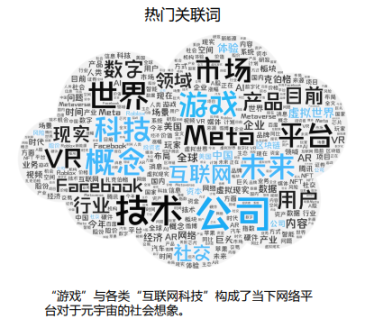
Generally speaking, the Metaverse refers to a digital virtual universe constructed by people outside the natural universe through digital technology that mirrors the natural universe but can provide people with free space for creation. Fully understand and utilize the natural universe. In essence, the metaverse is an advanced form of digital existence, and it has the characteristics of existing across the real world and the virtual world.
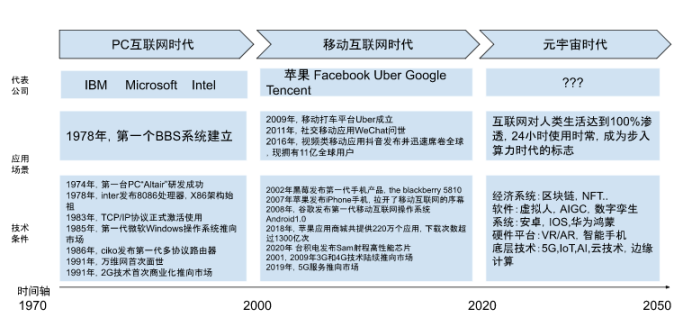
From the era of industrial revolution to the era of information technology revolution and then to the era of digital revolution, the era of digital revolution can be truly achieved and realized through blockchain technology. Metaverse is the first truly complete business category in the era of digital revolution. 7 O'Clock Capital believes that all of these metaverses are currently working towards the same goal: enabling multiple layers of overlap between digital life and physical life. We map it to the encryption industry, so that the metaverse can truly be realized, get rid of the gap between the rich and the poor, eliminate the gap between levels, and finally human beings live in a completely decentralized utopian ideal world, where cryptocurrencies are digital assets for value exchange and storage, NFT serves as social identity proof and game role proof in the virtual world, and DID serves as the credit cornerstone of the Metaverse, equipped with the Metaverse platform to build a complete "second world".
2. Metaverse Industry Overview
2.1 Reasons for the rise of metaverse
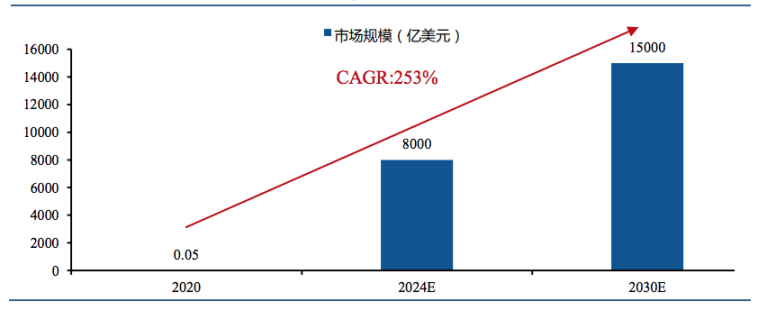
According to Bloomberg estimates, the metaverse market size will reach 800 billion US dollars in 2024, and at the same time, metaverse-related economies will usher in substantial growth. The market size is expected to increase from 5 million US dollars in 2020 to 1.5 trillion US dollars in 2030, 2020-2030 The CAGR of 2019 reached 253%. When the mobile Internet traffic space peaked, the bonus of the metaverse era has already begun.
The rise of any industry can be traced. The reason why the Metaverse industry can flourish is because:
1) Technological progress is the key to product development. In recent years, the technology and hardware systems that support the establishment and operation of the Metaverse have accelerated their expansion and improvement. Different technologies and hardware are combined, self-circulating, and iterative in the "realm" of the Metaverse. The stability of technology provides the confidence to start large-scale commercialization .
2) Users expect new experiences. "Generation Z" is active on various Internet social platforms. The new generation of consumers understand and stick to the Internet far more than their predecessors. They focus on an editable open world, and they will pay more attention to creative games and highly immersive social interaction.
3) The epidemic has accelerated social virtualization. We need a new generation of virtual office space that is more personalized, immersive, connected and collaborative. At the same time, people's offline consumption needs such as travel, shopping, and leisure, which are restricted by the epidemic, can also be met through virtualization through Metaverse.
4) Capital seeks new exports. The reality superimposed virtual path has opened up a wide range of business potential, scene-based social networking, virtual clothing, virtual idols, online parties, virtual land, etc. have emerged as the times require.
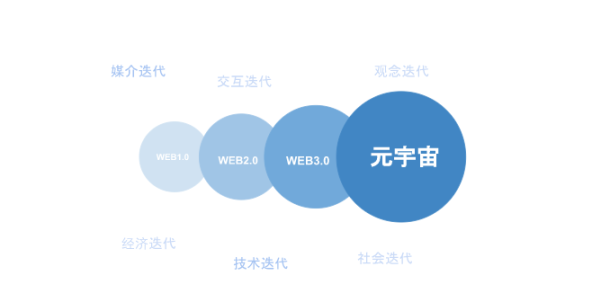
Metaverse may be able to break through the bottleneck of the current Internet:
1) Immersive experience that is difficult to distinguish between true and false - to meet the needs of people's spiritual value;
2) Decentralized creation system - meeting people's needs for respect and self-realization;
3) Three-dimensional social network system - to meet people's social needs;
4) Decentralized economic system - creating more employment opportunities and sources of income;
5) Diversified forms of civilization - to meet the needs of people's spiritual value.
We divide human needs into material value needs and spiritual value needs. If the development of metaverse matches Maslow's human needs theory, the decentralized economic system matches people's property security needs, and the three-dimensional social network system matches people. The social needs of people, the immersive experience that is difficult to distinguish between true and false, an open creation system, and various forms of civilization match people's needs for respect and self-realization. Different stages meet different needs. In this more immersive virtual world, supported by blockchain (via NFT) and run by a decentralized autonomous organization (DAO), it is not only a digital mapping of the real world, but also A digital space beyond the real world. In the end, the metaverse will establish a complete set of economic and social systems, resulting in new commodity markets, financial markets, labor markets and other social relations, forming a new social form.
2.2 Metaverse financing data
2021 is undoubtedly the first year of the "Metaverse". A large number of Internet companies have begun to enter the Metaverse track. Since 2022, the global Metaverse market has become more active in investment and financing, and has achieved substantial growth in both number and scale. The track showed a scene of a hundred flowers blooming. In the first half of the year, the total global investment and financing reached 32.24 billion yuan, and the total number of investment events was 205. They have reached 2.3 times and 3.2 times the total investment and financing for the whole year of 2021, respectively, and there are more high-value financing events, and the proportion of financing is higher. From the perspective of track distribution, the investment and financing areas of the global metaverse market mainly include four major sectors: hardware, software, infrastructure, and scene applications.
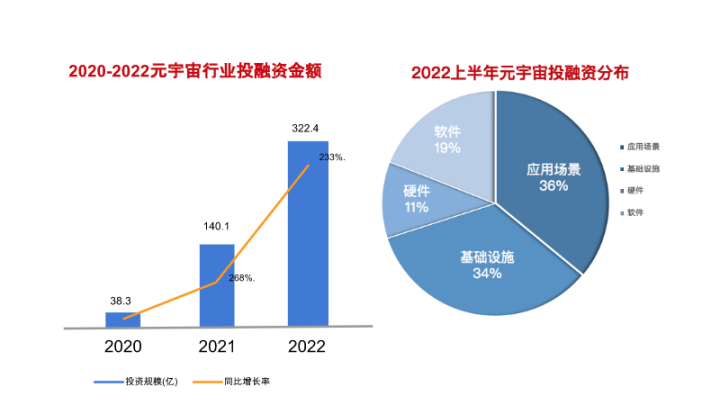
Among them, the top 5 Metaverse financing in the first half of 2022 are: Yuga Labs 3.038 billion yuan, Circle 2.551 billion yuan, Animoca Brands 2.422 billion yuan, Roofstock 1.62 billion yuan, and Immutable 1.35 billion yuan.
2.3 Metaverse technical support
The Metaverse is not a single technology, but a series of high-tech combinations that present the future form of the Internet. The development of the Metaverse requires the following technologies as a support point. Computing power, memory chips and 5G technology are involved at the link level; AR/VR, holographic images and sensing technologies are involved at the interaction level; edge computing and artificial intelligence are involved at the computing level; underlying graphics visual engines and real-time rendering are involved at the tool level .
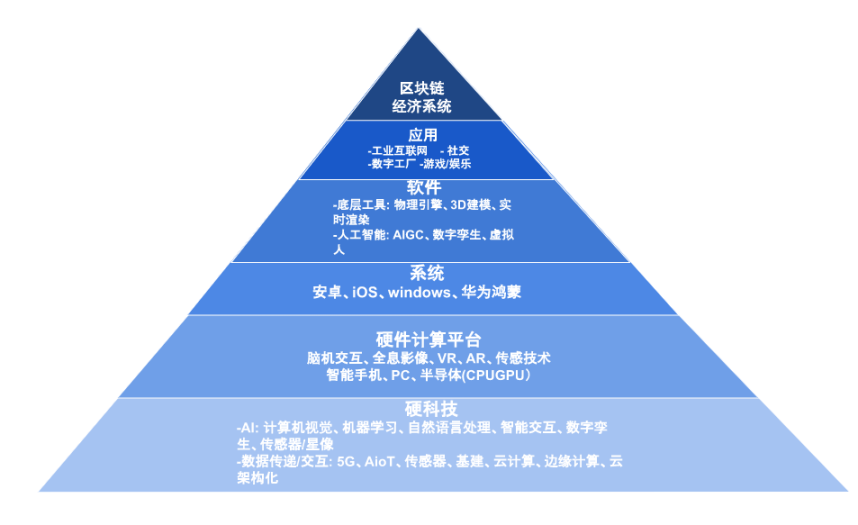
3. Metaverse Core New Assets
Having said that, I have to mention the relationship between Web3 and Metaverse. The essential difference between the two is that Metaverse has a number of key technologies that help run the entire ecosystem "connection, interface, decentralization, creator economy and advanced technology." , Web 3.0 is a decentralized network based only on the blockchain "users connect online services using blockchains managed by the decentralized peer-to-peer network world".
Stanford University professor Jeremy Bailenson once discussed in a group discussion at the World Economic Forum "Do we need a blockchain to realize the metaverse?" The consensus is that the metaverse can exist without a blockchain. However, everyone also believes that omitting the blockchain technology, although the Metaverse can also run, may be a wrong approach and there is a risk. If the goal is the democratization of the Internet, as well as accessibility, transparency, composability, and platform interoperability, the metaverse without blockchain as a support is likely to be just a wedding dress for the tech giants, only truly decentralized. The Internet is what empowers everyone equally.
image description
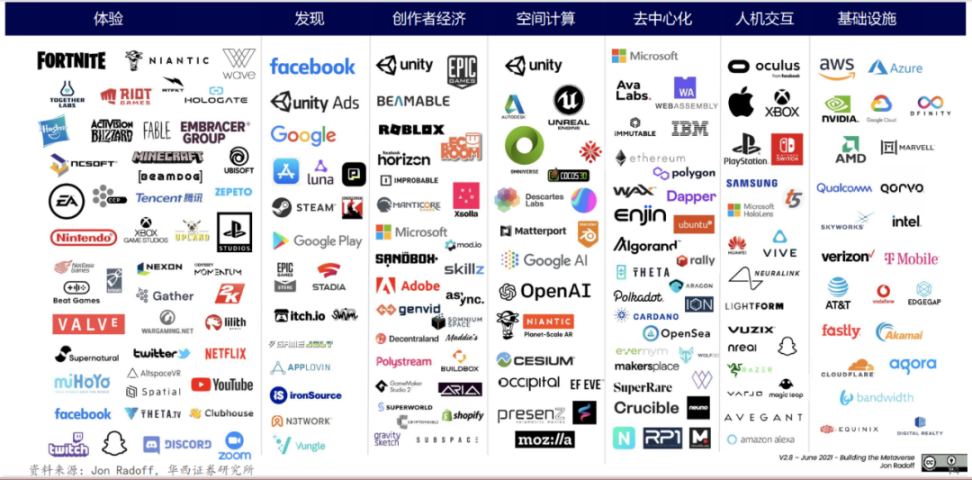
Metaverse Ecological Map
3.1 Infrastructure type
1) Stable currency protocol class
TeaDAO: Metaverse Reserve Currency Protocol
TeaDAO is one of the metaverse projects invested by 7 O'Clock Capital. In March, it completed a $4.6 million seed round of financing. The participating investors also include Shima Capital, Signum Capital, UOB Venture Management, PNYX, HyperChain, etc.
TeaDAO provides ultimate financial services for the Web3 ecosystem: "SENTRY" analysis tool for GameFi investors free of charge; "Staking & Bonding" $TEA minimum value is at least $1; "asset management"; Serve"
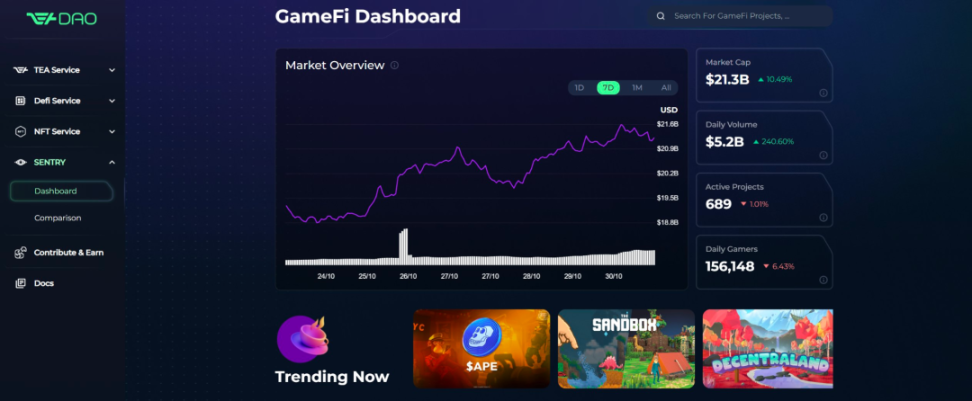
TeaDAO Metaverse brings a one-stop experience to the web3 ecosystem. C-end users can use SENTRY to find the best GameFi for investment, and use the NFTfi service to keep abreast of NFT liquidity information, and finally put NFT into the Bonding pool to earn Take $TEA. Also, Contribute & Earn is a great tool for the community to participate in different events and get great rewards from them. TeaDAO also focuses on B-side services, establishes partnerships with other protocols in the Web3 space and provides Bonding services for DeFi protocols and NFT Bonding services for GameFi protocols.
AIGC Tools
1) ChatGPT: Artificial intelligence chat robot
ChatGPT is the best AI chatbot ever released to the public. It's built by OpenAI, the San Francisco-based artificial intelligence company that's also responsible for tools like GPT-3 and DALL-E 2, a breakthrough image generator introduced this year. ChatGPT, which stands for Generative Pre-Training Transformer, caused a stir, and within five days, more than a million people signed up to take the test, according to OpenAI president Greg Brockman. ChatGPT feels different to us, smarter, weirder and more flexible. It can write jokes, computer code, and college-level essays. It can also guess medical diagnoses, create text-based Harry Potter games, and explain scientific concepts at multiple difficulty levels.
Of course, it also has limitations. Unlike Google, ChatGPT will not grab current affairs information on the Internet, and its knowledge is limited to what it has learned before 2021. In principle, there are many things that ChatGPT will not do. OpenAI has The bots are programmed to reject "inappropriate requests."
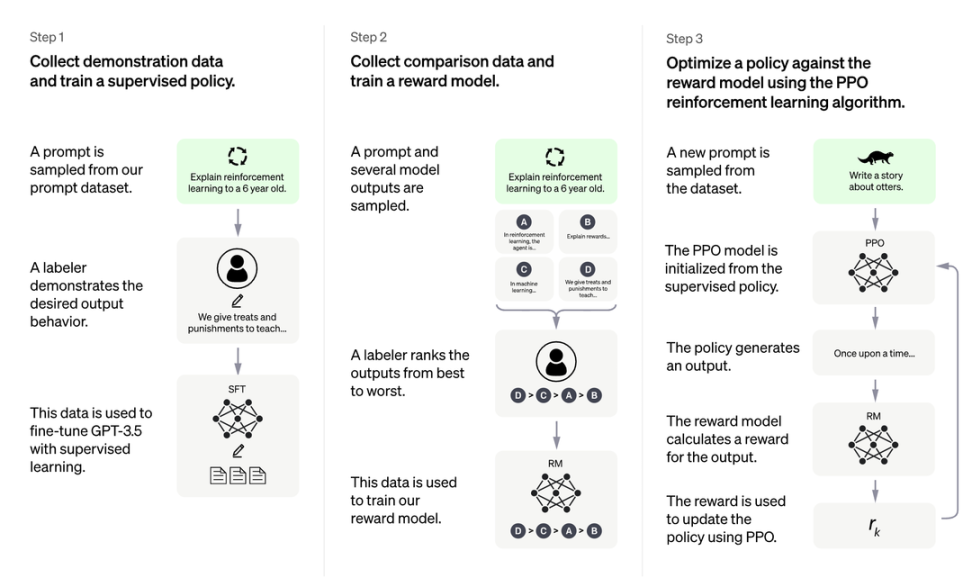
Based on the current product development speculation, it is likely to be paid for off-chain and tokenized on-chain. When OpenAI co-founder Elon Musk asked Altman on Twitter about the average cost per ChatGPT chat, Altman said: "We're going to have to monetize that somehow at some point, the computational cost is eye-watering."
The emergence of ChatGPT can make Google a thing of the past to a certain extent, and may be compared with the iPhone in terms of potential impact on society, but it is not currently the best artificial intelligence model of OpenAI. It is rumored that GPT-4 will be released sometime next year. come out.
2) AnythingWorld: Metaverse AI animation tool development company
Anything World is an innovative platform that combines artificial intelligence, voice computing and 3D rendering with a behavioral intelligence layer. Become the easiest and fastest way for developers to create AI-powered 3D experiences powered by voice. There are currently over 7,500 creators on the platform, and users can access over 500,000 3D models.
Anything World recently raised $7.5 million in funding from investors including Acrew Capital, Alumni Ventures and Warner Music Group. Other investors include NGC Ventures, Supernode Global, GameTech Ventures and GFR Fund.
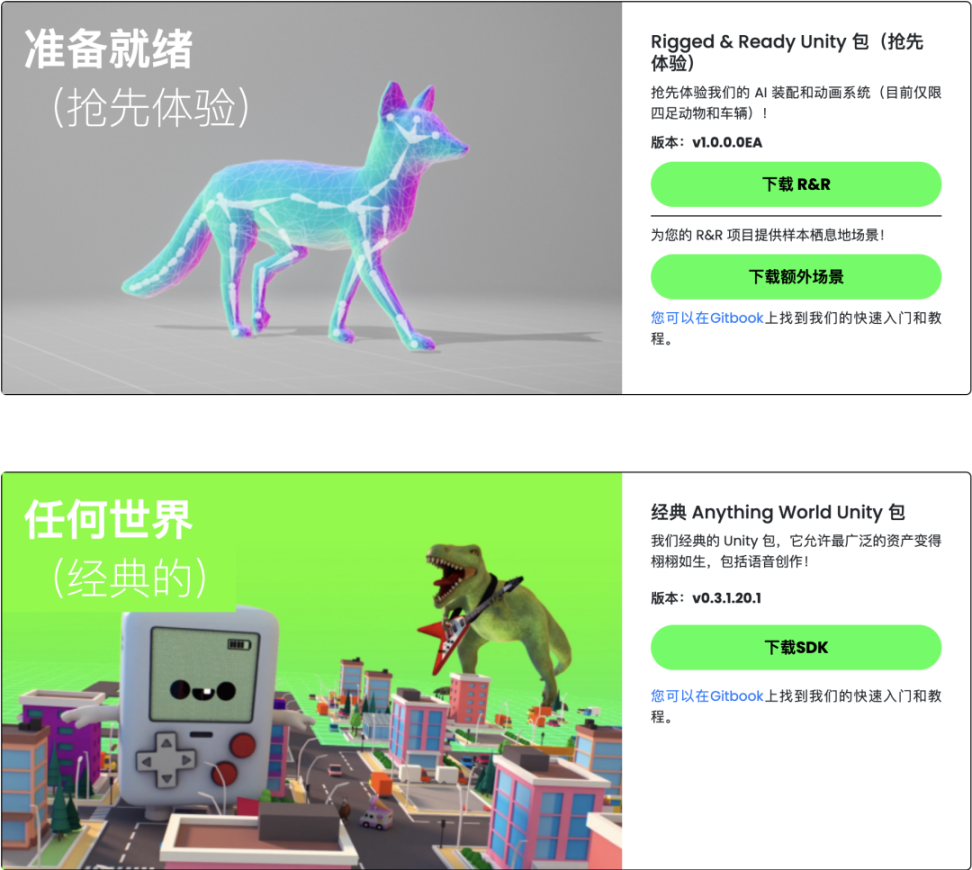
It can now be used between Unity and Web Engine, and soon Roblox and Unreal Engine, providing users with unlimited 3D experience to a large extent, reducing obstacles on the road to 3D creativity, and allowing everyone to become content creators By. That means more and more people will be able to use their tools to make better animated videos in industry-standard formats.
3) Lighthouse Labs: metaverse search engine
Lighthouse Labs raised $9.1 million in seed funding in May to build a search engine for the Metaverse. Led by Accel, BlockTower and Animoca Brands, with White Star Capital, Sparkle Ventures, Gemini Frontier Fund, The Graph core developer StreamingFast, Tiny VC and angel investors including Patricio Worthalter (Founder, POAP), Ryan Selkis (Founder , Messari), Alex Svanevik (Founder, Nansen), Thibault Launay (Founder, Exclusive) and other well-known Web3 investors. Before Lighthouse Labs, CEO Jonathan Brun worked at New York investment firm White Star Capital, while CTO Justine Massicotte worked as a machine learning developer at Quebec-focused search company Coveo.
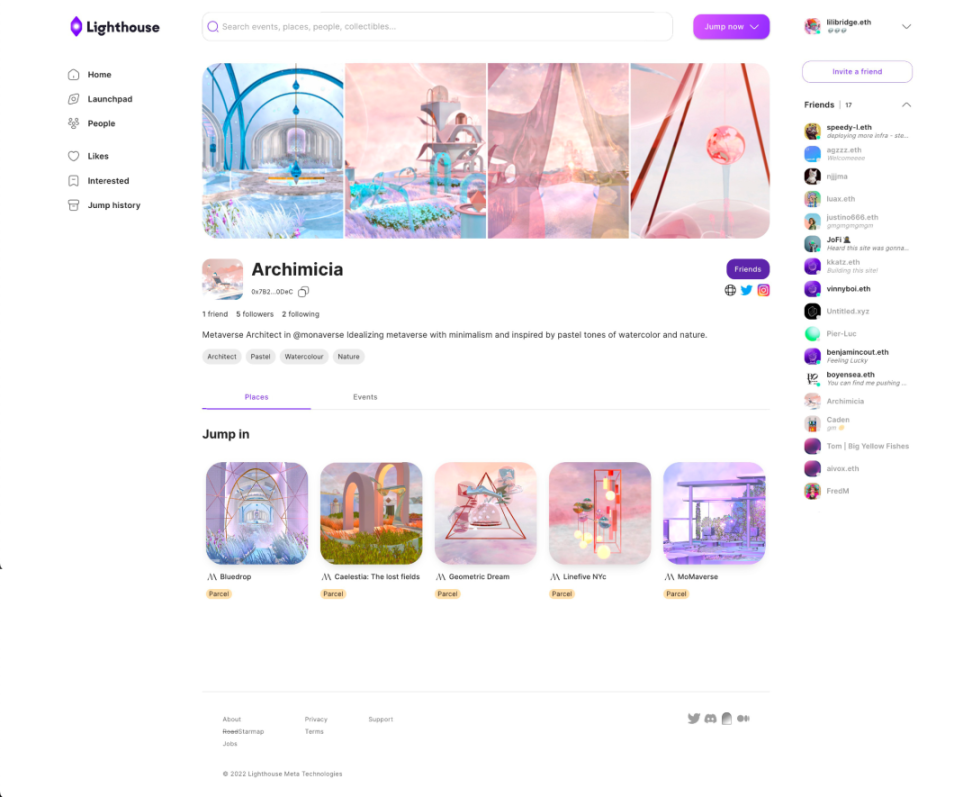
Lighthouse Labs adheres to the spirit of openness and interoperability born of the Internet, which allows creators to create freely, users to have fun, and virtual worlds to flourish. In Lighthouse, the open metaverse is defined as an "experience-centric network", which is in stark contrast to the "information-centric network" we are all familiar with, which is one of the reasons why it is favored by many web3 investors. In September, the product started a closed beta test. Joining the waiting list and getting NFT can qualify for the beta test.
4) Stability AI: Open source artificial intelligence company
Stability AI, the world's first community-driven open-source artificial intelligence (AI) company, announced in October a $101 million funding round led by Coatue, Lightspeed Venture Partners and O'Shaughnessy Ventures LLC. At present, its company's valuation has climbed to US$1 billion, and it has been promoted to the ranks of unicorns. Stability AI said it will use the funds to accelerate the development of open AI models for image, language, audio, video, 3D, etc. for global consumer and enterprise use cases .
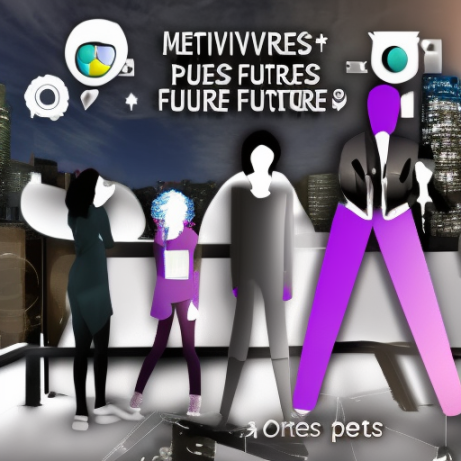
At present, "Stable Diffusion" has been hailed as the most popular AI-generated image platform, with the total number of daily active users exceeding 10 million; the number of users of its derivative AI painting tool "DreamStudio" has also exceeded 1.5 million, since August A total of more than 170 million AI works have been produced. When the author tried to enter the keyword "Metaverse Future People" in DreamStudio, its powerful AI automatically generated the following pictures. Each new registered user gets 200 points at one time to offset the cost of generating pictures, "a photo consumes about 0.5 points".
On the second day after Stability AI completed its financing, Jasper, another start-up AI company, also won a US$125 million investment led by Insight Partners. The company's valuation reached US$1.5 billion, becoming another new unicorn company. Jasper, with "AI-generated text" as its main service, can generate text content suitable for social media posts, blog articles, marketing copy, or emails. The total number of Jasper subscribers has now exceeded 70,000, and its revenue in 2021 will reach 4, $0 million.
Summary: Different from the traditional "Analytical AI", the two start-ups developed the "Generative AI" technology, which means that AI is no longer analyzing existing things, but is generating a new thing "AIGC". 7 O'Clock Capital predicts that from 2023 to 2027, AIGC technology will become more and more mature, capable of generating text, pictures, videos, voices, program codes, and even architectural models, etc., which will give design, game , programming, social media and other industries have brought about subversive changes. However, there are still many obstacles on the road to commercialization of AIGC. Among them, copyright disputes are the most concerned. The amount of training data required for AI learning is extremely large. Even the R&D team cannot guarantee that AI will not misunderstand. Take image resources that require payment or copyright protection and apply them to their works.
5) Kinetix: AI-assisted 3D animation platform
Paris-based Kinetix raised $11 million in a funding round led by Top Harvest Capital founder Adam Ghobarah, an executive at Google and Google Ventures, with participation from Sparkle Ventures, Animoca Brands, Entrepreneur First, and others. Founded in 2020, it builds a no-code platform that allows Web3 and content creators to turn any video into a 3D animated avatar. According to the company article, millions of creators around the world can now access 3D creations using a free artificial intelligence platform.
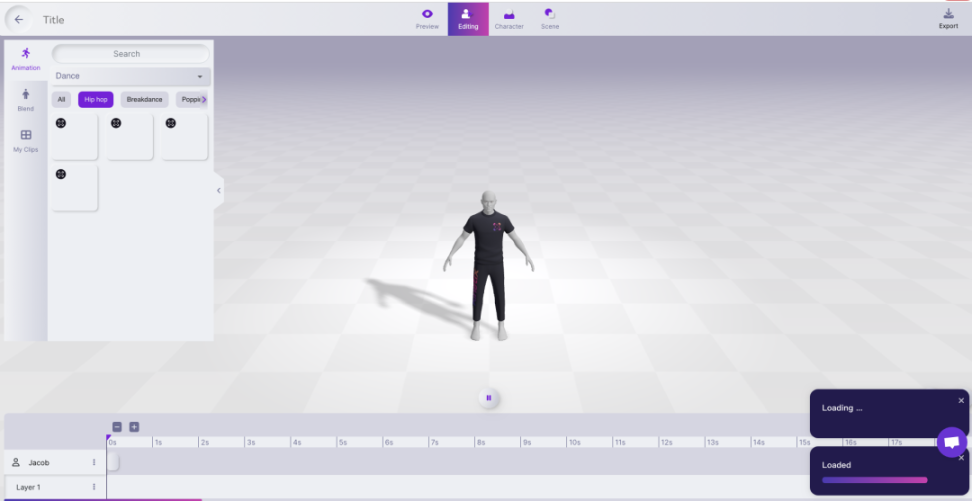
With the Kinetix platform, everyone can upload video clips to the Kinetix platform to generate 3D animations to share and blend into virtual worlds "making movies, concerts and video games". Together with The Sandbox and Zepeto, Kinetix provides support for user-generated content on Web2 and Web3. Realize new forms of expression in the current and future Metaverse, break the PGU model, increase user engagement to a greater extent, and lead the birth of new UGC games and experiences.
3.2 Platform application type
Creator Economy
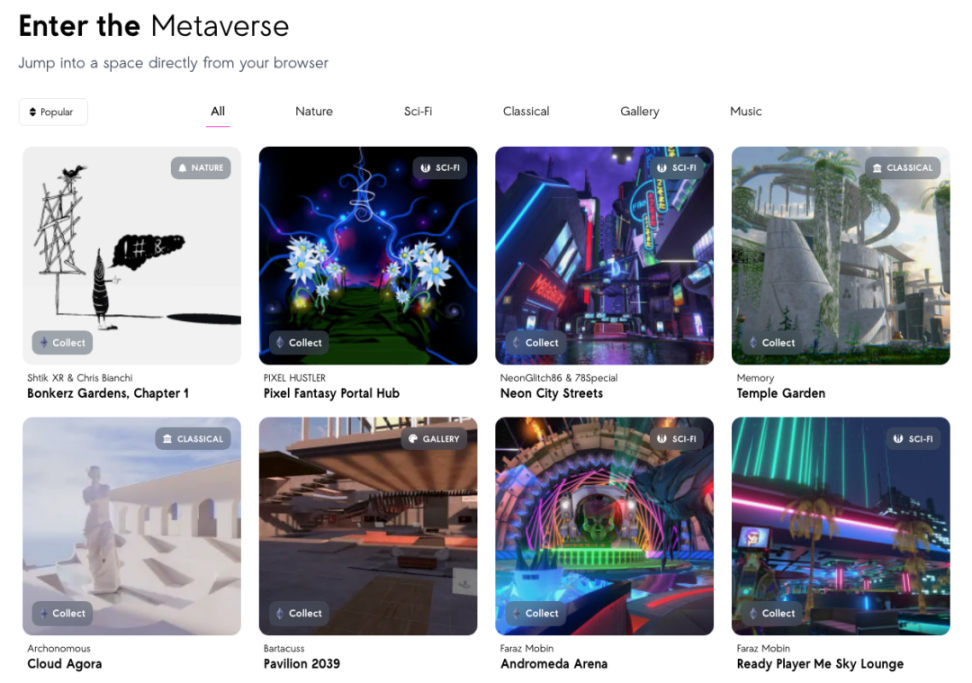
1) Mona: Metaverse's leading 3D world building platform
Mona announced in July that it had raised $14.6 million in financing, and will focus on building a Metaverse platform for 3D creators. Co-led by Protocol Labs, Archetype, and Collab+Currency, other investors include Placeholder, OpenSea Ventures, Polygon Studios, ConsenSys, Venture Reality Fund, and more.
Mona was opened to creators in October last year, with more than 3,500 users building virtual worlds in its metaverse. Running on the Ethereum and Polygon mainnets, users' 3D assets and data are stored on IPFS, and creators can sell them on Opensea the world they created. Through cooperation with Ready Player Me, the platform has customizable virtual avatars, which also supports voice chat and text chat, and can design and publish online worlds, conduct immersive exhibitions, hold concerts, and more.
2) BUD: metaverse UGC platform
Metaverse App BUD announced the completion of US$36.8 million in Series B financing, led by Sequoia Capital India, with participation from ClearVue Partners, NetEase, Northern Light Venture Partners, GGV Capital, Qiming Venture Partners, and Source Code Capital. Founded in 2019 by former Snap engineers Risa Feng and Shawn Lin, BUD is headquartered in Singapore.
Since the app was launched in November last year, UGC original 3D works have exceeded 15 million, and the total number of 3D material transactions has exceeded 150 million. It ranks among the top 10 social apps in 38 countries in North America, South America, and Southeast Asia. It is currently casting its NFT "BUD Pass Special" on polygon, which is a collection of 1000 special gold game passes developed by BUD, and related activities will be launched in December. The latest news on the official website shows that BUD will also join hands with GRNDFUO and WhaleFin to open up a new world of fan economy and launch a new BUD×GRND NFT series. Holders of GRND NFT will receive a limited number of airdropped BUD×GRND NFT packages.
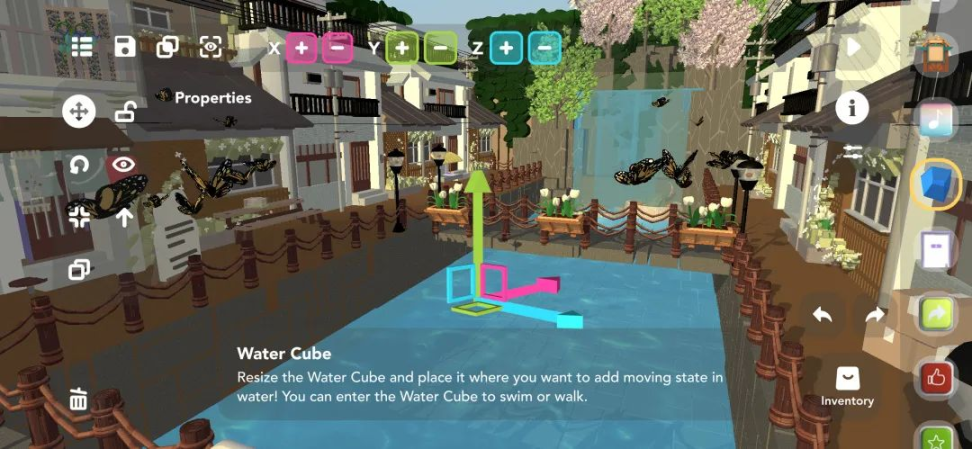
For the UGC sector, 7 O'Clock Capital believes that the "media" of the next era will not be limited to text, pictures or videos, but will evolve towards a more immersive and interactive direction, which will generate a large number of users who are creators. The universe UGC platform is no longer a one-man show for hardcore players or professionals, but a big stage for everyone to show their unique personality and ideas, completely liberating imagination and creativity.
Combination of NFT and AI
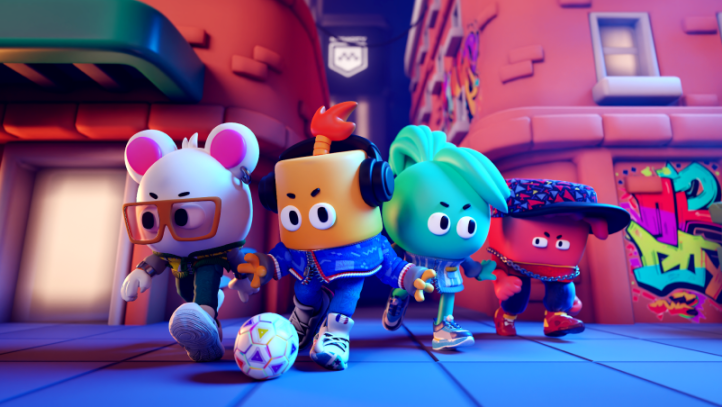
Altered State Machine (ASM): AI metaverse platform
An artificial intelligence decentralized protocol powered by dynamic NFT, a platform for creating and training AI agents, the ASM platform provides any application (eg: games, Metaverse, finance) with the ability to create AI agents owned as NFTs. On March 10, Altered State Machine announced the completion of the seed round of financing, with participation from 17 institutions including TCG, Warner Music Group, and Coinbase Ventures.
CEO Melillo has worked at DreamWorks and Magic Leap. He also helped Magic Leap build the AI digital human Mica and cooperated with the Royal Shakespeare Company for a three-dimensional capture experience. An industry expert in AR experiences, Melillo has worked with such high-profile musicians as Sia, Lizzo, Pearl Jam, Cardi B, and Maroon 5, among others.
Aaron is the project chair of Altered State Machine "also partner of NetX Ventures and D 64 Ventures, co-founder of Centrality". In 2019, Aaron was named EY Technology Entrepreneur of the Year and IDG Top 50 Technology Leader. Aaron has extensive experience in entrepreneurial technology, serving as a board member or founder of more than a dozen high-growth technology companies and an investor in more than 50 businesses.
Platform partners include FIFA, Non-Fungible Labs, FlufWorld, UniverseXYZ, Blockchain Founders Fund, etc. It is noteworthy that its developed AI League football game "AI characters and prediction challenges in game experience" will be open to fans during the World Cup from November 20, 2022. Players from all over the world can create their own teams, Predict matches, challenge with friends and earn rewards.
online consumer shopping
1) UNXD: metaverse fashion platform
UNXD is a "B2B2C" platform that provides brands with an opportunity to enter the NFT market. In March, metaverse fashion company UNXD completed a $4 million financing, with Animoca Brands, Polygon Studios and Red DAO participating.
UNXD provides collectors with the best items and experiences. Created by the team behind renowned international editions of Vogue and WIRED, it focuses on creating and curating key digital cultural moments. UNXD's NFT is created by the top luxury goods entity world team. Company co-founders Menon and Nick Gonzales both have backgrounds in the fashion industry.
At present, its official website trading market is listed in the series of NFT works launched by the world-renowned luxury brand Dolce Gabbana.
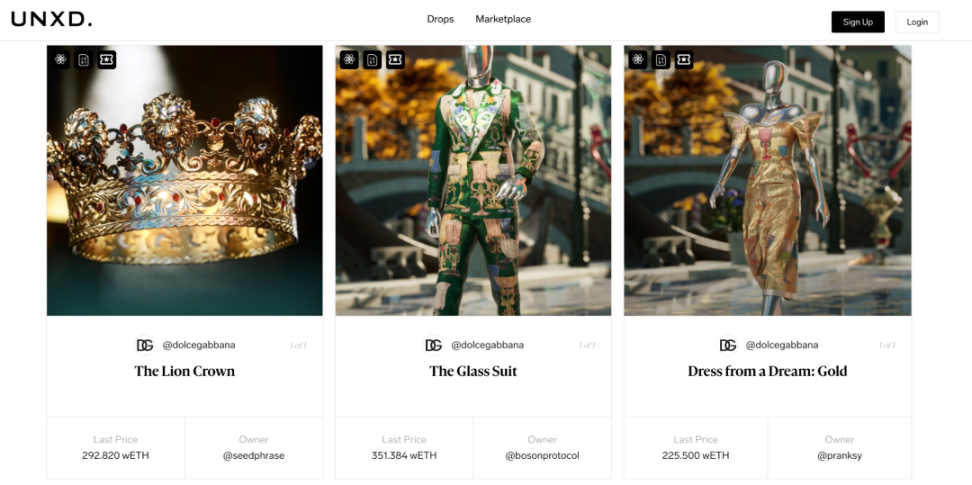
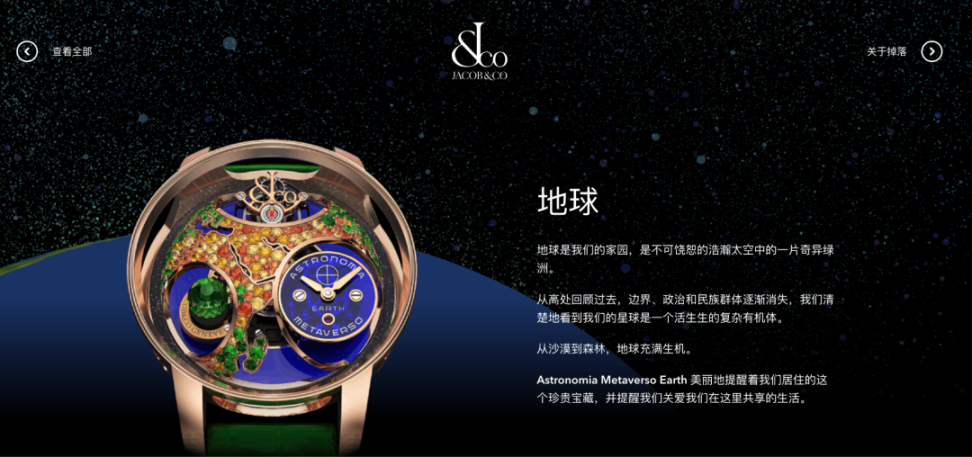
According to the official information, Jacob & Co, the world's top luxury goods company, has also become a resident brand, and will launch its metaverse series NFT watch "Astronomia metaverse series" on this platform. Version.
Leisure and entertainment games
1) REALM: Play Earning Metaverse Games
Realm announced the completion of $10 million in financing, led by Alphabit, followed by NGC, Genesis Block Ventures, LDCapital, Moonrock, and SL2. Integrating music, art and games by providing creators and players with a personalized metaverse called Realm. Its NFT platform integrates the OpenSeaNFT market and cooperates with Reef Chain to utilize the functions of Substrate and Polkadot frameworks to ensure cross-chain compatibility.
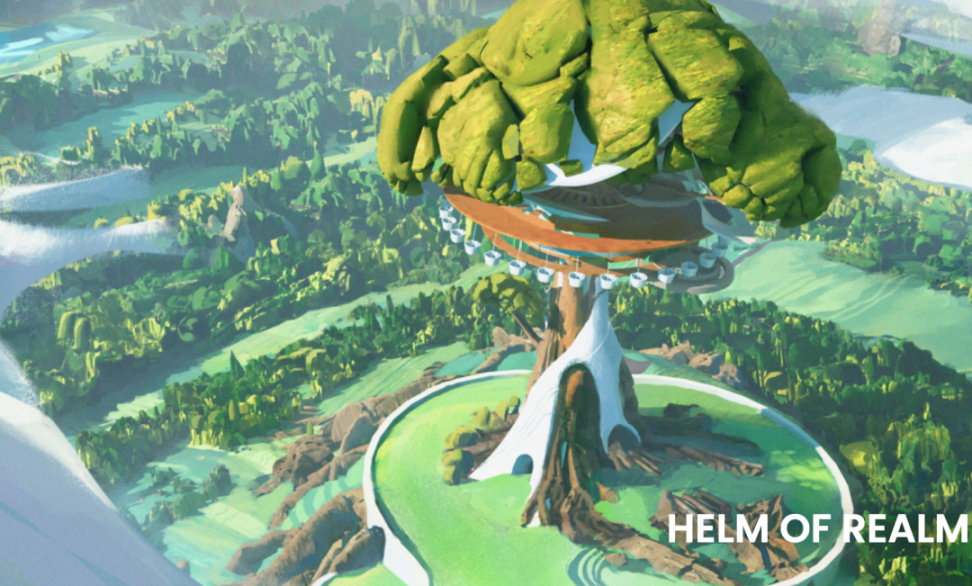
Business model: The Realm user base is for everyone, not just cryptocurrency users, players can trade items and earn money using fiat or cryptocurrency.
TO C: Collect NFTs and tokens in Realm; browse and view ads for profit; build your own realm and earn money when someone visits it
TO B: Embedding brands into Web 3 and building communities; working with companies and creators to build authentic experiences.
2) Atmos Labs: metaverse game and esports developer
Atmos is a competition-based virtual world set in a sprawling sci-fi universe designed to accelerate the emergence of metaverse-native sports. Atmos Labs received an $11 million seed round led by Sfermion, which included prominent investors Animoca Brands, Collab +Currency, FBG Capital, Alumni Ventures, RedBeard Ventures, DWeb3, LD Capital, GSR Markets Limited, CoinGecko Ventures, and more.
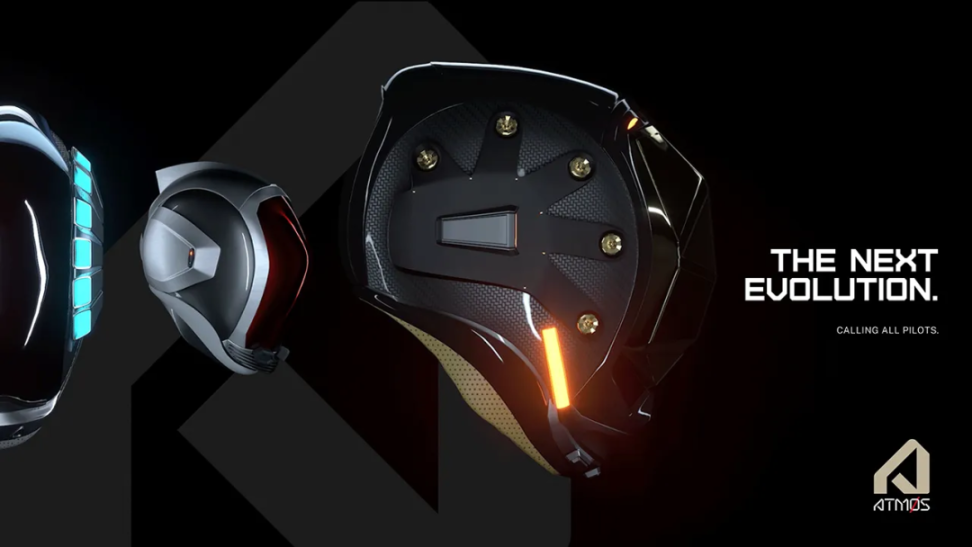
At present, the total amount of NFT in the first chapter of its series of comics is 2.5 k, and the current floor price is 0.003 E. Atmos plans to launch ExoGP "a competitive, fast-paced flying race car" as its first gaming experience, with the goal of providing a closed alpha test for early adopters in the fourth quarter.
3) Block Tackle: Game Studio
Block Tackle's mission is to build the next generation of great games using web3 technologies. The first game, SkateX, is a brand new web3 game that combines extreme sports action, a massively social multiplayer experience, and collectible NFT "3D skateboards" from today's hottest street artists. Block Tackle announced in March that it had completed a $5 million seed round of financing led by Play Ventures and Cadenza Ventures, with participation from Animoca Brands, Coinbase Ventures and Solana Ventures.
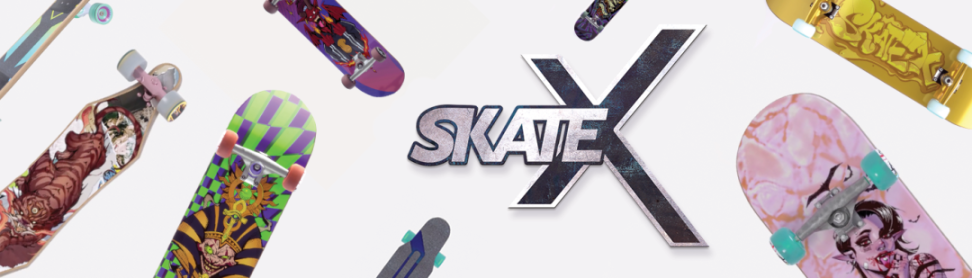
Its team has a lot of experience in game production and development. Co-founders Rob Oshima and Ben Topkins have helped create games such as "The Hobbit: Kingdom of Middle-earth" and "Fast and Furious: Legacy". The current floor price of its founder series NFT is 3.5 SOL, and the total VOL is 11 K SOL. It was launched in April and currently holds 552 addresses. "The average transaction price in April is 5 SOL, about $500." According to its roadmap, the project will develop a playable version of the game and open it to the community in the third quarter.
3.3 Hardware and software type
1) AmazeVR: VR Concert Platform
On September 28, AmazeVR completed a financing of 17 million US dollars, and the B round of financing has reached 32 million US dollars, and the financing time window will continue until the end of this year. Investors include Mirae Asset, CJ Investment, Smilegate Investment, GS Futures and LG Technology Ventures, among others.
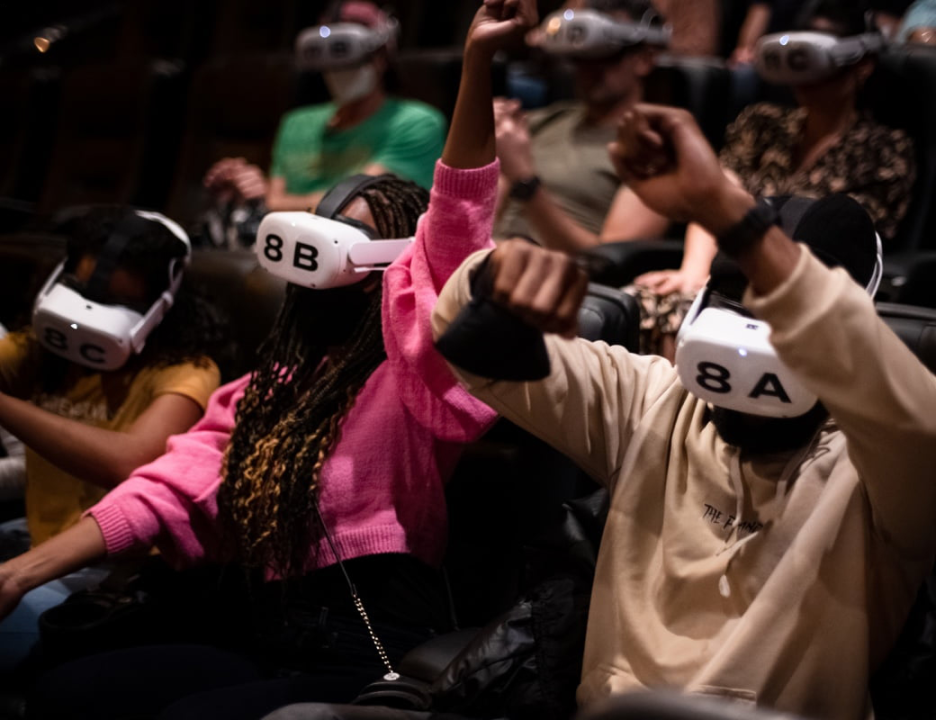
AmazeVR stated that its Music Metaverse service will be launched in major VR app stores in the first half of 2023. The reason why major capitals are optimistic about this company is to some extent related to a virtual reality tour this year. At the beginning of this year, rap superstar Megan Thee Stallion announced that it will cooperate with the AmazeVR platform to hold a virtual reality concert "Enter Thee Hottieverse", and this is The first-ever virtual reality concert tour in cities across the United States.
2) Muse meditation app
Meditation app Muse announced a $9.5 million Series C round led by BDC Capital, Sonny Vu's Alabaster, and Export Development Canada. It is reported that Muse has released a metaverse software development kit (SDK) plan, aiming to use brain recognition technology for potential metaverse applications.
The hardware product wears a VR "biofeedback sensor" Muse S (Gen 2) with a price of $399.99. It can work with its free mobile application to provide users with real-time mental state changes and monitor their own health data in real time in the APP. Heart rate and sleep status".

3) Tripp: Meditation app
In June Tripp announced the completion of a new round of financing of $11.2 million, with investments from Bitkraft Ventures, Amazon Alexa Fund, Qualcomm, HTC, Niantic and Mayfield. Tripp also announced the acquisition of Eden, the maker of visual art project BeardedEye, and in January Tripp acquired meditation community EvolVR. Both products help to relax and relieve stress, the same philosophy as Tripp.
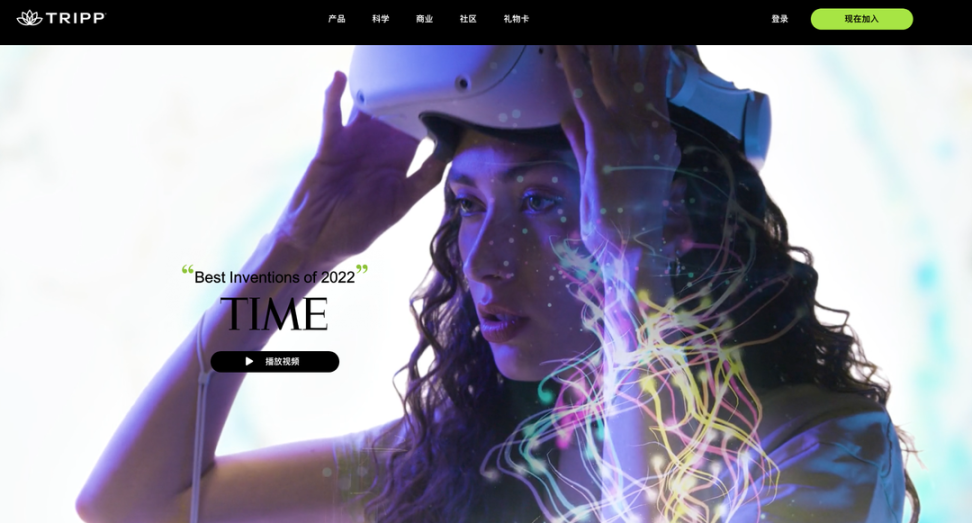
At present, due to the epidemic, pan-mental health needs are on the rise. DataBridge data shows that the global meditation market will reach 20.5 billion US dollars in 2029. Among them, the United States is the world's largest meditation market, with a market size of US$1.21 billion in 2017 and is expected to reach US$2 billion in 2022. The profit method of meditation software in the current market is still being explored, and part of the meditation content is to provide free "analog sleep, yoga, fitness APP sections". Another source of income is membership subscriptions and the sale of hardware. We believe that hardware and content services are in a binding relationship, and the cooperation of the two can provide users with a better experience. The domestic market provides users with immersive meditation experience services through AR/VR devices. It is still blank, and it is still in a huge blue ocean period. .
4. Future Outlook
According to Citi and KPMG, the Metaverse could generate as much as $13 trillion in annual revenue by 2030. Morgan Stanley estimates US and China revenue at $8 trillion; Goldman Sachs estimates $2.5 to $12.5 trillion globally; McKinsey predicts $5 trillion globally. According to predictions, the trillion-level metaverse market does not seem to be very far away from us, and the GDP of the virtual world will eventually exceed that of the "physical world." But one of the most beautiful things about the future is that it is "unpredictable". Coupled with factors such as uncertainty, the urge to explore the secrets of the future has been one of the greatest catalysts for human evolution. The development of the field will continue to challenge new heights. Of course, the road to a true metaverse is still relatively long. The metaverse is not Roblox, Minecraft, Fortnite, or any other game. These may just be part of the metaverse world or platform, just like Facebook and Google are part of the Internet.

Original link





