






The encryption layout of Tiger Global: a "barbarian" who voted for 358 projects in one year


According to Crunchbase data, in 2021, Tiger Global, a well-known hedge fund and venture capital firm, will invest in 358 projects, far surpassing well-known VCs such as a16z, Sequoia, and Lightspeed. There will be an investment transaction almost every day. Among them, there are 220 leading investment projects, and the total financing of leading investment projects has exceeded 30 billion US dollars.
And this year, due to the active deployment of startups, Tiger Global has also become the largest investor in unicorn companies, and it has captured 188 unicorn companies in 2021. On the other hand, in terms of fundraising, according to Preqin's venture capital report, from 2007 to 2017, Tiger Global's financing amount has also reached the highest among all VCs.
Today, Tiger Global has also accelerated its layout in Crypto. According to the latest data, in Q1 of this year, Tiger Global has participated in 19 investment transactions, an increase of 90% from the previous quarter.
So, what specific layout did Tiger Global carry out in Crypto, and how did it make it difficult for all VCs to catch up? What are the characteristics of its investment style, and how was it born and developed? Rhythm BlockBeats will sort out for everyone one by one.
Tiger Global's encryption layout
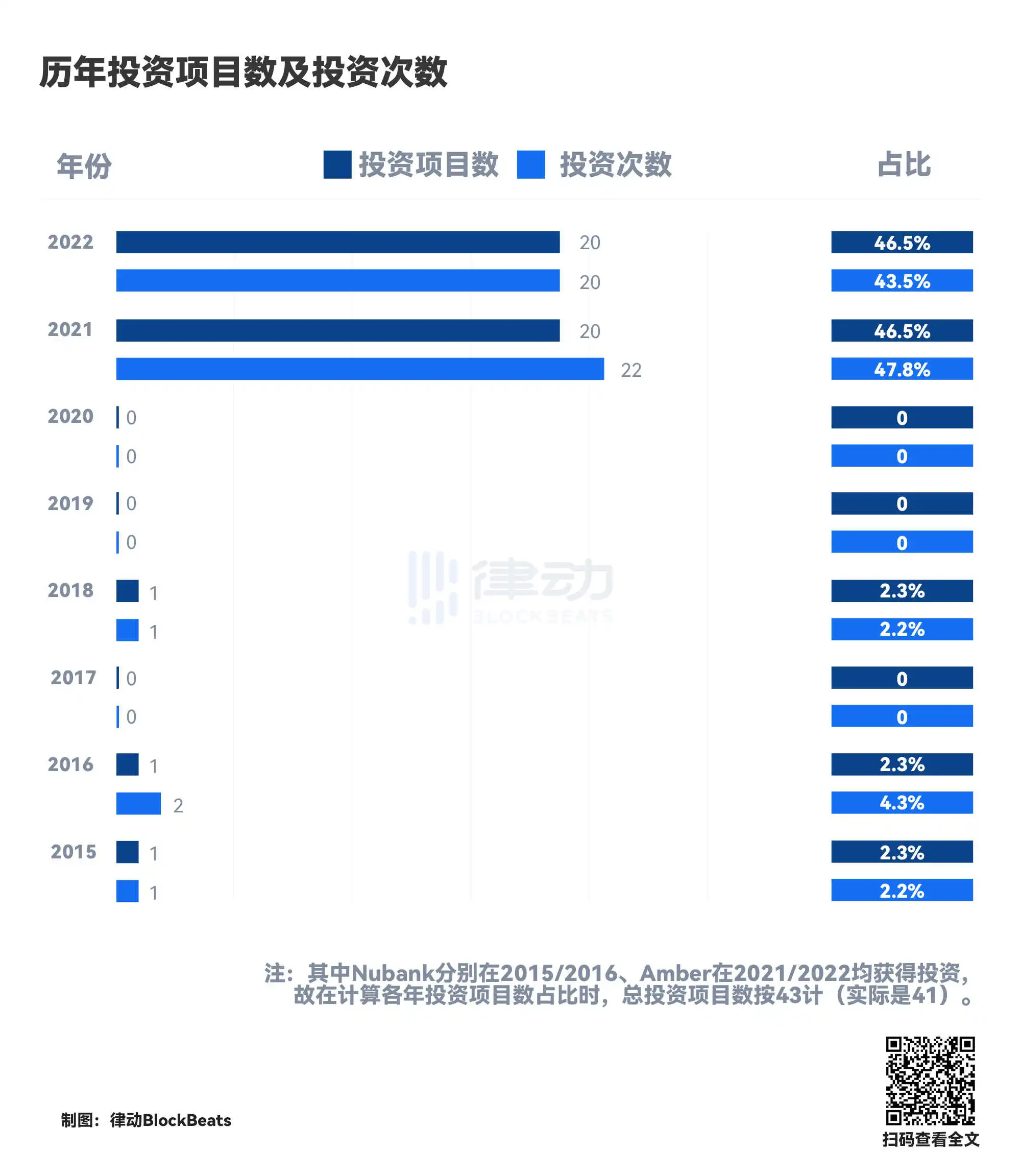
Since the beginning of this year, Tiger Global has stepped up its investment in Crypto. As of April 7, it has made 20 investments in 20 projects in 2022 (Q1 produced 19 investment transactions), led 8 investments, and participated in 12 investments. The average financing amount of participating projects has reached more than 150 million US dollars.
Last year, Tiger Global only began to participate in the investment of encryption projects in April, and invested in the encryption financial service provider Current and the Indian cryptocurrency exchange CoinSwitch respectively in that month. This year, Tiger Global invested in 20 projects and participated in 22 rounds in total. In the three quarters when the investment was made, the deals were 6, 6 and 10 respectively.
It can be seen that the investment speed of Tiger Global in 2022 has been greatly increased, and the capture of encrypted projects in Q1 alone has increased by 90% month-on-month. In addition, in March of this year, Tiger Global also made a commitment to invest US$1 billion in cash in seed funds focused on supporting young start-ups, and plans to inject about US$300 million into the above-mentioned funds each year.
But what is interesting is that although Tiger Global has been involved in Crypto very early, it can be traced back as early as 2015, when it led the B round of financing for Nubank, a large Brazilian digital bank; but after leading Coinbase’s E round of financing in 2018, it There is little further investment in crypto projects, as if deliberately avoiding getting involved in the field again.
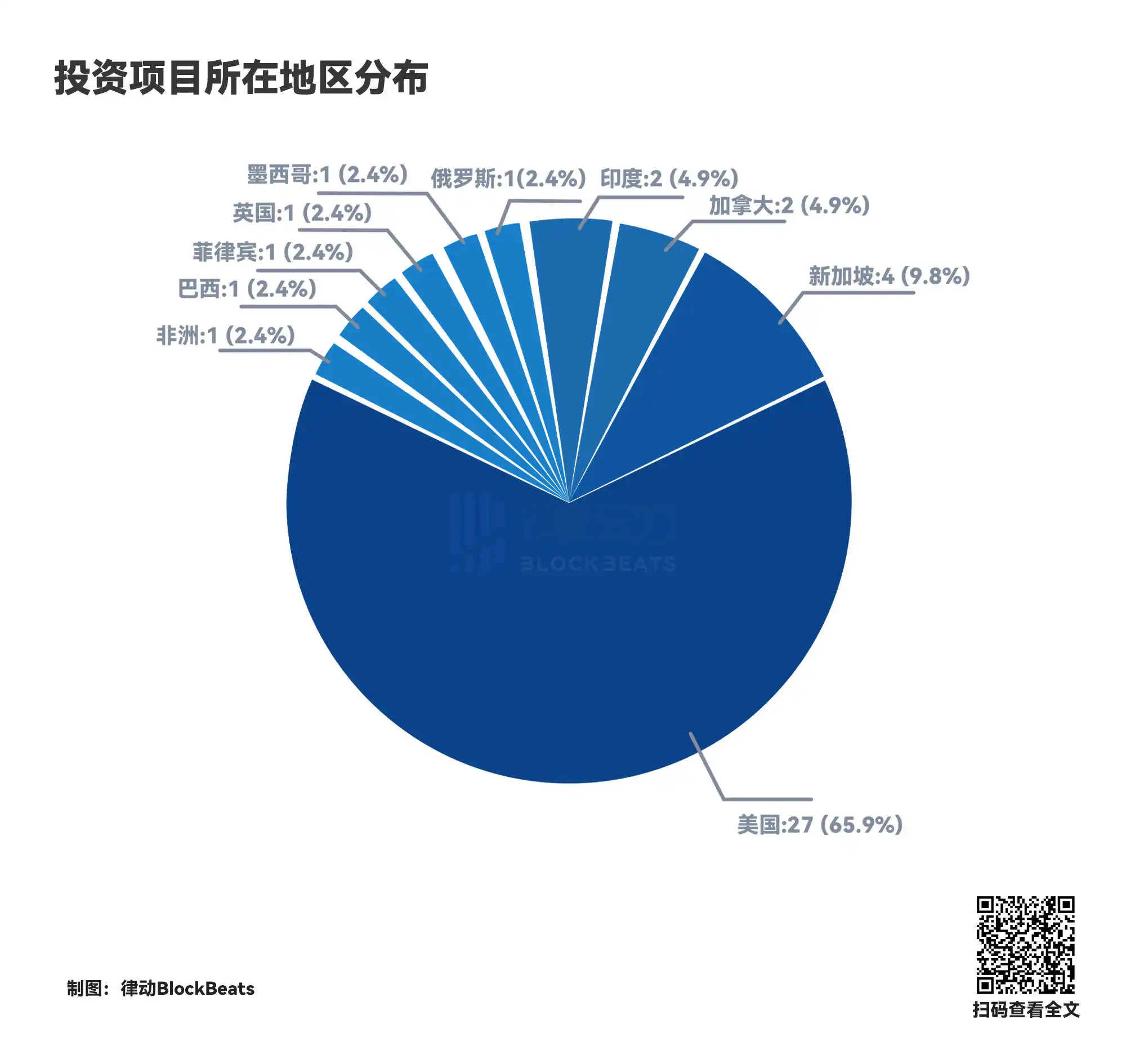
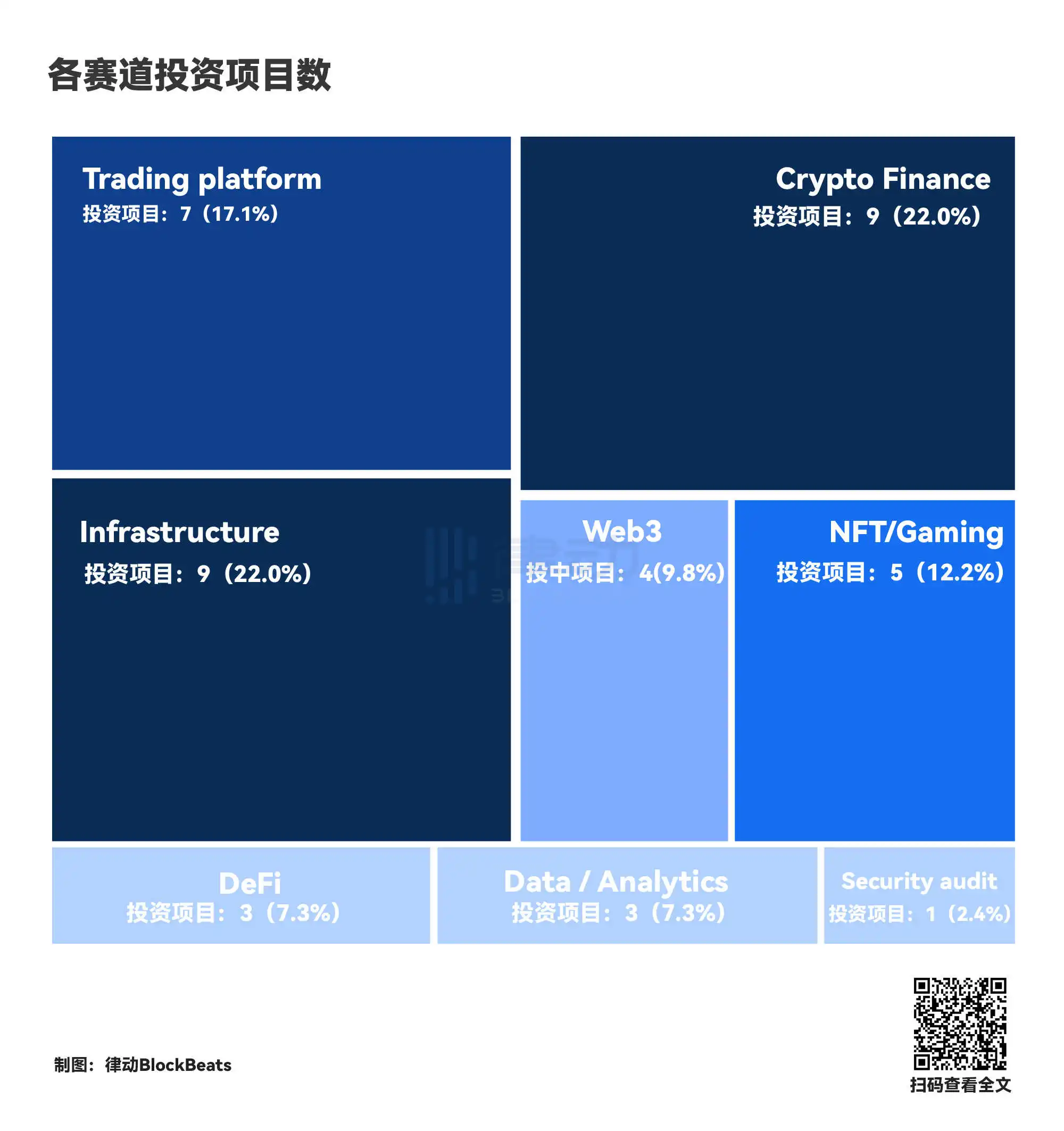
And this phenomenon, until April last year ushered in a change. According to Crunchbase data, so far Tiger Global has invested in about 41 projects in Crypto, with a total of 46 shots, involving 8 vertical fields, and the total project financing reached 7.17 billion US dollars.
2021
2021
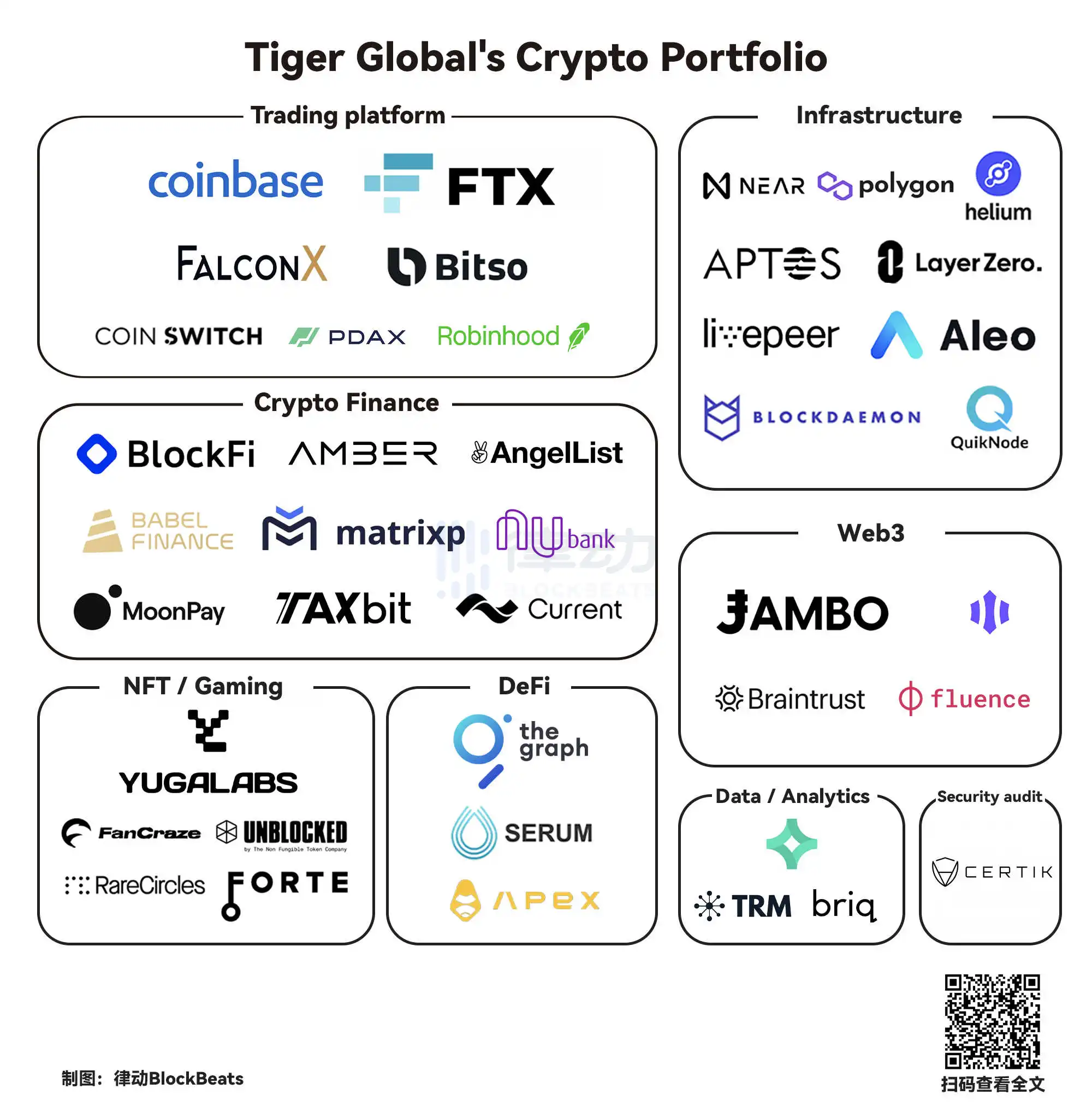
1) Tiger Global tends to invest in encrypted trading platforms and encrypted financial service providers. It has invested in 11 projects for 12 times in this field (among them, for the Indian encrypted exchange CoinSwitch, B and C were carried out in April and October respectively). round of investment), both the number of investment projects and the number of investments accounted for 55% of that year. These projects mainly come from North America and the Asia-Pacific region, but from the perspective of its overall investment projects, Tiger has carried out a global layout.
2) Ranked second is the data analysis project. Tiger Global invested in Nansen, TRM Labs and Briq respectively, accounting for 15% of the encryption project capture rate that year, and the investment events were basically concentrated in the second half of 2021.
2022
2022
4) While expanding investment in encrypted trading platforms and encrypted financial service providers (such as investing in FTX, PDAX, Amber), Tiger Global has also increased the construction of Web3 infrastructure, whether it is the recent NEAR, Helium, LayerZero Labs , or Polygon and Aleo in February, Tiger Global has successfully included these star projects in its bag.
5) This year, Tiger Global also increased its investment rate in the DeFi and NFT fields. It not only invested in The Graph and Serum, but also captured Yuga Labs, the parent company of BAYC, the leading NFT project.
6) As a project that prefers to invest in the growth stage, Tiger Global has also begun to participate in the seed stage investment, such as leading the investment in NFT projects such as FanCraze, Unblocked, RareCircles and the African Web3 project Jambo.
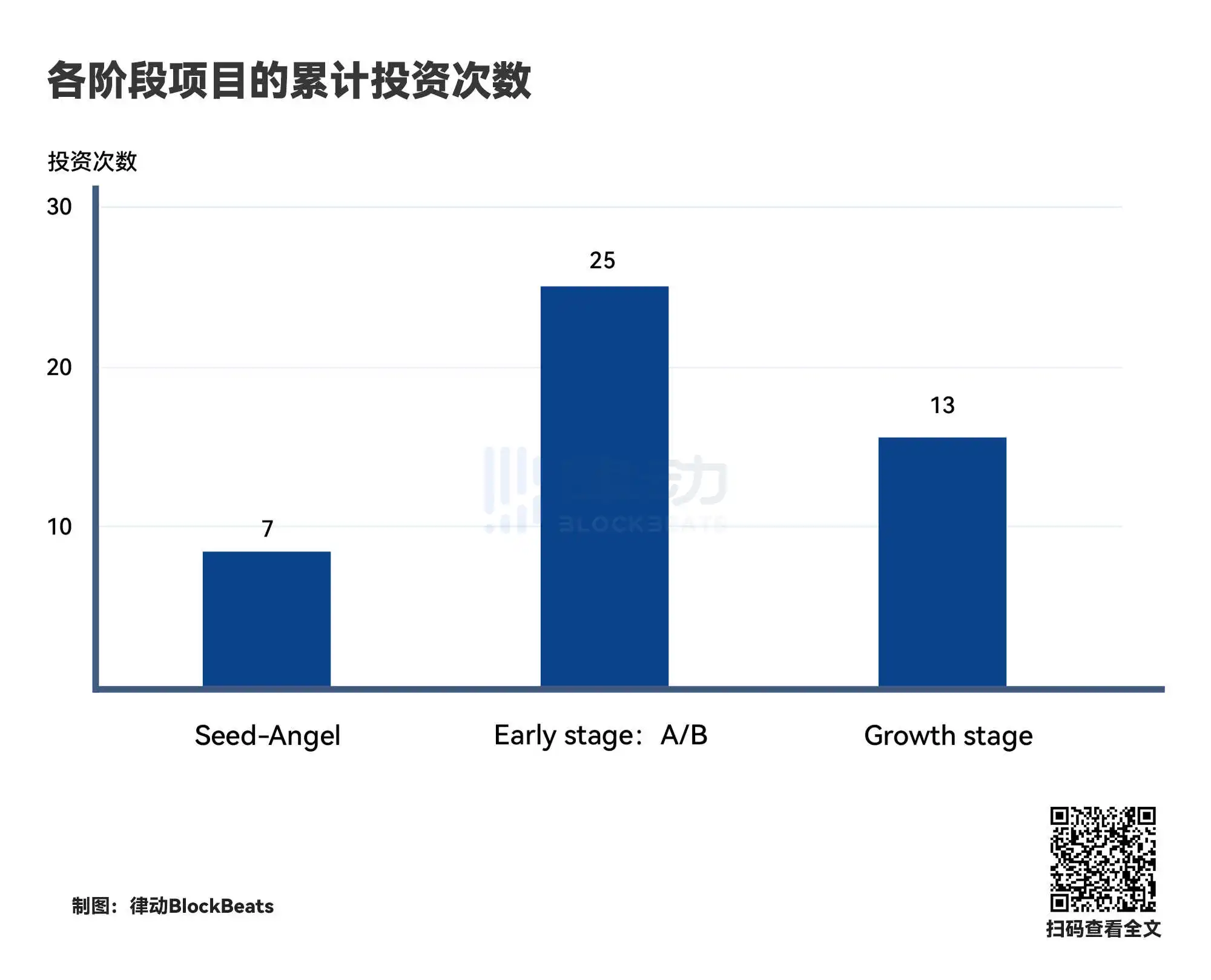
7) So far, except for the investment in Robinhood in the secondary market, among the remaining 45 investment events, Tiger Global has led 19 investments in encryption projects, and the lead investment rate is as high as 42%.
Investment style: "Barbarians" invade the VC circle, only fast
For a "back wave" who is neither a native encryption fund nor a venture capital institution, Tiger Global can grab so many star projects in Crypto, and has a leading investment rate of up to 40%, its strength is not to be underestimated watch for.
Coincidentally, in the traditional VC circle, Tiger Global is also regarded as a "barbarian" who invaded "Rome", causing many traditional VC headaches. Currently, Tiger has disrupted the venture capital market and demonstrated a new way to win.
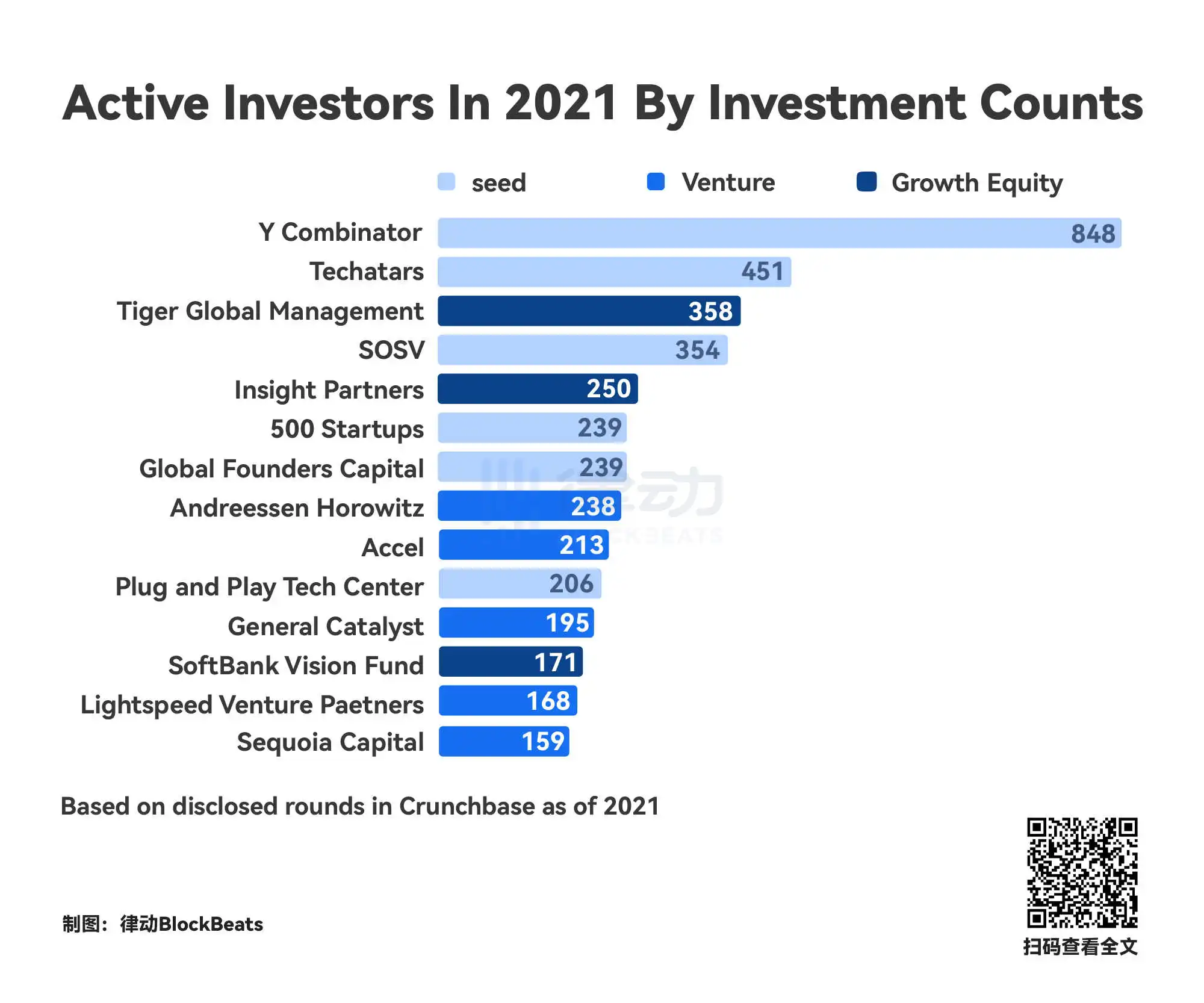
According to Crunchbase data, in 2021, Tiger Global will participate in 358 investment projects, which is more than four times that of the previous year. There will be an investment transaction almost every day, which has surpassed a16z, Sequoia, Lightspeed and other well-known VCs. , second only to the two startup accelerators Y Combinator and Techstars. Among them, there were 220 leading investors, and the total financing of leading investment projects reached 30.4 billion US dollars.
In addition, Tiger Global's active deployment of startups has also made it the largest investor in unicorn companies. In this year, it captured 188 unicorn companies. In terms of exits, Tiger has successfully exited 46 projects, including Coinbase, an encrypted exchange invested in 2018. At that time, the IPO valuation reached 86 billion US dollars.
After this year's baptism, Tiger Global has crushed its opponents in many statistics, and it is no longer what some traditional VCs can hold. So, how does Tiger Global do it, and what elements does its investment style consist of?
1) Faster, more investment
In the field of venture capital, Tiger Global has gradually formed a trading strategy centered on investment speed, which stems from the fact that he was a hedge fund in the early days, rather than a native venture capital institution. The GP of the latter often needs to carefully select investment projects and cooperate with them Building deep relationships often requires a significant investment of time and effort.
At the same time, venture capital is more like a game of speed than ever before, and it is more introverted. Taking the domestic market as an example, there are also phenomena of PE VC and VC seeding. For example, Sequoia established a seed fund, and Hillhouse established Hillhouse Venture Capital. And this has also brought survival difficulties to many small VC funds. It is becoming more and more difficult for them to invest in good projects and raise funds.
Therefore, it is not an accident that Tiger Global wants to move faster and invest more than any other fund, but the result of a deliberate strategy, which has become more and more effective.
2) Quick decision-making, not doing it yourself
How does Tiger Global manage to make cross-regional investments at a rate of about one transaction per day?
Make decisions faster! This is also the key to Tiger Global's quick action. Some invested projects have stated that the process of cooperating with Tiger can be completed within a few days, while other venture capital institutions need weeks to make a decision. Although traditional VCs have speeded up several times, the investment process that takes weeks or even months is still extremely lengthy in front of Tiger Global.
And this is unacceptable for some companies that focus on rapid development. Instead of spending several months on financing, it is better to cooperate with Tiger Global to shorten this process, and then focus on the project business.
The reason behind Tiger Global's ability to do this is that it does not do everything by itself. Take the internal due diligence that traditional VCs often do, Tiger outsources it to Bain Consulting, and spends hundreds of millions of dollars in Bain’s annual service fees, most of which are used for project acquisition and evaluation , so that Tiger can start investing faster and with wider coverage. Moreover, Tiger Global usually has received Bain’s due diligence report before formal contact with the project, which makes it fully aware of what it wants in subsequent negotiations, which greatly improves investment efficiency.
At the same time, when Tiger Global makes cross-field investments globally, it does not need to set up a special local office, nor does it need to hire industry experts. It only needs to call people from Bain & Company. Consulting firms with offices around the world and so much talent could build a team for Tiger overnight.
In addition, in order to obtain more project sources, Tiger Global has also established relationships with various seed funds, who often seek to invest a portion of their funds into emerging early-stage funds. This is done in order to become the largest LP of these new fund managers to Gain earlier insight into the financing needs of their future portfolio companies.
3) Accept low returns and lower the threshold
In the early stage, Tiger Global was still relatively conservative. It was a "boutique investment bank" that only invested in the top 2% of various fields. Now it has expanded to invest in the top 10% of projects in the industry. For example, between 2000 and 2010, Tiger participated in only 30 venture financings, an average of three per year. And even after accelerating the pace of investment in 2015, the number of projects invested each year before 2021 will not exceed a hundred.
At present, Tiger Global is embarking on a path of "small profits but high sales": it is not afraid of a little more expensive case, and it is not afraid of lower quality of investment projects. As long as the turnover is fast enough, it can still get a good IRR (internal rate of return). This sounds unbelievable, but in Tiger Global's view, venture capital is not just a competition for corporate perception, but also a veritable money game.
Traditional VCs typically expect a 30% IRR on their investments; Tiger Global may only expect closer to 20%. However, according to the public materials of the 15th private equity fund "Private Investment Partners XV" launched by Tiger, the performance of the first 14 private equity funds has exceeded this threshold, with an IRR of 34%, and 27% after deducting fees.
In essence, traditional VC hopes to obtain the best return possible within a specific time frame, while Tiger Global hopes to allocate as much capital as possible under a reasonable IRR. Tiger's current approach is to invest in the top 10% of projects in the technology field. If the technology industry continues to grow and the fund is well selected, then its returns will not be too bad.
But if other venture capital institutions have the opportunity to obtain higher IRR, why would any LP want to invest in Tiger Global? What it comes down to is the speed at which Tiger deploys capital. Traditional VCs may take two or three years to allocate $1 billion in funds, while Tiger invests the same amount in a year or less, and by maintaining a high enough return, over time, This approach will yield a greater net benefit.
4) Higher valuation and win the deal
In the past ten years, a16z has defined post-investment services in the venture capital market, and for a period of time it was almost necessary to talk about post-investment services. The business card of Tiger Global is: the fund that is best at winning deals in the VC circle.
In addition to exploring more cooperation opportunities and reaching terms and agreements, Tiger Global can also do whatever it takes to win the deal, especially in terms of project valuation, Tiger is willing to pay a higher price than any other fund to reach a deal. Some colleagues once joked: "Tiger, they are also called investment? They invested so fast, and we haven't finished the investigation. The main reason we lost to him is that they bid higher than us!"

On February 4, Tiger Global's 15th private equity fund raised more than $11 billion and is scheduled to close in March with a total of $12 billion, higher than the initial fundraising target of $10 billion set last year, reflecting The continued demand from institutional investors for stakes in private technology companies has made the fund one of the top 10 venture capital funds ever raised.
At the same time, Tiger Global may plan to invest all of the US$12 billion within 12 to 18 months, and this will be an astonishing turnover rate in the VC circle. With the further acceleration of Tiger in the venture capital market, it is bound to cause a new round of huge impact on the VC circle in 2022.
5) Adapt to the macro environment
For Tiger Global, the biggest risk of this investment strategy lies in the macroeconomic environment. Since the COVID-19 epidemic, the global capital market has experienced an era of unprecedented flooding, and liquidity has been unprecedentedly loose.
In the primary market, fundraising has become easier. In the past two years, VC/PE including Tiger Global, a16z, Insight Partners, and Coatue have completed tens to tens of billions of dollars in large-scale fundraising. These leading institutions The most urgent problem before me has become how to find and invest in more entrepreneurial projects.
In addition, Tiger Global is willing to give a higher valuation of the project, which also stems from the current enthusiasm of public market investors for technology. A decline in the number of tech start-ups will make it harder for the fund to efficiently allocate the huge amounts of money it manages; but a sharp downturn in the sector would also take a bigger toll on Tiger's portfolio. However, Tiger must also be aware of these risks and be ready to adapt to changes in the macro environment at any time.
Then, focus back on Crypto VC. Although Tiger Global’s speed-centric investment strategy has captured many Crypto projects, it remains to be verified whether it can remain invincible in this field for a long time. The iteration speed and financing speed of the Crypto project are very fast, and the concept of "local funds" has even been downplayed. After the project is launched, it can directly raise financing from global investors, which improves financing efficiency.
In addition, the Crypto project does not have a series of ABCD ... Pre-IPO concepts that traditional venture capital projects have experienced in financing. Many projects have completed a round of financing, and their Tokens can be listed on the exchange.
Therefore, many first-line traditional VCs have set up special encryption funds and formulated separate investment strategies after entering the encryption field, such as a16z, Sequoia, Bain, etc. This is a field that is very different from traditional venture capital. . Among them, Sequoia even established an encryption fund for a single industry for the first time. This fund will be mainly used to operate Token investment, pledge, provide liquidity, and participate in governance.
In addition, when traditional VCs invest in Crypto projects, they also need to understand the project's Token economic model design, participate in community discussions, pay attention to Meme culture, etc., and these are rare in the Web2 era. Perhaps, in the future, in order to adapt to the trend of Web3, and at the same time, Tiger Global, which is easy to raise funds, will also set up a separate encryption fund to continuously improve its investment strategy. We can wait and see.
Inheritance of the "Tiger" spirit
On the premise of rapid distribution of capital, rapid and firm implementation of investment strategies, reduction of friction with invested projects, willingness to accept lower rates of return, and constant adaptation to the macroeconomic environment, these constitute Tiger Global. The characteristics of venture capital started by hedge funds. To understand Tiger Global's history of hedge funds, you have to go back to the last century.
In the 1980s, hedge fund manager Julian Robertson founded Tiger Management, one of the most famous hedge funds in the world. In the 18 years since its establishment, its assets have grown rapidly from the initial US$8.8 million to US$21 billion, ranking second in the world with an average annual growth rate of 25%, and it is as famous as Buffett and Soros.

Robertson started with a simple plan to run a fundamentals-driven long-short hedge fund, a style that would later be succinctly described: Buy only the best companies and short the worst.
At the time, Tiger Management's largest holding was U.S. airline stocks. However, with the rise of the "Technology Craze" in the US stock market in 1999, the enthusiasm for stocks in traditional industries has been greatly reduced, and the stock price has shrunk sharply, and Tiger Management's assets have also suffered huge losses.
Due to its refusal to adapt to the high valuation of the technology industry, in just two years from 1998 to 2000, the assets of Tiger Management, which managed the entire Tiger Fund group, fell by more than half. From the top to the bottom, Robertson finally announced that Tiger Management would cease operations.
Although, Robertson was proven correct. Soon after, the bubbles in the Internet and technology industries began to burst, but it was too late for Tiger, and a large amount of funds had already flowed out of the fund. And this fund, known for its "fierceness", eventually fell.
But after Tiger Management ceased operations, Robertson did not quit the investment world. He still retained a considerable part of the former company's assets and supported many new hedge funds in various ways. These include Pantera and Coatue, which are still active in the encryption field today, but I have to mention Tiger Global (full name Tiger Global Management, also known as Tiger Technology in the early days of its establishment), established by Chase Coleman III (Charles Coleman III) in 2001 Founded in March. Coleman also spent three years as a technical analyst at Tiger Management.
And Tiger Global, not only inherited the name "Tiger", but also inherited the will and spirit of "Tiger" investment, and got up wherever it fell, and never let go of the technology industry that made the "Tiger" fall.
Initially established as a hedge fund investing in the public stock market, it expanded into the private equity market in 2003, focusing on growing private companies, with a focus on investing in companies in the United States, China and India. From 2007 to 2017, according to Preqin's venture capital report, Tiger Global's financing amount has reached the highest among all venture capital companies, and in 2018 it also acquired a stake of about US$1 billion in SoftBank Group.
As of Q1 2022, according to Crunchbase data, Tiger Global has accumulatively made 978 investments, with a total investment scale of nearly 100 billion U.S. dollars. Star companies such as Yuga Labs.
Today, Tiger Global, a 20-year-old "tiger", has firmly stood at the forefront of the technology industry, and has increased its investment in the encryption field since 2022. In the era of Web3 in the future, It will also have more possibilities and gradually start its next journey.
Attachment: Specific introduction of encrypted investment portfolio
Finally, Rhythm BlockBeats also sorted out the specific introduction of the projects in the Tiger Global encryption portfolio for readers, as well as the time and amount of investment, etc., for your convenience.
Trading platform
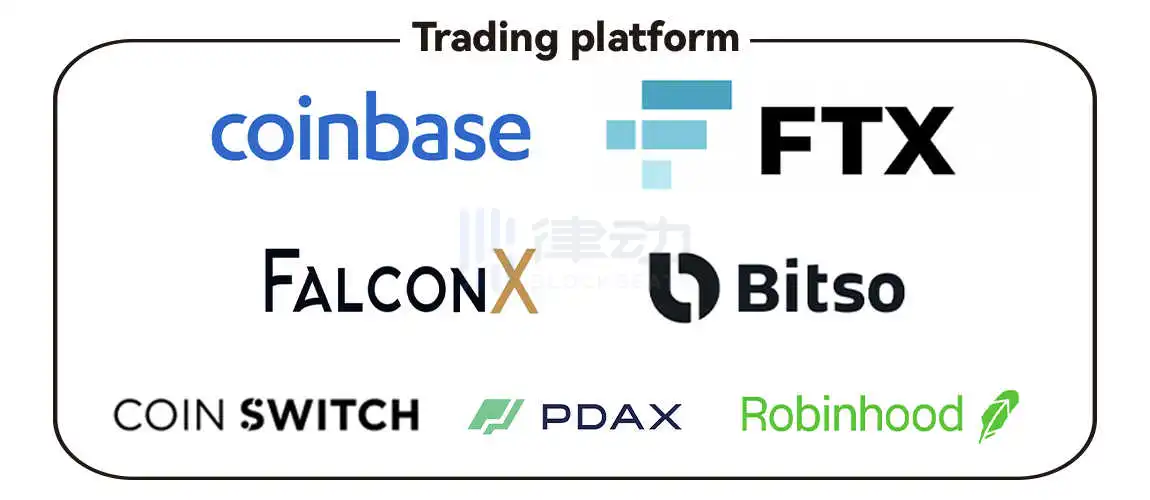
Coinbase is a cryptocurrency exchange that enables investors to buy, sell, manage and trade cryptocurrencies. Founded in 2012, the exchange offers wallets and cold storage options for storing digital assets.
In October 2018, Coinbase announced the completion of a US$300 million Series E round of financing led by Tiger Global, with participation from Y Combinator's Continuity Fund, A16z, Polychain, and Wellington Management.
FTX is a cryptocurrency derivatives exchange that offers derivatives, options and volatility products in addition to spot leverage. The company was founded by Sam Bankman-Fried and Gary Wang.
On January 31, FTX announced that it had received $400 million in Series C financing, with a valuation of $32 billion. Participants in the round include Tiger Global, SoftBank, Paradigm, and the Ontario Teachers' Pension Plan Board.
FalconX is a digital asset trading platform and prime brokerage services company founded by Raghu Yarlagadda and Prabhakar Reddy that provides trading platforms, trading API integrations and primary services.
In August 2021, FalconX completed a $210 million Series C round of financing, with participation from Tiger Global, Alimeter Capital, B Capital, and Sapphire Ventures, as well as the venture capital arm of American Express and Mirae Asset. The ranks of unicorns, with a monthly trading volume of 10 billion US dollars.
Bitso is one of the largest cryptocurrency exchanges in Mexico, targeting Latin America. The company was founded in 2014 by Daniel Vogel, Pablo Gonzalez and Ben Peters.
In May 2021, Bitso completed a US$250 million Series C financing led by Tiger Global and Coatue. Other investors included Paradigm, Pantera Capital, BOND, Valor Capital Group, QED and Kaszek. In addition, Bitso also acquired Quedex, a European derivatives trading platform, in February of the same year.
Coinswitch Kuber is an India-based cryptocurrency exchange where users can buy, sell and trade digital assets. Headquartered in Bangalore, India, the exchange was founded in 2017 by Ashish Singhal, Govind Soni and Vimal Sagar Tiwari.
In October 2021, CoinSwitch announced the completion of a US$260 million Series C financing with a post-investment valuation of US$1.9 billion. This round of financing was led by a16z and Coinbase Ventures, with participation from Tiger Global and Sequoia Capital India. In April of the same year, Tiger Global also participated in CoinSwitch's US$25 million Series B financing as the sole investor, which was also its first investment in an Indian cryptocurrency company.
PDAX is an exchange regulated by BSP (The Bangko Sentral ng Pilipinas: Central Bank of the Philippines) that allows users to trade Bitcoin, Ethereum and other digital assets on the platform. Based in Manila, Philippines, the company was founded in 2017 by Krystian Kucharzyk and Nichel Gaba.
On February 10, PDAX completed a US$50 million Series B financing led by Tiger Global, Kingsway Capital, Jump Capital, Draper Dragon, Oak Drive Ventures, DG Daiwa Ventures, Ripple and UBX Ventures, Beenext Ventures and Cadenza Capital Management and others participated in the vote. Funds from this round of financing will be used to build high-quality infrastructure for the digital asset ecosystem.
Robinhood is a trading platform and brokerage app that provides investment services, including cryptocurrencies. The company was founded by Baiju Bhatt and Vladimir Tenev.
In November 2021, Chase Coleman, head of Tiger Global, disclosed his investment in Robinhood in the secondary market.
Crypto Finance
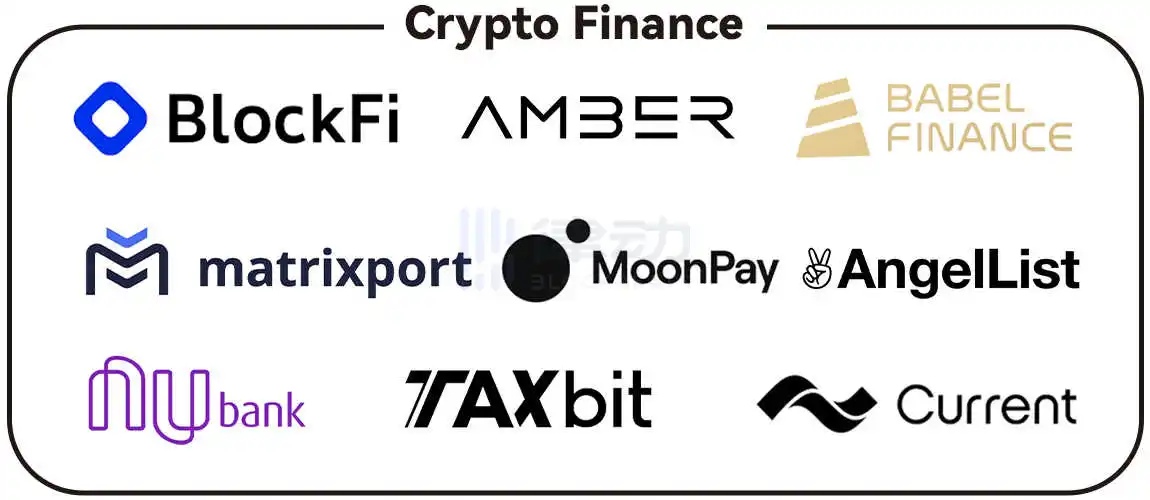
BlockFi is a cryptocurrency lender that enables users to earn by lending out their digital assets or using their cryptocurrencies as collateral for fiat loans. The company was co-founded by Zachary Prince and Flori Marquez.
In July 2021, BlockFi announced the completion of a US$500 million Series E financing, with an estimated post-investment valuation of US$4.75 billion. En Capital, Coinbase Ventures and others participated in the investment.
Amber Group is an Asia-based trading firm that provides comprehensive crypto trading services to institutional investors, including market making, over-the-counter (OTC), electronic sales trading, lending and money management. The firm was originally a project co-founded in 2015 by five Morgan Stanley investment traders and a Bloomberg engineer.
On February 22, Amber Group announced the completion of a US$200 million B+ round of financing at a valuation of US$3 billion. Temasek led the investment, and existing shareholders such as Tiger Global, Sequoia China, Pantera Capital, Management, Tru Arrow Partners and Coinbase Ventures participated. cast. Among them, Tiger Global participated in Amber's US$100 million Series B financing in June 2021, with a valuation of more than US$1 billion at that time.
Babel Finance is an encrypted financial services company that provides services such as lending, derivatives trading, and over-the-counter trading, co-founded by Zhou Yang and Li Wang.
In May 2021, Babel Finance completed a US$40 million Series A financing led by Tiger Global, Zoo Capital, Sequoia Capital China, Dragonfly Capital, BAI Capital and Bertelsmann, and other existing investors also participated in follow-up financing.
Matrixport is an Asia-based cryptocurrency financial services firm with approximately $10 billion in assets under management, founded by Bitmain co-founder Jihan Wu. The company provides its users with a suite of encrypted financial products and services that support the trading, purchase and investment of digital assets.
In August 2021, Matrixport announced the completion of the C round of financing, obtaining US$100 million at a pre-money valuation of more than US$1 billion, with participation from Tiger Global, DST Global, C Ventures, C EInnovation Capital, Polychain and Dragonfly.
Moonpay is a payment solution that makes it easy for companies to accept cryptocurrencies as a form of payment. Headquartered in London, UK, the company was founded in 2018 by Ivan Soto-Wright and Victor Faramond.
In November 2021, MoonPay completed a US$555 million Series A financing at a valuation of US$3.4 billion, led by Tiger Global and Coatue. Proceeds from this financing will be used to recruit new employees, expand business scope and add more payment methods.
AngelList Venture is a financing platform for start-ups and angel investors. In 2021, 200 unicorn companies will obtain financing through GP on AngelList Venture, and 19 companies will go public at the same time.
On March 9th, AngelList Venture announced that it has completed a $100 million Series B round of financing at a pre-transaction valuation of $4 billion. Tiger Global led the investment, and Accomplice and others participated in the investment. The general partner (GP) of the investment opens the community round of financing.
Nubank, a large digital bank in Brazil, received a $500 million investment from Warren Buffett's Berkshire Hathaway in June 2021 and has more than 40 million customers across Latin America. In addition, Nubank also acquired the brokerage firm Easyvest, and the two will jointly provide customers with Bitcoin ETF investment services.
In June 2015, Tiger Global made its first B-round investment in Nubank. Nubank raised US$30 million in this round of financing, led by Tiger Global, with participation from Sequoia Capital, Kaszek Ventures and QED Investors. In January 2016, Nubank completed a US$52 million Series C financing led by Founders Fund, followed by Tiger Global, Sequoia Capital and Kaszek Ventures. On December 7 of the same year, Nubank received USD 80 million in Series D financing, led by DST Global, with participation from Tiger Global, Redpoint Ventures, Ribbit Capital, Sequoia Capital, QED Investors, and Founders Fund.
Taxbit is a Utah-based crypto tax and accounting startup that provides crypto tax software to crypto users, exchanges, and vendors. The tax firm was founded in 2018 by Austin Woodward, Bobby Clayson, Brandon Woodward and Justin Woodward.
In August 2021, TaxBit completed a $130 million Series B round of financing, making it a new crypto unicorn with a valuation of over $1.3 billion. The round was led by IVP and Insight Partners, with participation from Tiger Global, Paradigm, and 9Yards.
Current is committed to providing financial instruments and banking services to investors of modern families, headquartered in New York, USA. At present, the number of its registered accounts has exceeded 3 million, and it has conducted in-depth cooperation with the payment giant Visa.
In April 2021, Current completed a US$220 million Series D financing led by A16z, with participation from Tiger Global, TQ Ventures, Avenir, etc. Current will use the new funds to expand the team, and a key area of expansion is cryptocurrency, which will involve partnerships and educational features to help Current users better understand the crypto market.
Infrastructure
NEAR is an underlying blockchain that utilizes Rainbow Bridge and Layer 2 solution Aurora to achieve cross-chain interoperability. Users can transfer ERC-20 Token and other assets in the Ethereum blockchain to the NEAR network and enjoy the convenience brought by the latter's high throughput and low transaction fees.
On April 6, NEAR completed a financing of US$350 million. This round of financing was led by Tiger Global, with participation from Republic Capital, FTX Ventures, Hashed, and Dragonfly Capital. The financing will be used to accelerate the decentralization of the NEAR ecosystem.
Polygon was founded in 2017 by Jaynti Kanani, Sandeep Nailwal, Anurag Arjun, and Mihailo Bjelic to provide scaling solutions and frameworks for Ethereum-compatible blockchain networks.
On February 7, Polygon announced the completion of an early-stage financing of US$450 million. This round of financing was led by Sequoia India, Tiger Global, SoftBank, Galaxy Digital, Republic Capital, Makers Fund, Alameda Research, Alan Howard, Alexis Ohanian, Steadview Capital, Elevation Capital, Animoca Brands, Spartan Fund, Dragonfly Capital, Variant Fund, and Kevin O'leary, among others, are actively expanding their portfolio of Ethereum scaling solutions and aiming to attract a larger developer ecosystem.
Helium, founded in 2013 by Amir Haleem, Sean Carey, and Shawn Fanning, is designing a peer-to-peer wireless network designed to simplify connecting devices to the Internet of Things (IoT) devices.
On March 31, Helium announced the completion of a US$200 million Series D equity financing, led by Tiger Global and a16z, Seven Seven Six, Goodyear Ventures, GV (formerly Google Ventures), Liberty Global (including Virgin Media & Vodafone) , NGP Capital, Pantera Capital, Ribbit Capital and Deutsche Telekom's Telekom Innovation Pool participated in the investment. This round of financing will be used to continue to develop Helium IoT and 5G networks, and promote the further development of ecological applications.
Aptos aims to build the most secure and scalable Layer1 blockchain.
On March 15, Aptos announced the completion of a US$200 million strategic financing round, led by a16z, with participation from Tiger Global, Multicoin Capital, Katie Haun, Three Arrows Capital, FTX Ventures, and Coinbase Ventures.
LayerZero Labs is a developer of a full-chain interoperability protocol in Canada. LayerZero can configure on-chain endpoints and rely on two parties to transmit messages between on-chain endpoints: ORACLE and RELAYER.
On March 31, LayerZero Labs announced the completion of a US$135 million A+ round of financing. This round of financing was co-led by a16z, Sequoia Capital, and FTX Ventures, with participation from Tiger Global, Multicoin Capital, Coinbase Ventures, PayPal Ventures, and Uniswap Labs. The post-money valuation is $1 billion.
Aleo is a privacy-focused blockchain network that processes its transactions off-chain and is only verified by network nodes. In addition to the privacy service provider, Aleo also has its own programming language called Leo, which will enable developers to build decentralized and private applications.
On February 7th, Aleo announced the completion of US$200 million in Series B financing. This round of financing was led by SoftBank and Kora Management, and Tiger Global, a16z, Samsung Ventures, etc. participated in the investment.
Blockdaemon is a blockchain infrastructure platform focused on node management. Over $100 billion in assets have been staked using Blockdaemon's infrastructure, while they manage over 500 validators supporting over 40 protocols.
On January 27, Blockdaemon announced the completion of a US$207 million Series C financing at a post-money valuation of US$3.25 billion, led by Tiger Global and Sapphire, SoftBank Vision Fund 2, Boldstart Ventures, StepStone Group, Matrix Capital Management, Lerer Hippeau, Galaxy Digital Participate in voting.
Livepeer provides infrastructure support for cost-effective and scalable video streaming applications, enabled by cryptoeconomic incentives and open-source software that encourages the Livepeer community to build projects.
On January 5th, Livepeer announced the completion of a US$20 million B+ round of equity financing. Tiger Global, Digital Currency Group, Northzone, Warburg Serres and other institutions and angel investors including British hedge fund manager Alan Howard participated in this round of financing.
QuickNode provides blockchain infrastructure and services to teams, including global APIs and Web3 development tools for Bitcoin and Ethereum.
In October 2021, QuickNode announced the completion of a US$35 million Series A financing led by Tiger Global, with participation from Alexis Ohanian subsidiary Seven Seven Six, Soma Capital, Arrington XRP Capital, Crossbeam, and Anthony Pompliano. Funding from this round will help developers build blockchain applications, expand their product offerings and support new blockchains.
Web3
Jambo, an African Web3 startup, is developing a platform that combines social media and emerging Web3 services into one application for use by millions of people across the continent. Additionally, Jambo aims to introduce Africa's youth to the Web 3 financial ecosystem through P2E gaming and DeFi services, including currency exchange and remittances.
On February 21, Jambo announced the completion of a US$7.5 million seed round of financing. This round of financing was participated by Tiger Global, Delphi Ventures, Coinbase Ventures, and Three Arrows Capital.
Braintrust is a Web3 decentralized talent network that connects businesses with talented freelancers, aligning their interests. The platform is free for freelancers, and users are also rewarded in its native token for their growing adoption of the think tank, such as inviting new clients or reviewing freelancers.
In December 2021, Braintrust announced the completion of a $100 million round of financing in a token sale. This round of financing was led by Coatue, with participation from Tiger Global, True Ventures, Blockchain Ventures, and HashKey. The round will be used to expand its network and fund community projects through grants.
Magic Labs, formerly known as Fortmatic, is a provider of Web3 application wallet solutions based on Ethereum. It aims to provide identity verification technology services for Web3 and Web 2 developers and users, and face future passwordless login. At present, its wallet solution has been applied to many Ethereum applications including Uniswap, TokenSets, PoolTogether, etc.
In July 2021, Magic Labs completed a US$27 million Series A financing, led by Northzone, with participation from Tiger Global, Volt Capital, CoinFund, and Digital Currency Group.
Fluence is a Web3 native computing, P2P application platform for open and composable applications where developers can publish, host, run and monetize applications without intermediaries or central servers.
On February 17, Fluence announced the completion of a $9 million Series A round of financing led by Multicoin Capital, with participation from Tiger Global, Alameda Ventures, Protocol Labs, Arweave Capital, Polymorphic Capital, OP Crypto, Signum Capital, and UOB Venture Management. cast.
NFT / Gaming
Yuga Labs is the parent company of Bored Ape Yacht Club, the leading NFT project. On March 12, Yuga Labs also announced the acquisition of two other well-known NFT series developed by Larva Labs: CryptoPunks and Meebits.
On March 23, Yuga Labs completed $450 million in seed financing at a valuation of $4 billion. a16z led the round, and Tiger Global, Animoca Brands, LionTree, Sound Ventures, Thrive Capital, FTX, MoonPay and others participated.
FanCraze, a platform for trading, buying and selling cricket-related NFT collectibles for the fan community, has signed an agreement with the International Cricket Council (ICC) to publish exclusive cricket-themed creations on the Flow blockchain. A series of NFT digital collectibles.
In November 2021, FanCraze announced the completion of a US$17.4 million seed round of financing led by Tiger Global, with participation from Coatue Management, Sequoia Capital, Dapper Labs, Samsung Next, and Courtside Ventures.
Unblocked is a platform on Flow for creating custom NFTs for big brands or celebrities. Brands will be able to create and distribute NFTs, and create a secondary market for collectors to continue to trade them.
On January 28, Unblocked received USD 10 million in seed financing at a valuation of USD 90 million, led by Tiger Global and participated by Dapper Labs and Oaktree Capital.
RareCircles is an NFT membership platform that helps brands, founders, and content creators create and sell NFTs to provide membership services.
On February 3, RareCircles raised $7.5 million in a seed round. Tiger Global led the round, with participation from White Star Capital, Hashed, Alpaca, Crew Capital, Global Founders Capital, Alumni Ventures and Detroit Venture Partners.
Forte is a blockchain gaming company and platform for game developers to integrate blockchain technology into their games. The company partnered with Xpring to create a $100 million fund dedicated to investing in the blockchain gaming ecosystem.
In November 2021, Forte announced the completion of a $725 million Series B round of financing, led by Sea Capital and Kora Management, with participation from Tiger Global, a16z, Solana Ventures, Polygon Studios, Cosmos, Animoca Brands, and Warner Music Group. Funds will be used to expand the service and partner with more game publishers.
DeFi
The Graph is a protocol for indexing and mining data from blockchains like Ethereum, and developers can use existing APIs or create new ones to build applications. The protocol is the infrastructure backbone of many DeFi applications, including Synthetix, Uniswap, Gnosis, Balancer, Aave, Opyn, and 1inch Exchange.
On January 21, The Graph completed an early-stage financing of US$50 million. This round of financing was led by Tiger Global, with participation from FinTech Collective, Fenbushi Capital, Reciprocal Ventures and Blockwall Digital Assets Fund. The new financing will be used to acquire other developers, and Expand in Asia and Europe.
Serum is a low-cost Solana-based DEX that offers fast transactions and low fees due to Solana's low gas fees.
On January 7th, Serum announced that it was raising $100 million in financing, with executives from Tiger Global, Tagus and Commonwealth Asset Management LP and Golden Tree Asset Management participating. The Serum team named its financing project "Incentive Ecosystem Foundation", and plans to recruit employees and enter new product vertical markets to expand its business in NFT and Metaverse.
ApeX Protocol is a decentralized and non-custodial derivatives protocol, and the first permissionless and censorship-resistant protocol incubated by Davion Labs, which utilizes an elastic automatic market maker (eAMM) to facilitate the creation of permanent swaps for Toekn trading pairs. futures market.
On March 3, ApeX Protocol announced the completion of a seed round of financing led by investors including Tiger Global, Dragonfly Capital Partners, Jump Trading, Mirana Ventures, CyberX, Kronos, and M77.
Data / Analytics
Nansen is a crypto analytics firm that pairs blockchain data with wallet tags, allowing its users to track high-value investors and high-level events.
In December 2021, Nansen completed a $75 million Series B round of financing led by venture capital firm Accel, with participation from Tiger Global and a16z. The funds raised will be used to expand the functionality of its blockchain analysis platform to help users protect encrypted assets.
TRM Labs is a blockchain intelligence company that provides risk assessments and helps prevent fraud and financial crimes using digital currencies.
In December 2021, TRM Labs completed a $60 million Series B round of financing led by Tiger Global, Amex Ventures, Visa, Citi Ventures, DRW Venture Capital, Jump Capital, Marshall Wace, Block (formerly Square, Inc.) and PayPal Ventures, B Capital Group, Bessemer Venture Partners, Blockchain Capital, Cap Table Coalition, Castle Island Ventures, Initialized Capital, Operator Partners and others participated in the investment. This round of financing aims to continue to strengthen TRM Labs' product line to help financial institutions and governments investigate crypto fraud.
Briq is a fintech platform built specifically for the construction sector, combining blockchain technology and machine learning tools. Briq has two main products: ProjectIQ, which monitors and manages individual projects and workflows and provides data on the different suppliers in a construction project, and MarketIQ, which provides information on where potential projects are likely to take place and which projects will get the most Market intelligence for success.
In June 2021, Briq completed a $30 million Series B round led by Tiger Global, with participation from Cafco Construction Management, WestCor Companies, Choate Construction and Harper Construction.
Security audit
Certik is a blockchain and smart contract cybersecurity startup that analyzes, monitors and audits the code of blockchain projects. The company was founded in 2017 by Ronghui Gu and Zhong Shao.
In November 2021, CertiK announced the completion of the B2 round of financing of US$80 million, which is the largest single financing amount in the blockchain security track. This round of financing was led by Sequoia Capital, and old shareholders such as Tiger Global, Hillhouse Ventures, Coatue Management, and Shunwei Capital continued to follow suit. In addition, in August of the same year, Tiger Global also led Certik's US$24 million B-round expansion financing together with Hillhouse Venture Capital.


