4D Research Report interprets the Cosmos ecology that will explode in 2022


Original title:Learn about the Cosmos ecology that is about to explode in 2022
Original title:
Researchers: Zoe; Diamond; Diane; Evelyn; Maxwell; Carole
Foreword:
first level titleForeword:
Cosmos is a heterogeneous network that supports cross-chain interaction launched by the Tendermint team, which is an ecosystem of applications and services that exchange digital assets and data using the IBC (Inter-Blockchain Communication) protocol.
Cosmos has been hailed as the "Internet of Blockchains"text
1. Research status of cross-chain technology
The interoperability between blockchains limits the application space of blockchains. Cross-chain technology is considered to be the key technology to realize the interoperability of ten thousand chains. It is a bridge for the expansion and connection of blockchains.
With the development of the blockchain industry, various public chains continue to emerge, but due to technical, ecological and some problems, most chains cannot be connected and interoperated, which makes the user's data, assets, and applications fragmented, forming an "island effect" . In order to solve this problem, the industry has actively explored cross-chain technology.
1.1. The origin and development of cross-chain technology in the blockchain industry
Cross-chain is to allow value to cross different chains through technology, so that the value originally stored on a specific blockchain is converted into the value on another chain, thereby realizing the circulation of value. In essence, it is the same as currency exchange, instead of changing the value, it is just value exchange.
For a long period of time in the early days of the industry, blockchain technology was based on the development of a single chain. At that time, it was generally recognized that the performance optimization and technical upgrade of the blockchain can be completed on a single chain. Once the members of the chain cannot reach an agreement on the development direction of the project, it can only be solved by hard forking or redesigning a chain.
Cross-chain is to allow value to cross different chains through technology, so that the value originally stored on a specific blockchain is converted into the value on another chain, thereby realizing the circulation of value. In essence, it is the same as currency exchange, instead of changing the value, it is just value exchange.For a long period of time in the early days of the industry, blockchain technology was based on the development of a single chain. At that time, it was generally recognized that the performance optimization and technical upgrade of the blockchain can be completed on a single chain. Once the members of the chain cannot reach an agreement on the development direction of the project, it can only be solved by hard forking or redesigning a chain.untilIn 2012, Ripple Labs proposed the Inter Ledger protocol to solve the coordination problem between different blockchain systems; and in 2013,, the scheme is improved to become a,Right nowMain cross-chain modes。
,Right nowMore innovations followed, such as Litecoin, BitShares, and Ethereum, which accelerated the sense of crisis in the Bitcoin core development team. Thus, in October 2014, the。
In 2017,BlockStream clearly puts forward the concept of side chain for the first timeIn 2017,

An article to understand the Cosmos ecology that is about to explode in 2022
image descriptionFigure 1-1 Blockchain cross-chain technology development map。
Since the development of blockchain technology, cross-chain technology mainly includes the following three modes:Notary mechanisms, sidechains or relaychains, and hash locks1.2. Advantages and disadvantages of Cosmos cross-chain technology
1.2. Advantages and disadvantages of Cosmos cross-chain technology
Advantage:
text
Advantage:1. Technological Innovation: Chain Creation - Tendermint。
Can effectively address the existing problems of Bitcoin and Ethereum,Cosmos proposes a targeted solutionBitcoin:
The code base is very monolithic. All three layers — network, consensus, and application — are mixed together. And the Bitcoin scripting language is limited and user-unfriendly.
Ethereum: By turning the application layer into the Ethereum Virtual Machine (EVM). The virtual machine is capable of processing smart contracts, and any developer can deploy smart contracts to the open system of the Ethereum blockchain to build decentralized applications (dApps). But it does not simplify the development of the blockchain itself, there areLimited scalability, relatively low flexibility granted to developers, and limited sovereignty per application.While Tendermint is ready for public or private blockchains and proposes POS, it has instant finality: as long as more than one-third of validators are honest (Byzantine), forks will never be created. Users can be sure that their transactions are completed immediately after the block is created (something that cannot be done in proof-of-work blockchains such as Bitcoin and Ethereum) and with high security.
While Tendermint is ready for public or private blockchains and proposes POS, it has instant finality: as long as more than one-third of validators are honest (Byzantine), forks will never be created. Users can be sure that their transactions are completed immediately after the block is created (something that cannot be done in proof-of-work blockchains such as Bitcoin and Ethereum) and with high security.
Cosmos is not limited to the Tendermint chain. In fact, any type of blockchain can be connected to Cosmos. This is due to the fact that Cosmos utilizes two types of scalability: vertical scalability and horizontal scalability.
Cosmos will offer very good vertical scalability at launch, which will be a significant improvement over current blockchain solutions themselves. Later, after the completion of the IBC module, the scale-out solution will be implemented.
Cosmos is not limited to the Tendermint chain. In fact, any type of blockchain can be connected to Cosmos. This is due to the fact that Cosmos utilizes two types of scalability: vertical scalability and horizontal scalability.
Cosmos SDK,Simplifies the process of building top secure blockchain applications on top of Tendermint BFT. It is based on two main principles: modularity and function-based security.
Another advantage of the Cosmos SDK is that its modularity allows developers to port any existing blockchain code base that already exists in Golang, which is convenient and simple.
shortcoming:
Another advantage of the Cosmos SDK is that its modularity allows developers to port any existing blockchain code base that already exists in Golang, which is convenient and simple.shortcoming:
1. Whether the rising star can regain market recognition,Enhancing the inclusion and inclusiveness of the ecosystemFrom the perspective of the entire ecosystem,
The number of Cosmos ecological projects has exceeded 260. There are more than 510 Polkadot ecological projects on the same track. Both cover finance, infrastructure, NFTs, wallets, stablecoins, Dapps, and more.Polkadot is more popular in terms of the number of applications, more participants, and higher applicability of the architecture. Cosmos is slightly lacking in this aspect, so this is one of the reasons why it has not been able to seize the leader of the track since its launch in 2017, and the popularity has gradually picked up recently. This is both an opportunity and a challenge. How to seize the first opportunity to capture the market and gain greater acceptance and recognition from users is one of the key points of the ecological development of Cosmos in the later stage.2. The technical level is relatively complicated, whether
Complete implementation Cosmos is committed to technological innovation, in order to reduce the difficulty for developers to develop applications on the chain, built the CosmosSDK framework. With the Cosmos Hub as the center, other chains are linked to form a blockchain Internet. The overall technical structure is mostly new, and the main development team has not so much experience in the industry, and there are not many masterpieces. In the initial stage of construction, a lot of manpower and material resources need to be invested, and in the later stage, it needs to be interconnected with other chains to complete practical applications. The difficulty is indeed not small, and the time line needs to be longer to complete. At that time, whether it can still occupy a place in this rapidly developing market with constantly changing hot spots, only time can answer all this.3. Can flexibility and security coexist?Its security is relatively low, but the level of flexibility is higher。
1.3. Current status of Cosmos ecological development
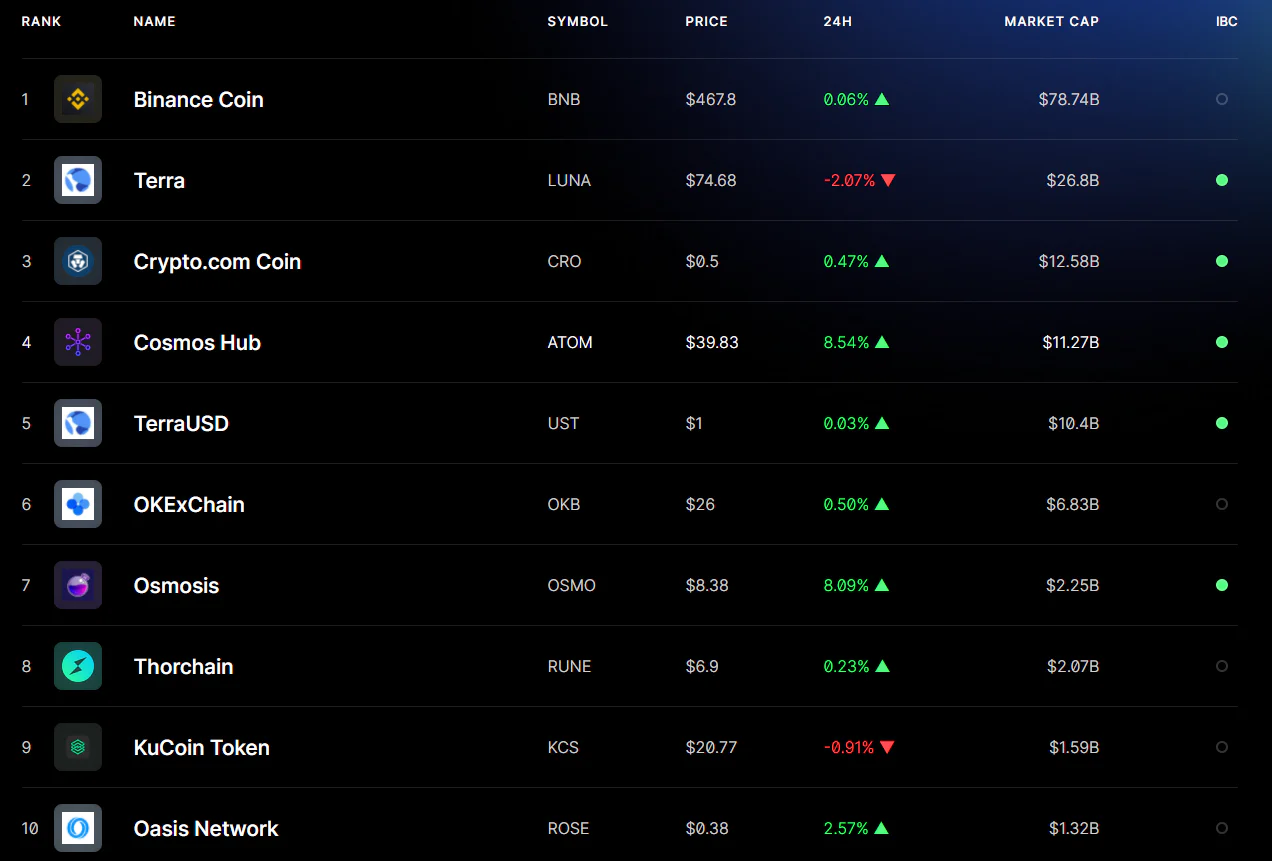
secondary titleTerra ($LUNA),Crypto.com($CRO),Terra USD ($UST),1.3. Current status of Cosmos ecological developmentAs of 2022-01-05, there are 8 projects with the top 300 market value in the Cosmos ecosystem, among which the top 100 projects are
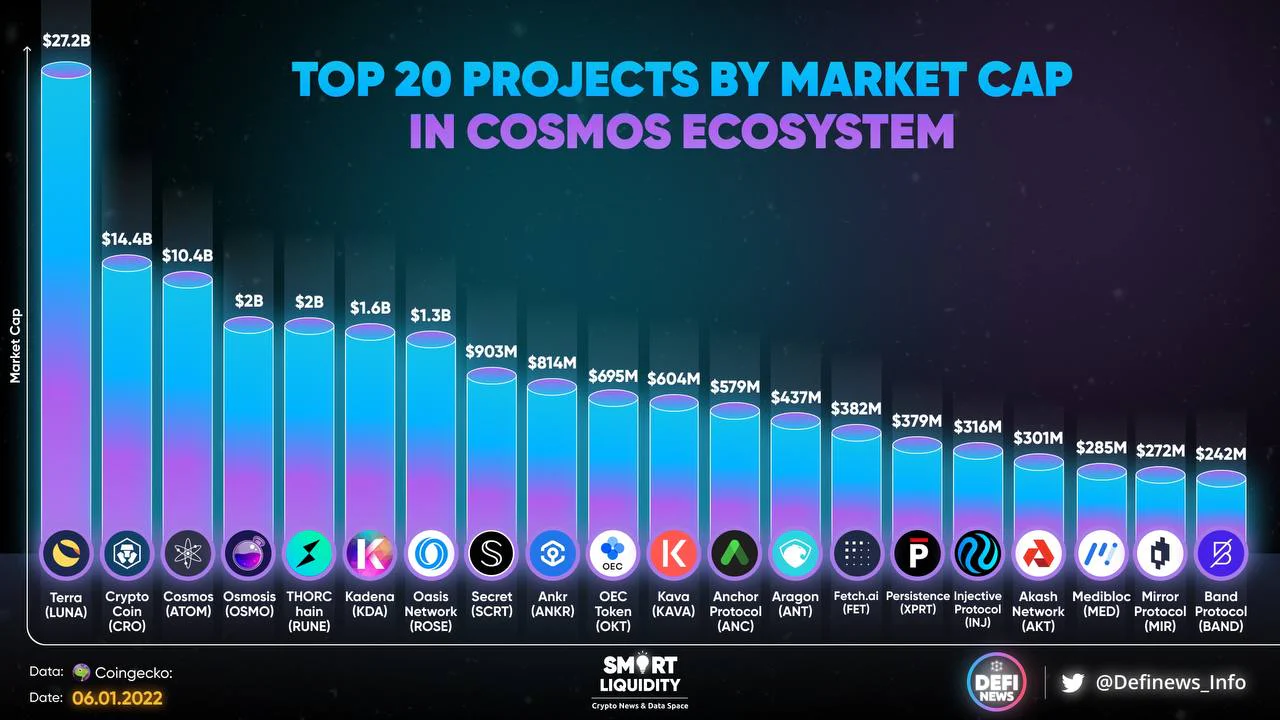
Figure 1-2 Market Value Ranking of Cosmos Ecological Projects
image descriptionFigure 1-2 Market Value Ranking of Cosmos Ecological ProjectsThe Cosmos ecosystem has been designed from the beginning based on the core ideas of decentralization and modularity
2021 is the year when IBC (Inter-Blockchain Communication) enters the market, and the Cosmos main chain gradually forms a thriving interconnected economy. In 2022, the adoption of IBC will really come into its own, thanks to Cosmos’ robust tech stack and developer-friendly blockchain frameworks like Starport, with IBC interoperability built into it.
At present, among the three, Ethereum has the largest ecology, but its bottlenecks and limitations can already be foreseen. The subsequent ecological development and trend of the industry will be more and more inclined to Cosmos and Polkadot. However, the relationship between these three mainstream ecological platforms should be more complementary rather than competitive, and the structure and goals of the platforms should also be explored and developed for the realization of a larger and better Web 3.0 vision.The vast majority of developers prefer Ethereum, Cosmos, and Polkadot: Ethereum has a strong developer community, Cosmos is more independent, and Polkadot is more operable and secure. Developers will choose among them according to their application needs. make a choice.
At present, among the three, Ethereum has the largest ecology, but its bottlenecks and limitations can already be foreseen. The subsequent ecological development and trend of the industry will be more and more inclined to Cosmos and Polkadot. However, the relationship between these three mainstream ecological platforms should be more complementary rather than competitive, and the structure and goals of the platforms should also be explored and developed for the realization of a larger and better Web 3.0 vision.
2. Interpretation of Cosmos white paper details
first level title2. Interpretation of Cosmos white paper details。
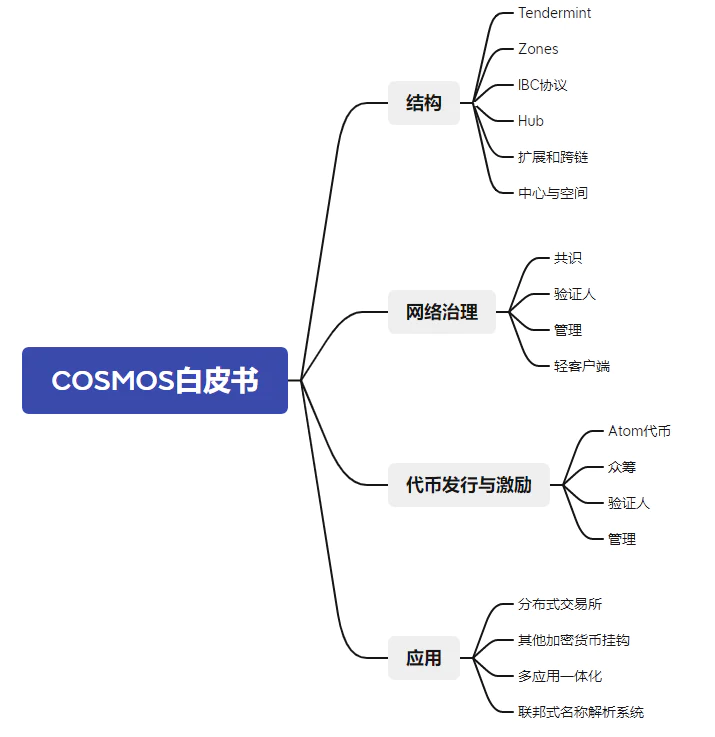
image description
Figure 1-3 Introduction to the Cosmos White Paper
2.1.1. TENDERMINT BFT2.1.2. Inter-Blockchain Communication (IBC)
2.1.2. Inter-Blockchain Communication (IBC)
blockchainThe connection between theblockchainThe connection between theInter-Blockchain Communication Protocol。
(IBC) protocol implementation. IBC leverages the instant finality property of Tendermint consensus (although it can be used with any "fast finality" blockchain engine) to allow
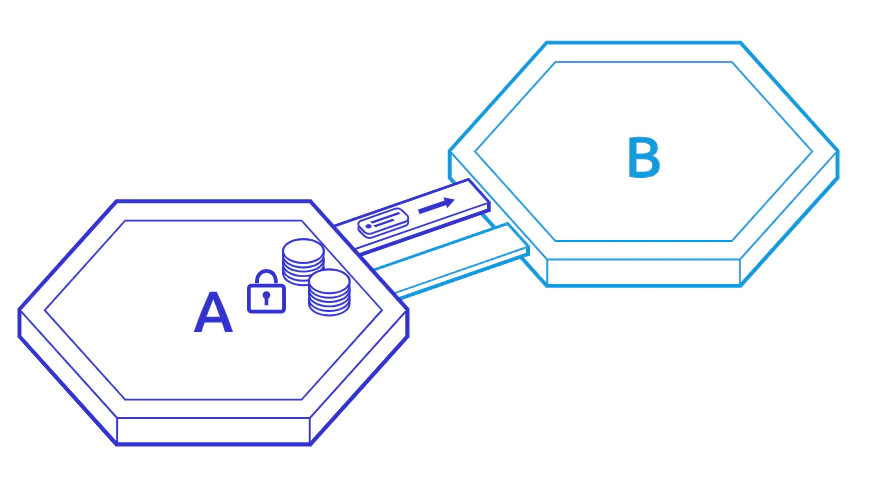
The principle behind IBC is fairly simple. Let's take an example, an account on chain A wants to send 10 tokens (let's call them atoms) to chain B.
2.1.2.1. Tracking
Chain B receives the head of chain A and vice versa, allowing each chain to track the validator set of the other chain. Essentially, each chain runs one light client another.
Chain B receives the head of chain A and vice versa, allowing each chain to track the validator set of the other chain. Essentially, each chain runs one light client another.
When the IBC transfer is initiated, ATOM is locked on the A chain.
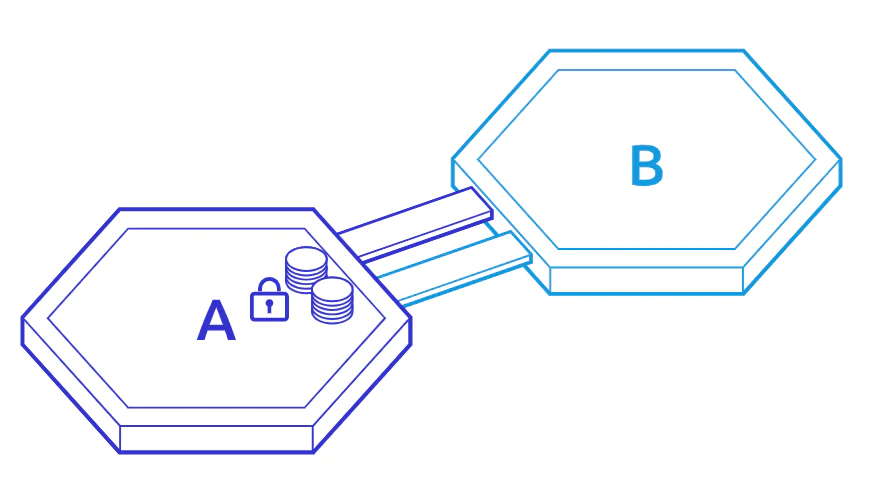
Figure 2-1 IBC transfer diagram
text
Then, the proof of 10 ATOM binding is relayed from chain A to chain B.
text
2.1.2.4. Authentication
The proof is verified on the B chain against the header of the A chain, and if valid, 10 ATOM certificates are created on the B chain.
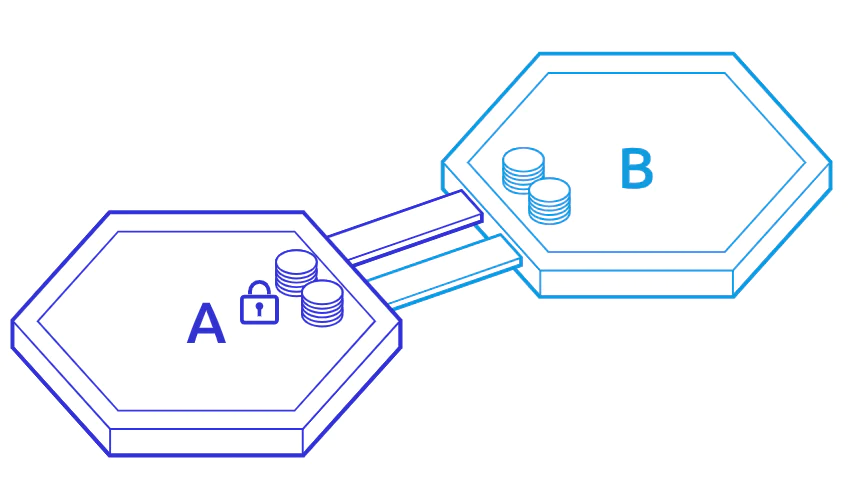
An article to understand the Cosmos ecology that is about to explode in 2022
2.2.1. Validators
A similar mechanism is used to unlock ATOMs when they are returned to their original chain. For a more comprehensive description of the IBC protocol, you can check thisspecification。
2.2. Network Governance
2.2.1. Validators
Nodes with voting rights are called "validators". Validators participate in network governance and produce blocks by propagating encrypted signatures or votes.
2.2.2. Light clients
2.3. Application
2.3. Application
2.3.1. Distributed exchange
Just like Bitcoin is more secure as a ledger, transactions are protected from internal and external hackers by running on the blockchain, called a distributed exchange.
Just like Bitcoin is more secure as a ledger, transactions are protected from internal and external hackers by running on the blockchain, called a distributed exchange.
For example, two users can exchange bitcoin for ether using an AXC transaction, even though bitcoin and ether are not connected to each other. The benefit of running an exchange on AXC Exchange is that users do not need to trust each other or trade matching services. The downside is that both parties need to be online to conduct the transaction.
Decentralized exchanges for the cryptocurrency community are based on "atomic cross-chain" (AXC) transactions. With an AXC transaction, two users on two different chains can make two transfer transactions that are committed together on both ledgers, or not committed at all.For example, two users can exchange bitcoin for ether using an AXC transaction, even though bitcoin and ether are not connected to each other. The benefit of running an exchange on AXC Exchange is that users do not need to trust each other or trade matching services. The downside is that both parties need to be online to conduct the transaction.first level title
2.3.2. Ethereum expansion
Solving the scaling problem is an open question for Ethereum. Since Tendermint can submit blocks faster than Ethereum's proof-of-work, EVM zones powered by Tendermint consensus and running on bridged ether can provide higher performance for the Ethereum blockchain.
2.3.3. Multi-application integration
Cosmos regions run arbitrary application logic that is defined at the beginning of the region's lifecycle and may be updated by governance over time. This flexibility allows Cosmos zones to act as bridges to other cryptocurrencies such as Ethereum or Bitcoin, and also allows derivatives of these blockchains, using the same codebase but with different validator sets and initial distributions.
3. Cosmos Economic Model Analysis
3.1. ATOM Tokens
3. Cosmos Economic Model Analysis3.1. ATOM Tokens$ATOM is the governance token of the Cosmos Hub (Cosmos Center), a multi-asset distributed ledger, with an initial supply of 200 million pieces and a current total circulation of $ATOM$7,949,573,541, with a total market capitalization of
3.2. Token distribution mechanism
. (as of 2022-01-08)3.2. Token distribution mechanismThe initial distribution of Atom tokens and validators will be CosmosCrowdsale sponsors account for 75%, pre-sale sponsors 5%, Cosmos Corporation accounts for 10%, and Cross-chain Foundation 10%。
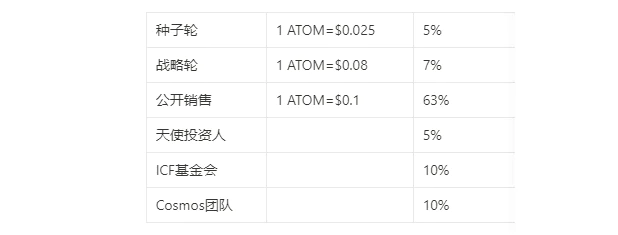
Figure 3-1 Distribution Mechanism of ATOM Tokens
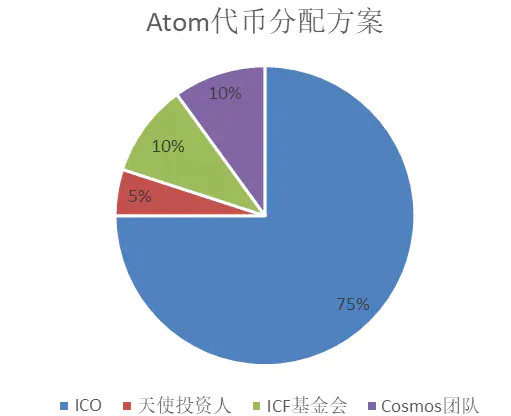
Figure 3-2 Distribution mechanism of ATOM tokens
3.3. Token Release Mechanism
Figure 3-2 Distribution mechanism of ATOM tokens
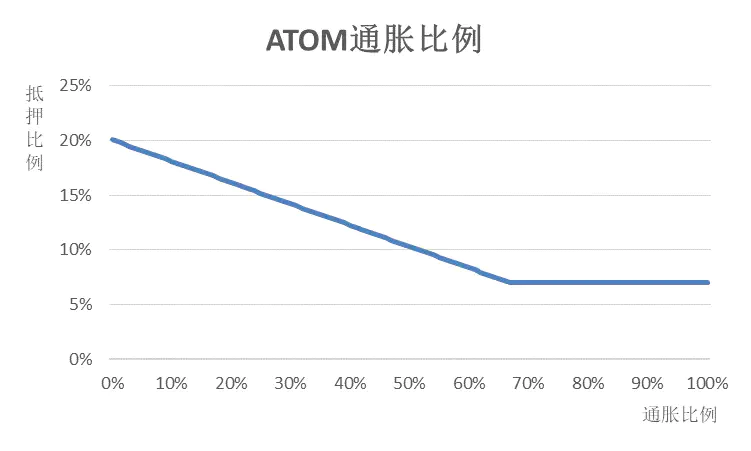
Figure 3-3 Mortgage Inflation Ratio Chart of ATOM Tokens
3.4. Incentive mechanism
Staking $ATOM through Staking can get newly generated $ATOM token rewards and some transaction fees.
3.4. Incentive mechanism3.5. Ecological model
Purchase via centralized/decentralized exchanges.
3.5. Ecological model
Transaction fees in the Cosmos ecosystem
Staking $ATOM can improve the security of Cosmos Hub.
Transaction fees in the Cosmos ecosystemParticipate in Staking nodes
Participate in community governance
first level title
4. Development Status of Cosmos
4.1. Team Development
4. Development Status of CosmosCosmos development company for Tendermint,。
Its core team members are:
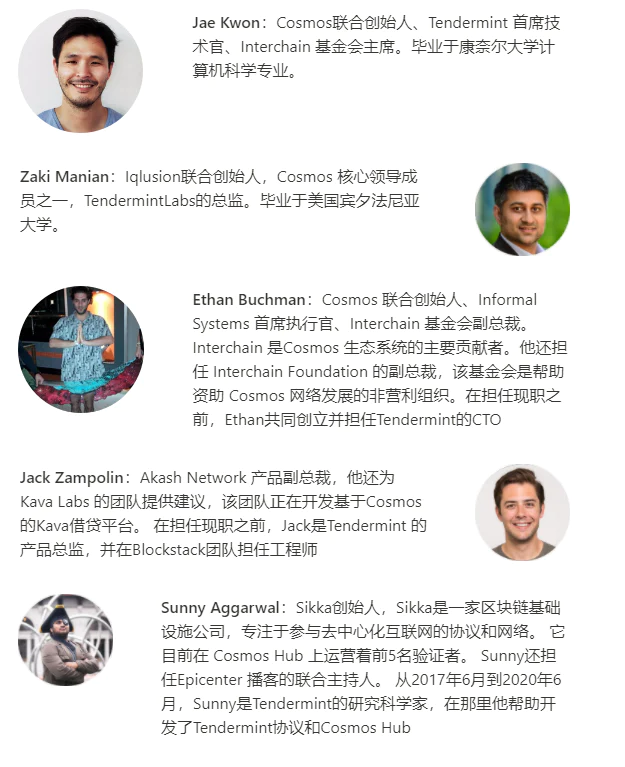
Powered by Interchain Foundation, core organization:
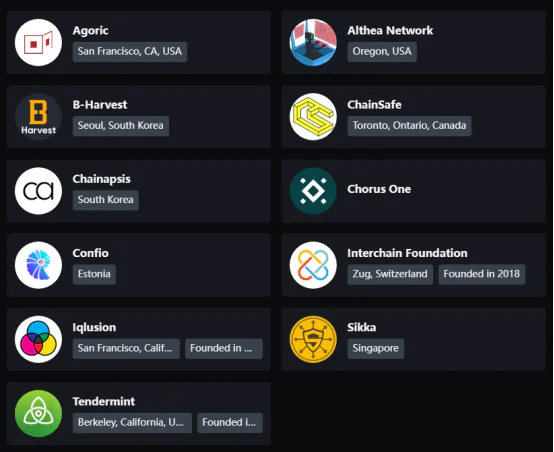
Figure 4-1 Cosmos development company ecological map
Figure 4-1 Cosmos development company ecological map
Founded in 2016 by Jae Kwon and Ethan Buchman, Cosmos raised over $17 million for ATOM in an ICO. The Interchain Foundation has conducted several rounds of private investment, and the public fundraising campaign ended on 2017-04-06. The Foundation divides the recipients of these minted ATOMs into four distinct blocks: Private Contributors, Public Contributors, All in Bits Inc (AiB), and the Interchain Foundation (ICF).

Table 4-2 Cosmos Financing Details
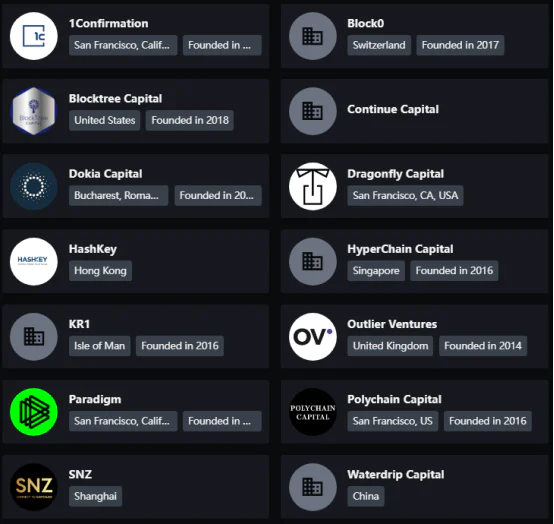
Investment agency:
An article to understand the Cosmos ecology that is about to explode in 2022
Figure 4-3 Cosmos Investment Organization Chart
The development route of Cosmos is as follows:
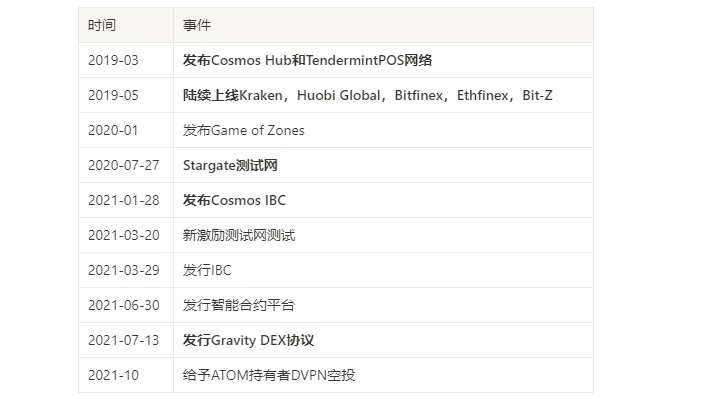
Table 4-4 Cosmos development roadmap
5. Analysis of key Cosmos ecological projects
There are more than 260 Cosmos ecological projects, and the total market value has exceeded 70 billion US dollars, second only to the Ethereum ecosystem, ranking second in the blockchain industry.The further implementation of the IBC protocol in the future (the arrival of the blockchain version of the Internet), coupled with the change of the $ATOM token economic model, is believed to bring powerful value capture capabilities.
There are more than 260 Cosmos ecological projects, and the total market value has exceeded 70 billion US dollars, second only to the Ethereum ecosystem, ranking second in the blockchain industry.The further implementation of the IBC protocol in the future (the arrival of the blockchain version of the Internet), coupled with the change of the $ATOM token economic model, is believed to bring powerful value capture capabilities.
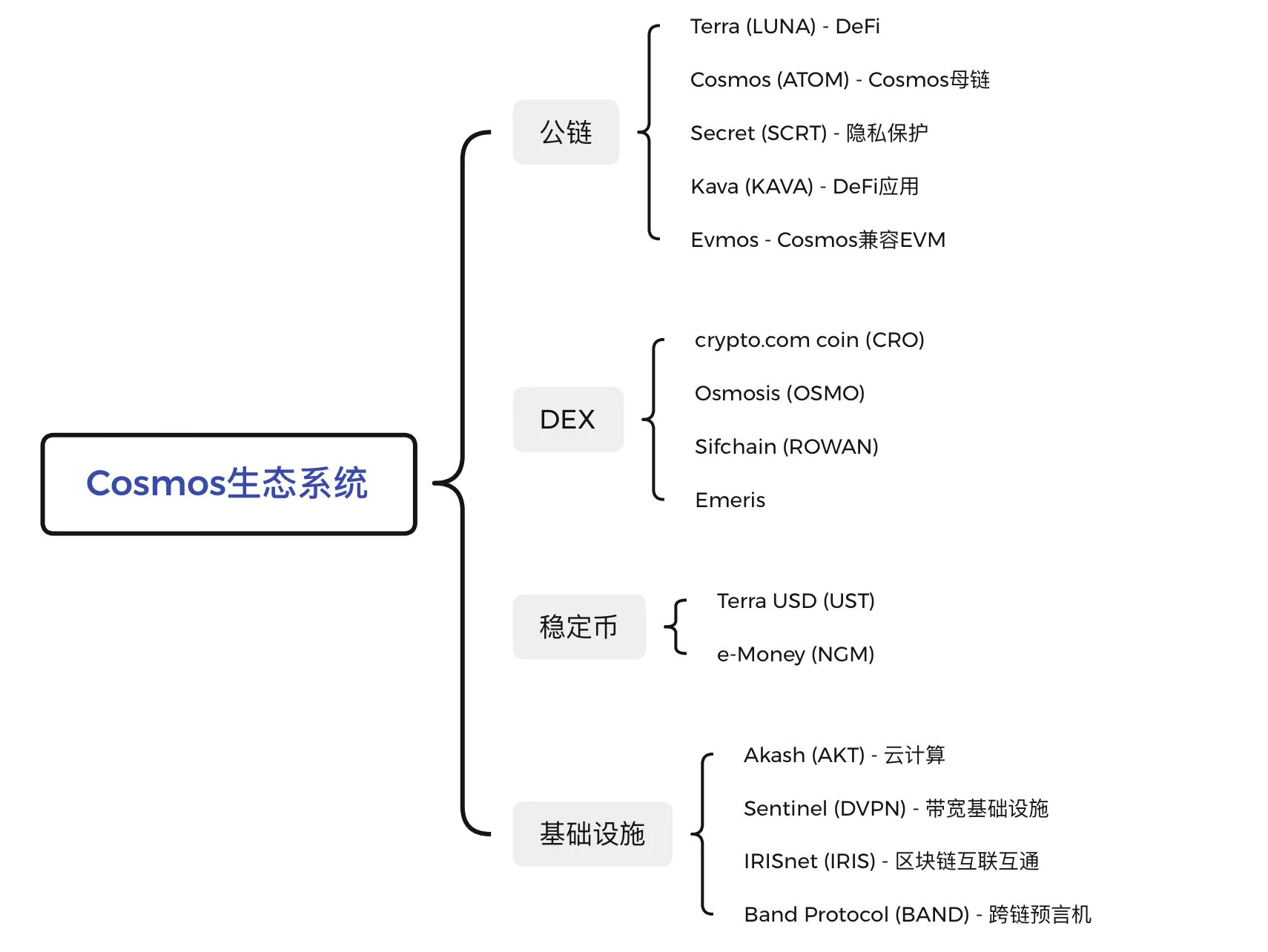
An article to understand the Cosmos ecology that is about to explode in 2022
image description
Band Protocol is a Cosmos-based cross-chain oracle that provides real-world data and APIs to blockchain smart contracts.
5.1. DeFi,oracle, basic chain
5.1.1. Band Protocol (BAND)
Band Protocol is a Cosmos-based cross-chain oracle that provides real-world data and APIs to blockchain smart contracts.
One Band transaction can call a piece of data, while the existing oracle requires three transaction processing. When calling this type of trusted data, Band cooperates deeply with major public chains, and can use the native tokens of the public chain, for example, ETH can be used as a handling fee for calling trusted data. Other oracles use this oracle It is not convenient to use the token of the machine as the handling fee for the call.
It can be seen from this that band is a design that really considers developers, and it meets the needs of the entire blockchain ecosystem for off-chain data.
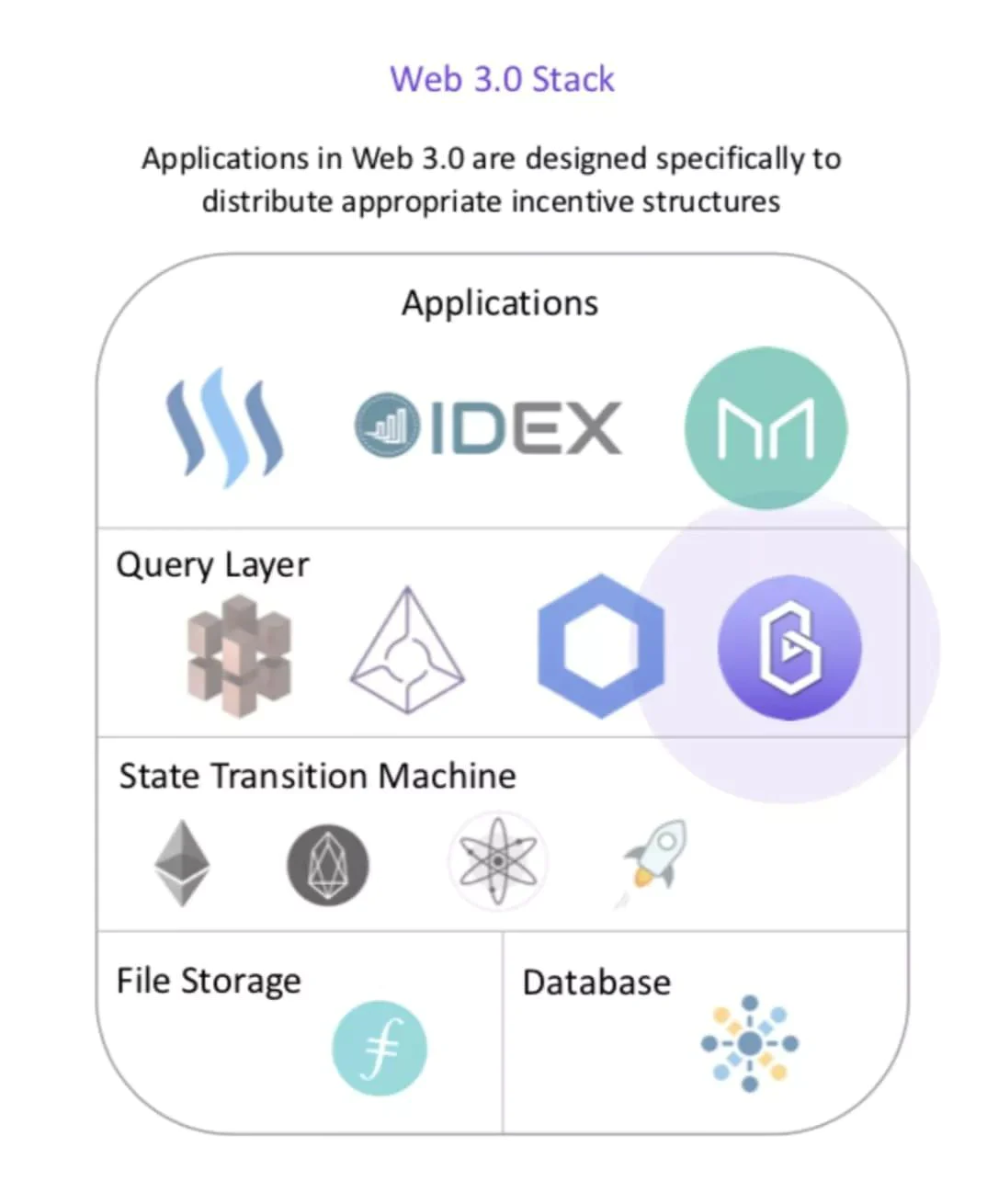
Figure 5-3 Application landing of each public chain
The current market value of $Band is 220 million USD, and the price is 5.42$/BAND. The circulation is 41 million pieces, and the total amount is 100 million pieces. On-line exchanges:Gate.io,Crypto.com,OKEX,Gate.io etc. (as of 2022-01-08)
5.1.2. Kava (KAVA)
The current market value of $Band is 220 million USD, and the price is 5.42$/BAND. The circulation is 41 million pieces, and the total amount is 100 million pieces. On-line exchanges:Gate.io etc. (as of 2022-01-08)
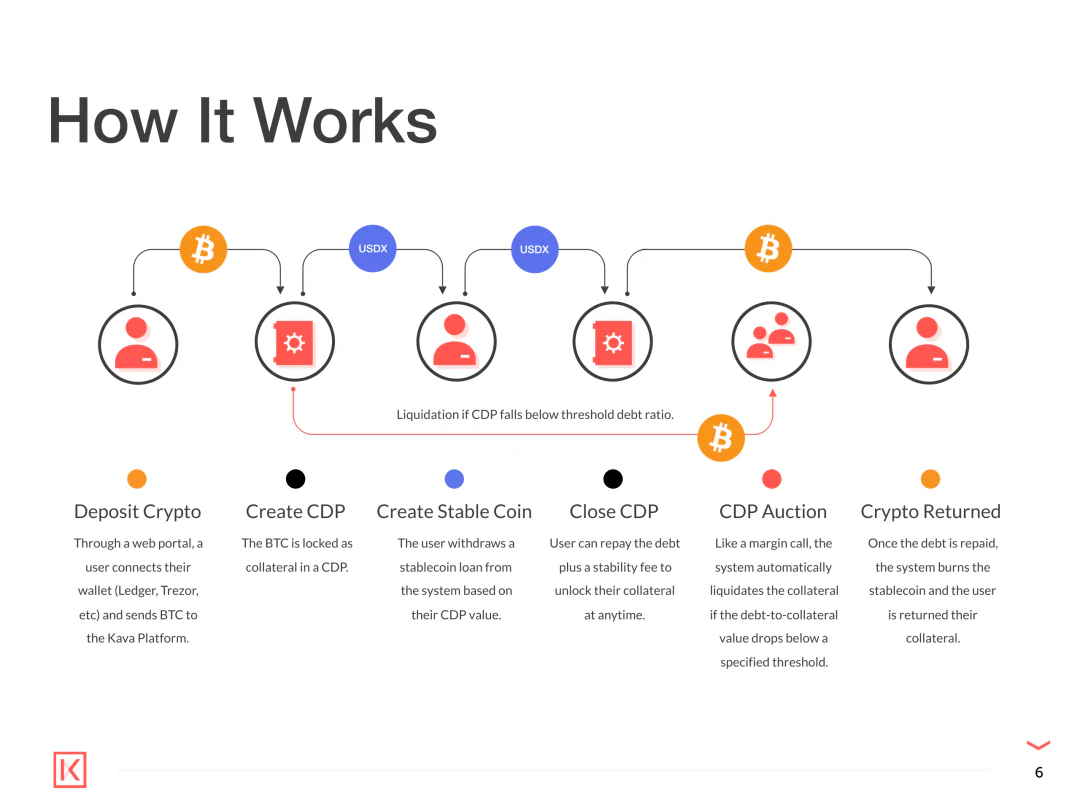
Figure 5-4 Kava network structure diagram, source: kava white paper
image description
Figure 5-4 Kava network structure diagram, source: kava white paper$KAVA now has a market cap of $670 million
, the price is 4.58$/BAND. 140 million pieces in circulation, 150 million pieces in total, on-line exchanges: Gate.io, Crypto.com, OKEX, MEXC, etc. (as of 2022-01-08)
5.2.1. Osmosis (OSMO)
OsmosisDesigned to be cross-chain native. Built-in IBC, enabling it to connect to the entire Cosmos chain ecosystem and its over $20B of native assets. After integrating native Cosmos assets, Osmosis will integrate with non-IBC-enabled chains, including various chains including Ethereum-based ERC20s, Bitcoin-like chains, and alternative smart contract platforms by utilizing custom hooks. In October 2021, it received $21 million in financing led by Paradigm. This is Paradigm's first investment in an AMM-based DEX project outside the Ethereum ecosystem.
Features:
Cross-chain assets (native to cross-chain), customizable curves, fees and other parameters, LP governance, liquidity provider incentives.

Figure 5-5 Osmosis cross-chain interface preview
The OSMO token is a governance token that provides token holders with a decentralized, coordinated method to decide on the strategic direction and all future changes to the Osmosis protocol. It is expected that OSMO will primarily be used for the following functions (although governance may choose to add or remove some):
Vote on protocol upgrades
Allocate liquidity mining rewards for liquidity pools
Set base network exchange fees
Allocate liquidity mining rewards for liquidity pools$OSMO now has a market cap of $2.2 billion
5.2.2. Sifchain (ROWAN)

Figure 5-6 Sifchain interface preview
image descriptionFigure 5-6 Sifchain interface preview. (as of 2022-01-08)
After Terra was connected to IBC, Sif chain immediately provided support for LUNA and UST assets, and also increased the mining of LUNA-ROWAN and LUNA-UST trading pairs.
The method of mining LUNA and UST assets in Sifchain
After Terra was connected to IBC, Sif chain immediately provided support for LUNA and UST assets, and also increased the mining of LUNA-ROWAN and LUNA-UST trading pairs.
The method of mining LUNA and UST assets in Sifchain
1. Switch the chain of Keplr wallet to Sifchain
2. Enter dex.sifchain.finance and enter the Balances column
3. Search for LUNA or UST, click "Import" to import assets
4. Connect the Terra Station wallet and authorize it, and confirm the amount deposited in UST or LUNA in the pop-up window
5. In the Swap column, replace a part of ROWAN with UST or LUNA
6. Enter the Pool column, Add Liquidity, and add the trading pair of ROWAN-LUNA or ROWAN-USTWhen using Sifchain for the first time, you can claim free Gas (ROWAN), method:
1. Click
Get Free Rowan column2. Follow the prompts to complete the Twitter release of the specified content, confirm, and you can get free GasDeFi100 CommunityOfficial website document。
5.2.3. Emeris
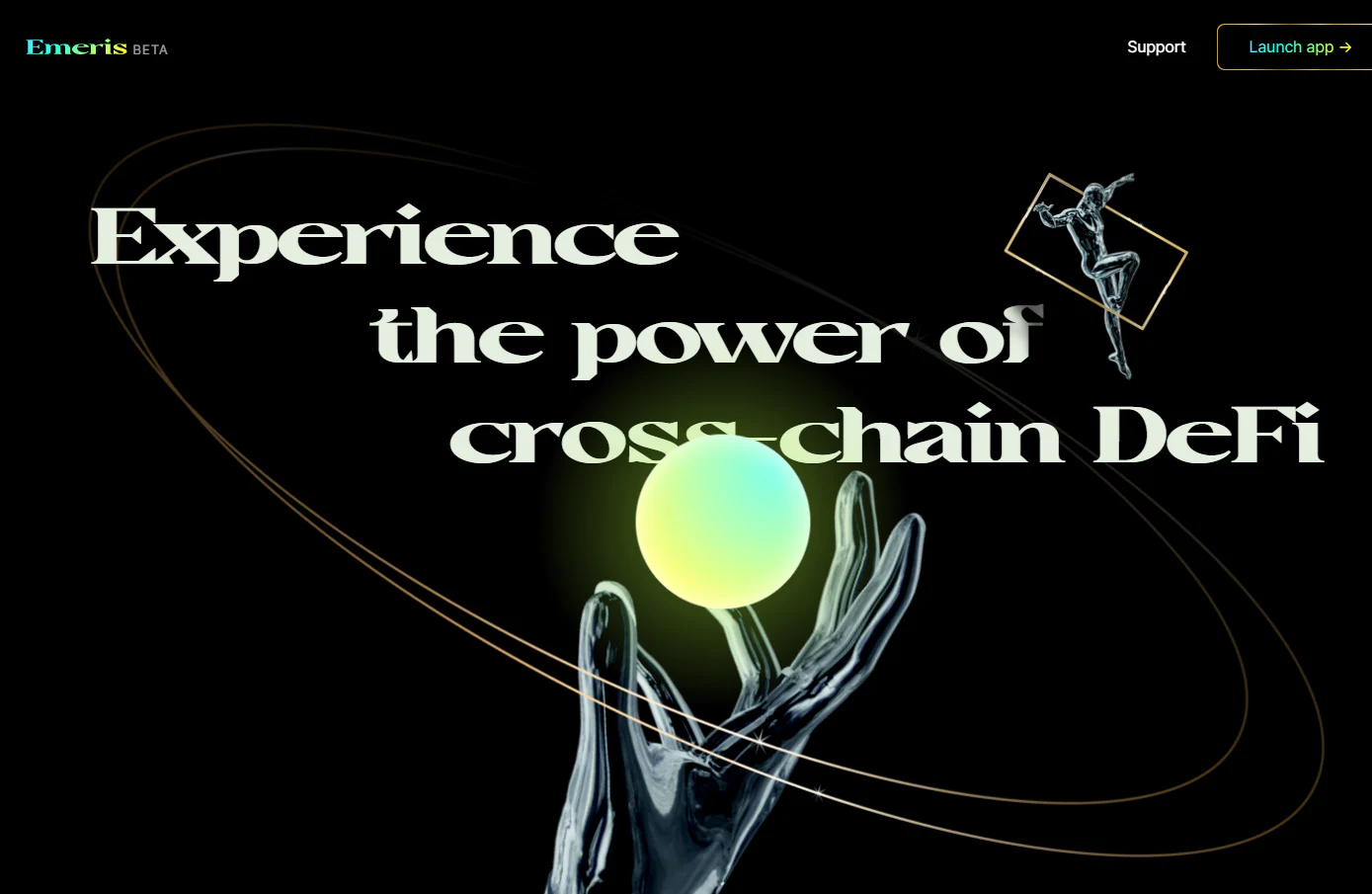
Figure 5-7 Emeris interface preview
image descriptionIn September 2021, Emeris launched its testnet, a one-stop portal for crypto applications built on Tendermint.
How to participate in the Emeris beta program
What Emeris wants to achieve is to provide access to various decentralized applications scattered across various blockchains in one easy-to-use interface. At present, Emeris has not yet issued tokens, and the project party has not yet announced detailed financing information, but the beta version of Emeris has been released.
1. Open the Keplr wallet setting, click show advanced IBC Transfer
3. openapp.emeris.com2. Click and add New IBC transfer channel, select Osmosis chain, and fill in channel-141 for channelID
, connect the wallet in the upper right corner and click Authorize
5. Choose to send Osmo
Mirror articleMirror article。
5.3. Stablecoins
5.3.1. Terra USD (UST)
secondary title5.3. Stablecoins
Terra is designed as a cross-chain stablecoin to build financial infrastructure for the next generation of dapps.Currently, Terra has tens of thousands of active users and a turnover of hundreds of millions of dollars. The Terra blockchain offers two types of tokens called Luna and Terra. Luna is the native token of the Terra blockchain, and users are rewarded for staking. Terra, on the other hand, is a family of stablecoins that are pegged to fiat currencies used by payment apps.
5.3.2. e-Money(NGM)
$UST now has a market cap of $10 billion, the price is 1$/UST. The circulation is 10.4 billion, and the total amount is 10.4 billion. On-line exchanges: Kucoin, Binance, MEXC, etc. (as of 2022-01-08)
Creator of e-Money promotes his project as a next-generation currency$e-Money(NGM) current market cap of $48 million
, the price is 1.24$/NGM. 39 million pieces in circulation, 102 million pieces in total, listed on exchanges: Kucoin, Uniswap, etc. (as of 2022-01-08)
5.4.1. Akash (AKT)
secondary title(2) Interoperability, joint control plane of multi-cloud, multi-chain and multi-token;
Features:
(1) Serverless, simplifies code deployment, and dynamically distributes management resources;
(2) Interoperability, joint control plane of multi-cloud, multi-chain and multi-token;
(3) Security & privacy, fault tolerance, expansion and management of workload;
(4) Hybrid cloud, physical servers provided by cloud service providers and organizations with spare capacity.
(3) Security & privacy, fault tolerance, expansion and management of workload;
(4) Hybrid cloud, physical servers provided by cloud service providers and organizations with spare capacity.$AKT now has a market cap of $290 millionGate.io,BitMax and others. (as of 2022-01-08)
5.4.2. IRISnet (IRIS)
, the price is 2.35$/OSMO. The circulation is 120 million pieces, and the total amount is 170 million pieces. On-line exchanges:BitMax and others. (as of 2022-01-08)

Figure 5-8 Iris ecological structure diagram, source: IRIS white paper
image descriptionFigure 5-8 Iris ecological structure diagram, source: IRIS white paper, has been launched on the mainnet on 2019-03-01. As of 2022-01-08, IRIS Hub has generated 467,715 transactions and 8,305 areas. The average block generation time is about 6.5s, and the number of NFTs generated is as high as 87,867+ , and the number of serious network nodes is around 115.
The current market value of $IRIS is 135 million US dollars, and the price is 0.113$/IRIS. 1.19 billion pieces in circulation, 1.99 billion pieces in total, listed on exchanges: Binance, Huobi, Gate.io, etc. (as of 2022-01-08)
5.5. NFT ecology
The current market value of $IRIS is 135 million US dollars, and the price is 0.113$/IRIS. 1.19 billion pieces in circulation, 1.99 billion pieces in total, listed on exchanges: Binance, Huobi, Gate.io, etc. (as of 2022-01-08)5.5. NFT ecologyCosmos is in"Wenchang Chain IRITA OPB""Wenchang Chain IRITA OPB"to EthereumThe first cross-chain transferPolkadot is a scalable heterogeneous multi-chain system. This means that unlike previous implementations of individual blockchains that focus on varying degrees of potential application functionality, Polkadot itself is designed to provide no inherent functional application.
Many projects in the Cosmos ecosystem have also laid the groundwork for their launch in 2021, including Stargaze, a public NFT protocol; Pylons, an interoperable system for brands and creators to build products using NFTs; BitSong, the first music NFT marketplace; Omniflix, a decentralized media and networking layer, and Stashh, a full-stack platform and marketplace that supports Secret NFTs, developed by Secret Network. In addition, Evmos will also soon support NFT deployment and form a market so that people can easily transfer and deploy NFT.
<Stargaze;Pylons;BitSong;Omniflix;Stashh by Secret Network>
6. Competitive Analysis
6.1. Competitive ecology
Polkadot (Poca)
Polkadot is a scalable heterogeneous multi-chain system. This means that unlike previous implementations of individual blockchains that focus on varying degrees of potential application functionality, Polkadot itself is designed to provide no inherent functional application.
At the same time, Polkadot provides the relay-chain concept and the well-known concept of parachains. On the parachains, there can be a large number of verifiable and globally dependent dynamic data structures. In other words, Polkadot, like cosmos, belongs to the ecological chain, which contains countless sub-chains, parallel chains, etc.
6.2. Comparative analysis
image description
Market comparison:
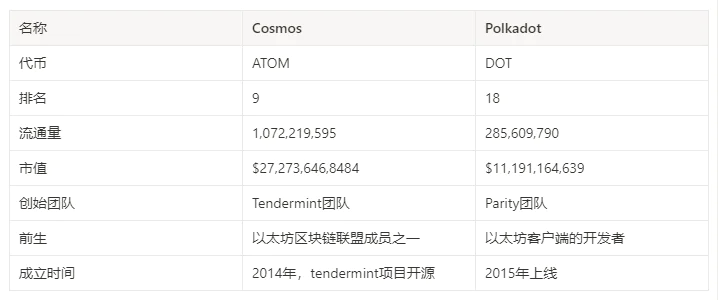
Table 6-2 Comparison of basic information between Cosmos and Polkadot
Application ecology
Table 6-2 Comparison of basic information between Cosmos and PolkadotApplication ecologyFrom the perspective of the entire ecosystem,
An article to understand the Cosmos ecology that is about to explode in 2022
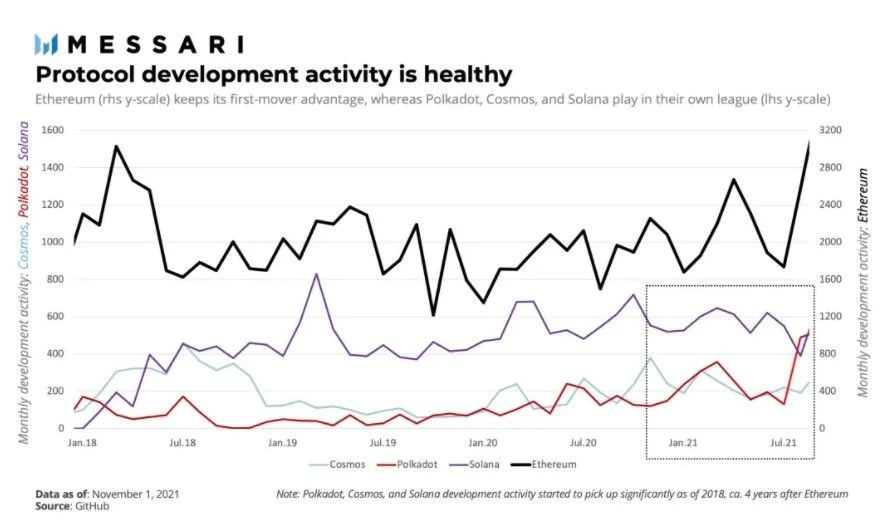
image descriptionFigure 6-3 The protocol development trend of ETH, Polkadot, Cosmos and Solana ecologyIn terms of overall protocol development activities, whether it is
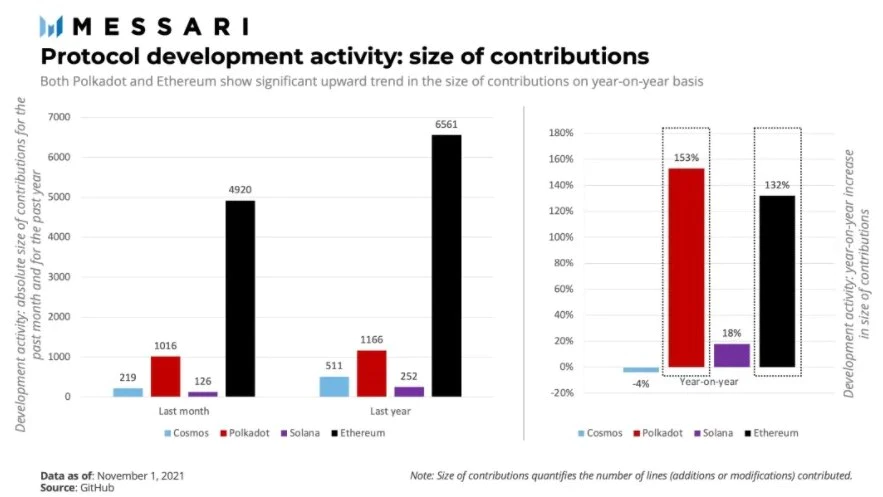
Figure 6-4 ETH, Polkadot, Cosmos and Solana ecological development agreement scale
Active developer communities for each of the four protocols continue to rise. Ethereum has already approached 250 monthly active developers, while Cosmos, Polkadot, and Solana are relatively flat at around 50. But Polkadot, Cosmos, and Solana have all managed to attract more and more monthly active developers recently. This is consistent with the current migration of capital and talent from Web 2 to Web 3
development level
Active developer communities for each of the four protocols continue to rise. Ethereum has already approached 250 monthly active developers, while Cosmos, Polkadot, and Solana are relatively flat at around 50. But Polkadot, Cosmos, and Solana have all managed to attract more and more monthly active developers recently. This is consistent with the current migration of capital and talent from Web 2 to Web 3development levelBuilt the CosmosSDK framework
and, which simplifies the process for users to develop top-level and safe applications, and also makes it unnecessary for developers to implement all interconnected consensus codes from scratch when developing applications or blockchains, but directly use SDK modular packaging.Polkadot also has its own Substrate technology in this regard
Architecture Details
, compared with CosmosSDK, it has more innovations and visions in WASM, more consensus algorithms and out-of-the-box modularization.Architecture Details
Cosmos Hub uses Tendermint consensus algorithm (inspired by Practical Byzantine Fault Tolerant Algorithm)Polkadot's consensus mechanism consists of two parts: GRANDPA and BABE.
Security Level/Flexibility Level
GRANDPA is a finalization tool, borrowing some ideas from GHOST (such as Ethereum's Casper). BABE is a Ouroboros block generation mechanism similar to Cardano. The introduction of the former allows a part of the chain to be "finalized" and irreversible. It separates the finalization tool from the generation block and allows the less efficient finalization tool to generate blocks. The different processes of the blockchain take effect, which means that the generation of blocks can be scaled and adjusted, which is different from the PBFT-based Cosmos Tendermint algorithm.Security Level/Flexibility LevelThe Cosmos sub-chain only needs
Pledge a certain amount of Atoms(Cosmos parent chain token) is to connect to CosmosHub, the process is simpler and faster, and the cost is lower. But at the same time, the security framework used by the sub-chain is different from Cosmos, which also means that it is more vulnerable to attacks of varying degrees. Its security is relatively low, but its level of flexibility is higher.However, Polkadot's application projects need to access parachains. But the advantage is that Polkadot application developers do not need to maintain security by themselves, but the unified security framework of the main network,。
Cross-chain layer
It is more secure but less flexiblePolkadot's cross-chain communication is easier to solve under the shared security model, and it focuses more on unlimited types of information transmission. At present, other cross-chain methods, whether they are public chains or consortium chains, have limitations, and they need to really bear the burden. The way of chain interconnection is definitely not just one chain, but the connection and transmission of thousands of chains. Therefore, the cross-chain method and technology of polkadot finally forms an Internet composed of many blockchains to meet this standard.
Polkadot's cross-chain communication is easier to solve under the shared security model, and it focuses more on unlimited types of information transmission. At present, other cross-chain methods, whether they are public chains or consortium chains, have limitations, and they need to really bear the burden. The way of chain interconnection is definitely not just one chain, but the connection and transmission of thousands of chains. Therefore, the cross-chain method and technology of polkadot finally forms an Internet composed of many blockchains to meet this standard.
In general
Cosmos is more similar to the HTTP protocol and is the glue of multiple chains.
In general
Figure 6-5 Polkadot VS Cosmos
The launch time of the Cosmos mainnet is relatively longer, and the development of the application ecology is more complete, while Polkadot is still somewhat lacking in actual operation. And also as a heterogeneous cross-chain Cosmos and Polkadot, for developers, the permission-free joining method is more suitable for the spirit of blockchain decentralization. Generally speaking, each has its own advantages and disadvantages.
7. Summary and opportunities
first level title
7. Summary and opportunitiesRecalling that in 2017, when everyone was still keen on ICO and POW, someone suddenly asked, does anyone care about COSMOS cross-chain, and everyone would scoff at it. Everyone said that ATOM was used to collect money under the guise of blockchain 3.0. At that time, when Bitcoin and Ethereum were in the limelight, all the public chains that said they wanted to replace Ethereum were all imprisoned. COSMOS wanted to be the Internet protocol of the blockchain, but the old man Suo said that there were not many chains. chicken feathers. The view that seemed extremely correct at the time was severely slapped in the face in 2021. The public chain ecology is flourishing, and the cross-chain duo is gradually showing its prominence. The era of the blockchain Internet is coming.The ecological and technical teams of COSMOS have become increasingly powerful, after several years of steady development, it has grown from aLittle-known and somewhat well-known projects can almost stand shoulder to shoulder with the Ethereum system, is a very remarkable thing,
The Terra public chain based on COSMOS has also entered the top ten in the encryption market in one fell swoop, This is the victory of technology and vision. Since the expansion of Ethereum has been delayed, the Ethereum 2.0 system and layer-2 are far from being formed. Let the entire public chain blockchain system develop and grow, and create star public chain projects worth hundreds of billions of dollars. Biance smart Chain, Solana, Terra, Cardano, Near, etc. also give COSMOS the opportunity to realize the vision of blockchain Internet .There are more and more projects based on COSMOS technology, if you are an investor who pays attention to early investment opportunities, you may wish to experience more star projects and cross-chains in the new multi-chain ecosystem. As long as you have experienced the IBC function in Cosmos, you may never use the cross-chain bridge again.