2021 Year-End Review: A Look at Institutional Cryptocurrency Engagement and Adoption This Year



Original Author: Amy Liu
Original source: BitpushNews
Original Author: Amy Liu
Original source: BitpushNews
In 2021, the world has experienced ongoing epidemics and prolonged blockades, severe supply chain disruptions, and unprecedented monetary stimulus from central banks. However, many well-known institutions and corporations have invested in cryptocurrencies on a scale far greater than ever before, propelling cryptocurrencies into the multi-trillion dollar asset they are today. Bitcoin and Ethereum, the two largest cryptocurrencies by market capitalization, hit record highs as El Salvador became the first country to adopt a cryptocurrency as legal tender.
As cryptocurrencies such as Bitcoin and Ethereum continue to gain mainstream attention, more and more institutional investors and wealth managers who have never been exposed to cryptocurrencies and digital assets are looking to make their first investments in the coming year.

JPMorgan
secondary title
JPMorgan
Funds approved by JPMorgan include Grayscale Bitcoin Trust, Bitcoin Cash Trust, Osprey Bitcoin Trust, Ethereum Trust, Ethereum Classic Trust.
Visa
The move marks a milestone for JPMorgan's digital asset business, which has been negatively viewed by CEO Jamie Dimon, as previously reported by Bittweet. However, he later admitted that if JPMorgan’s clients were interested in using digital currencies, the firm should offer such an option.
Over the past year, world payments giant Visa has built a lot of momentum in the crypto space. Visa has partnered with approximately 60 leading crypto platforms, such as FTX, BlockFi, Crypto.com, Coinbase and Binance, and launched a credit card program that allows consumers to easily exchange and spend digital currencies at 80 million merchant locations around the world.
PayPal
Just recently, Visa issued a statement saying that the company has officially launched a global encryption consulting service for financial institutions, aiming to help them develop their encryption business, provide advice on the bank's encryption strategy and execution, and help banks establish a dedicated encryption team.
secondary title
PayPal recently announced that it will allow UK customers to buy, hold and sell cryptocurrencies. The company reported growth from its Cash Back to Crypto program, which launched in August and allows Venmo credit card users to automatically purchase digital assets from their Venmo accounts using cash earned on card purchases.
MasterCard
secondary title
MasterCard
Credit card giant Mastercard has also been leading cryptocurrencies into the mainstream this year. Last winter, the payments giant announced the integration of several digital currencies into its network, making it easier for Mastercard customers to spend cryptocurrencies.
In addition to this, last month, Mastercard announced that it will be partnering with three different companies in Asia and Australia to offer digital currency payment cards to its customers. The three companies are: Bitkub, an encryption exchange in Thailand; AmberGroup, an encryption finance company; and Coinjar, an Australian trading platform.
Mastercard said in late October that it was partnering with digital asset platform Bakkt to allow U.S.-based merchants and banks to build cryptocurrencies into their products, Bittweet reported. The firm also announced the acquisition of cryptocurrency intelligence firm CipherTrace. Mastercard said the acquisition will combine the technology, artificial intelligence, network and blockchain capabilities of the two companies to provide businesses with greater transparency and manage regulatory and compliance obligations.
secondary title
Morgan Stanley
In March, Morgan Stanley became the first major U.S. bank to offer its wealthy clients access to bitcoin funds. The move, a major step in Wall Street's acceptance of bitcoin as an asset class, comes after Morgan Stanley's clients demanded exposure to the cryptocurrency.
Last month, Morgan Stanley released a comprehensive crypto guide for its wealth management clients. The company also recently launched a dedicated encryption research team. Therefore, it is clear that the bank plans to explore digital currencies in depth.
Goldman Sachs
secondary title
Goldman Sachs
In November this year, Goldman Sachs partnered with blockchain startup Digital Asset to build an open platform for tokenized assets. The partnership enables Goldman Sachs to use Daml, a development framework created by Digital Asset, which allows financial institutions to establish and execute agreements on the blockchain.

Fidelity
secondary title
Fidelity
"BiTui" reported that as early as early July this year, Fidelity also purchased a 7.4% stake in Marathon Digital Holdings, worth about 20 million US dollars.
In a recent interview with Bloomberg, a spokesperson for Fidelity International said, “It will pay close attention to the evolution of cryptocurrencies, and will conduct more in-depth exploration and research on digital assets and the market potential of the distributed ledger technology behind them. Expected, Fidelity International is making changes and efforts to meet its needs."
secondary title
In November, Citigroup appointed Puneet Singhvi to lead the digital assets team in the bank's institutional clients group. The investment bank believes that cryptocurrencies offer many unprecedented dividends, including efficiency and transparency. Citibank said it plans to hire 100 new employees for its cryptocurrency division in order to expand its digital assets team.
MicroStrategy
Although Citigroup does not currently offer any cryptocurrency services to its clients, in early November, Citibank CEO Vikram Pandit said that all major banks are considering offering cryptocurrency services within one to three years.
secondary title
secondary title
tesla
tesla
text
Electric carmaker Tesla has joined the ranks of companies holding bitcoin, investing a total of $1.5 billion in the cryptocurrency, according to a filing with the U.S. Securities and Exchange Commission (SEC). Tesla sold 10% of its Bitcoin holdings in the first quarter of 2021; according to Tesla CEO Elon Musk, this was to prove Bitcoin’s liquidity, as a substitute for cash on the balance sheet.
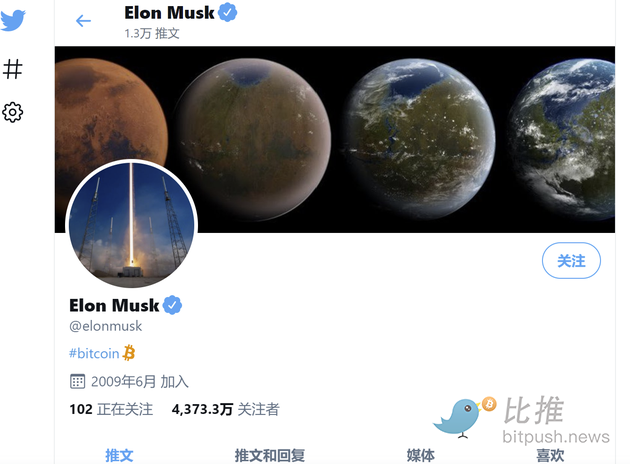
According to its SEC filing, Tesla’s purchase of bitcoin reflects an updated investment policy aimed at diversifying its cash on hand and maximizing returns. “We may invest some of our cash in certain alternative reserve assets, including digital assets, gold and other assets,” the filing said.
However, Musk's relationship with Bitcoin is not entirely positive. According to previous reports by Bitui, in March 2021, Tesla announced that it would accept Bitcoin as payment for its products and services. Only two months later, the CEO suddenly announced that the company would no longer accept Bitcoin as payment.
Musk pointed out that the use of fossil fuels in Bitcoin mining and transactions is increasing rapidly, and that the company will not sell any of its Bitcoin holdings, and will consider using them for transactions again once mining "shifts to more sustainable energy sources." . He later clarified that once miners use 50 percent clean energy, the company will resume using bitcoin for transactions.
secondary title
Block (formerly known as Square)
While Tesla bought Bitcoin, Square invested $50 million in Bitcoin in October 2020, igniting the enthusiasm of institutions to invest in Bitcoin.
Since then, the payments company has continued to invest in bitcoin, revealing in its fourth-quarter 2020 earnings report that it bought an additional $170 million worth of bitcoin. This is not surprising considering its CEO, Jack Dorsey, is an ardent supporter of Bitcoin.
In May 2021, the company reaffirmed its commitment to its bitcoin buying strategy after Ahuja said in an interview that the company had no further plans to buy bitcoin. Square has also furthered its efforts to build the bitcoin ecosystem, launching a $5 million fund to further crypto education, and was quick to defend bitcoin, releasing a white paper defending the cryptocurrency's environmental impact.
In July 2021, the company announced plans to develop a bitcoin hardware wallet, perhaps transferring its bitcoin holdings to its own product.
secondary title
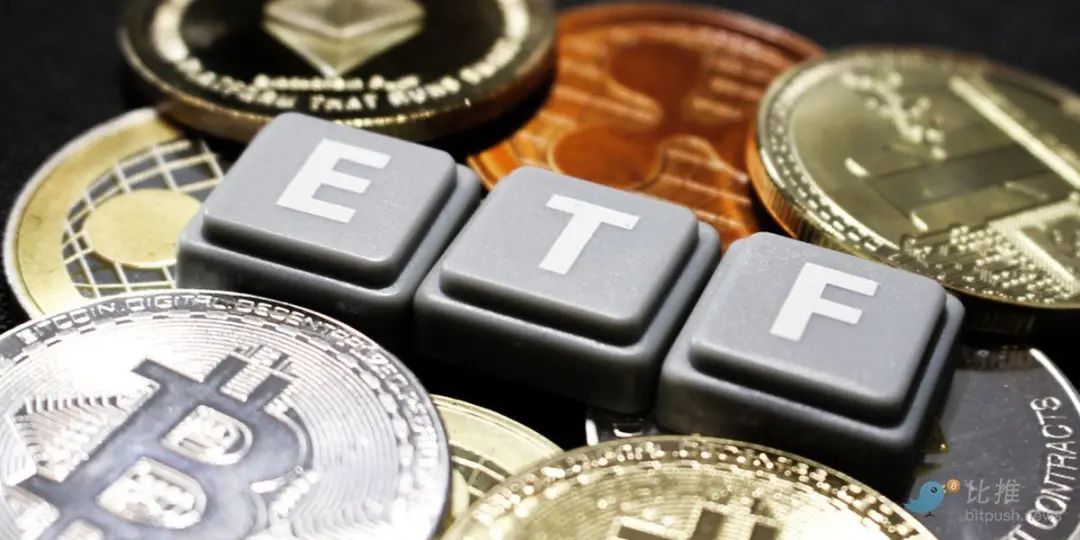
Bitcoin ETF Approved
This shows that regulators are willing to explore this nascent asset class. Although the current SEC-approved ETFs are all futures-based, they represent a huge improvement over closed-end funds such as the Grayscale Bitcoin Trust (GBTC) whose prices deviate significantly from NAV. As it turns out, demand for Bitcoin ETFs has been pent up for far too long. The ProShares Bitcoin Strategy ETF (BITO) alone had more than $1 billion in trading volume on its first day. It also achieved approximately $1.4 billion in assets under management (AUM).
Bitcoin ETFs provide large asset managers such as pension funds with the tools to deploy cryptocurrencies, and their eventual entry will accelerate greater adoption of crypto assets.
secondary title
Crypto venture capital funding grows
Venture capital (VC) funding into cryptocurrencies has reached $25.1 billion so far this year, a 719% increase over 2020. In total, VC funding has invested in 1,703 crypto or blockchain deals this year.