






NFT Investment Theory: How to keep your eyes open and choose a JPEG worthy of collection?


Written by: 0xBEW, Yunt Capital DAO Global Promotion Ambassador
Translation: Odaily | Different NFTs
"Do you think there will be a brand new NFT project in a brand new day? No, don't you think they look more like 10 or 20 one after another? If you don't believe me, log on to Twitter and see, are those NFT big Vs Selling some brand new memes. Gotta say, they know so much about how to make money that I'm even thinking about buying with these guys. And it's pretty cheap right now, on top of that I'll add some old emoticons, there's no way I can't make money on it. Look, its floor price has doubled by 5 times, and I will definitely make a fortune!"
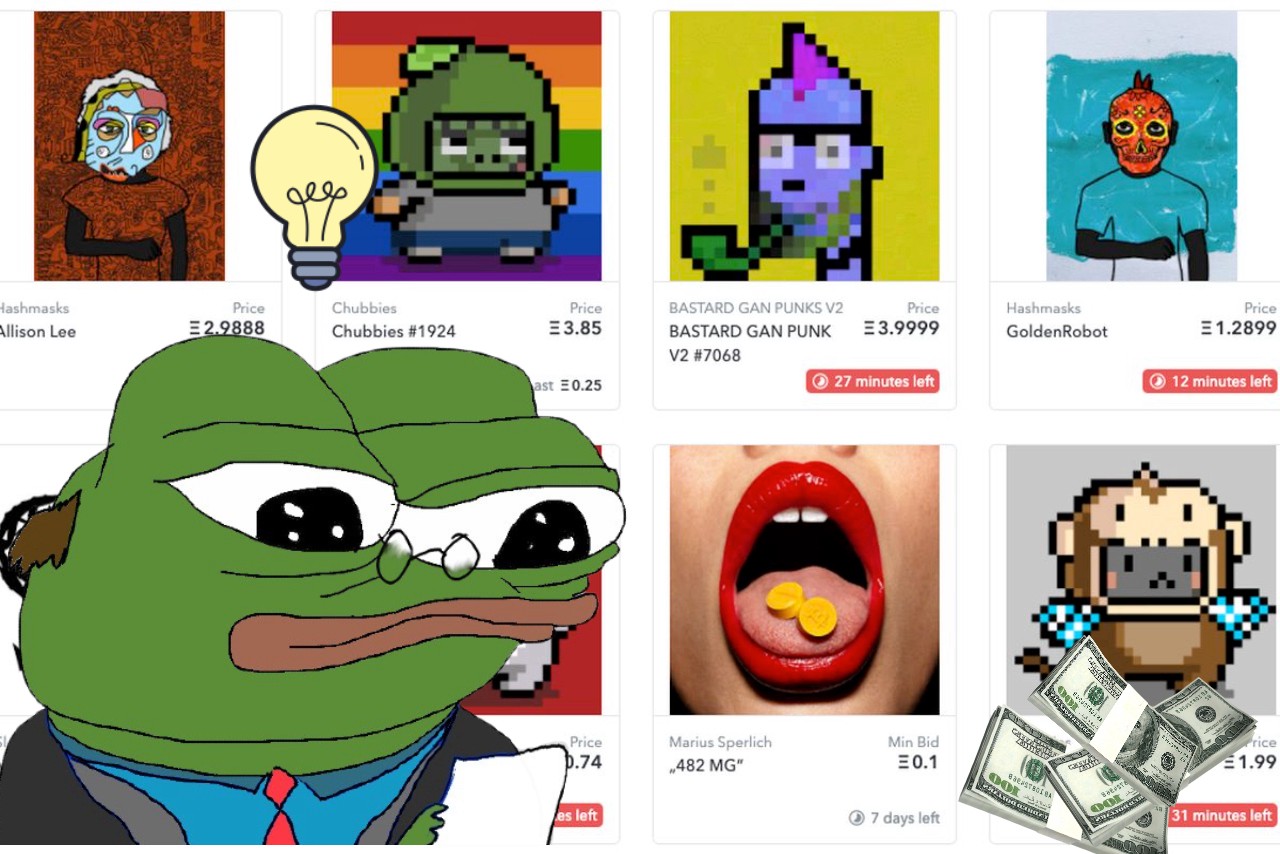
Does the above passage sound familiar to you? If you have been paying attention to NFTs in the past few months, you should be familiar with these. In the past few weeks, I have been seeing many new NFT people buying some pictures of low value, blindly chasing income without guidance, and end up bearing losses and becoming cut leeks.
Recently in the Pixel Vault Discord, we had a good communication on the value of investment theory in the NFT field. I was inspired by this and wanted to expand on my own NFT investment theory. Below I will combine some examples, hoping to inspire my colleagues to develop their own investment theories to achieve their goals.
secondary title
image description
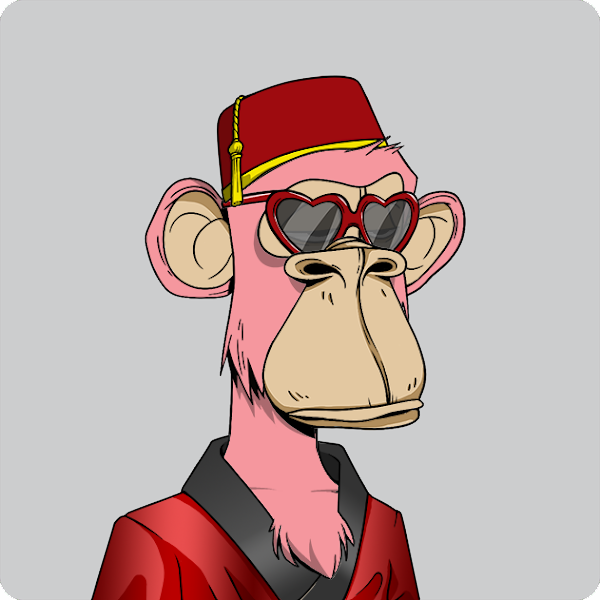
Bored Ape #3817
Novelty means that it can come in many forms, and is often associated with the first one to come out (it doesn't have to be the first). A novel project is one that tries to do something that hasn't been done before, or builds on something that has already been done with a creative mind. For me, the development of these projects usually depends on my ambition and creativity.
Generally speaking, I think that novel projects are still high-risk and high-reward. Precisely because it has not been done before, or it can be said that it is a new attempt on an existing project, your investment may easily return to zero. In the same way, if the project is successful, you will reap huge benefits that are almost unmatched elsewhere.
When I first learned about NFTs and their underlying technology, I immediately thought of digital empowerment. Using tokens for access seems like a perfect product-market fit, and I'm a little surprised I haven't seen more about it. So when I saw Bored Ape Yacht Club for the first time, I thought I had finally found a project that was exactly what I expected it to be.
BAYC's "membership" club has been something I've been thinking about since the beginning. This is a project full of novelty and taste. Success or failure will depend on how eager people are to join the club, which I think is exciting. Because this is not just a matter of a profile picture, but also involves more.
A few months later, I think it's safe to say that BAYC's success far exceeds the wildest dreams of even the most optimistic apes. Those who participated in the minting of their NFTs have already made a lot of money, and those who have just entered the market recently also easily earned 10 times returns. From merchandise airdrops to the "Bored Ape Yacht Club Bathroom" to the Metaverse clubhouse, BAYC has created something that people actually want to be a part of.
secondary title
image description

Tyler Hobbs: Fidenza #131
Timelessness is another principle that may be associated with being number one. However, a project doesn't have to be number one to be called timeless.
Ringers aren't the first Art Blocks Curated to release, but I believe they're timeless. Likewise, CryptoPunks aren't the first on-chain NFTs, but again, they're both timeless. Investing in something that lasts is a long-term bet, just as there may be additional investment theories about what you invest in now, and this is the most difficult principle to evaluate your own success.
For me, the project that exemplifies timelessness the most is Art Blocks. As I mentioned earlier, my argument for Art Blocks comes with an additional argument: Crypto art is a legitimate art movement, and we are in the early stages of a new chapter in art history. Based on this, I believe that Art Blocks will abide by the promise of on-chain generation and top-level planning, and will naturally place projects minted through the Art Blocks platform on the high-level echelon of this new art movement.
I don't expect my statement here to be correct for five years or more, as I said above, there is a long lead time for this type of project. That said, I believe the early indications will validate my investment thesis.
image description
practical
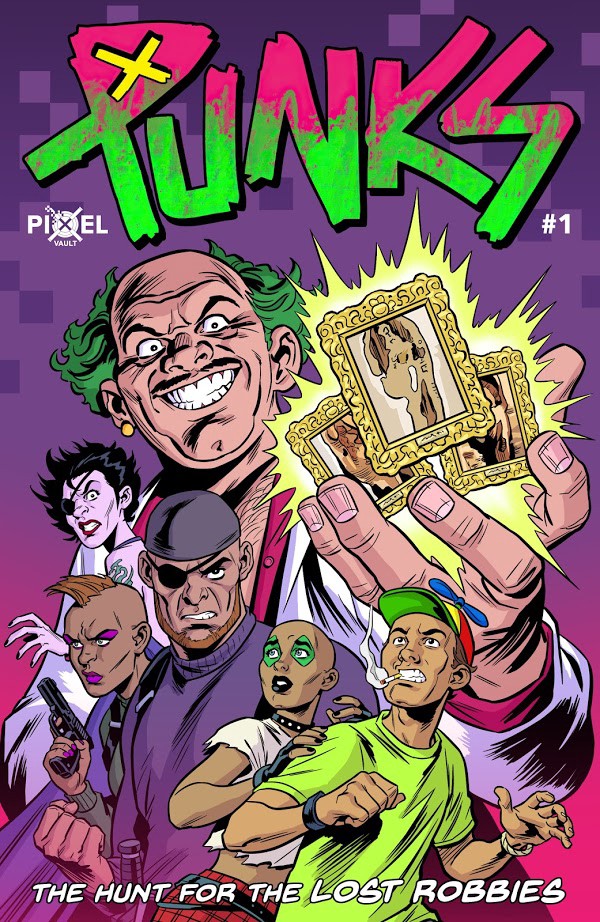
PUNKS Issue #1
Practicality boils down to"Not just a JPEG"。
Earlier this year, the blind follower (Normie) attacked the NFT field again and again, and the content mainly revolved around "Why would someone spend millions of dollars on a JPEG!? You can directly right-click to save, OK! Now you also have a JPEG file".
Forgive me for such a simple generalization, but the underlying technology of NFTs is more than just storing image metadata. Focusing on projects utilizing NFTs to turn JPEGs into more than just JPEGs is a great way to find added value as well as potential revenue and liquidity.
This principle makes me think of Punks Comics and Pixel Vault. I've been following Beanie on Twitter for a while now because he's been teasing the comic. I've been drawn to the (seemingly novel) idea of this media company using NFTs to build intellectual property around the early blockchain scene. However, when details of the inaugural issue of "Punks" were revealed, along with complex token economics, the project's potential utility became the biggest draw.
It really is more than a JPEG file, originality is the most intuitive embodiment of its utility, coupled with novel game theory and compelling token economics.
image description
Community
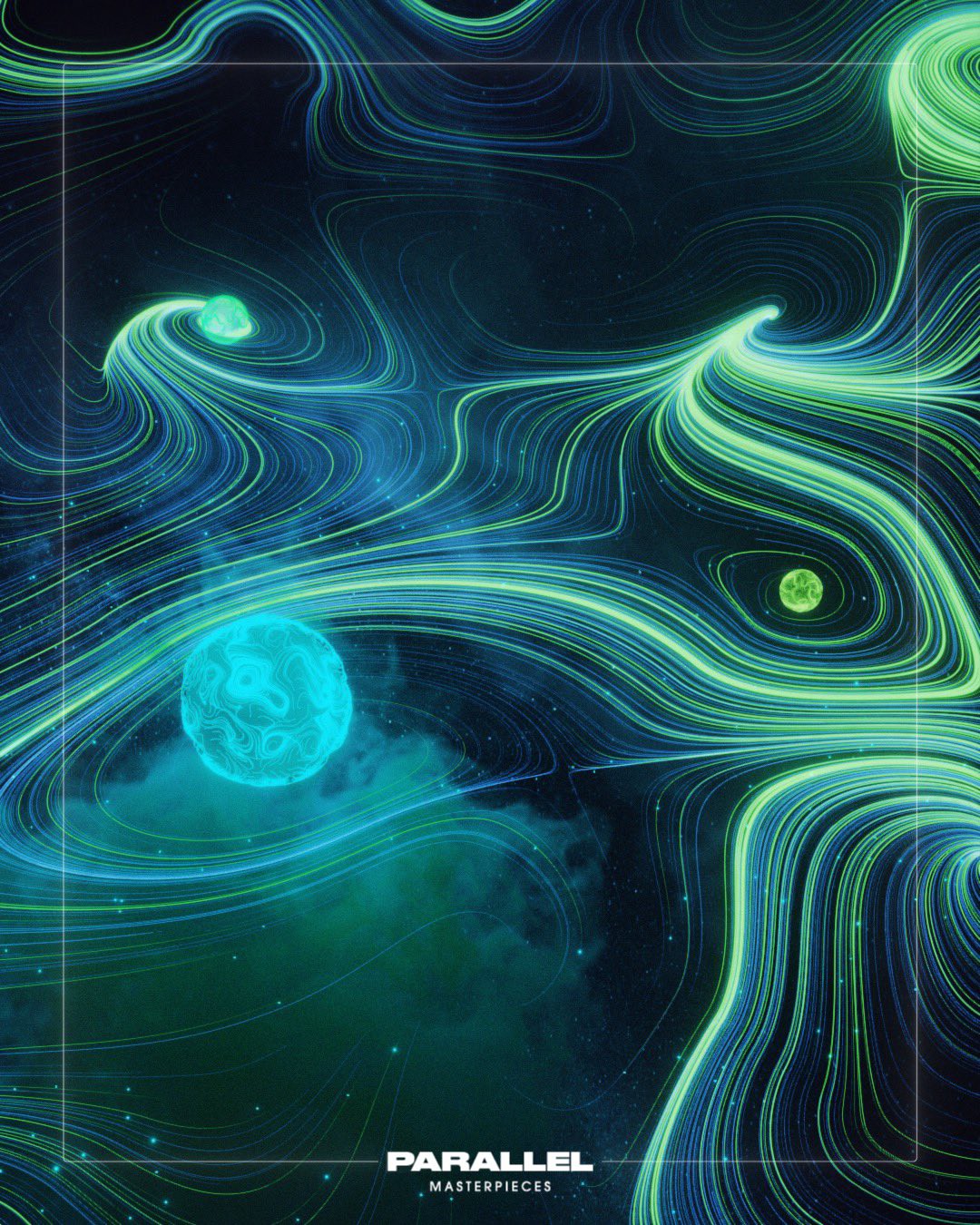
Life Well, Parallel Alpha Masterpiece
In my investment theory, I think of the community as the amplifier. A bad community can cripple even a great project, and a great community can make a great project even more overwhelming.
Different from our first three mentioned principles. If you invest in the early stage, the community may be the direction you have the least information. In this case, you have to firmly believe that as the community develops, it is important to keep a high degree of pulse. Conversely, if you're late to a project, the community is probably the area where you feel most confident.
The way to really feel a community in a project is to get involved: join the project's Discord, follow the team on Twitter, and engage in interactions. If you take the initiative, they will give you information. Don't be afraid to mingle with other anonymous people. How do you know if a project's community is good or bad? Just like the attitude of the superiors towards the peachy incident in reality, you will know it when you see it.
Summarize
Summarize
The above list is not meant to be complete, it is only for reference of NFT players. My investment thesis has always been a living document. I also keep learning, keep updating my weights, and revise my decision tree.
The NFT field is inherently dynamic and it keeps changing. Therefore, your investment thesis should be flexible enough to handle various changes. Most importantly, it should match who you are.
This post is not meant to brag or portray me as always picking winners - I don't, I'm not ("rest in peace" my investment in the Nekos meme...). I have also picked losers like everyone else, so the purpose of writing investment theory is not to erase the memory of failure (this is also impossible), but to prepare players to work on the projects that you think are the most convincing. Bigger try.
This may be obvious, but it's hard not to get carried away by FOMO and pysop emotions. For investment theory programming to be a successful practice, it must be based on an honest description of its limitations and goals. Maybe it looks hard, and that's because it is.
That said, if you can put theory into practice, I truly believe that over time, it will yield better results. Maybe you might miss an airdrop for a shit project, but missing a winner or two in "a sea of shit" is no big deal, miss investing in projects you really thought about, that's different, you'll have to wait until next time …





