






比特幣三年來首次新增第6位核心維護者


- 核心觀點:Bitcoin Core新增第六位核心維護者。
- 關鍵要素:
- TheCharlatan成為第六位可信金鑰持有者。
- 核心維護者負責程式碼合併與簽名發布。
- 該職位選拔嚴格,十年僅13人獲權。
- 市場影響:增強比特幣網路開發治理的去中心化與安全性。
- 時效性標註:長期影響
Original | Odaily (@OdailyChina)
Author|Golem (@web3_golem)

On January 8th, the Bitcoin Core team promoted developer TheCharlatan (X: @sedited) to a core maintainer, making him the sixth member to hold a trusted key. The other five core maintainers holding trusted keys include: Marco Falke (promoted in 2016), Gloria Zhao (promoted in 2022), Ryan Ofsky (promoted in 2023), Hennadii Stepanov (promoted in 2021), and Ava Chow (promoted in 2021).
This appointment marks the first addition of a new trusted key holder since 2023. Over the past decade, only 13 individuals have been granted this privilege, highlighting its importance and the strictness of the selection process.
Bitcoin Core Core Maintainers: The "Editors" of Bitcoin Developers
Bitcoin Core is currently the primary development and maintenance team for the Bitcoin mainnet. It is responsible for writing, maintaining, testing, and releasing the software suite used by most full nodes, along with accompanying tools and documentation. Bitcoin Core is a non-profit organization, primarily funded by external companies.
The Bitcoin Core development team consists of 41 members who have contributed the vast majority of the project's code. Among them, only 6 developers have been granted the status of "Core Maintainer" — they are currently the only six people in the world with the authority to merge code into Bitcoin Core and sign the released program files (binaries).
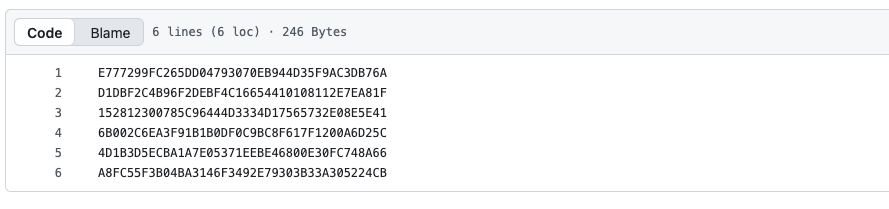
Signatures of the 6 Core Maintainers
To draw an analogy, Bitcoin Core core maintainers are like the "editors" for Bitcoin network developers; anyone can contribute code and submit PRs to the code repository, but only core maintainers have the authority to merge code into the official repository and sign releases. This is akin to an editor reviewing manuscripts, deciding whether a developer's code is accepted for publication or sent back for revisions.
The signatures of Bitcoin Core core maintainers guarantee security, assuring all nodes and users that the release is "official and unaltered." However, Bitcoin Core core maintainers do not possess the direct power to trigger changes to on-chain rules. For example, even if Bitcoin Core core maintainers have signed and released program files for a soft fork or hard fork, the actual success of the upgrade depends on adoption and consensus from users and miners, not merely on the signatures of the Bitcoin Core core maintainers.
When Bitcoin was first created, Satoshi Nakamoto was the sole core maintainer, the only one with the authority to change the core codebase. Later, Satoshi passed this privilege to Gavin Andresen, who then passed it to Wladimir van der Laan. This means that for a long time, the power to maintain/change the Bitcoin network's code was held by a single individual. It wasn't until 2022, when Wladimir van der Laan stepped down and became embroiled in litigation with Craig Wright (who claims to be Satoshi Nakamoto), that this power began to be decentralized.
Even so, being a Bitcoin Core core maintainer remains a significant role. Those who become core maintainers typically enjoy high levels of trust and reputation within the community or have made outstanding contributions to the Bitcoin network.
For instance, one core maintainer, Ava Chow, is a transgender female developer. In 2024, when another Bitcoin core developer, Luke Dashjr, wanted to restrict Ordinals transactions at the consensus level, it was Ava Chow who rejected Luke Dashjr's PR on the grounds of "no consensus and creating noise," preventing a potential severe consensus split in the Bitcoin network and becoming an unsung hero.
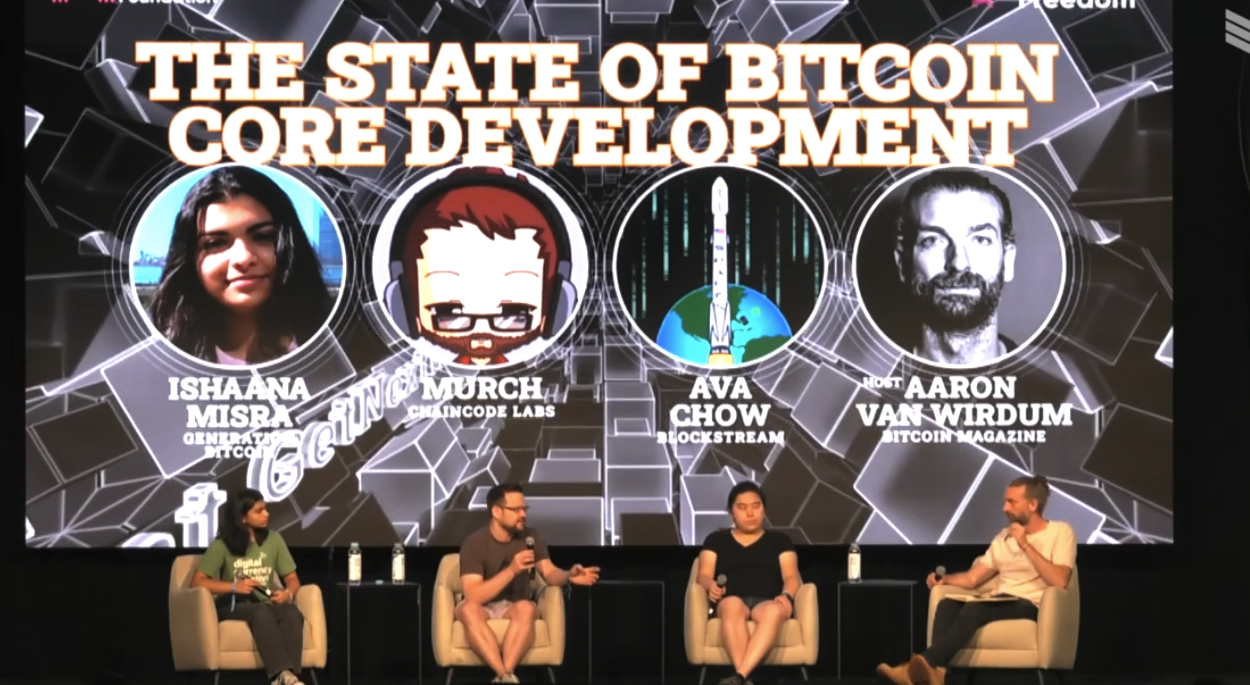
Ava Chow attended the Bitcoin 2024 event
For introductions and contributions of other core maintainers, please refer to a previous article (Related reading: Who is Guarding Satoshi's Legacy? A Look at the 41-Person Army Behind Bitcoin's Trillion-Dollar Market Cap). Next, we will discuss why TheCharlatan was able to become the sixth core maintainer.
TheCharlatan: A Decade of Crypto Development Experience
TheCharlatan, a South African, graduated from the University of Zurich with a degree in Computer Science. He focuses on reproducibility and Bitcoin Core's validation logic. In a 2024 blog post, he claimed to have been developing this project for over two years. TheCharlatan's work involves systematically splitting, organizing, and modularizing Bitcoin Core's validation logic, allowing other users to safely reuse it.

TheCharlatan
TheCharlatan is well-regarded among Bitcoin Core core developers. During the process of his promotion to core maintainer, at least 20 members expressed their agreement. When nominating him, glozow praised: "He is a reliable reviewer with extensive experience working on critical areas of the codebase, thoughtful about what we deliver to users and developers, and has a solid understanding of the technical consensus process."
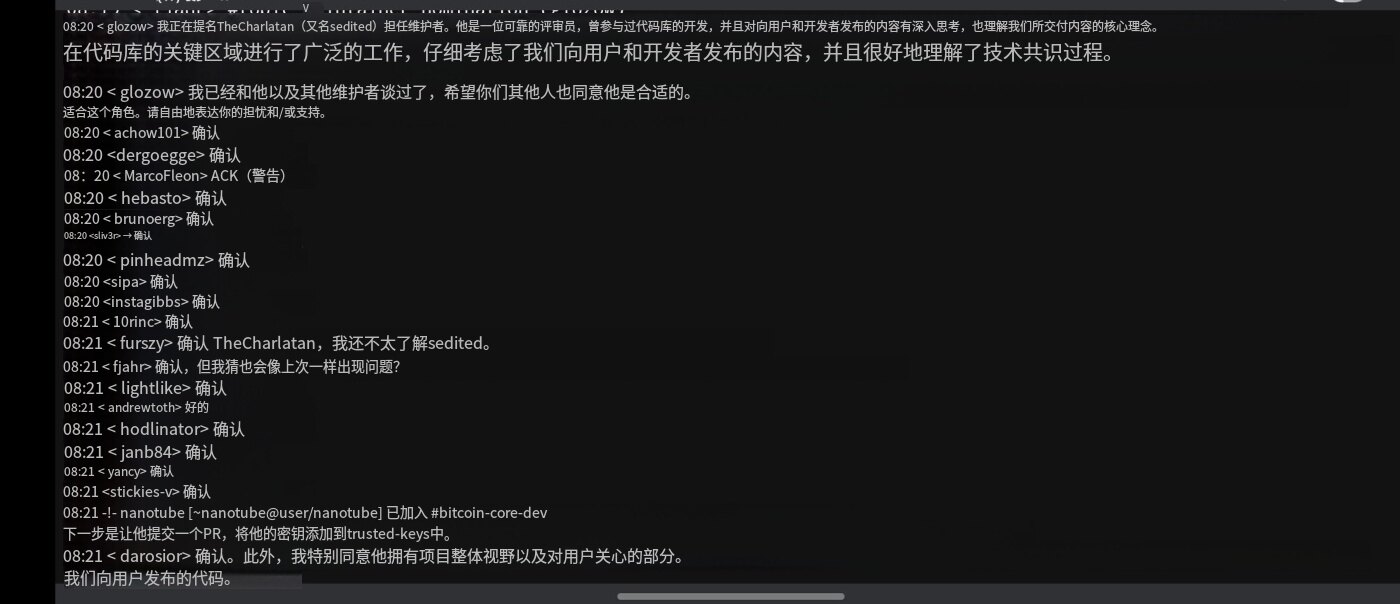
Bitcoin Core Core Developer Group Chat Content (Translated)
According to his Github account information, TheCharlatan first engaged in crypto development in 2015, creating a cryptocurrency price display tool. This tool was a simple Linux desktop widget with built-in price alerts that would trigger when set thresholds were reached. His crypto development activities became more frequent after 2017. He began contributing code to Bitcoin Core in 2018, indicating his initial contact with Bitcoin Core was around 8 years ago, making him a veteran.
It's also worth noting that in 2021-2022, TheCharlatan contributed to the codebase of a Farcaster project. This project allowed people to exchange Bitcoin and Monero in a peer-to-peer manner with anyone running a Farcaster node.
TheCharlatan indeed has a "soft spot" for Monero. In 2020, he researched the potential burn issues that could arise from using hardware wallets to transfer Monero and discussed timelock vulnerabilities in Monero.
Of course, true tech geeks can sometimes be hard to pin down. On the X platform, TheCharlatan frequently retweets other technical tweets but rarely expresses his own views (in May 2025, he posted that he disliked NFTs even more). However, starting in June 2025, he has been repeating a tweet every month with the content: "Cash on the internet. No auto-updates."

I was afraid this might be some kind of secret code among Bitcoin tech purists or a cultural slogan I wasn't aware of, so I asked AI to explain the meaning of these two sentences. AI said these sentences actually express an extreme Bitcoin fundamentalist viewpoint:
"True internet-native cash should be as simple, direct, and immutable as physical cash. Once you start introducing automatic updates, governance votes, or frequent rule changes, it's no longer cash; it becomes another centralized/semi-centralized/manipulable 'digital bank account.'"


