






亚太股市再次暴跌,储存股大跌均超10%


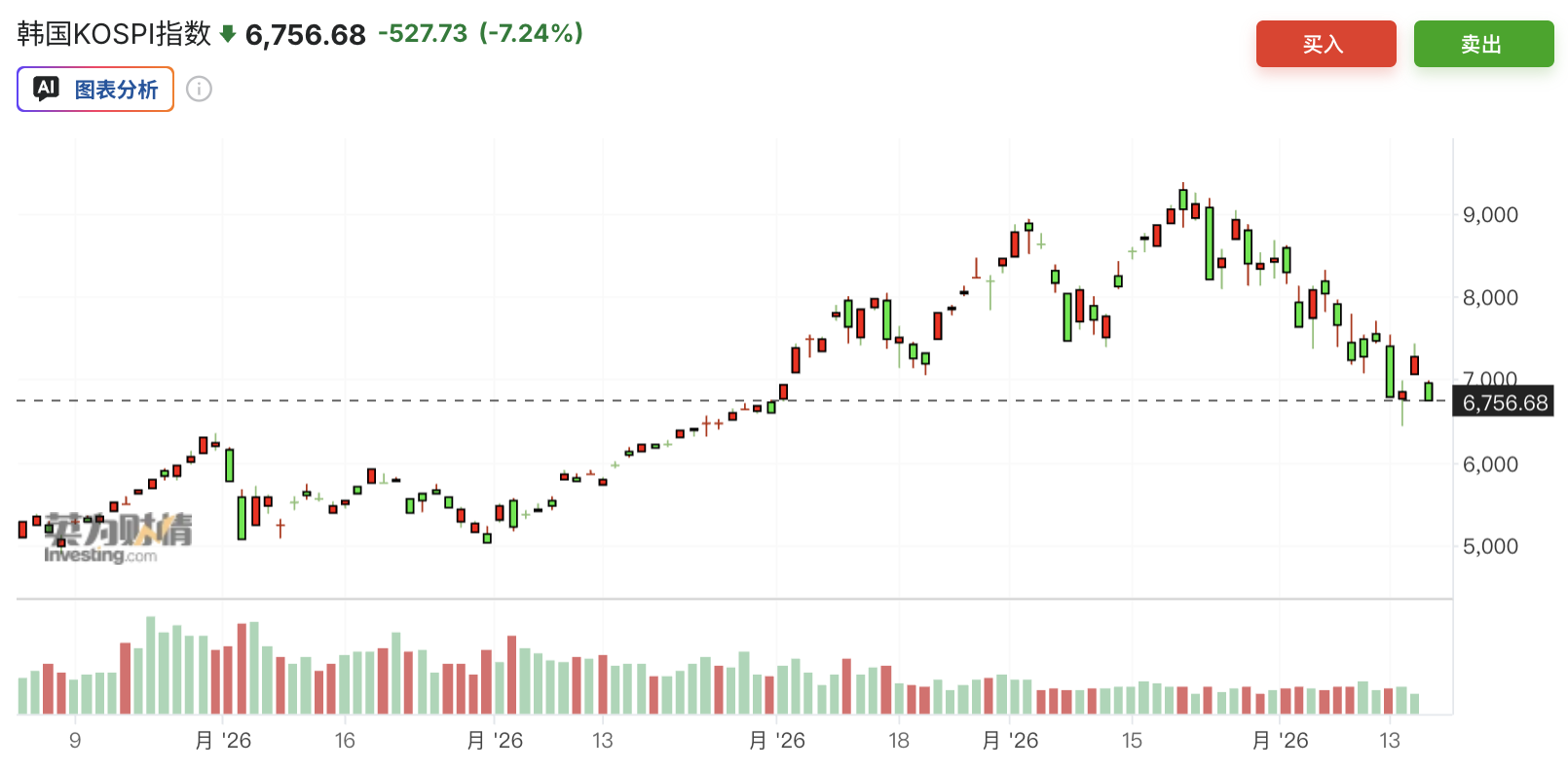
- 核心观点:受半导体股新一轮抛售及中东地缘政治风险共同冲击,亚太股市周二全面承压,其中韩国股市暴跌逾7%触发熔断机制,而布伦特原油则因中东局势升级连续第四日上涨突破85美元。
- 关键要素:
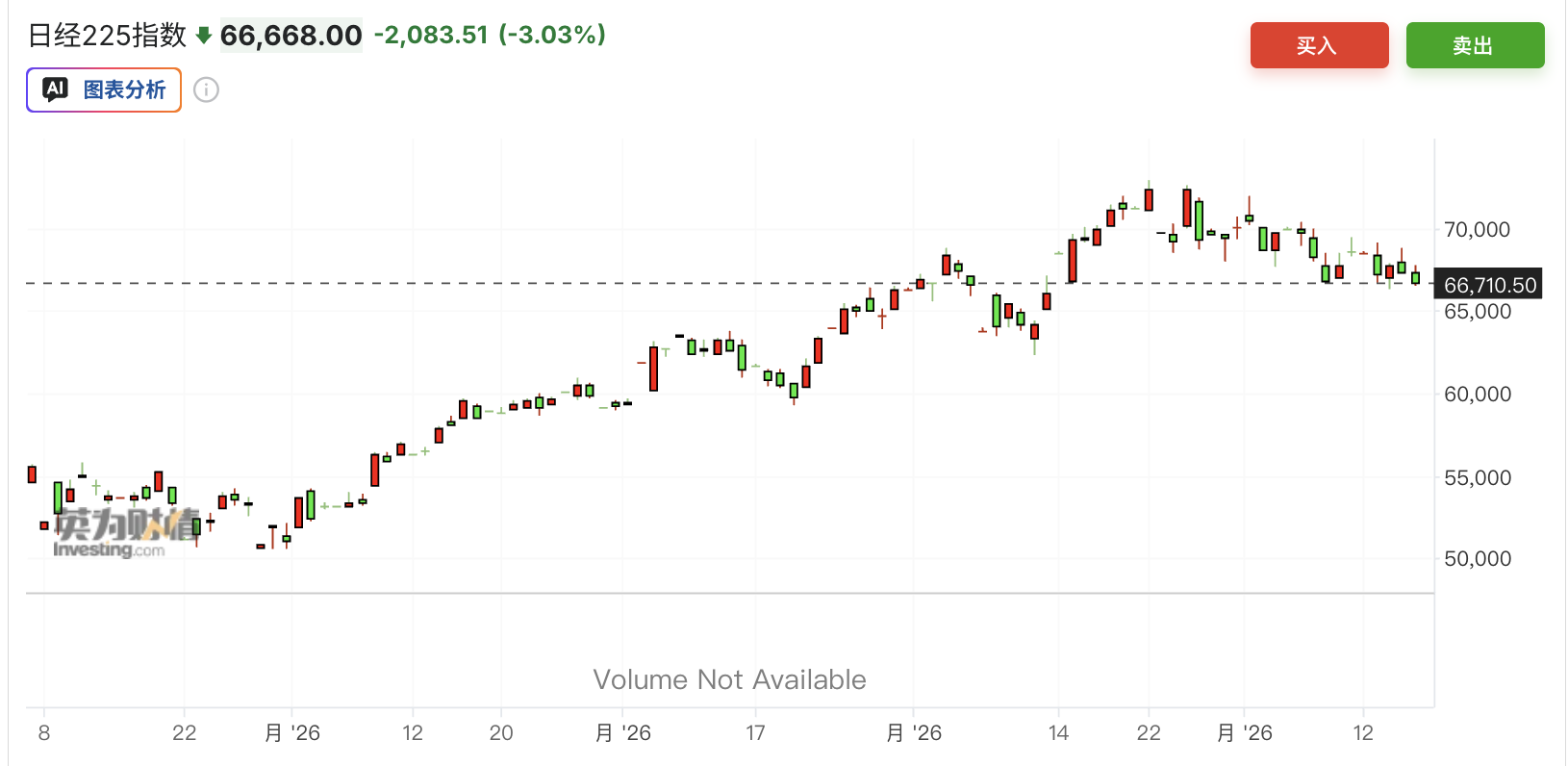
- 半导体板块成下跌核心驱动力:韩国Kospi指数跌幅超7%,SK海力士与三星电子贡献主要跌幅;日本铠侠控股跌幅超13%,日经225指数一度跌3%。
- AI交易可持续性受质疑:市场要求更强证据证明AI资本支出能转化为持续盈利增长,ASML上调销售预期及台积电强劲数据均未能支撑芯片股涨势。
- 韩国触发熔断机制:Kospi200指数期货跌幅超5%,交易所启动“sidecar”机制暂停程序化交易;监管层计划针对杠杆ETF出台应对措施。
- 韩国央行加息25个基点:将基准利率从2.50%上调至2.75%,符合市场预期。
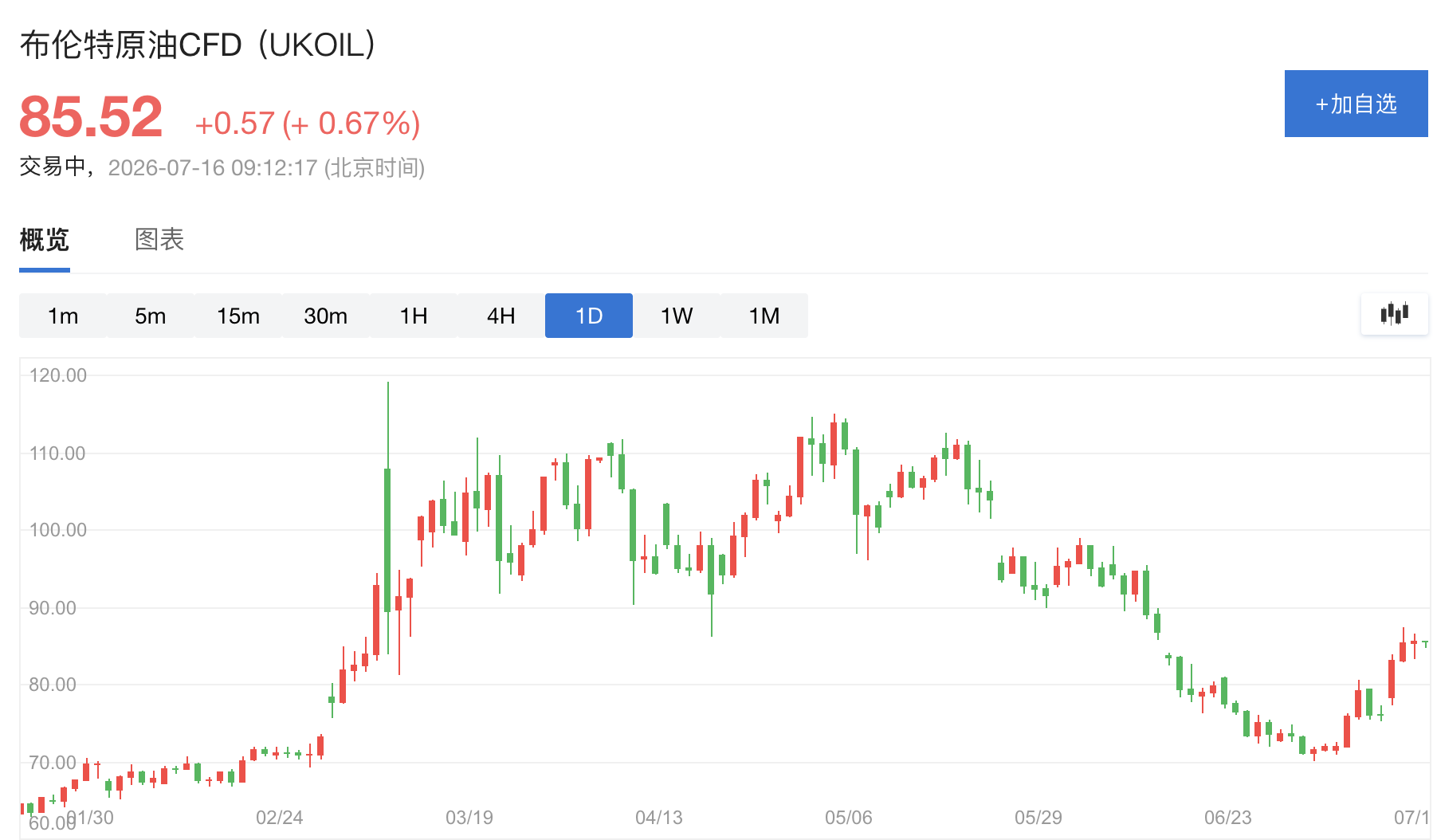
- 中东局势升温推动油价上涨:美伊临时和平协议破裂,双方围绕霍尔木兹海峡控制权争执;布伦特原油连续四日上涨破85美元,市场担忧能源供应中断。
- 通胀数据缓和加息预期:美国6月PPI低于预期,推动美债价格上涨,交易员下调对美联储今年加息幅度预期;但油价上行风险可能令货币政策前景复杂化。
Original Title: "Semiconductor Sell-Off Hits Asia-Pacific Stocks, South Korean KOSPI Plunges 7% Triggering Circuit Breaker, Brent Oil Rises for Fourth Straight Day Above $85"
Original Author: Zhao Ying
Original Source: Wall Street CN
A fresh wave of selling in semiconductor stocks weighed on Asian markets on Wednesday, reigniting doubts about the sustainability of the AI trade. Meanwhile, escalating tensions in the Middle East pushed oil prices higher for a fourth consecutive session.
The Korea Composite Stock Price Index (KOSPI) extended its decline to over 7% on Wednesday, with SK Hynix and Samsung Electronics accounting for the bulk of the index's drop. Tokyo-listed Kioxia Holdings plunged more than 13%, while the Nikkei 225 index briefly fell 3%. The sell-off dragged the MSCI Asia Pacific stock index down 1.5%, ending a two-day winning streak.
At the same time, Brent crude oil rose for a fourth consecutive day, breaking through $85.25 per barrel. Fresh U.S. airstrikes on Iran exacerbated concerns about potential disruptions to Middle East energy supply.
The chairman of South Korea's Financial Services Commission stated that authorities would soon announce measures regarding leveraged ETFs, addressing controversy that these instruments, linked to Samsung and SK Hynix, have amplified market volatility. Additionally, the Bank of Korea raised its benchmark interest rate from 2.50% to 2.75%, in line with market expectations.
Chip Stock Sell-Off Intensifies, AI Trade Resilience Tested
The semiconductor sector continues to face pressure, serving as the core driver of the decline in Asian stock markets.
After months of significant share price increases, investors are demanding stronger evidence that the surge in AI capital expenditure can translate into sustained, broad-based earnings growth across the semiconductor supply chain. Bloomberg strategist David Savage noted that the market's lukewarm response to ASML's impressive earnings report has deepened a concerning trend—Samsung Electronics' strong preliminary results and TSMC's robust sales data have so far failed to provide support for the increasingly fragile chip stock rally.
ASML had previously raised its full-year sales forecast for the second time this year, and according to The Information, the company plans to increase prices for its chipmaking equipment, the report cited four sources. Despite this, the market reaction remained subdued. TSMC is set to release its earnings later on Wednesday, seen as the next key milestone for assessing the progress of AI infrastructure buildout. David Savage said that as Asia's most valuable company, TSMC faces a very high bar of expectations, and whether it can reverse the overall regional market sentiment remains to be seen.
South Korean Market Triggers Circuit Breaker, Regulators Respond Swiftly
The severity of the sell-off in South Korean stocks triggered market protection mechanisms. With the KOSPI 200 index futures falling over 5%, the Korea Exchange immediately initiated a "sidecar" mechanism, halting program trading on the KOSPI. The Nikkei 225 index briefly extended its decline to 3%.
The statement from the chairman of South Korea's Financial Services Commission reflects regulators' heightened vigilance toward market volatility. Leveraged ETFs linked to Samsung and SK Hynix have recently been seen as partially amplifying stock price swings, and authorities have promised to roll out countermeasures promptly. On the same day, the Bank of Korea raised its benchmark interest rate by 25 basis points to 2.75%, in line with market expectations.
Middle East Tensions Escalate, Oil Prices Continue to Rise
Geopolitical risk has emerged as another major driver pushing oil prices higher.
The interim US-Iran peace agreement signed about a month ago has nearly completely collapsed over the past week, with both sides locked in a dispute over control of the Strait of Hormuz. A significant portion of energy exports from Saudi Arabia, Qatar, and the UAE must pass through this waterway. Trump stated that the bombing campaign would be intensified until Iran ceases attacks on vessels in the Strait of Hormuz and agrees to open the waterway.
According to Xinhua News Agency, a spokesperson for Iran's Islamic Revolutionary Guard Corps posted on social media early Wednesday that Iran's current actions are focused on destroying the US's "offensive infrastructure" in the region, with follow-up steps to be taken later. "The enemy should not think it can sustain the current battle situation and turn the conflict into a war of attrition," the spokesperson wrote.
David Russell of TradeStation commented: "The Fed has no immediate pressure to raise rates, but in the longer term, oil prices are the dominant factor. The energy sector propped up the market in June, but if the Strait of Hormuz remains closed for long, history could quickly become a thing of the past."
Inflation Data Tempers Fed Rate Hike Expectations, Bond Market Strengthens
Amid the turmoil in stock and oil markets, the bond market benefited from cooling inflation data.
The US Producer Price Index (PPI) for June came in lower than expected, pushing US Treasury prices higher on Wednesday and leading traders to further scale back expectations for the magnitude of Fed rate hikes this year. Yields on Australian and New Zealand government bonds also strengthened in sympathy. The yield on the US two-year Treasury note continued to retreat from its 2026 highs.
The central contradiction facing the market is this: softer inflation data provides the Fed with room to stay on hold. However, the upside risk to energy prices from the deteriorating situation in the Middle East could potentially reopen the valve on inflationary pressures over a longer timeframe, once again complicating the monetary policy outlook.


