






平台日入近百万美元,一周涨5倍的PONS还能飙多久?


- 核心观点:Robinhood Chain 上的代币发行平台 Pons 凭借其独特的费用分配和回购机制形成正向飞轮,推动平台币 PONS 一周内市值从 6000 万美元暴涨至最高 4 亿美元,成为该生态中的龙头平台。
- 关键要素:
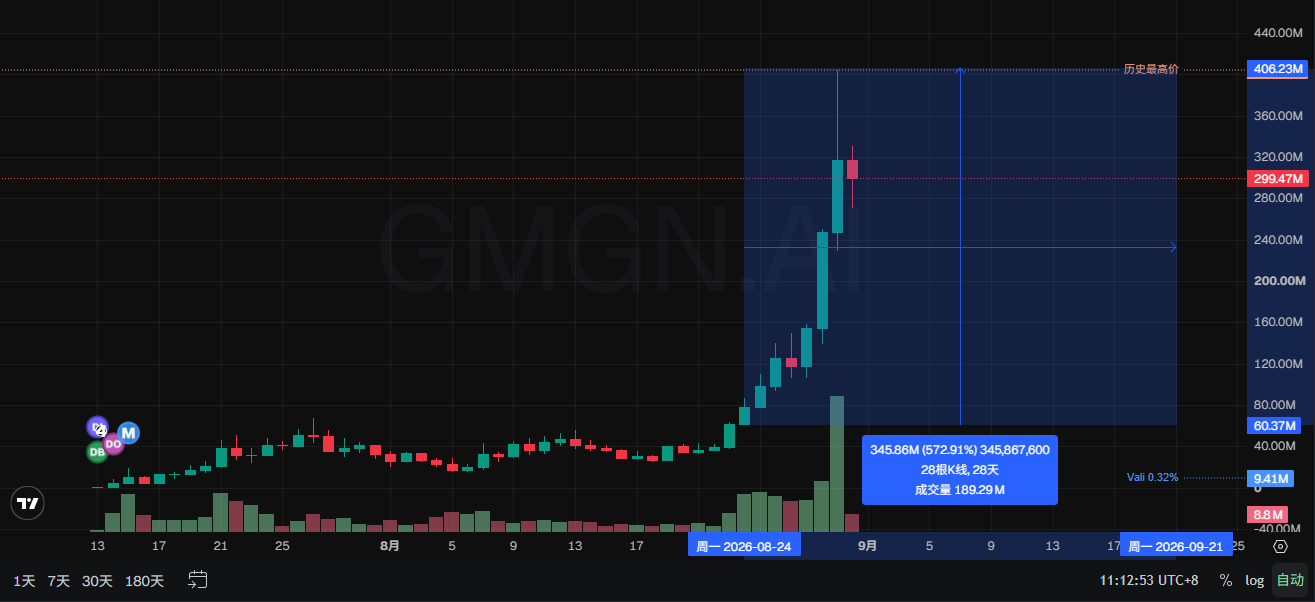
- 市场表现:PONS 市值一周内从 6000 万美元升至最高 4 亿美元,目前回落至 3 亿美元附近,一个月内涨幅近 10 倍。
- 平台主导地位:Pons 日发币量超 2.2 万个,占 Robinhood Chain 日发币量的 66%,新币交易量占全链新币日交易量的 78%,远超竞争对手 Flap。
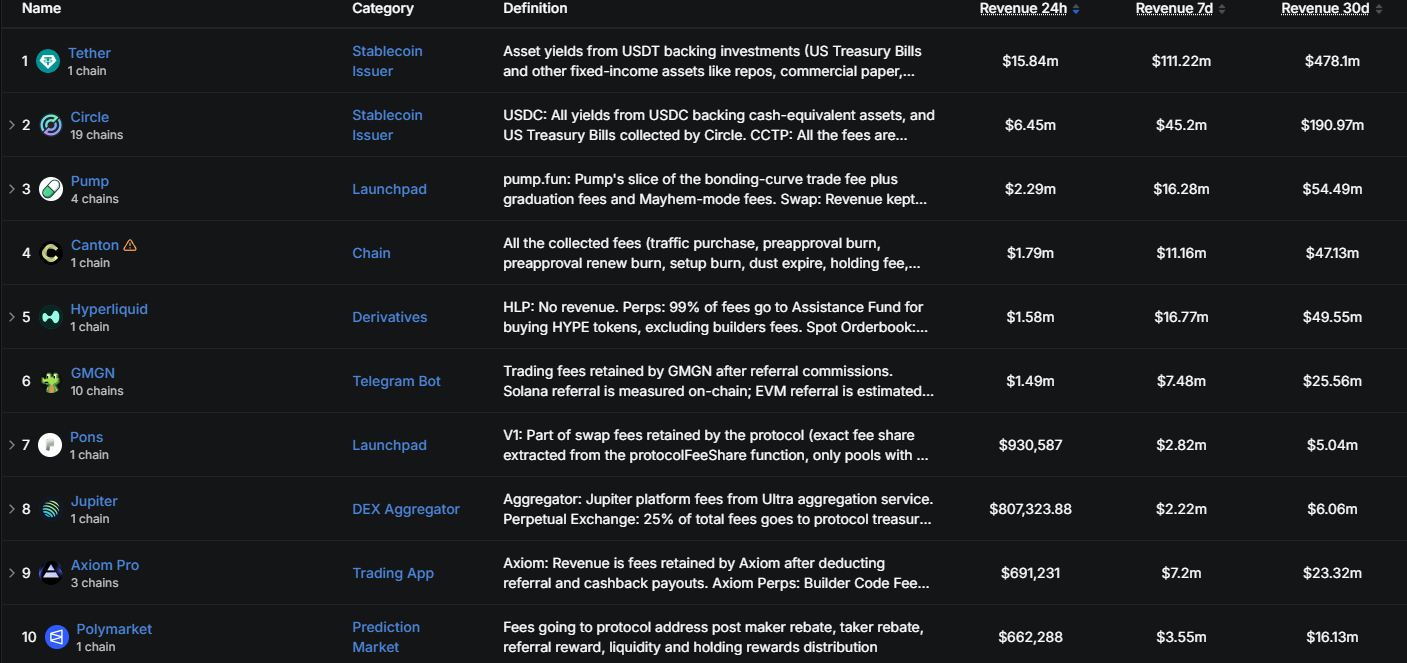
- 收入规模:过去 24 小时协议收入达 93 万美元,超越 Jupiter 和 Polymarket,在协议收入排名中位列第七。
- 激励机制:交易手续费由创建者和平台按 7:3 分配,协议收入的 80% 用于市场回购 PONS 并销毁,目前总供应量的 29% 已被销毁,近 24 小时回购买盘约 74 万美元。
- 增长飞轮:创作者分成吸引更多新币发行,推高交易量和手续费,进而增强回购力度,形成相互促进的良性循环。
- 风险因素:PONS 后续走势取决于 Robinhood Chain 上 Meme 热度持续性、Pons 能否维持发币份额龙头地位,以及能否出现真正出圈的高市值 Meme 币来增强财富效应。
Original: Odaily Planet Daily (@OdailyChina)
Author: Asher (@Asher_ 0210)

The enthusiasm of "P supporters" for Meme coins on the Robinhood Chain remains high, and PONS, the platform token of the token launch platform Pons, has seen another surge. According to GMGN data, within just one week, PONS' market cap surged from $60 million to a peak of $400 million, and has since pulled back to around $300 million.
(In the previous Odaily article introducing PONS, its market cap was only $40 million. Related content can be read here: Platform token surges 15x in half a month, Pons tops both token launches and trading on Robinhood Chain)
PONS' surge is inseparable from the rapid growth of Pons' token issuance volume and trading share on the Robinhood Chain. Dune data shows that on August 27, Pons issued over 12,000 tokens in a single day, once again surpassing Flap to reclaim the top spot among Robinhood Chain token launch platforms. Since then, Pons has consistently maintained the highest daily issuance volume, gradually widening the gap with platforms like Flap. Yesterday, the number of tokens issued on the Pons platform exceeded 22,000, accounting for 66% of the daily token issuance on the Robinhood Chain; the trading volume generated by newly issued tokens via Pons accounted for 78% of the daily trading volume of all new tokens across the chain.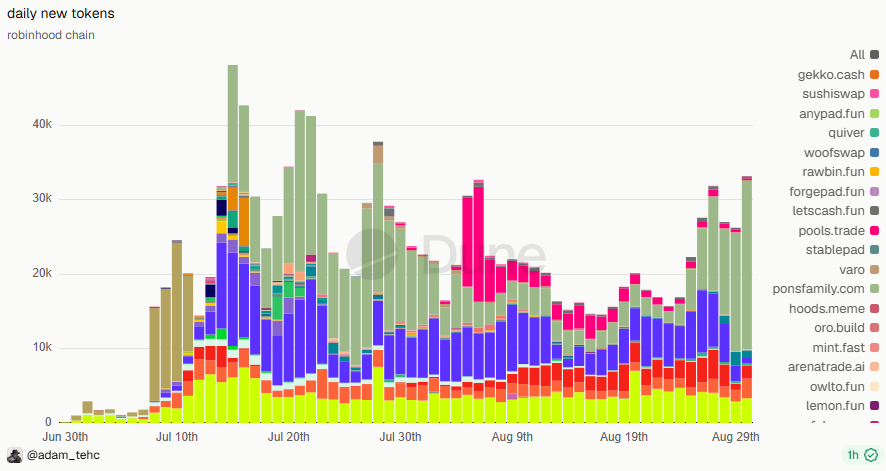
The surging trading volume has also brought considerable platform revenue.DefiLlama data shows that Pons' revenue over the past 24 hours reached $930,000, surpassing Jupiter ($800,000) and Polymarket ($660,000), ranking seventh in the protocol revenue rankings.
Pons' positive flywheel: more token launches, higher revenue, stronger buybacks
Trading fees are split between creators and the platform at a 7:3 ratio
Pons is a token launch and trading platform built specifically around the Robinhood Chain, operated by Pons Labs, and is not an official Robinhood product. Users can create and trade tokens on the platform, with all operations signed via individual wallets. Pons does not custody user assets.
Currently, the total supply of each new token on Pons is fixed at 1 billion, with a creation cost of only 0.0005 ETH. The platform charges a 1% fee on trades. Creators only need to fill in the token name, ticker, image, and social links to complete the launch.
Low barriers only attract creators to enter; what truly drew market attention to Pons is its fee distribution mechanism. According to official documentation, for tokens issued via Pons' new contracts, trading fees are distributed between the creator and the protocol at a 70% and 30% ratio. Furthermore, of the fees received by the protocol, 80% is used to buy back PONS from the market and burn it, while the remaining 20% is allocated to infrastructure and team operations. On August 28, the official announcement stated that 29% of PONS' total supply has already been burned.
Nearly $750,000 in buyback demand over the past 24 hours
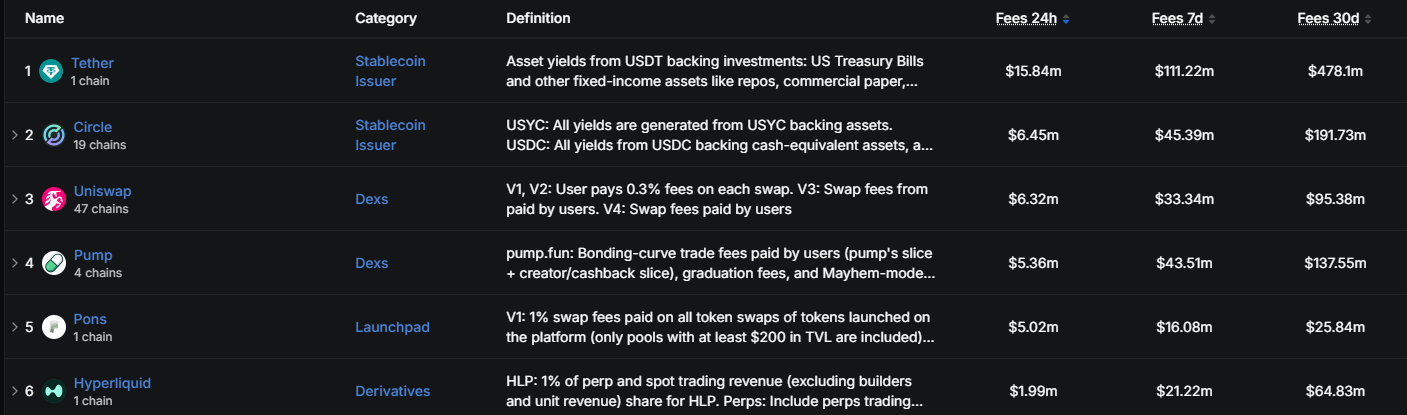
Using the last 24 hours as an example, DefiLlama data shows that users spent a total of $5.02 million in fees on the Pons platform. Most of this was distributed to token creators and other participants, with the protocol revenue ultimately attributable to Pons standing at approximately $930,000. Based on the current 80% allocation ratio, roughly $740,000 of that will be used to buy back and burn PONS from the market, with the remaining approximately $190,000 going toward team operations.
Under this distribution mechanism, every trade on Pons not only generates income for creators but also converts into buyback demand for PONS through the protocol's share. As a result, Pons has formed a self-reinforcing cycle: the higher the creator share, the more new tokens are launched on the platform; more new tokens lead to higher trading volume and fees; protocol revenue growth brings more PONS buybacks. As PONS rises, the platform gains more market attention, further attracting creators and traders.
How much longer can PONS keep climbing?
PONS' market cap has risen from under $40 million a month ago to around $300 million, with a peak gain of nearly 10x. To assess whether PONS can continue to rise and for how long, I will focus on the following three points:
First, how long the current Meme hype on the Robinhood Chain can last. Over the past week, discussions around Meme coins on the Robinhood Chain have visibly heated up on X, driving up on-chain Meme trading volumes, with Pons absorbing more of the token launch and trading demand. Once the buzz around the Robinhood Chain cools and "P supporters" shift to other ecosystems, PONS would not only lose external buying pressure, but buyback intensity could also weaken as protocol revenue declines.
Second, whether Pons can hold its leading position among token launch platforms. Sustained hype on the Robinhood Chain does not necessarily mean Pons will benefit; the key is which platform ultimately captures the new token launch and trading demand. During the period when Flap's daily issuance surpassed Pons, PONS' market cap remained range-bound between $30 million and $40 million. Compared to absolute issuance numbers, what matters more is whether Pons can maintain its high share on the Robinhood Chain.
Finally, for PONS' market cap to advance further to $500 million or $1 billion, a truly breakout Meme coin may be needed. What Pons currently lacks is a high-market-cap Meme coin capable of continuously attracting capital and attention. If the platform can see a Meme coin quickly reach a market cap of $50 million or even $100 million in the near term, Pons' wealth effect will be further amplified, and PONS could experience a new wave of FOMO.





