






Musk vs. OpenAI 첫 재판 날: 이상주의 껍질이 벗겨지다


- 핵심 견해: 머스크 대 OpenAI 소송의 핵심은 이념 다툼이 아닌 사업 통제권 쟁탈전이다. 머스크는 OpenAI에 대한 통제권을 얻지 못해 퇴진했으며, 이후 비영리 설립 목적을 저버렸다고 비난했지만, 이는 실상 자신의 영리 AI 회사 xAI를 위해 경쟁자를 제거하려는 행위였다. 재판 증거는 양측의 돈, 권력, 통제에 대한 욕망을 드러내며 실리콘밸리 이상주의의 껍질을 벗겨냈다.
- 핵심 요소:
- 머스크 측 변호인은 OpenAI 창업팀이 '자선 기관을 도용'했으며, 마이크로소프트의 130억 달러 투자를 이유로 비영리 약속을 저버렸고, 승소 시 천억 달러의 손해배상 청구액 전액을 비영리 재단에 지급하겠다고 약속했다고 주장했다.
- 오픈AI 측 변호인은 머스크가 절대적 통제권을 얻지 못해 퇴사했고, 한때 OpenAI를 테슬라에 합병할 것을 제안했으며, 이번 소송은 xAI 설립 이후의 상업적 보복 행위라고 반박했다.
- OpenAI 사장 브록먼의 2017년 개인 일기는 핵심 경영진이 챗GPT 대박 훨씬 이전부터 기술 수익화를 계획했으며, 목표는 10억 달러를 버는 것이었음을 보여주며 비영리적 광채를 무너뜨렸다.
- 머스크는 2018년 이메일에서 OpenAI의 '성공 확률은 0%'라며 이사회에서 사임했지만, 증언에서는 설립 동기를 구글의 AI 독점에 맞서는 '도덕적 수호자'로 미화했다.
- 이 사건은 실리콘밸리의 복잡한 이해관계를 드러낸다: 전 OpenAI 이사이자 머스크 아이의 어머니인 질리스는 머스크가 심어둔 내부 요원으로 지목되며, 상업 경쟁과 사적 감정의 얽힘을 부각시켰다.
Original author: Sleepy.md
April 28, 2026, Oakland Federal Court, California.
There were no Hollywood-style table-slamming outbursts, only a chilling list of evidence, impeccably dressed top-tier lawyers, and a suffocating sense of pressure.
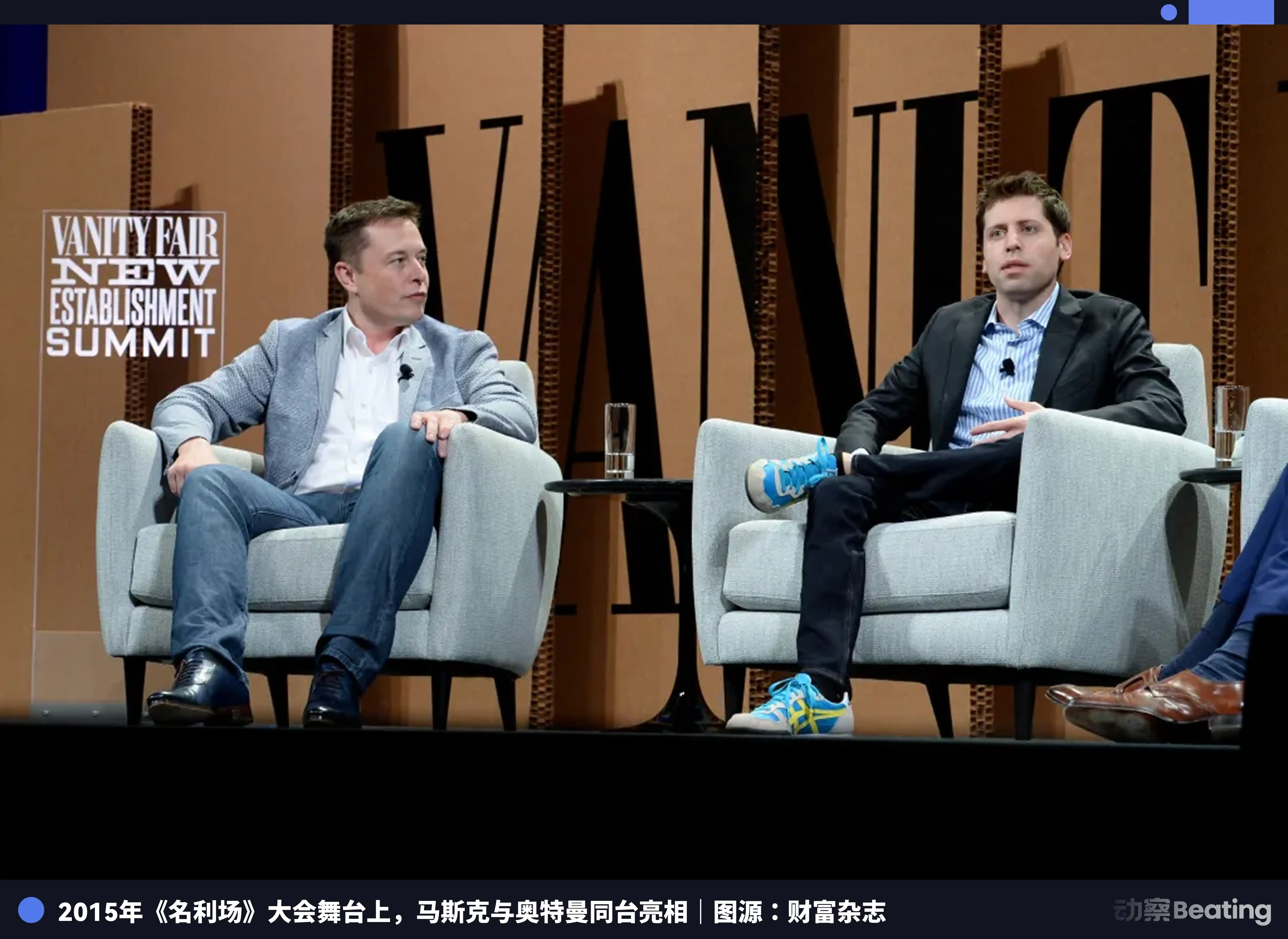
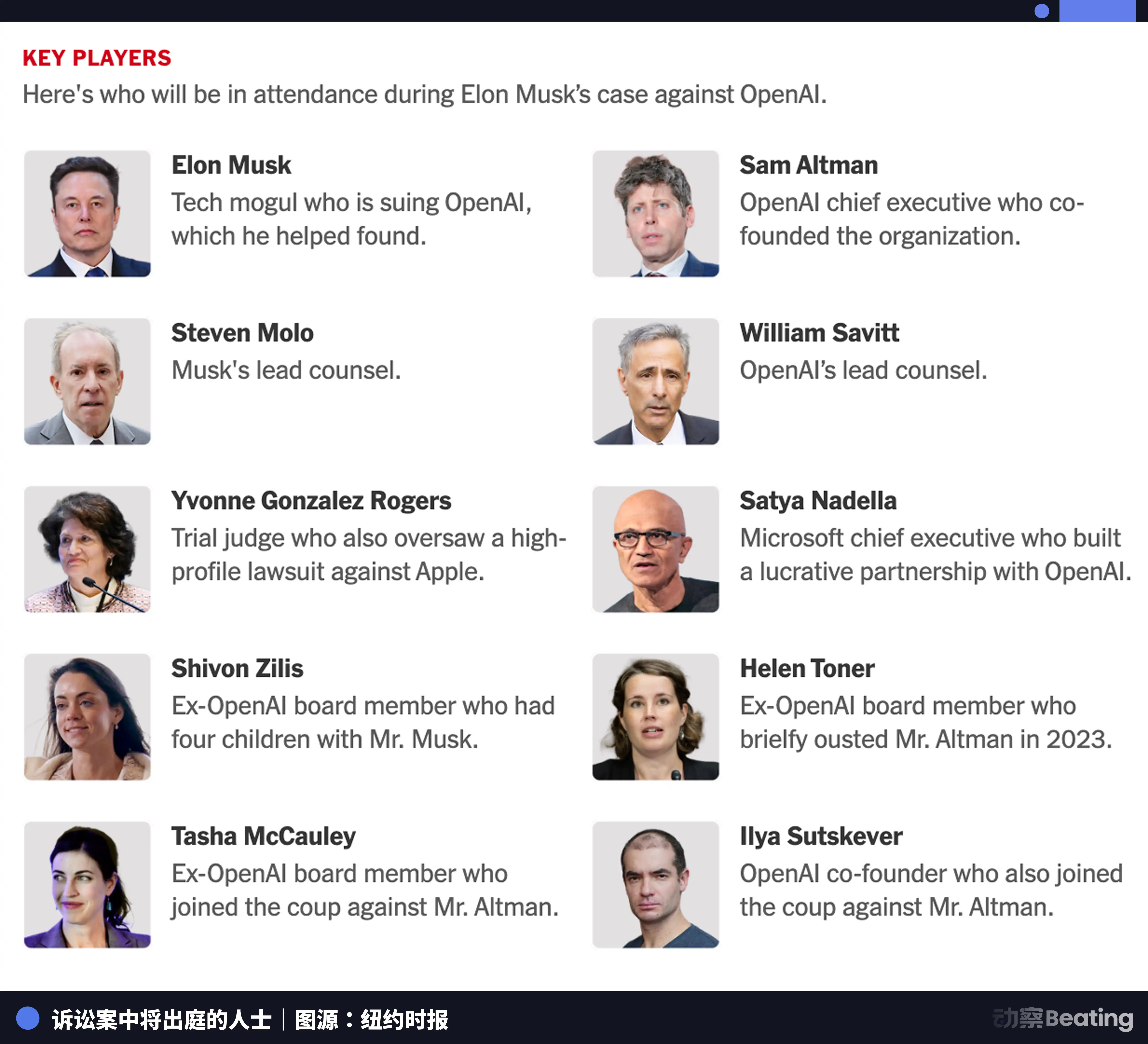
Tesla CEO Elon Musk and OpenAI CEO Sam Altman sat on opposite sides of the courtroom. Musk, seated at a table in the center, clenched his jaw, tongue pressed against the inside of his cheek, flipping through the notes in his hand. Altman, with his arms crossed and a stern expression, sat in the front row of the gallery, conversing in low tones with his lawyer.
This was the richest man in the world attempting to use legal means to dismantle the world's largest AI unicorn.
The trial's opening act began the day prior with jury selection.
In this tech-heavy region of the East Bay, finding nine ordinary individuals who could remain absolutely neutral towards both Musk and ChatGPT itself was no easy feat.
Prospective jurors were grilled one by one: "Do you use ChatGPT often?" "Do you follow Musk on X?" "Do you own shares in Tesla or SpaceX?"
After a grueling five-hour tug-of-war, both sides exhausted their five peremptory challenges. Presiding Judge Yvonne Gonzalez Rogers even candidly remarked in court: "It's true, many people in reality don't like Elon Musk."
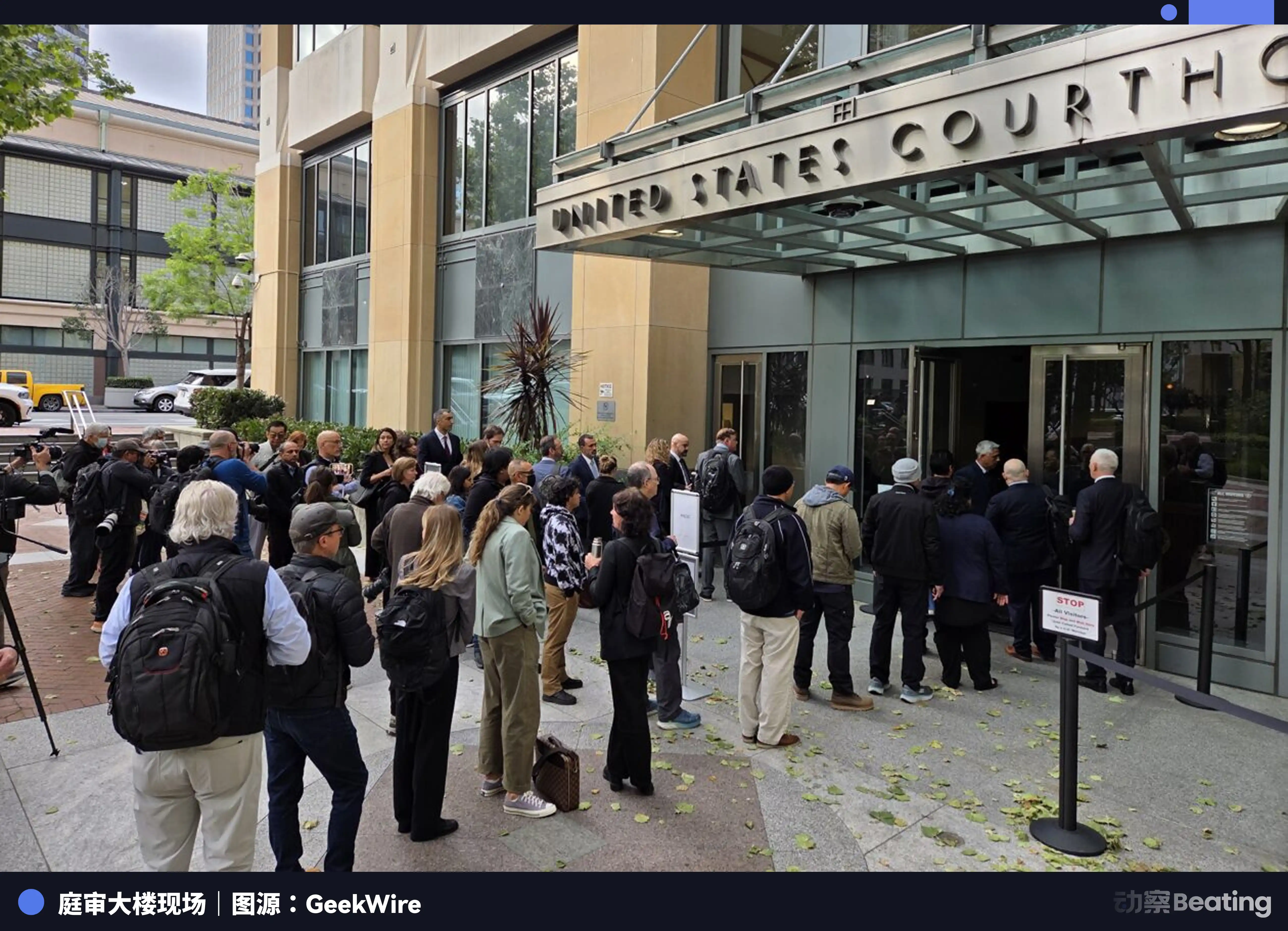
This lawsuit, dubbed the "Trial of the Century" by the media, appears on the surface to be a legal battle over hundreds of billions of dollars in claims and the classification of a non-profit organization. But beneath the dry legal jargon lies a more fundamental question.
When an open-source project once championing the cause of "benefiting all of humanity" transforms into a commercial empire valued at $852 billion, did the original idealists part ways due to moral scruples, or were they driven by bitterness after losing a power struggle? Is this a long-overdue reckoning for justice, or a capital giant flipping the table in a fit of sour grapes?
Two Narratives
As the trial officially commenced, the opening statements from the lead counsels on both sides presented two completely opposing scripts to the jury.
In the narrative presented by Musk's lead counsel, Steven Moro, this was a story of a "white knight fighting against a greedy usurper."
Moro deliberately avoided all obscure technical jargon. He invoked OpenAI's foundational 2015 charter, repeatedly emphasizing one concept: OpenAI's original purpose was to "benefit all of humanity," and it was "not a vehicle for personal enrichment."
In his accusation, Moro stated that Altman and President Greg Brockman had "stolen a charity." He pointed directly at Microsoft's cumulative $13 billion investment in OpenAI, arguing that this moment irrevocably tore up OpenAI's promises made to Musk and the world.
To prove his sincerity, Musk's side even promised that if they won the case and secured the hundreds of billions in damages, the entire sum would be allocated to OpenAI's non-profit foundation, with Musk personally taking nothing.
However, in the account given by OpenAI's lead counsel, Bill Savitt, it was an entirely different story. This was no longer a moral defense, but a blatant act of commercial revenge after a failed "power play."
"We are here because Elon Musk didn't get what he wanted," Savitt stated bluntly.
He told the jury that Musk was the one who truly smelled the commercial potential of AI and tried to seize it for himself. Back then, Musk demanded not only absolute control over OpenAI but even proposed merging OpenAI directly into Tesla.
Savitt dismantled Musk's "AI safety guardian" persona. He pointed out that AI safety was never Musk's real priority, and that Musk even scoffed at employees who were overly focused on it. In Savitt's view, Musk only sued OpenAI after founding his own for-profit AI company, xAI, in 2023, purely out of commercial competition.
"My client left him and still thrived and succeeded. Musk, even if dissatisfied, has no right to file a malicious lawsuit," Savitt said.
Interestingly, Microsoft, the third party, adopted a delicate stance. Microsoft's lawyer, Russell Cohen, strenuously distanced the company during the proceedings, claiming Microsoft had been a "responsible partner every step of the way" and had done nothing wrong.
But just before the trial, OpenAI suddenly announced an update to its cooperation terms with Microsoft. Microsoft no longer held exclusive rights, and OpenAI's products could be deployed on other cloud platforms. This wasn't just a move to protect itself from antitrust investigations; it looked like a carefully orchestrated PR stunt aimed at proving in court that OpenAI was not Microsoft's puppet.
Beneath the banner of morality, both sides harbored deep-seated commercial calculations.
Musk's Testimony
As the first heavyweight witness to take the stand, Musk spent a full two hours on the witness stand.
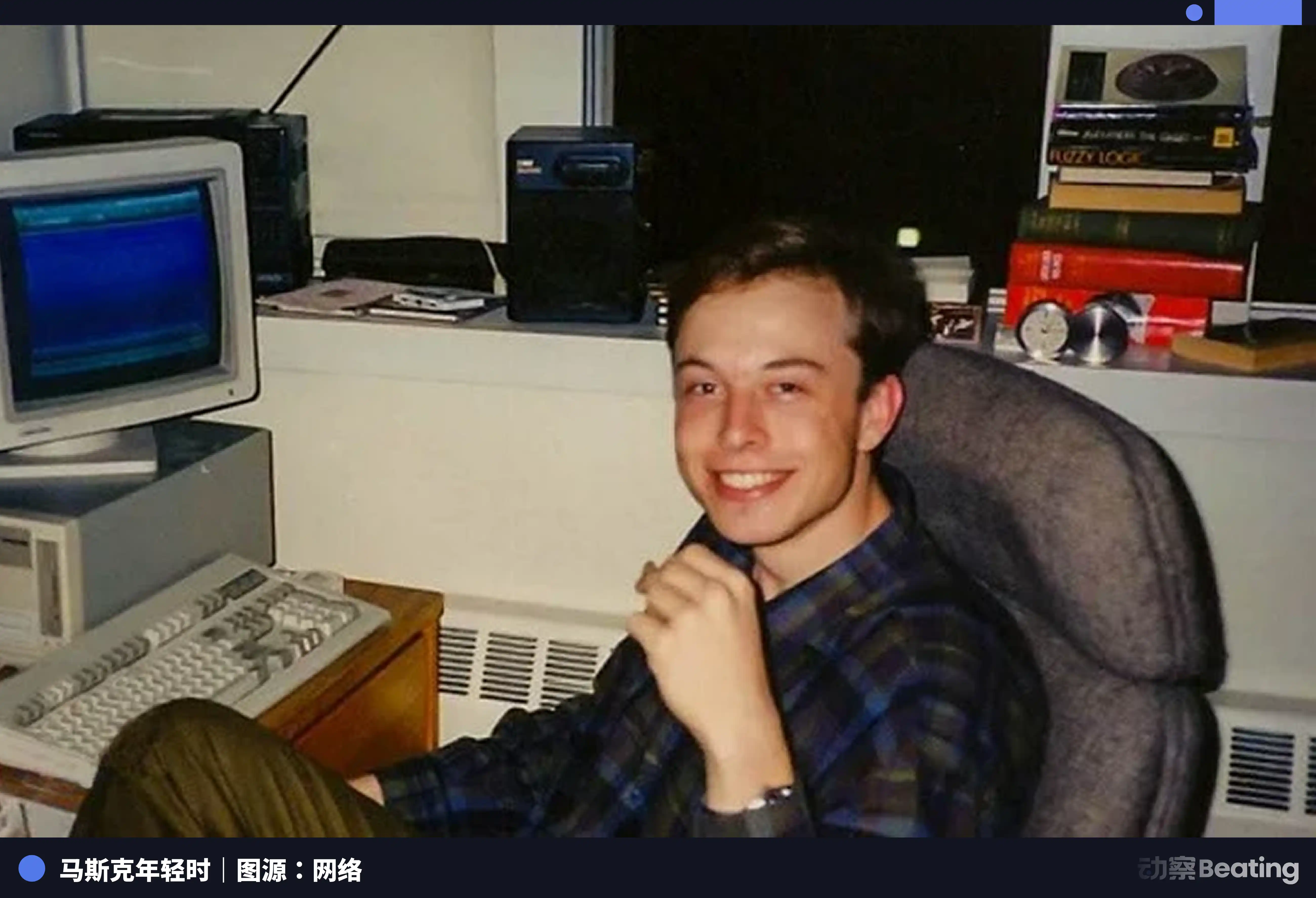
In an era of rising anti-elite sentiment, Musk clearly knew how to build empathy with ordinary jurors. Instead of immediately delving into obscure AGI concepts, he spent nearly half an hour recounting his own "grassroots" struggle. He spoke about leaving South Africa at 17, working as a lumberjack in Canada and doing manual labor on farms. He emphasized that he still works 80 to 100 hours a week, owns no vacation homes, and has no yacht.
"I like working, I like solving problems that make people's lives better," Musk said, trying to project an image of a hardworking, pragmatic, non-indulgent doer.
Then, he pivoted, steering the conversation towards the terrifying crisis of AI.
Musk predicted that, possibly as early as next year, AI would surpass any human in intelligence. He analogized developing AI to raising a "very intelligent child." When the child grows up, you can't control it; you can only hope the values instilled from a young age will guide its actions.
"We don't want a Terminator outcome," Musk warned, his tone grave.
To prove that his motive for founding OpenAI was absolutely pure, Musk recounted his falling out with Google co-founder Larry Page.
Musk recalled they were close friends who often discussed AI's future. But during one conversation, Musk discovered Page was unconcerned about the risk of AI spiraling out of control. When Musk insisted that human survival must be the top priority, Page retorted, accusing Musk of being a "speciesist."
This term is particularly jarring in the context of Silicon Valley. It implies that in the eyes of a tech zealot like Page, silicon-based AI life is equal to carbon-based human life, perhaps even representing a higher evolutionary path.
Musk told the jury he thought Page was crazy at the time. It was this extreme fear that Google might monopolize and misuse AI technology that drove him to fund OpenAI's creation as a "countervailing force against Google."
This narrative was self-consistent and poignant, but not without flaws.
Musk declared in court with righteous indignation: "If we allow them to steal a charity, the entire foundation of American charitable donations will be destroyed." Yet, his own Musk Foundation was revealed to have failed to meet the IRS's mandatory 5% minimum charitable payout ratio for four consecutive years, with a funding shortfall of $421 million in 2023 alone.
More contradictory was the fact that someone so fearful of AI destroying humanity had, in 2023, hastily assembled a team and founded the wholly for-profit xAI, deeply embedding it within his own business empire.
Was Musk's talk of "benefiting all of humanity" a genuine belief, or merely the perfect excuse to cripple a competitor? What did the private diaries and emails presented in court reveal about the inner worlds of these Silicon Valley titans?
Diaries, Texts, and the Dark Underbelly of Silicon Valley
If the opening statements were carefully choreographed PR pieces, the internal communications submitted as evidence directly tore away the veneer of Silicon Valley decorum.
Musk's team's killer move was the private diary of OpenAI President Greg Brockman, written in 2017. The diary explicitly stated: "Our plan: if only we could make that money. We kept thinking, maybe we should just convert to for-profit."
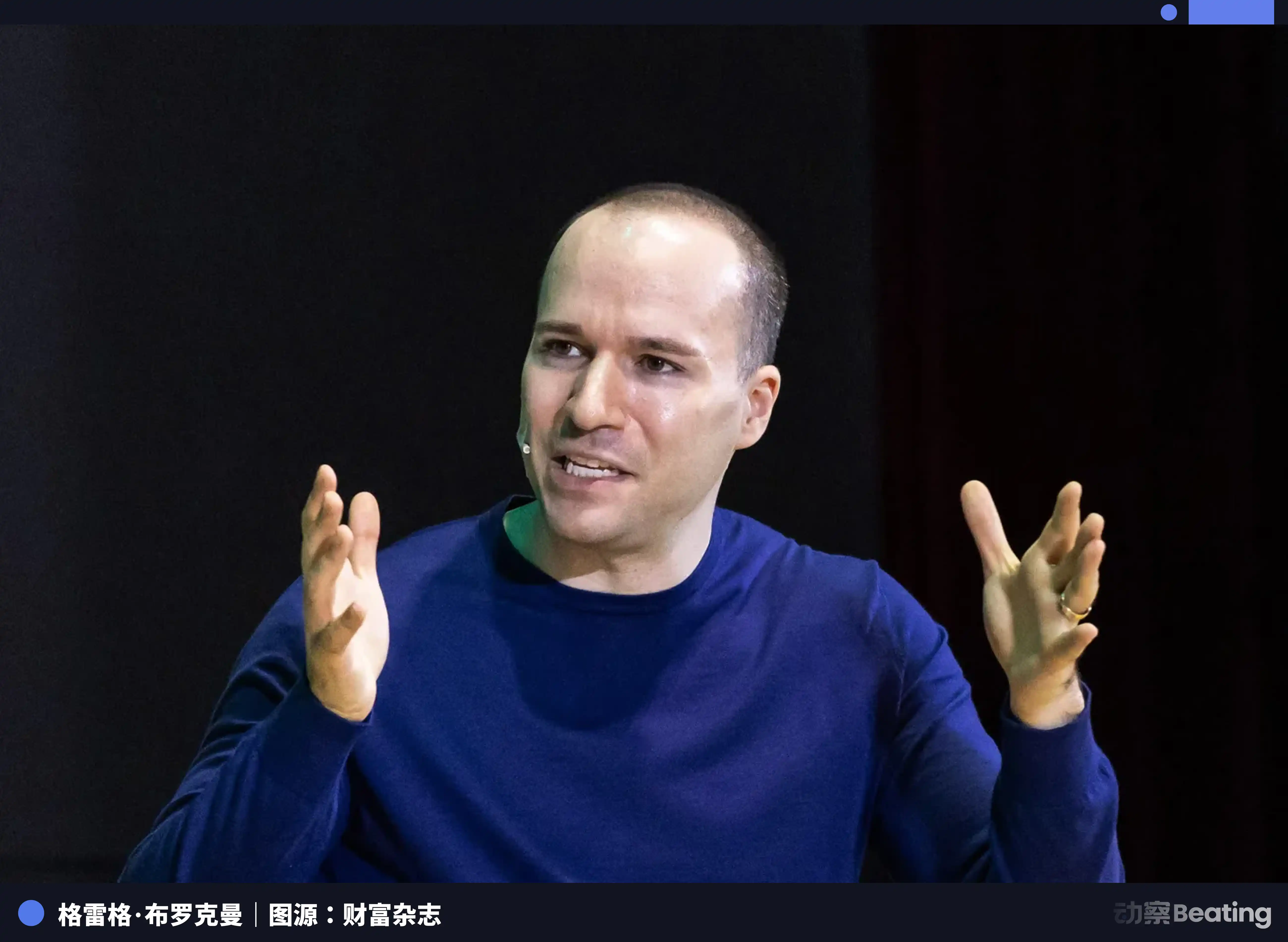
Along with an even blunter question: "Financially, what would get me to $1 billion?"
These written records instantly shattered the carefully cultivated "pure research, no return" non-profit image of the early OpenAI. It proved that five years before ChatGPT's explosive success, OpenAI's core management was already plotting how to monetize the technology and join the billionaire's club.
OpenAI's counterattack was equally lethal. They presented email records showing Musk demanding sole control in 2017. The records showed Musk was far from a generous, hands-off donor; he demanded absolute control over the potential for-profit OpenAI.
When Altman and Brockman refused to cede control, Musk's attitude did a complete 180-degree turn. In a 2018 email, Musk pessimistically asserted that OpenAI's chance of success was zero. Subsequently, he stormed out, resigning from the board and cutting off future financial support.
OpenAI's lawyers tried to use this evidence to argue to the jury that Musk's departure wasn't due to moral scruples or philosophical differences. It was purely because he thought the project was a lost cause and couldn't gain control, prompting him to cut his losses.
In this brutal back-and-forth, a specific name surfaced: Shivon Zilis.
She is a former member of OpenAI’s board of directors, an executive at Musk’s brain-computer interface company Neuralink, and also the mother of three of Musk’s children. In text message records disclosed during the trial, Zilis once proactively asked Musk if he needed her to stay inside OpenAI to maintain information flow. OpenAI accused her of acting as an insider planted by Musk during her directorship.
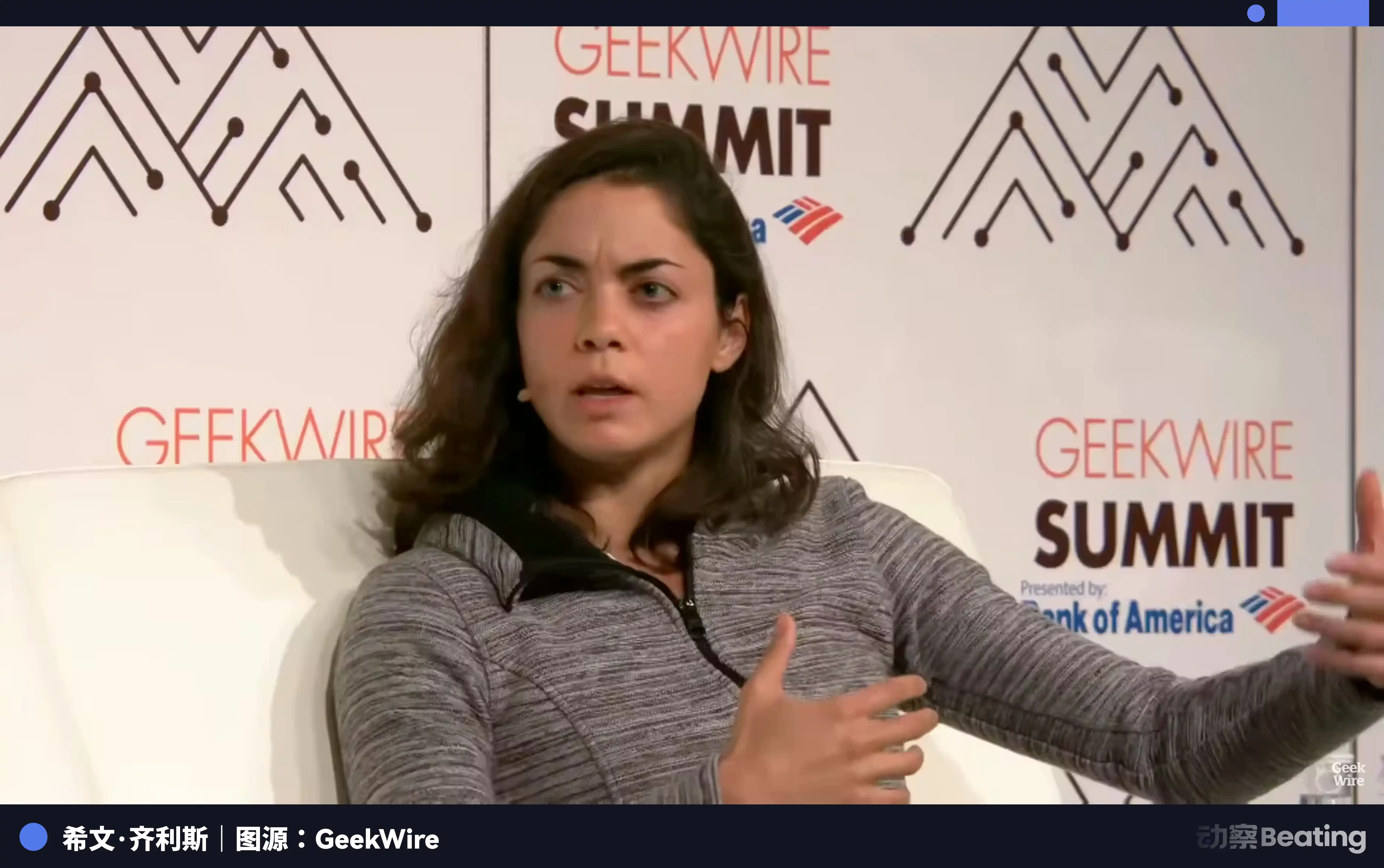
These deeply intertwined interests, personnel infiltration, and emotional entanglements flowed beneath the noble slogans of changing the world, revealing a raw desire for money, power, and control.
As the shell of idealism is gradually peeled away by the court's evidence, will the outcome of this lawsuit really change the direction of the AI industry?
Suspense for the Future
Regardless of the final verdict, there will be no true winner in this trial.
If Musk wins, OpenAI would be forced to dismantle its complex "capped profit" structure and revert to a pure non-profit organization. Its $852 billion valuation and the planned IPO for late 2026 would instantly evaporate. However, this wouldn't stop capital from frantically pouring into the AI sector; it would simply remove Musk's own xAI's most formidable competitor.
If OpenAI wins, the legal loophole allowing non-profit organizations to convert to for-profit status will be completely torn open. This means future tech entrepreneurs could initially operate under the guise of a "non-profit," using tax exemptions and public moral appeal to attract top talent and early-stage funding cheaply. Once a technological breakthrough is achieved, they could privatize and commercialize it through complex equity structures.
Viewing this trial within the historical arc of technological revolutions, it's merely another footnote in business competition. It echoes the late 19th-century AC/DC battle between Edison and Tesla, or the late 20th-century browser war between Microsoft and Netscape. The titans clash in court, arguing over the rules for distributing current profits.
Winning or losing in court cannot change the objective laws of technological evolution. What truly determines humanity's fate is not the meticulously crafted arguments of lawyers, but the clusters of GPUs humming and frantically consuming electricity and data in data centers scattered across the globe.
The scene returns to the Oakland courtroom. Midway through the trial, the court's microphones and display screens suffered a brief technical malfunction. Judge Rogers joked wryly: "What can I say? We're funded by the federal government."
Laughter rippled through the courtroom. This self-deprecating interlude formed a starkly absurd contrast with the Silicon Valley giants casually discussing hundreds of billions in claims, human extinction, and Terminator-level crises. In this surreal reality, the wheels of AI are mercilessly grinding over existing business ethics and legal boundaries, hurtling towards a future that even its creators cannot foresee.


