


After the SEC's new rules, 63 U.S. stocks went onchain, and nine issuers pressed the veto


- Core viewpoint: OKXICE's plan to tokenize 63 U.S. stocks encountered written objections from nine issuers, but the objections are valid only for a single platform, and Nasdaq separately points to the TSV model creating a "shadow market," reflecting that structural disputes remain over third-party tokenized U.S. stocks.
- Key elements:
- OKXICE is 50% owned by Intercontinental Exchange and 50% by OKX, is registered in Texas, and is among the first batch and largest applicants for the SEC innovation exemption.
- Objections rose to nine, including Broadcom, Verizon, UnitedHealth, CoreWeave and others; only Applied Optoelectronics disclosed its reasons publicly, citing concerns over the unclear impact of tokenization on share prices and liquidity.
- The SEC exemption requires written notice to issuers before going onchain and a full 30-day wait; opposition takes effect only for a single venue, and silence is deemed consent.
- Nasdaq's September 29 guidance announced that its own shares are exiting the TSV track, saying it does not aggregate quotes in real time and that trades are delayed by ten minutes, forming a shadow market disconnected from pricing.
- Exemption limits: the first tier allows at most 75 stocks, with a single stock's trading volume not exceeding 0.25% of the previous month's average daily volume; no leverage, lending or staking, and data disclosure may be delayed.
- Intercontinental Exchange is running dual tracks, holding a stake in OKXICE on one side while advancing on-exchange tokenization through the NYSE on the other; OKXICE says it still plans to list Nvidia, Apple, Microsoft and others.
TL;DR
- OKXICE, a joint venture between Intercontinental Exchange and OKX, plans to tokenize 63 US stocks on-chain, and nine issuers including Broadcom, Verizon, UnitedHealth, and CoreWeave have filed written objections.
- The SEC's five-year innovation exemption includes a built-in 30-day per-venue objection right; silence is treated as consent, and an objection applies only to a single platform.
- Related tickers: Nasdaq (NDAQ), Intercontinental Exchange (ICE), OKX, as well as large-cap stocks still slated for listing such as Nvidia, Apple, and Microsoft.
On October 15, OKXICE updated its public notice, confirming that nine US stock issuers had filed written objections to the company's plan to tokenize their shares, including Broadcom, Verizon, UnitedHealth, CoreWeave, and Applied Optoelectronics, in addition to Cerebras, which had already stated its position. The platform originally planned to bring 63 US stocks on-chain in its first batch.
OKXICE is incorporated in Texas and owned 50/50 by Intercontinental Exchange, the parent company of the NYSE, and OKX. After the SEC granted a five-year interim channel on September 17, it was among the earliest and largest applicants, and the market once read this as direct endorsement of on-chain equities by traditional finance.
Yet the first batch of opposing votes came from the stock issuers themselves.
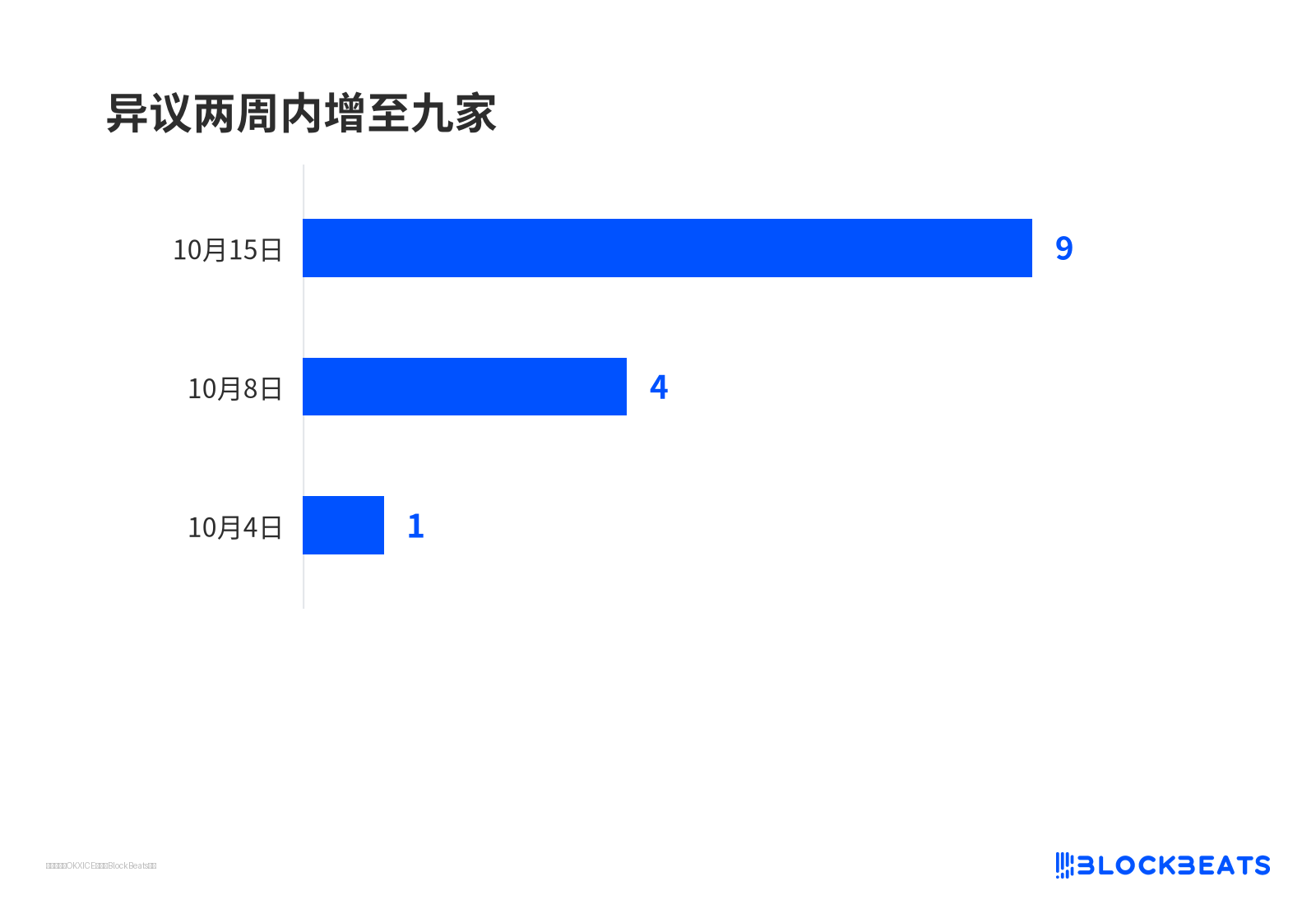
Objections rise to nine within two weeks
The SEC's "innovation exemption" frees tokenized securities venues (TSVs) from full exchange registration, with relief extending to September 17, 2031. The trade-off is that the tokens must carry equivalent dividend and voting rights, cannot be synthetic exposure, and single-name trading volume is capped.
The most important provision is that before each stock is brought on-chain, the venue must notify the issuing company in writing and wait a full 30 calendar days. During that period, if the issuer objects in writing, the venue cannot list that stock. The nine companies did not bypass regulation; they simply flipped a switch the SEC built into this exemption.
A veto binds only one venue; silence means clearance
Among the nine, only Applied Optoelectronics (AAOI) publicly explained its reasoning. A company spokesperson told The Wall Street Journal that it was uncertain about the impact of tokenization on its share price, liquidity, and volatility, and worried that investors might mistake unendorsed third-party tokens for products issued by the company itself, adding that it "sees no clear benefit to Applied Optoelectronics or its shareholders."
The other eight did not publicly explain their motives, and there is no evidence that they coordinated their actions.
An objection is valid only against the one venue to which it is submitted; to block another platform, a separate written objection must be filed. Conversely, failing to respond within the 30-day window is treated as tacit permission for that platform to list the stock.
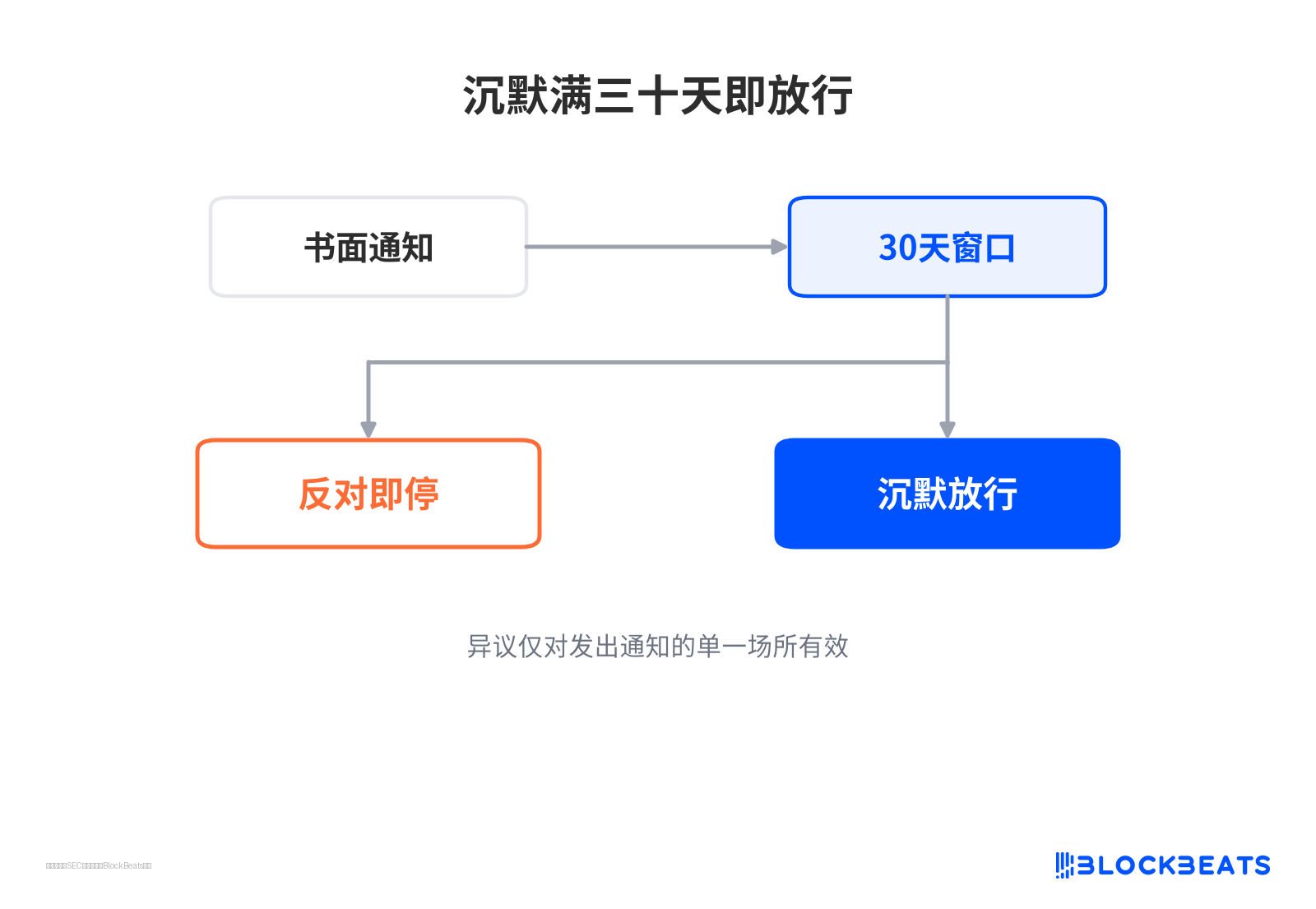
Silence for thirty days means clearance
Therefore, "nine companies rejected tokenized US stocks" is not accurate; based on what is currently known, it only shows that "nine companies rejected the same platform."
Nasdaq opts out, calling it a shadow market
Nasdaq's move is more sweeping, though in the opposite direction. In its issuer guidance updated on September 29, Nasdaq stated that it intends to withdraw its own stock from the TSV track.
The guidance cited the reasons: such venues are not required to display the best quotes in real time, are not required to report to the consolidated tape, and can delay trade publication by ten minutes, "effectively creating a shadow market for stocks that may diverge in pricing and transparency from the broader market."
The underlying rules of the US stock market require, under the national market system, that venues consolidate best bid and offer in real time and that all trades enter the consolidated tape. This is the precondition for retail investors to receive broadly uniform prices across different brokers, and TSVs are exempt from it.
As a result, it can be 24/7, settled in stablecoins, and deployed in automated market-making pools. That is exactly OKXICE's design, with permissioned pools running on XLayer.
Nasdaq does not oppose tokenization itself; it is taking another path, in which tokens and underlying shares share the same security identifier and sit on the same order book.
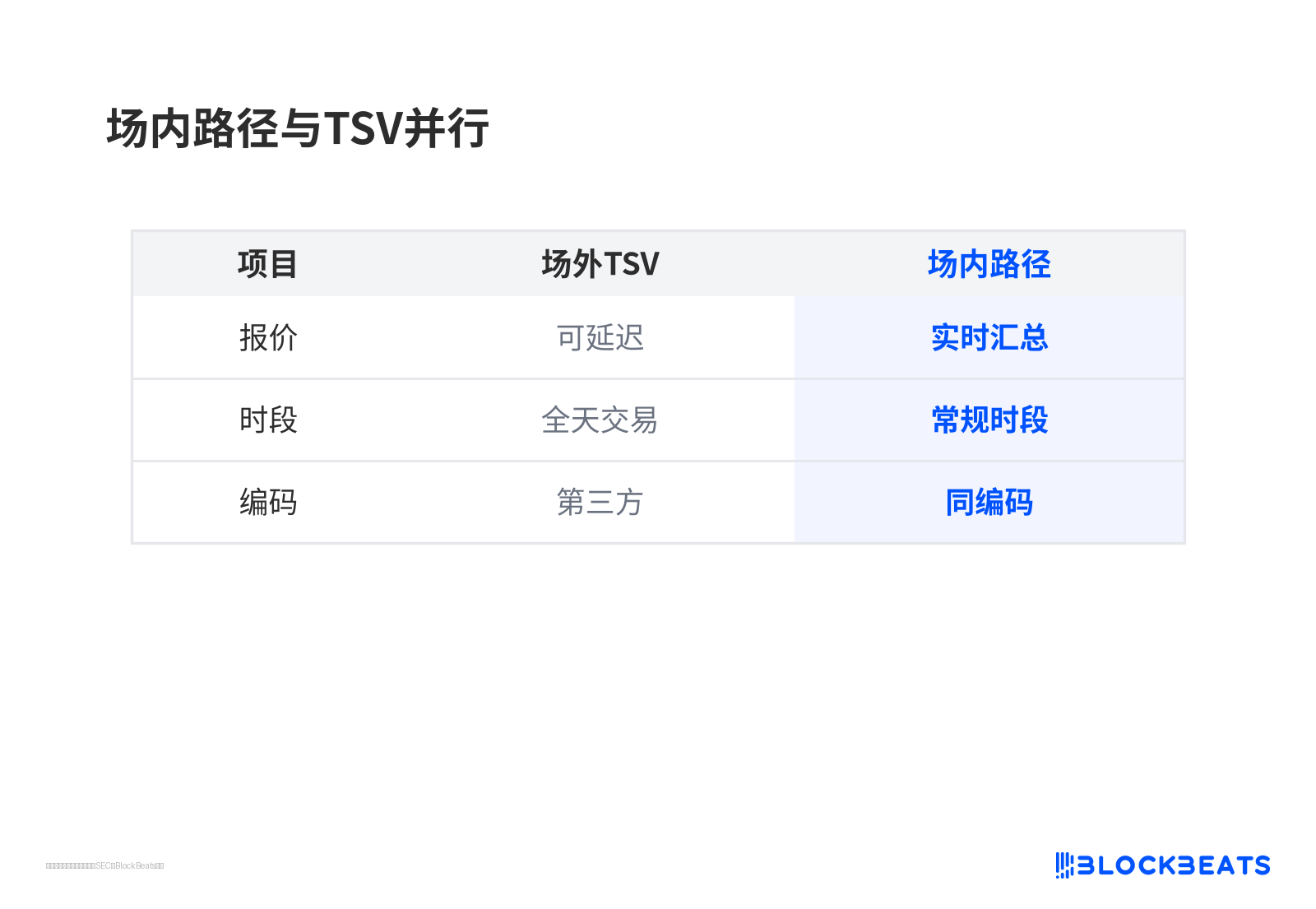
On-venue path runs parallel to TSVs
Intercontinental Exchange's position is more subtle: it holds a stake in OKXICE, a track outside the system, while also advancing on-venue tokenization through the NYSE.
Trading caps and no leverage limit how much volume TSVs can take
OKXICE told The Wall Street Journal that it still plans to launch dozens of stocks, with a list including Nvidia, Apple, Microsoft, Amazon, and Tesla. The platform said issuer concerns are to be expected.
The limits are written into the exemption text. The first tier allows up to 75 names, with single-name volume not exceeding 0.25% of the prior month's average daily volume. The second tier allows up to 250 names and 2.5%.
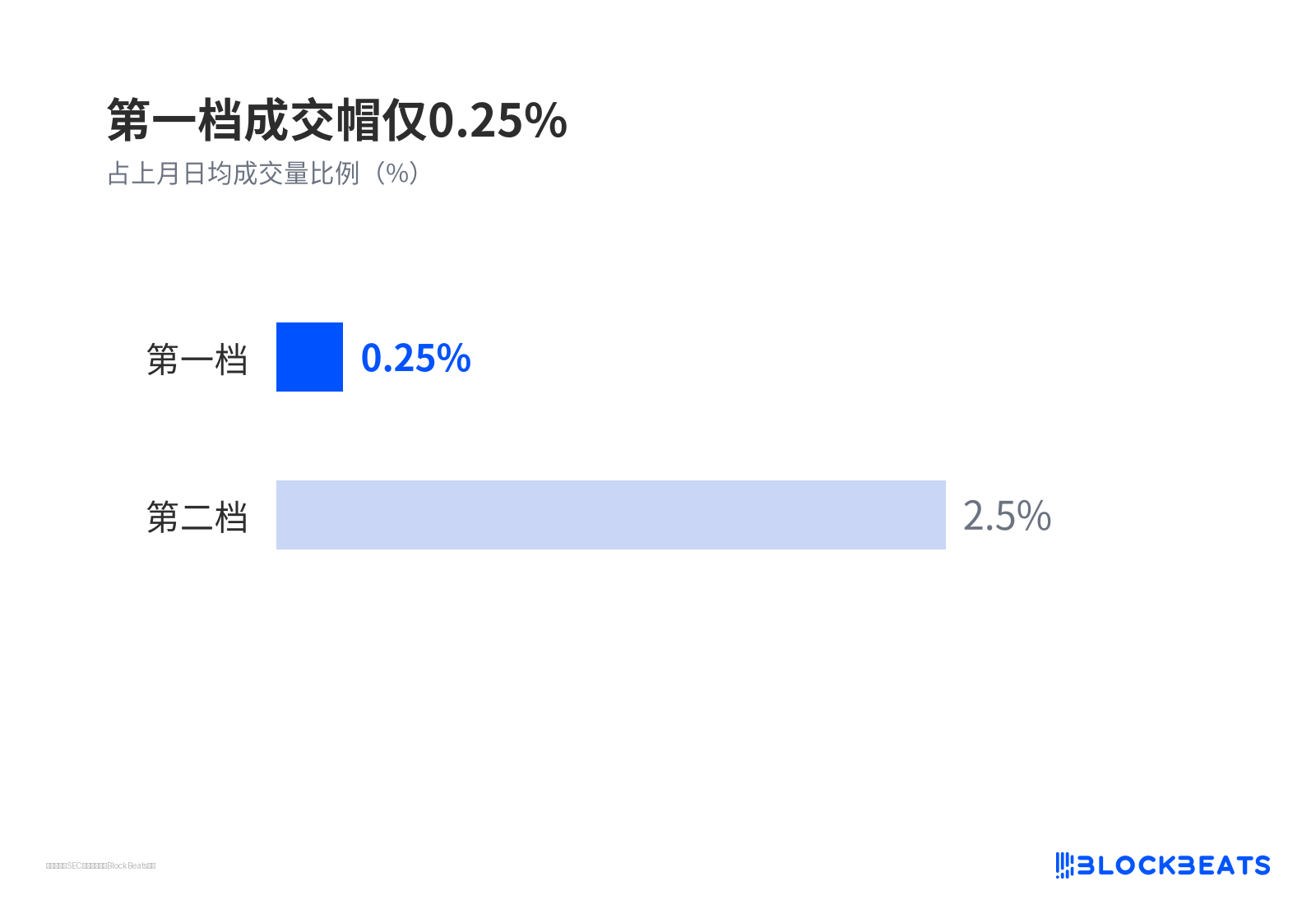
First-tier volume cap is only 0.25%
No leverage, lending, or staking is permitted, and trade data may be disclosed with a ten-minute delay.
Some market analysts argued in late September that such venues are not subject to order protection rules and that prices across multiple market-making pools could diverge from exchanges. With a 0.25% volume cap, off-hours trading, and no leverage, they are designed in a way that cannot compete with the national market system.
What to watch in the next round of notices
What can be confirmed now is only the first round: roughly eight of the 63 names were removed, and the platform says the rest will proceed. To judge whether this is noise or a trend, several things that have not yet happened need to be watched.
When other TSVs notify the same group of companies, will these nine object again, and will new large-cap issuers follow suit? Have the 30-day windows for the remaining names all run their course, and could the list still grow longer?
When the exemption expires in five years, will the permanent rule keep "silence equals consent," switch to requiring issuer authorization by default, or make issuer consent a precondition? This will determine whether third-party tokenization is a standard channel or an exceptional arrangement.
There is also a comparison line: how much real volume the same-identifier on-venue path at Nasdaq and the NYSE can generate. If it proves that transparency and efficiency can coexist, then TSVs' 24/7 operation and stablecoin settlement will look more like a retail entry point than new market infrastructure.





