






High-Value Sponsorships Disappear, Kalshi Leans on Ads—Where Have All the Crypto Sponsors Gone for This World Cup?


- Key Takeaway: During the 2026 World Cup, crypto companies have shifted their sponsorship strategy from high-end official partnerships to more cost-effective deals with star players, clubs, and regional collaborations, prioritizing actual exposure and return on investment.
- Key Elements:
- In FIFA's official sponsorship structure this year, only Kraken has joined as a third-tier supplier, whereas in 2022, Crypto.com (Tier 2) and Algorand secured major sponsorships.
- Tier 2 official sponsorships cost approximately $65 million to $95 million. In comparison, OKX’s sponsorship of Manchester City and star player Erling Haaland, costing over $70 million over three years, generated more targeted traffic.
- Binance has directly signed Cristiano Ronaldo since 2022. Although an NFT-related lawsuit has left lingering risks, the brand exposure has remained uninterrupted. Meanwhile, Bitget signed Lionel Messi, leveraging his 2022 World Cup victory to boost its brand image.
- The Argentine Football Association holds over six crypto sponsorships (including LBank, Nexo, BTCC, etc.), making it a key platform for crypto companies to reach fans through a national team.
- Prediction market Kalshi did not directly sponsor FIFA. Instead, it spent approximately $20 million to share advertising space with official prediction partner ADI Predictstreet, significantly below FIFA’s $150 million official price tag.
- Primary reasons for the decline in crypto sponsorships: The market has cooled down (from the 2021 bull run to weakened confidence in 2026), and companies like Bybit have noted declining ROI on F1 sponsorships amid rising execution costs.
Original by Odaily Planet Daily (@OdailyChina)
Author: Golem (@web3_golem)
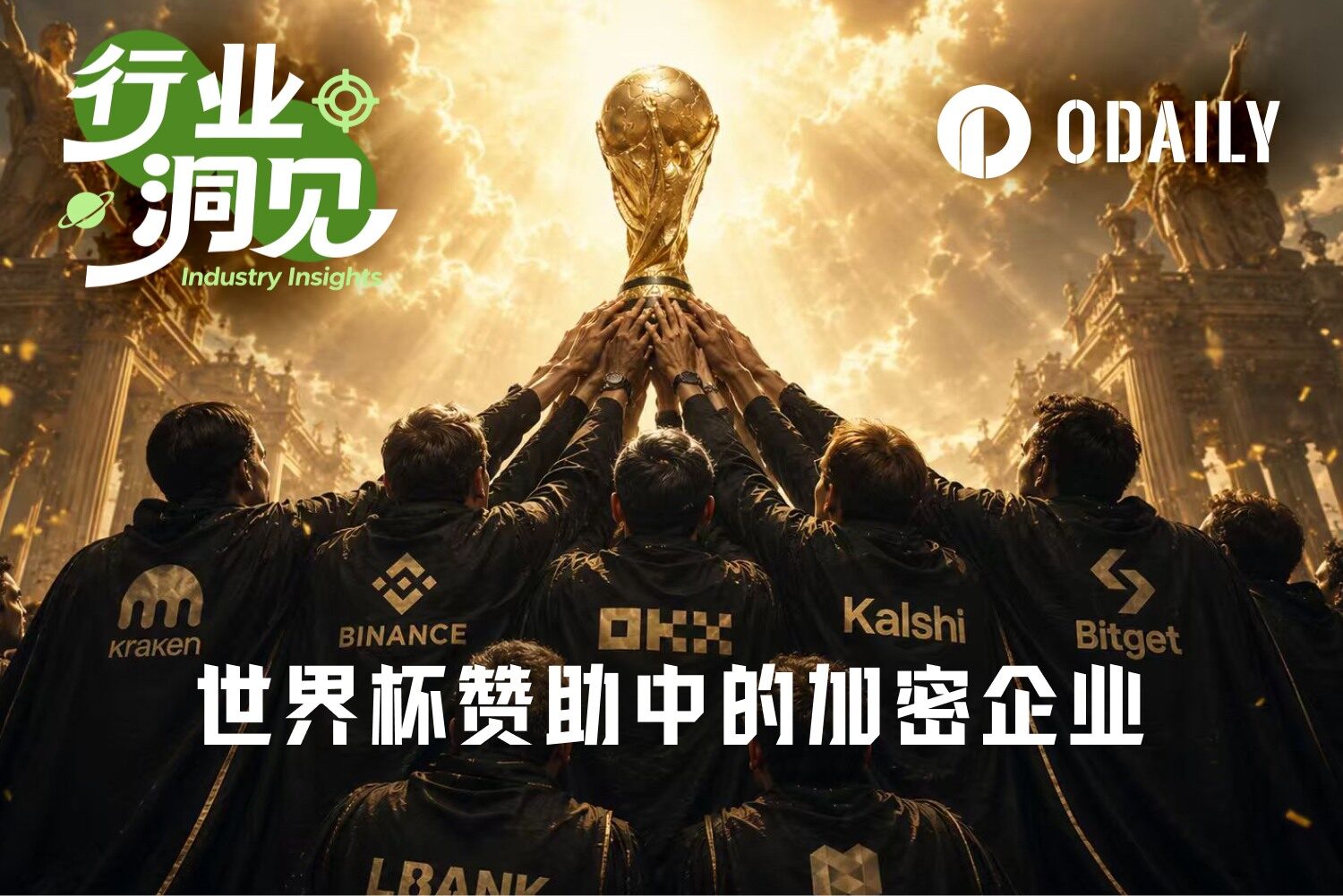
This week, as the 2026 FIFA World Cup enters the knockout stages, attention has intensified. According to Forbes, roughly three-quarters of the global population, or over 6 billion people, are watching or participating in this year's tournament.
Concentrating the attention of most of the world on a single screen simultaneously represents a massive and scarce advertising resource for companies, especially those operating internationally. It is estimated that FIFA will generate record revenue from this World Cup, with marketing and sponsorship contracts alone expected to bring in approximately $2.5 billion to $3 billion, compared to $1.8 billion in sponsorship revenue for the 2022 World Cup.
Such massive exposure is equally important for crypto companies, yet this year, within FIFA's official sponsorship system, crypto firms seem to have collectively gone silent.
FIFA's sponsorships are divided into three tiers: The first tier comprises long-term partners (Lenovo, Coca-Cola, Visa, etc.), the second tier includes global sponsors for the 2026 World Cup only (Hisense, McDonald's, Mengniu, etc.), and the third tier consists of regional and event supplier sponsors (such as Airbnb, American Airlines, etc.). In the crypto space, only Kraken has entered FIFA's official sponsorship system this year, acting as the official crypto exchange sponsor for North America and Europe, falling under the third-tier event supplier category. Its rights include on-field pitch-side advertising display and the ability to conduct fan engagement activities across 16 World Cup host cities.
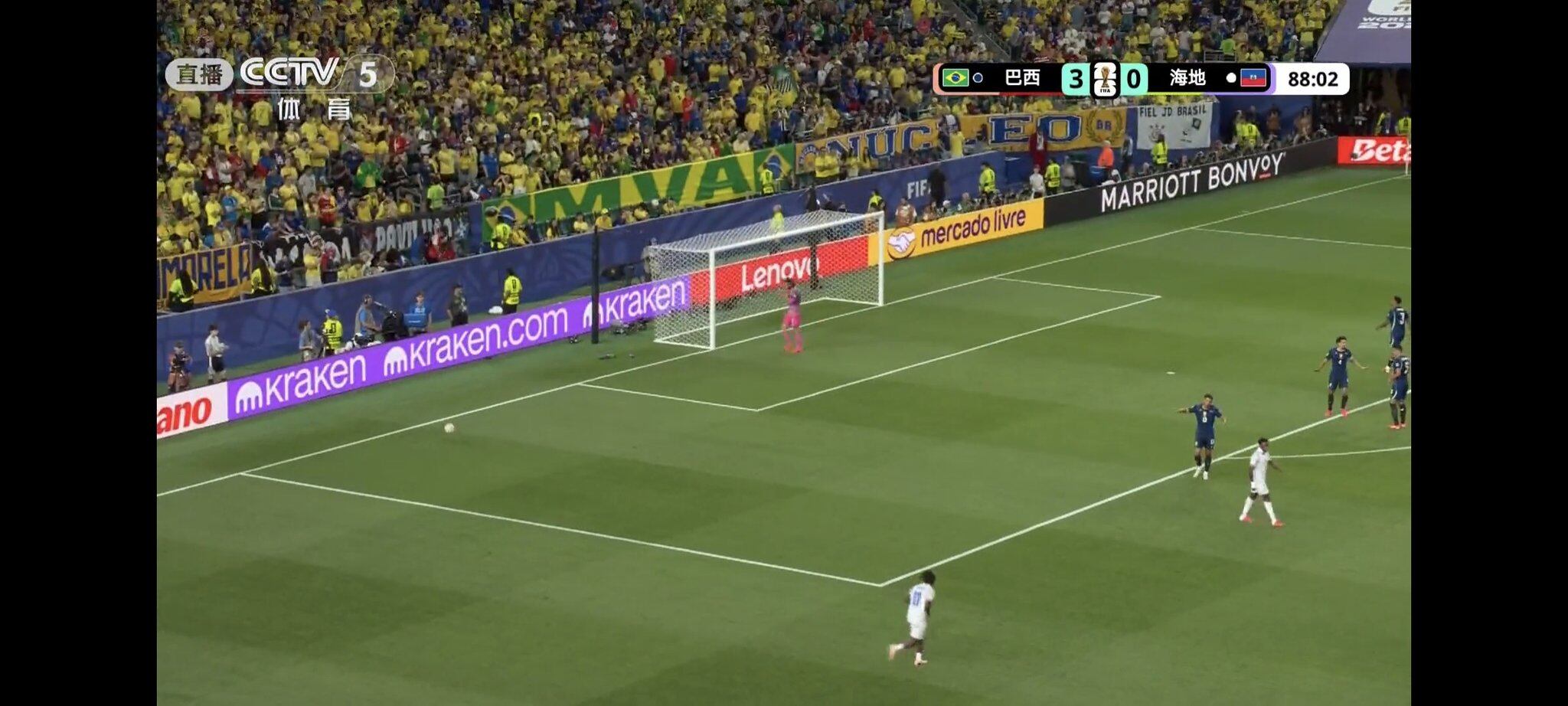
Kraken appears on the perimeter advertising boards around the World Cup pitch.
Previously, in the 2022 FIFA World Cup sponsorship system, Crypto.com signed on as a second-tier sponsor, becoming the sole crypto exchange sponsor for that World Cup. Meanwhile, the public chain Algorand also sponsored the event as the official blockchain platform. Other crypto companies were lavish in their spending on sponsorships for clubs and star players.
Comparing this, it seems crypto sponsors have been less enthusiastic about this year's World Cup. However, they haven't actually disappeared; they've simply become smarter this cycle. Instead of buying the overly broad and expensive official FIFA exposure, they have shifted focus down to "traffic nodes" like national teams and star players that come with massive fan bases and high potential returns.
Crypto Companies Become Main Force in Regional and Star Player Sponsorships
The high cost of FIFA sponsorships has rendered them seemingly not worthwhile for crypto companies. It is estimated that second-tier sponsorship agreements typically range from $65 million to $95 million, while first-tier partner sponsorships are considerably higher. At this price point, companies can secure top-tier sponsorship rights in the club and star player domains, potentially achieving efficiency in reaching World Cup fans that rivals official sponsorship.
OKX Becomes Key Sponsor of Manchester City
A prime example is OKX. In terms of football sponsorships, OKX has directed its financial resources towards Premier League giant Manchester City, also securing top football stars like Erling Haaland.
OKX's partnership with Manchester City began in March 2022 and has since become one of the club's most core sponsors, currently occupying the sleeve sponsor spot for both the men's and women's first teams (Odaily note: reports indicate the three-year deal is worth over $70 million to Manchester City). Previously, OKX held the front-of-training-kit sponsorship for both Manchester City teams.
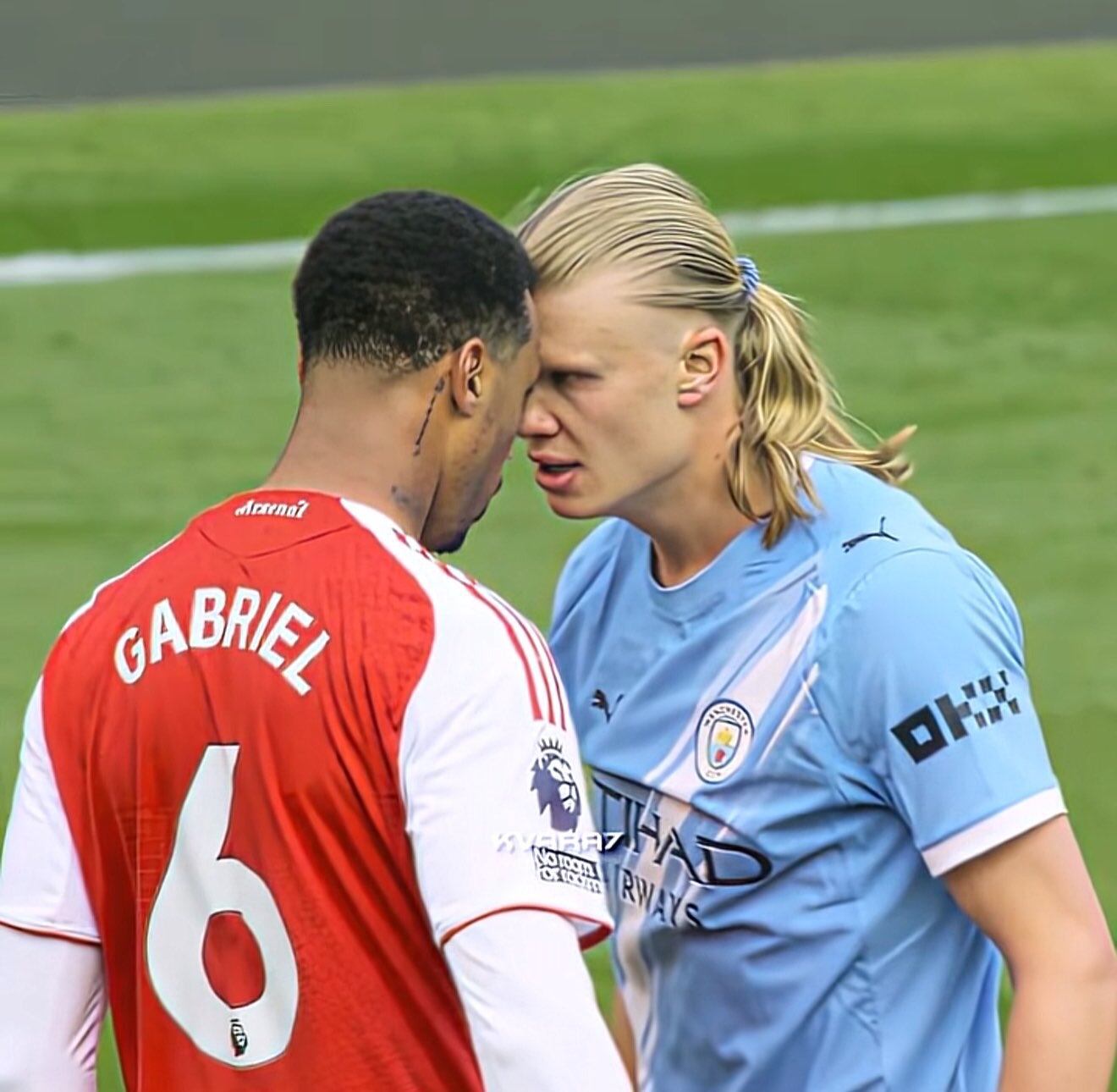
Haaland wears a jersey with the OKX logo during the World Cup.
Beyond club-level brand exposure, OKX clearly understands the viral effect of "star player personal IP" on social media. Erling Haaland, as Manchester City's star player, possesses immense appeal both on and off the pitch. Consequently, Haaland frequently appears in OKX's various official marketing materials as a Manchester City player, integrating his image into global advertising campaigns for products like the OKX Web3 wallet and trading platforms.
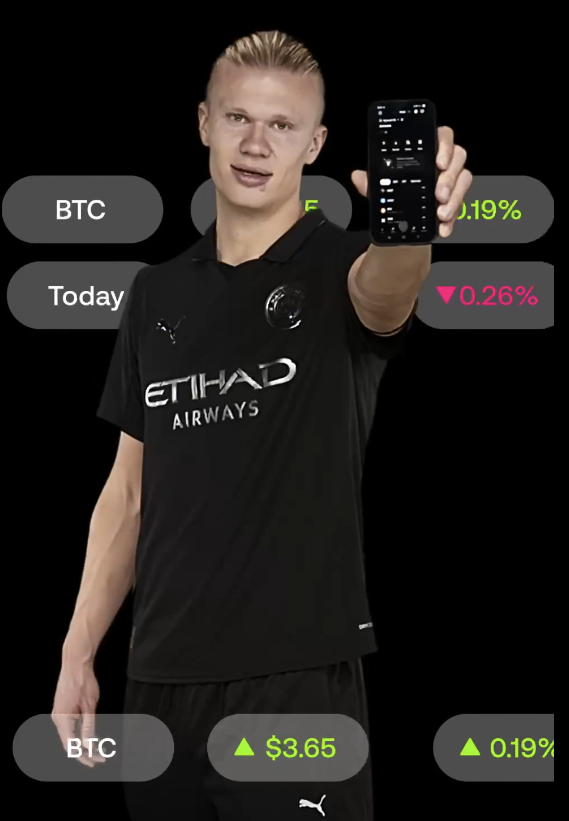
Haaland appears in an OKX product promotional video.
Binance Ties Up with Superstar Ronaldo
Unlike OKX, which indirectly gains star player influence through club sponsorship, Binance chose to directly partner with a football superstar. Binance's collaboration with Ronaldo began in mid-2022, a long-term exclusive cooperation agreement. Binance acquired Ronaldo's image rights and brand endorsement, encompassing social media campaigns and even an NFT collaboration series at the time.
In November 2022, Binance launched the CR7 NFT series, featuring seven dynamic images of Ronaldo with varying rarity levels. However, this activity left Ronaldo with legal risks. In late 2023, US investors filed a class-action lawsuit seeking $1 billion in damages from Ronaldo, alleging his promotion of Binance NFTs misled investors. The lawsuit has not progressed since.
Despite this, the collaboration between Ronaldo and Binance has not been interrupted; Ronaldo continues to appear in Binance's global advertisements, video promos, and other exposures.
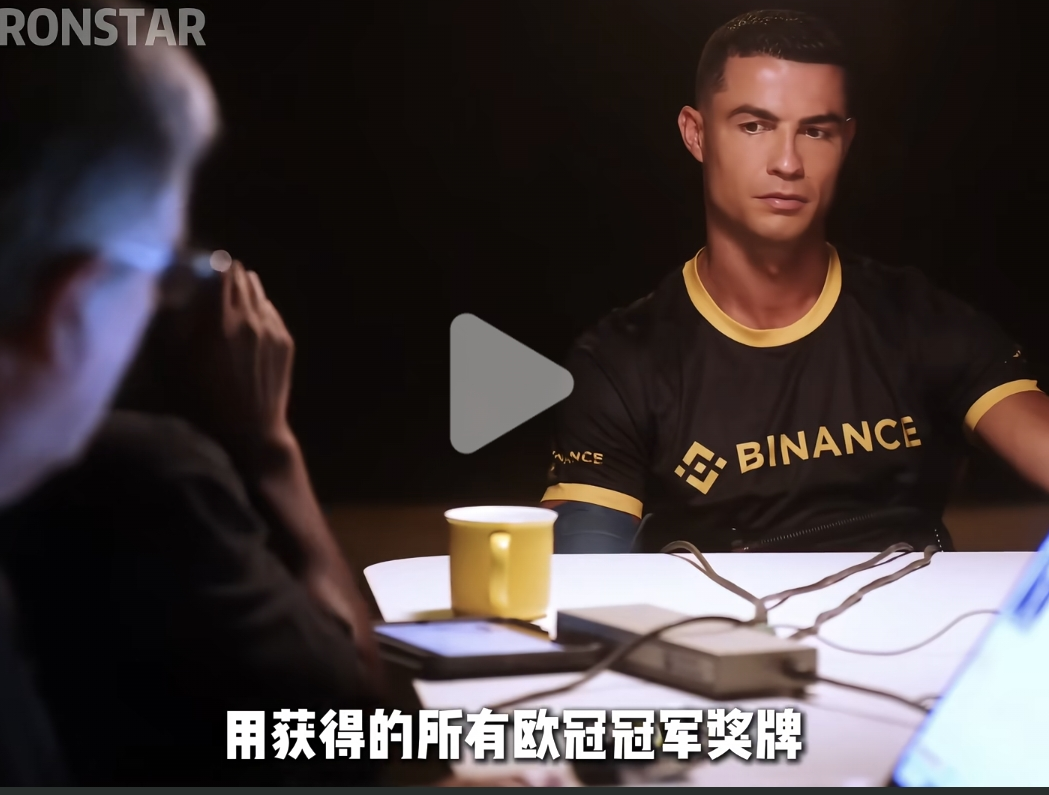
Ronaldo wearing a Binance t-shirt in an interview before the current World Cup.
However, as this partnership began during the last World Cup cycle, Binance has made relatively few new moves in football sponsorship in recent years. At the national team level, Binance signed a 5-year contract with the Argentine Football Association (AFA) in 2022, but unilaterally terminated it on July 17, 2023. The reason involved disputes over product delivery leading to a breakdown in the relationship. The annual value of that contract was reportedly around $8 million. This experience might be why Binance has not expanded its football sponsorships in recent years.
Argentina's AFA Holds Over 6 Crypto Sponsorships
But the broken partnership with Binance hasn't dampened the AFA's enthusiasm for accepting crypto company sponsorships. In fact, it is now the football association holding the most crypto sponsorships, expertly leveraging various second-tier exchanges and crypto platforms looking to attract user deposits:
- LBank: In September 2025, LBank signed a multi-year cooperation agreement with the AFA, becoming a regional sponsor of the Argentine national football team. Upon officially announcing the partnership, LBank also launched a $100 million prize pool to support event promotion.
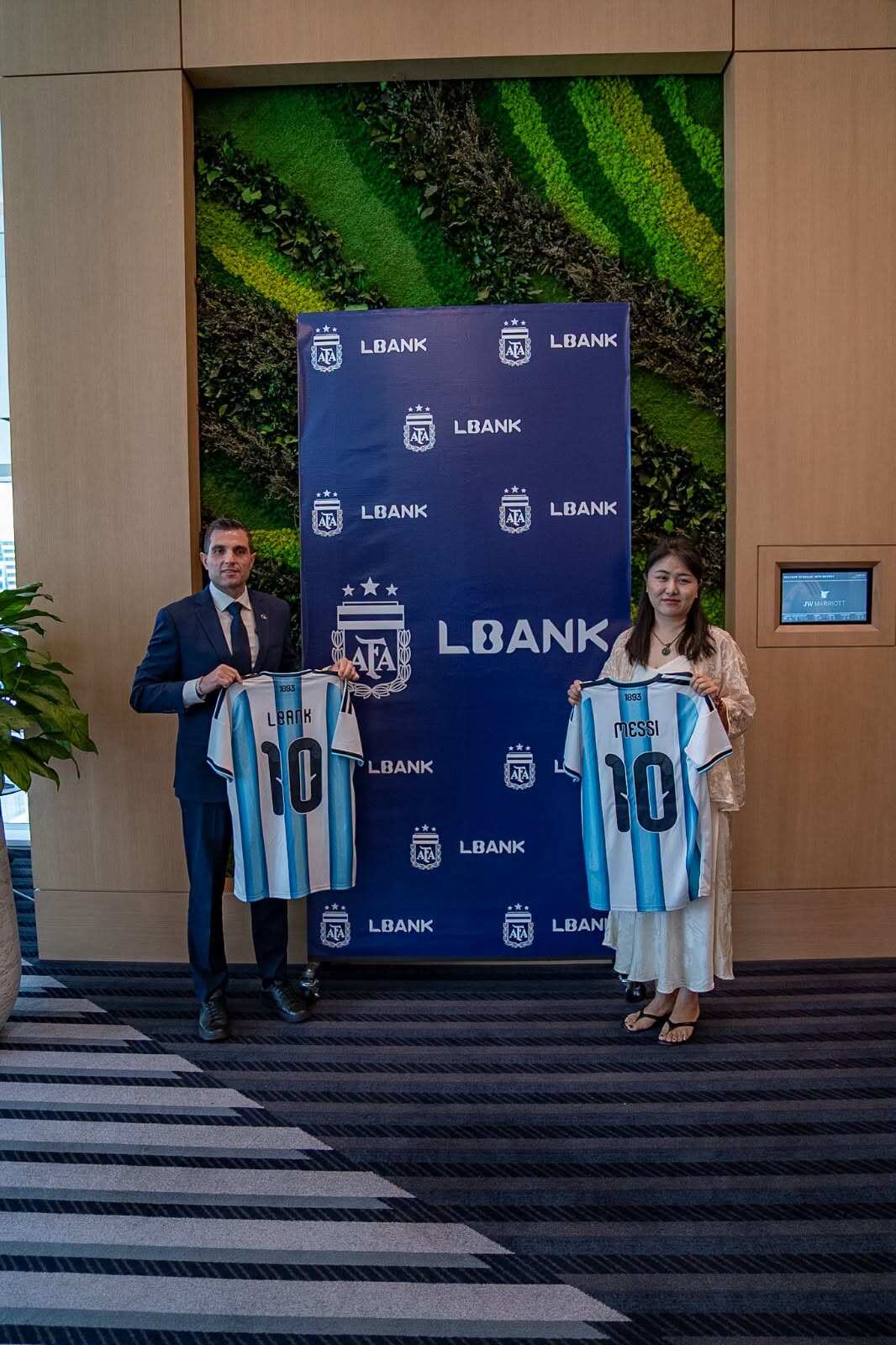
LBank joint event with the Argentine Football Association.
- Crypto lending platform Nexo signed a multi-year agreement with the AFA on April 14, 2026, becoming its official digital asset partner for South/Latin America.
- BTCC signed a multi-year regional partnership agreement with the AFA on April 2, 2026.
- XBO.com signed a one-year agreement with the AFA in 2025, becoming its official global sponsor for 2025, focusing on events that year and the preparation period for the 2026 World Cup.
- Crypto derivatives exchange Deepcoin signed a multi-year regional sponsorship agreement with the AFA in March 2026, specifically covering Asian/regional markets like Vietnam and Taiwan.
- ATFX signed a multi-year regional sponsorship agreement with the AFA in January 2026.
Bitget Deeply Binds with Messi
Similar to Binance's strategy, although Bitget hasn't sponsored the AFA, it has directly secured football superstar Lionel Messi. In 2022, Bitget announced a partnership with Messi, naming him a global brand ambassador. Leveraging Messi's iconic number 10 jersey and Bitget's then-flagship product, Copy Trading, they launched global brand campaigns. As Messi ultimately led Argentina to win the 2022 World Cup, this partnership became a classic case study in Bitget's brand development history.
Currently, the collaboration is still active, with Messi continuing to appear in Bitget's global advertisements and brand videos. However, a drawback of this individual endorsement is that Bitget's logo cannot accompany Messi onto the pitch for on-camera exposure during matches.
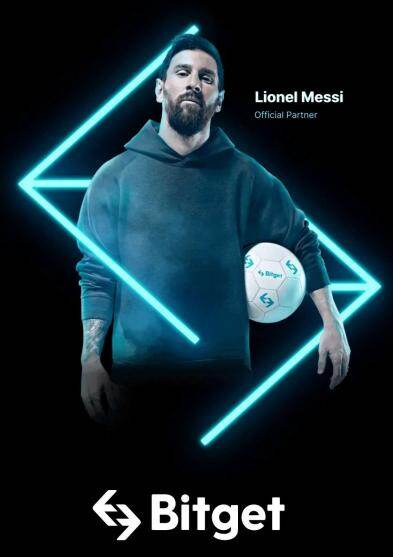
Bitget global brand ambassador Lionel Messi.
Kalshi Hitching a Ride on Ads
Attentive World Cup viewers will notice the name of prediction market Kalshi appearing on the stadium perimeter advertising boards. The quadrennial World Cup presents a rare growth opportunity for all prediction market projects. Every team has been heavily promoting and running campaigns around the tournament, but Kalshi is the only prediction market project to get on-screen exposure during the World Cup.
However, Kalshi is not part of FIFA's official sponsorship system. Reports suggest Kalshi even rejected FIFA's sponsorship offer of around $150 million. So how did they manage to appear?
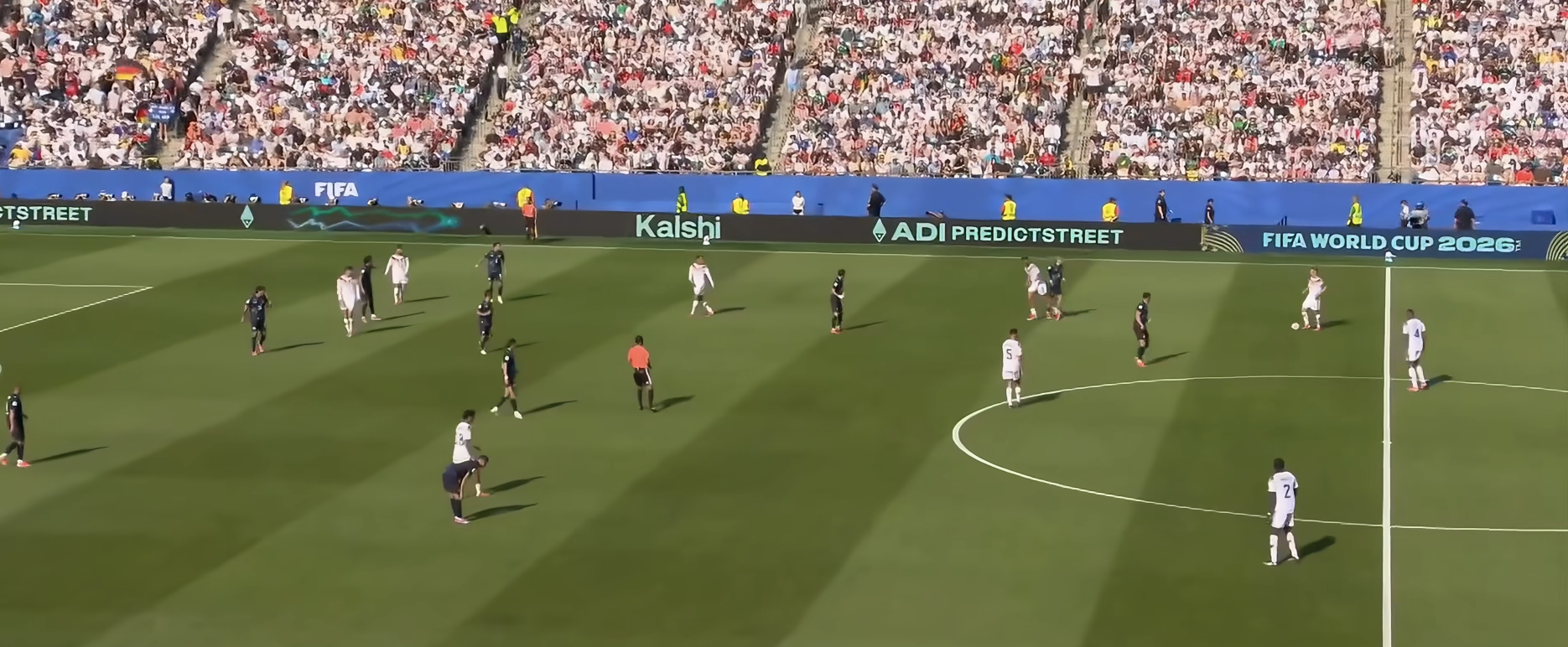
Kalshi appears on World Cup perimeter advertising boards.
This stems from ADI Predictstreet. On April 2, 2026, ADI PredictStreet became FIFA's exclusive official World Cup prediction market partner. Consequently, on June 26, the "shrewd" Kalshi announced a strategic brand and product partnership with ADI Predictstreet. The brand collaboration mainly involves, starting from the knockout stage, Kalshi sharing advertising space with ADI Predictstreet for co-branded promotion across stadium venues, television, and online platforms.
Therefore, as shown in the picture above, Kalshi appears alongside ADI Predictstreet on the perimeter advertising boards around the pitch. Reports indicate that to have the Kalshi logo displayed next to ADI Predictstreet during matches, Kalshi paid ADI Predictstreet approximately $20 million. Compared to FIFA's $150 million sponsorship offer, Kalshi's "circuitous route" achieved significantly higher cost-effective exposure.
Why This Shift?
Crypto companies' sponsorships at the World Cup haven't completely disappeared. They've simply realized that for the unique crypto industry, rather than blindly seeking "ineffective exposure" through official events, partnering and interacting with top-tier, popular football IPs yields brand benefits comparable to the World Cup itself, for far less expense.
However, in terms of timing and new signings, the number of new deals for this World Cup is noticeably lower than the last. Many crypto companies' football sponsorships originated in 2022 and haven't been expanded upon in recent years.
On one hand, this is closely tied to the industry environment. Around 2022, the crypto market was still in a bull run, with Bitcoin hitting an all-time high in November 2021. The industry narrative of "mass adoption" was still vibrant, leading to a flood of crypto capital into sports sponsorships. But by 2026, both market conditions and industry confidence seem like illusions, as ethereal as a reflection in water or a flower in a mirror.
On the other hand, top-tier, profitable crypto companies have gradually become disenchanted with sponsoring such major international events. In April, Bybit CEO Ben explained for the first time why the company did not renew its Red Bull F1 sponsorship contract. He stated that the commercial value of the F1 sponsorship had been declining year by year, while the cost of activating all sponsorship rights kept rising. The mere cost of maintaining the execution team could far exceed the sponsorship fee. He also pointed out that the guest list became rigid over the years, filled with "social obligations," leading some to feel they were "entitled to an invitation." Not inviting them could actually harm business relations.
The dilemma Bybit faced with F1 sponsorships may well be the same dilemma crypto companies currently face with World Cup sponsorships. For crypto companies increasingly emphasizing ROI in the current market climate, spending a billion dollars on an "official partnership identity" is less appealing than allocating the budget towards a championship team, a superstar player, or even subtly "hitching a ride" on a perimeter advertising board.
The World Cup remains the world's premier traffic draw. Crypto companies haven't left the World Cup; their investment logic has simply shifted from a wholesale display of "cash power" towards dispersed, low-key, and effective collaborations.


