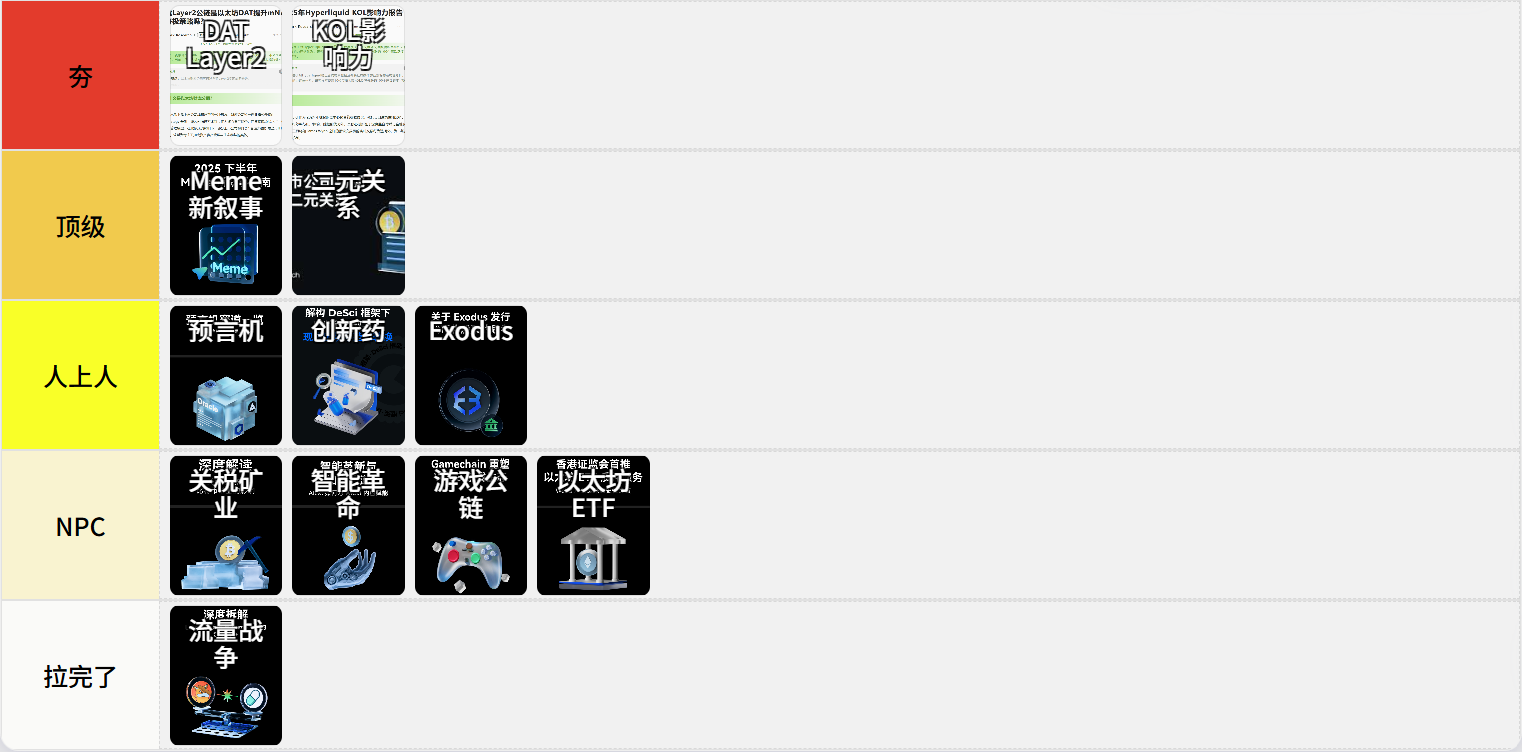
From Hot to Low: A Critical Review of a Web3 Creator's 2025


- 核心观点:2025年Web3行业加速,内容创作需紧跟热点。
- 关键要素:
- DeSci叙事与现实创新药研发存在周期错配。
- AIGC与Memecoin结合是双向赋能关系。
- 上市公司自建Layer2是战略跃迁,非仅金融资产。
- 市场影响:推动行业叙事更迭与资本策略进化。
- 时效性标注:中期影响
Recently, ranking everything online using a "hot to pull" approach seems to apply to everything. As someone working in the Web3 industry, my impression of 2025 can be summed up in two words: "acceleration . " Having witnessed world-shaking events like Trump's cryptocurrency launch, the tariff war , the "Genius Bill," and "10/11," it feels like the entire capital market and crypto world have been put on an accelerator since Trump took office. The events of 2025 alone are equivalent to the sum of the events of the past two to three years. Meanwhile, as a content creator, I've consistently produced one in-depth article almost every month. But in these last few days of 2025, I reread these articles and realized that some were well-written, while others were less than satisfactory. So, at the end of 2025, I'll use this "hot to pull" framework to rank my own articles.
1. Deconstructing the Real-World Dilemmas and Paradigm Shifts of the "Innovative Drug" Narrative within the DeSci Framework
Author's Notes
The DeSci narrative, hyped since Q4 2024, has been, in my opinion, a "pseudo-narrative." While CZ and Vitalik Buterin have endorsed several biotech projects issuing tokens, they are not actually experts in the life sciences field. As a biotech VC investment manager with two years of experience, my understanding of innovative drugs is probably slightly better than most crypto veterans. For example, an innovative drug team discovers a large molecule, which requires a 10-year clinical trial cycle (Phase I, II, III), completely mismatched with the investment pace in the crypto world. Therefore, I believe this narrative will ultimately fail, becoming another unfulfilled narrative in the crypto space. After discussing the topic with former colleagues multiple times, we ultimately chose this relatively mild title.

Selected Articles
"The author believes that the high proportion of life sciences in the crypto DeSci industry is primarily due to the fact that, after accumulating sufficient wealth, opinion leaders in the crypto industry have satisfied all five levels of Maslow's hierarchy of needs and are beginning to focus more on issues related to life extension. From a fundamental perspective, there is a mismatch between the DeSci model in the crypto space and real-world innovative drug development in terms of resources, timelines, and operations."
Sharp Commentary
Content Innovation: Four Stars
Content distribution: Samsung
Content reassessment: No additions or subtractions
Overall rating: Superior Person
2. Intelligent Innovation × Encryption Wave – How AIGC Empowers Web3 Content
Author's Notes
This article is about a topic I've personally been eager to write about, inspired by a project I saw while working in venture capital. It was July 2024, right when Memecoin was at its peak. Pump.fun had lowered the barrier to entry for issuing tokens to an extremely low level, leading to a surge of startups centered around memes. One project that caught my attention was a platform that collected trending meme images. They used web crawlers to scrape memes from social media platforms like TikTok, then crowdfunded to issue Memecoins. Their advantage lay in their data scraping speed and their ability to predict the trend of the memes after their release. This made me think that Memecoin issuance was also a streamlined process: upstream was the scraping of trending memes, midstream was the issuance platform, and downstream were retail investors and market makers.
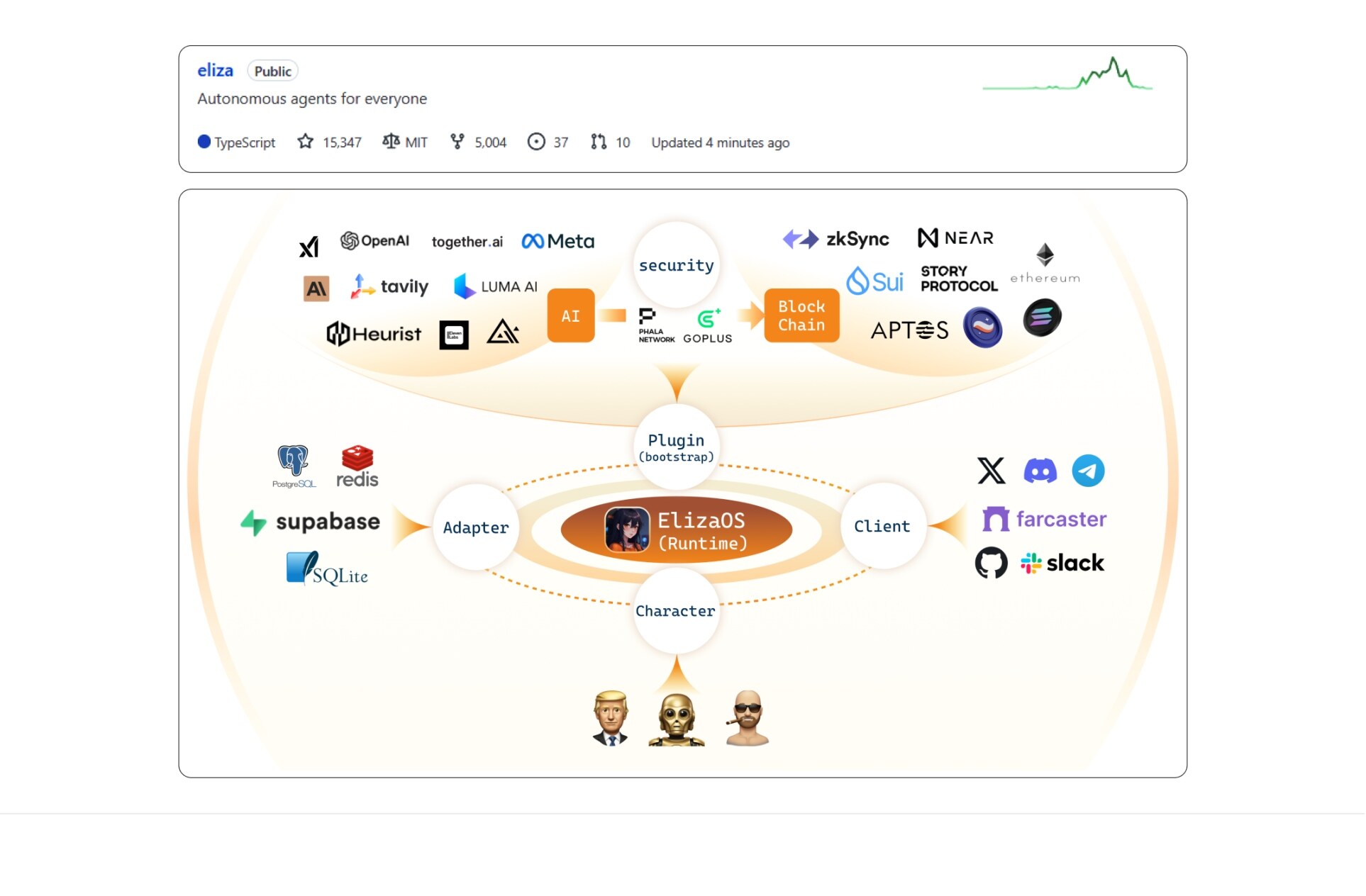
Then, coinciding with the explosive popularity of DeepSeek in early 2025, I began to consider how AI and Memcoin could be combined. As a cultural symbol, Memcoin still needs content support. Therefore, I thought about the two-way relationship between AI empowering Meme and Meme empowering AI. It's somewhat similar to what the well-known blogger Zhang Zala said: "content productization" and "product contentization." Generating content for PEPE using Nano Banana and GPT is content productization; while some entertainment-related AI agents like Luna are product contentization. However, these don't generate economic benefits for the authors or developers, requiring a public blockchain like Story to distribute economic returns. But rereading this article, I personally feel that many ideas are too idealistic, and the overall results are less than satisfactory.
Selected Articles
"AIGC can not only add content to existing Meme images, but AIGC technology can also use Agent as a carrier to provide users with richer services. If Memecoin's AIGC empowerment is a 'new interpretation of old ideas' in Web3 content, then AI Agent represents a paradigm shift in AIGC technology from content production to service interaction."
Sharp Commentary
Content Innovation: Four Stars
Content distribution: Samsung
Content reassessment: minus one star
Summary given to: NPC
3. In-depth analysis of the impact of tariff policies on Bitcoin mining
Author's Notes
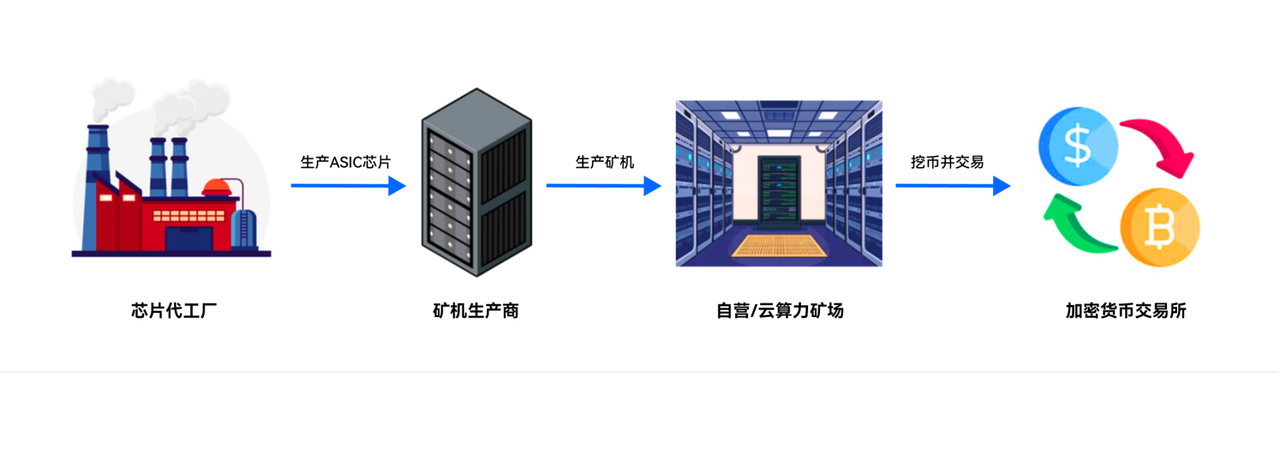
This is an assignment given to us by my former company, against the backdrop of Trump's "mad" tariff policies causing widespread panic in global capital markets. In this context, let's analyze the impact of tariffs on the industry. As we all know, the cryptocurrency industry is closely linked to the real economy, particularly mining. The implementation of tariffs had a significant impact on overseas mining farms in countries like Iran, Uzbekistan, and Ethiopia. In reality, the tariffs had the greatest impact on mining machines, followed by mining farms, and finally cloud computing platforms. Of course, Trump eventually withdrew most of the tariffs, and the capital markets experienced a false alarm.
My former boss assigned me a small team of three. Two of my colleagues were very nice and hardworking. If that setup had continued, we probably would have produced a lot of high-quality content. This essay topic is quite time-sensitive; after the tariff policy changes, reading this article will be less relevant.
Selected Articles
Following Trump's announcement of tariffs, Bitcoin mining companies experienced varying degrees of decline, with stock performance across different sub-sectors showing some divergence. Mining machine manufacturers saw the most significant drop in the past month, primarily due to the impact of tariffs on both the supply and demand sides of the industry. Self-operated mining farms were mainly affected by the supply side, while the business of selling Bitcoin to cryptocurrency exchanges was less impacted. Cloud mining farms, with their inherent risk buffering mechanism—essentially transferring the cost of mining machines to customers through computing power service fees—and with some customers directly sharing hardware investment through mining machine hosting agreements, the erosion of platform profits by mining machine premiums is significantly less than in traditional mining models.
Sharp Commentary
Content Innovation: Two Stars
Content distribution: Samsung
Content reassessment: minus one star
Summary given to: NPC
4. Undervalued high-growth sectors: Finding the second growth curve through oracles.
Author's Notes
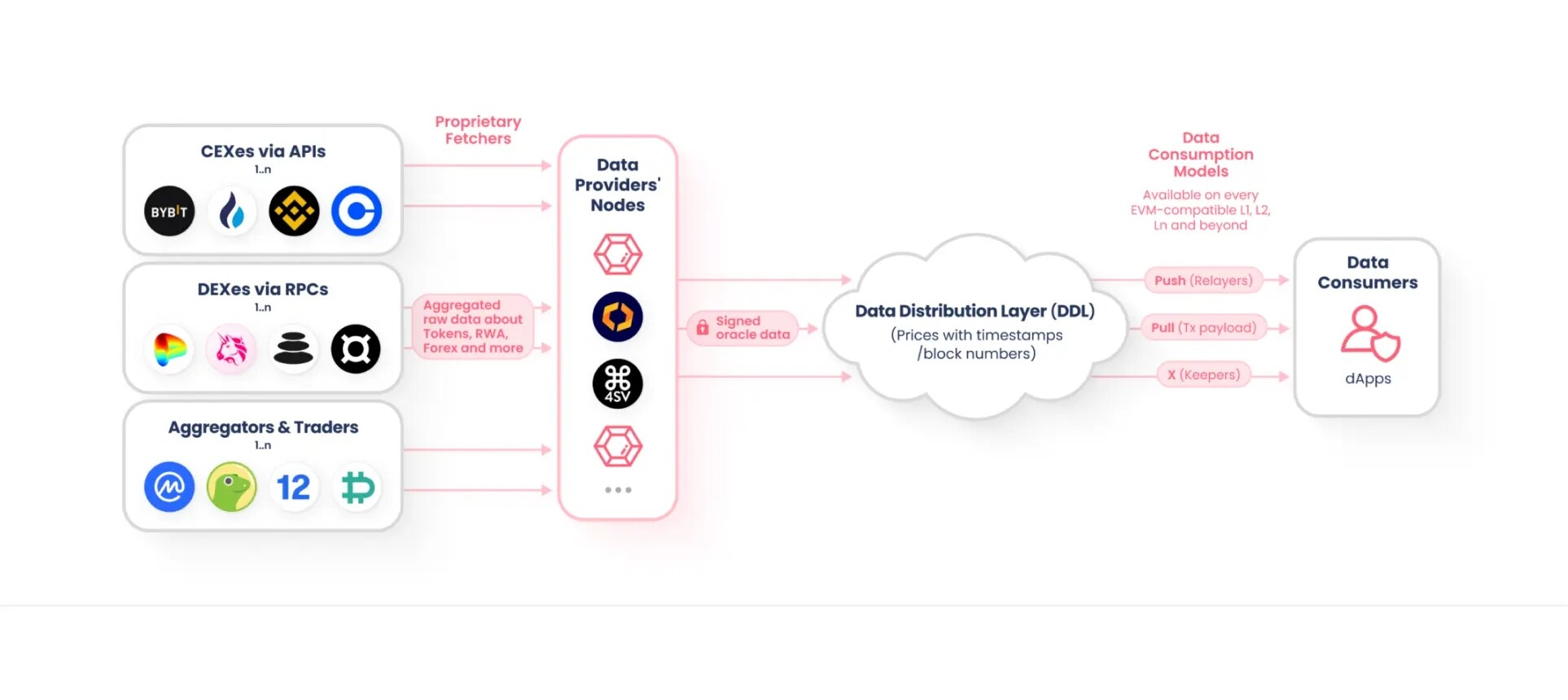
This topic was chosen from a pool of research topics; my former company required each researcher to produce two articles per month. Oracles are a rather interesting topic. When I first entered the field, I didn't understand many concepts, and oracles were one of them. Because I needed to write about this topic, I did a lot of research. In the area of "price feeds," Chainlink's competitive advantage is already quite deep; it's difficult for newcomers like Pyth, Redstone, and API3 to challenge it. I still believe that the future opportunities for the oracles industry lie in processing complex, non-standardized data, such as clinical data, industrial data, and code data, rather than traditional financial data. It seems that financial data has little chance of challenging Chainlink. This article felt a bit formulaic, and I didn't particularly enjoy it.
Selected Articles
Non-financial assets refer to assets whose prices cannot be reflected in real time and require mathematical modeling or other methods to reflect their price at a specific point in time. Examples include real estate, charging piles, photovoltaic modules, and artwork. Taking charging piles and photovoltaic panels as examples, users invest in tokenized assets through on-chain funds, but these cash flow assets are significantly affected by weather, environment, and equipment management, which may influence the distribution of their future cash flows. For these non-financial assets, oracles need to provide more complex services, such as accessing data sources that reflect the asset's status and influencing factors (e.g., weather data, equipment operation data), and combining this information with mathematical models to transform it into reliable on-chain prices or risk assessments, thereby supporting the valuation and management of non-financial RWA tokens.
Sharp Commentary
Content Innovation: Samsung
Content distribution: Four stars
Content reassessment: minus one star
Overall rating: Superior Person
5. From General-Purpose to Special-Purpose: How Game Chain is Reshaping the Web3 Game Ecosystem
Author's Notes
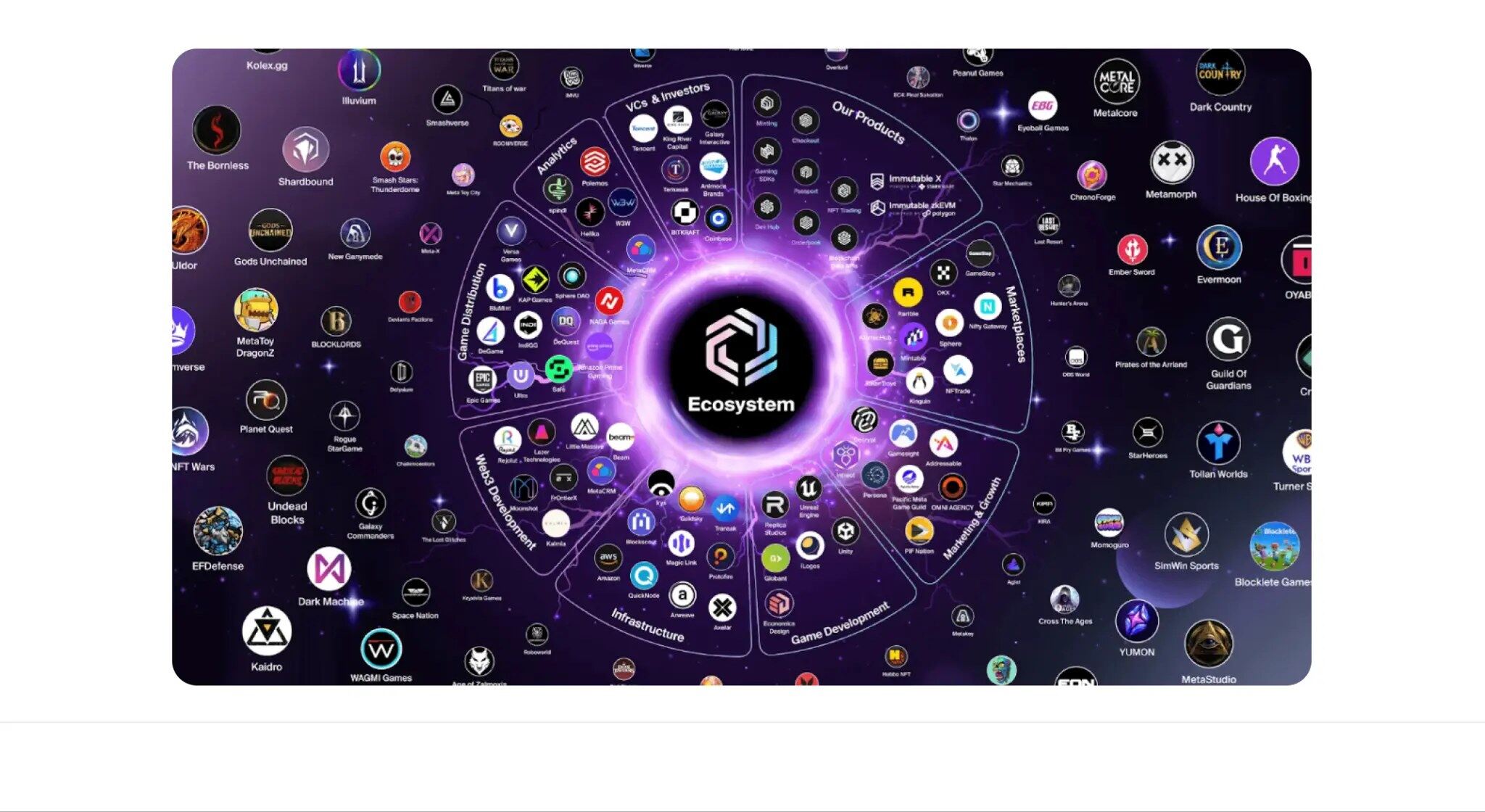
This topic was chosen from a pool of potential projects. Gaming has always been a subject of personal interest, and I've reviewed many gaming projects during my time working in Web3 VC. This article primarily analyzes several game-specific public blockchains, such as WAX, ImmutableX, and Ronin, examining their gaming ecosystems and resource endowments. However, what I didn't expect was that the entire GameFi ecosystem, from games to public blockchains, froze in 2025. IMX's price plummeted by 82%, RON's by 92%, and SAND's by 79%, all exceeding the declines of mainstream altcoins. But then again, Web2 gaming hasn't fared well this year either, with no globally popular titles released. No wonder Dembele won the Golden Globe this year! The decline of the blockchain gaming sector this year—I wonder if it's the crypto market dragging down gaming, or gaming dragging down blockchain?
Selected Articles
Gaming is a relatively new industry, with Web2 online gaming only about 50 years old. Looking at the development of Web2 games, high-quality game studios have the opportunity to grow into industry giants (such as Blizzard Entertainment and Game Science), while internet companies with strong financial resources also expand their businesses into the gaming field, becoming industry leaders (such as Tencent and NetEase). A similar situation exists in the Web3 field. Sky Mavis, with its blockbuster game Axie Infinity, has gradually evolved from a game studio into a giant in the Ronin gaming ecosystem; while general-purpose public chains such as Polygon and OpBNB, with their strong financial resources, have also released several influential games.
Sharp Commentary
Content Innovation: Two Stars
Content distribution: Samsung
Content reassessment: minus one star
Summary given to: NPC
6. The Hong Kong Securities and Futures Commission (SFC) launched the first Ethereum spot ETF staking service, marking a historic breakthrough for the Web3 industry.
Author's Notes
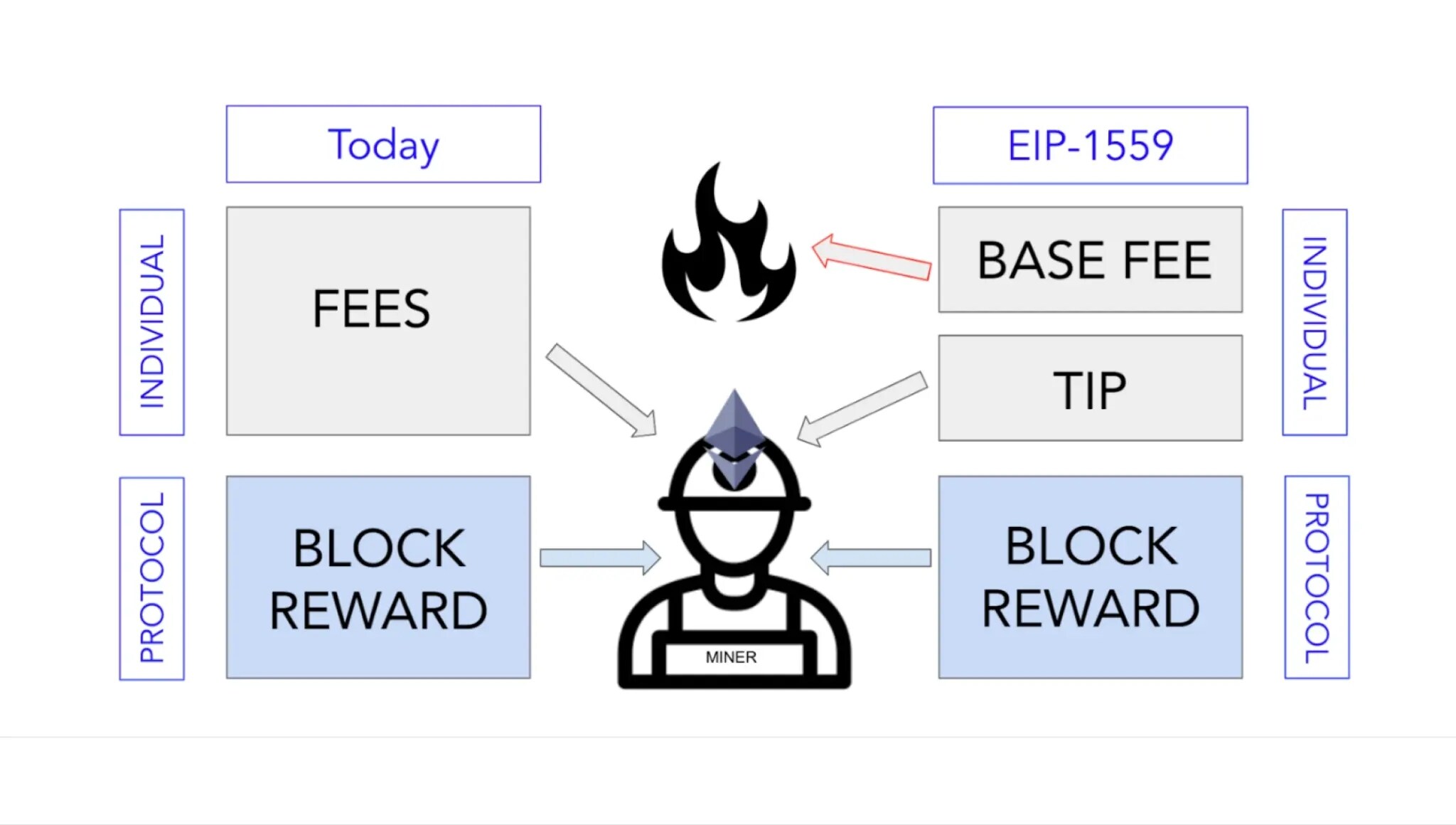
This article deals with a topic closely related to policy: the introduction of staking services for Ethereum ETFs in Hong Kong. Theoretically, this should make them more competitive than US Ethereum ETFs that don't offer staking. However, in reality, after the policy was introduced, there wasn't much net inflow of funds into the Hong Kong-launched ETFs, and liquidity remains far inferior to that of the US. This is a short report, essentially introducing the benefits of Ethereum staking to readers. Looking back at this article, perhaps the biggest takeaway is the increased understanding of the EIP-1559 proposal during the research phase; it turns out that node rewards and trading volume are not entirely linearly related.
Selected Articles
Let's ask another question: why has the yield on ETH staking continued to decline, lagging significantly behind SOL? I believe the passage of EIP-1559 is a crucial reason. This proposal aims to reduce ETH's inflation rate, thereby further optimizing Ethereum's economic model. Before EIP-1559, nodes received the base transaction fees plus Tips fees from traders on-chain. After EIP-1559, nodes only receive Tips fees paid by traders, while the base Gas fees are directly burned to ensure a stable deflationary mechanism in the ETH economic model. Ethereum nodes and ETH stakers have suddenly lost a significant source of income.
Sharp Commentary
Content Innovation: One Star
Content distribution: Samsung
Content reassessment: No additions or subtractions
Summary given to: NPC
7. In-depth analysis of the traffic war between Letsbonk.fun and Pump.fun
Author's Notes
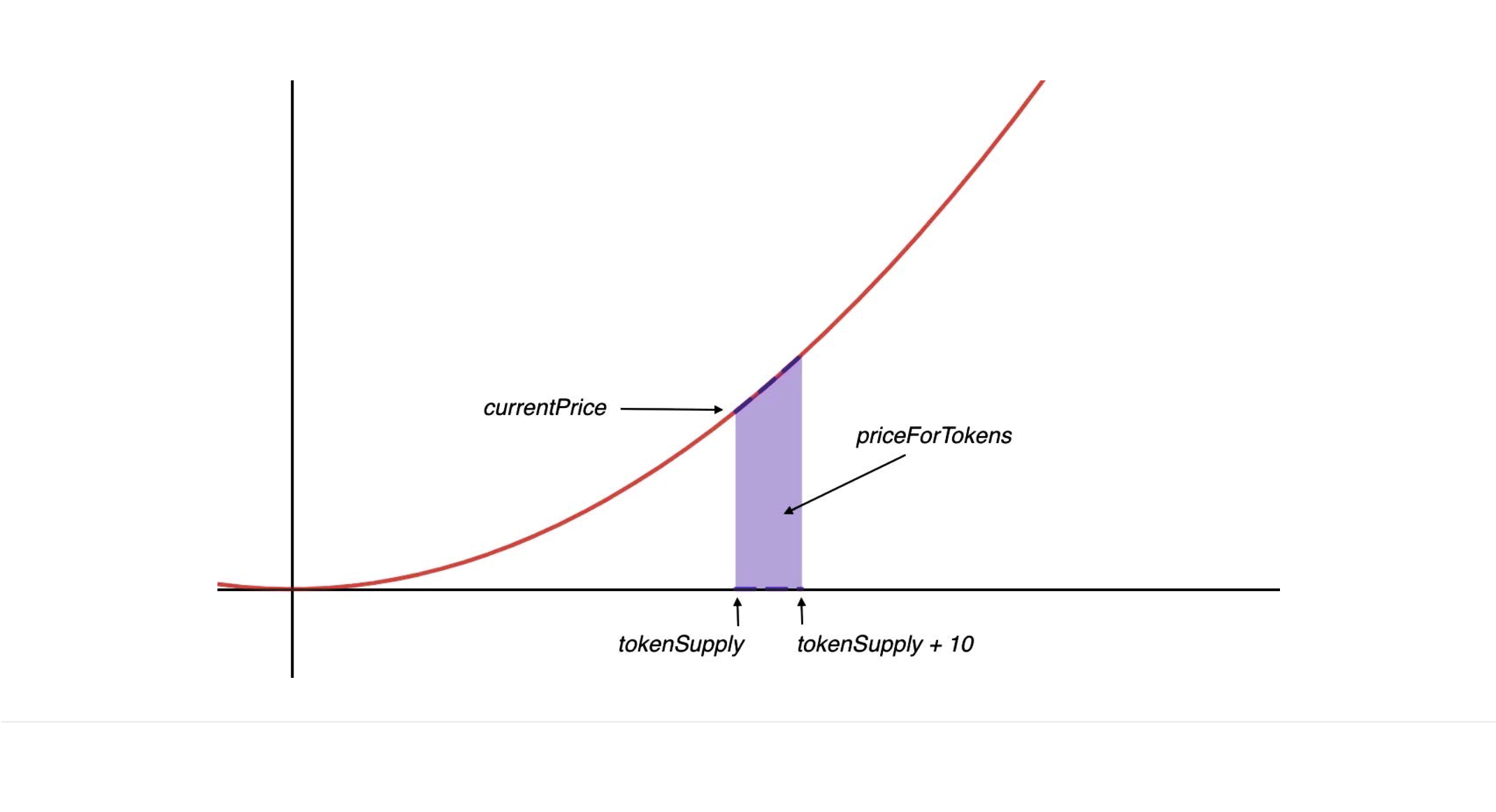
This is, in my opinion, one of the weaker pieces, because there weren't many new narratives in July of this year, so there weren't many topics to discuss. Letsbonk.fun was another challenger to Pump.fun at the time, but the platform incubated by Bonk was generally quite immature, with a relatively simple UI and product structure, making it incomparable to the complex product like Pump.fun from a product perspective. The reason for comparing the two is that Letsbonk.fun also produced some "golden dogs" at the time, allowing its Memecoin issuance to surpass Pump.fun's within a few weeks.
Selected Articles
As newcomers to the one-click token issuance field, Letsbonk.fun and Pump.fun differ primarily in their driving methods. Letsbonk.fun's founder, Tom, is also the founder of the Bonk token, demonstrating a mastery of community-driven Memecoin growth strategies. Pump.fun, as the pioneer of one-click token issuance, primarily relies on code technology, making token issuance a convenient tool. Pump.fun's on-chain addresses repeatedly transferred SOL to the centralized exchange Kraken, drawing criticism from the community. Letsbonk.fun, on the other hand, announced an incentive program for Memecoin projects from its launch, sharing token issuance profits with community users.
Sharp Commentary
Content Innovation: Two Stars
Content dissemination: One star
Content reassessment: minus one star
In summary: I've finished pooping.
8. A New Narrative Guide to Memes for the Second Half of 2025
Author's Notes
This is an article I had high hopes for. At my previous company, I wrote 12 long articles, four of which were related to Memecoin. Many readers are hoping to find the next PEPE or the next BOME, though we all know the odds are extremely low, like winning the lottery. In 2024 and 2025, many cultural and AI symbols became hot memes, such as Wukong, Nezha, and Grok. Therefore, this article attempts to establish a methodology to let readers know in advance about potential hot topics, so that if a "golden dog" appears, they have a greater chance of not missing it. However, judging from the results, these domain-type memes that increased more than 10 times in value no longer appeared on chain scanning tools like GMGN, which also reflects that altcoins were relatively quiet in the second half of the year.
Selected Articles
However, for retail investors, the first wave of opportunities driven by KOLs is extremely difficult to capture, while the market opportunities for another type of meme are easier to predict. This type of meme is the on-chain representation of a wildly popular real-world concept. Since the IP itself is not a physical asset, it cannot be mapped on-chain via RWA (Real-World Application), so its popularity can only be brought to the chain through memecoins. Representative examples include memecoins related to the game "Black Myth: Wukong," the movie "Nezha," the large-scale model "DeepSeek," and "Grok."
Sharp Commentary
Content Innovation: Five Stars
Content distribution: Samsung
Content reassessment: No additions or subtractions
Overall rating: Top
9. Analyzing the binary relationship between listed companies and cryptocurrencies
Author's Notes
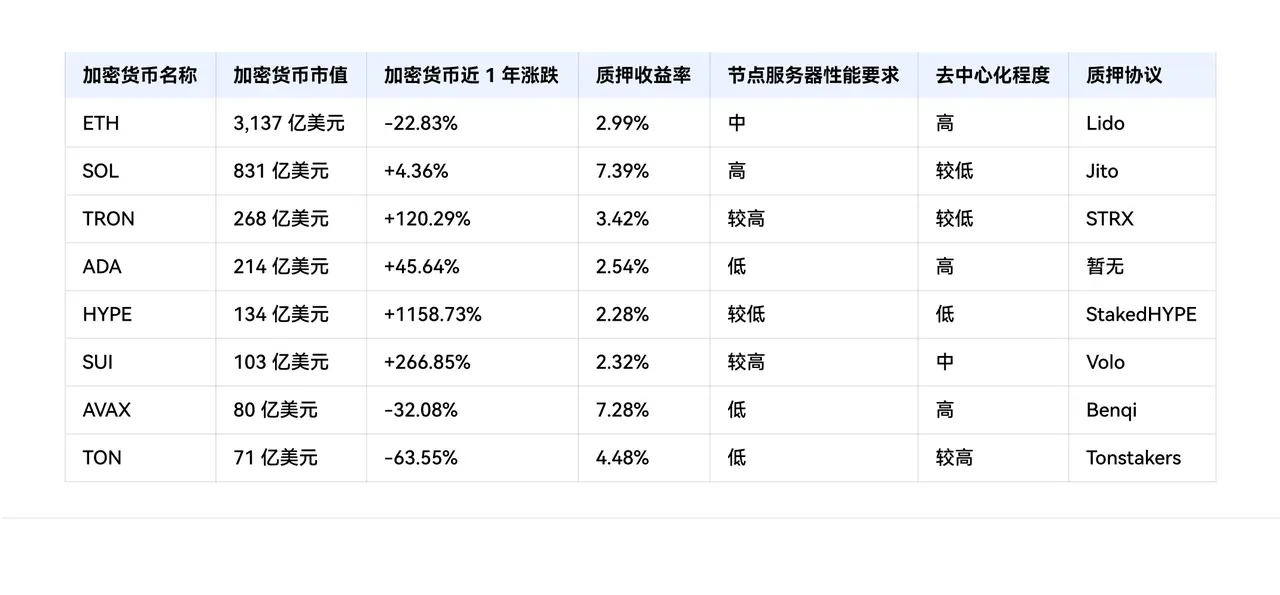
The background to writing this article is the surge in popularity of DAT (Treasury Token) in the second half of the year. Many listed companies have followed suit, learning from the MSTR method and building DAT tokens with BNB, ETH, SOL, and HYPE as underlying assets. Some friends from my previous experience in private equity investment have also consulted me about how this works. This article was originally intended as a guide for listed companies on how to buy tokens. For example, some companies with weak core businesses who want to use convertible bond financing to transform into DAT companies and turn their fortunes around should ideally accumulate SOL or ETH, as the staking returns can cover financing costs. Other companies with stable cash flow from their core businesses, such as insurance companies, can accumulate BTC or LTC, as mining coins are similar to gold and silver, serving as reserve assets. However, on the other hand, the Solana Foundation is also looking for the most suitable listed company to act as the MSTR for the SOL token. Therefore, token projects also have a demand for listed companies to accumulate tokens. Ultimately, the title became a binary relationship between the two. From the final presentation, I am quite satisfied with this article.
Selected Articles
The staking yield can be compared to the stock dividend yield. From the perspective of listed companies, the needs of becoming a PoS token hoarder can be divided into three categories: (1) to obtain high staking yield, which can cover financing costs while generating positive cash flow. (2) to obtain high asset appreciation and drive stock price growth. (3) to occupy a core position in the ecosystem and strategically position themselves around the public chain ecosystem. Pursuing high staking yield: SOL has a high staking yield and stable public chain transaction volume; pursuing value growth: HYPE has a transaction fee buyback mechanism and the token price has increased tenfold; pursuing ecosystem layout: ETH has a high degree of decentralization and low Layer2 development difficulty.
Sharp Commentary
Content Innovation: Samsung
Content distribution: Four stars
Content reassessment: Add half a star
Overall rating: Top
10. Thoughts on Exodus's on-chain issuance of tokenized shares
Author's Notes
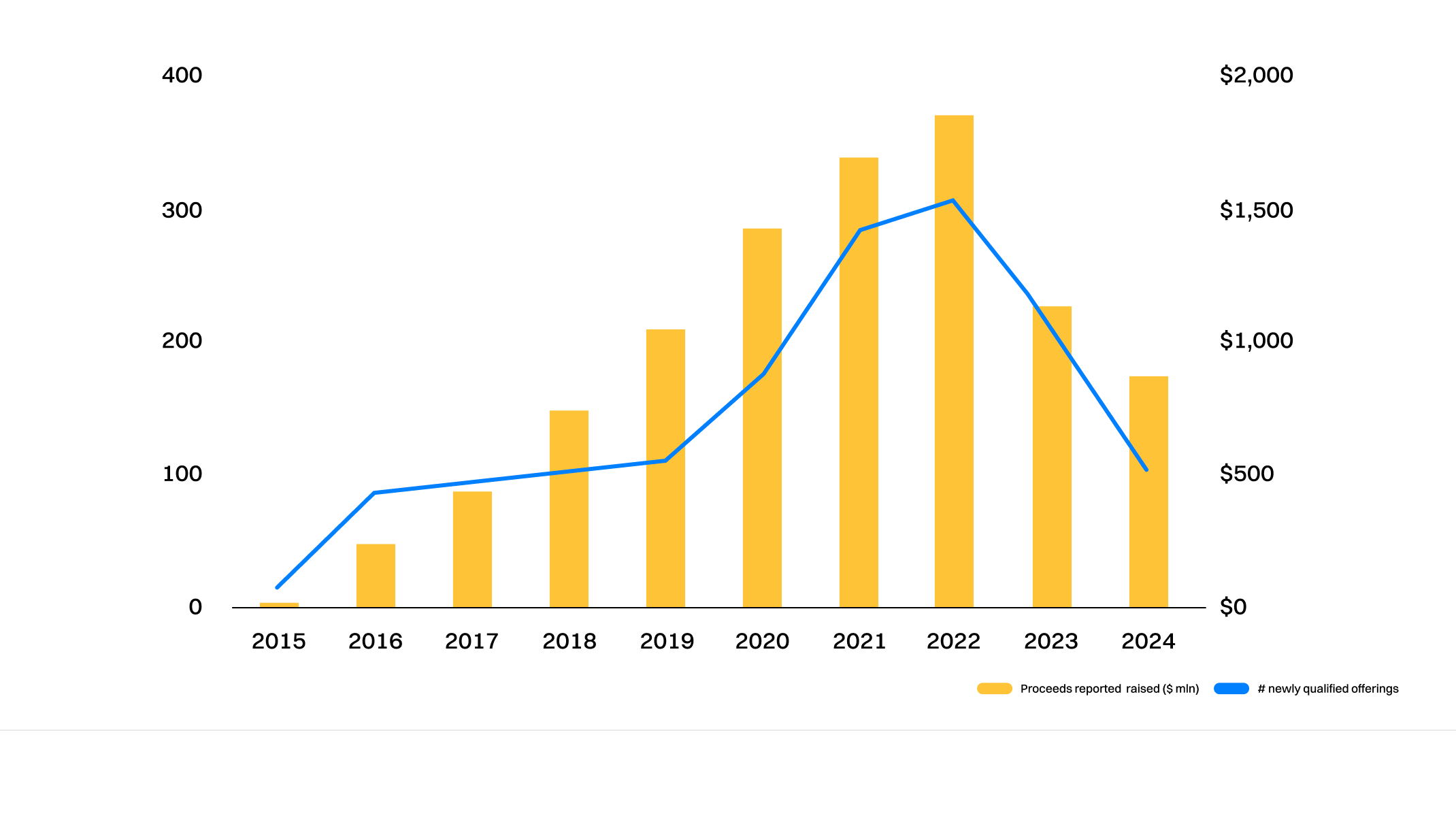
The impetus for this article is that stock tokenization became a hot topic in the industry in July, with xStocks and Robinhood both launching stock tokenization products and increasing their marketing efforts. Looking at data from RWA.xyz, well-known companies like Tesla, Nvidia, Oracle, Apple, and Google aren't actually the largest in terms of token size. The largest is Exodus's stock, which passed SEC Regulation A, raising funds directly through token issuance to obtain on-chain liquidity, rather than through traditional cornerstones and pegs. This has prompted me to think a lot. In these four methods—pre-IPO, IPO, private placement, and direct tokenization of large company stock—companies, platforms, and users all have different needs.
Selected Articles
Publicly listed companies, especially those in the US cryptocurrency sector (such as Circle, Coinbase, and Marathon), are raising funds through on-chain issuance of stock tokens. For these companies, this can provide liquidity for business expansion or mergers and acquisitions; for investors, it offers lower prices than the secondary market and the opportunity to earn interest on the blockchain. I believe this area will be a key future development direction for stock tokenization.
Sharp Commentary
Content Innovation: Four Stars
Content distribution: Two stars
Content reassessment: No additions or subtractions
Overall rating: Superior Person
11. 2025 Hyperliquid KOL Influence Report
Author's Notes
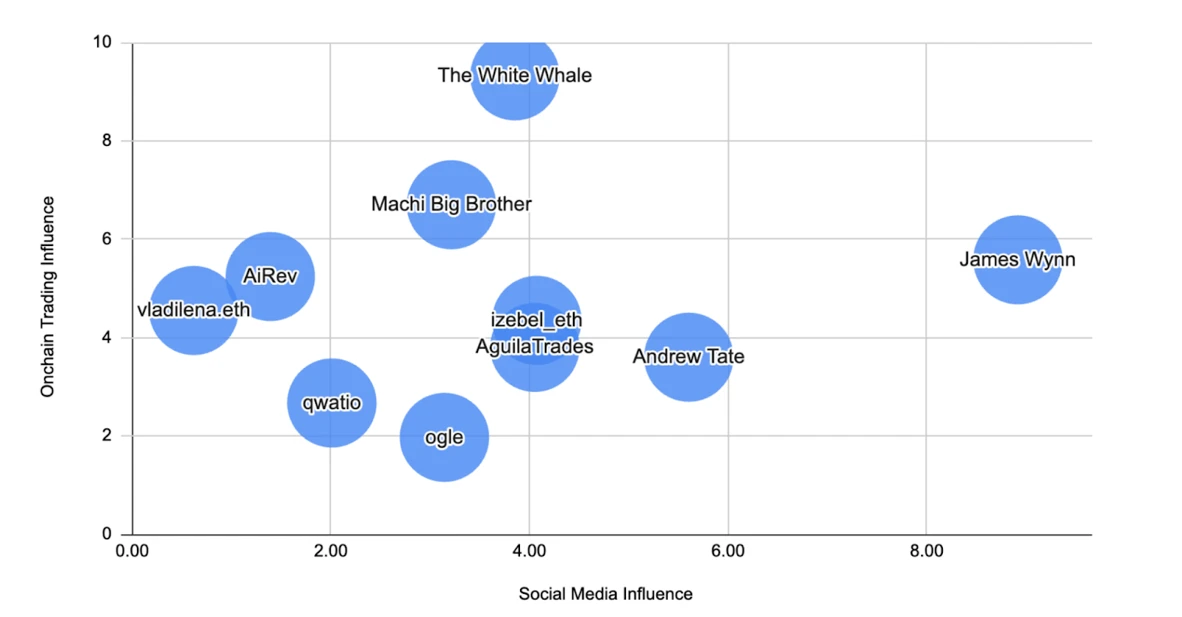
I personally think this is a very good article, and I put a lot of effort into it. Hyperliquid and Pump.fun were the two biggest narrative highlights of 2024, and both projects have clearly mastered the combination of social media and trading; the former through X, and the latter through its embedded live streaming section. Hyperliquid has so many trading KOLs, so which traders have a higher win rate? I looked up a lot of data from the Hyperdash website and compiled a list of these traders' publicly available wallet addresses. This is also my first article as an independent researcher, and it was actually written while I was working at my previous company.
Selected Articles
Focusing on KOLs who have established personal branding, two typical persona strategies can be observed: the "loss-making whale" and the "high-win-rate smart money." The former attracts market attention by creating a narrative of "huge wealth fluctuations" and using dramatic events; the latter focuses on a verifiable high win rate to attract investors to copy their trades in hopes of replicating their excess returns. It's worth emphasizing that The White Whale has successfully broken through the "scale curse" common in asset management, possessing both top-tier asset size and a high win rate, thus becoming a benchmark IP in the Hyperliquid ecosystem that combines influence and profitability.
Sharp Commentary
Content Innovation: Four Stars
Content distribution: Samsung
Content reassessment: Add one star
In summary: [This last part is a fragment and doesn't translate directly. It seems to be a mix of Chinese characters and symbols.
12. Is building a self-owned Layer 2 public chain the ultimate strategy for Ethereum DAT to increase mNAV?
Author's Notes
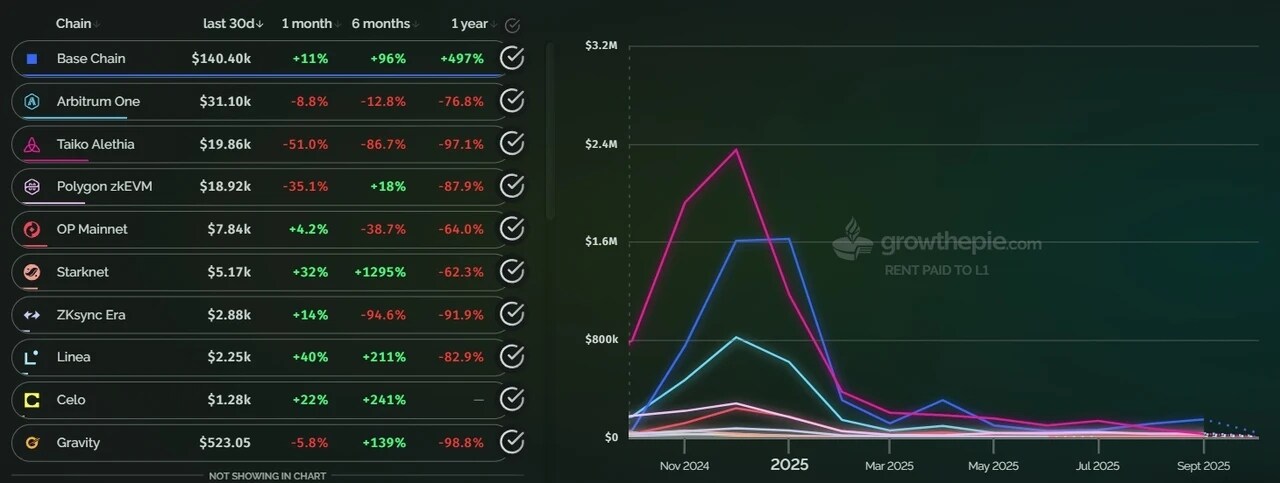
This is a topic I've been working on for a long time. Actually, the ETH section of my article, " Analyzing the Binary Relationship Between Listed Companies and Cryptocurrencies, " already hinted at this. For this wave of DAT, many companies haven't clearly figured out which coin they can accumulate to achieve which strategic goals. Accumulating ETH actually has the highest ceiling, because building a Layer 2 is relatively easy. If a listed company has a large user base, it can easily convert some of these users into users of its own public chain. Of course, this is just theory; to truly succeed in conversion, it needs to launch many user incentive programs to attract users to the chain. Ultimately, this article was even made into a video by Bilibili users, and it was also shared on Binance Square and Bitget Square, far exceeding my expectations in terms of reach. The host of the "Web3 101" podcast also mentioned the possibility of Ethereum DAT building its own Layer 2 in a later episode.
Selected Articles
Staking is currently the most common asset appreciation method used by crypto treasury companies, and this method has gained widespread market acceptance. However, for Ethereum treasury companies holding ETH, simply using third-party platforms to stake and lend ETH effectively limits ETH to a financial asset, failing to leverage the high scalability of the Ethereum mainnet and missing strategic opportunities. Building its own Ethereum Layer 2 network represents a fundamental strategic leap for treasury companies. Although building a Layer 2 network will incur higher capital expenditures for treasury companies, the core value of this decision lies in transforming the company from a passive "holder" of crypto assets to an active "builder" of the blockchain ecosystem.
Sharp Commentary
Content Innovation: Four Stars
Content dissemination: Five stars
Content reassessment: Add half a star
In summary: [This last part is a fragment and doesn't translate directly. It seems to be a mix of Chinese characters and symbols,
end
2025 is almost over. This year, I've written countless articles, including daily, weekly, monthly, and annual reports on the blockchain industry for my previous company. After the company's restructuring, I also wrote a lot of PR copy. For someone who transitioned from Web3 VC to a content creator, I probably haven't written this much in my previous five years of work. This is my 13th piece of writing in 2025, and also my personal year-end report for 2025. If I were to include this in the "From Hot to Low" ranking, I would give it a "top performer" rating. I hope to learn more new things and produce even better content next year. Although next year may be the worst year in the four-year cycle, creators who continue to evolve with AI will definitely build their own brand and competitive advantage.