






Former FTX employees have secured $35 million in funding to build a unique exchange.


- 核心观点:Architect完成大额融资,专注桥接传统与加密资产。
- 关键要素:
- 完成3500万美元A轮融资,估值达1.87亿美元。
- 核心产品AX提供传统资产永续合约交易。
- 创始人Brett Harrison拥有顶级交易及FTX US履历。
- 市场影响:为机构提供合规基础设施,促进市场融合。
- 时效性标注:中期影响。
Original author: 1912212.eth, Foresight News
On December 23, Architect Financial Technologies (hereinafter referred to as Architect), a fintech company founded by former FTX US president Brett Harrison, completed a $35 million Series A funding round, reaching a valuation of $187 million. This round was led by miax and Tioga Capital, with participation from ARK Invesst, Galaxy Ventures, VanEck, Coinbase Ventures, CMT Digital, and others. Back in February 2024, Architect completed a $12 million funding round, led by BlockTower and Tioga Capital.
In the current bear market of the crypto market, attracting venture capital and securing tens of millions of dollars in funding is extremely rare across the industry. What makes Architect so exceptional?
AX, a centralized exchange for traditional asset perpetual contracts
Architect was founded in January 2023, just as the aftermath of the FTX crash was still lingering. The company aims to bridge the centralized and decentralized digital asset markets, helping financial institutions efficiently handle the trading and post-processing of asset classes such as stocks, ETFs, futures, and options.
Specifically, Architect's platform encompasses three main modules: brokerage services, trading technology, and post-trade solutions. First, its brokerage business (Brokerage) provides multi-asset brokerage services under US regulation, supporting stocks, stock options, futures, and futures options. The platform features a full-featured API, SDKs for multiple programming languages (such as Rust, Python, and JavaScript), paper trading simulation, execution algorithms, and customizable trading dashboards. Users have access to major global markets, including CME Group, Cboe, Nasdaq, Coinbase Derivatives, and the NYSE. This makes Architect a one-stop portal for institutional investors to access both traditional and digital assets.
In September 2023, Architect was approved by the National Futures Association (NFA) to register as an independent introducing broker, which allows it to provide derivatives brokerage services.
Secondly, one of Architect's core products is AX—a perpetual futures exchange designed specifically for traditional assets. Perpetual futures are popular in the crypto market, but under the regulatory environment of the US SEC and CFTC, perpetual contracts for crypto assets face strict restrictions. AX cleverly circumvents this pain point, focusing on perpetual contract trading in traditional financial asset classes such as forex, interest rates, and metals.
Finally, the Post-Trade module offers advanced post-trade reconciliation, real-time profit and loss tracking, and detailed transaction cost analysis (TCA) for digital assets and derivatives. This service is particularly suitable for hedge funds, family offices, asset managers, and trading firms, helping them optimize operational efficiency.
Overall, Architect's platform emphasizes the flexibility of self-hosting and managed options, supports multi-language APIs, and facilitates developers in building custom execution algorithms, streaming market data, and position management tools. The company also has its own regulatory entities: Architect Financial Derivatives LLC (NFA registration number 0556853) and Architect Securities LLC (SEC-registered broker, FINRA/SIPC member), ensuring all operations comply with U.S. financial regulatory standards.
From a business model perspective, Architect is not a cryptocurrency exchange, but rather a FinTech infrastructure provider. It doesn't issue tokens or rely on community governance; instead, it profits through transaction fees and other means. This B2B-oriented strategy makes it more resilient during bear markets, avoiding the extreme volatility of cryptocurrency prices.
According to the company website, Architect targets institutional players such as hedge funds and asset management groups who need a reliable technology stack to bridge TradeFi and DeFi. The integration of traditional assets with cryptocurrencies is a growing trend, and SEC Chairman Paul Atkins predicts that the entire US financial market may migrate to blockchain technology within the next two years.
An impressive resume, but he left FTX before its collapse.
Architect founder Brett Harrison has extensive experience in fintech. His career trajectory is exemplary: from traditional high-frequency trading to crypto leadership, and then to independent entrepreneurship.
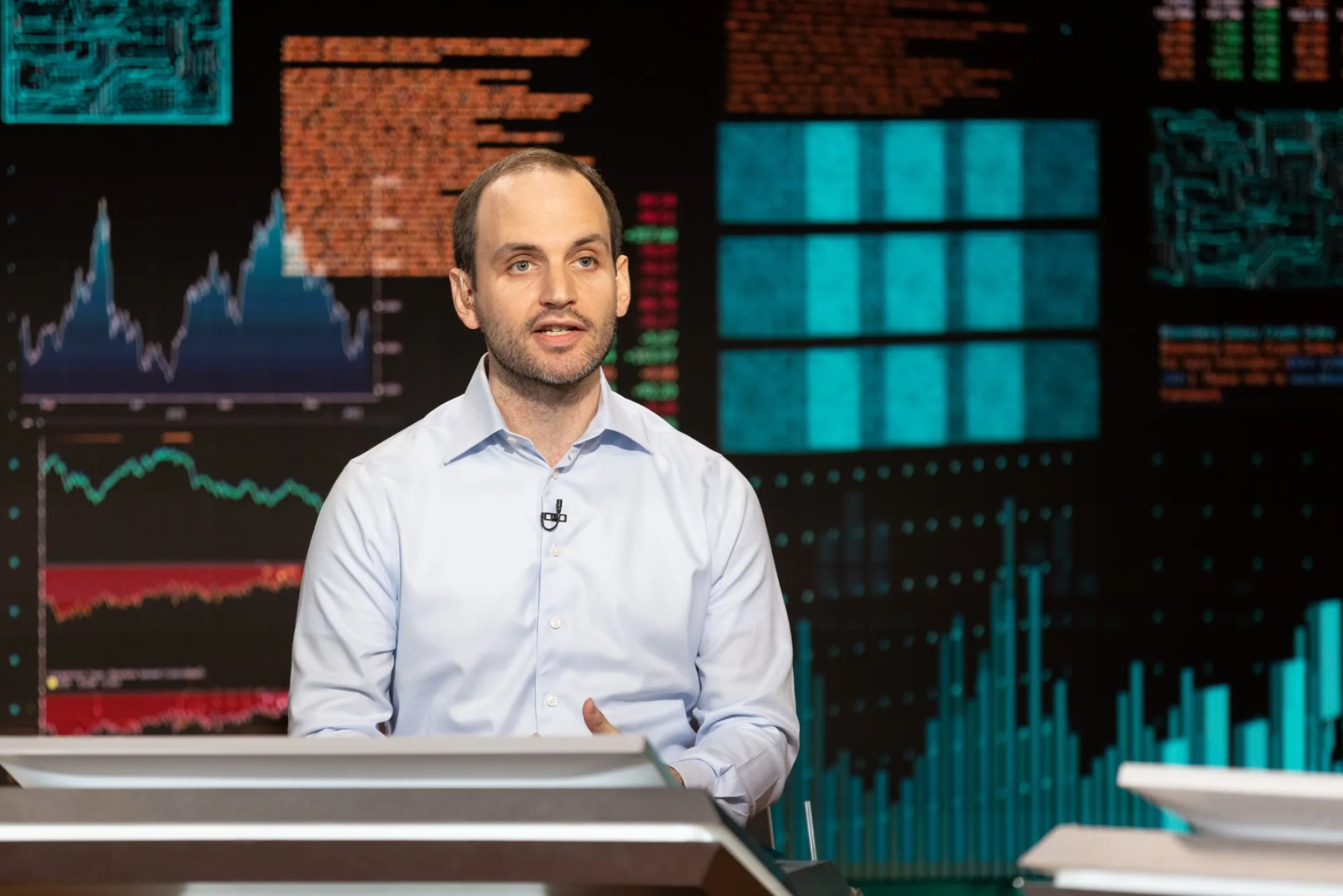
Harrison graduated from Harvard University with a Bachelor's and Master's degree in Computer Science. His career began at top quantitative trading firm Jane Street, where he served as Head of Trading Systems Technology from August 2010 to April 2021, where he was responsible for building high-performance trading infrastructure. This experience honed his core skills in low-latency systems, algorithmic execution, and risk management.
In May 2021, Harrison joined FTX US as president, responsible for expanding the US business. At the time, FTX was at its peak, and he spearheaded the platform's technological upgrades and product innovations, including the development of derivatives tools. However, in January 2022, months before FTX's collapse, Harrison announced his departure. In an open letter, he stated that his departure stemmed from management disagreements with founder SBF, not financial issues. According to FTX's report, this was due to "a lack of proper empowerment, a formal management structure, and key employees."
This departure was seen as a stroke of foresight, avoiding subsequent legal troubles. During his time at FTX US, Harrison spearheaded the platform's institutional transformation, attracting a large number of traditional investors. Just months after leaving FTX, Harrison founded Architect in January 2023, and completed a $5 million seed funding round the following month, with participation from Coinbase Ventures and others.
Currently, its AX exchange has opened its whitelist registration to individual and institutional users.
In the macroeconomic environment at the end of 2025, Architect's rise is timely, coinciding with a surge in gold, silver, and stock assets. At a time when the entire crypto asset market is sluggish, exploring the most profitable and fastest-growing market, and leveraging compliance and technology, may be the right direction and the right thing to do.


