A US Soldier's Investment Story: Missiles and Stock Charts Soar Together, Military Bases Become the Craziest Spots for Cryptocurrency Trading in the US


- 核心观点:美军成为活跃投资群体,热衷科技股与加密货币。
- 关键要素:
- 多个军事基地2021年加密税表申报比例远超全国。
- 军人因年轻、收入稳定、文化开放而热衷高风险投资。
- 部分军人通过投资获利丰厚,但也有人经历重大亏损。
- 市场影响:增加市场散户投机性与潜在波动风险。
- 时效性标注:中期影响。
This article is from the WSJ ; original author: Konrad Putzier
Compiled by Odaily Planet Daily ( @OdailyChina ); Translated by Azuma ( @azuma_eth )

On Wednesday night of the mission, U.S. Space Force Captain Gordon McCulloh was sitting in a military propeller plane, hovering in the calm, dim night sky of New Mexico, when his squadron's group chat suddenly erupted.
The squadron members—some on the ground, some in the air—are collecting data related to electromagnetic warfare while also keeping their investments in mind. Google's stock price just surged in after-hours trading.
Upon landing, McCulloh saw the messages: a ground officer posted a screenshot of a news article; another replied, "To the moon." This day was becoming exceptionally lucrative for McCulloh and his brothers.
The U.S. military may be the world’s most lethal “investment club,” and they are making a fortune in the current bull market.
Active duty military personnel are making fortunes from tech stocks and Bitcoin, exchanging investment advice on niche cryptocurrencies on aircraft carrier decks. As the market continues to hit new highs, more and more new Porsches and Hummers are appearing in base parking lots. Meanwhile, social media influencers in military uniforms are telling their followers that they, too, can become wealthy.
McCulloh, a flight test engineer, has invested heavily in nuclear energy-related companies. He's betting that the AI data center boom will further drive up electricity demand. So far, so good. Some of his stocks have doubled or more since the spring, though the 27-year-old officer is also wondering how long this rally can last.
“I have to admit, I don’t understand why the market can continue to rise so unhindered,” he said. Although the market has experienced some recent volatility, overall stock prices have continued to soar since April, boosting the soldiers’ net worth.

Luke Air Force Base, located in Phoenix, was one of the regions with the highest rate of cryptocurrency filings on U.S. tax forms in 2021.
Military personnel fueled the cryptocurrency price surge that began in the fall of 2020 and peaked in 2021. According to an analysis of IRS data by The Wall Street Journal, in 2020, eight of the 25 zip codes with the highest rates of reporting cryptocurrency income or disposals were located near military bases. Bitcoin's price roughly quadrupled that year. By 2021, that number had risen to 11 of the 25.
IRS data shows that near Holloman Air Force Base in New Mexico, 16.3% of individual income tax returns in 2021 showed records of receiving, selling, exchanging, or disposing of cryptocurrency; the percentages were even higher near Luke Air Force Base in Arizona (19.4%) and Vandenberg Space Force Base in California (18.1%). In contrast, only 4.1% of tax returns nationwide checked the same box.
Military bases lost that dominance in 2022—according to the latest annual data from the IRS. That year, cryptocurrency prices plummeted, and the number of people reporting cryptocurrency transactions, both inside and outside the base, dropped sharply. But that year's cryptocurrency craze—alongside the concurrent Meme stock boom—created an entire generation of military personnel addicted to investing.
While many military personnel are long-term investors, primarily in index funds, some engage in short-term speculation or invest large sums of assets in a very limited number of stocks or cryptocurrencies. They are often young, have only experienced market upturns, and have few hedging strategies.
“They will definitely suffer if the market experiences a significant correction,” said Brian O’Neill, a financial advisor and veteran Air Force officer.
Some have experienced the pain of losing a significant amount of money in a bad bet, but soldiers are more inclined to talk about their victories than their defeats. "There's a culture of boasting here," O'Neill says.

Saunders recently used his extra income to buy a Hummer, both to reward himself and to support his side business as a KOL.

This Coast Guard member records investment and financial advice videos in his home studio in St. Petersburg, Florida, and the surrounding area.
Saunders made profits from Tesla stock, but he says he lost over $10,000 in a single day last winter while trading a leveraged bet on MicroStrategy (the company that buys Bitcoin, now called Strategy ). He now mostly invests in stock index funds. He also earns an extra five-figure monthly income as an influencer on TikTok and Instagram.
His specialty is providing financial advice videos for military personnel.
Action hotspot
Military bases are fertile ground for investment frenzy. They're full of young people—many of whom are naturally adventurous—with plenty of time and disposable income, and few taboos when discussing personal finances, because military salaries are transparent and determined by rank. While the military offers a guaranteed pension after 20 years and unparalleled job security, they don't offer hefty salaries or six-figure year-end bonuses.
Military personnel have long been active in the investment field. Some have used Veterans Affairs loans with zero down payment to purchase rental properties. In the early 1980s, during a period of high inflation, soldiers confined for months in nuclear missile submarines passed the time by discussing gold bars and rough diamonds. By the late 1990s, technology stocks had become the object of nationwide fervor.
But over the past two decades, two intertwined waves have greatly fueled the culture of affluence in the military: the rise of websites that lowered the barriers to entry and later apps like Robinhood; and the ongoing War on Terror.
Beginning in the early 21st century, hundreds of thousands of troops were deployed to remote bases in Iraq and Afghanistan. They received dangerous mission allowances, family separation subsidies, and exemption from federal income tax. Suddenly, they had thousands of dollars in extra income and began looking for investment opportunities.
F-16 fighter pilot Shawn Walsh opened his first securities account in 2008 while stationed in Iraq. His primary mission was bombing insurgents, but between sorties, he would often spend hours in full flight gear in a small shed just a short run away from his aircraft. There, with nothing else to do, he and other pilots would discuss various investment strategies.
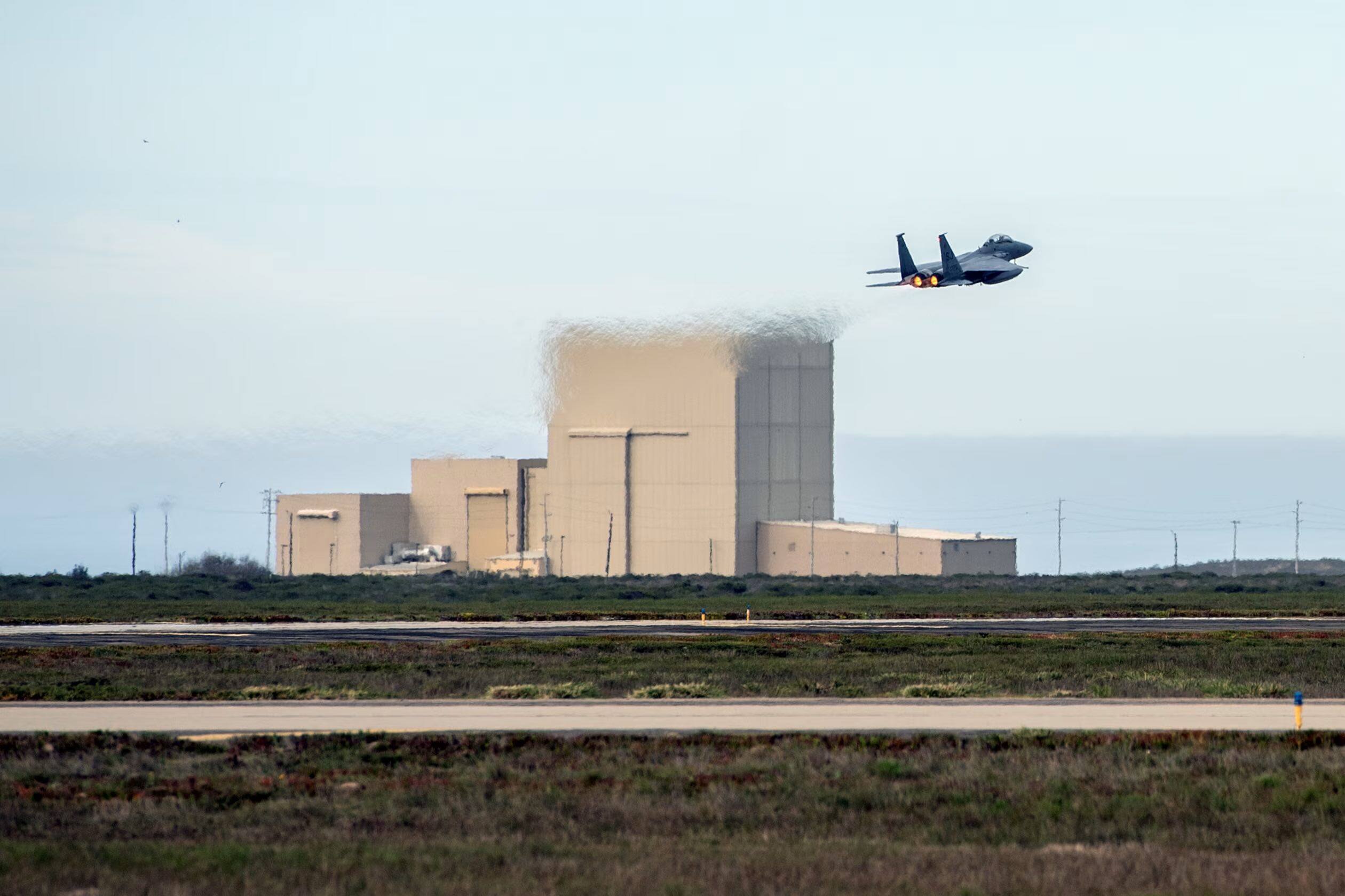
Several military bases, including Vandenberg Space Force Base on California’s central coast, fueled the cryptocurrency craze between 2020 and 2021.
In 2013, Air Force transport pilot Spencer Reese transported soldiers between Kyrgyzstan and Afghanistan. "Every mission is a crash course on different investment strategies," he said.
Some people told him they invested in gas stations and 7-Eleven convenience stores; another recommended covered call options; and still others liked Bitcoin. During long flights, Reese would read some investment books.
The military does offer basic training courses on saving, budgeting, and investing, but word-of-mouth is often a more popular source of advice. While officers and soldiers are highly competitive, they also share strong camaraderie—even in the investment arena. If someone makes money, they'll tell others because they want their comrades to do the same. Officers often pull out their phones to show others their investment account balances.
Cryptocurrencies spread like wildfire through the military in the early 2020s. Navy Lieutenant Commander Zach Rodriguez invested over $100,000—half of his family savings—in tokens like Chainlink, Polkadot, and Quant. His interest in cryptocurrencies was sparked by a friend during a Pacific cruise aboard an aircraft carrier.
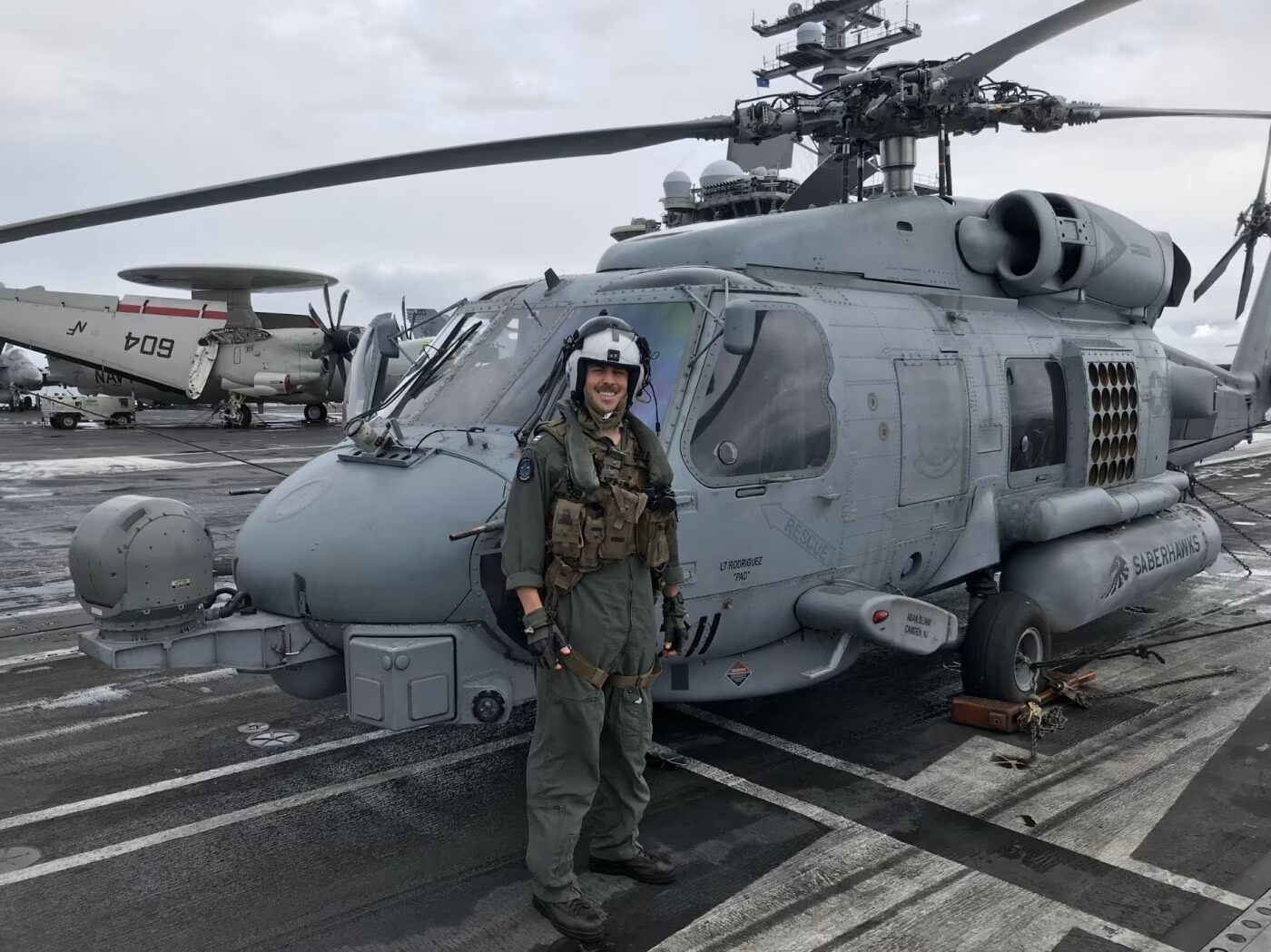
A photo of Major Zach Rodriguez next to a helicopter in 2020, marking the beginning of his cryptocurrency learning journey as Pacific Patrol officer.
He initially profited handsomely as the value of Bitcoin soared, only to suffer a subsequent crash. He also revealed that he had $250,000 worth of cryptocurrency stolen by scammers. Now, this helicopter pilot has become a "Buddhist zen holder"—focusing on investing in Bitcoin and Bitcoin-related companies, and stating that his assets have risen to approximately $1 million.
The craze for Meme stocks swept through the military with similar force. In 2021, Air Force Medical Services Administrator Sergeant Durelle Bailey was in a classroom at George Mason University with more than twenty active-duty military personnel pursuing their master's degrees when one of them mentioned stock in an educational technology company called Chegg. The stock price had fallen, and according to that person, it was an excellent opportunity to buy on the dip.
"He said, 'Hurry up, buy now, or it'll go back up,'" Bailey recalled. Instantly, eight or nine people pulled out their phones and bought the stock.
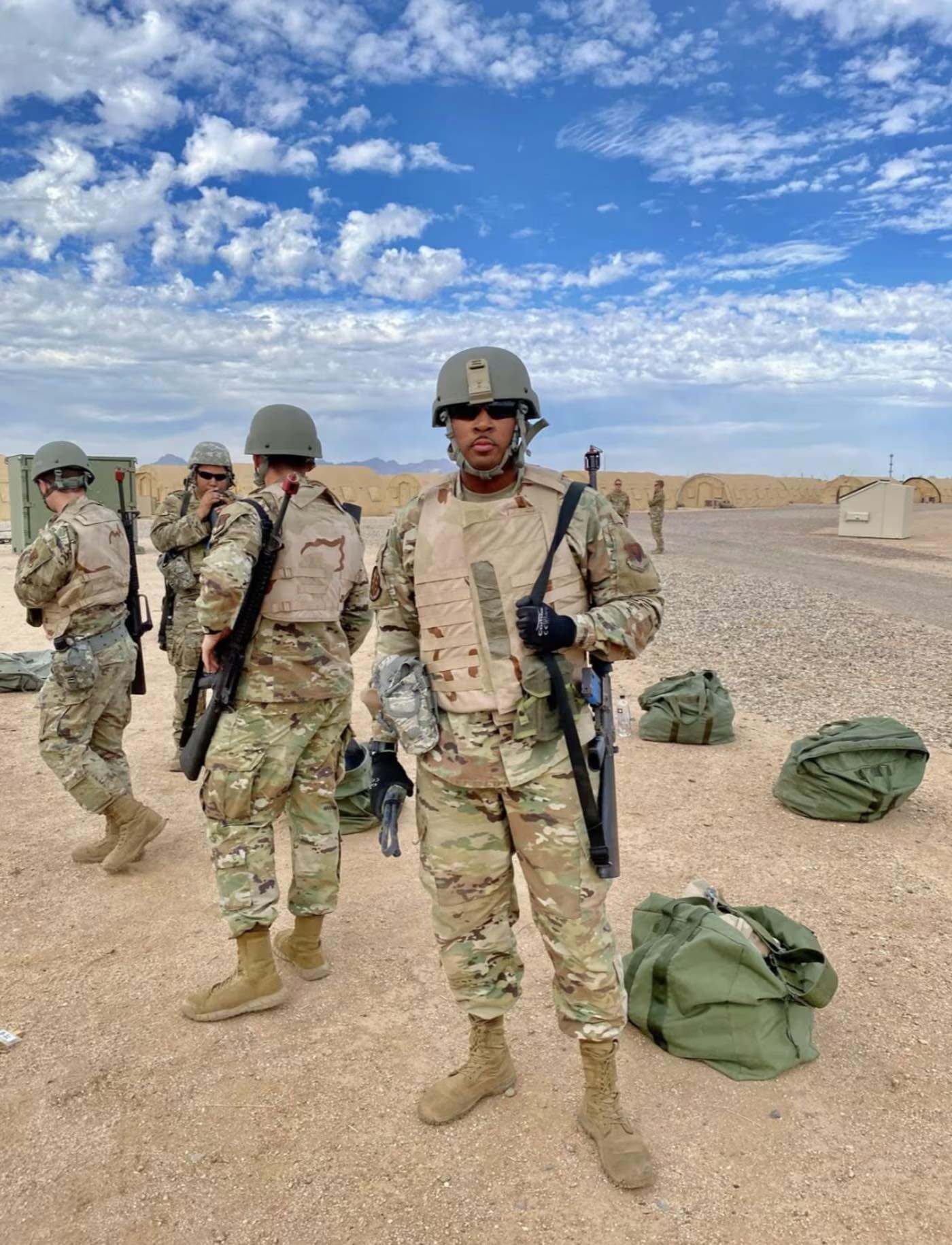
Sergeant Durelle Bailey, photographed in Arizona in 2019. Over the past decade, her savings have grown from zero to a six-figure net worth.
Bailey invested several hundred dollars but ultimately lost money. Chegg once exceeded $113 per share in early 2021, then fell below $25 by the end of the year, and its recent share price is closer to $1.
Wherever Bailey goes, stocks and cryptocurrencies are always on the conversation. “We talk about them in the barracks, in the gym, and in the mess hall,” he says.
When Bailey joined the Air Force in 2015, he had no savings. Today, he and his wife have a solid six-figure net worth, largely thanks to stock index funds. The 31-year-old says, "Our future is secure."
New wealth and new concerns
Near the military base, signs of rising wealth are everywhere.
Eric Rawlings, an Army warrant officer and helicopter pilot stationed in Colorado and currently deployed to the Middle East, said he recently bought a $10,000 Rolex to celebrate a milestone: for the first time, he earned more money from stock investments than from his military pay.
He wasn't alone. "The number of cars driving around the base is ridiculous," the 29-year-old said.
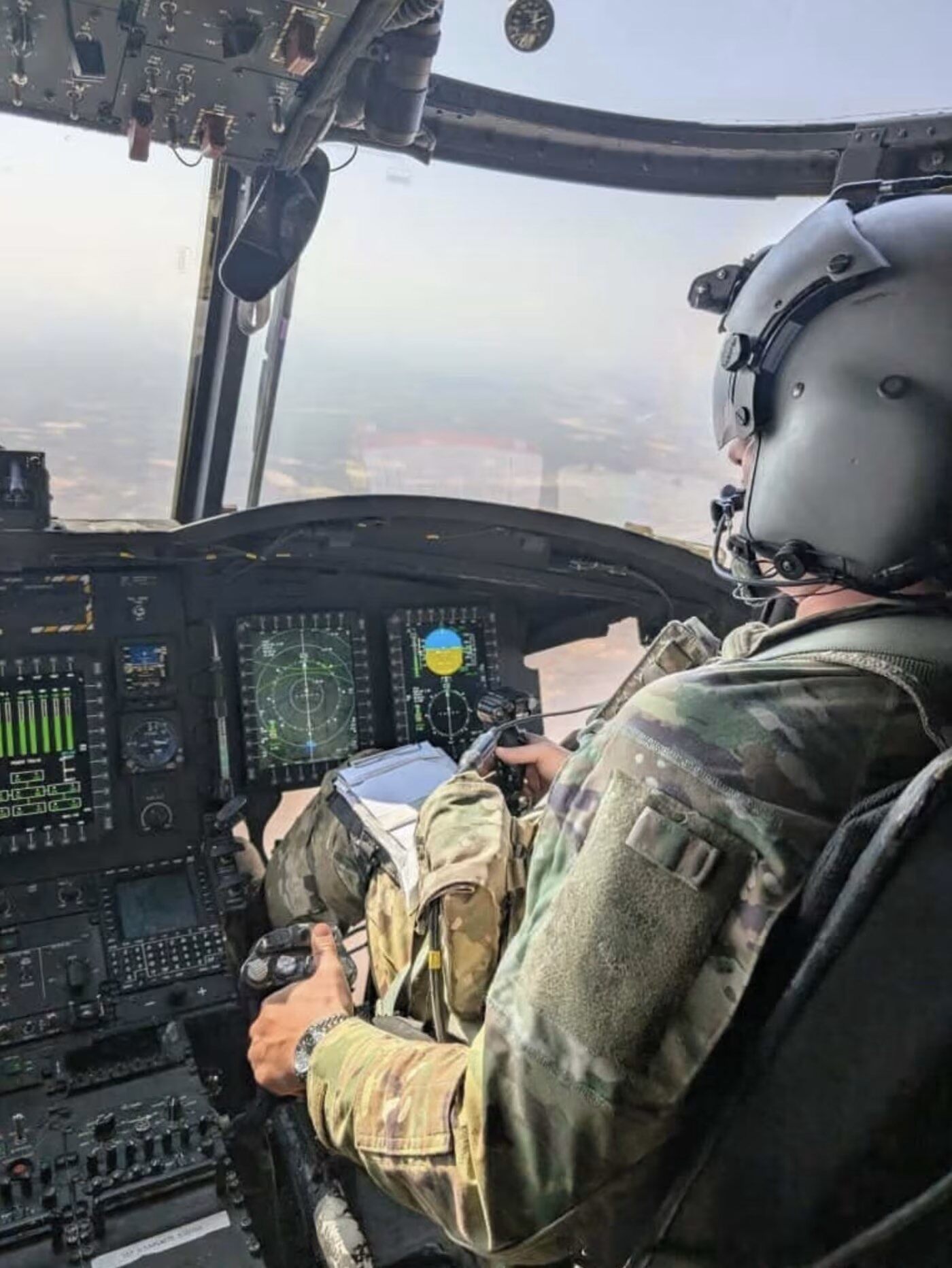
Warrant Officer Eric Rawlings is wearing a Rolex he bought to celebrate a successful investment.
Some financial advisors and veterans worry that the good times won't last. Price-to-earnings ratios are near record highs, and stock indices are increasingly dominated by a few tech giants.
“I’m worried we might be facing a bubble burst,” said retired Army officer David Ashcraft.
During the tech boom of the late 1990s, Ashcraft, then a young lieutenant, bought shares in Cisco and Sun Microsystems. After the market crash, his IRA account value plummeted from $10,000 to about $3,000. Since then, he has only invested in index funds.
He said, "If someone tells me they've put all their money into cryptocurrency or a few stocks, I'll still be worried."
Bonds have largely fallen out of favor among military personnel because they have underperformed stocks in recent years. Few also hold large amounts of cash.
Many military personnel believe they can take greater risks because they have job security and a guaranteed pension after 20 years of service. Even conservative investors are exposed to higher risks due to market structure. McCulloh, a Space Force officer stationed in New Mexico, says several technology and energy stocks now make up a large portion of his net worth simply because they have risen so much.
However, high-risk bets can still backfire in strong markets. In 2023, Moises Gonzalez, a Marine Corps truck driver stationed in Albany, Georgia, earned $38,000 a year but lost $20,000 in a single day trading gold and stocks.

On the equipment in the base dormitory, Moises Gonzalez experienced the highs and lows of intraday trading.
“There were days when I really couldn’t hold on, because I just kept losing money, kept losing money, kept losing money,” he said.
His largest single-day loss was $15,000, and his largest single-day profit was $6,000.
He set up three monitors in his base room—a sight that once made a colonel frown during a routine inspection—and he also brought his laptop to the vehicle dispatch yard where he worked so he could make trades during the early morning downtime.
As time went on, Gonzalez's skills improved. In 2024, he earned $30,000 through day trading. A few months ago, he left the Marine Corps and moved to Hawaii to start trading full-time. The 25-year-old hopes to earn $10,000 a month in the market, but hasn't reached that goal yet.
He said, "I can make $7,000 in three or four days, and then lose it all on the fifth day."