






Bloomberg: How did the resumption of the Three Arrows crash event trigger a chain reaction in the encryption industry?


Original title: "How Three Arrows Capital Blew Up and Set Off a Crypto Contagion》
Original title: "
Originally by Justina Lee & Muyao Shen & Ben Bartenstein, Bloomberg
Compilation of the original text: Hu Tao & Biscuit, Chain Catcher
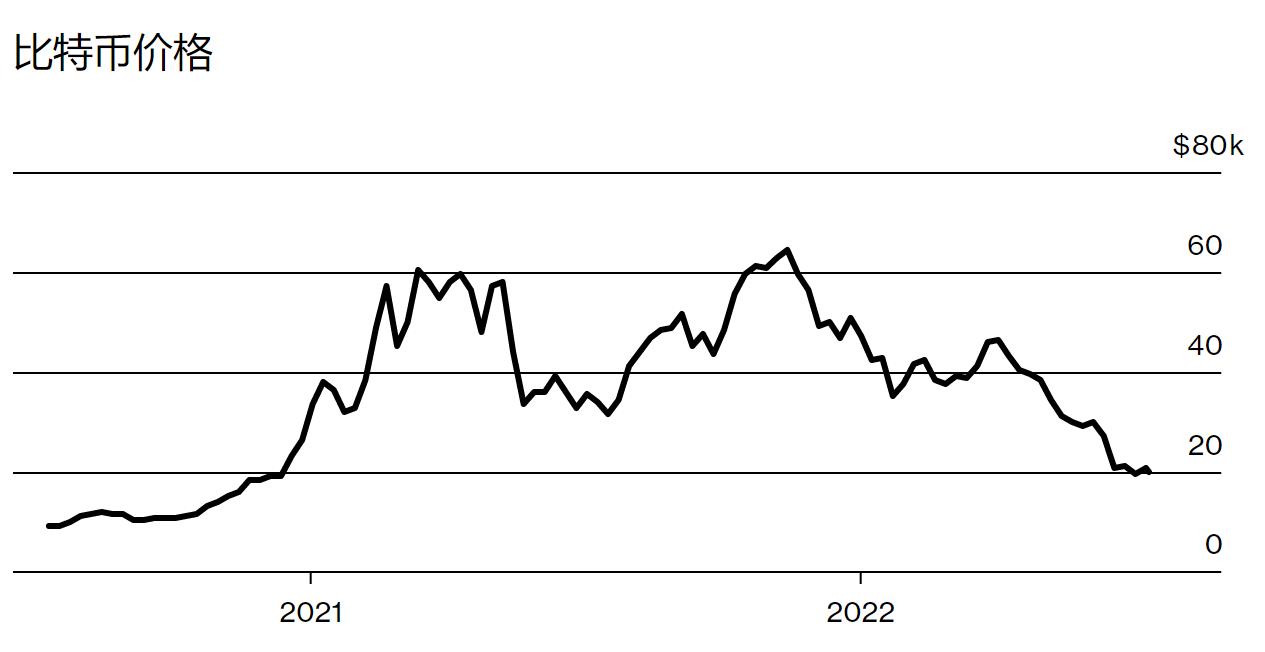
Just days before Bitcoin fell below $40,000, and two months before Three Arrows went bankrupt, Su Zhu sat down for an interview in the Bahamas, one bare foot dangling leisurely under his leg. As a storied investor in the decade-old cryptocurrency industry, his message was matched by his relaxed demeanor. “When there’s a lot of desperation in the market, you can start buying crypto,” he deadpanned in a podcast recording on the FTX exchange. "You don't have to be ruled by the market's desperation."
Crypto players like to describe the misnomer "HODL" as a never-sold mantra, and this steely optimism can be seen everywhere in them. But Su Zhu is more than just a laser-eyed cryptocurrency trader. Along with his classmate Kyle Davies, he runs Three Arrows Capital, one of the world's largest cryptocurrency hedge funds, managing billions, though far from huge by Wall Street standards. But when it comes to digital assets, it's heavyweight.
Not only that, Su Zhu and Davies are both influential people in the crypto market with a combined 610,000 Twitter followers. Three Arrows is a venture investor in some well-known crypto startups, in some cases both a borrower and a shareholder in some of the big lenders, and even the parent of other emerging funds.
In U.S. bankruptcy filings filed on July 8, advisers in charge of liquidating the fund said Su Zhu and Davies were not working with them and that the whereabouts of the two founders are unknown. On July 12, Zhu tweeted that the "sincere" efforts to work with the liquidators had "been baited". Su Zhu and Davies and their attorneys did not respond to requests for comment.
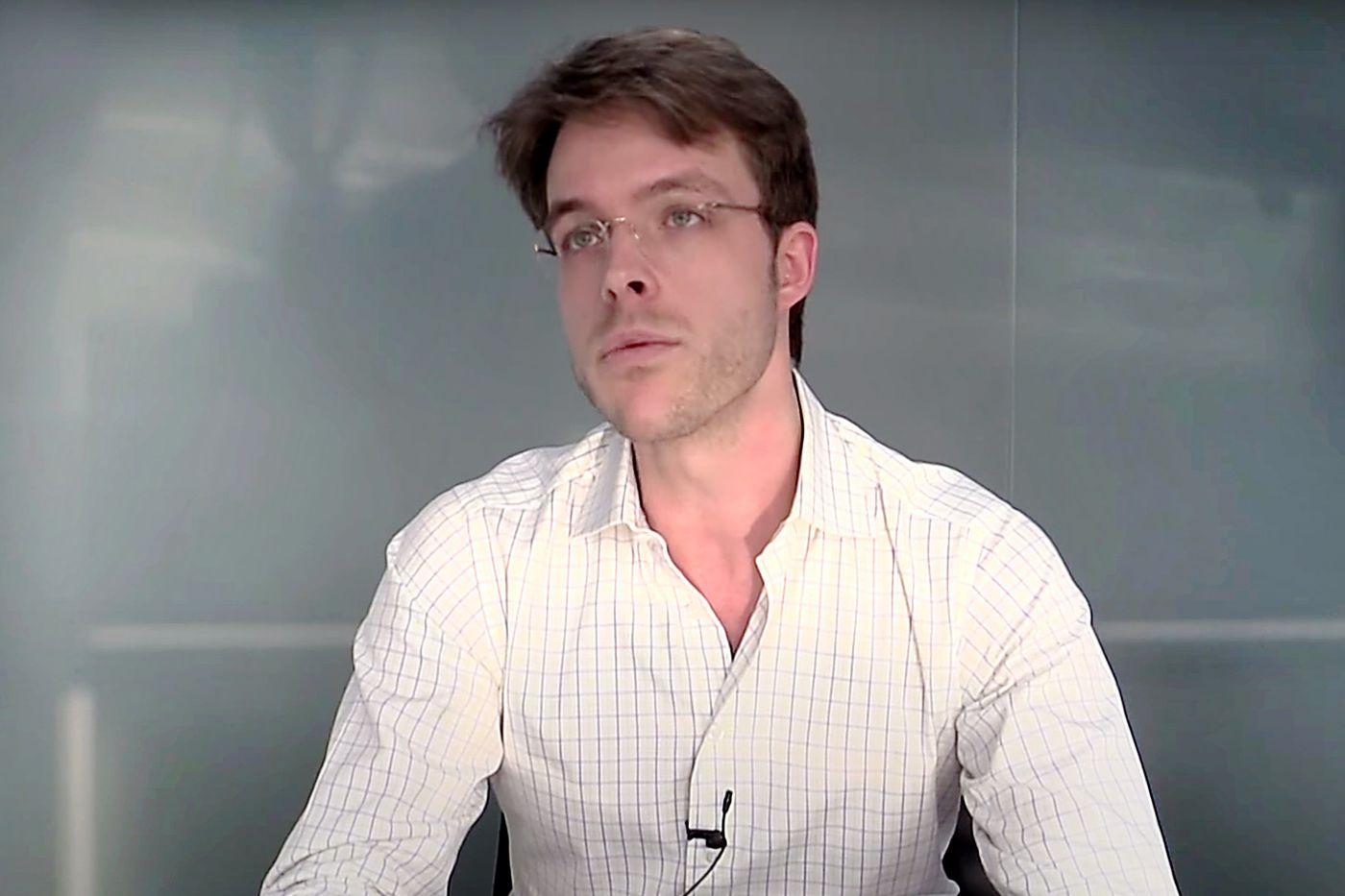
Kyle Davies
image description
As we all know, the rise and fall of Three Arrows Capital has a lot to do with its transition to investing in cryptocurrencies. What started as speculation on some well-known tokens like Bitcoin and Ethereum ended up being a codependent relationship. Crypto firms, like banks, offer depositors double-digit yields, and traders borrow heavily for returns. This operating model and the rapid growth of the crypto market have pushed up the price of cryptocurrencies and the wealth of Three Arrows Capital; when the price of cryptocurrencies reversed this year, 3AC disintegrated and may even accelerate the decline. Although the encryption ecosystem has created many complex concepts, such as smart contracts, white papers explaining tokens, and decentralized finance (DeFi), etc., it is still considered by the public to be a simple speculative gambling game, that is, there will always be more More buyers enter the market and push the price of the cryptocurrency to continue to rise.
Since then, crypto trading platforms including BlockFi and Blockchain.com have disclosed their exposure to Three Arrows Capital. Canadian-listed Voyager Digital Ltd. went bankrupt after Three Arrows Capital defaulted on a loan worth more than $650 million. The accounts of many ordinary investors and corporate clients on the Voyager platform have been frozen, and it is unlikely that all assets will be recovered. When the bubble in the financial market burst, it was discovered that almost everyone had lent money to Archegos Capital (chain catcher's note: Archegos is a Korean asset management company that lost billions of dollars due to short selling in 2021), and even cryptocurrency investors. Long Term Capital Management.
Cryptocurrencies are admired for their transparent decentralized mechanisms: transactions are recorded in public blockchain databases, many subject to open-source software rules. But for the size of Three Arrows' capital, borrowing is mostly a matter of relationships, not much different from how a typical hedge fund relies on banks. Three Arrows Capital borrowed from large cryptocurrency lenders, but did not disclose much financial information. Su Zhu and Davies, whose social media personas are populist billionaires, tweeted: “By the way, only baby boomers trade stocks.” But in the crypto market, no one could have predicted they would Make such crazy bets. An executive at a trading company, who asked not to be named, said they turned out to be “degens,” meaning unscrupulous gamblers like those in the crypto market.
The pair have traditional financial backgrounds that predate cryptocurrencies. After graduating from elite Massachusetts boarding schools Phillips Academy and Columbia University, Su Zhu and Davies got their start in derivatives trading at Credit Suisse Group AG in Tokyo. In 2012, the two 20-something friends started their own hedge fund. It was a small operation that exploited price gaps between derivatives in emerging-market currencies, pocketing a small profit in between, while hoping that the money would pile up over many trades.
As digital assets began to take off in 2016, Su Zhu and Davies saw the nascent crypto market more populated with the kind of pricing gaps they profited from currency contracts. At its peak in 2021, Bitcoin futures traded at a 50% premium to the “spot” price to buy the token itself. Therefore, Three Arrows Capital sold futures and bought spot, which is a classic Wall Street strategy that takes advantage of the market's temporary pricing disconnect.
Then came an even bigger opportunity. Grayscale Bitcoin Trust (GBTC) allows those who cannot or do not want to hold Bitcoin directly to buy shares in the funds invested in them. GBTC is one of the few U.S.-regulated crypto offerings, so it has its own market and is so popular that its shares consistently trade above the value of the bitcoin it holds.
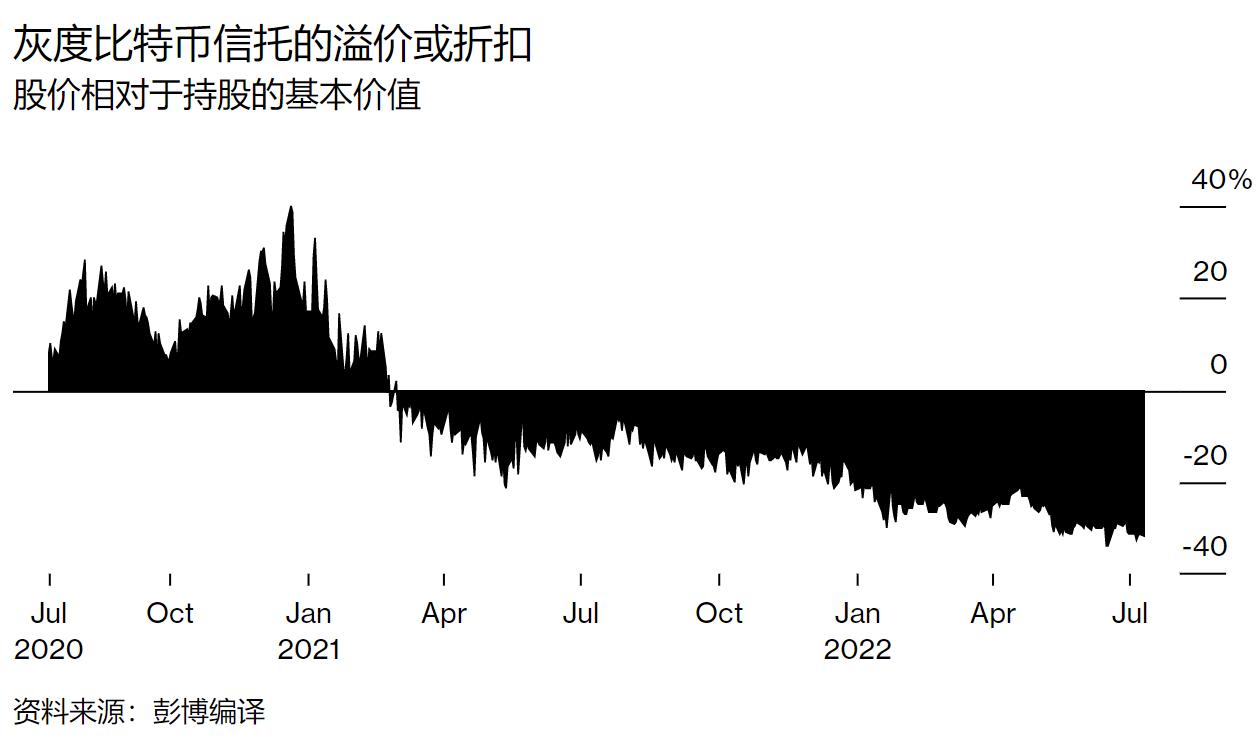
However, large investors such as hedge funds have ways to buy GBTC shares for less than the average trader pays. Grayscale allows them to buy shares directly by entrusting bitcoin to a trust. An easy way to make money is to borrow bitcoin, exchange it for shares, and sell those shares at a premium. At the time of its last filing in late 2020, Three Arrows was the largest holder of GBTC, with a position worth $1 billion at the time. But the strategy has a limitation: Shares purchased directly from Grayscale are locked up for six months.
Starting in early 2021, this limitation becomes an issue. The price of GBTC has slipped from a premium to a discount, that is, the stock price is lower than the spot price of Bitcoin, because GBTC faces fiercer competition from similar products. As the months go by, the discounts get bigger and bigger. In early June, TPS Capital, the firm that often intermediaries Three Arrows' borrowing, tried to convince other speculators to snap up GBTC shares, according to two trading firm executives. TPS chief executive Timothy Chan said Three Arrows proposed the deal and asked for referrals. His firm was unaware of any financial distress at Three Arrows, and in any case, as far as he knew, Three Arrows ignored it when it did.
Grayscale's product is one of the simplest trading strategies of Three Arrows Capital. For a while, the cryptocurrency world was filled with strange new arbitrage opportunities that looked like ways for sophisticated investors to collect free money. This assessment seems especially true in the hot field known as decentralized finance (DeFi). DeFi aspires to build a replica of Wall Street on the blockchain - with deposits, transactions, lending and insurance functions, but with only a small amount of regulation.
To change the world, DeFi startups need to get people to delegate their crypto tokens to them. At a time when savings yields in bank accounts are close to zero and safe bonds yield less than 2%, DeFi platforms have brought double-digit yields to savers in various ways. Like many others, Three Arrows Capital both lends and deposits.
With the price of cryptocurrencies plummeting, the decline of DeFi has also been brutal. The hottest protocol in early 2022 is Anchor Protocol, which offers a 20% interest rate. But to get that, you have to hold TerraUSD (UST), a token created by a crypto founder named Do Kwon, and UST is linked to another token called Luna. The entire system is counting on Luna to be valuable, a rosy future assumed in the best of times in the crypto market, where everyone trades tokens and digital art using the technology Kwon developed.
That future can't come soon enough for Three Arrows or a host of other "lunatics." Not only did Three Arrows capitalize on Anchor, but it also invested $200 million in Luna in February, Davies told the Wall Street Journal. At their peak, Luna and UST were worth a combined $60 billion. But when Luna's price crashed, all that went away.
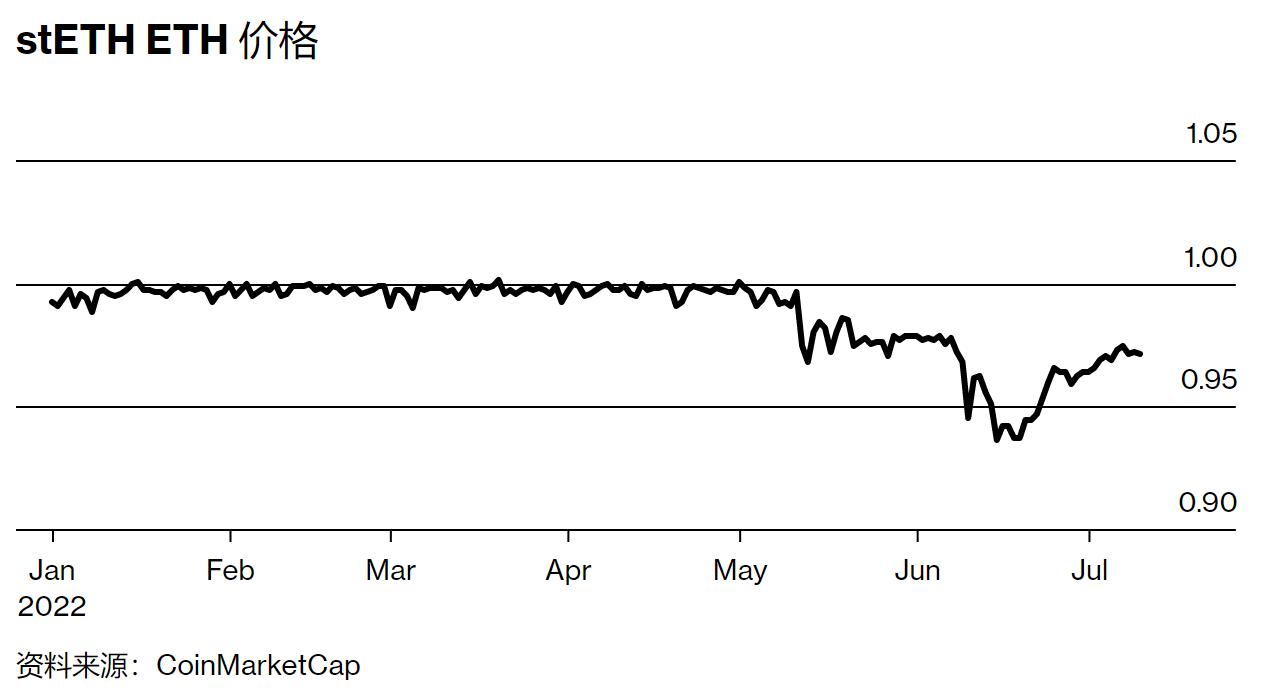
Afterwards, the crash continued to spread through cryptocurrencies. Three Arrows Capital also invested in ETH on a platform called Lido Finance in an attempt to reap the benefits of so-called staking. In short, ETH is required in the technical process of validating blockchain transactions. If you agree to lock up your tokens long-term to support this campaign, you can earn more ETH as a reward in the future. Lido's innovation is that when its depositors are locked in ETH, they get another tradable token, stETH. stETH traded at par with ETH for most of the year, but fell to a low of 7% after the Luna crash as traders scrambled to exit.
Three Arrows Capital is one of them. According to data provider Nansen, on June 14, it withdrew more than 80,000 stETH (more than $84 million) from DeFi lending protocol Aave in just four transactions, and began converting it back to ETH at a lower price. It's a classic sign of a financial crisis: Once prices fall far enough, people sell out of desperation, even at a loss, which drives prices even lower. "What we've seen during this period is all bubbles burst and internalized," said David Fauchier, crypto fund manager at Nickel Digital. "That's what happened in 2008. It was a very typical liquidity crunch without proactive Central banks step in to do anything."
The transactions, which are traceable on a public blockchain, told Bloomberg Businessweek by a former employee who declined to be named because they were not authorized to speak publicly. But Su Zhu and Davies have access to funds that the average Reddit crypto trader cannot. They have borrowed from large digital asset lenders and wealthy holders, and have brokerage deals with JPMorgan and Bank of America. They secured funding for some decentralized finance projects, and a trading firm accused Three Arrows of using $1 million of it to meet margin calls.
In at least one case, Three Arrows declined to share details with lenders. In text messages revealed by Hodlnaut, which offers crypto savings accounts, Davies asked to borrow cryptocurrencies with no collateral through TPS in May. After the lender outlined its requirements, TPS said Three Arrows did not disclose an audited balance sheet, but instead provided a statement of net asset value. The value will be self-declared without a breakdown of its investments. Hodlnaut said it is possible that the cryptocurrency has been transferred.
“What surprised me most about Three Arrows’ collapse was how they were able to accumulate so much leverage,” said Ryan Watkins, co-founder of crypto hedge fund Pangea Fund Management. “It’s the lack of transparency that allowed Three Arrows to borrow so much. money, and caused panic across the industry because no one knew who was affected and how badly they were."
In retrospect, Three Arrows Capital has always been a mystery. The fund itself is based in the British Virgin Islands and is licensed in Singapore to manage the funds of others. But Su Zhu and Davies have been adamant that the $3 billion pool is entirely theirs, according to Davies' account to The Wall Street Journal.
To complicate matters, Three Arrows Capital also deployed two sub-funds: DeFiance Capital for DeFi investment and Starry Night Capital for digital art investment. DeFiance has outside investors and its founders insist on operating independently, but this structure makes it questionable. Three Arrows is now considering its legal options in light of its bankruptcy, according to a person familiar with the matter, who asked not to be named. Three Arrows' relationship with TPS has also come under scrutiny. In the industry, TPS is known as the "over the counter" desk of Three Arrows Capital, and although it is an independent company, Su Zhu and Davies hold shares in it. Last week, TPS issued a statement saying that while the two companies referred business to each other and coordinated loans for Three Arrows Capital, their businesses were distinct.
On June 30, the Monetary Authority of Singapore condemned Three Arrows Capital for providing false information and exceeding the limit of its assets under management, without imposing fines or other sanctions on it. Before the crash, Three Arrows Capital was looking to move to Dubai, which welcomes the crypto industry. Just two months ago, Su Zhu and Davies met with some of the world's largest venture capital firms and sovereign wealth funds at the Sequoia Capital conference in neighboring Abu Dhabi, according to people familiar with the matter. Some said the duo opened an office in an office building in Dubai, although the signage has since been removed and a spokesman for the complex said they had no office there.
As Three Arrows began to unravel, Su Zhu and Davies met with executives from several cryptocurrency exchanges to discuss the possibility of a bailout. But the results were not promising, people familiar with the matter said. The cryptocurrency market is now going through a typical downturn in the credit cycle, just like the global economy. Unlike the real world, where loans are used to start a business or buy a home, the demand for crypto leverage comes almost entirely from speculators. “We all realize that cryptocurrencies are much more correlated with the outside world than in the past,” said Evgeny Gaevoy, founder of Wintermute, one of the largest cryptocurrency market makers. “A lot of centralized entities like Three Arrows – they further fuel this circular boom. They make all the numbers much higher than they should be.”
Davies handled most of Three Arrows’ external communications, and Su Zhu was a man with ideas, former employees said. Su Zhu's main argument is a "supercycle," a long-term price increase fueled by a technological revolution that will create a decentralized internet on the blockchain. Su Zhu likes to bring up a comprehensive history of the Age of Empires, painting a long road to cryptocurrency domination. Even at private dinners and group chats, Su Zhu’s acquaintances said the two defended their optimistic crypto beliefs. In May, Davies was still talking about buying bitcoin and ethereum on margin, said a person who knew him at the time but was not authorized to speak to the media.
“It amazes me that they seem to be thinking about it so sincerely, even though they are ex-forex traders,” said Haseeb Qureshi, managing partner at venture fund Dragonfly Capital. After all, forex traders should be used to price swings in both directions. "They can be misguided, especially in a market like this one that's distorted by macro pressures," he said, "but they really believe in these things, and you can see that in their books, right? If you don't It's true, you wouldn't trade like that."
In the future of cryptocurrency vision, there should be no such thing as the collapse of Three Arrows Capital without a centralized exchange. Sure, people could lose money, but everyone's assets will be visible on the blockchain. Reputation will not matter. Lost bets below the lender's collateral requirements are mercilessly liquidated and no one waits for a margin call. Aave, one of the large lending protocols, has survived thanks to these rules.


