






Dismantling the management methods of 10 top Web3 companies: what makes them strong


Author: Mario Gabriele
Original translation: Block unicorn
Author: Mario Gabriele
Original translation: Block unicorn
This article breaks down the strategies of prominent organizations like Stripe, FTX, Tiger Global, OpenSea, and more.
If you have a few minutes to spare, here are ten lessons from top businesses for investors, operators, and founders to learn.
1. Be a persistent recruiter (Stripe)
2. Maximize deep work time (Levels)
3. Obsessed with your customers (Coupang)
4. Adjust incentives (AngelList)
5. Think like a nation-state (Terra)
6. Invest in soft power (FTX)
7. Preserve optionality (OpenSea)
9. Find your counterlocation (Telegram)
10. Actively reinvent yourself (Many)
first level title
What makes a business great?
If there is one central, unifying problem in The Generalist's work, this is it. Where is the magic in this machine? What makes it special?
Since I became a full-time writer, we've published in-depth research on 50 businesses, and in the process touched hundreds of others. From mainstays like Red Bull, Starbucks, and LVMH to radical insurgents like OpenSea, Decentraland, FTX, and Terra. In total we published over 585,000 words, which is half the length of the Harry Potter series.Output is only useful if it generates corresponding insights. What did we learn from writing a business analysis of a budding fantasy series? What higher order observations can we start to make?This article aims to answer these questions,
Bringing together the ten most impactful lessons learned from this research by great companies and crypto projects.
They're not just theoretical -- I've used many to improve my management of multifaceted talent. I hope I will return to each of these many times over the next few years; I hope they will also be useful food for thought for you.
1. Be a persistent recruiter (Stripe)
Collisons' business thrives on turning complexity into simplicity. Stripe absorbs the wear and tear and chaos of payments infrastructure so it can exude clean technical primitives. It is only fitting that the founders of the company apply this talent to other fields as well. Perhaps most usefully, it plays a vital role in Stripe's culture.
The best example of this is the company's approach to hiring. Attracting great talent is the most important task a startup can do besides finding product-market fit. Much has been written about tips and strategies for securing top talent, what kind of interview process yields the best results? What benefits are the most convincing?
All of these things matter. However, we can simplify. More than any particular strategy or plan, the most effective way to hire great people is to persevere so that it hurts. From The Generalist's article on Stripe:
Patrick noted, "The biggest difference we made...was the willingness to take a long time to hire people." It took the company six months to hire its first two employees. In conversations with companies he does business with, Patrick described their "painfully persistent" hiring process, noting that he can think of five employees that Streep took three years or more to hire.
Like Stripe itself, the strategy sounds simple -- like accepting payments online -- but can seem tricky. Perseverance and entanglement are twin brothers, and there are hardly any marks to distinguish them. The difference is pronunciation, pitch. If you can find the right words, the right information, you can stick with it -- and if you fail, you'll pester. Attempting to wear the needle can jeopardize one's emotions (badgers feel bad) and one's reputation. But how often do we stop before we succeed? How often do we stop asking questions?
Although The Generalist doesn't have the prolific requirements of a high-growth startup, I find Collisons' framework to be broadly applicable. When you see an extraordinary opportunity, find an extraordinary potential partner, find the words, find an absurd way to hold on to it painfully.
2. Maximize deep work time (Levels)
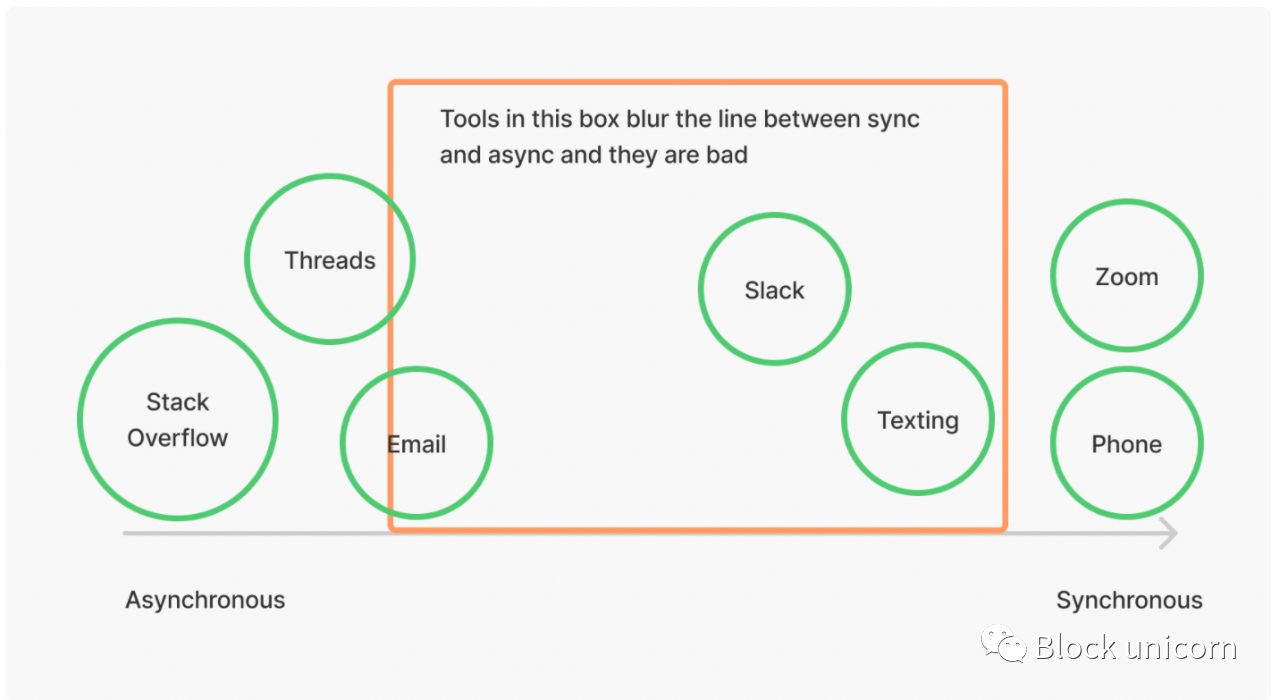
High-impact work requires concentration, often for hours at a time. Of all the companies I've researched, none recognize this quite like Levels Health. This glucose-monitoring startup had the most unique culture I've ever seen, but also had a perfectly logical end: Give the team as much time as possible for deep work.
To do this, Level made several atypical decisions, including actively discouraging tools like Slack and Meetings. These limits are intended to create a business that runs asynchronously, reducing interruptions and protecting uninterrupted deep work. As Paul Graham puts it, Levels employees effectively operate on a "manufacturer's schedule."
While not every business may want to take this approach, I expect we'll see many follow Levels' lead in the coming years, especially remote-first companies. It gives a company’s greatest asset — its people — the opportunity to do their best, most impactful work.
3. Obsessed with your customers (Coupang)
The word "obsession" and its related derivatives are victims of its popularity. As part of everyday vocabulary, it can be used as a somewhat whimsical alternative to something as mild as "interest." We're obsessed with the new pizza, the new podcast, the new shoes.
It's totally too mild, it's so normal. In reality, "obsession" means abnormality, it is not just "interest", but the experience of being obsessed with or insane.
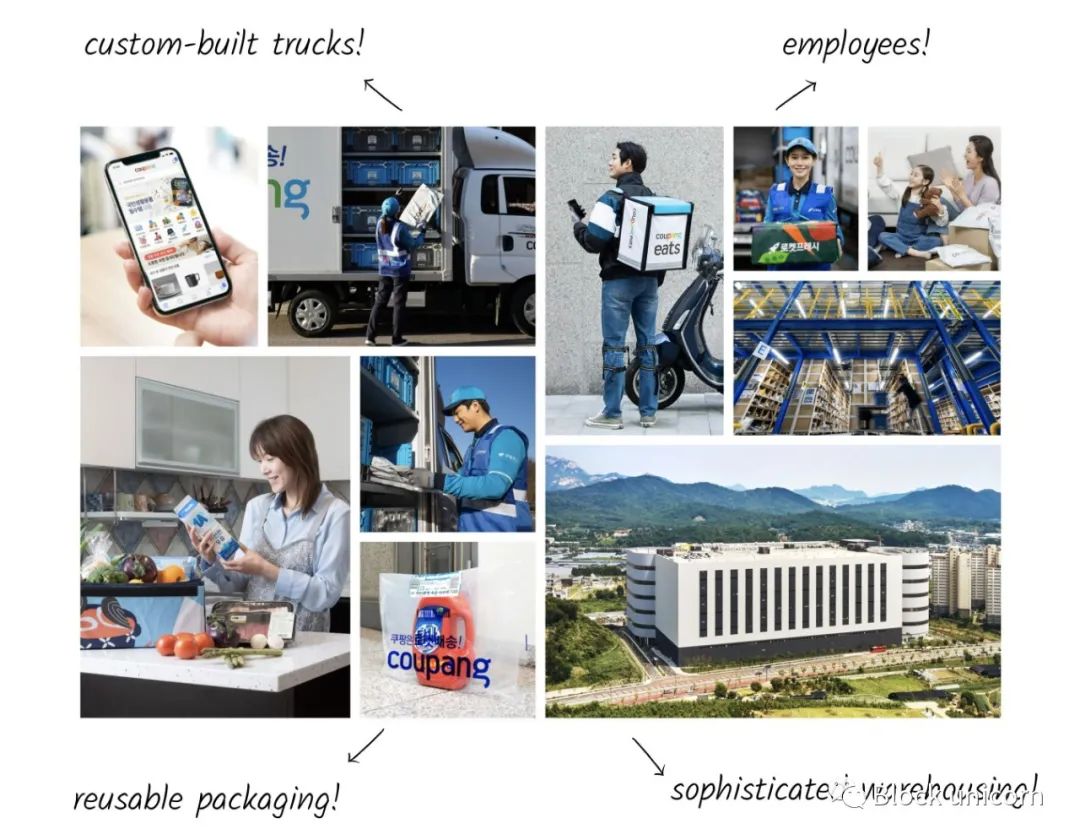
Every successful company cares about serving customers to some extent, but few companies are truly obsessed with what the word happy customers really means. Those who are open to this dedication benefit, creating stronger customer affinity and associated retention benefits.
The best example of truly captivating customers is Korean company Coupang, an e-commerce company that has taken extraordinary steps to improve its service. For example, every delivery guy gets a manual outlining the most esoteric details. This includes the proper way to knock on doors and how to identify families who may have babies to avoid making too much noise. Such dedication influenced Coupang's decision and played a key role in ensuring domestic ubiquity. Part of the reason it's vertically integrating so aggressively is to gain more control over the end customer experience.
It's no accident that many of the young businesses I've described seem to exhibit this obsession. Both Clair and Elenas are constantly engaging with stakeholders and constantly looking to go above and beyond to serve them.
At The Generalist, I tried to emulate Coupang's level of obsession. One example is joining the Generalist's private community. I write a personal note to everyone who signs up and make a tailored introduction to others in the community. (If you want to test the veracity of this statement, I'd love to have you join us as a member and work backwards. I've only come up with this process by obsessively thinking about how I can go above and beyond in welcoming new members.
While aspects of The Generalist leave much to be desired, Coupang's example is already very useful. In order to please your customers, you have to charm them.
4. Adjust incentives (AngelList)
Charlie Munger once said, "When you should be thinking about the power of motivation, never think of anything else." When it comes to organizing your company, optimizing performance, and seizing the benefits, there is nothing better than underlying incentives. This is a better place to start experimenting.
AngelList's understanding of this concept is particularly complex. The company is constantly tinkering to adjust the incentives for many of its trials. Typically, this involves spinning off part of the team to leverage an idea directly, a structure that founder Naval Ravikant believes allows better focus on:
In Naval Ravikant's view, it's best to have a team focus on a narrower problem where their efforts will be rewarded directly. Instead of having one employee run a job board and a venture capital platform, why not split them in two? Instead of getting your engineers behind a crowdfunding business, why not start from scratch?
This isn't the only approach AngelList takes. Other times, Ravikant's company uses something closer to the franchise model, as it did with AngelList India. Regardless of the precise design, the goal is the same: maximize incentive alignment.
5. Think like a nation-state (Terra)
Do Kwon often talks about Singapore. The founders of crypto project Terra took inspiration from the founding of the Asian republic and how Prime Minister Lee Kuan Yew promoted prosperity. Kwon's interest in Singapore's success is no accident, but a reflection of how he sees the scale of his work:
The way Terra talks about its currency mechanics, market modules, and treasury tends to be in the language of each country. In many cases, Terra appears to be functioning similarly to a central bank, stimulating progress in ways it deems most beneficial.
The propensity to see one's own work at the level of a nation or a civilization may sound grandiose, but in many cases it provides the most apt comparison and clearest lesson. As technology permeates every aspect of our lives, corporations and protocols act as pseudo-nation-states of outsized influence and scope.
The crypto industry is particularly suited to this framework. It's not just about basic economic design, unlike web2 businesses, many also include real constituencies, be they NFTs or token holders. In Terra's case, this view has contributed to an impressively ambitious scope that still seems aware of its many stakeholders.
6. Invest in soft power (FTX)
There is a difference between having a well-known brand and an influential one. FTX has made one of the most ambitious attempts to secure the latter in recent memory. A late entrant to the US market, the crypto exchange is trying to grab attention and influence by partnering with beloved sports institutions, buying naming rights to Miami Heat arenas, and sponsoring MLB uniforms, part 2 of our FTX trilogy part:
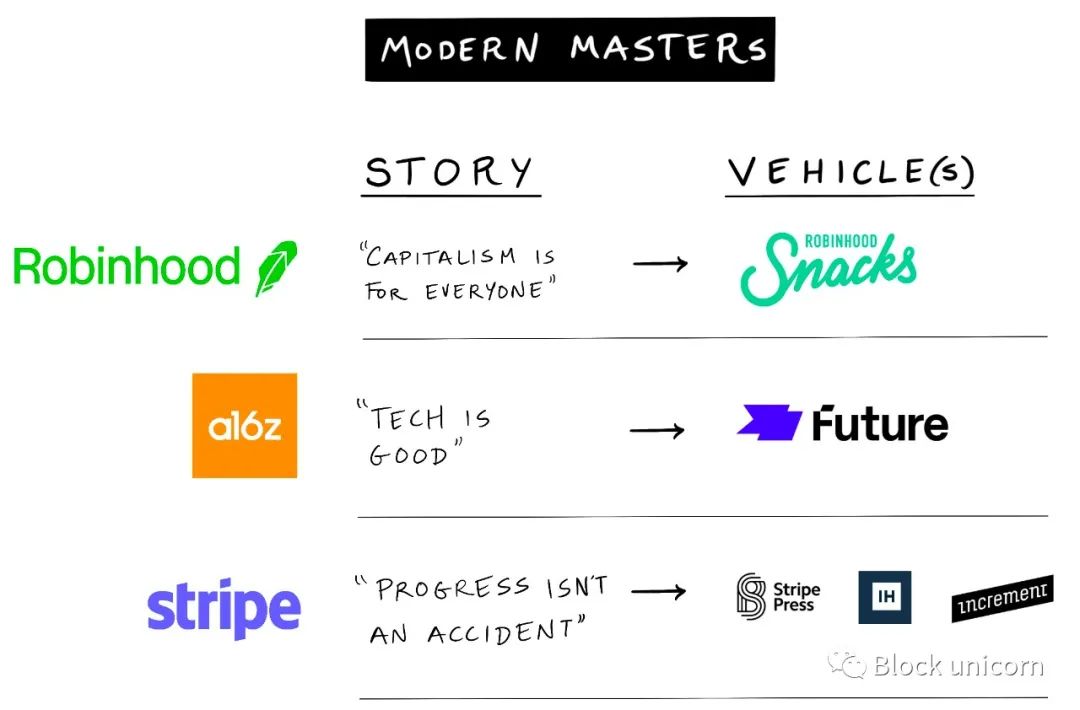
FTX is making soft power moves. What better way to lure US regulators than by becoming a supporter of America's favorite pastime? Given its origins, Binance will never be able to, and FTX is bringing Americana into its narrative, which may make the company seem like a less foreign proposition.
FTX's bold move attracted the press. It also builds affinity, familiarity, and influence with the American public, “Whose Story Wins?” We identified several other companies that could be considered modern soft power masters, including Robinhood, a16z, and Stripe.
While not every business needs soft power, most tech startups and venture capitalists still underestimate it. As online marketing becomes saturated, finding innovative ways to advance a person's story may become an increasingly valuable and key source of differentiation.
7. Preserve optionality (OpenSea)
When Devin Finzer and Alex Atallah founded OpenSea, NFTs were not yet a blip on the world's radar. CryptoKitties may have taken off, but there is little sign that a little-known chained data structure and the images it may contain represent big business.
With these conditions in mind, OpenSea's leadership followed a shrewd strategy: They kept options open at multiple levels. First, the team kept a low profile and made money from fees. Doing so saves Finzer and Atala from constantly raising capital and gives them time to let the market mature.
More importantly, OpenSea builds optionality into its product. Instead of focusing on owning a specific use case, the team designed the platform to host the long tail of assets. Again, this is a sharp move. In 2021, when PFP (NFT avatar) collectibles like Boring Ape Yacht Club and CryptoPunks take off, OpenSea is well-positioned with its flexibility to take advantage of this.
Not every company has benefited from the approach OpenSea has taken. But in immature markets, where financing can be hard to come by, the first great use cases are harder to analyze, and retaining options can be the difference between extraordinary success and peaceful death.
8. Strengthen your strengths (Tiger Global)
Great businesses usually don't try to do everything. Instead of distracting themselves, they focused on how to strengthen their most obvious strengths.
Tiger Global, a large fund, is an example. Traditionally, venture funds have relied on teams of analysts and partners to conduct research and due diligence in-house. This process often makes it difficult to make quick decisions or become familiar with new markets or geographies. Recognizing the pitfalls of this approach and the complexities of building a competitive advantage in this space, Tiger took a completely different approach. The company outsourced its due diligence to consulting firm Bain & Company. Tiger can use this resourcefulness to focus on its greatest strengths: moving fast and relying on its vast knowledge of successful business models to pick winners.
Red Bull has done something similar. The company outsources the production of its beverages to focus entirely on marketing. The implicit message here is that the Austrian business doesn't believe it can differentiate itself on a recipe, but understands that it is really good at telling stories and advancing the lifestyles associated with its beverages. To win, find ways to deepen your advantage, even at the expense of outsourcing commoditized operations.
9. Find your counterlocation (Telegram)
Sometimes the best marketing strategy is to define yourself by what you are not. In this state of negativity, no business has thrived like Telegram.
When the Durov brothers started developing the app in 2012, they entered an already crowded social media and messaging space. WhatsApp was founded three years ago by Jan Koum and Brian Acton and has amassed a user base in the millions. Facebook has been running a version of its chat feature since 2008.
While many other businesses may have been intimidated by this competitive mix, Pavel Durov saw it as an invitation to punch up and expose competitors' weaknesses. Throughout Telegram's journey, the company has defined itself as a sort of un-Facebook: a user-friendly, private alternative to Big Blue's surveillance state. This counter-positioning became even more effective once WhatsApp moved into Zuckerberg's camp, allowing Durov to extend the same argument to his most direct competitor. With Facebook's data breach and congressional hearings failing, Telegram's appeal will only become more apparent. Today, Telegram has over 600 million users and a rich feature set.
Rather than accepting the position of the market leader and suggesting improvements, the shrewdest move may be to abandon, reverse and fight back.
10. Actively reinvent yourself (a lot)
Great businesses never sit still, they are constantly in a state of reinvention and internal bottom-up disruption. Doing so will not only open up new opportunities, but prevent competitive displacement.
Mercado Libre is an example of a business that continues to innovate. What started as a simple e-commerce company has grown into a leading online retailer in Latin America with a vertically integrated logistics network and rich fintech capabilities. Kaspi has this trait too, transforming from a middling bank to a super app in Kazakhstan. This shift required Kaspi to evolve, adding online bill payment, mobile commerce, messaging, point-of-sale services, maps and travel booking. Although early in its life, Nubank appears to have followed a similar trajectory, starting with credit cards, and then layering on insurance and stock exchanges.


