Dialogue with NFT community pioneers Carlos and Richard: How does NFT change the art world?



image description
Original compilation: Block unicorn
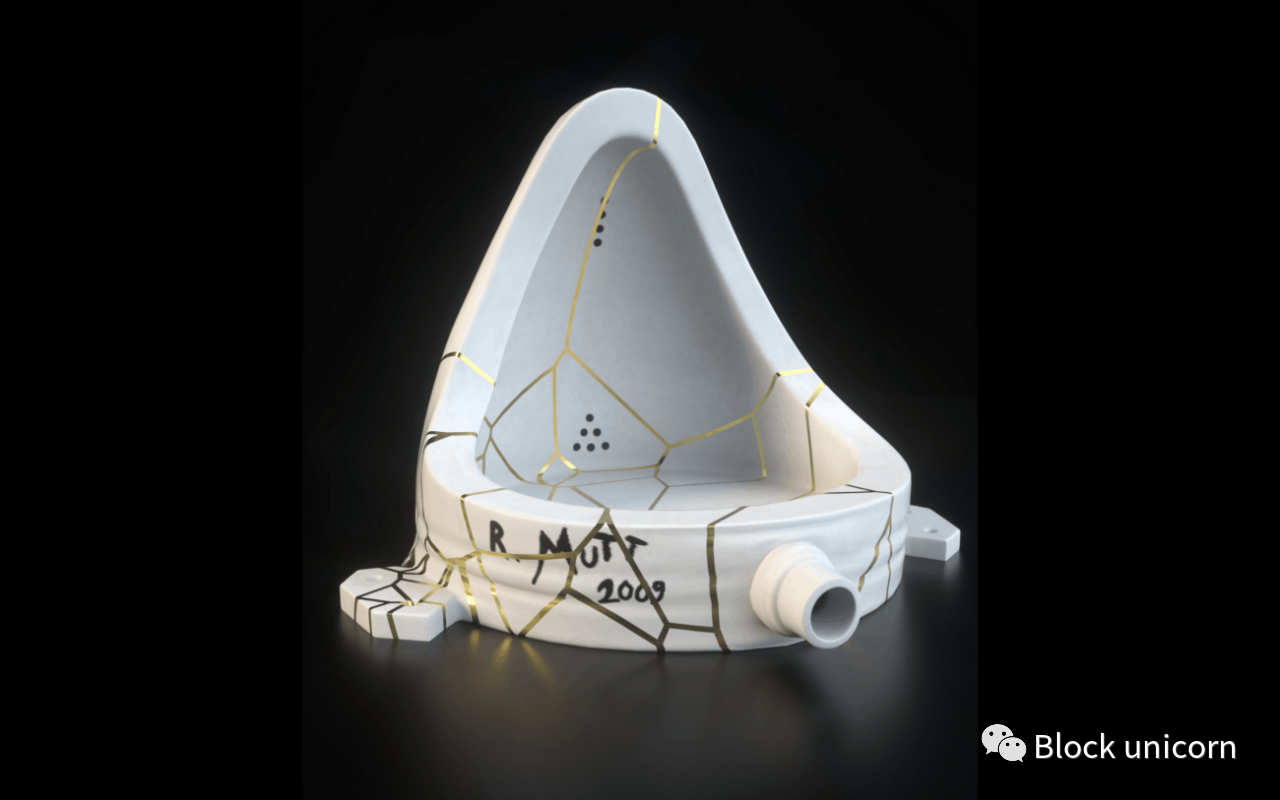
Image credit: Carlos Marcial,(still from) The Dialectical Possibilities of Jin 継ぎ, 2020 Courtesy of the artist
RCS host, Carlos Marcial and Richard Entrup are two NFT community pioneers from different fields.
RCS:Carlos, I would like to start by asking about the early days of the NFT space, when there was not the same form of mediation and gatekeeping as now. Can we still distinguish the new decentralized art market from the old centralized model?
Carlos Marcial:I wouldn't be here talking to the former CIO of RCS and Christie's if I hadn't had access to a "decentralized" global art market that I care about. When I think about marketing, it's all about attention, and good artists can't escape that. If you don't pay attention to your art, your characters, your biography, basically you don't exist. The fact remains that NFTs were able to create a market for people like me in the southern hemisphere, in Mexico City - even though I grew up in the Caribbean - to sell their art. For me, this is revolutionary.
image description
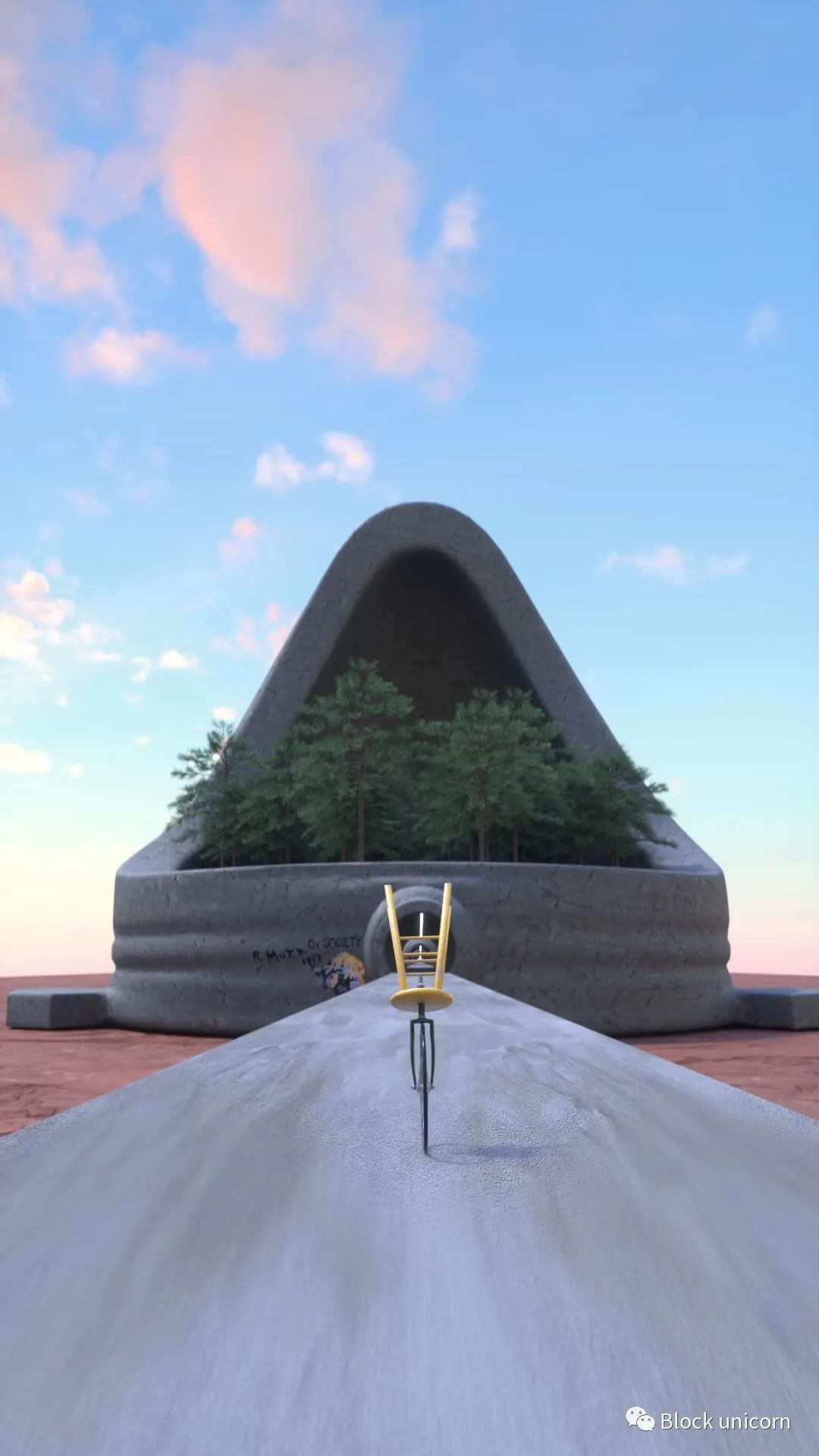
Carlos Marcial, (still from) L'Echelle du Modernisme, 2021. provided by the artist
Richard Entrup:I think Carlos eloquently summed up the impact of this NFT movement, which has enabled thousands of artists to sell their artwork that would otherwise have no mechanism on traditional platforms. They no longer need to rely on galleries and auction houses that have historically enjoyed white art privilege. So when we hear how many billions OpenSea made last month, how much Beeple sold for, or how much Christie's made in NFTs last year, it's magic that can't be ignored. That's fine with them, but let's not forget that the whole democratization and decentralization that blockchain offers in the art world should be about the artists, not middlemen taking a cut of it.
Carlos Marcial:image description
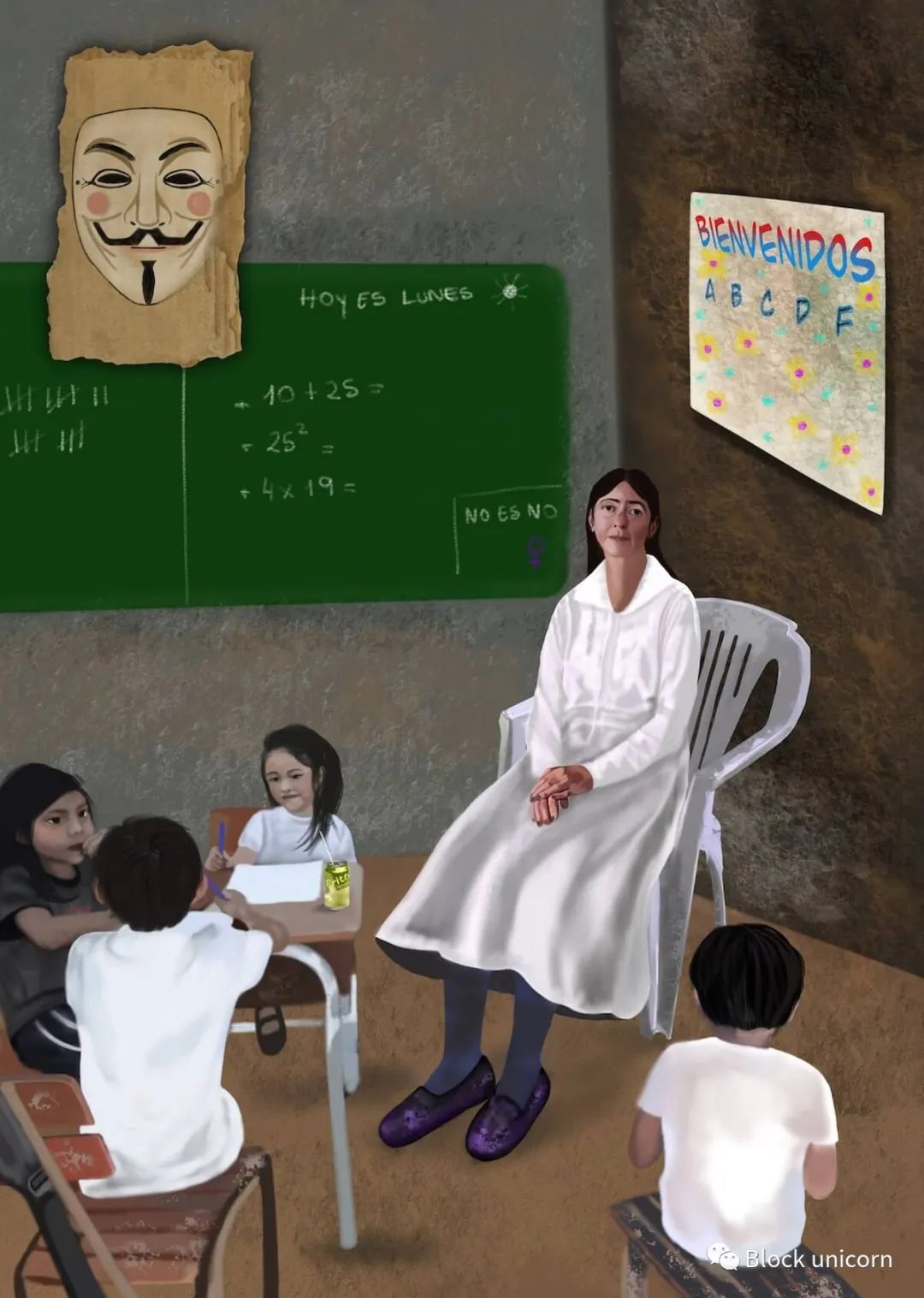
Panter Xhita, Shades of the Cliché: Guy Fawkes Masks, 2021. provided by the artist
RCS:As an OG (Crypto Elder) based in the NFT community in Mexico, do you still feel like an outsider artist, or maybe even a gatekeeper at times?
Carlos Marcial:I guess I feel a little bit about both. Honestly, I don't really like being called OG, maybe because I still feel like an outsider, or because I'm still attached to that character. I'm just a regular guy in Mexico City, which makes me feel like an outsider, but honestly, since I've become famous in the crypto art world, I've gotten a lot of Latino, Mexican, and Caribbean artists, almost Everyday is approaching me and they think I'll let them in. Right now, I'm putting together Metafisica, which is a SuperRare space, and I'm going to curate.
RCS:Richard, from the perspective of someone who has worked in both art worlds, given their experience in the secondary market, what do you think are the intentions of auction houses getting into the primary market? Are there grand plans, and if so, have they been successful?
Richard Entrup:image description
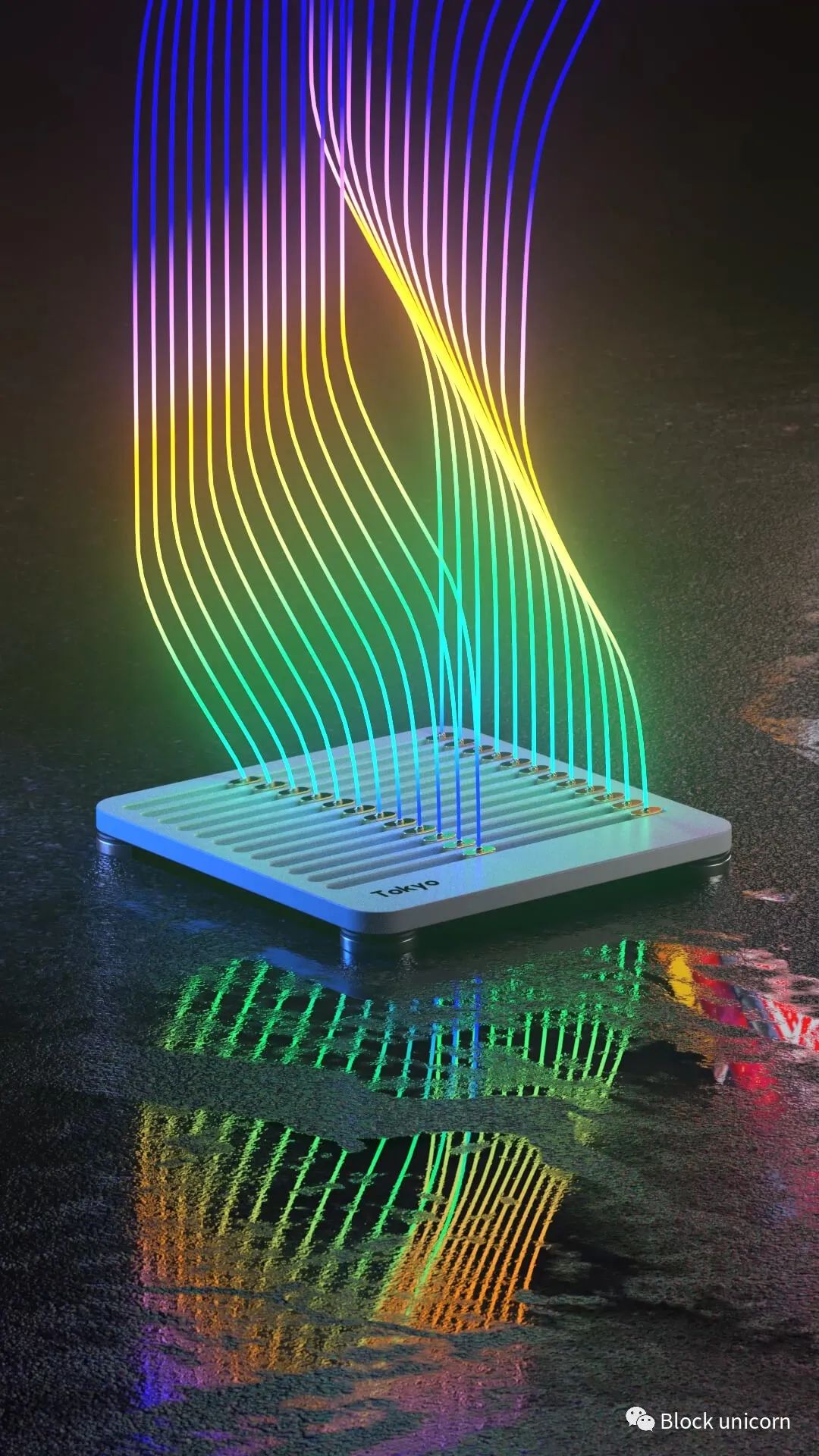
Flavio Carvalho, Tokyo Nights - January 1, 2021. provided by the artist
Carlos Marcial:I think auction houses are becoming less and less relevant, but in the past, an endorsement from Sotheby's or Christie's was like an endorsement. My mom is an art historian, so I grew up hearing about works by Frida Kahlo being auctioned off. This always gets my family's attention, I'm not sure if the younger generation has the same attachment. If Christie's and Sotheby's came knocking on my door, would I take it? Maybe, you know, because, at least to me, they still have a certain cultural cachet. But there's another part of me that's like, "they fucked," and I'm the platform now, and I can do it myself.
RCS:Can we now have cultural approval without all the guesswork?
Richard Entrup:No, I think the fact that NFTs are associated with cryptocurrencies is creating a new generation of collectors - crypto billionaires who have nothing else to buy with BTC or ETH and don't want to cash out for USD. People hear that NFTs are going mainstream, and they see them as a get-rich-quick scheme. As with all the great artists of the past 200 years, when they were alive, their artwork wasn't sold for a fraction of what it is today. But now, this process is accelerated globally by the Internet and NFT, which is related to crypto speculation and recognizes that NFT, like crypto, is a new investment asset class.
Carlos Marcial:image description
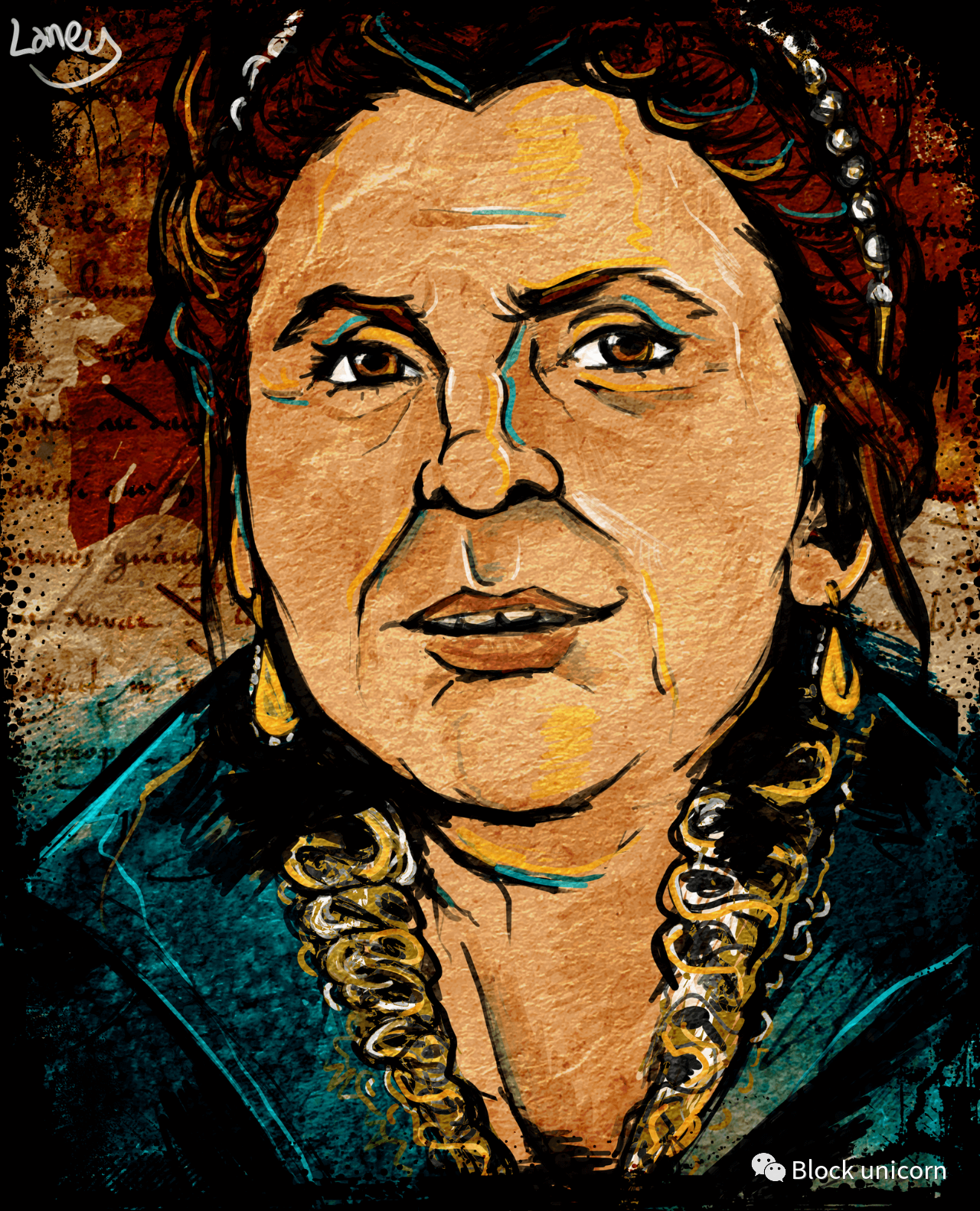
Cryptopom, know your place #05: Catherine de Medici, 2021. provided by the artist
Most people in the Global South live paycheck to paycheck, right? We also don't have financial education; that's partly because we need to get extra money. Investing in art requires money and some kind of cultural education. But I think NFTs are changing that by making it possible for people in developing countries to collect art. Artists in the Global South also care deeply about our fellow artists. We are one. No matter where we are, whether it's Haiti, the Dominican Republic, Peru, or Bolivia, this may be the first opportunity for everyone to take advantage of financial tools.
Richard Entrup:Carlos’ point is also relevant to democratize crypto’s mission — to get everyone involved in the system. Anyone can buy a fraction, and anyone can participate in this new world of money. NFTs are just a proof of concept for this. Let's face it, you still can't buy a lot with cryptocurrencies. But with Coinbase, PayPal, and other exchanges on the horizon, and more companies and countries accepting it as currency, there could be mass adoption and an NFT market, as long as there are eyeballs. It's just another digital marketing channel that supports engagement, conversion, retention and ultimately revenue. That's why big companies are getting on board.
RCS:It’s not just a new art market, it feels like there has been a massive financialization of creativity, not to mention the gamification of the art world, which centers on the ritual of descent. We also see many artists themselves collecting in a way that we may not have seen in the past. Has the psychology of the artist changed fundamentally?
Carlos Marcial:image description

Amanda Godreau, Prism 2, 2020. provided by the artist
Richard Entrup:Auctions always gamify the competition, where people bid against each other. This goes back hundreds of years, when the wealthy bought fine decorative art with their oars. But now there is a new form of art acquisition and gamification, especially the PFP project, which includes utility beyond the NFT itself. The problem with collectibles is that they fill a human need to collect things, whether it's baseball cards, stamps, coins, comics, or, in my case, Beatles memorabilia and fine wine. However, by adding an auction component to the sales process, you can also significantly increase the reserve price, or hammer price, of an object as people start competing with each other and driving up the price. The higher the degree of gamification, the more demand and higher the price.
When I was at Christie's, I tried to apply artificial intelligence to the process to determine the predictability of collectors participating in online sales. We even try to gauge when a buyer is likely to hover over the buy button during an online sale so the auctioneer can say, "Hi Miami, we see you might want to bid" to encourage bidding based on online intent superior.
image description
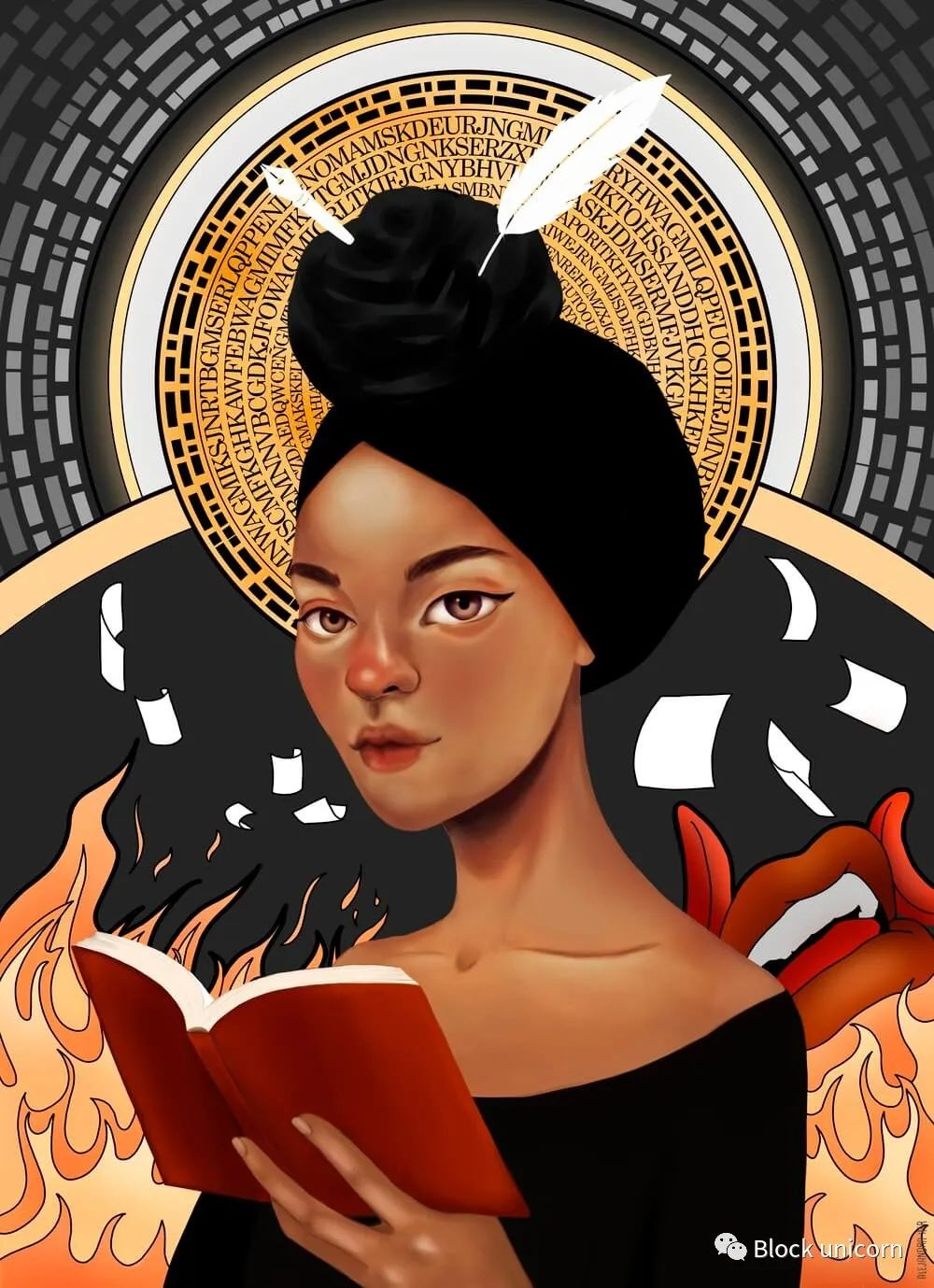
Alejandra Her, Our Lady of Silence, 2021. provided by the artist
RCS:Carlos, as an artist, do you feel like you're competing with NFT collectibles in a way that traditional artists didn't before? If so, what do you think of this expanding artistic field?
Carlos Marcial:I've tweeted before that maybe I'm the only crypto artist who doesn't mind PFP. Like Richard, I think collecting and building community through collecting is in our DNA. As a crypto artist, I don't mind competing with collectibles because I know that if I'm part of the traditional art world and sell my work through Christie's or Sotheby's, I'm going to be competing with other assets for the rich man's money, whatever Is the house in Miami or the stock on the stock market.
RCS:At least for now, the economic value of fine art NFTs seems to be lower than collectible NFTs, is this a problem?
Carlos Marcial:I think history has an interesting way of addressing these issues. Or at least that's what I'd like to believe. I see collectibles like Boring Ape becoming a handy tool for wealthy crypto folks to speculate. In a sense, they represent a lower culture that lives on speculation, whereas digital art relies on other forces to build an artist's work and reputation. But in a weird way, I don't mind it, because I know fine art always takes longer to show up.
Richard Entrup:In fact, the majority of sales today are happening in the PFP community, while the other 10% to 20% of sales, as far as I know, are in traditional art. Artists like Carlos, Casey Reas, IX Shells, Mario Klingemann, Snowfro and Jared Tarbell - all getting good prices for their work, but nowhere near apes and punk. This may change. Ultimately, you have to look at the data. The top 50 items are all PFP collectibles and Pokemon type sales. That's it for now.
I happen to know some important art collectors from the traditional art world who have made the leap into crypto. They have Apes, Art Blocks, and native generative art, though it's still a niche community.
RCS :Before the pandemic, it still felt like a divide between the fine arts and culture industries, including digital creatives unaccustomed to selling their work at premium prices. But in recent years, our experience of various art forms has been compressed into a single digital plane, and it feels like we have entered an era of transmedia art. Do you agree with this assessment?
Carlos Marcial:I like to refer to crypto art as "post-postmodern art" because we've evolved from a modernist artist who doesn't touch the market, to a completely different animal who is directly connected to the market; who decides when to give away NFTs; Talk; who is the platform. In postmodernism, we have transformed from artist shaman to platform, becoming Christie's or Sotheby's themselves. It's a double-edged sword: you get more money, but you also become too much of a promoter or marketer.
Richard Entrup:I just wonder what happens if Refik Anadol, Beeple or XCOPY create their own NFT exchange direct sales. Currently, they are still being sold through other exchanges or auction houses. But why aren't they direct-to-consumer like Disney and everyone else? The whole beauty of the democratization of the blockchain is that it allows artists to reach their audience directly without a middleman. Unfortunately, as far as trying to introduce this democratized music business, musicians simply cannot sell directly to audiences without a massive marketing engine. So Spotify and Apple control the market.
secondary title
Carlos Marcial
secondary title
Richard Entrup
Has led technology, innovation, and digital transformation initiatives for many of the world's leading brands, including Verizon, Christie's, Disney/ABC, Time Warner, MoMA, Viacom, and Tiffany & Co. At Christie's, he envisioned and executed a major digital transformation initiative which included the first blockchain-based auction, augmented virtual reality hang-up applications, predictive analytics and computer vision applications using AI and ML (data structures) procedures, and online mobile bidding during live auctions. In 2018, he helped launch the inaugural Christie's Art + Technology Summit, focusing on blockchain and artificial intelligence. It is here that ClubNFT CEO Jason Bailey (Artnome) first introduced NFTs to the traditional art world.