After Facebook rebranded Meta, it began to enter the field of Crypto



Last month Facebook CEO Mark Zuckerberg announced that the platform would be renamed Meta. Since then, Facebook has had a new logo to differentiate it from apps like Instagram and Whatsapp.
At the same time, leaked internal documents have plunged Facebook into a colossal crisis over the past few months, amid growing criticism of Facebook's far-reaching and complex management policies and growing employee mindset about its profit-driven drive. more accusations.
Facebook's rebrand is partly an attempt to help the company shed past misdeeds and rebuild a positive reputation。

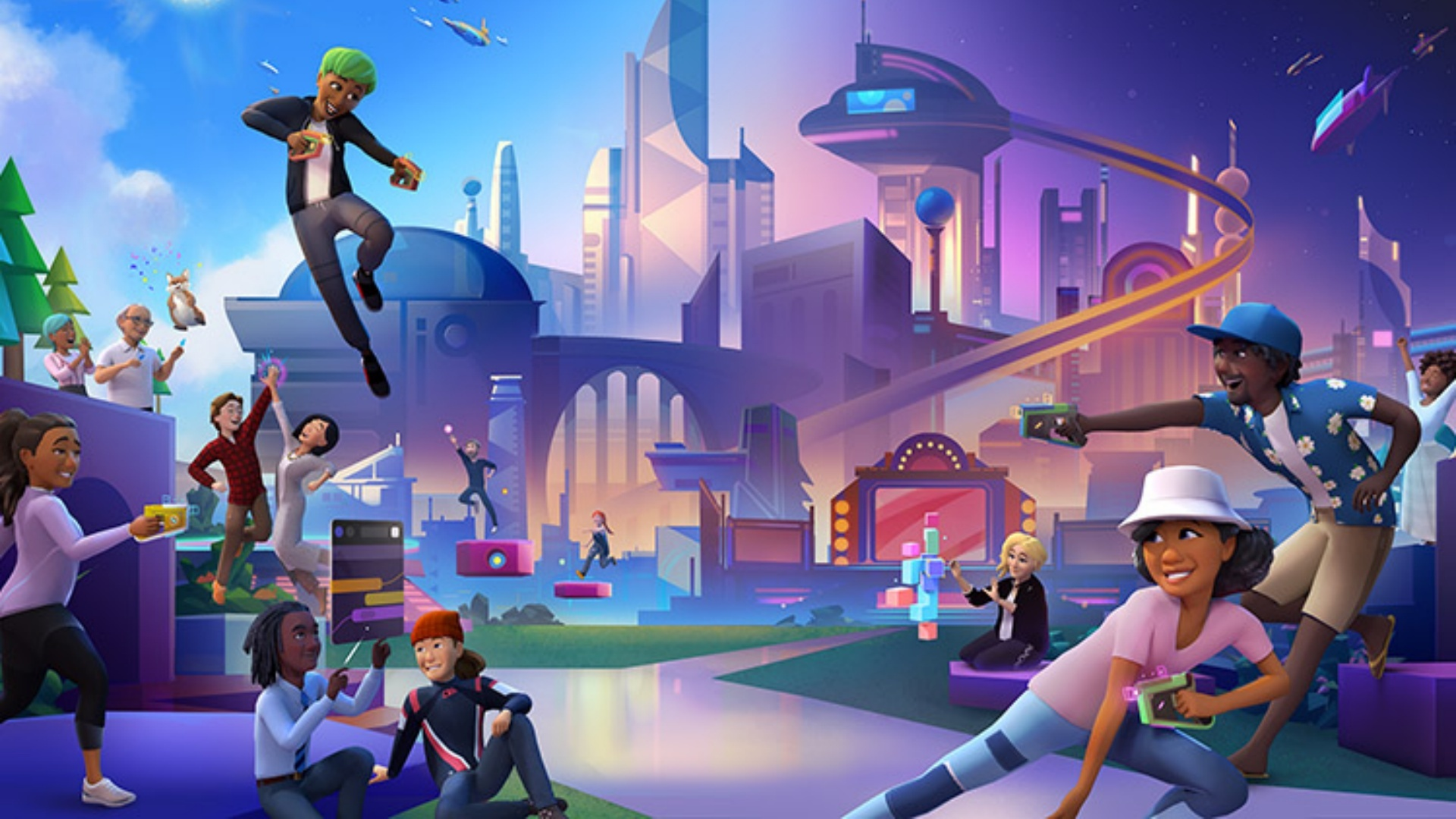
During the release of the rebranding video, CEO Mark Zuckerberg unveiled the "Metaverse," which he called "the next generation of the immersive Internet." This means that Meta will be closely linked with Virtual Reality (VR), Augmented Reality (AR) and Artificial Intelligence (AI), thereby promoting the level of interaction between technology and humans in the future.
Simply put, Metaverse will enable users to enter a virtual world where they can create avatars, meet friends, chat, buy and sell virtual assets with Crypto, and more.
But Meta isn't the only brand trying to capitalize on growing market demand.Meta will undoubtedly be transformative, especially when combining the existing "virtual world" with the potential reach of Facebook and other platforms in the company's portfolio。
As part of the rebranding, Meta will facilitate user interaction in the virtual world, and the longer people spend in Metaverse, the more their online habits, purchasing behavior and consumption patterns will change.
The point is that the whole thing is connected, Facebook isn't an original Metaverse idea, and in all fairness, the synonym has been around long before the rebranding.
Several brands such as Epic Games, Somnium Space, and many more have been part of the Metaverse for quite some time, and Meta is a complement to the existing Metaverse system.Given that no other Web2 social media platform has ventured into this space yet, Facebook will have a first-mover advantage。
Facebook's rebranding is part of the brand's long-term goals, which also include aligning its business model with the thriving blockchain ecosystem. Meta recently reversed its longstanding policy prohibiting crypto-related businesses from running any ads on the platform, a ban that has been in effect since 2018 and has prevented hundreds of crypto startups from reaching a wider audience.
The shift coincides with the company's attempt to launch its native Crypto, which aims to operate assets globally through Facebook and other platforms such as Messenger, WhatsApp and Instagram. Although this initiative has failed so far, it is also a useful attempt for Facebook.
Facebook's rebranding of Meta ignited its exploration of the Crypto field, and the majority of Metaverse enthusiasts began to speculate on the future of an immersive platform. Most of the projects released in recent months offer a high degree of interoperability, allowing users to interact with different worlds within the Metaverse.
As it stands now, Meta is gradually making forays into the Crypto and blockchain industry. The team is increasingly incorporating the Crypto realm into its development. Evidenced by its growing influence on Twitter and in the Crypto-centric discussions.
Following Bybit’s launch of the Realy Metaverse, Meta tweeted “@RealyoOfficial is changing the fashion game in the Metaverse”, thus showing an example of Meta’s active involvement in the Crypto community.
The well-known Crypto exchange Bybit officially announced on its Twitter the launch of Realy, a metaverse project with a focus on street culture. Realy provides users with everything from fashion products to virtual concerts of the hottest artists in the virtual world.The most exciting aspect of Realy is that it builds on the play-to-earn mechanics found in video games, with its own specific live-to-earn mechanics。
Unreal Engine-powered Realy, a virtual city with AAA graphics that seamlessly integrates aspects of the physical and virtual worlds, intends to appeal to those interested in attending virtual concerts, art exhibitions and owning virtual clothing related to street culture user.
With the popularity of digital assets, people are likely to spend more time in virtual reality in the future. The development of open world games based on blockchain technology, such as Decentraland, The Sandbox and many others, proves this.
The original text comes from zycrypto, compiled and organized by Blockchain Knight, the English copyright belongs to the original author, please contact the editor for Chinese reprint.
The original text comes from zycrypto, compiled and organized by Blockchain Knight, the English copyright belongs to the original author, please contact the editor for Chinese reprint.