Can DeFi derivatives subvert CeFi derivatives?


overview
overview
Since BitMex was sued by the U.S. Department of Justice and the Commodity Futures Trading Commission (CFTC) for KYC/AML issues, the cryptocurrency field has paid a lot of attention to the development of DeFi derivatives. In addition, the DeFi derivatives industry itself is also booming, especially the rapid development of derivatives businesses such as Hegic, and a large number of cryptocurrency users have gradually trusted and sought after DeFi derivatives. In the industry, there are also constant remarks that "decentralized derivatives subvert centralized derivatives exchanges".
This article mainly introduces the current status of the decentralized derivatives market, and compares it with core data such as the derivatives market size and trading volume of traditional centralized exchanges. In addition, several typical projects such as Synthetix and Hegic are highlighted to lead readers to look forward to the explosive period that the complex financial derivatives market will usher in.
first level title
Introduction to Decentralized Derivatives
1) Definition of Derivatives
bitcoinbitcoin、EthereumEthereum
Such as digital currency as the basic asset, it is mainly divided into centralized digital currency derivatives and decentralized digital currency derivatives.
Centralized derivatives means that both parties to the contract need to rely on an intermediate third-party platform to assist in the matching, trading and delivery of financial contracts, such as BitMex, OKEx,BitZBitZBitcoin futures and options contracts launched by such centralized exchanges. According to data released by third-party data and rating agency Tokeninsight, in the third quarter of 2020, includingBitZe BitZ Exchange
The trading volume of derivatives on 42 major exchanges including China reached 2.7 trillion US dollars.
3) Decentralized digital currency derivatives
Regarding the types of decentralized digital currency derivatives, this article specifically refers to the most common types of options and futures derivatives contracts, which is convenient for everyone to understand and compare. An option is a tradable contract, which gives the buyer of the contract the right to buy or sell an agreed amount of assets specified in the contract at an agreed price within the agreed period of time. In simple terms, it is a "right" that the "future" can choose to implement or not. Futures refers to a contract in which the buyer and the seller agree to deliver the subject matter on the exchange at a specific time in the future at an agreed price.
decentralized options
secondary title
1) Overview of decentralized projects
Source: Bizai Research Institute
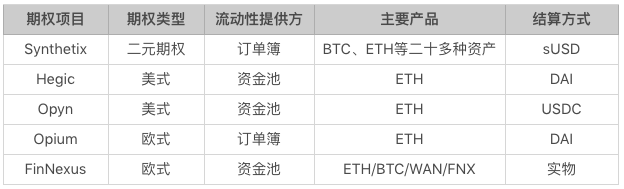
Source: Bizai Research Institute
secondary title
2) Analysis of main items
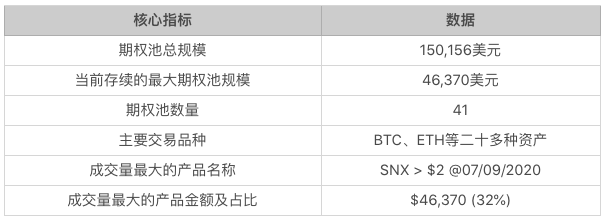
Synthetix, as the leading project of synthetic assets, officially launched the beta version of option products in June 2020. However, unlike the traditional common European and American option products, Synthetix launched binary option products, that is, users can only target the underlying underlying assets. Forecast and buy and sell the rise and fall within a certain period of time in the future.
Currently, the binary option products traded on the Synthetix platform are mainly BTC, ETH, SNX, LINK and XRP. The product interface is as follows:
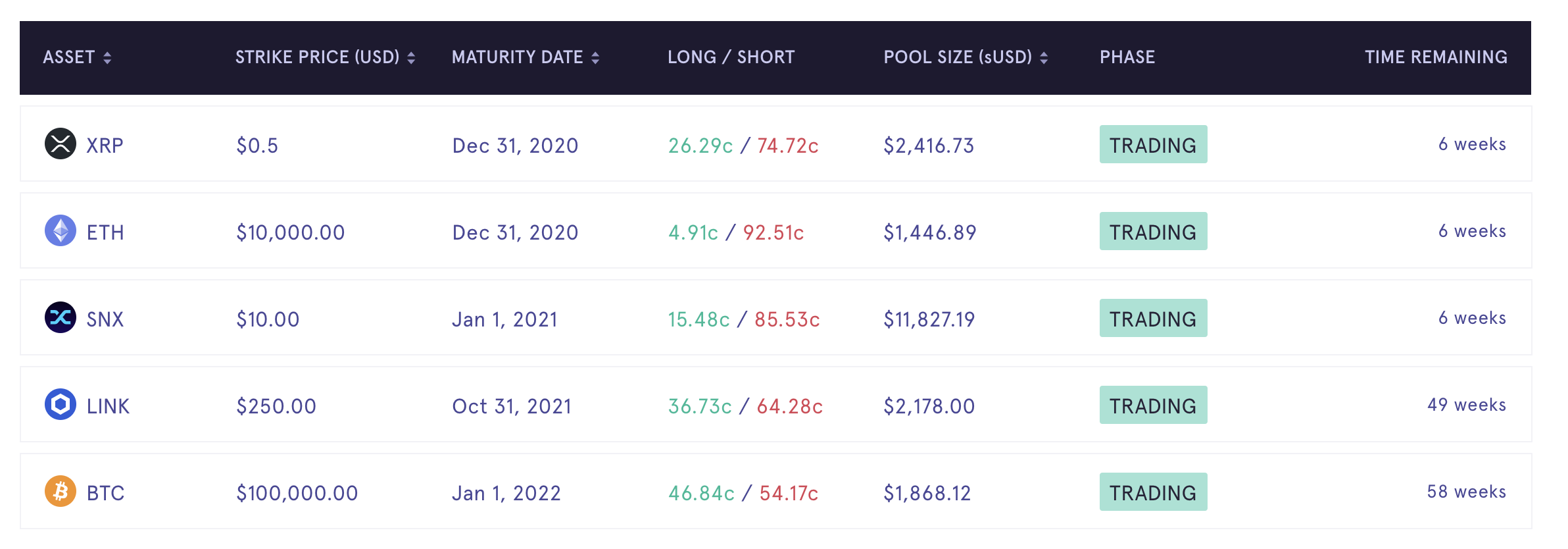
image description
image description
Source: Bizai Research Institute
Hegic
Source: Bizai Research Institute
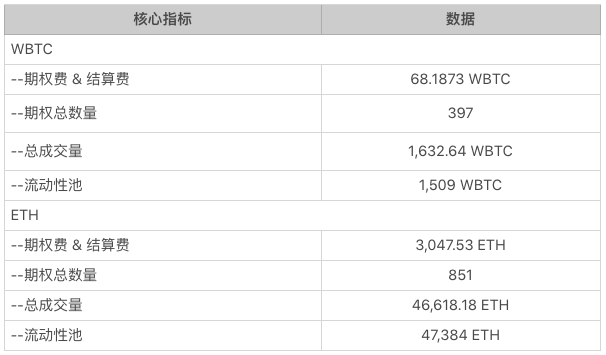
The reason why Hegic is introduced separately is because Hegic adopts a completely different design from the traditional option order book mechanism, that is, the fund pool model. This makes the operation of user transactions very simple, and more importantly, creates abundant liquidity for option products. In the traditional order book mode, each option needs to find a counterparty to be traded, so it is often encountered that a certain option has no counterparty, which leads to a lack of liquidity.
In addition, Hegic also allows users to create customized options products. Hegic's clients can customize option products with different "strike prices" and "expiry dates". In Hegic, different from traditional option expiration dates such as weekly, monthly or quarterly end fixed dates, users can choose 5 contract periods: 2 days, 7 days, 14 days, 21 days or 28 days, thus This allows users to choose the time for setting up the Option according to their own wishes, and then decide the expiration time. The product interface is as follows:
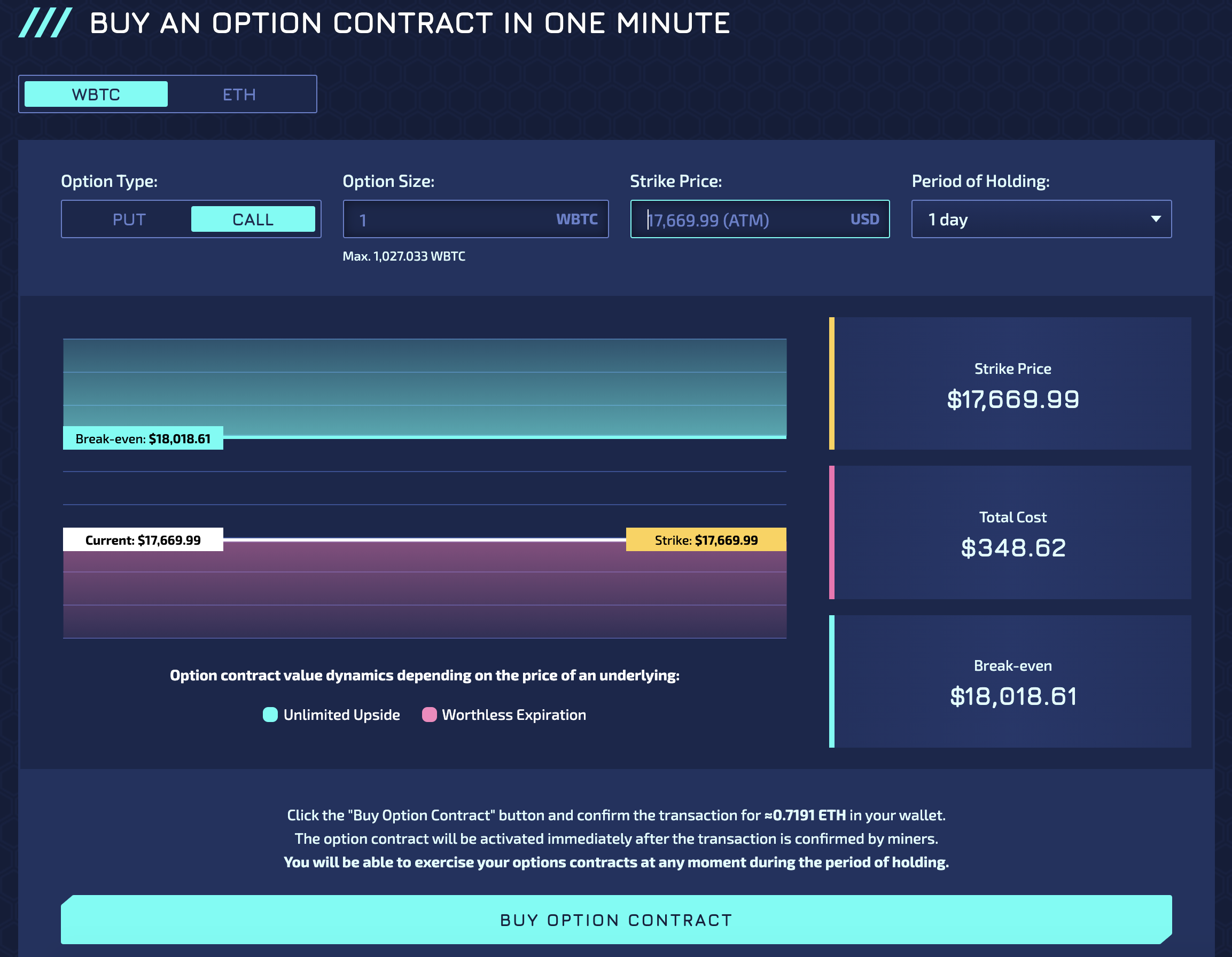
image description
Source: Bizai Research Institute
Source: Bizai Research Institute
Decentralized Futures
secondary title
1) Overview of decentralized futures projects
Source: Bizai Research Institute
Source: Bizai Research Institute
secondary title
Futureswap
2) Analysis of main items
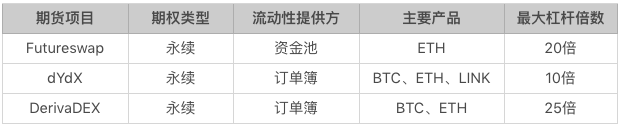
Futureswap was launched in April 2020. Its main product is the ETH/DAI perpetual futures contract. Users can use leverage up to 20 times to participate. Similar to the option platform Hegic introduced earlier, the counterparty of the contract transaction on Futureswap adopts the fund pool model. In addition to traders who buy and sell futures, another group of users can deposit the same amount of ETH and DAI on the platform to become Futureswap’s liquidity provider. LPs who provide liquidity can earn futures commissions and FST token incentives.
But at present, the products launched on the official website are still alpha versions, which cannot be used, and we cannot know the current turnover and other conditions.
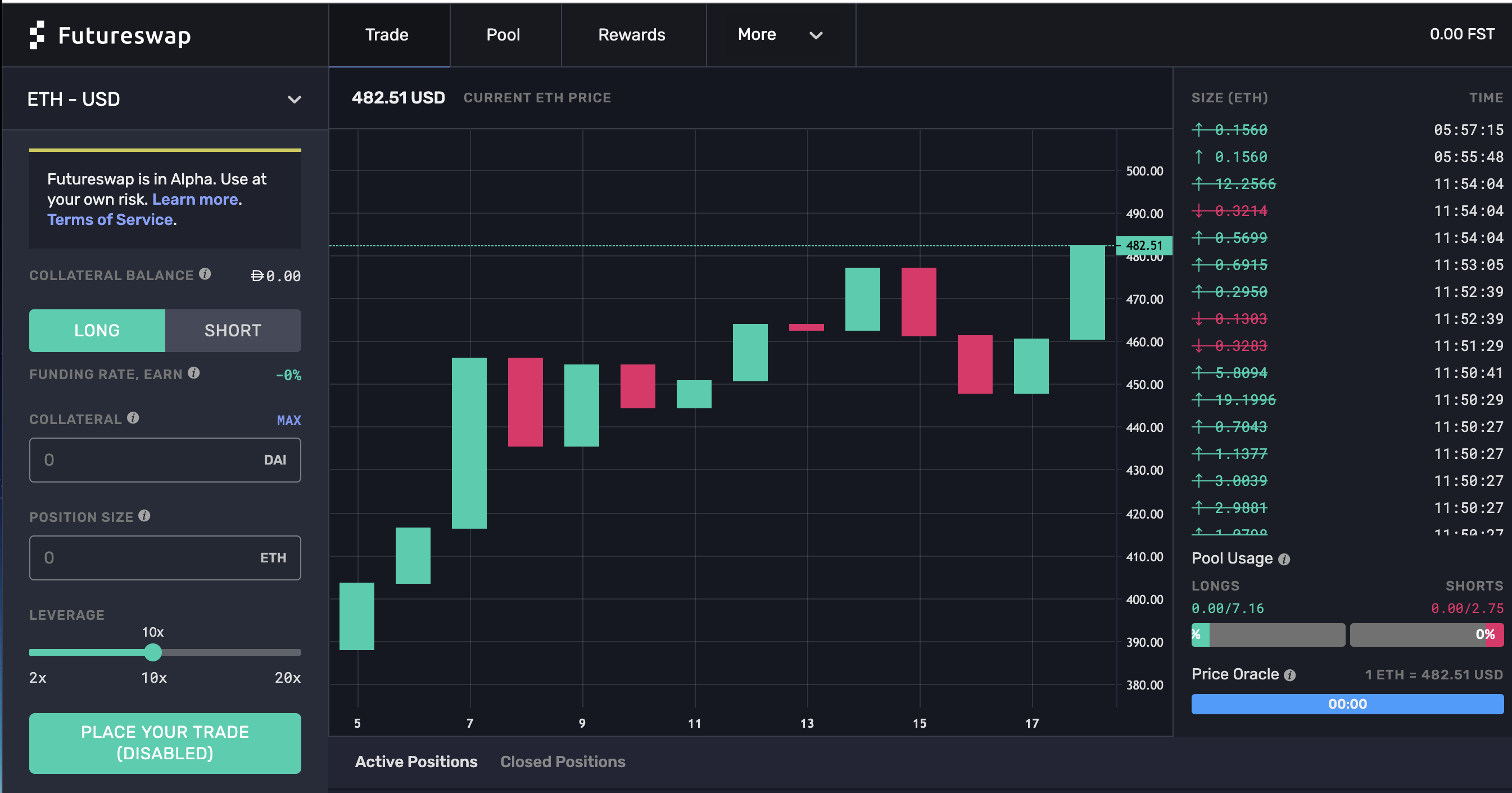
image description
dYdX
Source: Futureswap official website
In terms of design mechanism, different from the fund pool model adopted by Futureswap, dYdX continues the order book trading model of traditional exchanges and supports user pending order transactions. The product interface is shown in the figure below:
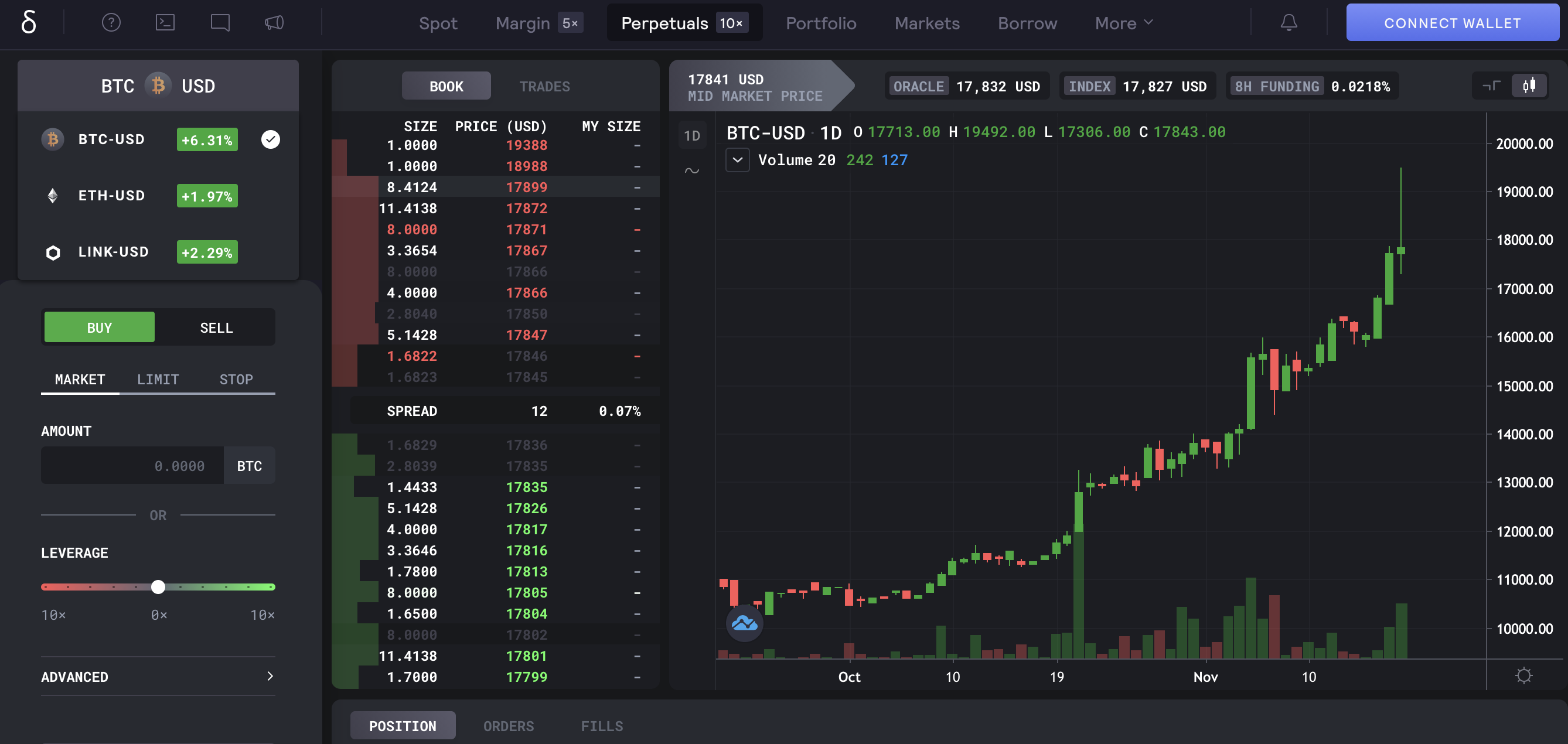
image description
Source: Bizai Research Institute
Source: Bizai Research Institute
Development Status of Decentralized Derivatives
secondary title
Source: DeFi Pulse
Source: DeFi Pulse
secondary title
2) The development scale of centralized derivatives
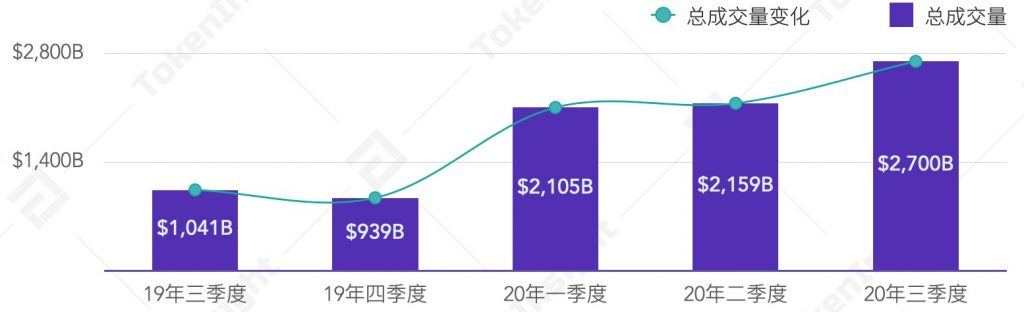
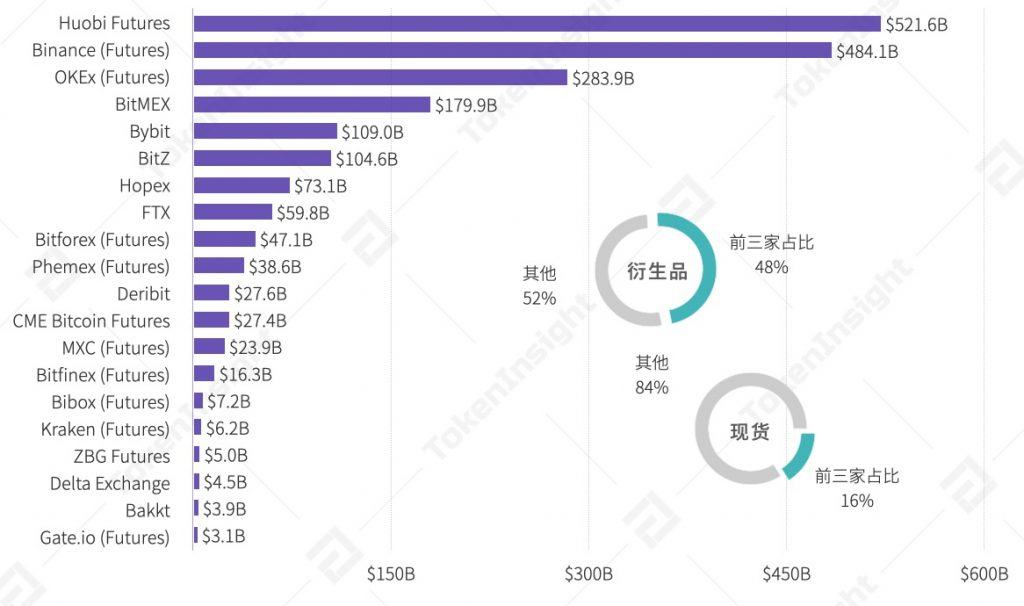
At the same time, the proportion of the total trading volume of the top three exchanges in the derivatives exchange industry dropped to 48%. Industry competition has led to a decrease in the concentration of trading volume distribution. The top six derivatives exchanges are Huobi, Binance, OKEx, BitMEX, Bybit and BitZ.
secondary title
Source: Bizai Research Institute
Source: Bizai Research Institute
Advantages, Disadvantages and Future Prospects of Decentralized Derivatives
secondary title
1) Advantages of DeFi derivatives
In October 2020, the well-known futures exchange BitMex was sued by the US Department of Justice and the Commodity Futures Trading Commission (CFTC). According to the US CFTC, four users of BitMex violated US KYC and AML terms and provided services to users in Iran, a country sanctioned by the US. Since the incident, the number of BTCs outflowed from BitMex has exceeded 45,000.
The BitMex incident fully exposed the single point of failure in centralized exchanges in the digital currency field. Whether the failure came from compliance pressure or from doubts such as the exchange’s [insert/unplug the network cable], some derivatives Trading users began to think about using decentralized derivatives to hedge against unpredictable centralization risks.
The disadvantages of centralized derivatives constitute the advantages of decentralized derivatives to some extent, such as in DeFi derivatives:
No user KYC/AML information required;
There is no centralized operator to host all assets and handle delivery, and everything is guaranteed by smart contracts on the chain, especially the security of deposits and withdrawals;
secondary title
2) Disadvantages of DeFi derivatives
Although DeFi derivatives have natural advantages in terms of capital security and anti-censorship, it cannot be ignored that DeFi derivatives are still in the early stages and far from mature, and there are still potential risks and problems:
Code security risk. Since all business logic of DeFi derivatives is implemented through smart contracts, it needs to be open source. Once a major bug occurs in the code of the smart contract, all funds may be stolen by anonymous hackers in an instant. For example, in April 2020, the decentralized options exchange Hegic had ETH worth 28,000 U.S. dollars locked up and unable to be used due to code turmoil. This is just that the funds are locked. If there is a hacker attack, Hegic may lose as many as several million dollars.
The pricing mechanism is not perfect. At present, the pricing of option products is still immature. For example, the implied volatility of an important parameter in Hegic's option product pricing system is still a data that is manually updated by the team. This is extremely prone to user arbitrage and unfair pricing. So this will also become an important factor limiting the trading volume of decentralized derivatives.
Manual operation is required when exercising. Opyn & Hegic option holders must manually exercise their options.
secondary title
3) Future Outlook
Judging from the current scale of development, there is no doubt that decentralized derivatives are still in a very early stage, and there are many immature factors and potential risks, especially the imperfect pricing system and the risk of being attacked. This also makes the current mainstream trading venues for cryptocurrency derivatives still remain centralized exchanges.
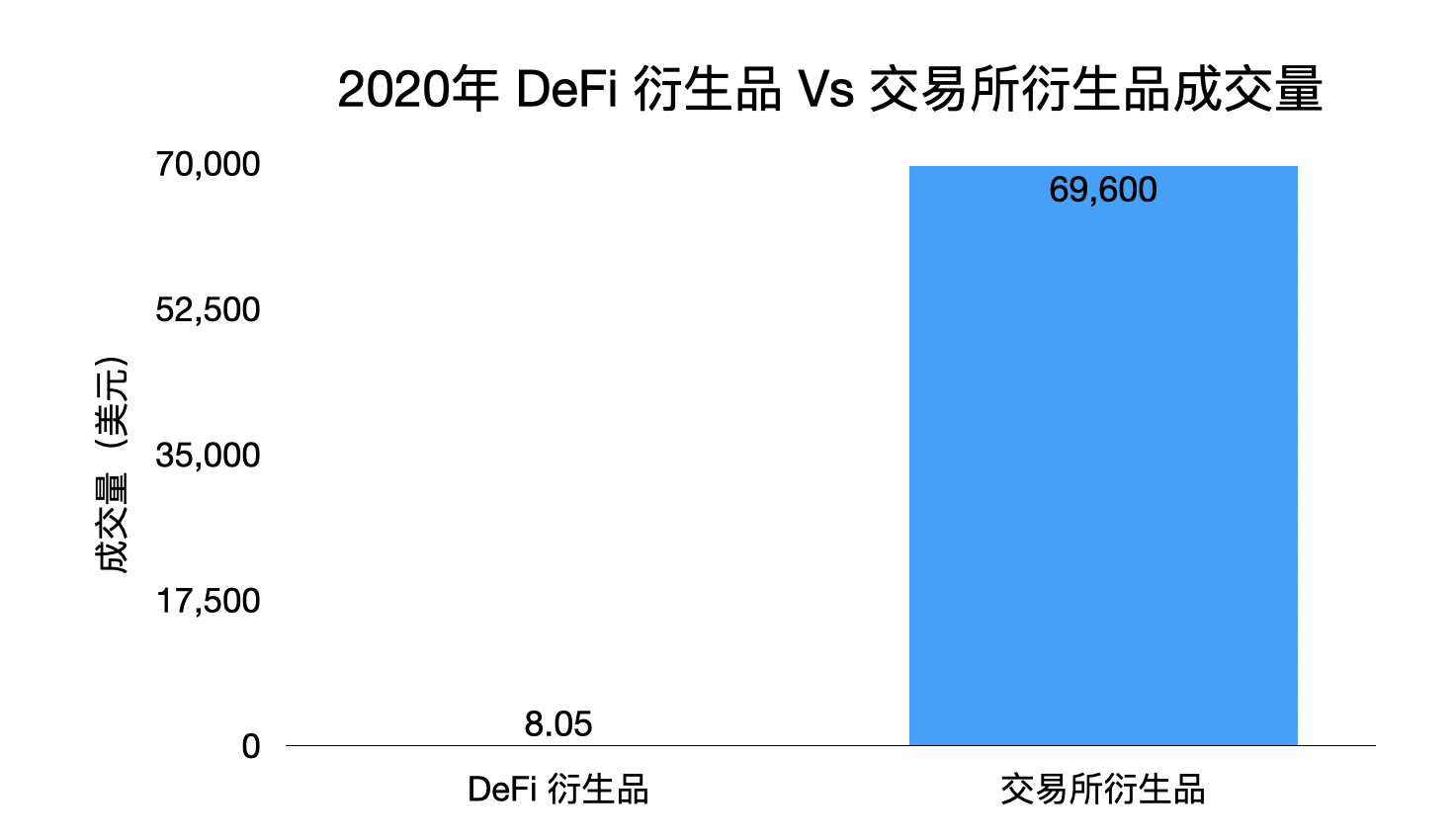
However, DeFi decentralized derivatives have unique advantages in anti-censorship, de-platforming, and anonymity that centralized exchanges cannot achieve, which is bound to divert and cannibalize some users of traditional exchanges. And this trend, after BitMex was sued and domestic OKEx banned currency withdrawals and other incidents, showed an accelerated trend, directly manifested in the recent surge in the trading volume of decentralized derivatives.