






Will it be the handling fee that overwhelms DeFi? ETH computing power and handling fees have reached new highs, but the network is extremely congested


Editor's Note: This article comes fromBabbitt Information (ID: bitcoin8btc)Editor's Note: This article comes from
Babbitt Information (ID: bitcoin8btc)

, by JOSEPH YOUNG, translated by Kyle, published with permission.
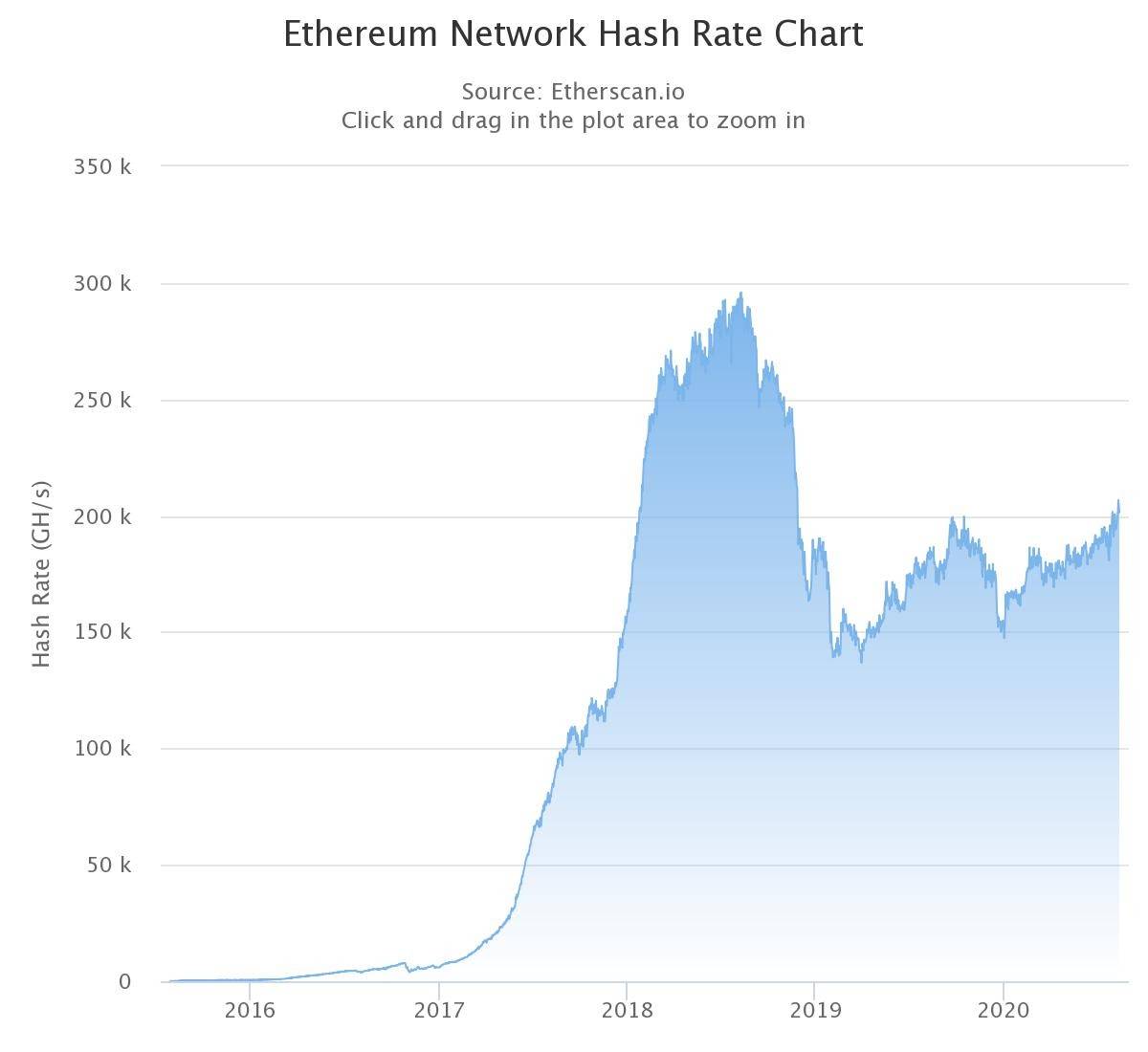
New data from Glassnode and Etherscan show that ethereum's hash rate has risen to a 20-month high, leading some bullish traders to believe that ethereum's price will continue to rise to new highs in 2020.
The explosive growth of Ethereum’s hashrate appears to be heavily influenced by the rapidly growing Decentralized Finance (DeFi), with hashrate hovering around 201,000,000 GH/s at the time of writing, a level not seen since 2018 .
The hashrate of the Ethereum network rose to 2018 levels. Source: Etherscan.io
Demand for ETH has increased significantly in recent weeks, and since mid-June more users have started using DeFi platforms, causing the Ethereum network to become congested.
As a result, transaction fees have started approaching all-time highs due to the sudden surge in transactions and increased activity on DeFi platforms such as Uniswap.
secondary title
Is Higher Hashrate Good or Bad for Ethereum?
Skyrocketing hashrate, rising ETH prices and fees suggest that user activity on the Ethereum blockchain is increasing. While Ethereum’s momentum has been largely driven by DeFi, data shows that Ethereum’s fundamentals have strengthened.
Market competition can sometimes lead to higher fees, especially when interest in DeFi surges, resulting in increased miner revenue. Increased income will force more miners to mine on Ethereum, resulting in an increase in hashrate.
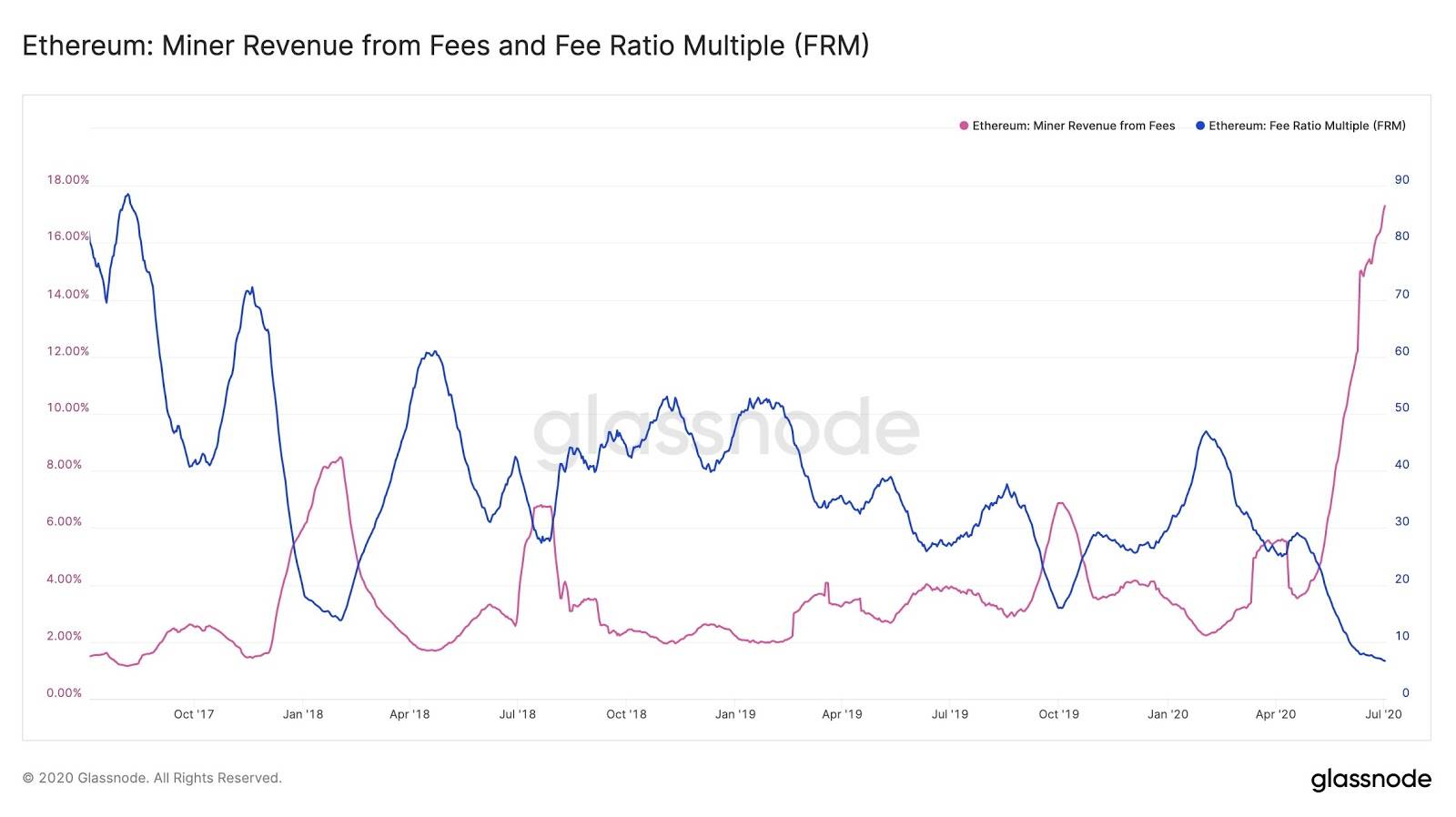
“Miner revenue generated from fees on Ethereum has skyrocketed to an all-time high of about 18% (30-day moving average) over the past two months. Conversely, this has brought Ethereum’s fee multiple (FRM) down to unprecedented levels The low of . The fee ratio multiple (FRM) created by Teo Leibowitz is defined as the ratio between the total miner revenue and the transaction fee. The FRM expresses how secure a chain is once the block reward disappears.”
image description
Miners’ fee income to fee ratio has grown exponentially. Source: Glassnode
ETH Fee Scale Exceeds Bitcoin
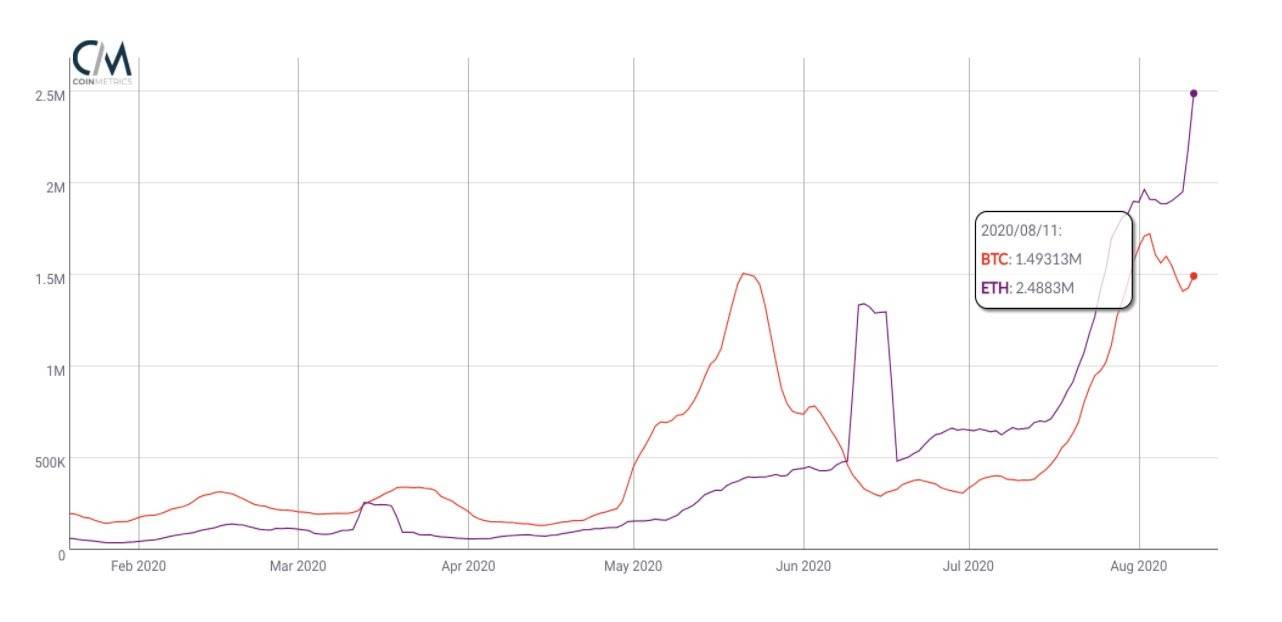
In recent weeks, the boom in Uniswap and new DeFi protocols such as Yam Finance has caused Ethereum fees to surpass Bitcoin. Cryptowat.ch, a market data provider owned by the Kraken exchange, said:
“Ethereum’s on-chain transaction fees continue to exceed Bitcoin’s. Now the difference is as much as a million dollars a day.”
image description
Ethereum’s on-chain fees surpass Bitcoin’s. Source: Cryptowat.ch





