Groups that make money through DeFi governance, this article understands the secrets of protocol politicians


Editor's Note: This article comes fromBabbitt Information (ID: bitcoin8btc)Editor's Note: This article comes from
Babbitt Information (ID: bitcoin8btc)
Babbitt Information (ID: bitcoin8btc)
, Author: Cooper Turley , Compiler: Overnight Porridge, published with authorization.
What does a DeFi protocol politician do? How will these influential players evolve? Should you be one of them? For those who choose to dig deeper into the protocol and build up their expertise, the potential revenue opportunity is large, potentially in the billions.
Let us dive into the new world of DeFi governance with Cooper today, and let us understand the life of a protocol politician.
It's 9:00 am and it's time to start.
While everyone else is commuting and stuck in traffic, you flick open your laptop and off you go to the race. You turn to Twitter, Discord, and Reddit to check for the latest discussions.
Yes, this form of work is somewhat unconventional, it requires expertise and the ability to inspire change, the life of a protocol statesman is based on sovereignty.
As a result of our endless reporting over the past few weeks, "yield farming" is becoming all the rage. Although it is easy to regard liquidity mining as a means of profit, the premise supporting these systems is where the real value lies.
Governance, or the ability to participate in protocol discussions that determine the future of the most popular cryptocurrency offerings, is the main event here.
For the vast majority of DeFi protocols, yield farming is to harvest the governance tokens of the protocol. Whether it is Compound, Balancer, Curve protocol, or dozens of other DeFi protocols that are about to follow, these tokens are a means of influence.
Like traditional governance systems, the framework for digital legislation looks similar.
Discussions evolve into working documents, which translate into votes. The benefit of DeFi governance over traditional systems is that voting is done on-chain, it is completely transparent, and anyone can verify the votes of their legislators.
We now have the ability to decentralize and compete as a borderless ecosystem with a few clicks anywhere in the world.
secondary title
What does a DeFi protocol politician do?
DeFi protocol politicians refer to such a group of people:
Regularly participate in governance to drive positive change through new proposals;
Willingness to vote openly on controversial issues, backing up one's vote with rational arguments;
secondary title
What are the benefits of being a DeFi protocol politician?
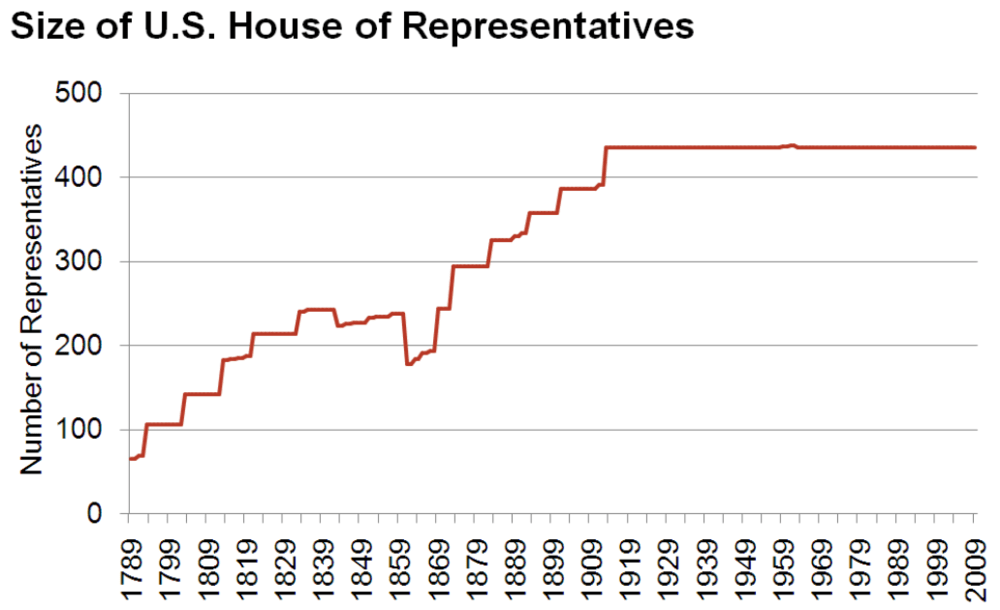
Influence is valuable, and people are willing to pay for it, especially as protocols facilitate an increasing flow of capital through politicians. And we can see that in today's political landscape, where campaigns for Congress are raising record amounts of money. House candidates raised about $1.2 billion in January 2017, about $200 million more than the inflation-adjusted $1 billion set in the 2010 election cycle.
image description
Chart: Number of seats in the House of Representatives
Equally important, the seats of DeFi protocol politicians are also very limited. Since there are only 3.7 million COMP in circulation, there are only 37 possible representatives (note: each representative requires 100,000 COMP). Even if the total amount of COMP is distributed, only a maximum of 100 Compound representatives can propose changes to the plan, and eventually, individuals and companies will start competing for these positions.
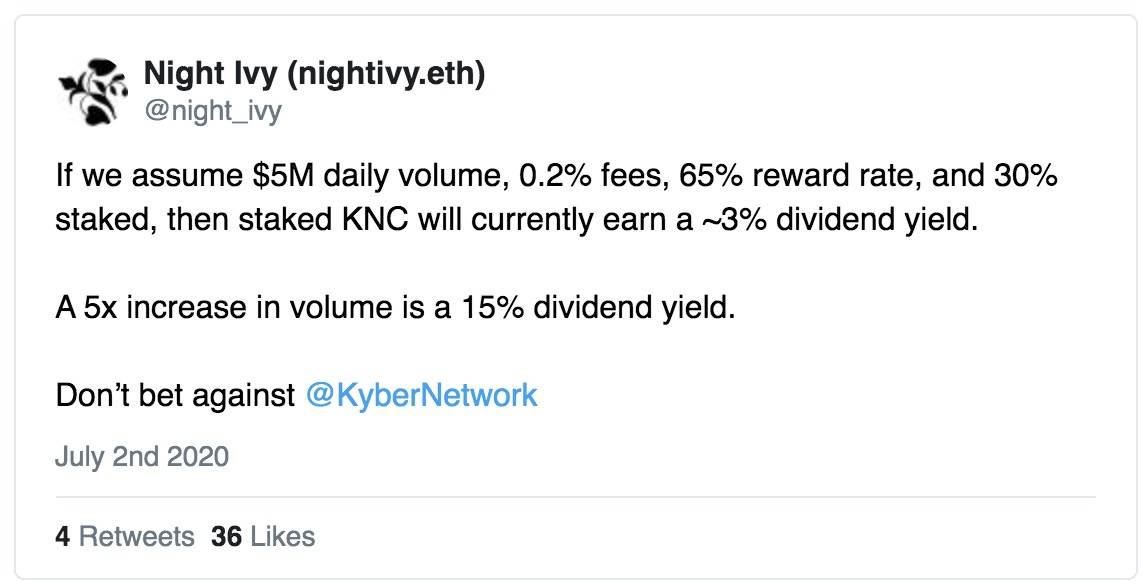
While it’s still early days, we suspect that the ability for protocol politicians to earn fees will also create attractive revenue streams. Most prominent is the ability of KyberDAO and asset pool managers (aka protocol politicians) to earn a portion of the delegation rewards, we expect individuals and companies to be able to generate sustainable income entirely through governance.
As things stand, Kyber is expected to generate $3.4 million in annual revenue. In the upcoming Katalyst upgrade, it is planned to allocate 65% of Kyber protocol revenue to governance incentives, that is, $2.21 million is given to participants. The interesting thing about Kyber is that its governance rewards are denominated in ETH. Delegates will be able to earn a portion of rewards from whatever fee structure they set, while delegators can opt in and out at any time.
We can imagine that, assuming Kyber grows sustainably, the expected gains for protocol politicians will only become more profitable.
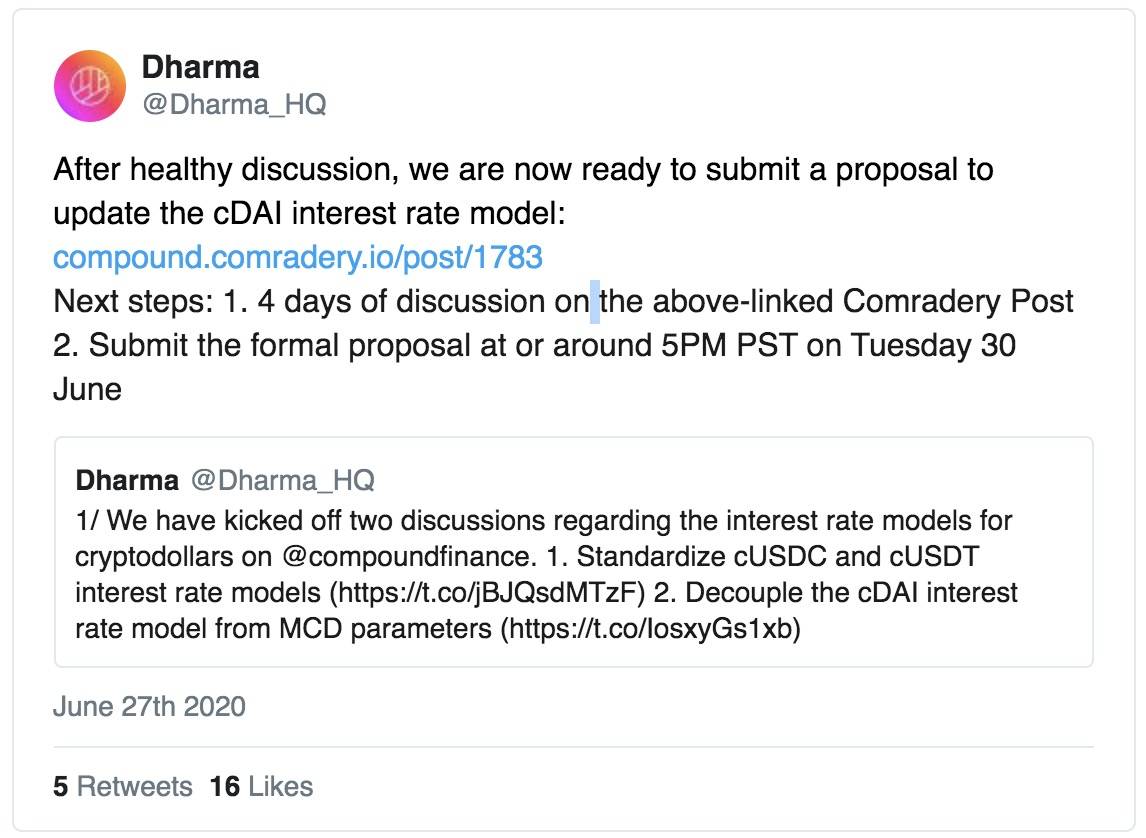
As we see today, Dharma is actively involved in the governance of Compound, and the team may even start allocating resources to focus exclusively on the governance of its investment protocol. We can also consider what a protocol politician would look like without economic incentives. While nearly 99% of protocol politicians have incentives to increase the value of their base holdings, or get paid from fees paid by participants, we can envision a governance "Gandhi" who holds no tokens, with rents involved Extraction is also zero, but he has a lot of voting power. Politicians are simply working towards better and long-term development of the underlying protocol.
As more and more protocols tokenize governance, those who get involved early may be rewarded for it. Even better, value-add work can be recognized in a variety of ways, which means that even those without crazy capital can gain governance influence.
With Maker, Aave, Kyber, Nexus Mutual, UMA, bZx, and others all rolling out updated governance frameworks, now is the time to delegate.
secondary title
Since so many governance discussions take place on a regular basis, it's important to make sure your voting power is fully utilized on every proposal. Don't get too deep into voting, trusted protocol politicians can play that role for you.
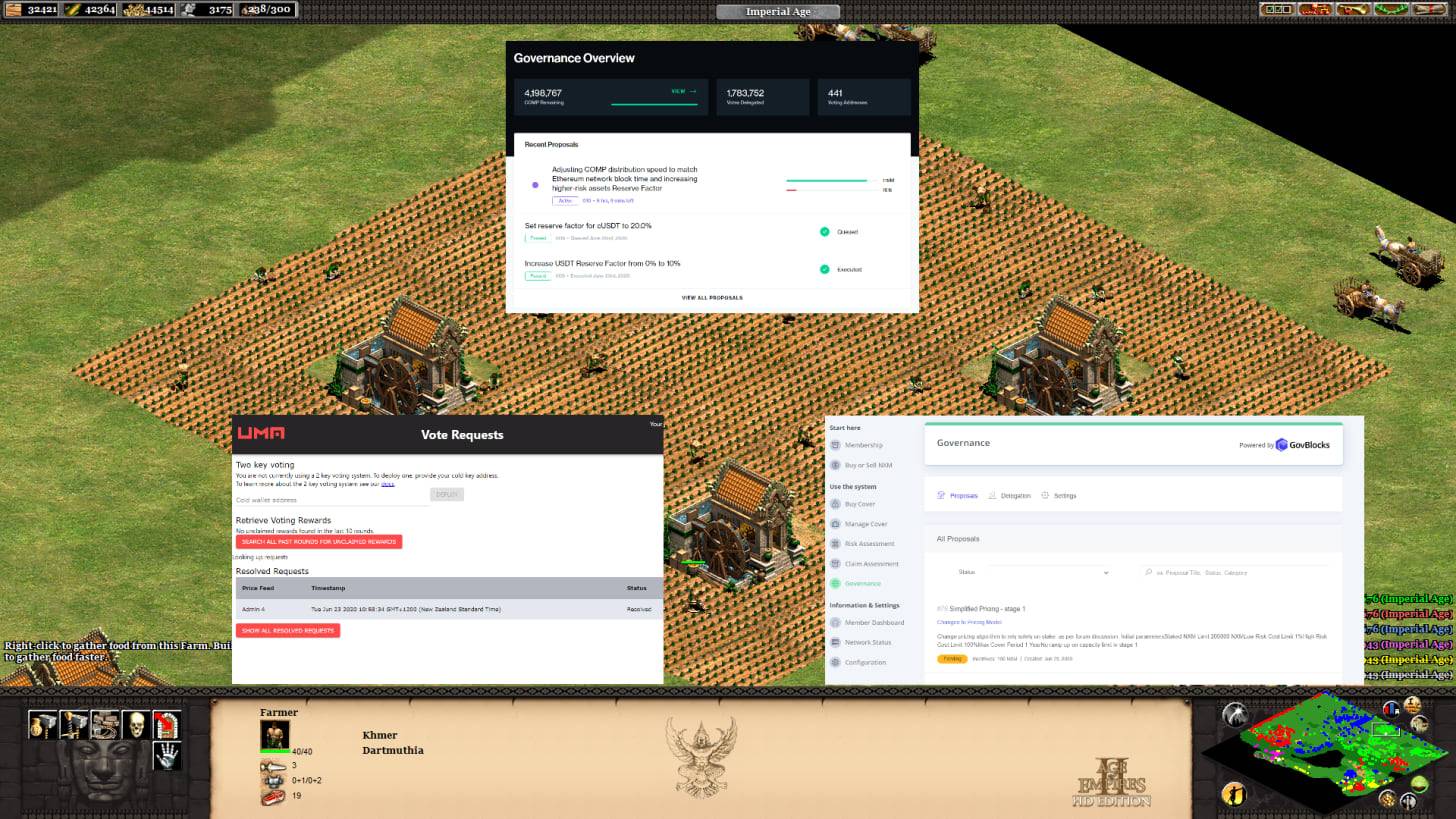
We want protocol statesmen to serve participants' commissions, including comprehensive retrospectives, to keep participants informed of key changes without having to dig into how those changes were implemented.
image description
Figure: Protocol Farming
On top of that, delegating to a good protocol politician can be very profitable. In addition to the benefits that a proper protocol upgrade can give you as a token holder, there may be some remaining benefits, as we saw in the Kyber community poll: ETH rewards with minimal work or knowledge.
secondary title
Major DeFi Protocol Politicians Today
As of now, we've seen the advantages of being an early protocol statesman, and while we haven't seen the delegate wave really kick in, we suspect the team will allocate a lot of marketing resources to accrue as much voting weight as possible, especially in A situation where income opportunities become more attractive.
Currently, some emerging protocol statesmen include:
Media: DeFi Rate and Bankless
Consultant: Gauntlet
Thought Leaders: Kain Warwick and Ric Burton
VC Funds: a16z, Polychain and IDEO CoLab
Keep an eye on these players as we expect them to push governance incentives hard in the coming year.
secondary title
a distributed future
Let's imagine these ideas all succeed, and what we can see is a self-sustaining protocol owned and run by its community. Instead of accumulating all value to a handful of people, it is shared proportionally among all ecosystem participants.
For those who choose to dig deeper into the protocol and build up their expertise, the potential revenue opportunity is large, potentially in the billions.
Ultimately the market will need thoughtful, well-communicated individuals who are qualified for protocol governance. The demand for those who can guide the proliferation of these DeFi protocols to open financial infrastructure will eventually support billions or even trillions of capital.