The unmissable trend of DeFi, how Compound will coexist with Balancer


Editor's Note: This article comes fromBabbitt Information (ID: bitcoin8btc)Editor's Note: This article comes from
Babbitt Information (ID: bitcoin8btc)Compound、BalancerBabbitt Information (ID: bitcoin8btc)
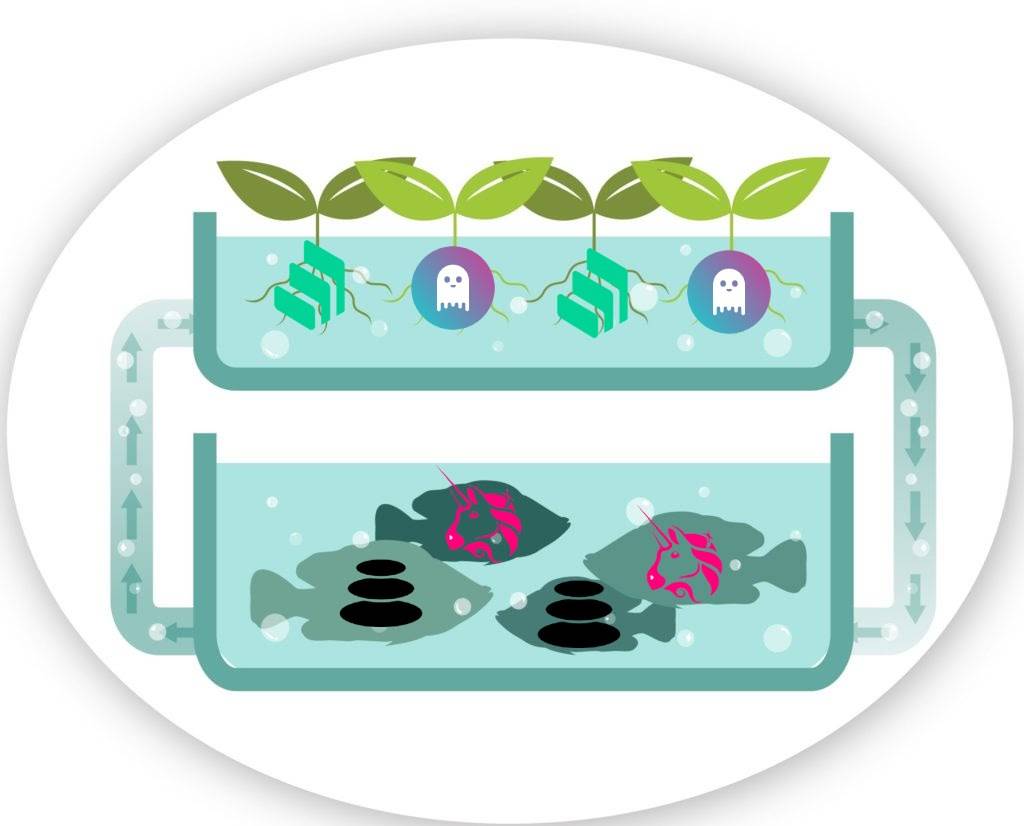
Wait for the reasons for the outbreak of Yield Farming (liquid farming, which means the same as liquid mining) activities in DeFi protocols, and use the concept of "fish and vegetable symbiosis" to explain the symbiotic relationship between Compound and Balancer. In addition, he also predicts that in the future One of the most interesting stories in a few years will be whether Balancer can more easily play the role of Compound, or whether Compound can more easily play the role of Balancer.
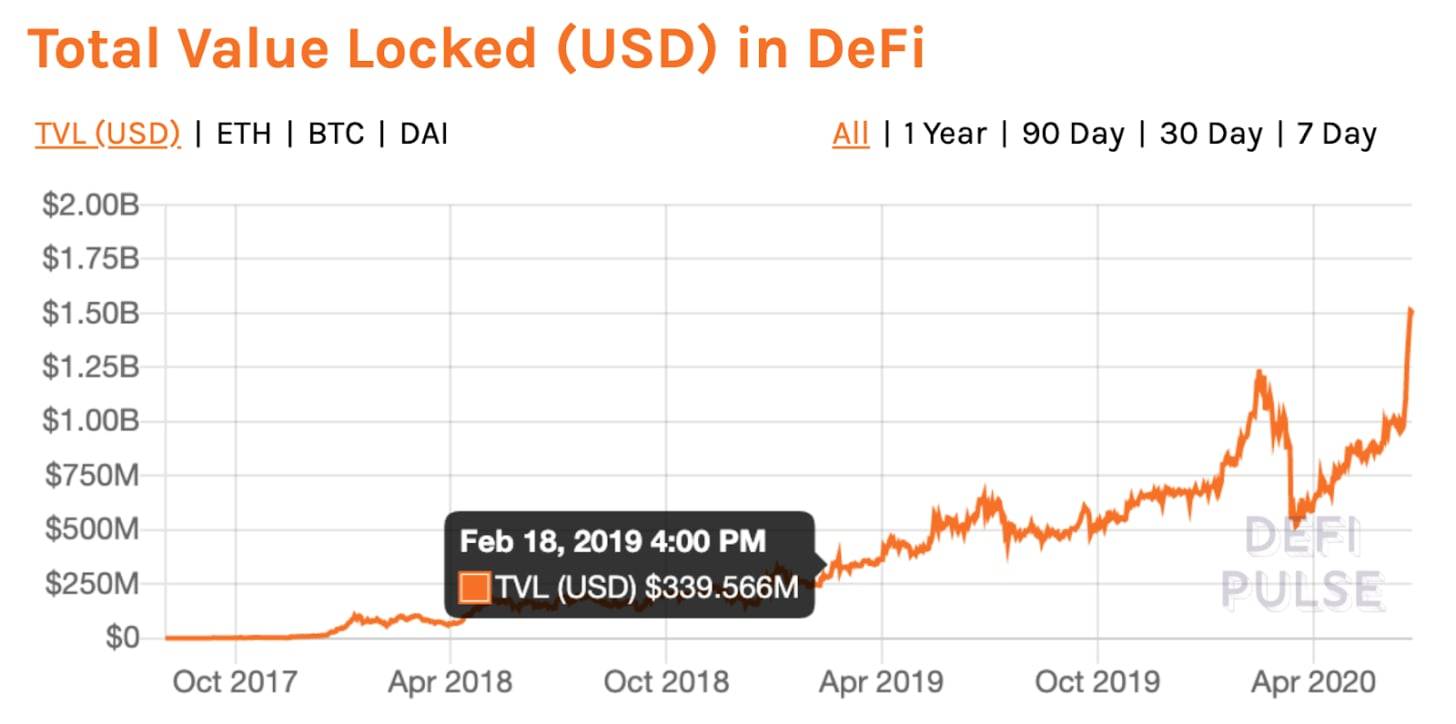
(Source: DeFiPulse)
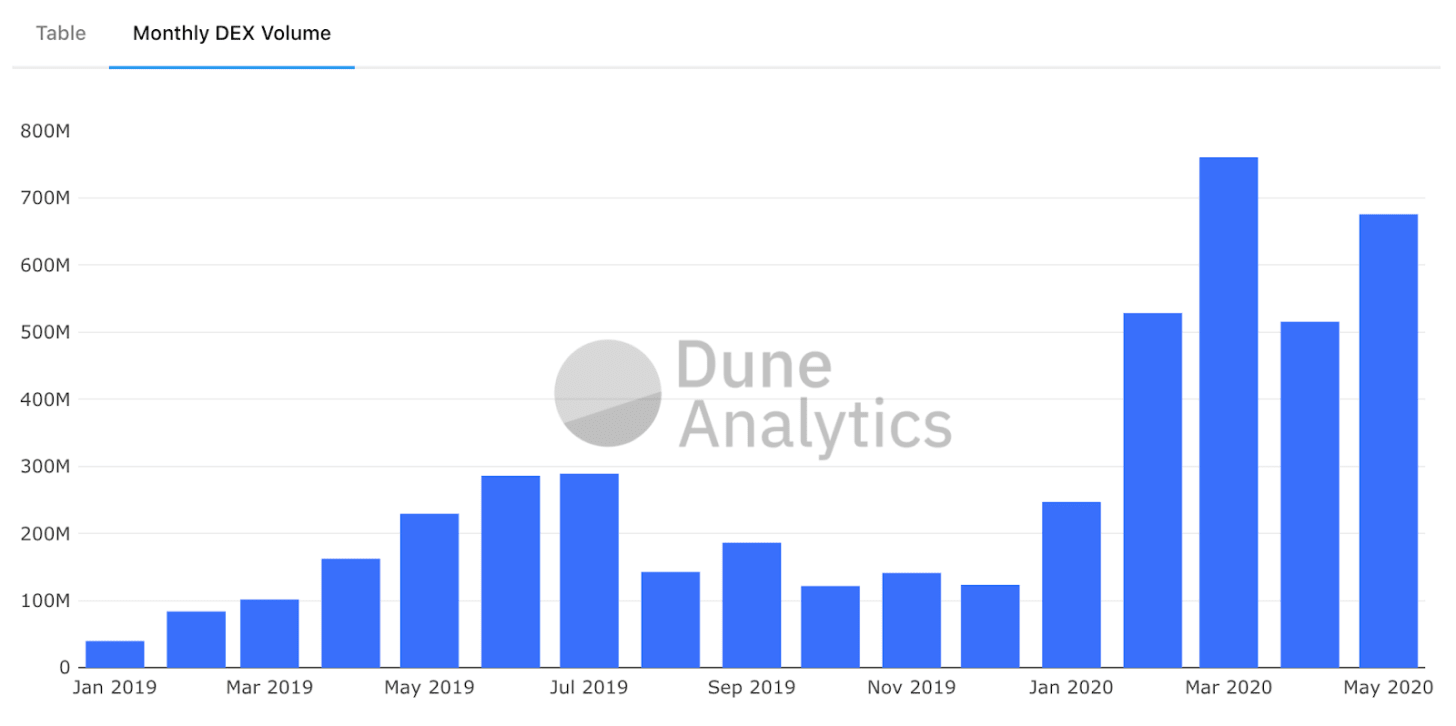
(Source: Dune Analytics, @sassal0x)
Just over a year ago, in the article "Supercollateralization of Open Finance", I discussed how to solve the capital inefficiency of overcollateralization required by DeFi lending agreements by allowing assets to be used for multiple purposes at the same time. Suggested some ideas. The article uses "open finance" in the title instead of decentralized finance (DeFi), which simply indicates the stage of development the ecosystem was in at the time. And the following two charts are very interesting:
image description
Since then, many specific concepts proposed for superfluid staking have become reality, including the creation of Compound cTokens, the use of cTokens in Uniswap pools, and the use of Uniswap pool shares as collateral for loans.
That said, I believe we have only just touched upon hyperliquidity in DeFi assets. Fortunately, the hottest trend in the cryptocurrency space is heating up, with strong incentives encouraging those seeking yield to maximize the availability of their assets across as many protocols as possible.
secondary title
Know SAFG / Liquidity Mining/Yield Farming (liquidity farming)
On May 27th, Compound Labs, the initiator of the popular Compound lending protocol, announced that they intend to distribute 42% of COMP governance tokens to protocol users in the next 4 years, taking a step towards the goal of a fully decentralized protocol. stride.
My colleague Gavin McDermott was the first to call the public's attention to this design pattern, which he dubbed the Simple Agreement for Future Governance (SAFG), after the popular SAFE and infamous SAFT structures. Central to the concept , is to distribute governance tokens to protocol users based on the amount of liquidity they provide or use, with the expectation that this will both encourage users to use the protocol and distribute ownership to active stakeholders.
This phenomenon is known as “yield mining”, or the increasingly popular “yield farming”.
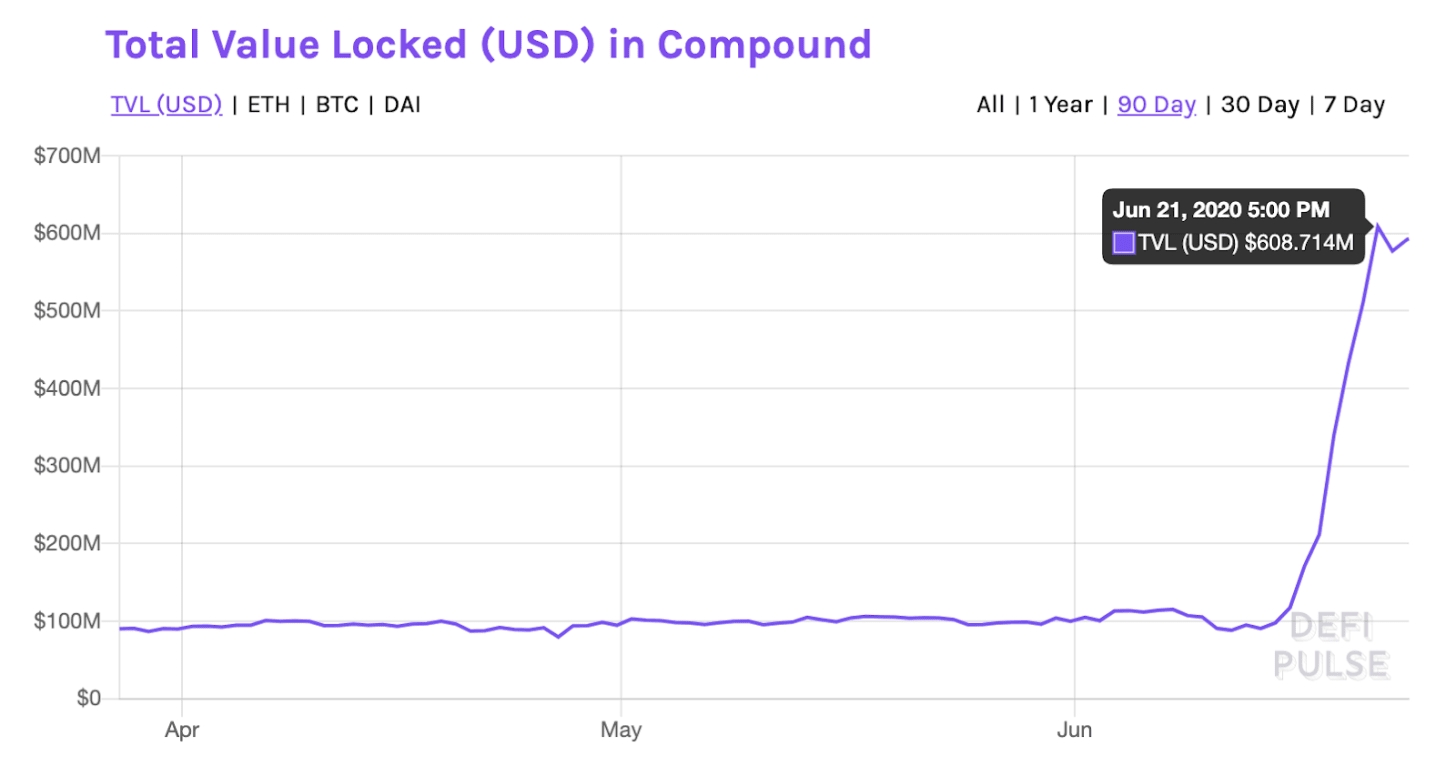
(Source: DeFiPulse)
Henry He predicted this behavior before the COMP distribution started, pointing out that the reported valuation of Compound’s last round of private placements implied an initial distribution subsidy of $43,000 per day, which was 25% of the daily interest paid by all previous markets more than double. As Henry expected, these incentives quickly spiraled out of control, with higher-yielding yield farmers (“liquid farmers”) earning higher returns on borrowed assets than on lending assets, an issue discussed next. The week of 2019 became even more extreme as the COMP token price rose by more than 1,000%.
While token holders and governance representatives are now grappling with some of the extreme distortions created by the Compound lending market, it is undeniable that the impact on the asset growth of the Compound protocol has been enormous, and the value of assets locked in the protocol has grown , which grew sixfold to $600 million in the first week.
Compound isn’t the only example of the yield farming forces we have that drive protocol growth:
Back in April, Futureswap, a decentralized futures exchange protocol offering up to 20x leverage, launched its alpha protocol, which included distributing its governance token FST to protocol users. They attracted more than $17 million in trading volume in three days, and then closed the alpha early to ensure the safety of user funds, while completing a new round of audits.
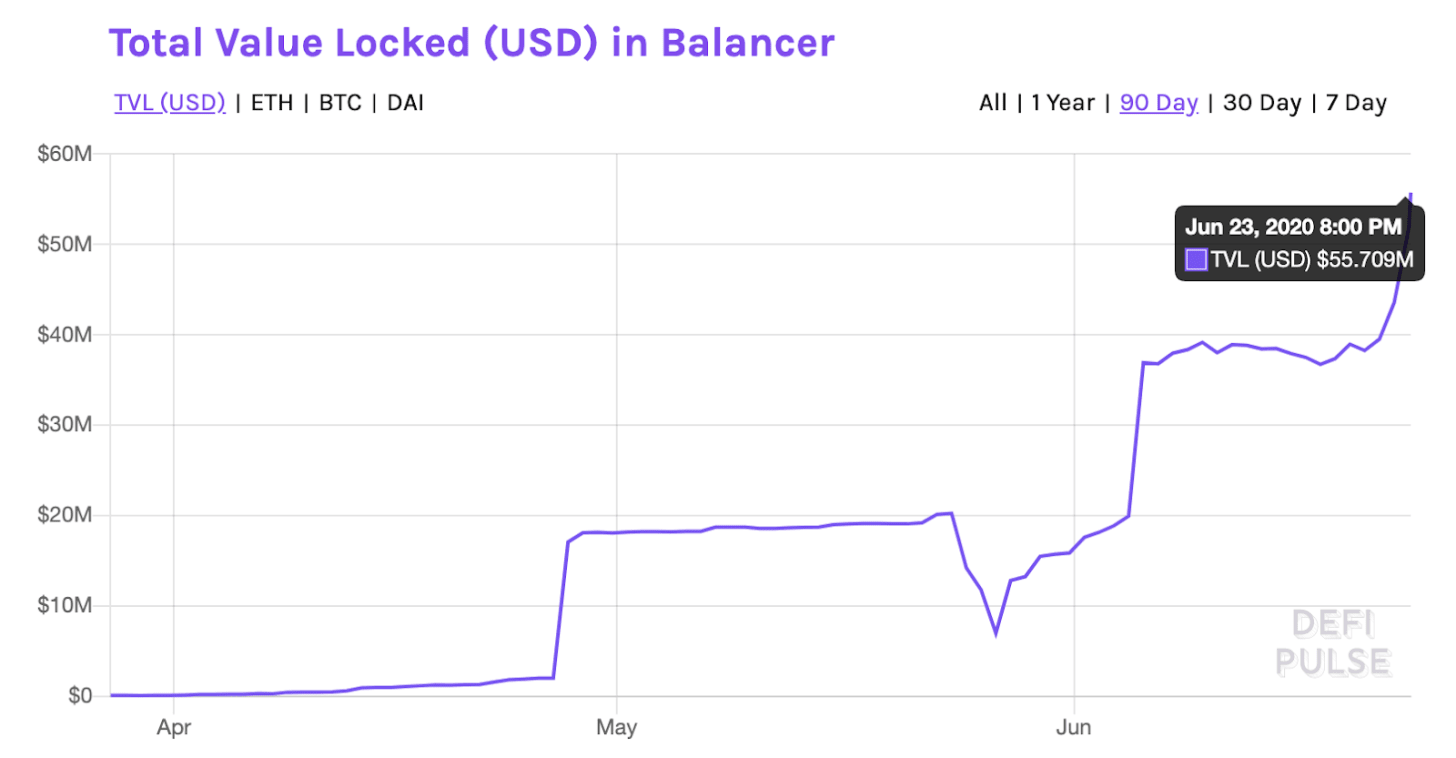
Balancer is an exchange protocol similar to Uniswap, which supports liquidity pools of up to 8 assets in any configuration. Distribute its governance token BAL. In less than three months, Balancer’s liquidity has grown from zero to over $55 million.
image description
Clearly, we are entering an all-out scramble for liquidity based on absolutely massive subsidies in the form of governance tokens whose holders, may (or may not) someday, decide to use these governance power to enable themselves to capture some value through their respective agreements.
Is this a zero-sum game? In this game, liquidity providers will need to choose where to park their assets and have the flexibility to swing from one protocol to another based on where they can get the highest subsidized yield? As the subsidy winds down to a sustainable state, will savvy liquidity providers slip away and leave some poor guys behind?
Are there more recent developments in this phenomenon, and could also generate sufficient unsubsidized capital efficiencies to retain assets in these agreements over the long term? I think some modern farmers might be particularly well suited to answer this question.
secondary title
The concept of "fish and vegetable symbiosis"
For a while in my 20s, I was fascinated by the concept of "urban farming". It started with ideas for community gardens like Brooklyn's Red Hook Farm, then evolved into vertical farming to provide healthy, locally grown food while using space efficiently in dense urban areas.
Especially the concept of "aquaponics" caught my attention. Hydroponic systems combine aquaculture (raising aquatic animals such as fish or crayfish) with hydroponics (growing plants like tomatoes or lettuce in water rather than soil). These two activities are symbiotic, the waste produced by the aquaculture system is broken down into nutrients for use by the hydroponic system, and the purified water is then recycled back into the aquaculture system. Combining the two processes benefits both. Additionally, hydroponic systems provide farmers with two income streams, both increasing their income and diversifying their income potential.
I think you should be able to think what I have to say...
Lending and exchange protocols, especially those that leverage reserve pool liquidity and automated market makers (AMMs), are naturally symbiotic. Lending protocols like Compound and Aave look to store large amounts of assets in their liquidity pools to maximize loan utilization while minimizing borrowing costs. While exchange protocols like Uniswap and Balancer, which want to store large amounts of assets in their liquidity pools to maximize the size and volume of potential trades while minimizing slippage, they don’t care about the assets in the pool Whether it is a receipt for loan collateral, as long as there is sufficient unused liquidity in the loan pool to allow withdrawals as needed.
But this is not a good, reasonable, natural time. It will be a crazy era of hyper-industrialization, GMO-fueled, helicopter subsidies.
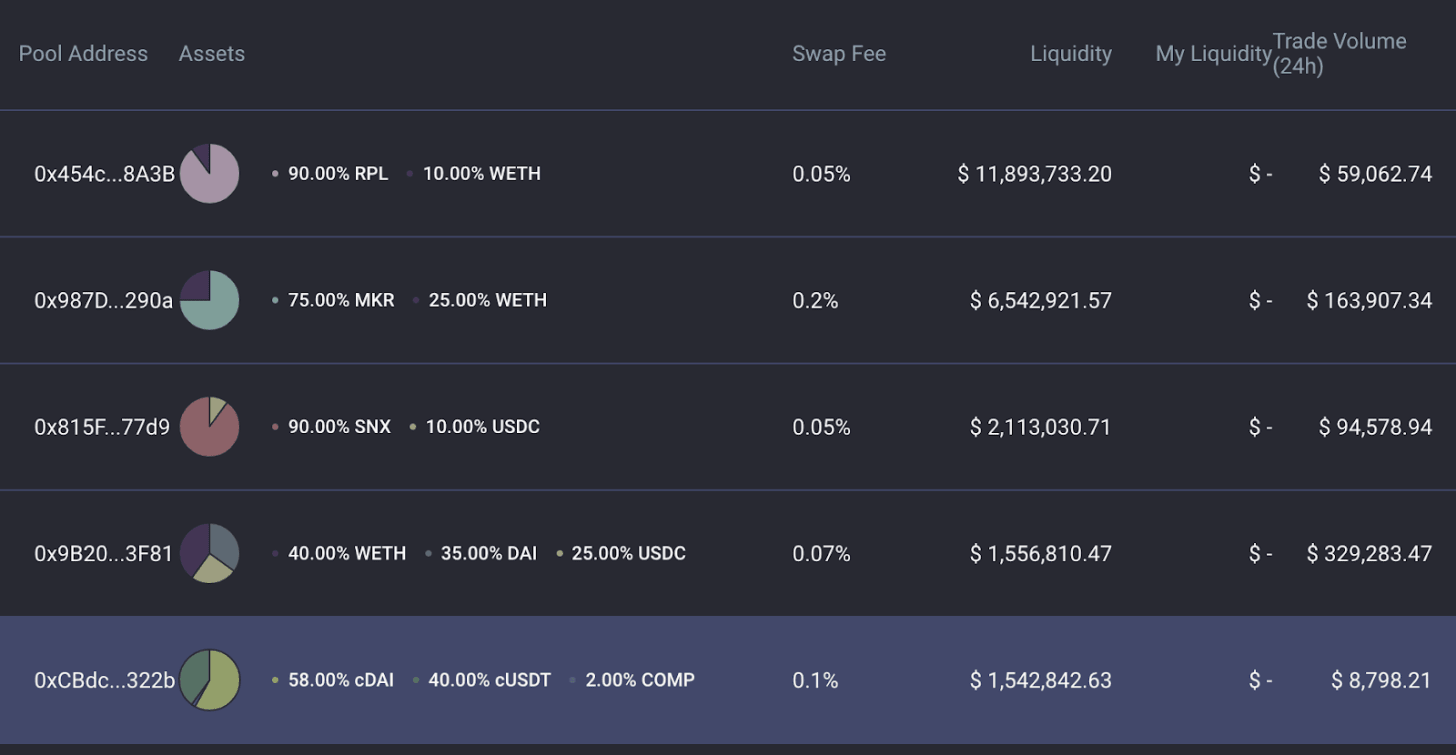
In the first week of this new era of crypto farming, yield farmers have become popular. Check out one of the most liquid Balancer pools:
Yes, this is cDAI and cUSDT, representing deposits of DAI and USDT in Compound. well done!
secondary title
"Aquaponics" is not easyOG liquidity subsidizersIf you want to see how crazy these cross-protocol yield farming opportunities are, check out this one possibly curated by Synthetix
What's next?
Liquid farming pool. It launched three Bitcoin-anchored coins (wBTC, renBTC, and sBTC) on Ethereum, and provided yield farming (liquid farming) opportunities for four "crops" (SNX, REN, CRV, and BAL). Be jealous, Monsanto (a multinational agricultural corporation)!
secondary title
Remember, symbiosis can take many forms. In the short term, yield farming ensures that compatibility between lending and exchange protocols is mutually beneficial, with both protocols benefiting due to the accumulation of assets. Once subsidies for yield farming fall to more sustainable levels, it is unclear whether the linkage will prove to be symbiotic, or will be parasitic, benefiting one type of agreement over the other. All types of protocols will be sacrificed.
In the long run, I suspect that protocols capable of doing this may evolve into protocols that include lending and trading in order to create a kind of DeFi prime Provided that yields the maximum possible return for a given risk profile. If I'm willing to hold a fixed percentage of assets in my wallet, hoping they will passively generate the highest possible return, why don't I push them all into a private Balancer reserve pool to earn transaction fees? If this reserve pool contains ETH, DAI, REP, and ZRX, why am I reluctant to lend any of these assets if the loan is over-collateralized with the other assets that make up my pool? Of course, can the assets in the pool also be used to pay short-term loans for small loans? Perhaps I'm willing to accept a little more risk so they can also be offered to traders who want to fund 20x leveraged perpetual swaps (e.g. Futureswap)?
If this type of prime brokerage agreement approach does become a viable dominant strategy, one of the stories to watch over the next few years will be whether Balancer can more easily play the role of Compound, or whether Compound can become more Easy to play the role of Balancer.
secondary title
Farming is not for the faint of heart
Let me be clear: I think we are almost certainly entering a period of speculative mania. Based on the valuation of the tokens, we will see multi-billion dollar capital farming that reaches unsustainable levels, while aquaponics yield farming takes things to a higher level.
Even then, it rebuilds. The promise of truly open, permissionless financial services is too great to die.
action steps
As it stands, for participants, you have the option of making hay while the sun shines, or, if you're really ambitious, skip hay and use your working capital to get into hydroponic mobility farming.
For builders: Do whatever it takes to compete and survive, but don't forget your long-term vision. Building new financial infrastructure is a multi-decade marathon. No doping until we cross the starting line.COMP Growth Hacking DeFiaction steps
Explore the Opportunities (and Consider the Risks!) of Hydroponic Mobility FarmingListen to the content of the 18th issue of Bankless:》