






Bessent's Real Game: Squeezing Short Treasuries via CTA, Forcing the 10-Year Yield Down to 4.3%?


- Key Thesis: U.S. Treasury Secretary Bessent is using intervention tactics such as Treasury buybacks and adjustments to the debt issuance structure, aiming to trigger a CTA short squeeze ahead of the midterm elections and push the 10-year Treasury yield down to around 4.3% to gain political breathing room.
- Key Elements:
- Intervention measures include Treasury buybacks, increased issuance of short-term bills, and even the cancellation of ultra-long-dated maturities, targeting bond short-sellers with a clear trader-like tactical approach.
- Goldman Sachs data shows that CTA strategy funds hold bond short positions near multi-year extremes. If prices rise by 2 standard deviations, the scale of short-covering would set a historical record, making the conditions for a short squeeze ripe.
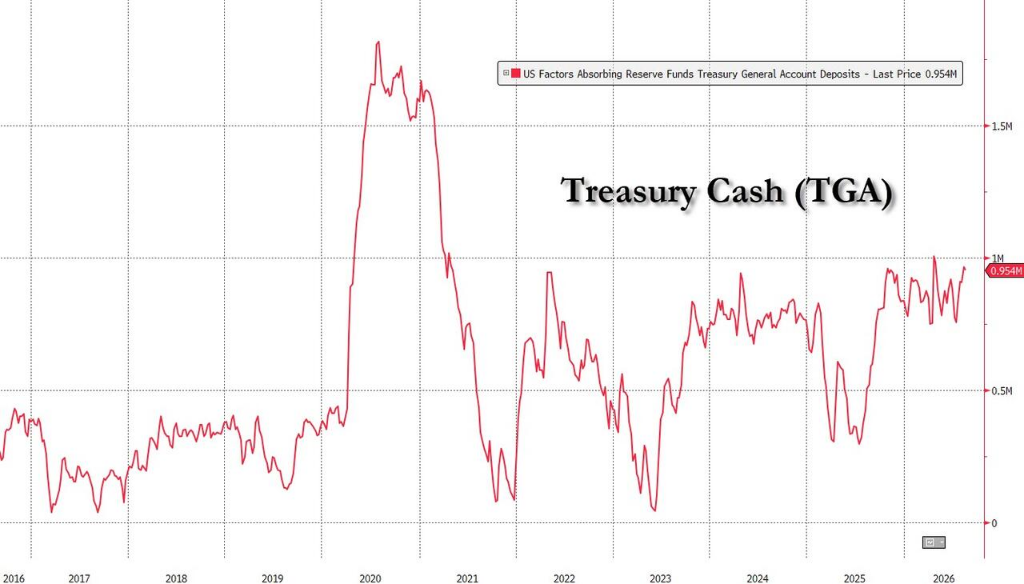
- Bessent's intervention has had limited effect, with yields rising alongside oil prices; the Treasury tapped $954 billion from its TGA account to provide support, only managing a slight pullback in yields.
- The intervention has sparked internal friction, with Fed Chairman Warsh dissatisfied with the Treasury's operations, cooling his appetite for balance sheet reduction, and the two institutions' balance sheets becoming intertwined.
- The core logic is to "buy time" rather than reverse the trend, with the political calendar pointing to midterm elections two months away and the goal of pushing yields to 4.3% to benefit mortgage rates.
Original Author: Dong Jing
Original Source: Wall Street CN
A series of US Treasury market intervention measures by Treasury Secretary Bessent have been accused of suppressing bond yields — while potentially leveraging near-record CTA short positions to artificially trigger a massive short squeeze, pushing the 10-year yield to around 4.3% ahead of the midterm elections, buying political breathing room for the Trump administration.
On August 25, Fox Business reporter Charlie Gasparino posted on social platform X that informed Wall Street executives revealed Bessent's goal is to "instill fear in bond shorts," using tools including Treasury buybacks, increased issuance of short-dated bonds, and even eliminating ultra-long-duration instruments such as the 20-year tenor, aiming to drive the 10-year yield from current levels toward 5%, then reverse course and use short covering to push it back down.
Analysts believe the market impact of this logic should not be underestimated: the latest data from Goldman Sachs' futures desk shows that CTA trend-following funds currently hold bond short positions near multi-year highs. If prices rise by 2 standard deviations, the scale of short covering would set an all-time record.
Bessent's intervention has had limited effect so far. Treasury yields continued to climb Monday morning until the Treasury told CNBC it would deploy up to $954 billion from the Treasury General Account (TGA) as support, which only modestly pushed yields lower.
Treasury Buyback "Bluff" Fails to Cap Yields
Discussion surrounding Bessent's "Treasury buyback card" has long been rampant. Critics point out that the scale of this buyback is a drop in the bucket relative to the massive deficit, total debt, and persistently elevated inflation, and is fundamentally incapable of reversing the yield trajectory.
Facts have confirmed this assessment. Entering this week, yields continued to climb alongside rising oil prices. The Treasury subsequently signaled to media that it would provide support using TGA funds, which only led to a modest pullback in yields — but the effect remains limited.
Bessent's intervention has also sparked internal friction. According to reports, the Treasury's above operations have deeply displeased Fed Chair Warsh, notably cooling his willingness to shrink the Fed's balance sheet — market observers believe this has, to some extent, tied the Treasury's and the Fed's balance sheets together.
Bessent's Core Logic: Buying Time, Not Reversing Trends
However, if one reframes Bessent's action framework from "suppressing yields" to "buying time," the internal logic of his strategy becomes clear.
Bessent himself comes from a trading background and understands both tactical and strategic trading. With Congress showing little prospect of meaningfully cutting the deficit, any attempt to fundamentally reverse the yield trend would be futile. But if the goal is merely to maintain superficial market stability before the midterm elections, the strategic choices are quite different.
Fox Business reporter Charlie Gasparino, citing Wall Street executives directly familiar with Bessent's thinking, said Bessent is willing to "do whatever it takes" to pressure bond shorts, with tools including buybacks, adjusting debt issuance structure, and even eliminating certain long-duration instruments.
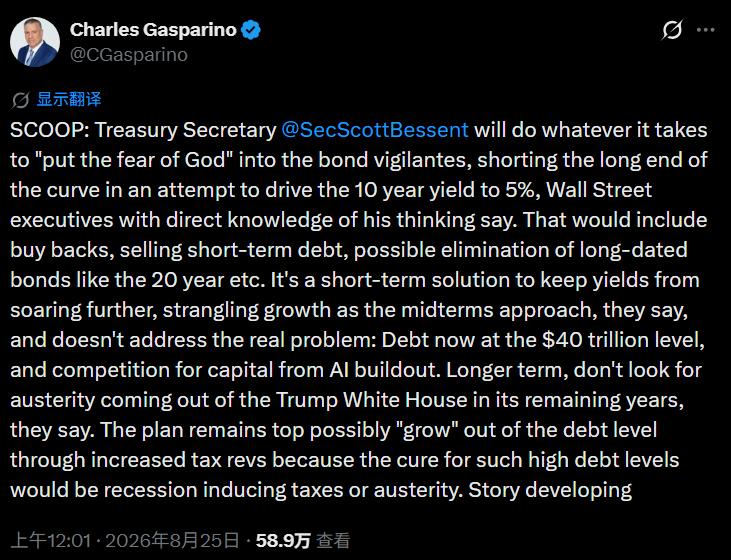
Analysts believe this signals that Bessent's current focus is not on resolving the structural issues behind rising yields, but rather on precisely applying pressure on the market's technical vulnerabilities.
Record CTA Short Positions: Conditions for a Short Squeeze Are Ripe
The key to Bessent's short-squeeze logic lies in the current positioning structure of the bond market.
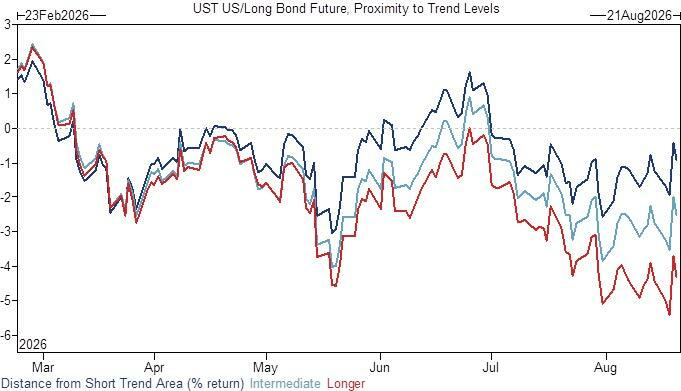
Goldman Sachs' futures desk noted in its latest weekly report that CTA and trend-following funds currently hold sizable short positions in global bond markets, measuring approximately $155 million in DV01 (i.e., profit/loss per 1 basis point move in rates), near multi-year lows (meaning short positioning is at multi-year highs), with trend signals across major markets having remained broadly negative for some time.
Goldman further calculates that under the current base case, if the bond market continues to decline, CTA's room for additional shorting is already limited; but if prices rebound, it could trigger sizable short covering — if prices rise by 2 standard deviations within a month, estimated covering plus re-buying could total approximately $150 million DV01. More critically, the short-covering scale corresponding to a 2-standard-deviation rally under current conditions would set an all-time record.
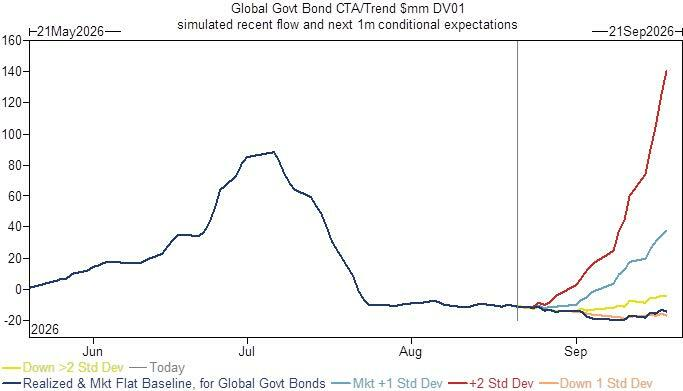
Since the start of the year, CTA bond short positions have accumulated to near historical extremes, meaning that once prices trigger a signal reversal, short covering will exhibit a self-reinforcing, progressively amplifying characteristic.
The Pre-Election Window: 4.3% Is the Target, Midterms Are the Finish Line
Overall, Bessent's tactical intent is relatively clear: through a series of intervention measures to trigger a rise in bond prices, thereby igniting passive short covering by CTA funds, creating a positive feedback loop between rising prices and short liquidation, ultimately pushing the 10-year yield from current levels to around 4.3%.
The political timeline for this goal is equally clear. With roughly two months remaining until the midterm elections, if yields can fall into the key range before then, it would on one hand drive mortgage rates lower, and on the other provide the Trump administration with a narrative of achievement to tout — even amid rising oil prices and geopolitical tensions, successfully achieving lower rates.
Of course, as the pattern demonstrated by oil prices and the Iran ceasefire agreement, once the midterm elections conclude, market reality will ultimately reassert itself. At that point, structural upward pressure on yields and the gravitational pull of equity valuations may return with greater force. But until then, investors need to remain highly vigilant against the intensifying short-squeeze operations in US Treasuries — according to last week's market signals, this process may unfold intensively over the coming days.


