Với World Cup sắp đến gần, thể thao đang bước vào kỷ nguyên "tài chính hóa mảnh vỡ"


- Quan điểm cốt lõi: World Cup giới thiệu chế độ "miếng vá ra mắt", nhằm tạo ra "nguyên liệu thô tài chính" khan hiếm cho ngành công nghiệp thẻ cầu thủ. Thị trường đồ sưu tầm thể thao đang trải qua cuộc cách mạng "tài chính hóa mảnh vỡ", biến những khoảnh khắc thi đấu và cảm xúc tập thể thành tài sản thay thế có thể định giá và giao dịch, logic hoạt động của nó rất giống với thế giới tiền mã hóa.
- Yếu tố then chốt:
- FIFA đã đạt được thỏa thuận hợp tác sưu tầm độc quyền với Fanatics, hệ thống thẻ cầu thủ World Cup trong tương lai bước vào kỷ nguyên Topps. Miếng vá ra mắt World Cup sau trận đấu sẽ được cắt ra và gắn vào thẻ cầu thủ, trở thành tài sản khan hiếm có giá trị cao.
- Quy mô thị trường thẻ cầu thủ thể thao toàn cầu đã đạt khoảng 11,5 tỷ USD. Thẻ NBA, nhờ hệ thống vận hành thương mại thống nhất và khả năng "tạo sao" vượt trội, mức độ tài sản hóa vượt xa thẻ bóng đá.
- Sau "Kỷ nguyên Sáp vụn" (Junk Wax Era) những năm 90, năm 2003 Upper Deck đã giới thiệu chữ ký, miếng vá áo đấu và số lượng giới hạn, biến thẻ cầu thủ thành tài sản tài chính thay thế, có hệ sinh thái định giá, đấu giá và tạo lập thị trường.
- Các công ty định giá (như PSA) đã trở thành "tầng phát hành tài sản", chứng nhận của họ đóng vai trò quyết định đến giá trị của thẻ. Năm 2024, doanh thu hàng năm của PSA vượt quá 300 triệu USD, ngành đang hướng tới tài chính hóa và tập trung hóa cao độ.
- Giá thẻ cầu thủ gắn chặt với "khoảnh khắc câu chuyện" (ví dụ pha bóng then chốt của Stephen Curry tại Olympic), bản chất là định giá trước cho cảm xúc tập thể, logic tương tự như thị trường dự đoán Polymarket.
- Thể thao sở hữu "cỗ máy sản xuất cảm xúc" vĩnh cửu, liên tục cung cấp các câu chuyện như trận đấu thực tế, sự ngược dòng và kỳ phùng địch thủ, giải quyết vấn đề "cạn kiệt cốt truyện" thường gặp của các dự án NFT.
Original: Odaily Planet Daily (@OdailyChina)
Author: Planet Xiaohua
The World Cup is about to kick off. Besides the prediction markets gearing up, another industry is quietly heating up.
Recently, FIFA announced a new rule: all players participating in their first World Cup must wear a "debut patch" on their jerseys. This means that even globally renowned superstars who have never set foot on a World Cup pitch before, such as Erling Haaland and Lamine Yamal, must wear this special badge. Some national teams returning to the World Cup after many years may even require the entire squad to wear it.
This isn't just about adding a sense of "ceremony" for World Cup rookies. Those familiar with the sports card industry know, this patch will be removed, authenticated, cut, and then embedded into sports cards after the match. Ultimately, it could become a 1/1 debut autograph card, be graded, auctioned, and traded, potentially fetching a price that surpasses a supercar in the future.
Just this May, FIFA announced a long-term exclusive collectibles licensing partnership with Fanatics. Future World Cup-related sports cards, stickers, and collectible systems will officially enter the Fanatics/Topps era.
You might not collect sports cards, but it's worth noting that behind these small pieces of cardboard lies an alternative asset world exceeding tens of billions of dollars, with a vast secondary market and long-term bull and bear cycles.
At the same time, the entire sports world is entering a new era of "fragmented finance."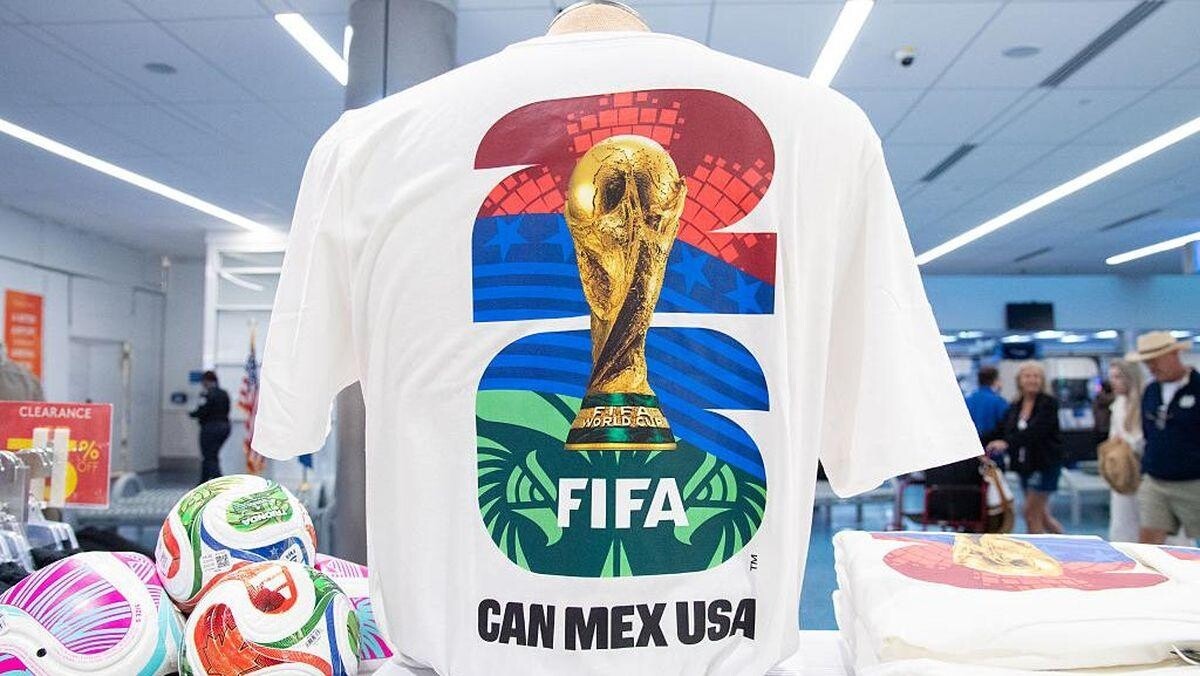
Sports Leagues "Monetizing History by Dismantling It"
Fans used to care about "a historic moment witnessed by a jersey," but now people might be more concerned with "how many pieces of history this jersey can be broken down into."
After all, one jersey can belong to dozens of cards, hundreds of buyers, be resold countless times in the future, and even create a price curve that continuously rises or fluctuates wildly.
A piece of fabric might travel from a player's chest to a card factory, into a blind box, then to a grading agency, into an auction house, and finally become an alternative asset in some investment portfolio.
Football (soccer) cards are not new either. Starting from the 1970 World Cup, Panini had already established the World Cup sticker and card system. Many fans' childhoods began with a World Cup sticker album.
However, it has never managed to build a mature, highly liquid "sports financial asset system" like the NBA.
Those unfamiliar with this might find it strange. Football has the largest global fan base and superstar commercial value is extremely high, yet the prices, liquidity, and depth of the secondary market for football cards have long failed to compare with the NBA.
The reason behind this is that the NBA is inherently better suited for "assetization," while football lacks a highly unified, continuously narrative-creating and scarcity-generating commercial operating system like the NBA.
Basketball is a sport of extreme individualism. Superstars hit game-winners, data systems are standardized, the league's narrative is unified, and the US industry is adept at creating stars. Every milestone, from draft night, debut, All-Star game, MVP, playoffs to the championship, can be packaged as an asset.
In contrast, the football world is too fragmented. National teams, leagues, clubs, Champions League, sponsors, and copyright systems are often disconnected, making it difficult to form the unified and sustained financial narrative characteristic of the NBA.
It's easy to understand that the World Cup patch mentioned at the beginning is FIFA's active attempt to create "financial raw materials" for high-value cards in the future.
The NBA Took 70 Years to Turn Cardboard into a Financial Asset
Many in the crypto world might have learned about sports cards during the NFT boom, but the NBA card market has been trading for over 70 years.
In 1948, Bowman released the first set of NBA player cards; in 1986, Fleer released the Michael Jordan rookie card that would later change the entire industry; during the 90s, with the Jordan era and the NBA's global expansion, the card market experienced its first mass frenzy. Almost every mall, convenience store, and toy store in America was selling cards.
But soon, the industry faced its first major crash.
In the late 1990s, massive overproduction by numerous publishers led to rampant printing, pushing the market into a prolonged bear market. This period later became known in the collecting community as the "Junk Wax Era."
What changed the industry was the "Scarcity Revolution" after 2000.
In 2003, LeBron James entered the NBA. That same year, Upper Deck launched the Exquisite series, fully introducing concepts like autographs, jersey patches, serial numbering, and 1/1s into the high-end card market.
From then on, sports cards began to transform into an alternative financial asset.
They started to have clear serial numbers, scarcity tiers, long-term price curves, a grading system, auction platforms, professional market makers, and a vast secondary market.
During the pandemic, grading giants like PSA and BGS rose to prominence, auction platforms like eBay, Goldin, and PWCC matured, breakers began live streaming box breaks, and the entire industry gradually formed a complete ecosystem.
The size of this market is far beyond imagination. According to 2025 data, the global sports card market has reached approximately $11.5 billion. Basketball cards remain the most lucrative core category, while autograph cards and patch cards are the fastest-growing high-end assets.
Meanwhile, grading companies have effectively become "platform businesses" in their own right.
In 2025, PSA's parent company, Collectors, completed the acquisition of Beckett (BGS's parent company), pushing the entire industry towards greater financialization and centralization.
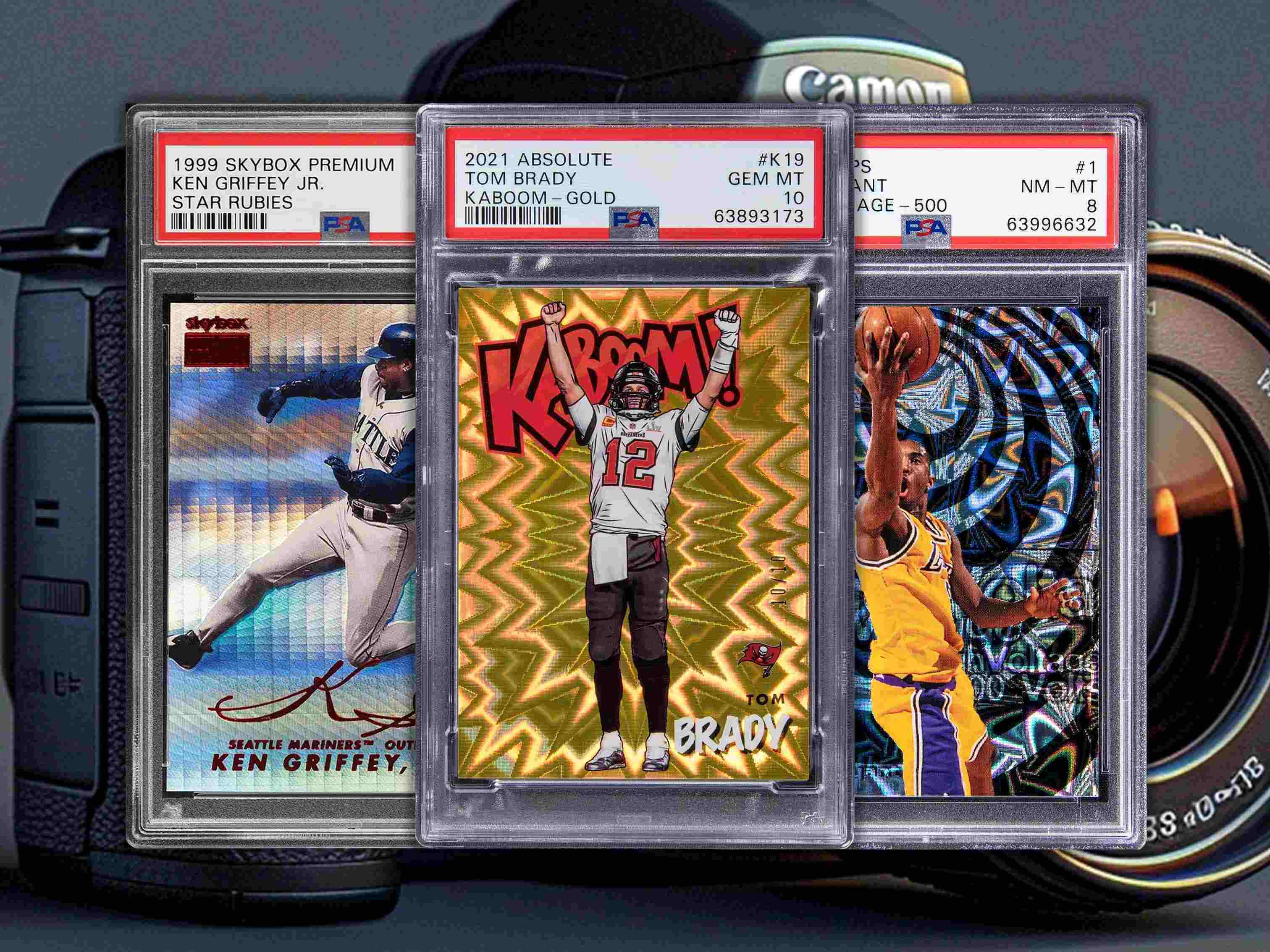
In recent years, grading companies have essentially become very close to the "asset issuance layer" in Crypto. PSA's 2024 annual revenue already exceeded $300 million. In today's sports card world, whether a piece of cardboard can go from $500 to $5000 often depends solely on whether it finally gets sealed inside a PSA plastic slab.
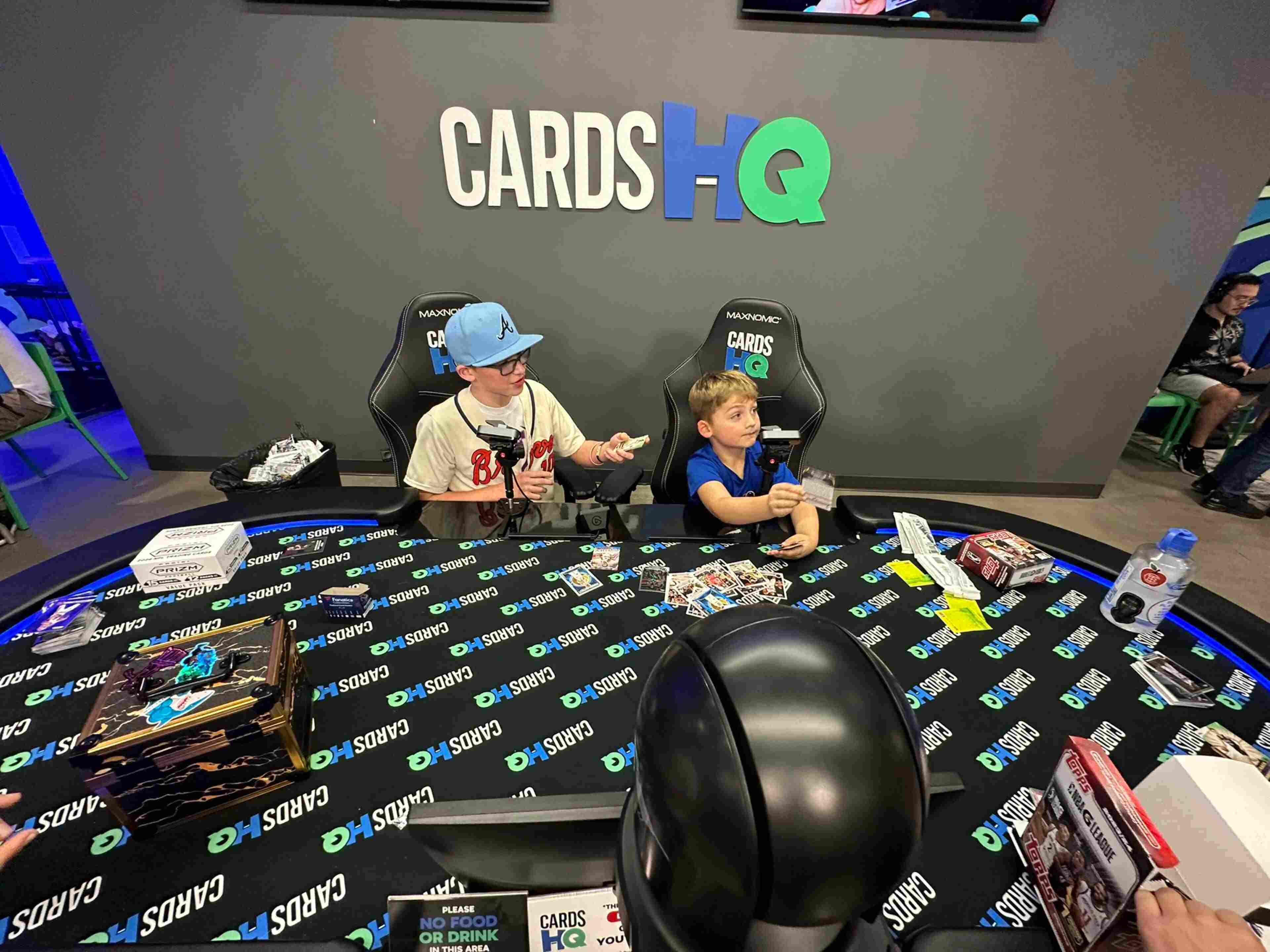
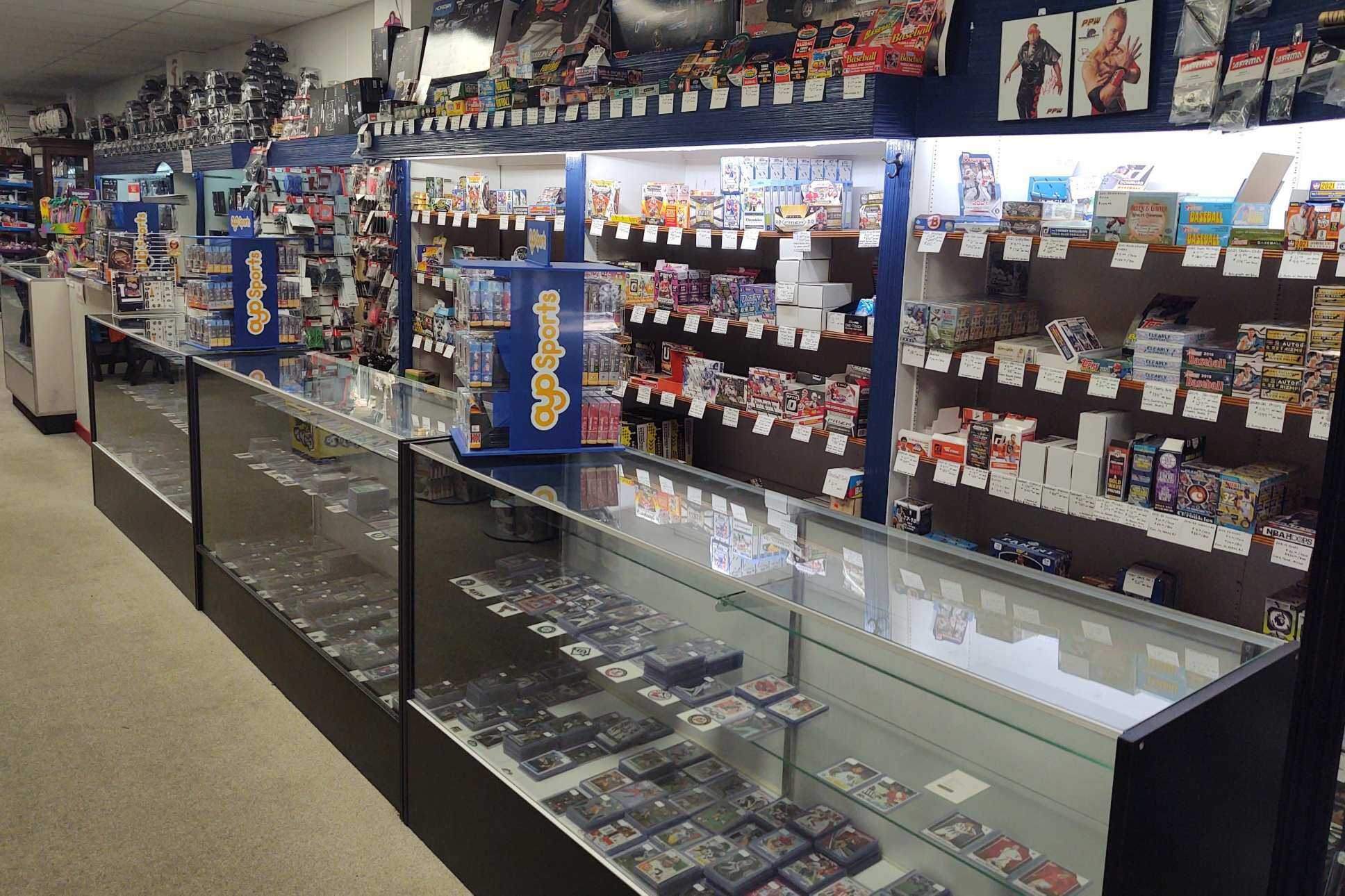
Furthermore, numerous specialized offline "exchanges" for sports cards have emerged globally. CardsHQ in Atlanta, USA, is described by many media outlets as the "world's largest sports card store." It's not just a shop; it's a large-scale financial entertainment venue combining live breaks, auctions, KOLs, community, and trading.
Today's NBA card market is actually very close to the Crypto world.
It has stood the test of time, with long-term bull and bear cycles, massive secondary liquidity, long-term "diamond hands," KOLs shilling cards, and emotional trading betting on the next GOAT.
Many sports card break communities resemble meme communities: streamers setting the tone, communities hyping cards, betting on rookies, speculating on scarcity narratives, triggering FOMO box openings…
Collective Emotion Can Become an Asset
What gives this market sustained liquidity and enables its financialization, like other assets, relies on "narrative."
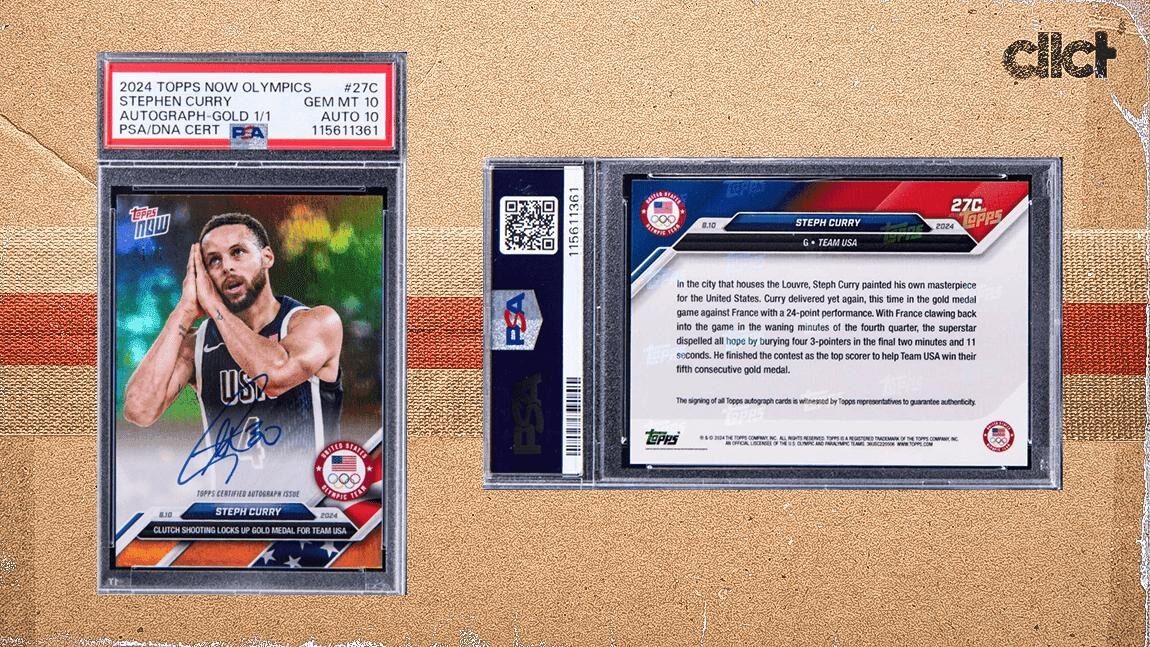
Last June, a Stephen Curry 2024 Topps Now Paris Olympics 1/1 autograph card sold for $518,500 at Goldin Auctions.
This card was valuable because it was tied to a specific moment. In the 2024 Paris Olympics men's basketball final, Curry hit consecutive clutch three-pointers and made the iconic "night-night" gesture towards France.
So, the price of a card is deeply linked to the "narrative moment" hyped behind it. That shot, that game, that cheer, that "I witnessed history firsthand" emotion.
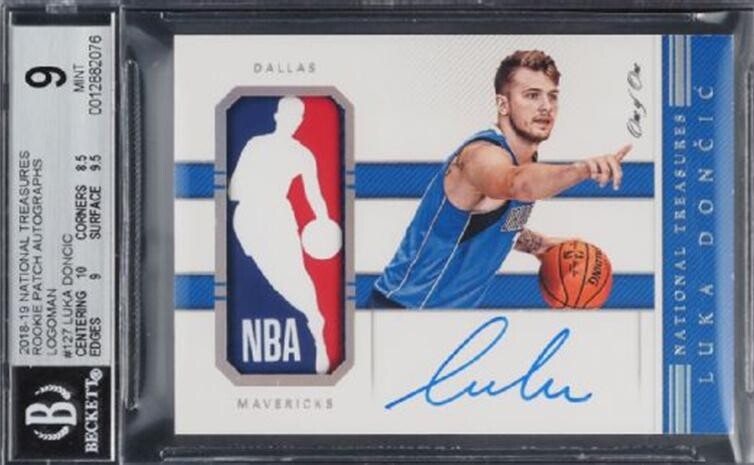
However, this price is not extravagant in the top-tier sports card market. In 2021, Curry's Rookie Logoman Autograph 1/1 sold for $5.9 million.
This represents the most profound change in the sports collectibles market in recent years. Prices are no longer absolutely bound by time or scarcity but are defined by different "story-driven hype."
This essentially follows the same logic as the booming prediction markets. On Polymarket, we trade on whether Trump will be elected, if Bitcoin can hit a new all-time high, or if a certain movie will win an Oscar.
In the sports card market, people trade on whether Lamine Yamal will become the next king of football, if Haaland can win the World Cup, or if a certain rookie will become the future GOAT.
Prediction markets sell "outcome probabilities," sports cards sell "historical ownership." Essentially, both involve pricing collective sentiment in advance.
What NFTs Couldn't Do
Crypto players burned by NFTs might find this "emotion-to-asset" chain familiar.
But NFT projects all face the same unsolvable problem: a lack of ability to continuously produce "new stories."
A profile picture (PFP) can be very popular for a period after minting. However, once the hype fades, the project team can only struggle to maintain community consensus by constantly generating: new roadmaps, new airdrops, new collaborations, new utility.
After an endless cycle, they eventually have to launch a new project, until there's no one left to buy in.
But sports are different. Sports are the world's perpetual "emotion-producing machine."
It automatically updates its storyline every day, never ending. Someone hits a game-winner, someone gets injured, someone seeks revenge, someone retires, someone becomes a legend overnight, someone rises from benchwarmer to star.
Its narrative isn't fabricated by project teams; it's continuously generated by the real world.
I've always enjoyed watching the UFC. Dana White is one of the best sports operators in the "attention finance" game over the past decade.
UFC isn't just selling tickets for fights. It sells rivalries, trash talk, revenge storylines, underdog triumphs, dynasty falls—it's about fermenting emotions and dramatic stories.
People won't pay for "statistics," but they will always pay for "narrative."
In fact, the NBA has been operating like this for years.
On one hand, veteran fans keep complaining about the league's "entertainment-ization"—controversial officiating, superstar team-ups, drama, the league's hype machine, an increasingly scripted feel. On the other hand, it's undeniable that the NBA's influence and commercial value among young people are stronger than ever.
The Financialization of Sports Leagues
The logic of sports consumption today, and even the entire entertainment industry, has changed.
Many young people may not watch entire games, but they consume trash talk, memes, short video clips, player personas, social media drama, and post-game interviews.
Sports increasingly resemble a massive, never-ending reality TV IP. Sports cards have become the most direct financial outlet for these emotions.
During the NFT bull market, project teams also loudly proclaimed that Web3 would redefine sports collectibles. But looking back, it's the traditional sports leagues that have truly achieved "assetization" first. Because they possess what Web3 lacks: real people, real competitions, and real collective emotional consensus.
In today's world of universal financialization, sports are not just a perpetual motion machine creating "future history," but are also becoming platforms for issuing financial assets.