






鲍威尔落幕,一个白话美联储的时代结束了


- Ý tưởng chính: Bài viết nhìn lại sâu sắc nhiệm kỳ 8 năm của Chủ tịch Cục Dự trữ Liên bang (Fed) Jerome Powell, tập trung giải thích cách ông đưa ra các quyết định chưa từng có với tư cách là một người không phải nhà kinh tế trong bối cảnh đại dịch, lạm phát cao và áp lực chính trị, và cuối cùng bảo vệ tính độc lập của ngân hàng trung ương bằng cách tiếp tục giữ chức Thống đốc sau khi rời ghế Chủ tịch.
- Các yếu tố chính:
- Powell không có nền tảng kinh tế (chính trị học và luật), là Chủ tịch Fed đầu tiên không phải nhà kinh tế kể từ năm 1978, phong cách ra quyết định của ông chú trọng thông tin thị trường thực tế hơn là các mô hình học thuật thuần túy.
- Vào tháng 3 năm 2020, trong đại dịch, ông đã hạ lãi suất xuống 0% trong vòng 20 ngày và khởi động chương trình nới lỏng định lượng (QE) không giới hạn, tung ra nhiều công cụ sáng tạo bao gồm cả mua trái phiếu doanh nghiệp, với tốc độ nhanh hơn nhiều so với thời kỳ khủng hoảng tài chính năm 2008.
- Nhận định sai lầm về lạm phát là "tạm thời" vào năm 2021 là sai lầm lớn nhất trong nhiệm kỳ của ông, nhưng ông đã chủ động thừa nhận sai lầm và nhanh chóng sửa chữa bằng cách tăng lãi suất tổng cộng 525 điểm cơ bản trong giai đoạn 2022-2023, mức lãi suất cao nhất trong 22 năm.
- Tại hội nghị Jackson Hole năm 2022, ông đã có bài phát biểu cứng rắn kéo dài chỉ 8 phút, trích dẫn câu nói "stay with it" của Paul Volcker để kết thúc, thể hiện rõ ràng quyết tâm kiềm chế lạm phát, khiến thị trường lao dốc.
- Trong bối cảnh chính quyền Trump liên tục gây áp lực đòi giảm lãi suất, ông phải đối mặt với các mối đe dọa sa thải và điều tra hình sự chưa từng có, cuối cùng đã bảo vệ được tính độc lập của ngân hàng trung ương thông qua con đường pháp lý và chọn tiếp tục giữ chức Thống đốc sau khi rời ghế Chủ tịch.
This morning, Powell walked onto the podium of the Eccles Building press room for the last time. Just as he had done at every FOMC press conference over the past eight years, he stepped up, adjusted the microphone, and began his opening statement.
This was Powell's final public speech as Chair of the Federal Reserve. The agenda was standard: reviewing the FOMC's interest rate decision and answering reporters' questions. With only two weeks left until his official departure, everyone knew this would be a press conference unlike any other, but Powell still had some surprises up his sleeve that exceeded expectations.
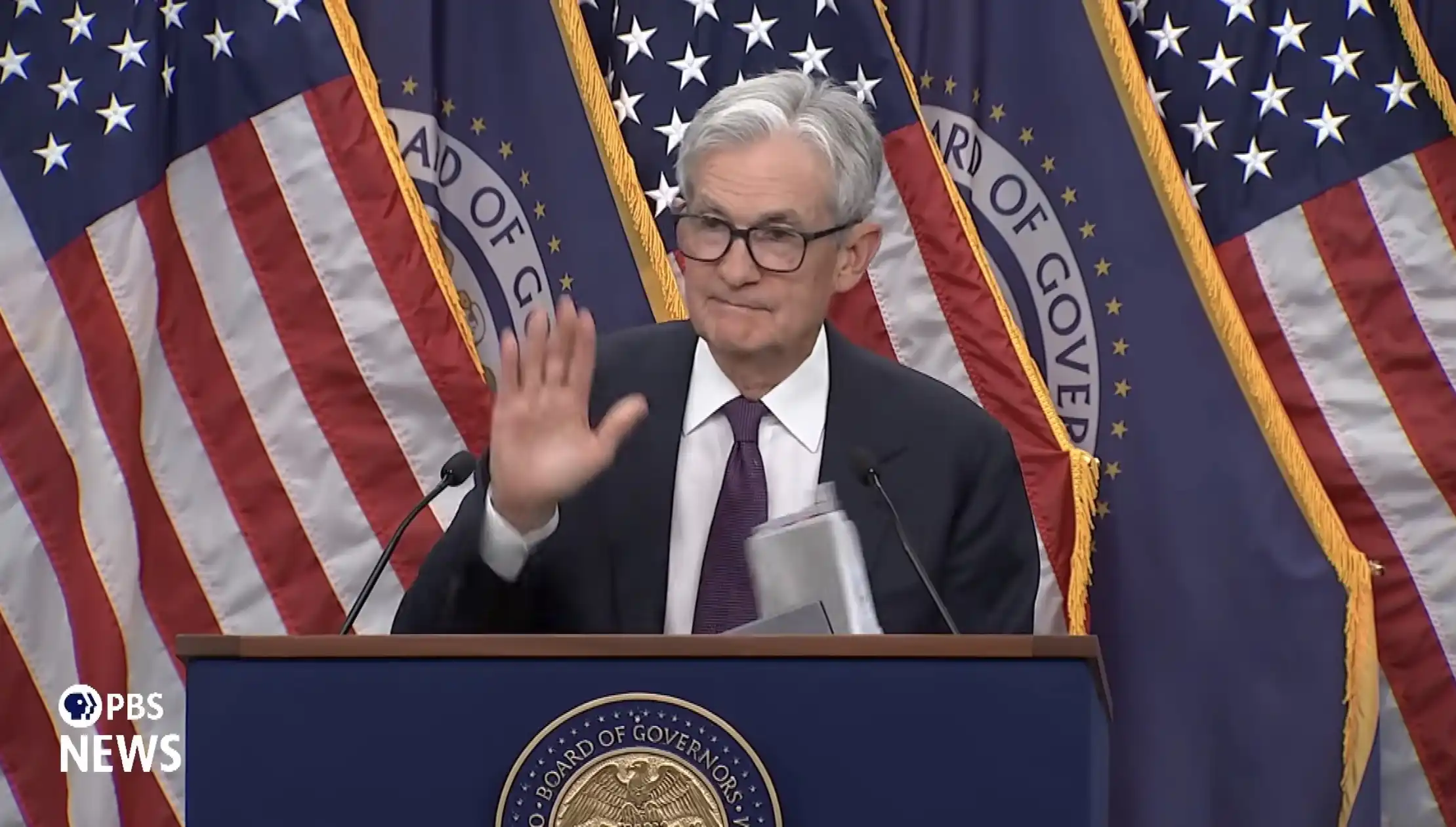
The decision to hold interest rates steady in the 3.5%-3.75% range was not a surprise, but the committee saw four dissenting votes, making it the most divided FOMC meeting since 1992. At the same time, he formally addressed the market's speculation: he would remain at the Federal Reserve.
The last person to choose to stay on as a Governor after stepping down as Chair was Marriner Eccles in 1948, the very person the Fed building is named after. That was 78 years before Powell.
Why did Powell choose to stay? The story of these eight years always began with a "Good afternoon." It was his opening line, uttered countless times from that podium, and it became his most widespread and familiar memory on social media. But to understand the weight of his decision today, we need to turn back the clock eight years.
The "Unqualified" Chair
"I will do everything I can to achieve the two missions Congress has given us: price stability and maximum employment." — Jerome Powell, November 2, 2017 · Rose Garden, White House, Nomination Ceremony for Fed Chair
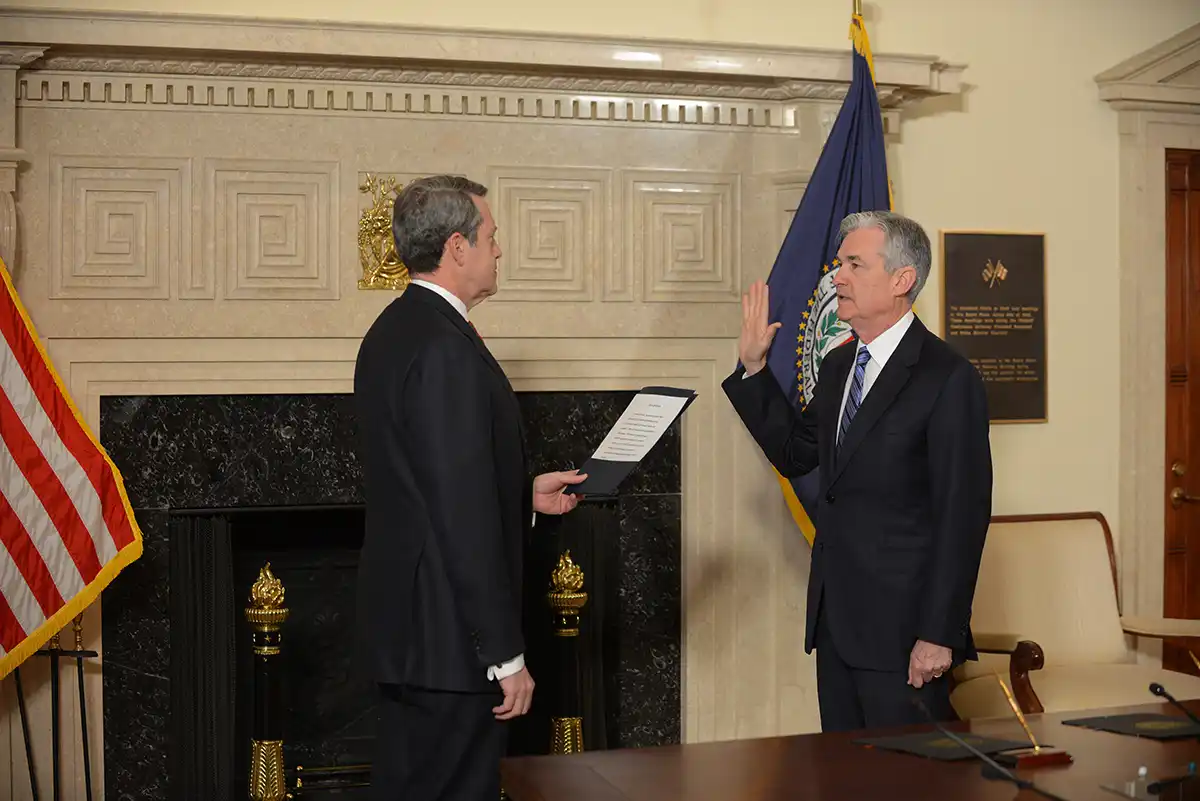
On the morning of February 5, 2018, Jerome Powell raised his right hand and took the oath of office in a conference room on the second floor of the Eccles Building. The ceremony was brief, lasting less than three minutes, without the President present. The oath was administered by Fed Governor Randal, a colleague with less seniority. Two reporters captured the scene: a deep blue suit, a steady gaze, silence.
He was 65 years old that day, officially becoming the 16th Chair of the Federal Reserve, with an annual salary just over two hundred thousand dollars. Measured against the standards of his four immediate predecessors, he seemed unqualified.
Greenspan held a PhD in Economics from NYU and had spent three decades in private economic consulting before his appointment. Before Reagan entered the White House, he was already the "market interpreter" recognized by both Washington and New York. Bernanke was the former chair of the Economics Department at Princeton University. His 1980s papers on the Great Depression were later considered the theoretical foundation for early 21st-century central banking policy. Yellen earned her PhD from Yale and spent most of her career as an academic in Berkeley's Economics Department; she was the first woman to hold the position.
Powell had no background in economics. He studied political science at Princeton for his undergraduate degree and then earned a law degree from Georgetown. Strictly speaking, he was a lawyer. Powell worked in the Treasury Department under George H.W. Bush, rising to the position of Under Secretary, before spending nearly a decade as a partner at The Carlyle Group. In 2012, President Obama nominated him and a Democratic economist together to the Fed's Board of Governors as a political balance. He sat on the Board for five years, and no one particularly noticed him.
To find a precedent for a "non-economist" sitting in the Chair's seat, you'd have to go back to 1978.
In March 1978, President Jimmy Carter appointed a man named G. William Miller to the Eccles Building. Miller was previously the CEO of Textron, a defense contractor. The Carter administration chose him, in part, because he had good relations with labor unions, believing he could "control inflation without being too harsh."
But Miller lasted 17 months in the job. During his tenure, the CPI rose from 6% to 12%, and the dollar experienced its most severe crisis in the foreign exchange market since World War II. In August 1979, Carter ousted him to become Treasury Secretary and brought in Paul Volcker to take over the Fed. What happened next is enshrined in all central banking textbooks: Volcker pushed interest rates to 20%, triggering a double-dip recession, crushing inflation, and ushering the US economy into the 1980s.
For nearly forty years after Miller, no non-economist held the position again. Until Powell.
During his five years as a Governor, Powell was almost invisible. From his swearing-in in May 2012 to his assumption of the Chair in February 2018, every vote he cast in the FOMC was with the majority; he never once dissented. His daily work involved technical issues like financial regulation and payment systems, far from the limelight. Colleagues later recalled that what distinguished him during this period wasn't papers or speeches, but his phone calls. He wanted to bypass academic papers and official data to hear directly from people on the front lines of the market, calling bankers, bond traders, and corporate CFOs. As a Governor, he would personally make dozens of such calls each week, something none of his academically-oriented colleagues would do.
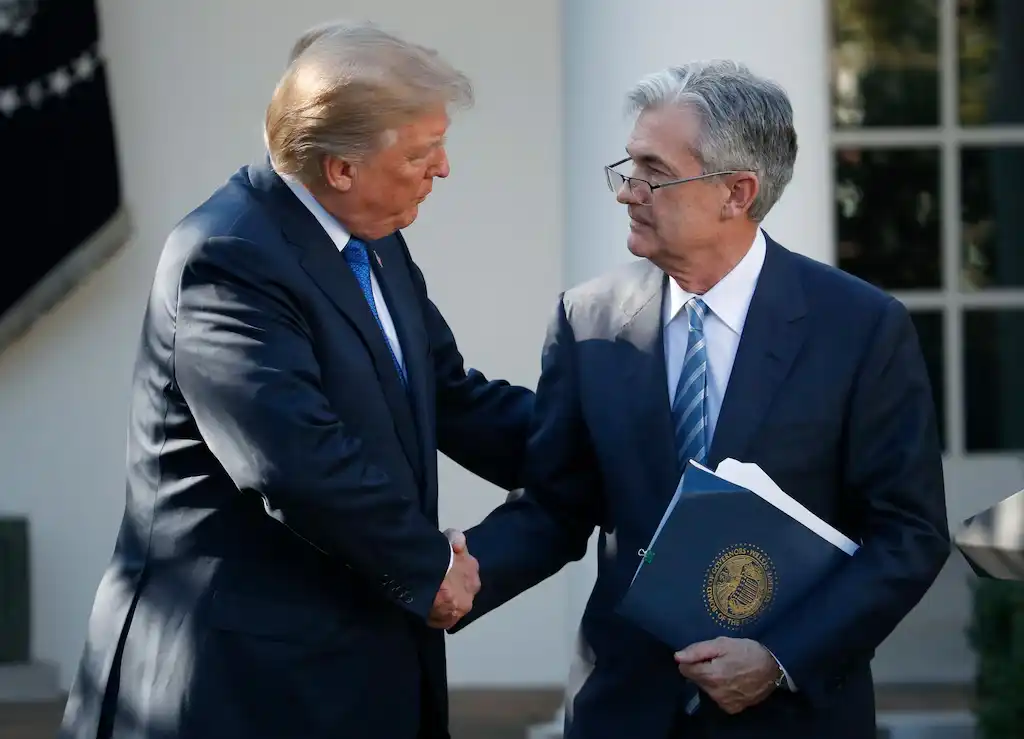
On the afternoon of November 2, 2017, President Trump announced Powell's nomination as the next Fed Chair from the White House Rose Garden. Trump gave a strong-willed speech; Powell gave a restrained one, focusing on the commitment to "achieving the dual mandate of maximum employment and price stability."
That evening, the memos from major Wall Street traders to their clients offered essentially the same assessment: a continuation of the dovish approach, no need for market anxiety. There were some dissenting voices in academia. Several economists interviewed by the *New York Times* that day worried whether a lawyer could lead the FOMC at a critical moment, but these concerns were quickly drowned out in the jubilant financial news.
Less than a year into his term, Powell made a structural change. He increased the frequency of post-FOMC press conferences from four times a year to after every meeting, and adopted the most everyday language, almost entirely avoiding academic jargon. Greenspan's once-vaunted "constructive ambiguity" ceased to be the Fed's communication style from that year on. But this new style hadn't yet become a habit when March 2020 arrived.
Every Choice, Unprecedented
"We will keep at it until the job is done." — Jerome Powell, August 26, 2022 · Jackson Hole Economic Symposium, Wyoming
March 15, 2020, was a Sunday. Late in the afternoon, Powell convened an emergency FOMC meeting in the Eccles Building, bringing forward a meeting originally scheduled for three days later. The announcement that followed was: a 100-basis-point cut in the federal funds rate to 0-0.25%, the launch of a $700 billion asset purchase program, and the activation of dollar swap lines with five major central banks. It was the single most aggressive action in Fed history.
At that moment, COVID-19 was sweeping across the United States, ICU beds were running out, U.S. stocks had triggered circuit breakers twice in the past week, and the Treasury market experienced a liquidity freeze that sent chills down every trader's spine. The world's supposedly deepest market saw days where no one was willing to bid on U.S. Treasury bonds.
Over the next three weeks, Powell unveiled a new tool almost every few days. March 17: Commercial Paper Funding Facility; March 19: Money Market Mutual Fund Liquidity Facility; March 23: unlimited QE, TALF restart, Main Street Lending Program taking shape; April 9: expansion of corporate bond purchasing to $2.3 trillion. These tools pushed past boundaries the Fed had maintained for years.
Buying corporate bonds was something Bernanke explicitly refused to do in 2008. Lending directly to small and medium-sized enterprises, bypassing banks, was something not even dared during the 2008 financial crisis. In the fall of 2008, after Lehman collapsed, it took Bernanke nearly three months to launch QE1. Powell, from the emergency rate cut on March 3 to unlimited QE, took only 20 days.
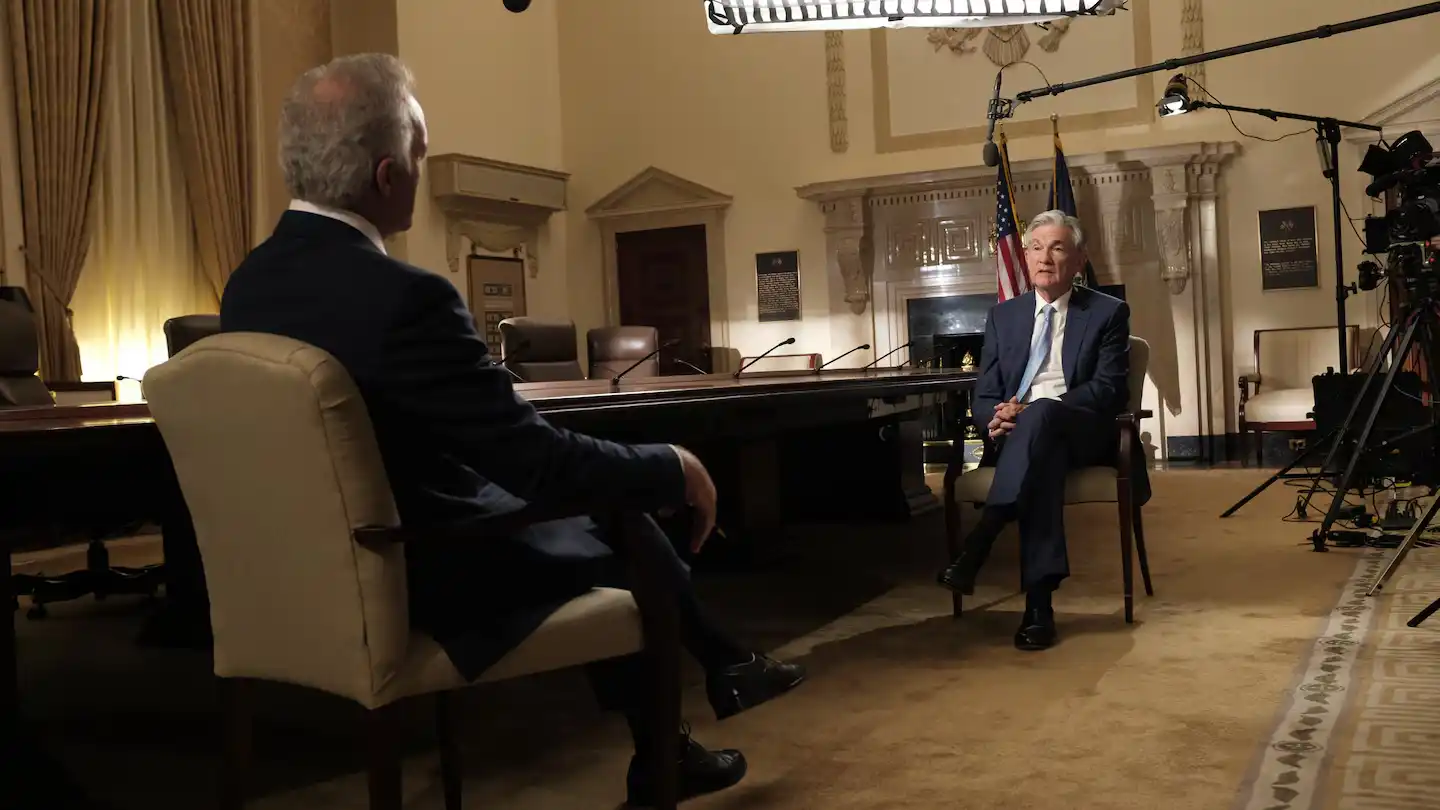
On May 17, Powell sat in front of the cameras for a *60 Minutes* interview on CBS and uttered a phrase that would be repeatedly cited: "We are not going to run out of ammunition." It wasn't a slogan; it was a concrete promise to the market. In the months that followed, the voices saying he "didn't act like a Fed Chair" fell silent for the first time.
But his biggest mistake began precisely from this silence.
In the spring of 2021, year-over-year CPI readings started to jump. April: 4.2%; May: 5.0%; June: 5.4%. Powell and his team of economists judged it as "transitory." They believed it was a disruption caused by the pandemic disrupting supply chains and would fade within a few quarters. This judgment wasn't indifference; they truly believed it. Powell repeatedly said in internal meetings that he didn't want to choke off a recovering labor market due to a cyclical disturbance. Millions who had lost their jobs during the pandemic, many of them low-income, were being rehired.
So throughout 2021, the Fed maintained zero interest rates and continued buying $120 billion in assets every month. At every press conference, Powell used everyday language to explain why rate hikes should wait.
Inflation didn't wait. September: 5.4%; October: 6.2%; November: 6.8%. In academia, on Wall Street, and from Republican senators, criticism returned in a new form: a lawyer who didn't understand what economists were saying was steering the U.S. into an inflation crisis. Former Treasury Secretary Larry Summers wrote in his *Washington Post* column that he had never seen fiscal and monetary policy so disconnected from reality.
On the morning of November 30, Powell testified before the Senate Banking Committee. Asked about the inflation situation, he said: "I think it's probably a good time to retire that word ['transitory'] and try to explain more clearly what we mean."
This wasn't a forced admission of error. No reporter pressed him. No senator demanded he abandon "transitory." It was his own choice to say it.
After admitting the mistake, Powell acted swiftly. March 2022: 25 basis point hike; May: 50 basis point hike; June: 75 basis point hike.
This was the largest single rate hike since the Greenspan tightening cycle in 1994. July: another 75 basis point hike. The market initially interpreted this pace as "catching up," assuming the Fed would quickly return to a more moderate path. On August 26, the closed-door meeting of global central bank governors began as scheduled in Jackson Hole. The market expected Powell to soothe nerves and leave the door open for a "policy pivot."
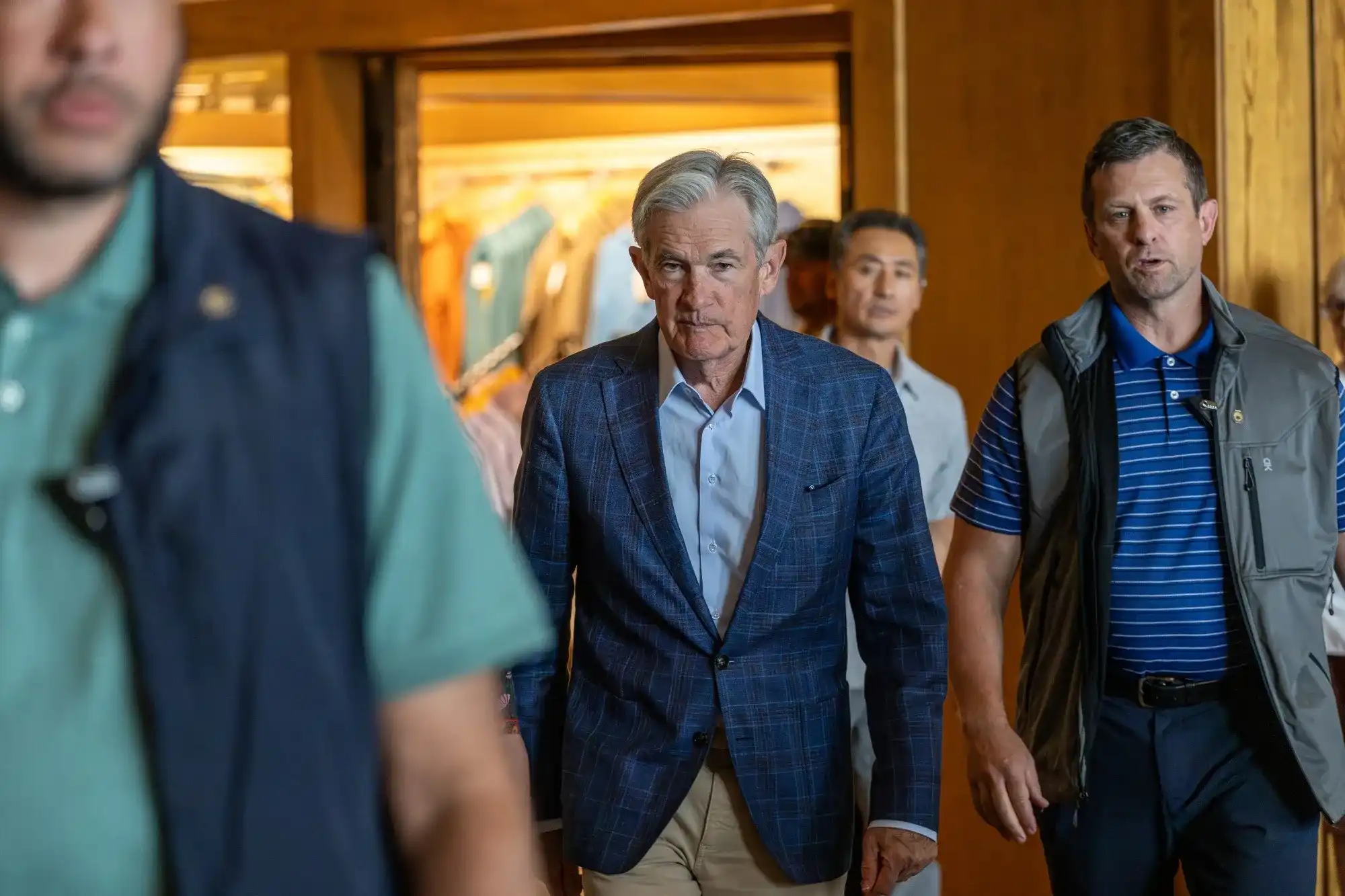
At 10 a.m., Powell walked to the podium. Typically, the Chair's speech at such an event lasts half an hour. But that morning, Powell didn't look at the teleprompters. The speech lasted only 8 minutes. He didn't discuss academic frameworks, delve into complex transmission mechanisms, or offer any dovish hints. He conveyed only three points: price stability is the Fed's responsibility, rate hikes will cause pain, and we will see it through.
The final sentence of the speech was: "We will keep at it until the job is done." Those who understood immediately recognized the borrowing of an old Chair's language. "Keeping at it" was the title of Paul Volcker's 2018 memoir. Volcker's inflation-fighting campaign in 1979 had sent rates to 20% and the economy into a double-dip recession. He later used those three words to summarize that period. Powell mentioned Volcker three times during the 8-minute speech. He didn't liken himself to Volcker, but he chose to end his speech with Volcker's words.
The day the speech ended, the S&P 500 fell 3.4%, and the Nasdaq fell 3.9%. It was the market's final disappointment that the "continuation of the dove" promise wouldn't hold.
He knew the market would fall after he finished. He said it anyway. It was the first time, four years into his tenure as Fed Chair, that he made everyone see he had no intention of being defined by his past.
After Jackson Hole, Powell's pace of rate hikes didn't stop. September: 75 basis points; November: 75 basis points; December: 50 basis points. In March 2023, Silicon Valley Bank (SVB) collapsed within 48 hours, the second-largest bank failure in U.S. history. Powell did something else that exceeded market expectations: while creating the Bank Term Funding Program (BTFP) to rescue banks, he continued raising rates by 25 basis points.
This "two-handed operation" is difficult to understand within traditional central banking frameworks, as providing liquidity and tightening policy should point in opposite directions. But Powell wasn't someone who acts by the textbook. He treated "systemic stability" and "inflation targeting" as two separate issues: using one set of tools to save banks, and another to suppress inflation. This was a lawyer-like instrumentalist thinking: using the right tool for the right problem, not letting the logic of one issue squeeze out the other.
By the time of the final rate hike in July 2023, the federal funds rate had reached 5.25%-5.50%, the highest level in 22 years. The entire tightening cycle totaled 525 basis points.
Inflation finally began to recede. In June 2024, the year-over-year CPI returned to 3.0%, and by year-end it was 2.9%. The unemployment rate remained near historical lows throughout the entire tightening cycle, without the sharp rise typical of a recession. This marked the first time since the 1980s that the Fed had brought down high inflation without plunging the economy into a broad recession.
Economists have since debated whether he was "lucky"—that the unique nature of the pandemic shock made his tools more effective than theory would suggest, and that falling energy prices also helped. This debate will continue.
Powell summarized these eight years at his final press conference: "We have actually experienced four supply shocks: the pandemic, the war in Ukraine, tariffs, and now Iran and soaring oil prices. Each supply shock has the power to raise both inflation and unemployment, and it's hard for central banks to know what to do." It was this macro environment, unseen in decades, combined with the unprecedented actions the Fed was forced to take, that made this morning's committee the most divided since 1992.
But the judgment he made in those 8 minutes on the morning of August 26, 2022, was a real judgment. The risk he took was a real risk. And his choice not to be defined by his 2021 mistake was a real choice.
The Watchman in the Doorway
"I'm not resigning." — Jerome Powell, November 7, 2024 · FOMC Press Conference, responding to "Can the President fire the Fed Chair?"
On the afternoon of January 11, 2026, Powell recorded a video in a conference room in the Eccles Building. The Fed's seal was in the background. He said into the camera: "What this criminal indictment threatens is the Fed's right to set interest rates based on its best judgment for the public, not based on the President's preferences."
The video was released by the Fed's official account later that evening. Global financial media refreshed their headlines almost simultaneously. It was the first time in the Fed's 113-year history that it had engaged in such a direct public confrontation with the executive branch.
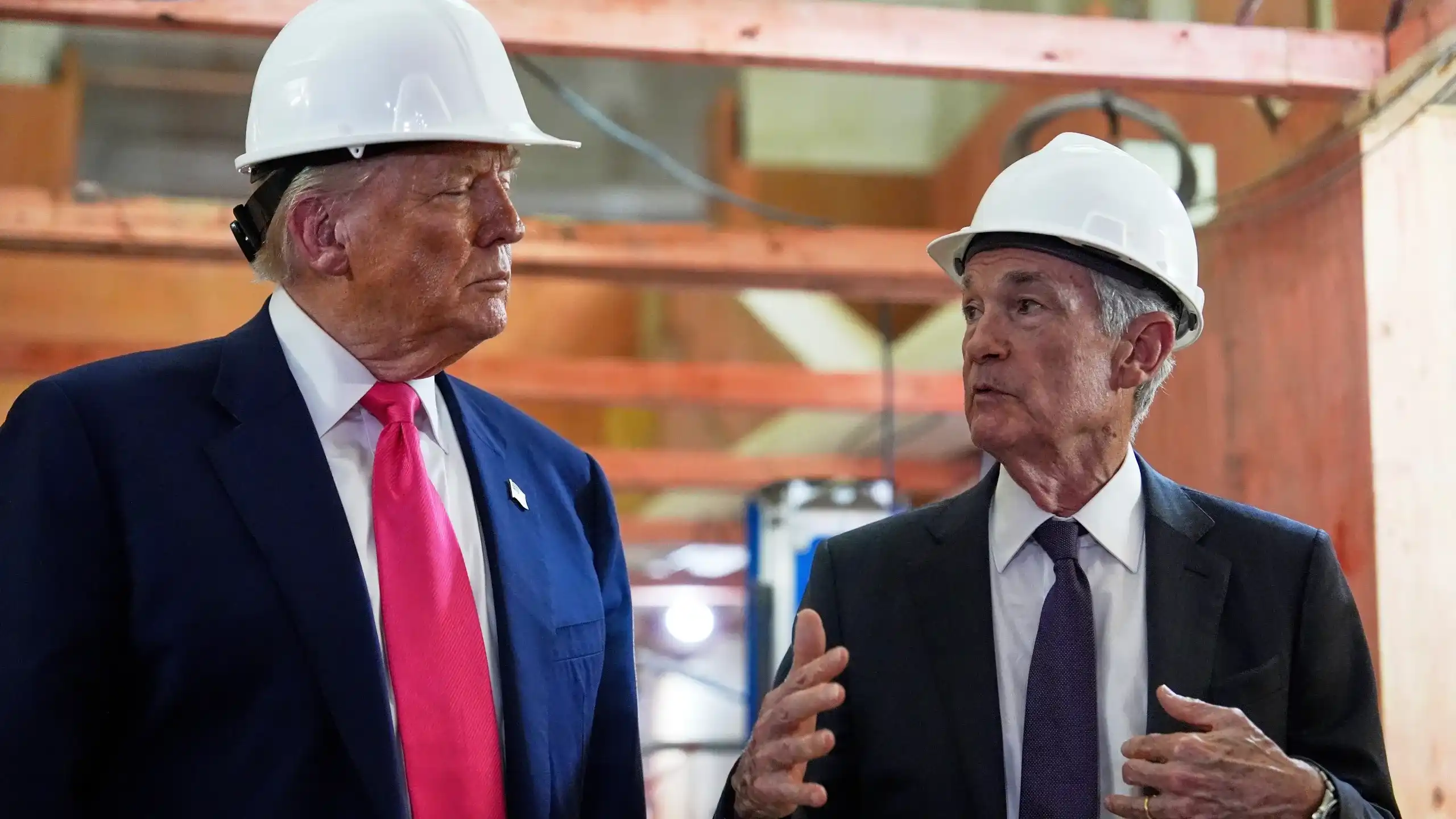
The trigger for the event came a few days earlier. The Department of Justice, citing the renovation project at the Fed headquarters, issued a grand jury subpoena to Powell, initiating a criminal investigation against him. The DOJ cited budget overruns and improper procurement procedures.
But everyone knew what was really going on. Over the past twelve months, President Trump had repeatedly demanded that Powell cut rates to align with his tariff policy. Powell maintained his own pace, saying, "We don't have those


