






Ilya Takes the Stand for Revenge! Exposes Altman’s Lies, Holding $7 Billion and Saying, “I Don’t Want OpenAI Destroyed”


- Key Takeaway: Former OpenAI Chief Scientist Ilya Sutskever testified in court in the Musk v. OpenAI case, accusing CEO Altman of “systematic lying” and exposing his power-manipulating behavior; at the same time, he personally confirmed for the first time that he holds approximately $7 billion in shares, highlighting the profound conflict between idealism and commercial interests within OpenAI. This case could determine OpenAI’s future structure.
- Key Elements:
- Ilya testified that he spent a year collecting evidence of Altman’s “systematic lies,” compiling it into a 52-page memo submitted to the board.
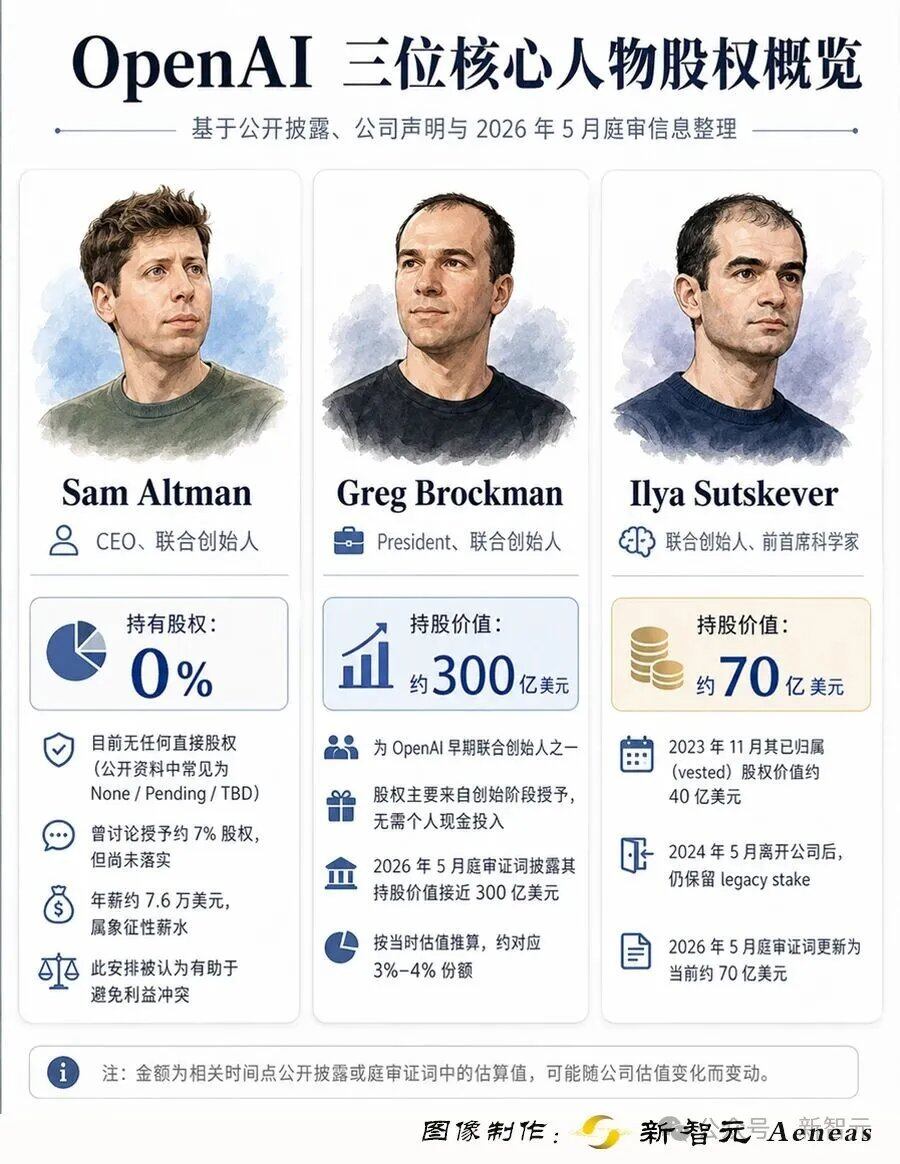
- Ilya confirmed for the first time that he holds approximately $7 billion in OpenAI shares, while Altman’s stake is valued at about $3.5 billion, and Greg Brockman holds $30 billion in shares.
- Ilya admitted to changing his stance after the 2023 “coup” and signing a joint letter supporting Altman’s return to prevent the company from being “swallowed” by Microsoft.
- Ilya refuted Altman and Brockman’s claim that they promised Musk OpenAI would remain non-profit forever, stating, “Mission is more important than structure.”
- Microsoft CEO Nadella’s testimony revealed that during the coup, Microsoft had prepared a 14-person “list for taking over the board” and urged Altman to launch the paid version of ChatGPT as early as possible.
- After leaving, Ilya founded Safe Superintelligence, raising $3 billion at a $32 billion valuation. Other OpenAI alumni have also founded multiple high-value AI companies.
- The OpenAI board once considered merging with Anthropic. Ilya was “not enthusiastic” about this, but the plan was not implemented due to time constraints.
Original Source: Xinzhiyuan
Introduction: Just now, Ilya testified in court! He gave a sworn testimony in the Musk v. OpenAI case, stating he spent a year gathering evidence of Altman's "systematic lying," compiled it into a 52-page memo, and submitted it to the board. Moreover, he confirmed for the first time that he holds approximately $7 billion worth of OpenAI shares. Altman is expected to testify as early as Tuesday. The drama is about to unfold.
The major case of Musk suing OpenAI finally saw Ilya take the stand!
May 11, 2026, Oakland Federal Court, California.
As the curly-haired, melancholic genius scientist Ilya Sutskever slowly walked to the witness stand, everyone in the room held their breath.
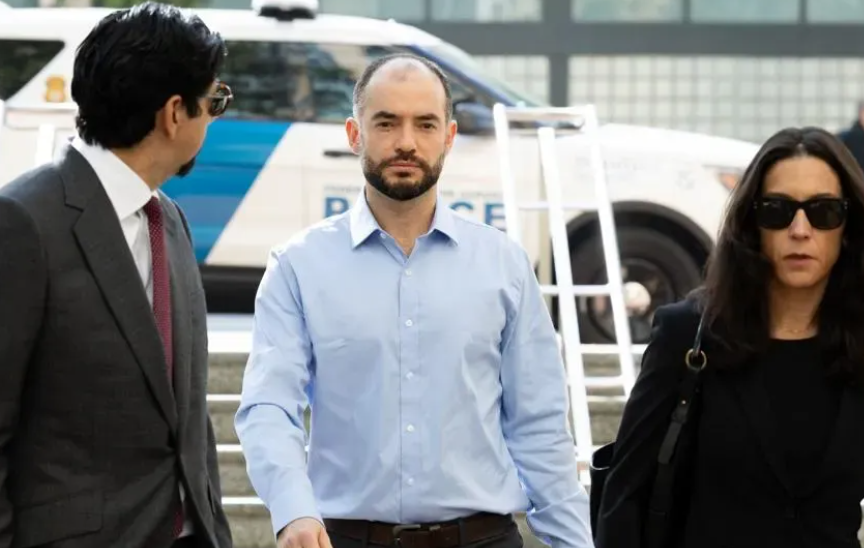
No matter where he appears, Ilya draws everyone's attention, let alone at the trial of Musk's lawsuit against OpenAI.
This time, Ilya is no longer the apologetic figure posting "I deeply regret" on social media, but an avenger returning with a "bombshell."
He not only confirmed Altman's habitual dishonesty but also unveiled the power vacuum beneath OpenAI's glamorous exterior to the world.
This is destined to be the final chapter of a historic "AI Game of Thrones."
This trial could determine the future of OpenAI—a company preparing for a trillion-dollar IPO, valued at $850 billion.
Altman is expected to take the stand as early as Tuesday.
The 52-Page "Evidence of Lies": Altman Through That Man's Eyes
"He lies habitually, sows discord among executives, and undermines corporate governance."
When Ilya spoke these words under oath, the faces of OpenAI's current management sitting at the defense table turned ashen.
This was no longer rumor, but courtroom testimony from OpenAI's former Chief Scientist.
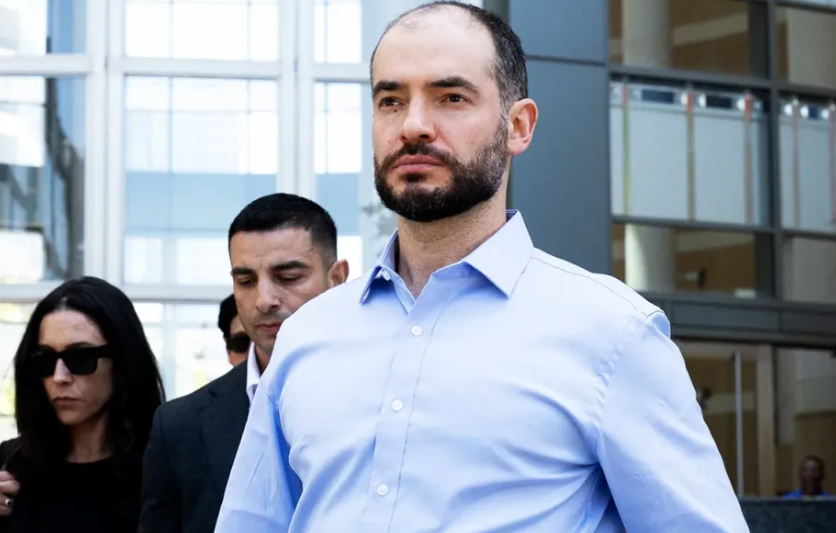
This time, Ilya revealed a shocking detail never before disclosed: before the globally stunning "November coup" in 2023, he had secretly been gathering evidence for an entire year.
This evidence file was 52 pages long.
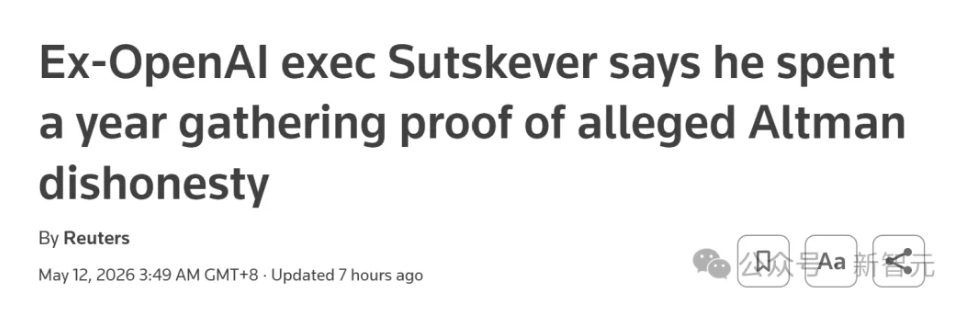
In this "complete collection of Altman's dirt," the daily machinations of Altman's power plays were meticulously recorded.
For instance, his specialty was creating divisions.
He frequently sowed discord between CTO Mira Murati and other executives, making them suspicious of each other, thereby cementing his absolute authority.
Furthermore, he was a master of information manipulation.
Ilya testified that Altman created an environment where "executives couldn't get accurate information." In this environment, any serious discussion about AI safety would be downplayed by Altman with false market visions.
This time, Ilya stated bluntly that Altman's behavior was "detrimental to achieving any grand goals," especially developing safe AGI.
"I spent a year observing and thinking, and ultimately, I concluded that firing him was the right decision."
Ilya's tone was steady, but every word hit hard. He admitted to having multiple in-depth discussions with Murati, both feeling deeply uneasy about Altman's conduct.
The $7 Billion "Traitor": The High Price of an Idealist
Next came another climax of the trial.
As a co-founder of OpenAI, Ilya has always been regarded as a "pure scientist." But when the judge asked about the value of his shares, the number stunned the entire courtroom: $7 billion.
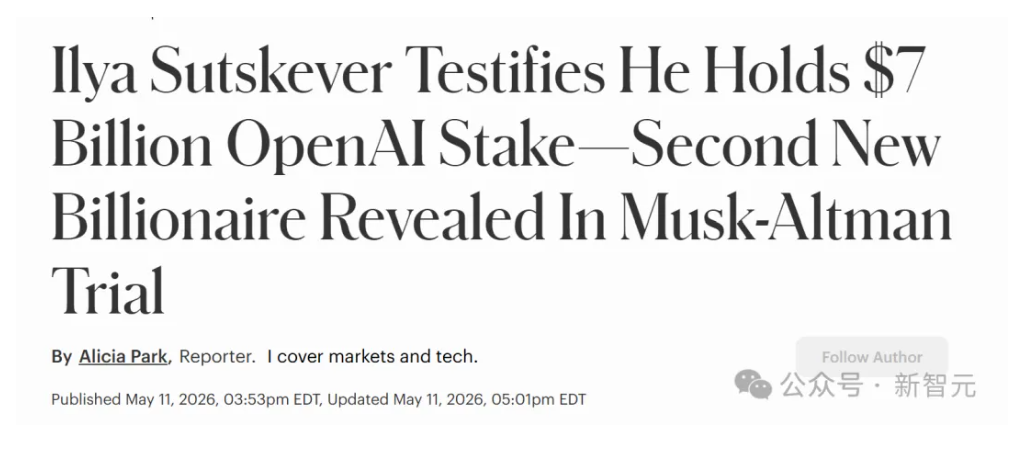
Just a week earlier, OpenAI President Greg Brockman admitted to holding shares worth $30 billion.
And Altman, whom Musk accused of being "blinded by greed," is worth approximately $3.5 billion (primarily from external investments).
An ironic scene emerged: these former apostles of "non-profit" have now become some of the fastest wealth accumulators in human history.
But Ilya displayed an almost tragic sense of contradiction in court.
He mentioned that, to join OpenAI back then, he turned down Google's $6 million annual renewal offer—which seemed like an "astronomical figure" to him at the time.
He explained why, on the weekend of the coup, he suddenly changed course and signed the joint letter calling for Altman's return.
"It was a 'Hail Mary,'" Ilya said, his voice low. "I saw the company on the verge of collapse. Microsoft was about to swallow us all."
At the time, the situation deteriorated faster than anyone anticipated. Many employees voiced their intention to follow Altman. The company faced disintegration.
Ilya later expressed regret—not for gathering evidence or voting for removal, but for "participating in the board's actions." He criticized his board colleagues for lacking experience, accepting "bad legal advice," and acting too hastily.
On Monday in court, as he said these words, the gallery fell silent.
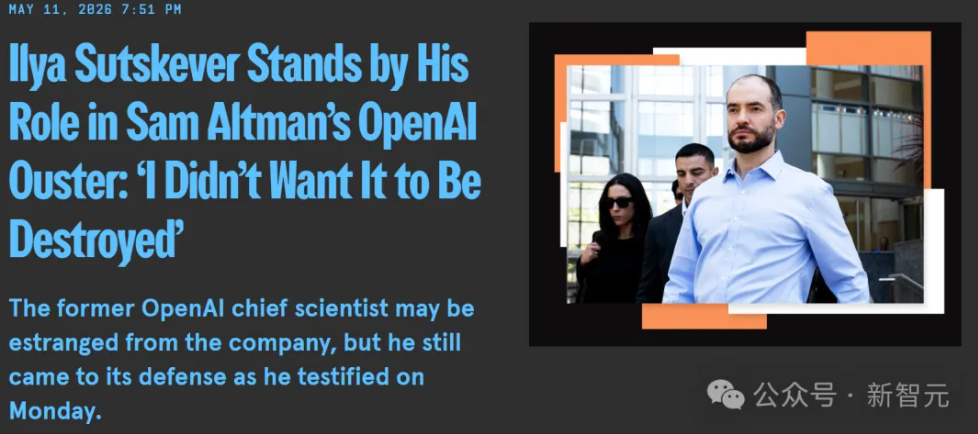
"I feel a strong sense of belonging to OpenAI. I feel like I poured my life into it. I just care about it. I don't want it to be destroyed."
The Panorama of the OpenAI Mafia
Furthermore, this trial incidentally unveiled a panorama of the "OpenAI Mafia."
He left OpenAI in May 2024 to found Safe Superintelligence. By April 2026, the company had raised $3 billion, valued at $32 billion.
Dario and Daniela Amodei left to found Anthropic, rumored to be heading towards a trillion-dollar valuation.
Mira Murati founded Thinking Machines Lab, which last year completed a $2 billion seed round at a $12 billion valuation, with two-thirds of its team being OpenAI alumni.
Aravind Srinivas founded Perplexity, valued at $20 billion. Liam Fedus founded Periodic Labs, valued at $7 billion.
Intriguingly, while the reasons for their departures vary, almost every one is tied, to some extent, to Altman's leadership style.
The Almost-Happened Anthropic Merger
Ilya's testimony wasn't just about Altman.
He confirmed something previously only rumored: after Altman's brief ouster, the remaining OpenAI board members met with Anthropic to discuss the possibility of Anthropic merging with OpenAI and taking over leadership.
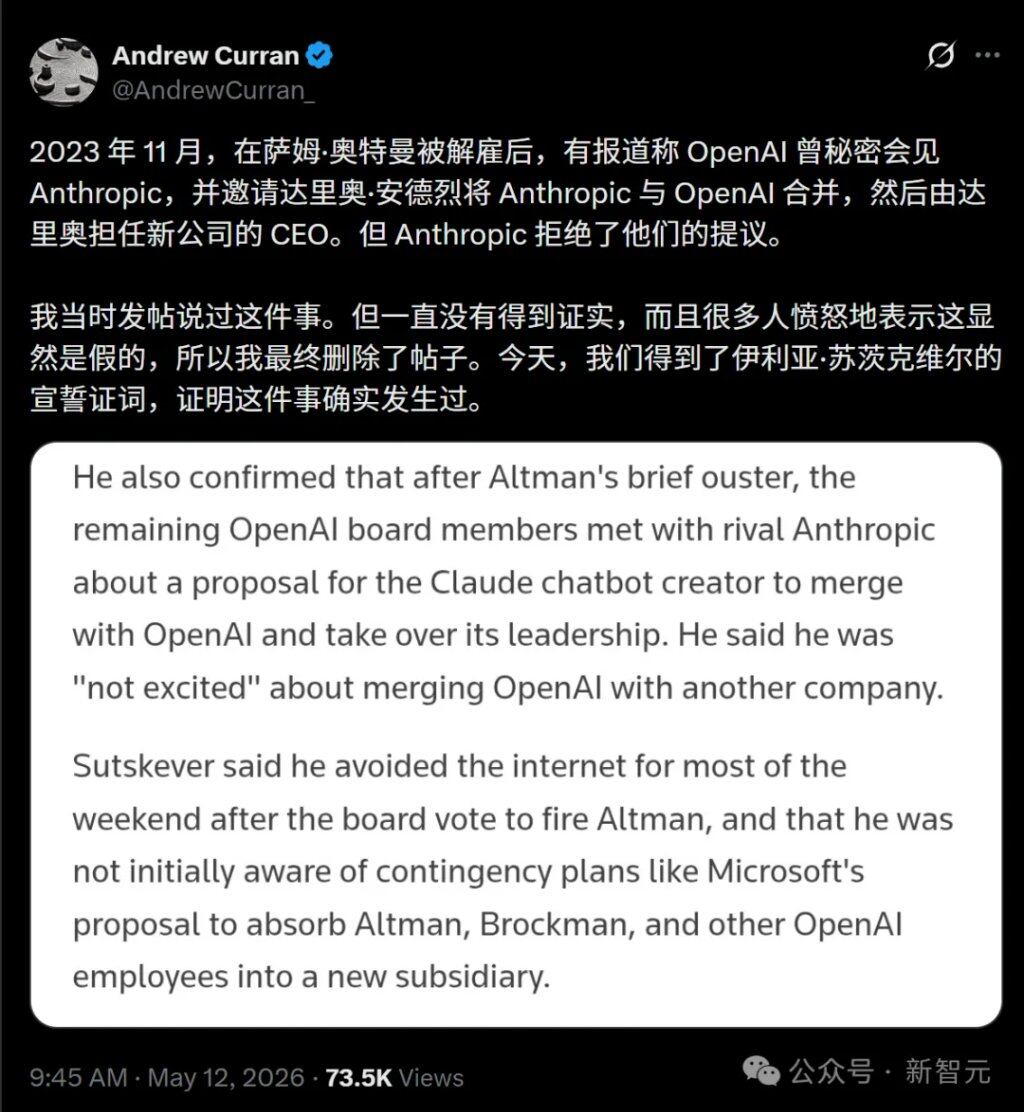
Ilya said he was "not enthusiastic" about it.
The devastating weight of this detail lies in the timing—during that weekend in November 2023, OpenAI almost became part of Anthropic.
If that merger had gone through, today's AI landscape would look entirely different.
Microsoft's Shadow: Nadella's Ambition for Control
If Ilya exposed the internal rot, then Microsoft CEO Satya Nadella, who took the stand subsequently, showcased the cold logic of capital.
Nadella described the ouster event as "amateur city," stating he "never got a clear explanation."
But court documents revealed another side of Nadella himself.
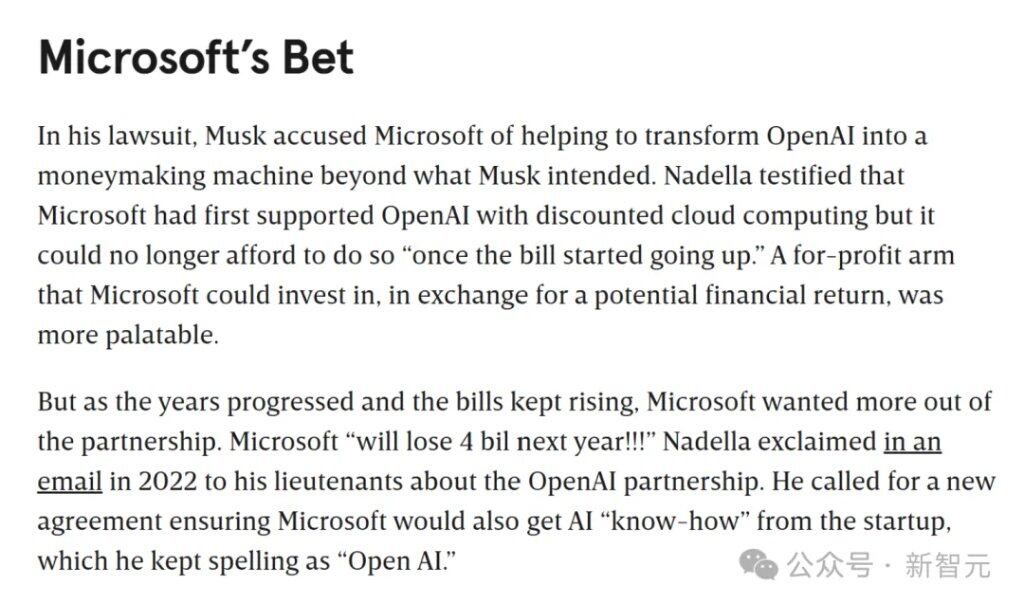
A 2022 email unsealed by the court showed Nadella raging at his subordinates: "If we invest this much money and don't have control, it's completely meaningless!"
Under questioning from Musk's lawyer, Nadella admitted that when the 2023 coup occurred, Microsoft had already prepared a list of 14 "board takeover" candidates and exercised a de facto "veto power" over OpenAI's new board members.
Even more explosive, Nadella had texted Altman repeatedly in early 2023, urging him: "Launch the paid subscription version of ChatGPT as soon as possible."
Two weeks later, he was inquiring about user registration numbers.
This directly substantiated Musk's accusation: OpenAI had long ceased to be a research lab; it was Microsoft's "IT department" and monetization machine.
And this is precisely the core of Musk's allegation—that OpenAI had deviated from its non-profit mission.
Musk's Fury: A Dream Exploited?
Sitting in the audience, Musk might have displayed a complex smile.
The trial's central question is: Did Altman use false "non-profit" promises to trick Musk into providing early funding and brand endorsement, only to sell the results to Microsoft?
Although Ilya's testimony did not entirely side with Musk (he denied ever promising Musk that OpenAI would remain non-profit forever), his condemnation of Altman's character undoubtedly provided the strongest ammunition for Musk's lawsuit.
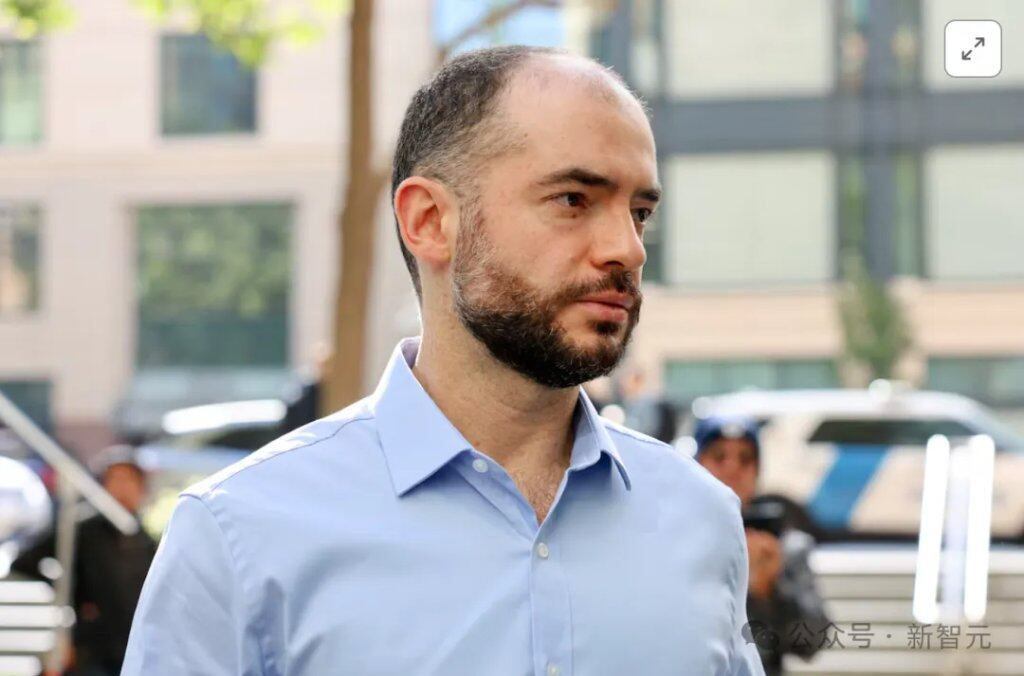
Ilya mentioned that he also opposed Musk's proposal to merge OpenAI into Tesla back then, considering Musk too "aggressive."
Musk's core allegation is that Altman and Brockman breached the promise to keep OpenAI forever non-profit, instead pursuing profit.
Ilya's testimony on this point was actually favorable to OpenAI.
He stated that he "never promised Musk that OpenAI would remain non-profit."
He uttered a line likely to be quoted repeatedly: "OpenAI's mission is greater than its non-profit or for-profit structure."
At this point in the lawsuit, there are no absolute heroes. It looks more like a group of geniuses engaged in the ugliest brawl on their path to glory, fought over interests, power, and the right to define humanity's future.
The Endgame Approaches: OpenAI or OpenMoney?
The trial continues.
Altman is expected to testify this Tuesday.
The situation is extremely dangerous for OpenAI.
If the judge ultimately rules that OpenAI violated its initial non-profit charter, its for-profit entity, valued at $850 billion, could face structural restructuring.
Ilya spent about an hour on the witness stand. According to a Wired journalist's observation, he made almost no eye contact with anyone during the entire time.
This man was once the soul of OpenAI, the leader who rallied employees chanting "Feel the AGI" at company parties.
Now, wearing a shirt without a suit jacket, he looked lonely and dejected. He said in court: "I poured my life into OpenAI. I don't want it to be destroyed."
But the reality is that the pure OpenAI he loved might have already died when the first page of that 52-page evidence document was written.
This trial is not judging the success or failure of a single company; it is judging the most central contradiction in Silicon Valley today: When the technology granting god-like power (AGI) collides with extreme human greed, can we still hold onto our final vestiges of integrity?
Next Thursday, the judge will deliver closing arguments.
And humanity's right to define the future of AI may well be quietly rewritten within these few pages of testimony.


