Karpathy가 왜 갑자기 Anthropic에 합류했을까, Dario의 '-2'가 되기 위해서?


- 핵심 견해: OpenAI 공동 창업자이자 테슬라 전 AI 책임자였던 Andrej Karpathy가 Anthropic 합류를 발표하며, Claude 모델을 활용한 사전 학습 연구 가속화를 위한 팀을 구성할 예정이다. 이는 인재 쟁탈전에서 Anthropic의 중대한 승리를 의미하며, 'AI 자기 개선'의 진화적 플라이휠이 가속화될 수 있음을 예고한다.
- 핵심 요소:
- Karpathy는 Nick Joseph가 이끄는 Anthropic 사전 학습 팀에 합류하여, Claude 자체를 활용해 사전 학습 연구를 가속화하고 더 적은 연산 자원으로 더 나은 모델을 훈련시키는 것을 목표로 한다.
- Karpathy의 위상은 순수한 기술적 능력보다는 업계의 개념 패러다임(예: "Software 2.0", "Vibe Coding")을 정의하는 능력에서 비롯되며, 이론과 실제를 연결하는 가교 역할을 한다.
- 이는 2년 동안 OpenAI에서 Anthropic으로 이적한 세 번째 핵심 인물로, 이전에는 Jan Leike와 John Schulman이 있었으며, 인재의 단방향 이동이 심화되면서 '연구 품질로 승부'하는 Anthropic 노선의 매력을 부각시킨다.
- Anthropic의 Mythos 모델은 '창발(emergence)' 능력을 보여주며, 특별히 훈련되지 않았음에도 불구하고 스스로 심층 시스템 취약점을 발견하는 등 사전 학습 향상이 예상을 뛰어넘는 능력을 가져올 수 있음을 증명한다.
- Karpathy의 합류는 Anthropic의 가장 강력한 모델이 자체 훈련을 개선하는 도구가 되어 'AI가 AI를 개선하는' 플라이휠을 구현하게 할 수 있으며, 일단 성공하면 현재의 연산 자원과 데이터 경쟁의 구도를 완전히 바꿀 것이다.
Original Editor: Ma Ke
Original Source: Xin Zhi Yuan
At 11 PM on May 19, Andrej Karpathy officially announced his joining of Anthropic.
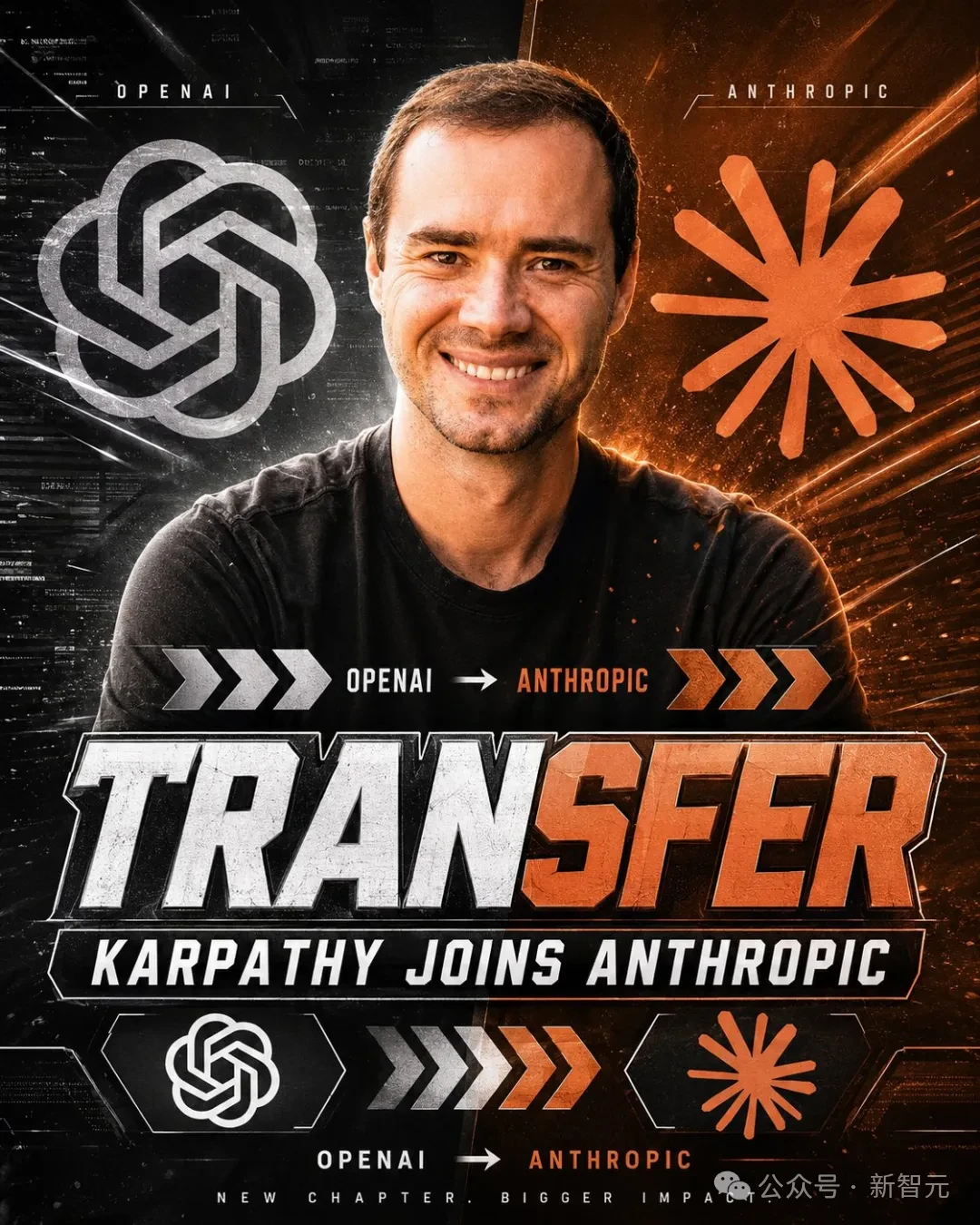
The weight of this name needs no further explanation.
OpenAI co-founder, former AI director at Tesla, father of 'Vibe Coding,' and one of the most influential AI educators globally.
His standing in the AI field is comparable to LeBron James in basketball – wherever he goes, it's headline news.
He only posted three sentences on X.
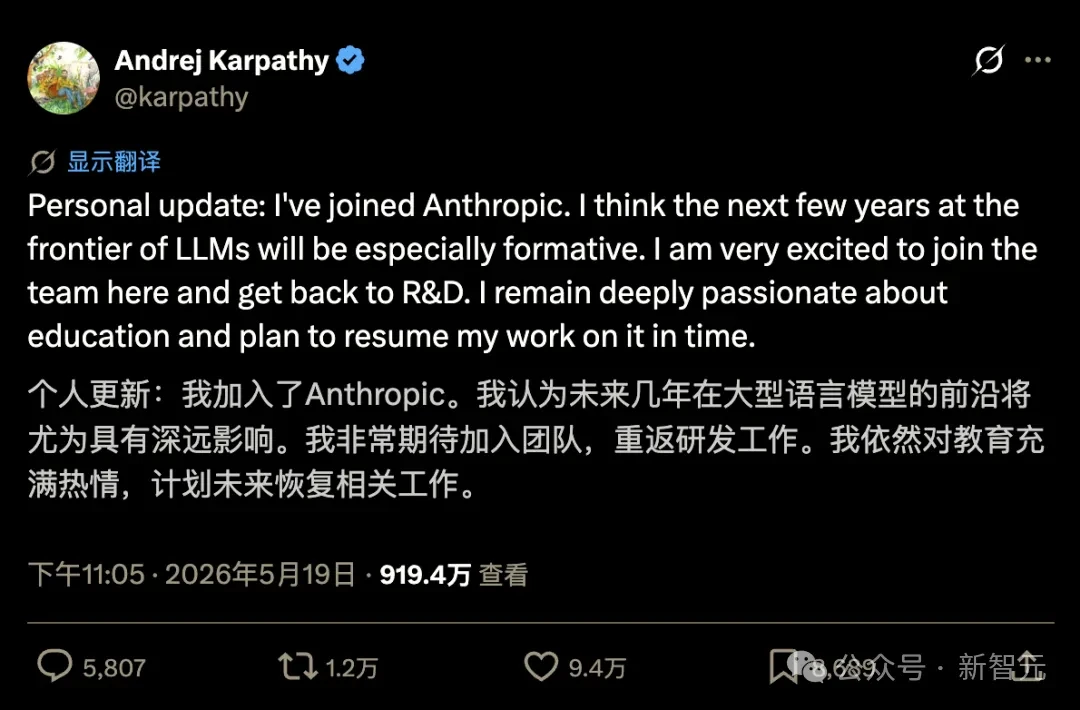
https://x.com/karpathy/status/2056753169888334312
The first sentence mentioned the next few years at the LLM frontier would be 'particularly formative.' The third sentence stated he still loves education. The most crucial middle sentence was just five words: 'return to R&D (research & development).'
This marks the third core figure to move from the OpenAI camp to Anthropic within two years.
It's also a person nearing 40, accomplished, and financially independent, voluntarily choosing to become a subordinate to someone else's subordinate.
Why leave? Why Anthropic? And why was Anthropic so determined to hire him?
Behind each question lies a layer worth unpacking.
What Will He Do
Karpathy started work this week, joining Anthropic's pre-training team.
This team is led by Nick Joseph and is responsible for all large-scale training runs of Claude.
An Anthropic spokesperson confirmed to TechCrunch that Karpathy will form a new sub-team focused on accelerating pre-training research using Claude itself.
Nick Joseph also provided context on X, stating, 'He will build a team focused on accelerating pre-training research itself using Claude.'
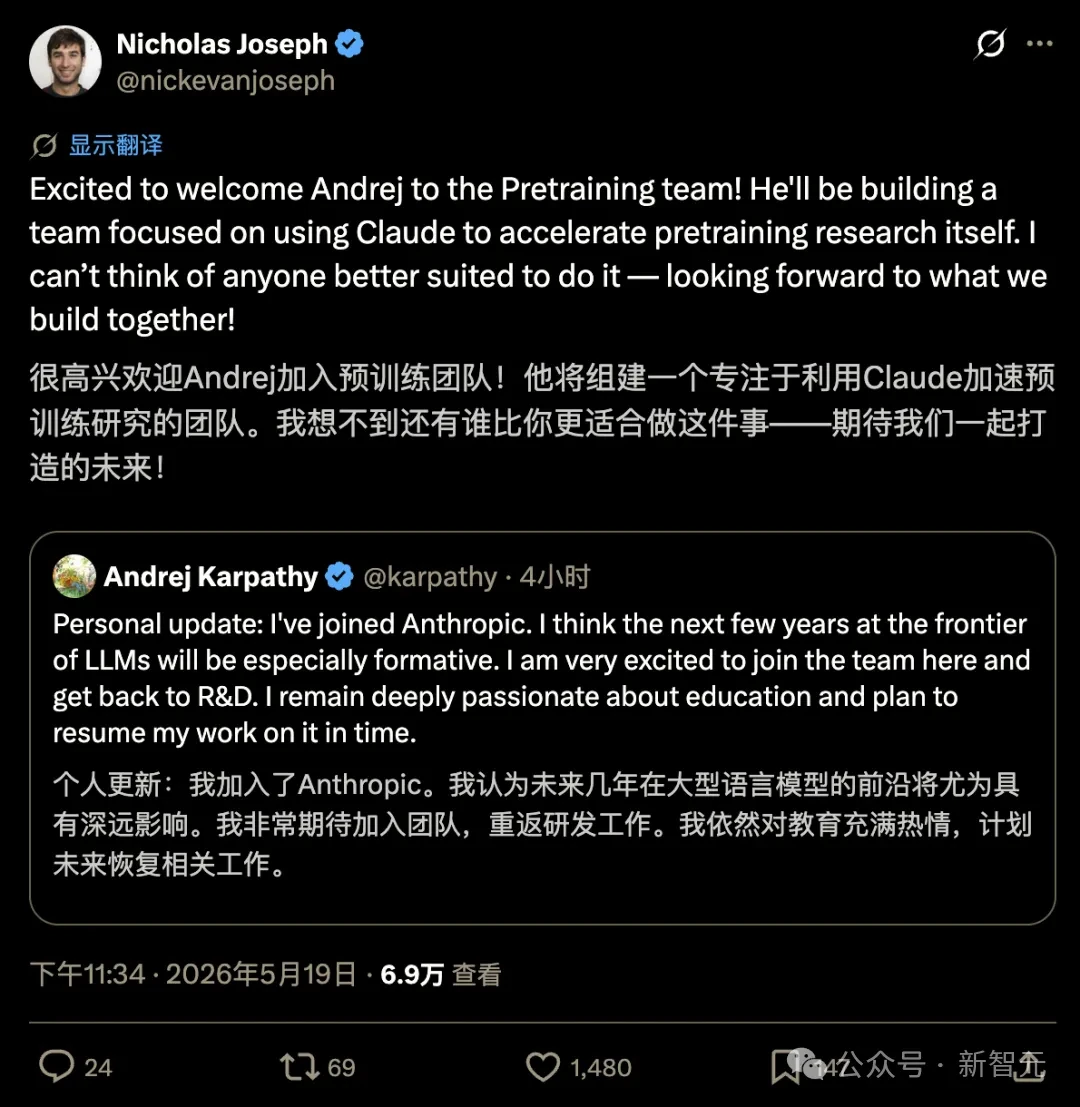
https://x.com/nickevanjoseph/status/2056760504949842219
TechCrunch commented, 'Karpathy is one of the few researchers capable of bridging the gap between LLM theory and large-scale training practice.'
Axios characterized the move as 'a major victory for Anthropic in the talent war.'
Cybersecurity expert Chris Rohlf also announced joining Anthropic on the same day, following former xAI founding member Ross Nordeen who joined earlier this month. The directionality of talent flow is becoming increasingly apparent.
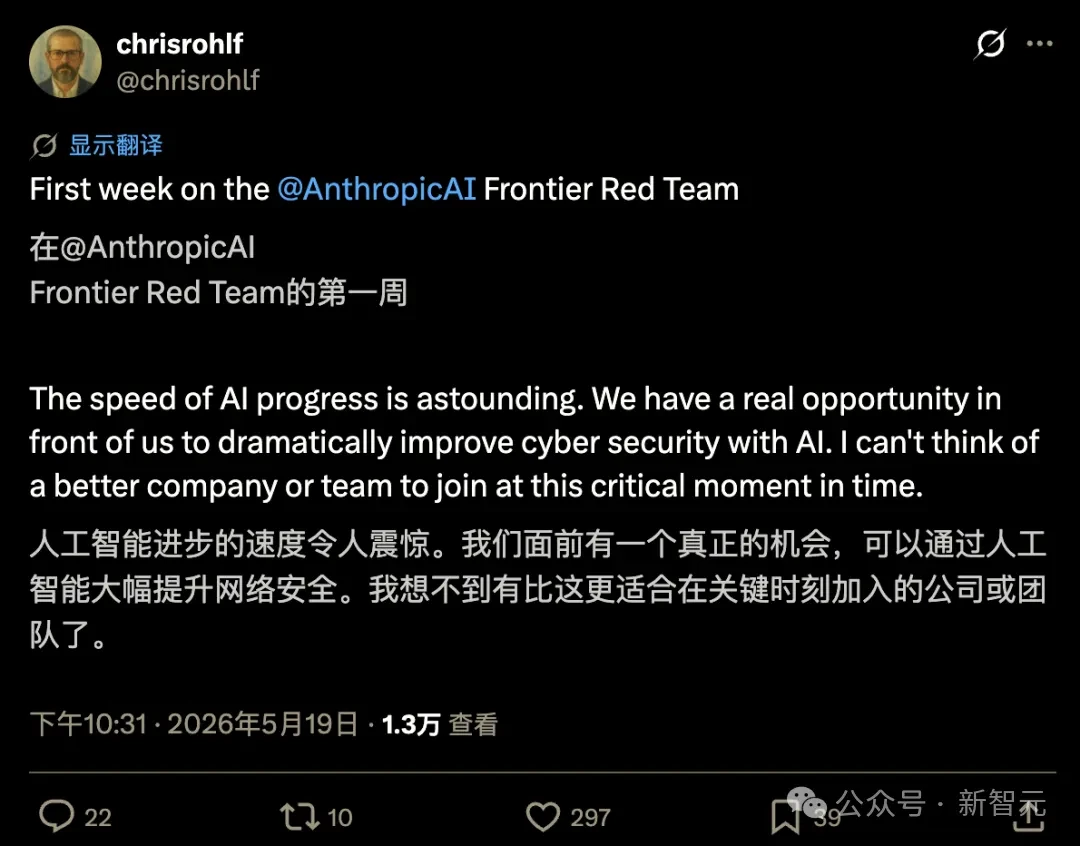
https://x.com/chrisrohlf/status/2056744653165092983
Data from Polymarket serves as a testament to market sentiment – traders price Anthropic's probability of having the best AI model by the end of June at 65%, while OpenAI sits at 4%.
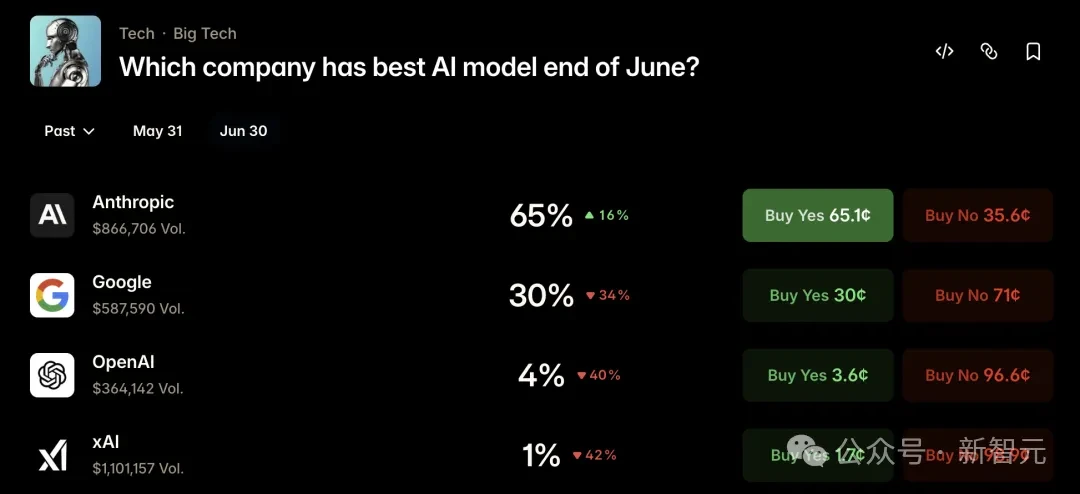
https://polymarket.com/event/which-company-has-best-ai-model-end-of-june
Karpathy's joining further reinforces this assessment.
Karpathy: The Definer
To understand the weight of this addition, one must understand Karpathy's unique value.
His rarity isn't merely technical skill; there are plenty of top-tier researchers.
His rarity lies in his ability to change the entire industry's understanding of something with a single term.
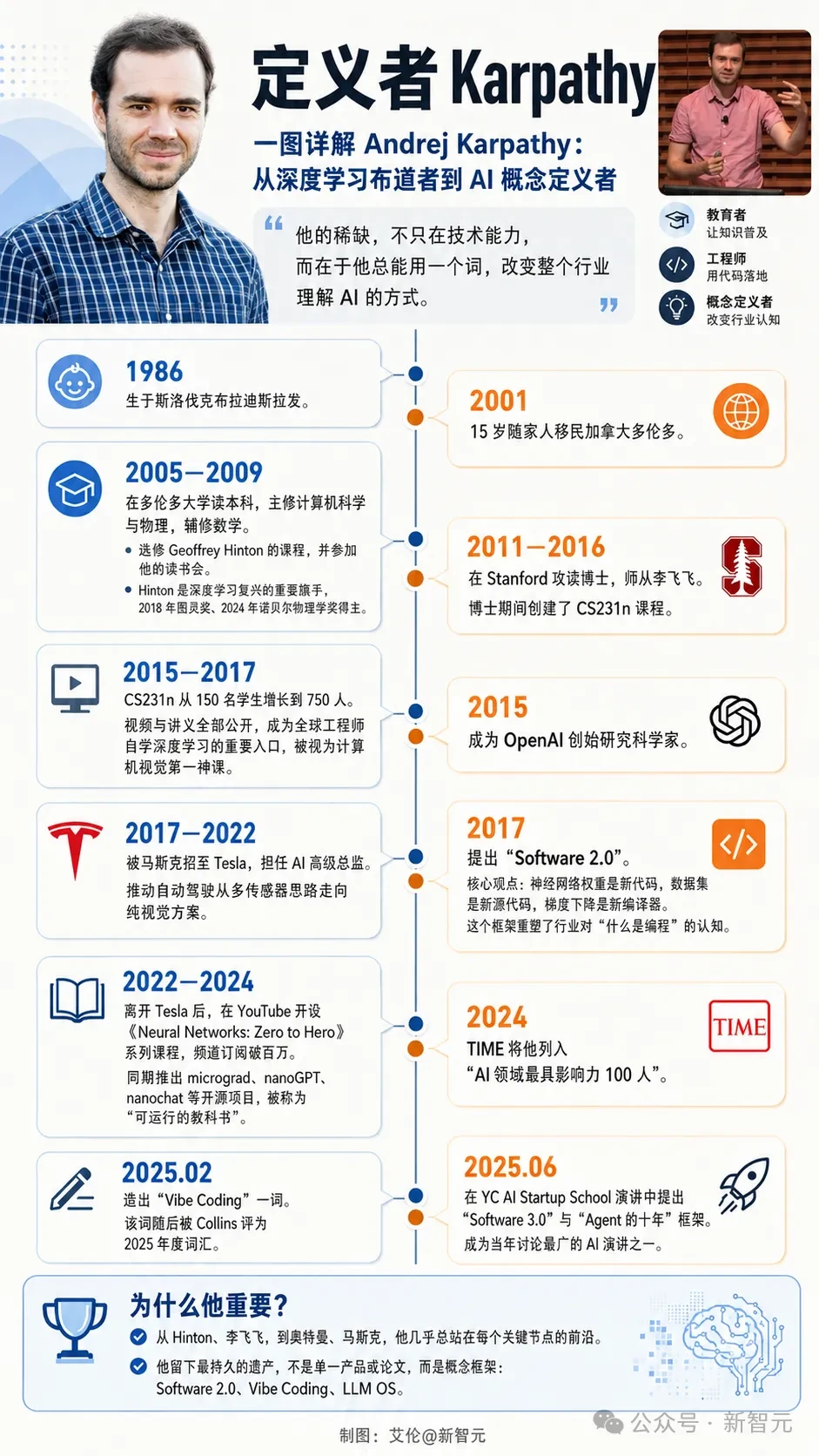
Born in Slovakia in 1986, he immigrated to Toronto, Canada at age 15.
During his undergraduate studies at the University of Toronto, he took a course by Geoffrey Hinton and participated in his reading group.
Hinton is the spiritual leader of the deep learning renaissance, a 2018 Turing Award winner, and a 2024 Nobel Prize in Physics winner.
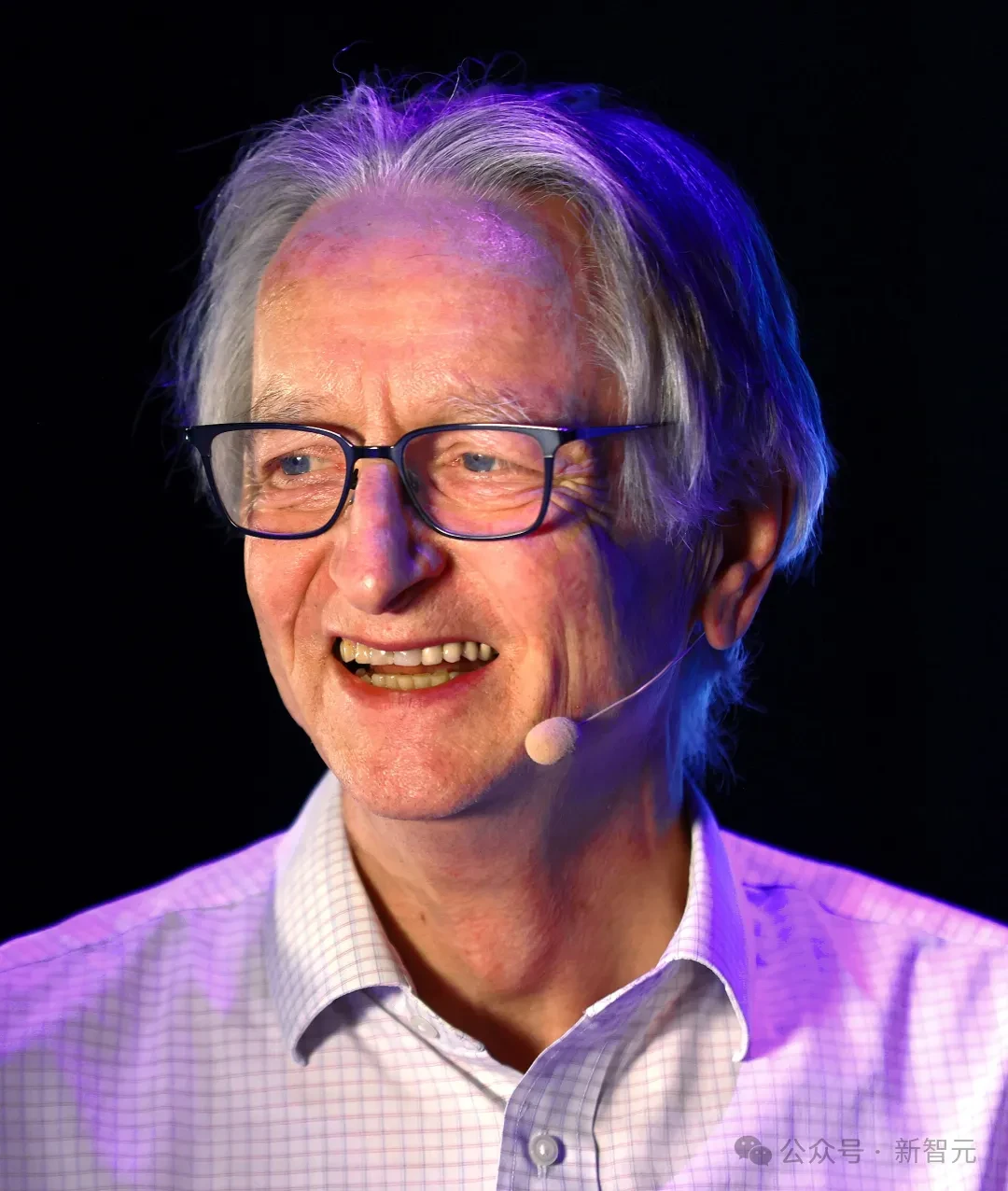
Karpathy was one of the first young minds ignited by this flame.
He later studied under another legendary figure, Fei-Fei Li, at Stanford, where he created the CS231n course during his PhD.
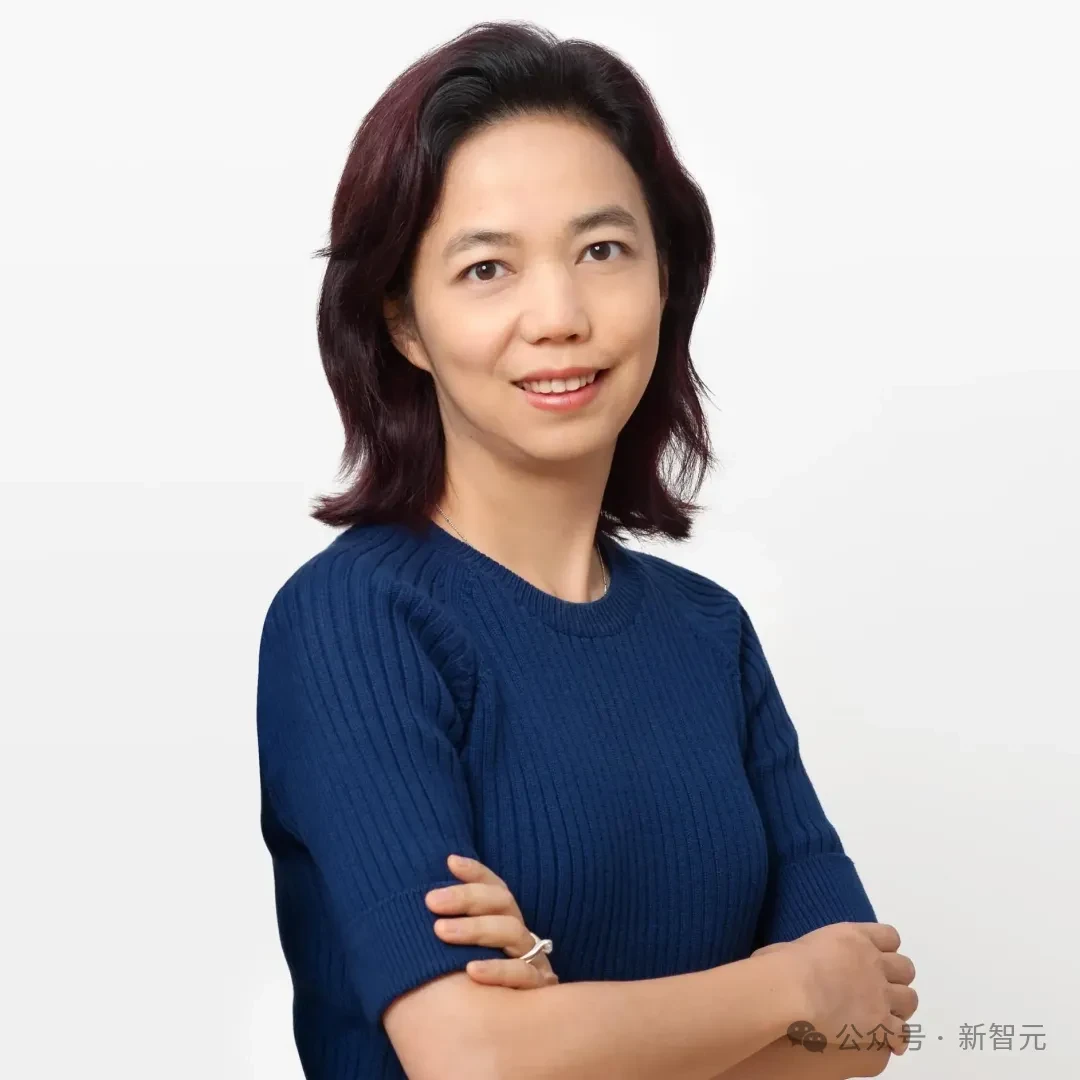
Enrollment for this course grew from 150 students in 2015 to 750 in 2017. All lecture videos and notes were made publicly available online, becoming the first stop for countless engineers worldwide learning deep learning independently. It remains the quintessential computer vision course, bar none.
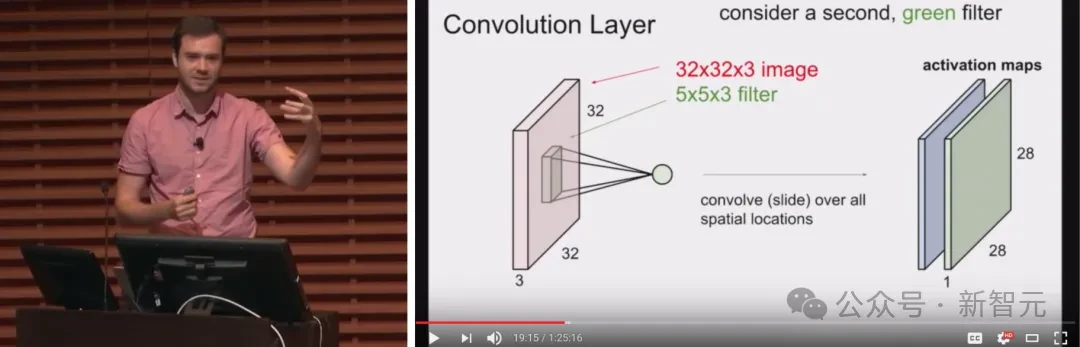
In 2015, he became a founding research scientist at OpenAI.
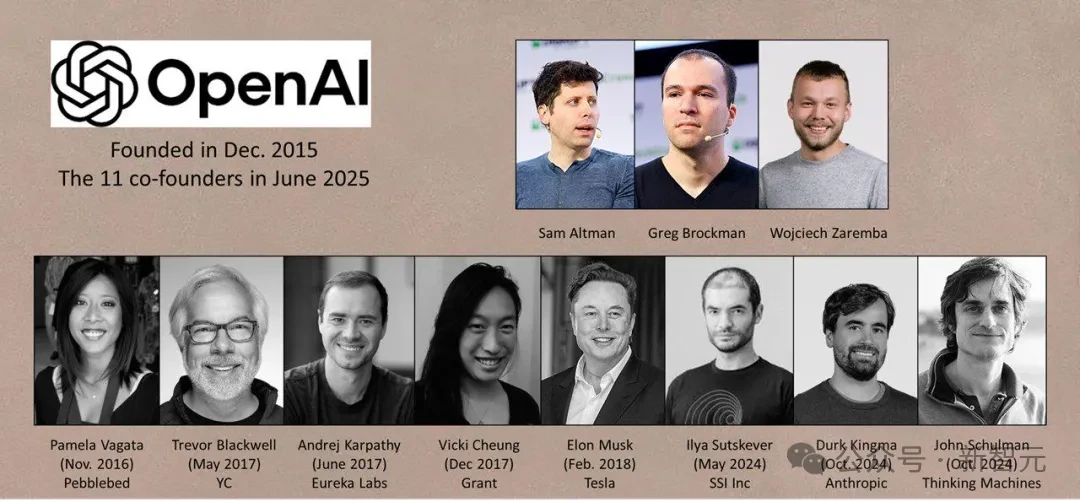
In 2017, he was recruited by Elon Musk to Tesla as Senior Director of AI, driving the shift towards a pure vision-based approach for autonomous driving. Musk endured significant pressure during this recruitment.
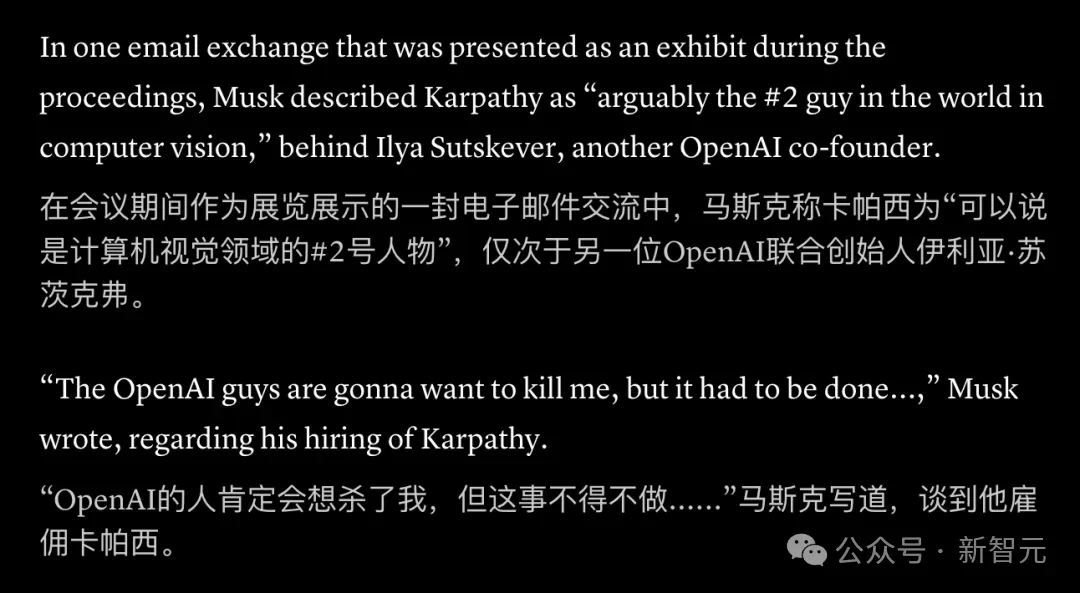
https://www.cnbc.com/2026/05/19/anthropic-hires-openai-cofounder-andrej-karpathy-former-tesla-ai-lead.html
That same year, Karpathy published an article on Medium proposing the 'Software 2.0' concept, arguing that neural network weights are the new code, datasets are the new source code, and gradient descent is the new compiler. This framework reshaped the industry's understanding of 'what programming is.'
After leaving Tesla in 2022, he created the 'Neural Networks: Zero to Hero' series on YouTube, surpassing a million subscribers.
During the same period, his open-source projects like micrograd, nanoGPT, and nanochat, with minimal code yet precise targeting of core concepts, were dubbed 'executable textbooks.'
In February 2025, he coined the term 'Vibe Coding,' which was selected as the Word of the Year by the Collins Dictionary.
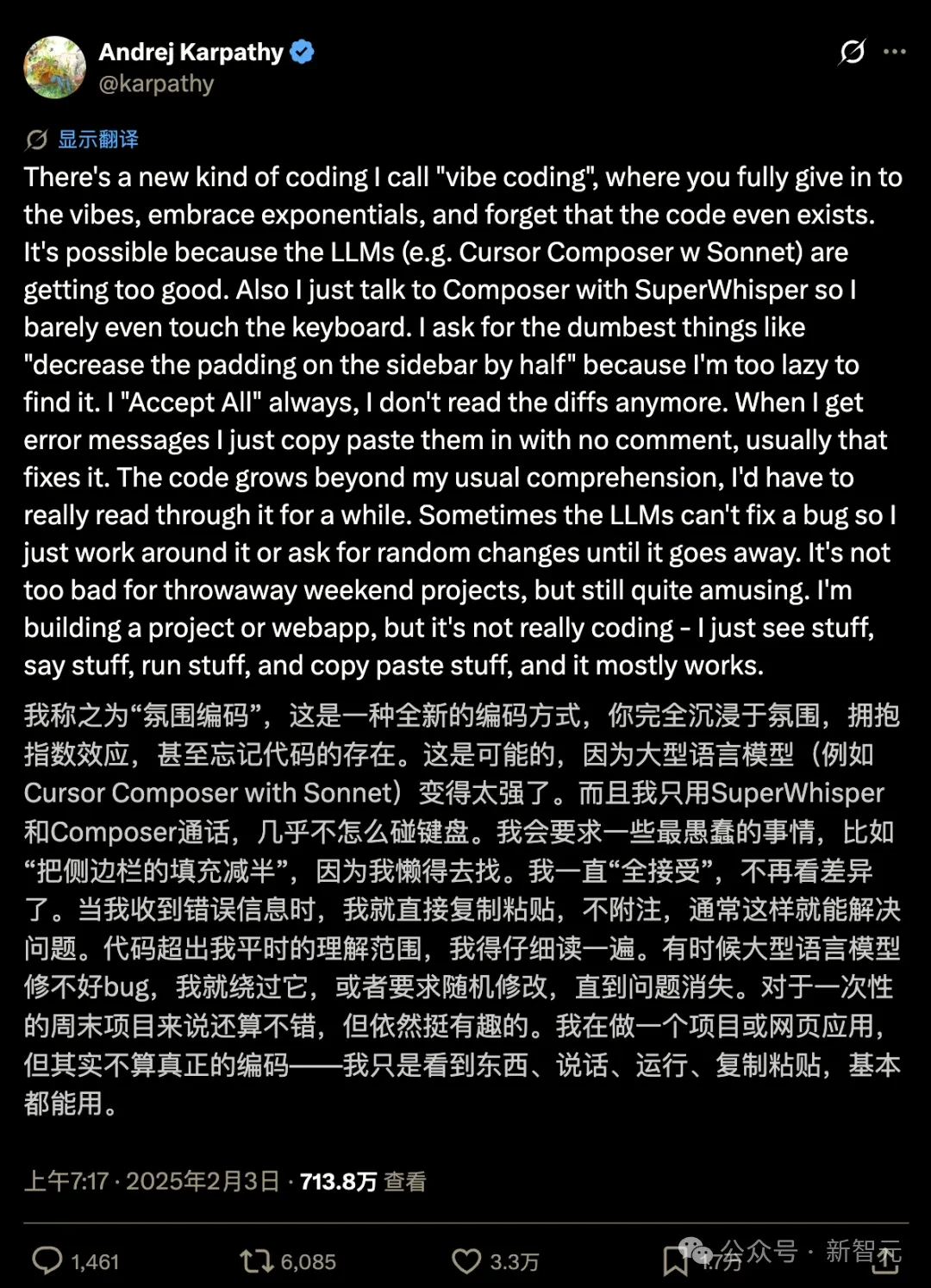
https://x.com/karpathy/status/1886192184808149383
In June, during a speech at YC AI Startup School, he proposed the 'Software 3.0' and 'Decade of Agents' frameworks, becoming one of the most widely discussed AI talks that year.
TIME named him to its '100 Most Influential People in AI' list in 2024.
From Hinton, to Fei-Fei Li, to Sam Altman, and then to Elon Musk, he has been at the forefront at every juncture.
But his most enduring contribution isn't any single product or paper; it's the conceptual frameworks he created. Software 2.0, Vibe Coding, LLM OS – these words changed the way people think about AI.
Willing to Be '-2'
Karpathy's career has a clear trajectory: he has never been driven by titles.
He has been a student of Hinton and Fei-Fei Li, a colleague of Sam Altman, and a direct report of Elon Musk. In each instance, his position in the organizational hierarchy was senior. Now, joining Anthropic, his direct supervisor is Nick Joseph, head of pre-training.
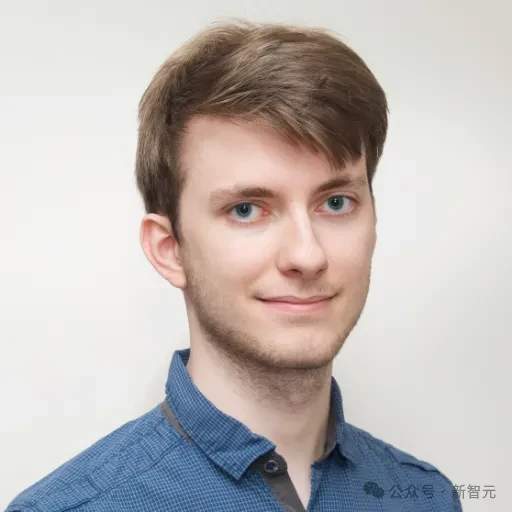
Nick Joseph reports to Dario Amodei.
Karpathy thus sits at the third level of the organizational structure.
Nick Joseph is one of Anthropic's 11 co-founders, having previously worked at Vicarious and OpenAI. During his time at OpenAI, he worked on code models in the safety team. Realizing that a fine-tuned GPT-3 could write code, he saw AI's potential for self-improvement and left with the safety team's lead to co-found Anthropic. His team trained the entire Claude model series, including Mythos.
Karpathy's willingness to research under Nick Joseph stems from a simple reason: this position puts him closest to what he wants to do.
Looking back at every career move he's made, the driving force is the same: 'Where is the biggest experiment happening right now?'
In 2017, he went to Tesla because autonomous driving was the biggest experimental ground for Software 2.0. He left in 2022 because the architecture was established, leaving only engineering optimization. In 2023, he returned to OpenAI because the explosive growth phase of ChatGPT following the GPT-4 release was the most exciting frontier. In 2024, he founded Eureka Labs to test the hypothesis of AI-native education. In 2026, he joins Anthropic because the pre-training revolution of 'using AI to research AI' is unfolding there.
Each departure wasn't born from dissatisfaction, but because the current position was no longer where the biggest experiment was happening.
Why not return to OpenAI? The talent flow provides the answer. Jan Leike, former head of alignment at OpenAI, joined Anthropic in May 2024.
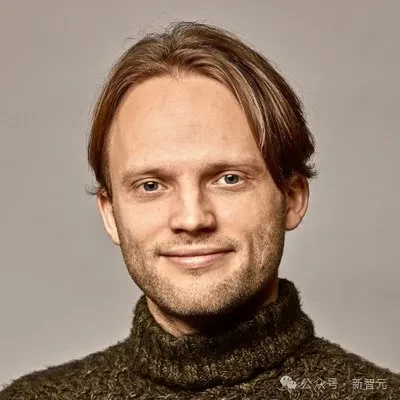
OpenAI co-founder John Schulman followed suit in August of the same year.
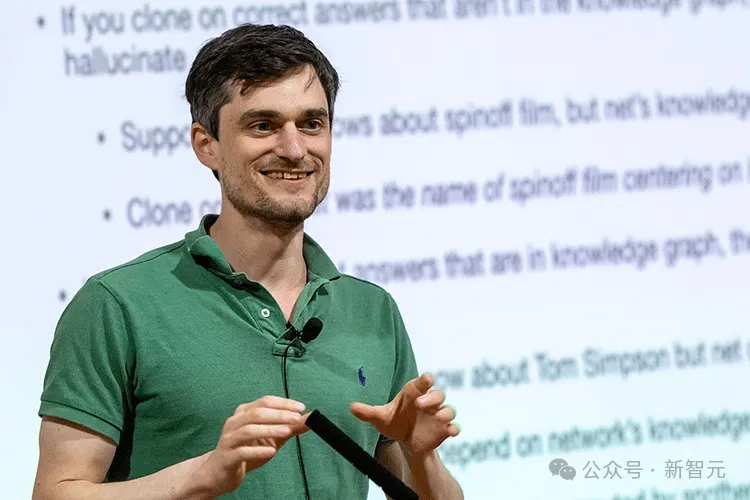
Now it's Karpathy's turn. Three individuals in two years, all flowing in one direction, with no comparable reverse case. OpenAI's strategic focus has shifted from pure research towards platformization and acquisitions. Chat.com, io Products, Windsurf, TBPN – the intervals between acquisitions are shortening, and the deal sizes are growing larger. This is a company transforming into an 'AI-era consumer giant.' For a researcher wanting to 'return to R&D,' Anthropic's 'research-quality-first' approach is more appealing.
Why Anthropic Wanted Him So Badly
Anthropic's recruitment motivation can be broken down into several layers. The most superficial is technical need. No matter how large Anthropic's compute budget, it cannot outspend OpenAI backed by Microsoft or Google with its TPUs. A pure compute arms race is one Anthropic cannot win. It must find a way to train better models with less compute. 'Using Claude to accelerate pre-training research' is precisely this path, and Karpathy possesses the rare combination of deep theoretical knowledge of pre-training, large-scale engineering experience, and an intuition for AI-assisted research.
Deeper down is the talent signal. The narrative of three core OpenAI figures flowing unidirectionally to Anthropic in two years – 'frontline researchers voting with their feet' – is already crystallizing. Every addition of Karpathy's caliber lowers the psychological barrier for the next top-tier talent to join. Talent attracts talent; the flywheel turns on its own.
There's also the brand polishing before an IPO. Anthropic is reportedly negotiating a $30 billion fundraising round at a $900 billion valuation, with IPO preparations underway. Karpathy is one of the most publicly recognized technical figures in AI – millions of YouTube subscribers, coiner of a Word of the Year, maintainer of the CLAUDE.md repository with 220k GitHub stars. Having his name on Anthropic's employee roster gives investment banks a powerful line for the prospectus.
But perhaps the most intriguing layer is what Anthropic might not have explicitly listed as a hiring motive, yet stands to gain the most from: Karpathy's ability to define paradigms. Any technical exploration he undertakes at Anthropic will be publicly discussed by him – tweets, blogs, YouTube videos. When he names what's happening in his unique way, Anthropic naturally becomes the birthplace of that paradigm. Hiring a top pre-training researcher comes with the bonus of the industry's most influential technical storyteller.
The Flywheel's Tipping Point
Viewed in a broader context, this personnel change marks a technological inflection point. In April 2026, Anthropic released Mythos Preview, its most powerful AI model to date.

Mythos is too powerful; currently available only via invited internal testing for Project Glasswing
Without being specifically trained in cybersecurity, Mythos autonomously discovered and exploited a remote code execution vulnerability in FreeBSD that had existed for 17 years, found a 27-year-old vulnerability in OpenBSD, and a 16-year-old flaw in FFmpeg. Independent evaluation by the UK AI Safety Institute confirmed it is the first model capable of