






Don't Be Fooled by the Candlestick Charts! How to Trade Amidst the US-Iran Conflict


- Core View: Geopolitical conflicts in the Middle East (such as the US-Iran conflict) asymmetrically impact the macroeconomy by affecting global energy supply, which will reshape asset pricing logic. Investors need to look beyond short-term technical analysis and construct macro-hedging strategies to address potential risks of inflation, recession, and liquidity.
- Key Elements:
- The Strait of Hormuz is the global energy chokepoint, handling approximately 20% of the world's oil and 21% of seaborne LNG supplies. Its blockade would severely impact Asian economies reliant on this route, triggering imported inflation.
- The conflict's impact is asymmetric: The US has low energy dependence (around 4%) and may attract safe-haven capital, strengthening the USD. In contrast, Asia (e.g., China 33%, Japan and South Korea over 70% oil dependence) will bear significant cost pressures.
- The market may play out three scenarios: a short-term blockade causing oil prices to spike then retreat; a blockade lasting 1-3 months pushing oil to $100-$120, triggering global stagflation; a full-scale conflict potentially sending oil above $150, leading to a deep recession.
- The safe-haven logic for gold is complex: It may initially rise alongside the USD, but struggles if the Fed maintains high rates to combat inflation. Strong rallies typically only occur during economic or sovereign credit crises.
- Investor strategies should shift from unilateral bets to multi-dimensional hedging. For example, using derivatives on platforms like MEXC to allocate long oil contracts as "energy insurance" and allocating hard assets like gold to hedge against the long-term decline in fiat currency purchasing power.
Amid increasing turbulence in global financial markets, any ripple in the Middle East situation is enough to trigger a drastic restructuring of the asset pricing system. For investors seeking trading opportunities on platforms like MEXC, focusing solely on candlestick indicators on the charts at this moment can easily lead them into a technical trap created by short-term sentiment.
Looking beyond the fluctuating price surface, the essence of the US-Iran conflict is a macro-level game concerning energy choke points, inflation spirals, and monetary credibility. When traditional geopolitical crises overlap with fragile global supply chains, seemingly unbreakable support levels become powerless in the face of absolute physical supply disruptions.
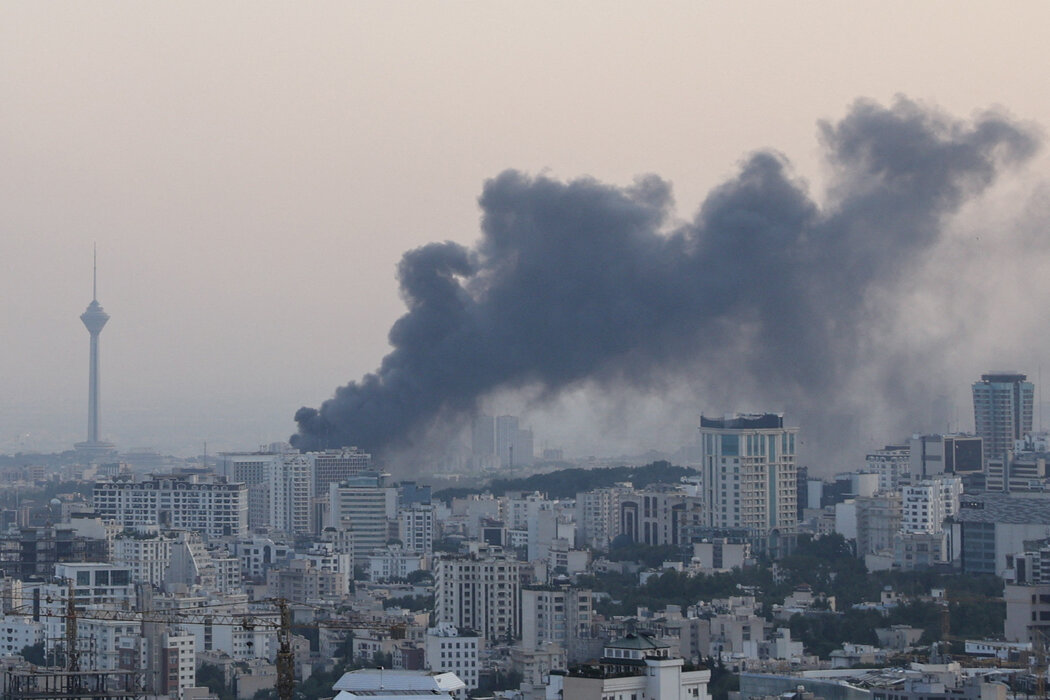
The Energy Chokepoint is Strangled: Global Reshaping Under Asymmetric Impact
The most brutal aspect of this game lies in its asymmetric impact on the global economy. As the absolute heart of global oil circulation, the Strait of Hormuz handles approximately 20% of the world's oil and 21% of seaborne liquefied natural gas supplies. If this throat is strangled, the global energy landscape will instantly become imbalanced.
Asian manufacturing is undoubtedly the most vulnerable link in this crisis. Due to extreme reliance on this shipping lane, China's oil supply (as high as 33%) and that of Japan and South Korea (over 70%) are dependent on it. This means that if conflict erupts, Asian economies will be the first to bear the brunt of imported inflation pressure.
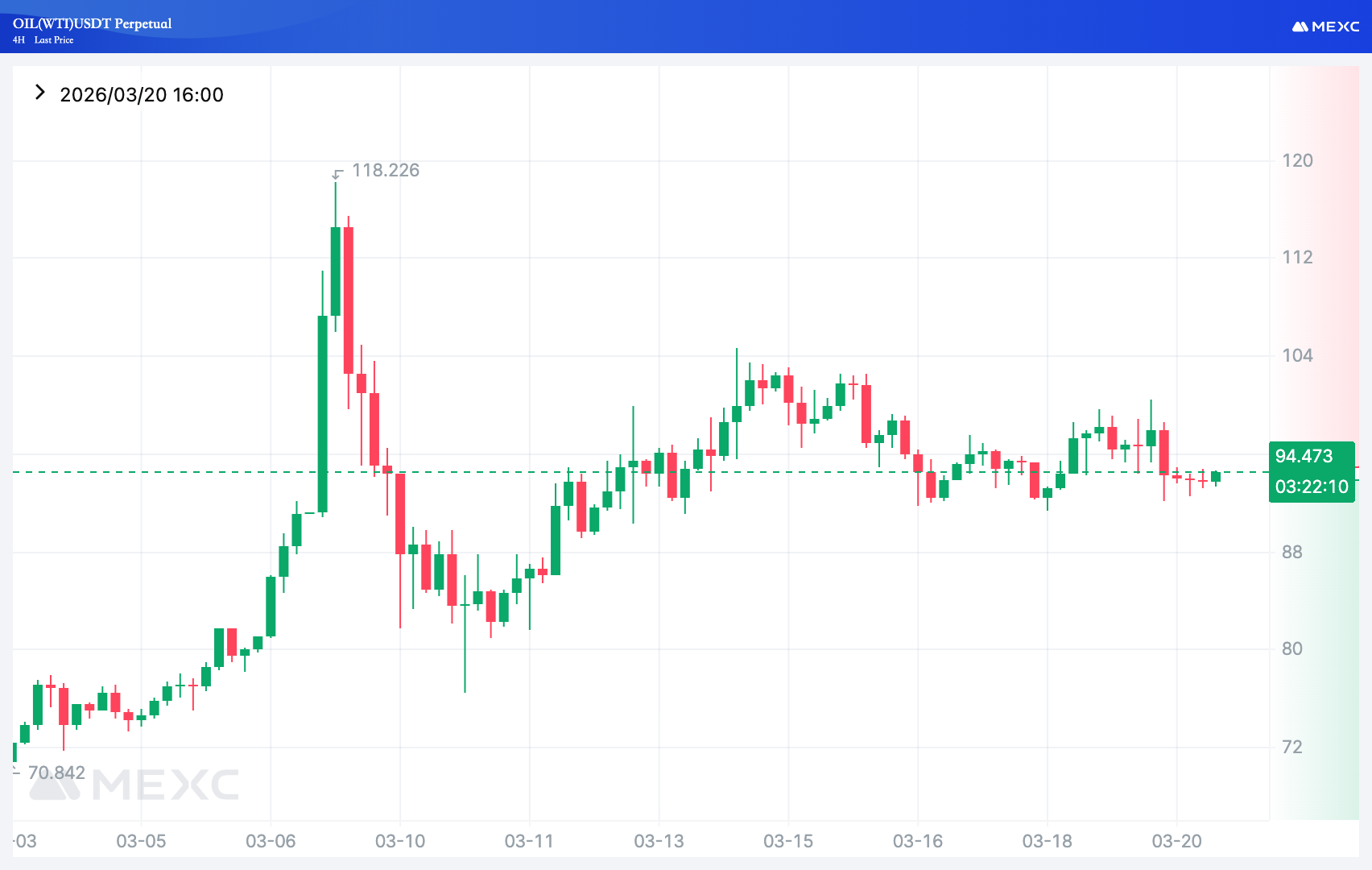
When extreme expectations push crude oil prices above the $100 threshold, surging production costs will rapidly erode the profits of midstream and downstream enterprises, easily triggering a collapse in stock market valuations.
In contrast, the United States, with its mere 4% dependence and relatively strong energy self-sufficiency, could ironically become a safe haven for capital in the early stages of conflict. This influx of safe-haven capital and relative growth advantage would strengthen the US dollar, draining liquidity from emerging markets like a pump and creating massive asset price disparities globally.
Beware of Three Scenarios: Mean Reversion or Deep Recession?
Faced with a geopolitical crisis of this magnitude, market trajectory projections are never linear but accompany three distinct and harsh scenarios. The core of judgment lies in the duration and severity of the conflict.
First is the "bull trap" scenario of low-intensity friction. If a blockade lasts less than a month, Brent crude oil, driven by sentiment to spike, will most likely quickly retreat to around $80. This is merely a brief release of geopolitical premium, and retail investors blindly chasing highs are easily and ruthlessly harvested during mean reversion.
The real threat lies in the "baseline scenario" of medium-intensity volatility. If escalating conflict leads to a blockade lasting one to three months, global energy inventories will rapidly fall below warning levels. High oil prices of $100 to $120 would drag the global economy firmly into the quagmire of stagflation. At this stage, the Federal Reserve would find itself in a complete policy dead end: cutting rates to save the economy would cause a secondary inflation rebound, while raising rates to curb inflation would accelerate a hard economic landing.
The most extreme situation is the high-intensity "full-scale conflict" scenario. Once the situation spirals completely out of control, with regional production capacity largely destroyed, crude oil could very likely surge to $150 or even higher. At that point, the global economy would slide directly from stagflation into a deep recession, rendering all historical experience and trading models utterly ineffective.
Safe-Haven Logic Restructured: Protecting Core Assets Amid Macroeconomic Fragmentation
In this "scripted murder" of macroeconomic fragmentation, the underlying logic of safe-haven assets is also undergoing profound restructuring. Many investors mistakenly believe that "when cannons roar, gold soars," but under complex macroeconomic transmission, gold's price action is often filled with phased games.
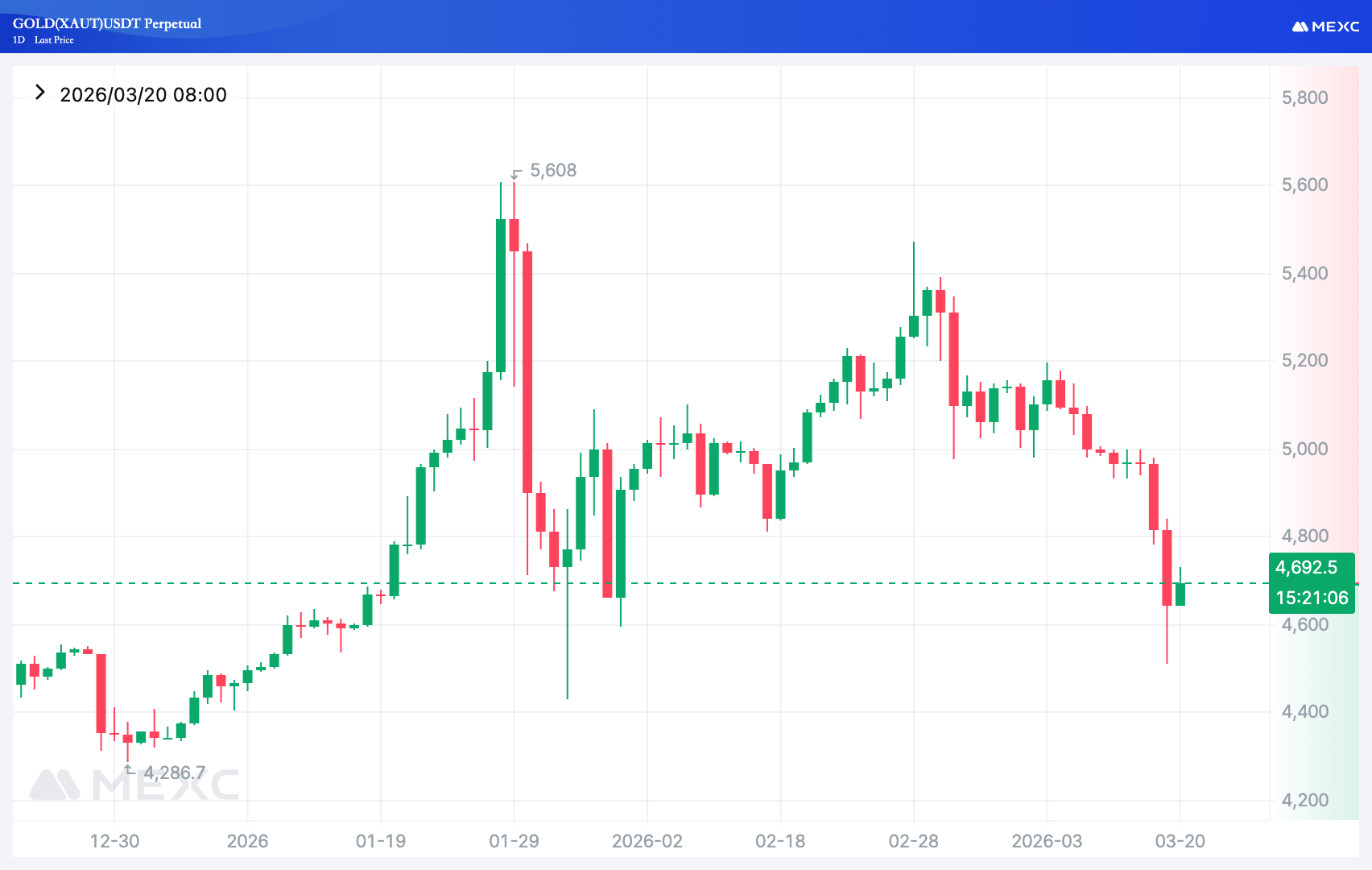
In the initial stages of conflict, gold indeed rises in tandem with the US dollar due to pure safe-haven sentiment, becoming a harbor for market capital.
However, as the situation evolves, if high inflation forces the Fed to stubbornly maintain high interest rates, non-yielding gold will instead exhibit a struggle of repeated high-level tug-of-war on the charts. Only when high oil prices ultimately and completely puncture the economic bubble, or even trigger sovereign credit instability, will gold truly be unsealed, embarking on a magnificent primary uptrend as a decentralized currency.
Defensive Counterattack in Chaos: How to Use MEXC to Build Hedges
At this juncture filled with variables, smart money has long ceased simply betting on unilateral rises or falls, instead turning to multi-dimensional risk hedging.
On one hand, they are beginning to use the derivative tools provided by MEXC to moderately allocate crude oil call contracts within their investment portfolios. This is essentially buying "energy insurance" for their spot holdings or stocks to hedge against asset depreciation caused by inflation.
On the other hand, regardless of how the situation evolves, the decline in fiat currency purchasing power is an almost irreversible tide of the times. Reasonably allocating hard assets like gold is not only to avoid the geopolitical smoke of the Middle East but also to firmly protect one's core assets in this long-cycle wealth reshuffle.


