






Storytelling Power Awakens: The Last Straw to Save Web3



- 核心观点:Web3成功的关键在于人性化叙事。
- 关键要素:
- 当前Web3叙事抽象冰冷,缺乏情感共鸣。
- 故事能建立情感连接,是用户理解技术的入口。
- 实战证明,人情味内容比硬核技术讲解更有效。
- 市场影响:推动项目方重视用户体验与情感营销。
- 时效性标注:长期影响。
Original title: Web3 Fails Without Storytelling
Original author: Noir, Solana content creator
Original translation by Chopper, Foresight News
The failure of Web3 was never due to a lack of creativity. In fact, its problem was that it failed to resonate with people.
The current Web3 narrative is mostly filled with abstract concepts: public chains, infrastructure, protocols, layers... These terms themselves are not wrong! However, they lack any "human touch," and ordinary people cannot feel any connection with them.
This is precisely where the value of storytelling lies. In the Web3 space, the importance of storytelling far surpasses that of any other industry.
Web3 is built on logic, but lacks emotional resonance.
In other fields, people already have their own cognitive context. For example, talking about food will whet your appetite; talking about fitness will make you imagine the progress you're making; talking about travel will immediately conjure up the scenery of your destination.
But Web3 just can't do that. Creators and project teams are always painstakingly explaining how powerful those invisible and intangible systems and processes are.
Without a story to set it up, all of this would seem distant and cold.
In short: Utterly boring. Obviously, nobody will pay for something boring.
Stories are the gateway for ordinary people to enter Web3.
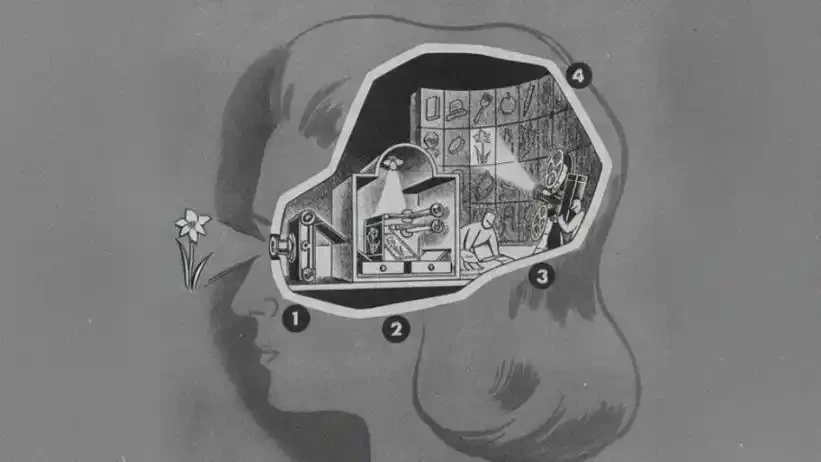
Most creators and project teams rush to explain how this works. But they forget that a good story always begins by describing how this makes you feel.
Confusion, laughter, relief, vulnerability... these emotions are completely absent from Web3 narratives.
My friend, if this trend continues, the outcome is self-evident. Even if people don't understand this technology, these emotions are universal. The key is that when someone recognizes a familiar feeling in the story, they will subconsciously follow you and listen to your subsequent professional interpretation.
Stop listing features and focus on the user experience moments.
The superiority of the two expressions is immediately apparent.
Feature-first version: This feature improves system scalability by optimizing throughput.
That makes sense, but I forget it as soon as I hear it, and... what is it even talking about?
Story preview: I kept refreshing the page, mentally preparing myself to wait again... only to find that the transaction had already been completed.
The same core message, but the latter is warmer and easier to understand.
Storytelling is not about downplaying technology, but about preparing the audience's brains in advance to receive complex information.
Do you understand? I hope you understood. Let's continue...
Complex concepts need to be applied to real-life scenarios to be realized.
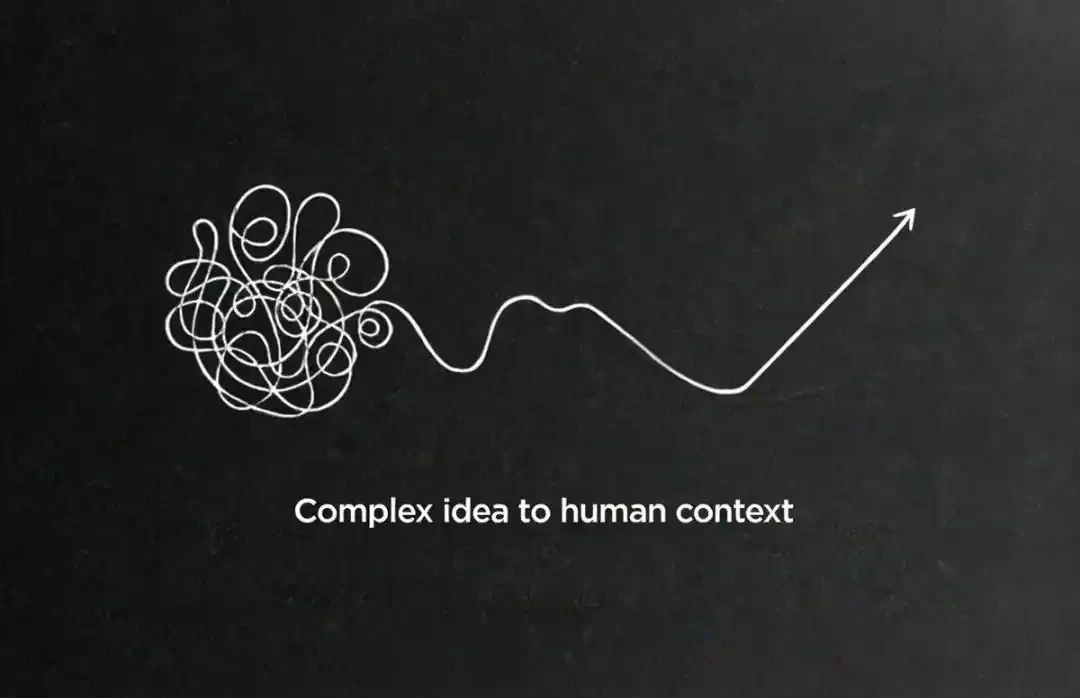
When faced with complex problems, people often wonder, "What does this have to do with me?"
Stories, on the other hand, can provide answers subtly. A simple, everyday scene is all it takes to establish a connection.
You don't need to explain every single detail. You just need to showcase one key moment: a frustrating hurdle, a moment of relief from pressure, or a small moment of victory.
That's enough; it's enough to make a complex concept feel real and tangible.
Practical verification: This methodology really works.
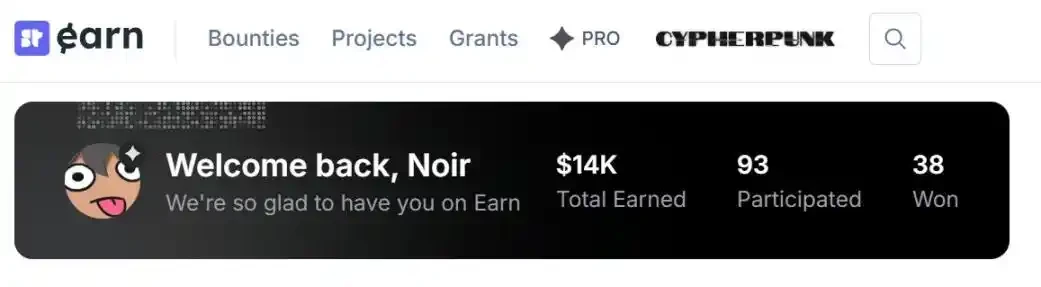
My core work involves creating story-driven video content for Web3 bounty programs and sponsors.
Over time, I've noticed a pattern: the videos that win championships are never the ones with the most technical explanations, but rather those that begin with a heartwarming moment.
I won't start by listing features and explaining principles. Instead, I'll focus on these scenes: the helplessness when using the product for the first time; the stumbling and struggling before understanding a certain function; and the sudden enlightenment when finally connecting.
This narrative style always allows viewers to watch longer and understand faster. This is also why my videos stood out in the bounty contest.
It's not because I talk about more technical things, but because I make complex concepts more human and emotional.





